Blockchains
Provide insight into how the different parts of this technology function.
My Goal
What are we covering today?
- Problem statement
- Trust
- Ledgers
- Cryptocurrency components
- Decentralization
- Transactions
- Blocks and Chains
- Mining and Concensus
Trust

How do transactions operate today?

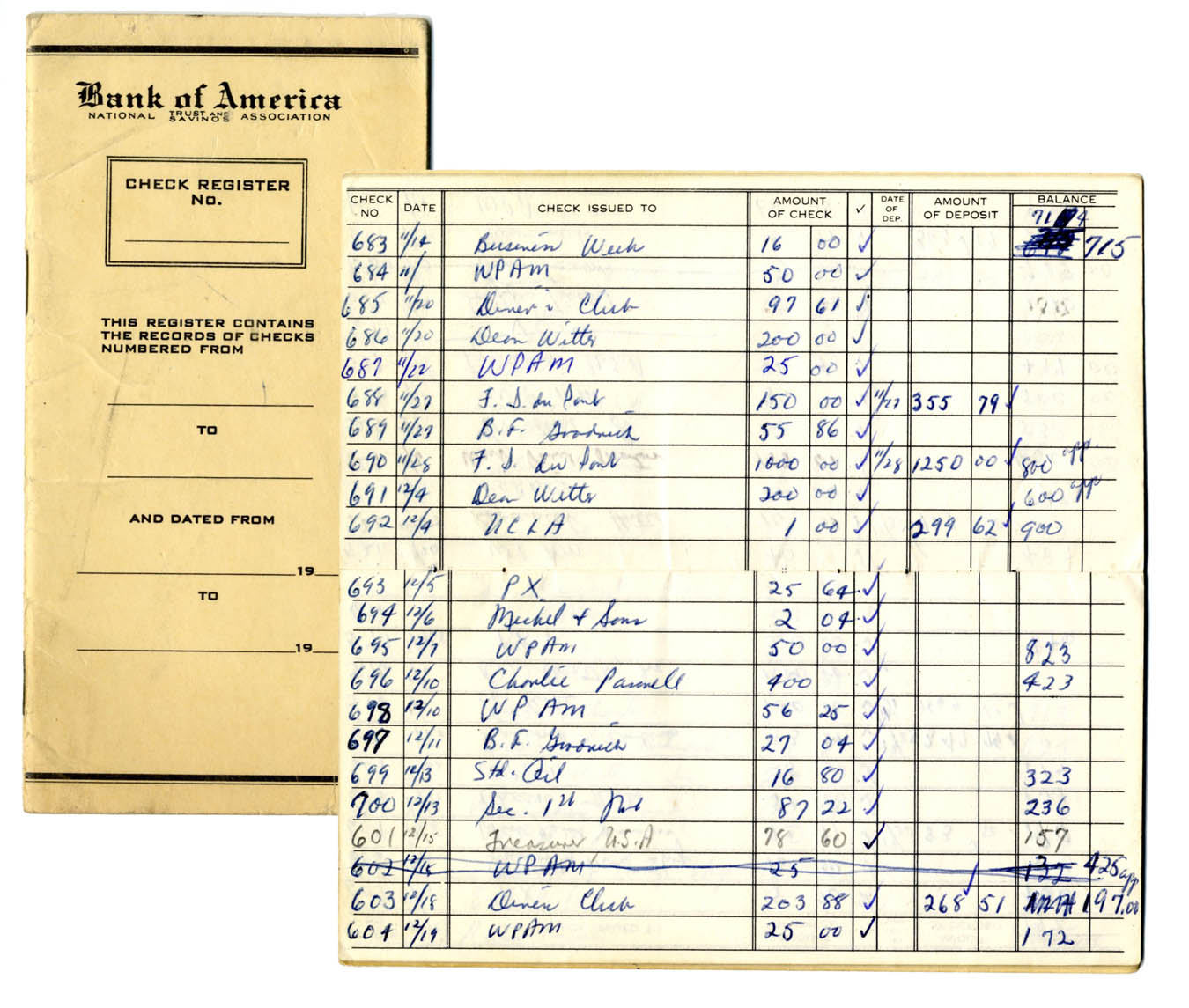
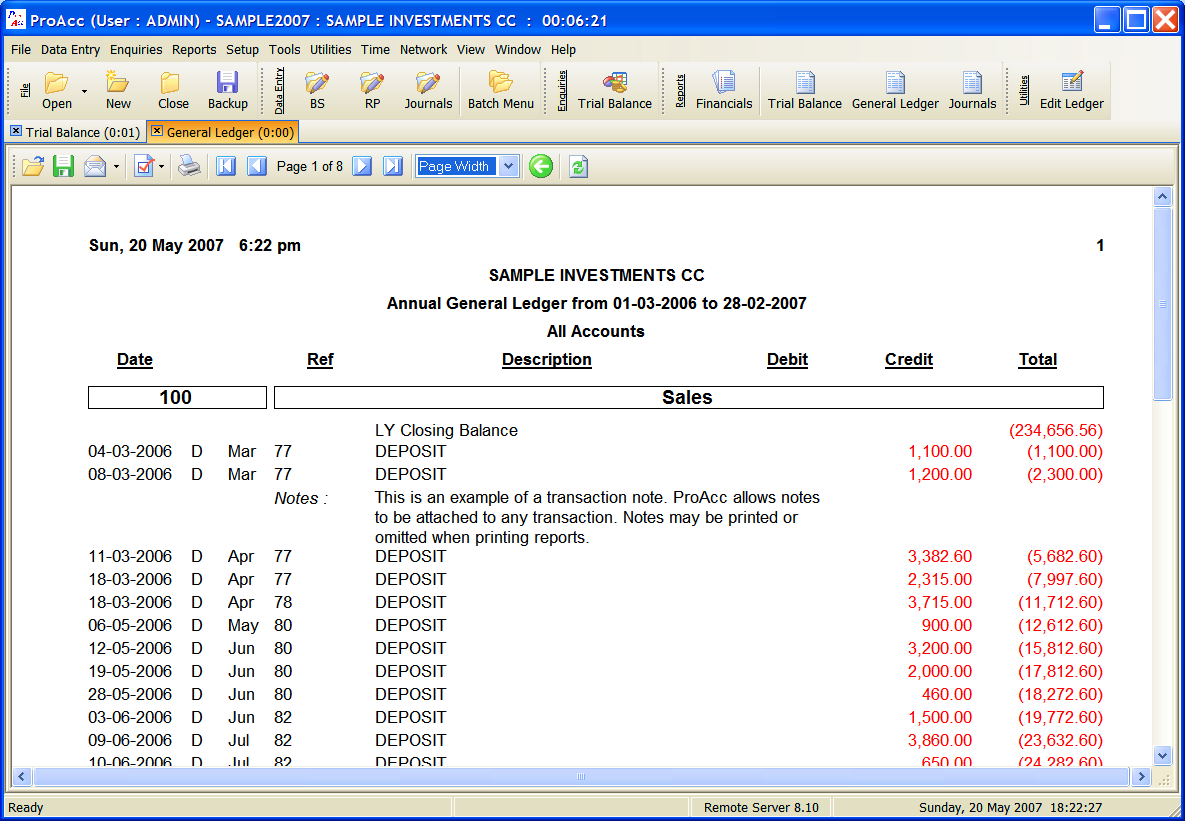
"Middle man" acts as central authority for executing and verifying transactions in a ledger.
- ...
- Alice gives Bob $100
- Bob gives John $50
- ...
- ...
Alice
Bob
John
etc
etc
This is setup is pretty
useful though...
- Prevents "double spending"
- Ensures no one is overspending
- Targets and sources of funds are
verified - Fraud and consumer protection
We trust these institutions to act in our
best interests...right?







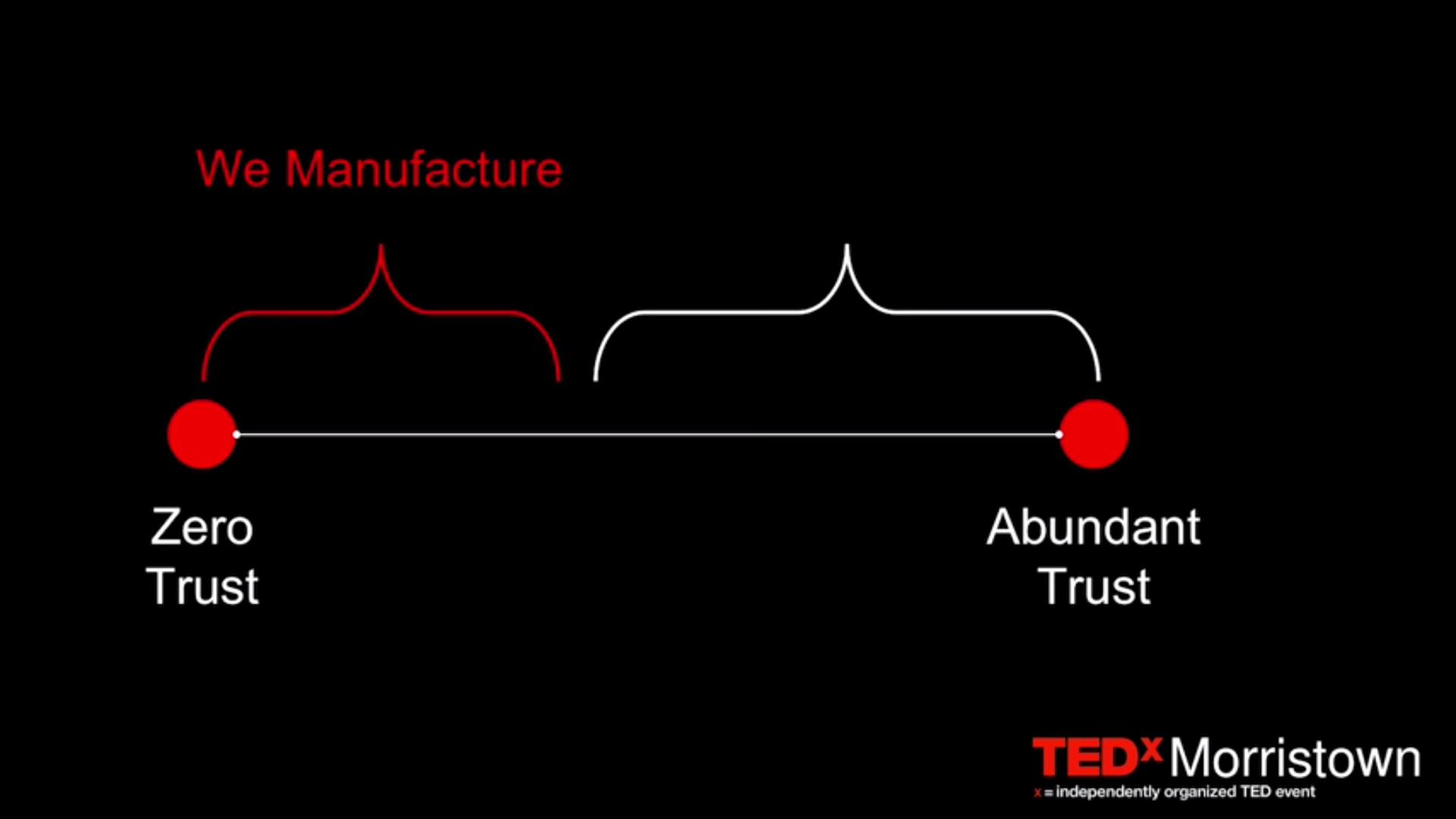
Trust is partially manufactured,
the rest is emotional/gut.
Peer-to-Peer Transactions
"Ideally the only risk you should have when it comes to managing your digital identity is whether or not your personal systems have been compromised, instead of worrying about every corporation you've ever dealt with in the past. "
Blockchain appears to solve this "trust gap" and removes the need for a middle man.

Step 1 - Decentralization
- ...
- Alice gives Bob $100
- Bob gives John $50
- ...
- ...
Alice
Bob
John
etc
etc
- ...
- Alice gives Bob $100
- Bob gives John $50
- ...
- ...
Alice
Bob
John
etc
etc
- ...
- Alice gives Bob $100
- Bob gives John $50
- ...
- ...
- ...
- Alice gives Bob $100
- Bob gives John $50
- ...
- ...
- ...
- Alice gives Bob $100
- Bob gives John $50
- ...
- ...
- ...
- Alice gives Bob $100
- Bob gives John $50
- ...
- ...
"Who"?
256-bit keys
Public Key - Sending/Receiving address
Private Key
You might ask: How do we know that public/private key pairs are unique?
2
256
=
115,792,089,237,316,195,423,570,985,008,687,907,853,269,984,665,640,564,039,457,584,007,913,129,639,936
2
256
Max 256-bit number =
- 1
(78 digits long)
Point of comparison:
The number of atoms in the universe
~10
80
which is 80 digits long...

0011111001111000101001000101110111011110010110011001010010010100010100110111110001111001000100111101011101110011010011110101011000110010010001011110100101000001111000110111010011000001110011111110010100010111010100100000011101011100001011001110100011000101
Binary
Hex
3e78a45dde599494537c7913d7734f563245e941e374c1cfe51752075c2ce8c5
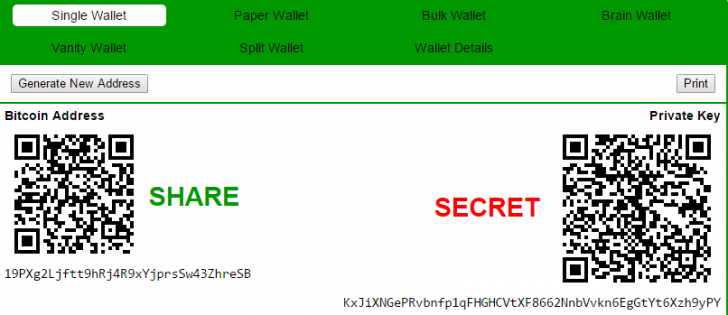
Base58
5CryUZAmQZRpqyGkhjA3KmhKjGGHXiSwHjbB1CaFG2cU
Outbound transaction
Sign(Message, Private Key) = Signature
Inbound verification
Verify(Message, Signature, Public Key) = T / F
"In Math We Trust"
It's actually more like
"With Math We Verify"
Written signatures
vs
Digital signatures
Always looks the same...
- Unique ID - Tx Msg
- 1 - Alice gives Bob $10
- 2 - Alice gives John $5
- 3 - Alice gives Bob $10
- a030dc...
- 0b992a...
- b0c090...
Every transaction is unique
Verification complete.
But what about overspending...?
A transaction is actually linked to previous transactions.
- Alice has $100
- Bob has $100
- ...
Let's say the ledger contains the amount put into "the pot"
Now - funds can be validated
- Alice has $100
- Bob has $100
- ...
- Alice gives Bob $50
- Alice gives John $50
- Alice gives You $20 - X
- Alice has $50
- Alice has $0
Invalid transactions are simply rejected by the nodes.
But - why does it have to be $$$?
- Alice has 100
- Bob has 100
- ...
- Alice gives Bob 50
- Alice gives John 50
- Alice gives You 20 - X
- Alice has 50
- Alice has 0
So this chain of transactions, that's the block chain everyone's talking about...right?
Not quite...
- ...
- Alice gives Bob $100
- Bob gives John $50
- ...
- ...
Alice
Bob
John
etc
etc
- ...
- Alice gives Bob $100
- Bob gives John $50
- ...
- ...
- ...
- Alice gives Bob $100
- Bob gives John $50
- ...
- ...
- ...
- Alice gives Bob $100
- Bob gives John $50
- ...
- ...
- ...
- Alice gives Bob $100
- Bob gives John $50
- ...
- ...
Alice sends Bob $200
Alice sends Charlie $200
????
:-(
Enter the blocks and their chain...
tx
tx
tx
tx
tx
tx
tx
tx
"unconfirmed transactions"


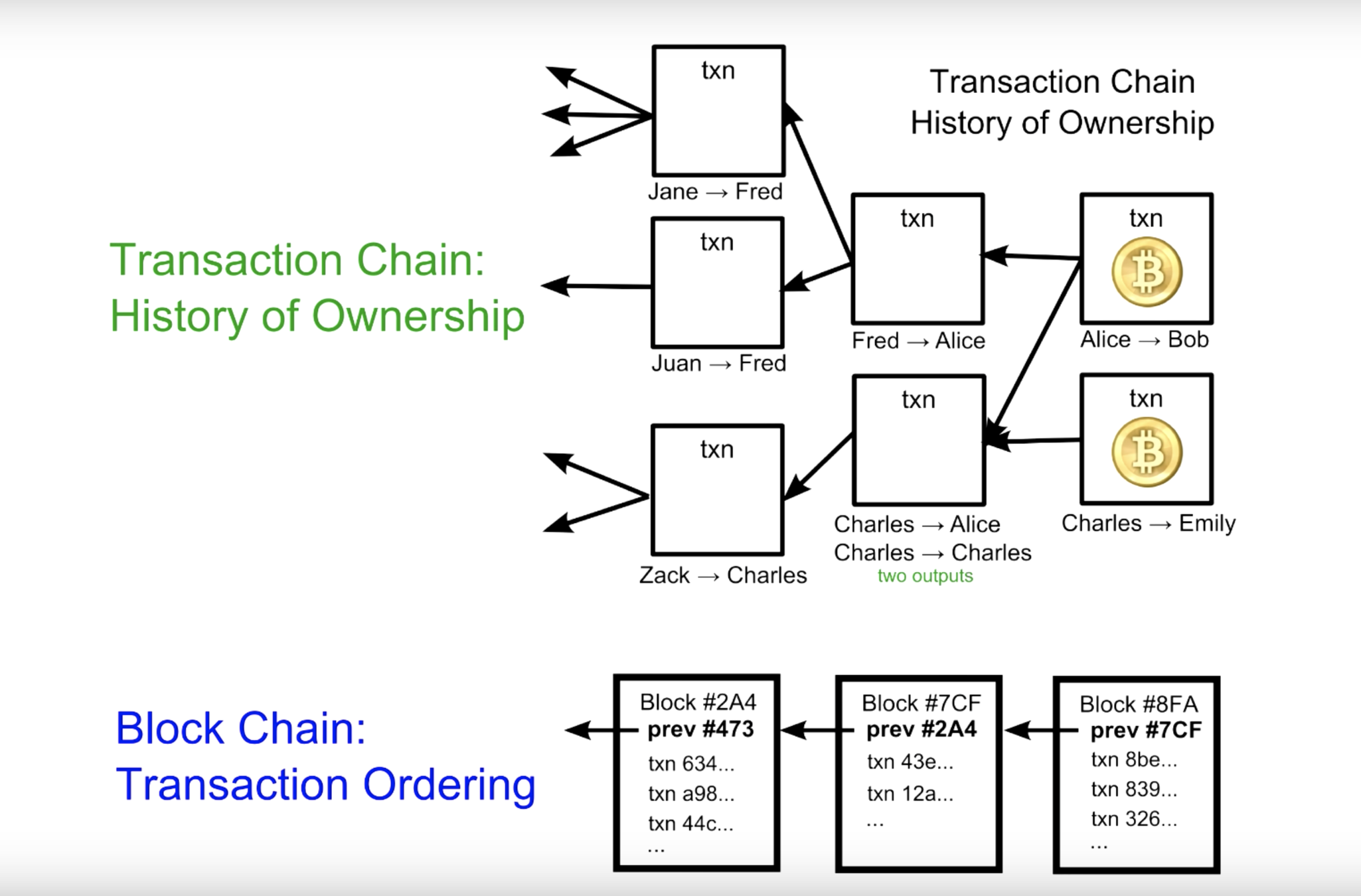
Let's briefly discuss what a hashing function is....
f(x) = y
f(x, y) = x + y
f(x, y) = 4
| x | y |
|---|---|
| 0 | 4 |
| 1 | 3 |
| 2 | 2 |
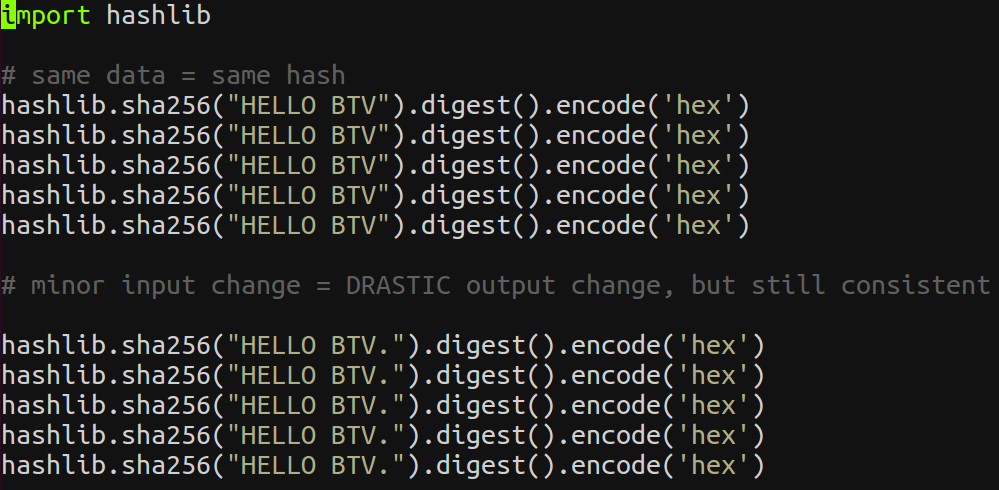
Cryptographic hash functions have special properties
- Arbitrary length input
- Results are of a fixed length
- Results are unique
- Same input -> Same output
- Hard to reverse
a7c5c078219d8ffb8ce3d46b68456983
"Digital Fingerprint"
SHA256
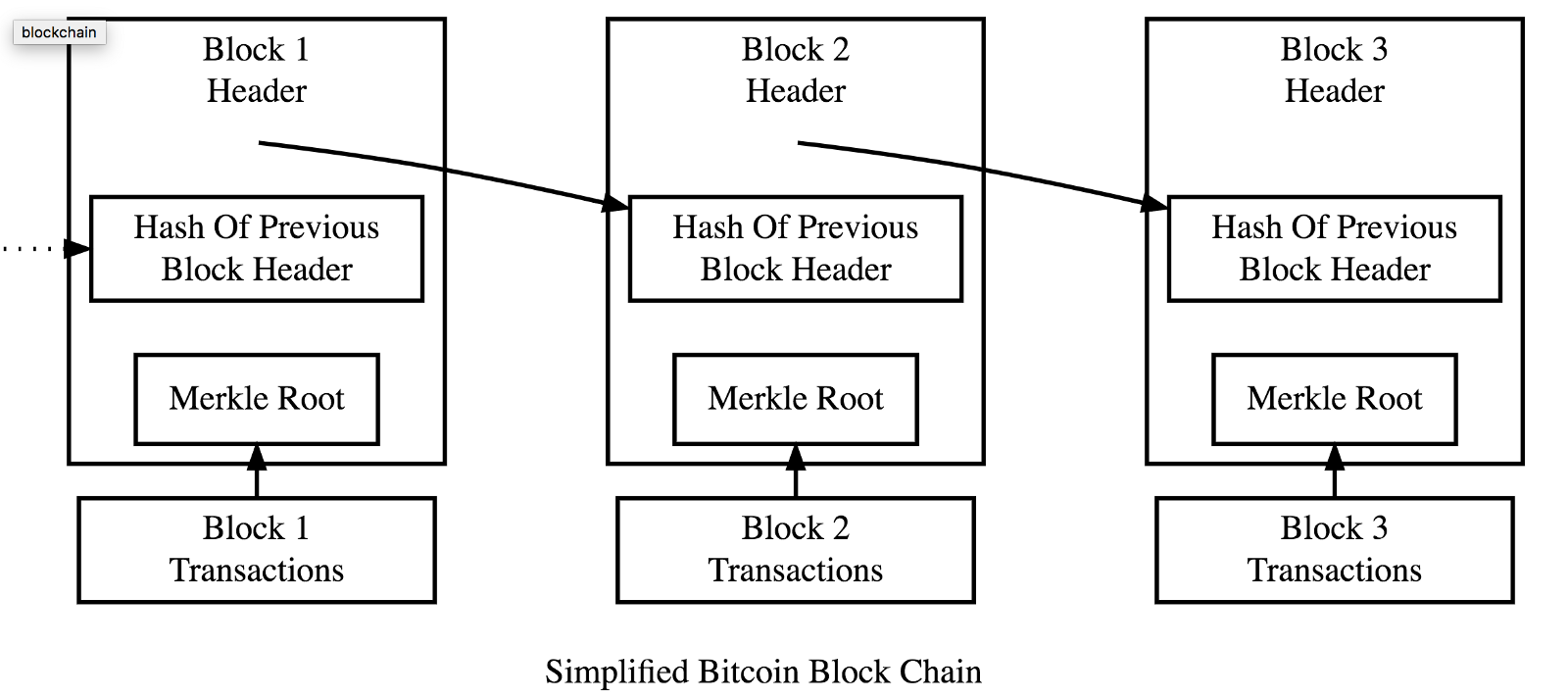
Block header
- Block version
- Previous block hash
- Merkle root
- I'm still learning about this one
- Time (now!)
- "Bits" aka "difficulty"
- Nonce aka "randomly guessed number"
When creating a new block, we have all the information we need to compute the "current block hash" value, except the nonce...
The nonce is the puzzle we need to solve...
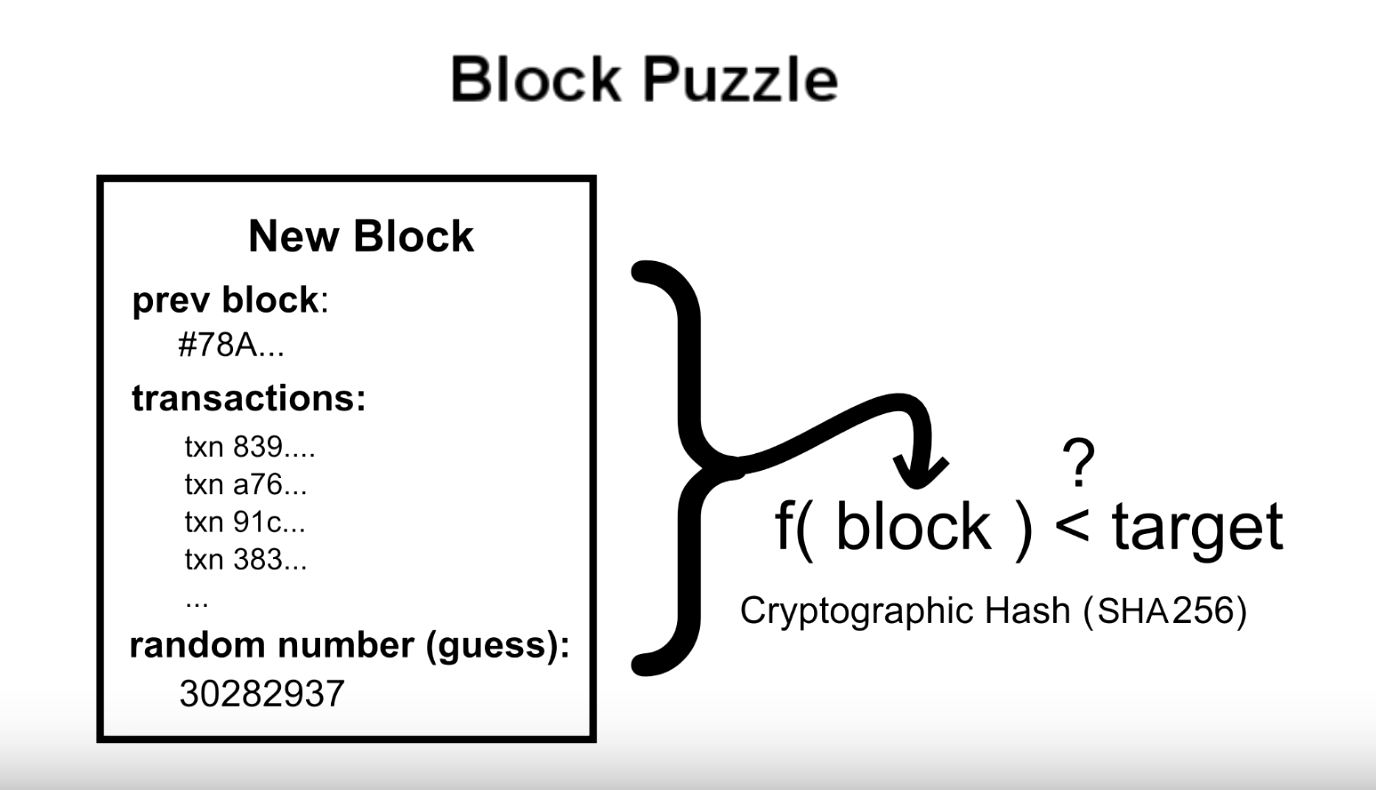
So what does "difficulty"/target mean???

The hash needs to be less than the difficulty value.
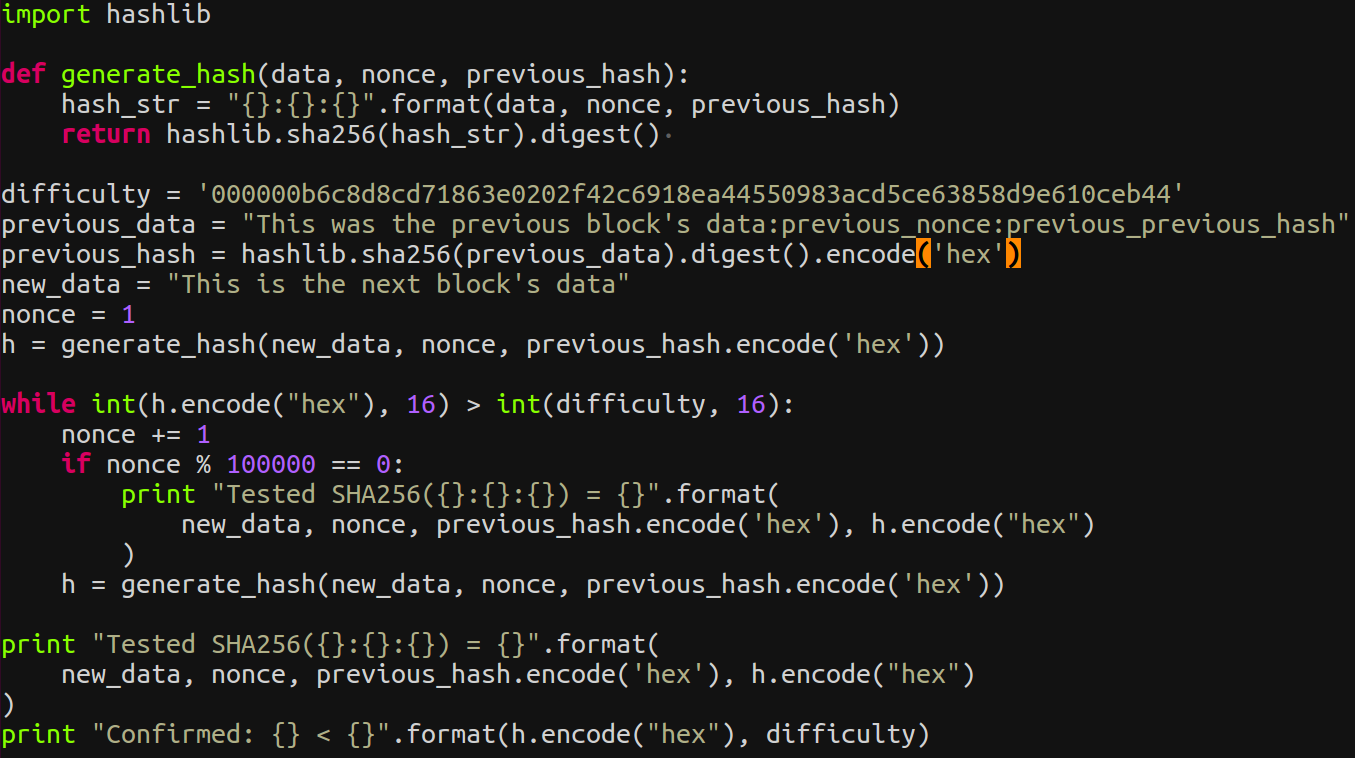
Let's look at an example of this in action...
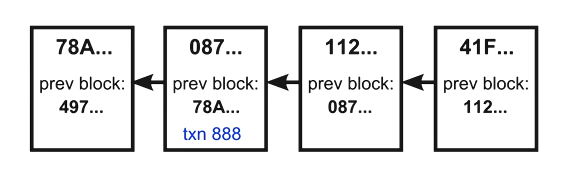
It's easy to verify that a new block suggestion satisfies the difficulty - anyone can run the SHA256 algorithm against the contents of the block to confirm!
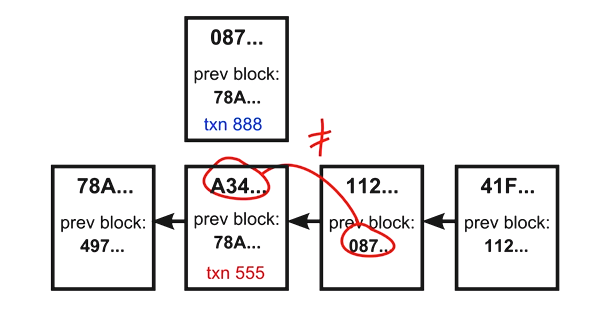
It can happen that two distinct blocks are generated at around the same time...

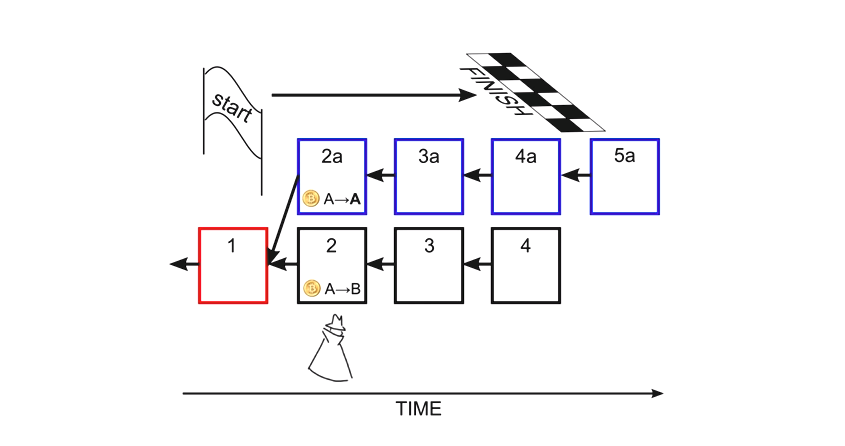
JK - the network trusts the "longest" chain. That is - your version of reality is the one you see first. However, if another chain finds the next block, you immediately switch to that chain.
Your transactions are considered A-OK after a certain number of confirmations.
If your transaction was on the shorter chain - they go back into the mempool to be put into a new block.
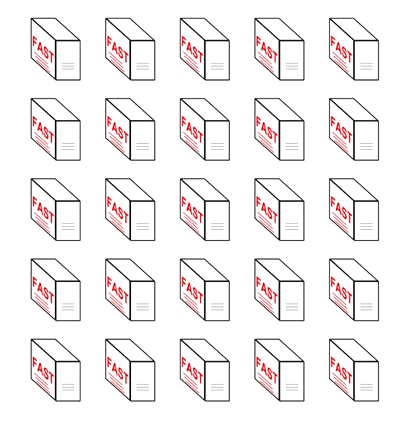
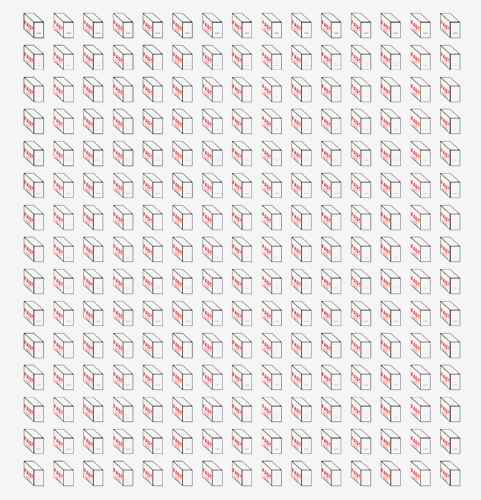
"But...if my transaction can be orphaned, can't someone attack the network by simply broadcasting their own longer chain?!??!"


vs
"51% Attack"
In conclusion
Blockchains don't need trust - they simply verify
Cryptography, mathematics, and source code are all publicly accessible - everything about the system is verifiable
Most centralized/private systems are closed off and require trust
Centralized systems are not all bad
i.e. consumer protection
It doesn't have to be
"one or the other"/"all or nothing"
Thanks! Some references...
Bitcoin Wiki
YouTube
Blockchains
By Juan
Blockchains
An attempt to help demystify "cryptocurrencies" by understanding what they do, how they do it, and how they can be useful.