JS functions
by Kirill Tofan
Lecture plan
- Scope
- Functions
- Live coding (if we have enough time)
THANKS!


Scope
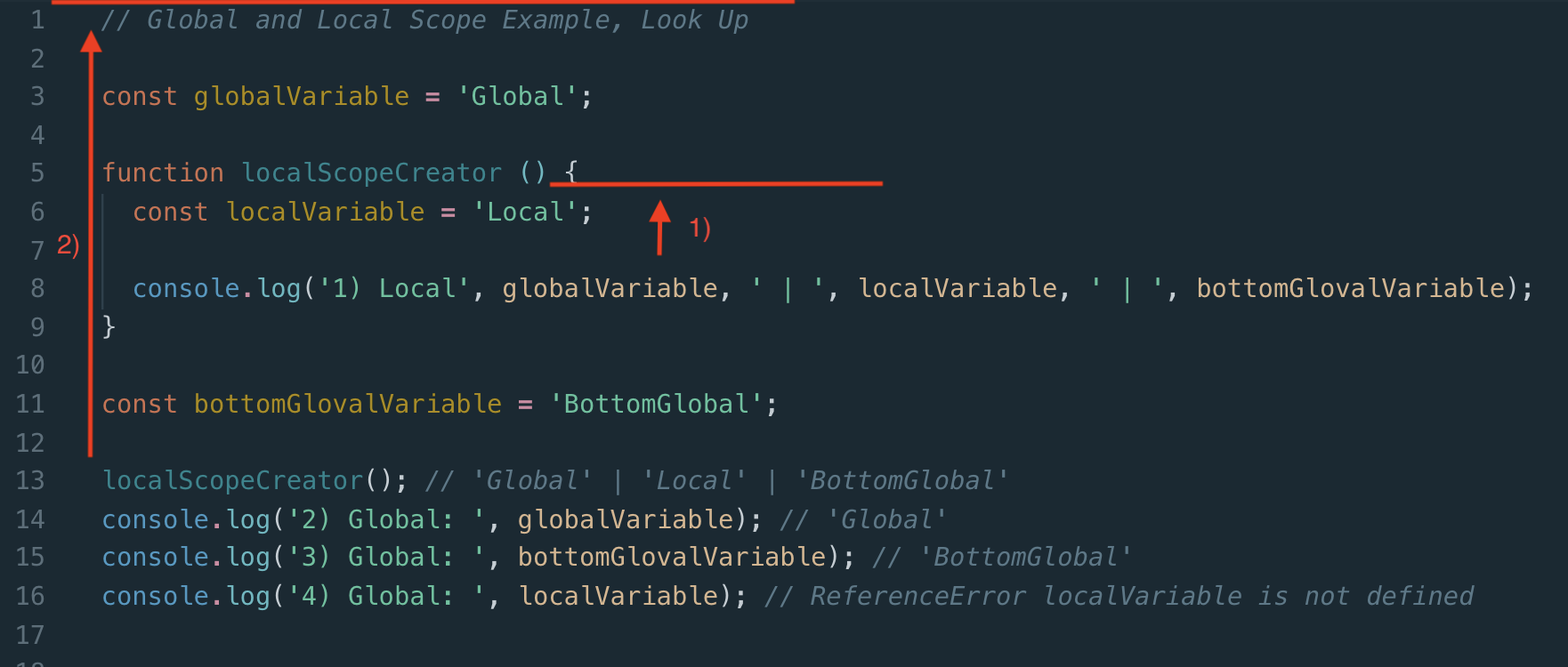
Scope
-
Global (in browser - window)
-
Local(function or block)
Hoisting
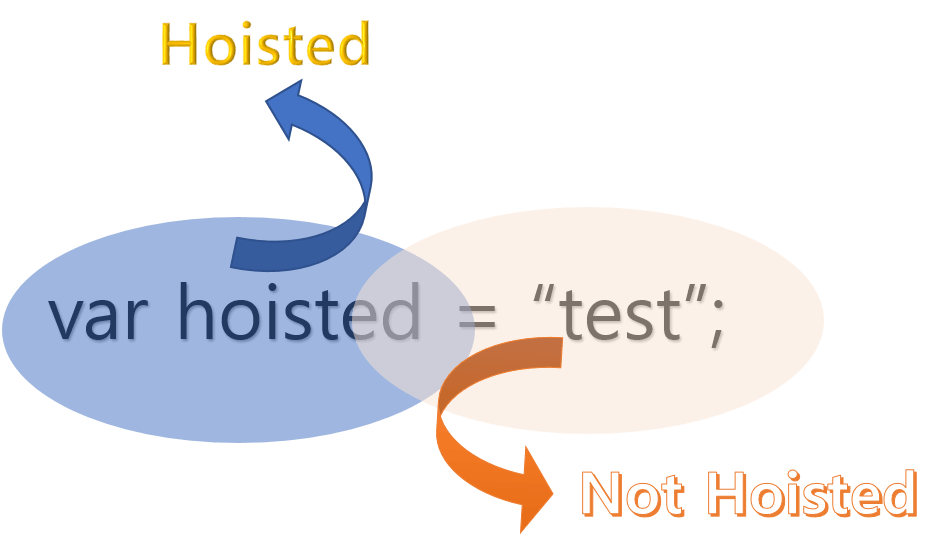
// 1) unexisted Variable
console.log(unexistedVariable); // ReferenceError: unexistentVariable is not defined

// 2) Hoisting
console.log(hoistedVariable); // undefined
var hoistedVariable = 'hello';
console.log(hoistedVariable); // 'hello'

// 3) Temporary Dead Zone
console.log(TDZVariable); // ReferenceError: Cannot access 'TDZVariable' before initialization
const TDZVariable = 'hello';
console.log(TDZVariable); // 'hello'
Closure
Each function creates a closure!
yes, always
yes, I'm sure)
function closureCreator(closedVariable) {
  const localClosedVar = a + 1;

  return function () {
    console.log(a, b, c, closedVariable, localClosedVar);
  }
}

var a = 1;
var newFunc = closureCreator(10);
a = 100;
var b = 2;
newFunc(); // 100 2 undefined 10 2
var c = 3;
Creating a 'private' variables with help of closures
function closureCreator(initialValue) {
  const privateCounter = initialValue;

  return function() {
    return privateCounter
  }
}

const getValue = closureCreator(5);
console.log(getValue()); // 5
console.log(privateCounter); // ReferenceError: privateCounter is not defined
Is it really Const?
const numbers = [1, 2, 3, 4];

numbers[1] = 'new value';
const number = 1;
number = 5 // TypeError: Assignment to constant variable.const numbers = [1, 2, 3, 4];
numbers.pop();
console.log(numbers);Functions
Function types
Function expression
Function declaration
IIFE(Immediately Invoked Function Expression)
Arrow funcitons
function test() {
    // function's code
}
const test = function () {
// function's code
}(function () {
// function's code
})();const test = () => {
// function's code
};What does the compiler sees
greeting(); // Hello, undefined

function greeting() {
  console.log(`Hello, ${name}`);
}
var name = 'Petia';
var name;
function greeting() {
console.log(`Hello, ${name}`);
}
greeting(); // Hello, undefined
name = 'Petia';Function's return value
function sum(a, b, c) {
  const sum = a + b + c;
}

sum(1, 2, 3) // returns undefined

sum.length  // 3
function sum(a, b, c) {
const sum = a + b + c;
return sum;
}
sum(1, 2, 3) // returns 6Note:
- Constructor function (with new)
Passing by value vs
by reference
function incrementValue(param) {
  param = param + 1;
  console.log('2', param);
}

var number

console.log('1', number);
incrementValue(number) // 3
console.log('3', number);
function incrementReference(param) {
param.value = param.value + 1;
console.log('2', param);
}
var obj = { value: 2 };
console.log('1', obj);
incrementReference(obj) // { value: 3 }
console.log('3', obj);Arguments
function test(a) {
  console.log(a, arguments);
}

test(); // undefined
test(1); // 1
function test(a = 0) {
console.log(a, arguments);
}
test(); // 0;
test(1); // 1;function test(a = 0) {
let args = Array.from(arguments);
// let args = [].slice.call(arguments);
// args.map(arg => arg + 100);
console.log(a, args);
}
test(1, 2, 3); // 1, [1, 2, 3]function test(a = 0, ...restArgs) {
console.log(a, restArgs);
}
test(1, 2, 3); // 1, [2, 3]Context
this
Function
vs
Method
Function - "Free"
function test() {
  // function body
}

test();
Method - Belongs to object
const person = {
  firstName: 'Peter',
  getName: function() {
      // function body
  },
};

person.getName();
this
const person = {
  firstName: 'Peter',
  getName: function() {
      console.log('Person name - ' + this.firstName);
  },
};

person.getName() // Peter;

const getNewName = person.getName;
getNewName(); // undefinde
Rewrite the execution context
-
call
-
apply
bind
Call function with provided context
Creates a new function, which is 'bound' on provided context
Function as a constructor
function personConstructor(name) {
  this.firstName = name;
  this.getName = function() {
    console.log('Person name - ' + this.firstName);
  }
}

const person = new personConstructor('Peter'); // returns { firstName 'Peter', getName: f()}
Arrow functions
const sum = (a, b) => a + b;

const sum = (a, b) => {
  return a + b;
}- no own this
- no arguments (but you can use spread)
- cannot be used as a constructor
A bit of functional programming
Pure functions
function pureSum (a, b) {
  	const sum = a + b;
	console.log(sum);

	return sum;
}

pureSum(1, 2) // 3
pureSum(1, 2) // 3
pureSum(1, 2) // 3
const sum = 1;
function pureSum (b) {
sum += b;
console.log(sum);
return sum;
}
pureSum(2) // 3
pureSum(2) // 5
pureSum(2) // 7Not Pure
Pure
First class Functions
All functions in JS is First-class functions
Functions in JS can be:
- stored in a variable, object, or array
- passed to a function as an argument
- returned from a function
Callbacks
function logger(data) {
  console.log(data);
}

function sum(a, b, callback) {
	const sum = a + b;

	callback(sum);
}

sum(1, 2, logger);
Bind polyfill
- Remember the context
- remember the arguments
- Returns the new function
Currying
// const add = x => y => x + y;

function add(x) {
	return function (y) {
    	return x + y;
    }
}

const increment = add(1);
const addTen = add(10);

increment(2); // 3
addTen(2); // 12
Try to write own curry() function
Composition
const increment = x => x + 1;
const decrement = x => x - 1;
const addTen = x => x + 10;
const square = x => x * x;
const half = x => x / 2;


const result = half(decrement(addTen(increment(square(10)))));
// result = 55  // ((10 ^ 2) + 1 + 10 - 1) / 2
const result = compose(
half,
decrement,
addTen,
increment,
square
)(10);Thanks!
Telegram: @KVtofan
JS Functions and Scope
By kirill_tofan