Computational Thiking:
concepts, practices and perspectives
Dr. Lucas Viana
Universidade Estadual da Paraíba, Brazil
lucas.h.viana@outlook.com
January, 2026


Overview
- Introduction
- History and definitions
- CT abilities
- Exploring some tasks
- Classroom examples
- CT in our future classes

Introduction
From the reading, or previous knowledge,
what is computational thinking for you?
Define it using key words.

Introduction
From the reading, or previous knowledge,
what is computational thinking for you?
Define it using key words.

Join at
slido.com
#3745 098
History and definitions
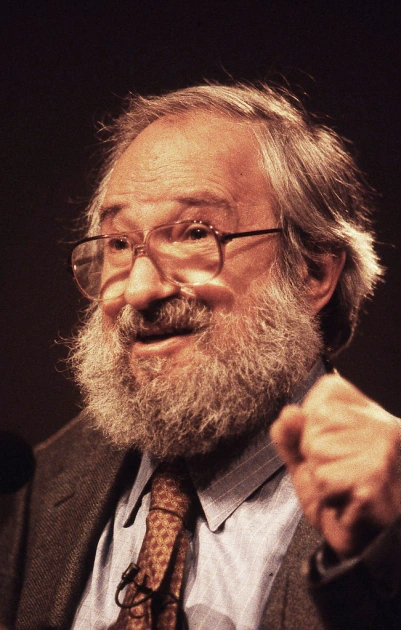
Seymour Papert
First one that mention the term
'Computational Thinking'
(PAPERT, 1980, p. 182)
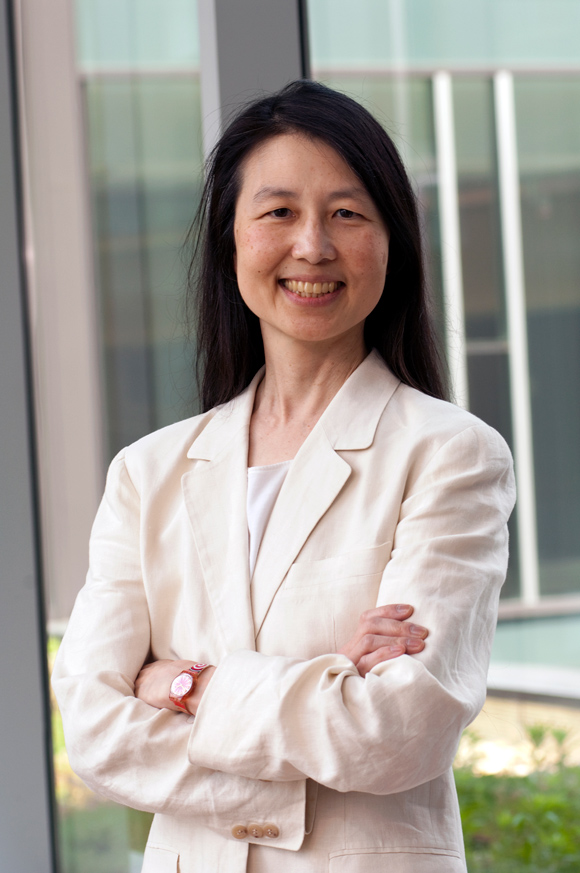
Jeanette M. Wing
- Reintroduced the term 'Computational Thinking'
- Presented its elements/abilities.
Jeanette Marie Wing
|
It represents a universally appicable skill set everyone, not just computer scientists, would be eager to learn and use
Computational thinking is using abstraction and decomposition when working on complex tasks. It is separation of concerns.
(WING, 2006, 2011) |
History and definitions
Viana (2025)
History and definitions
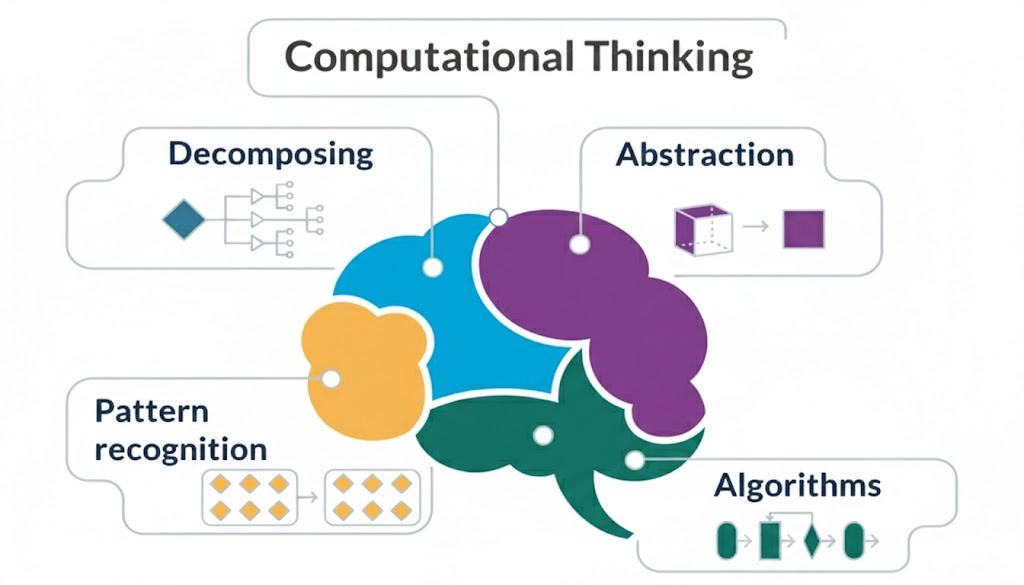
Computational Thinking involves abilities, practices, and perspectives from computer science that can be applied across disciplines to enhance students’ problem-solving capacities.
As teachers, we want our students to be
problem solvers.
Are we, as teachers, able to recognize, nurture, and evaluate students’ CT skills?
Marcum-Dietrich, Dietrich & Domyancich (2023)
History and definitions
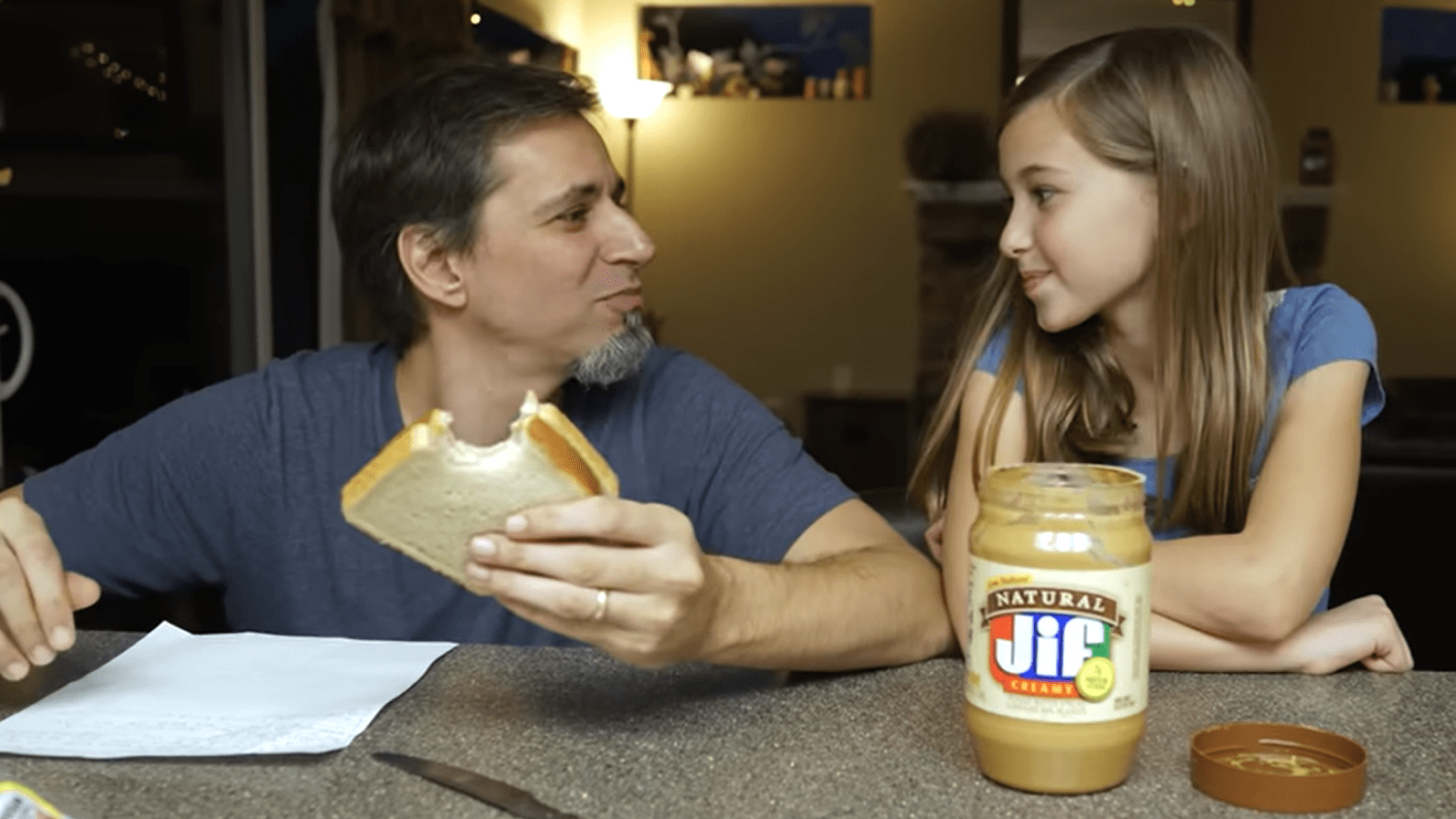
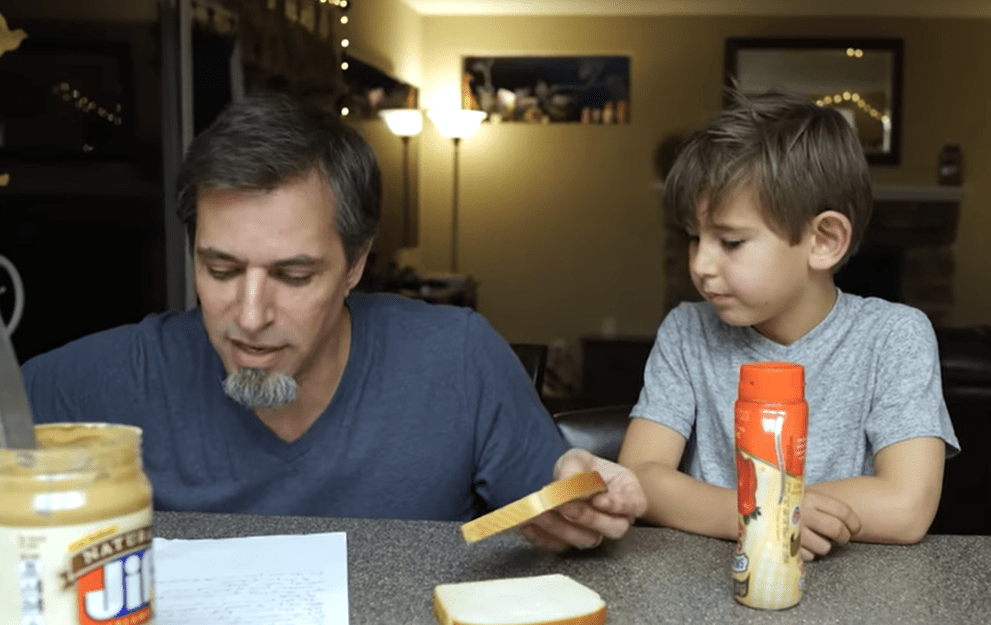
What do you think of the video?
What abilities are involved in giving instructions to perform a task?
Think about the kids. What abilities do they need to write a set of performable instructions?
Michaelson (2015)
CT abilities
Decomposition
Decomposition
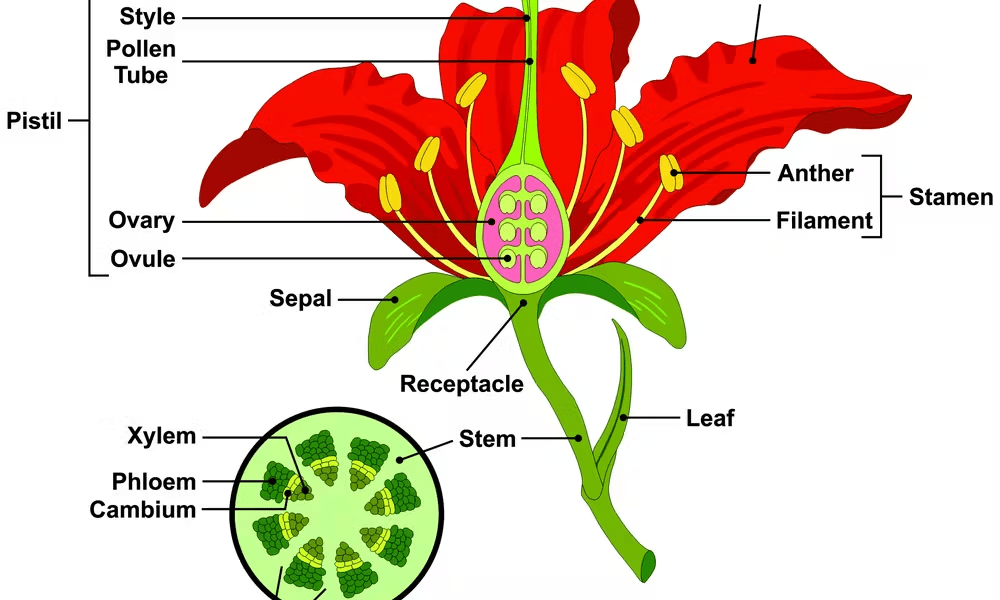
The ability to break down complex problems into smaller and more solvable sub-problems, facilitating its solution.
CT abilities
Abstraction
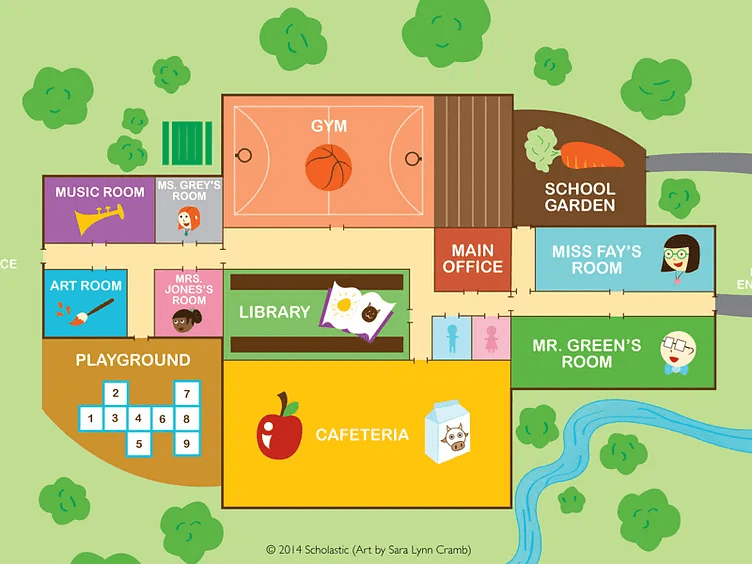
The ability to extract unnecessary details and generalize those that are necessary in order to define a concept or idea in general term.
CT abilities
Pattern Recognition
The ability to notice similarities, differences, properties, or trends in data.
CT abilities
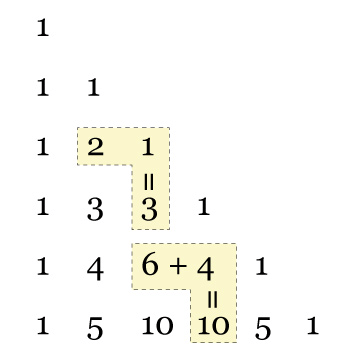
Algorithms
The ability to develop a repeatable, step-by-step sequence of instructions to solve a specific problem, designed to be executed by humans or machines.
CT abilities
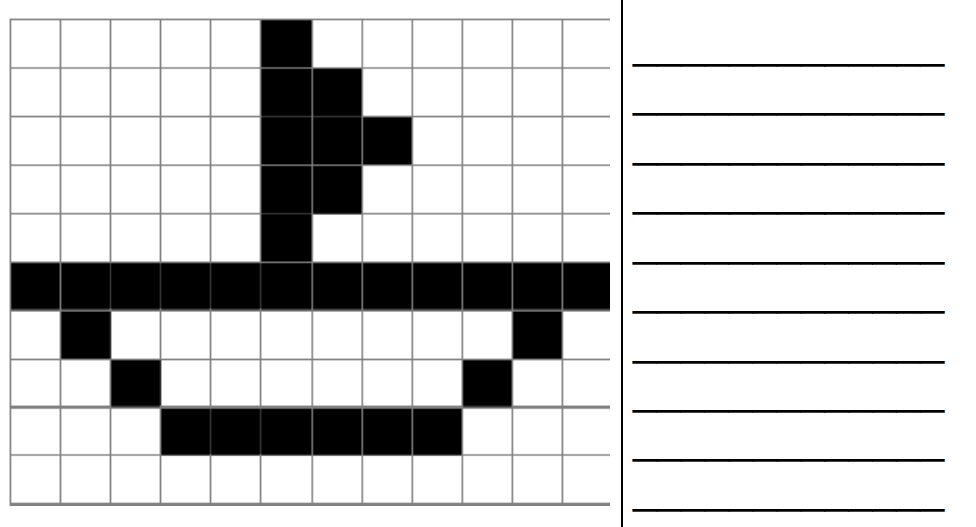
Instructions
CT abilities
Decomposing
Pattern recognition
Abstraction
Algorithm
The ability to break down complex problems into smaller and more solvable sub-problems, facilitating the solving process.
The ability to identify similarities and regularities within complex data or problems. These phenomena can be used to optimize the solving process or the solution itself.
The ability to extract unnecessary details and generalize those that are necessary in order to define a concept or idea in general term.
The ability to develop a repeatable, step-by-step sequence of instructions to solve a specific problem, designed to be executed by humans or machines.
How CT abilities could be related to mathematics, physics, biology, art, history and other areas abilities?


Let's see some examples!
Classroom examples
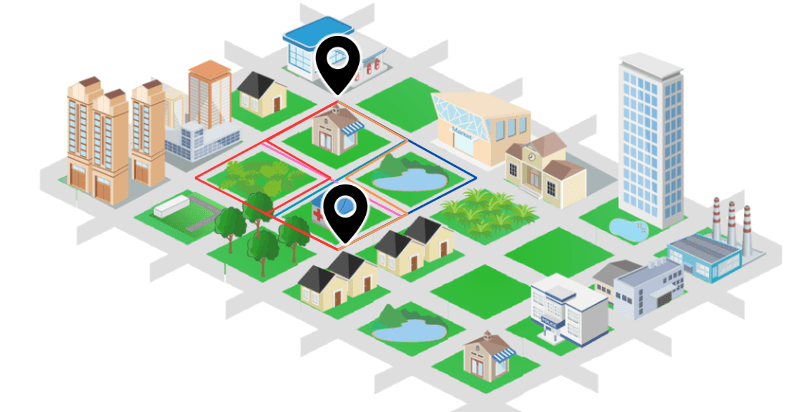
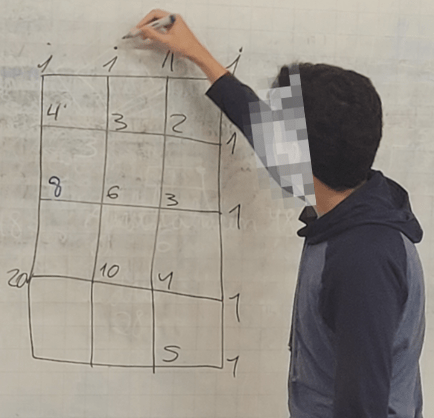
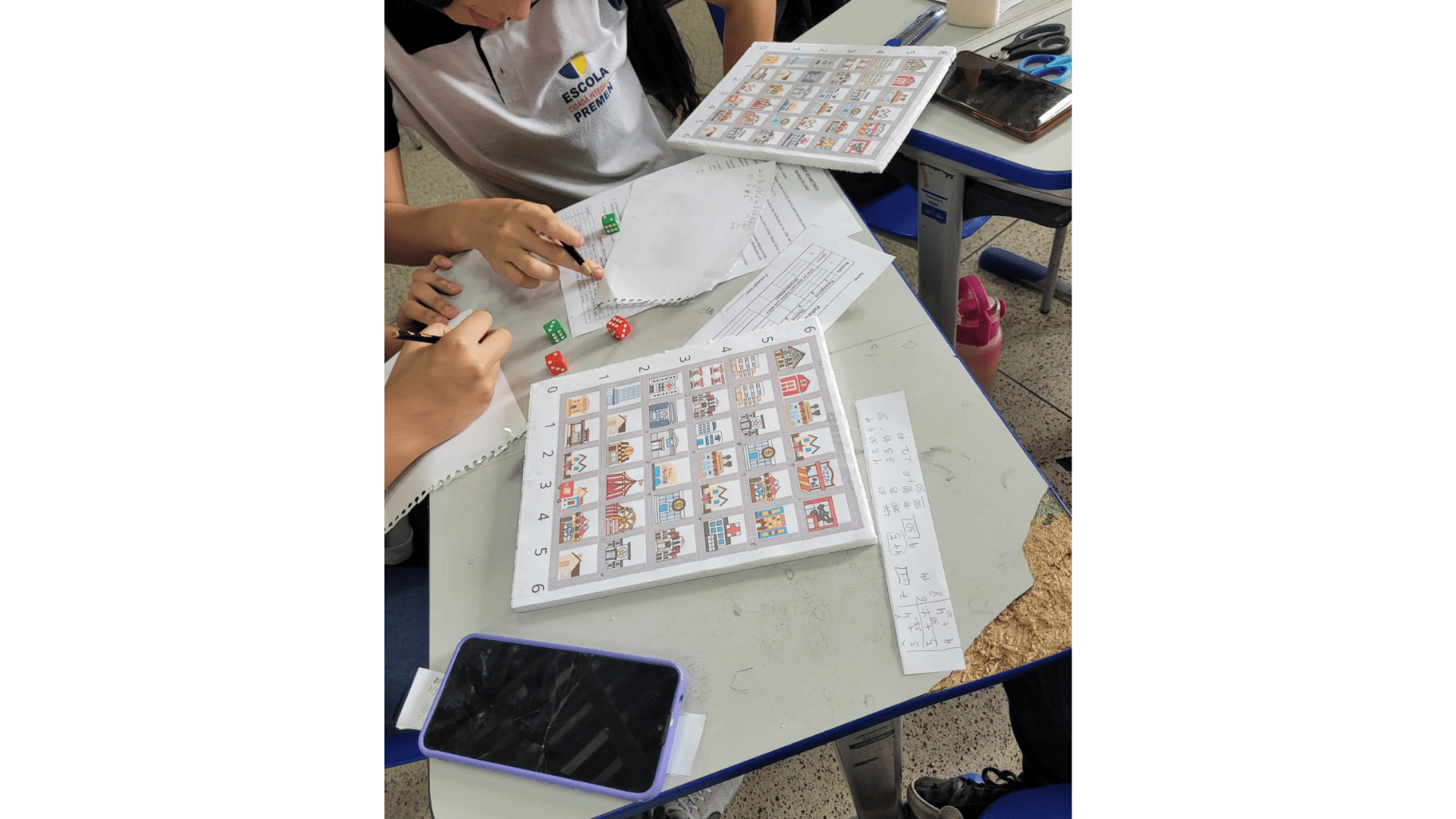
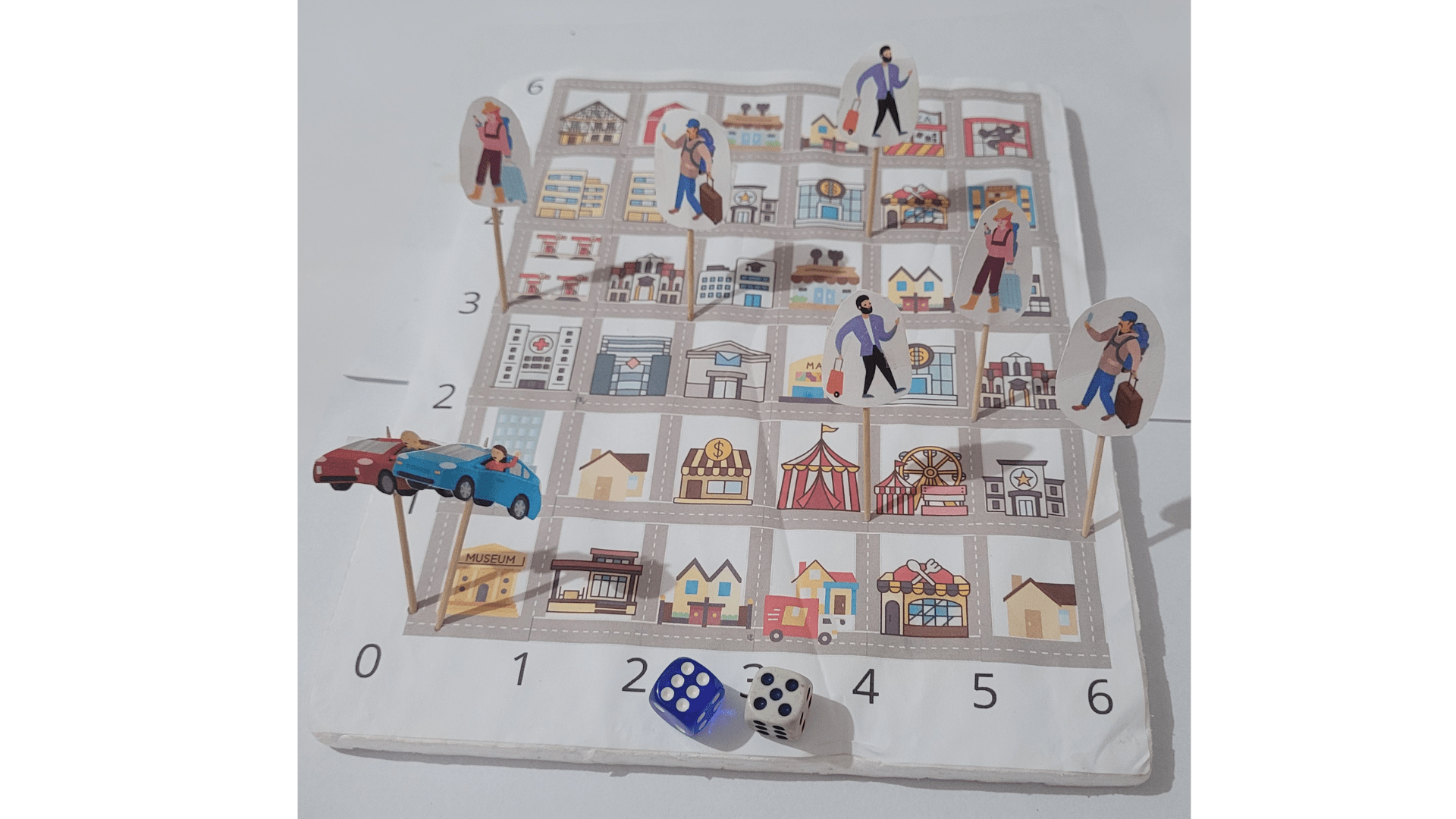
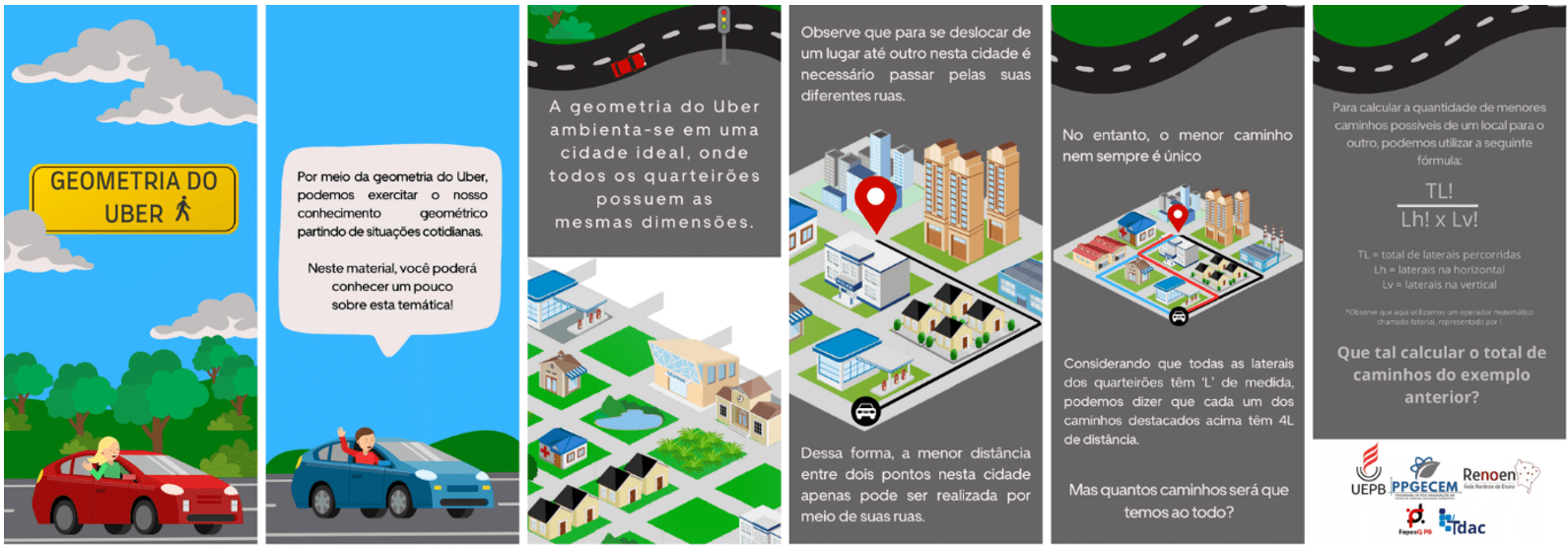
Taxicab Geometry
Developing strategies for quantifying and mapping the shortest possible paths between two locations in a urban map.
Classroom examples
Classroom examples
Classroom examples

Classroom examples
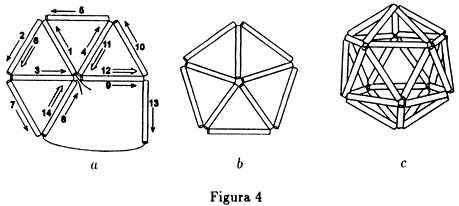
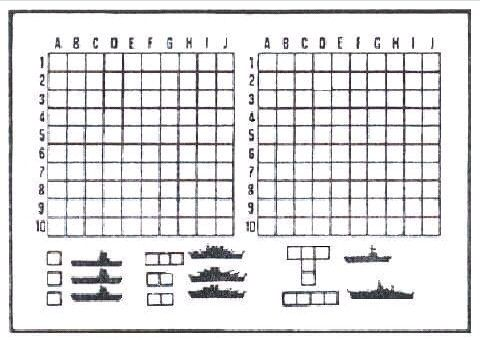
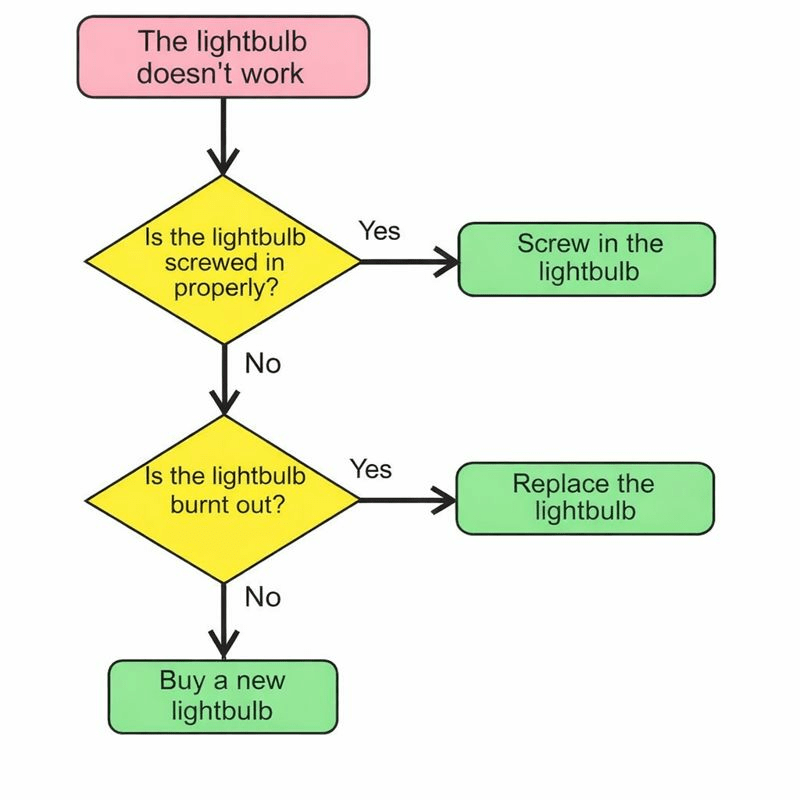
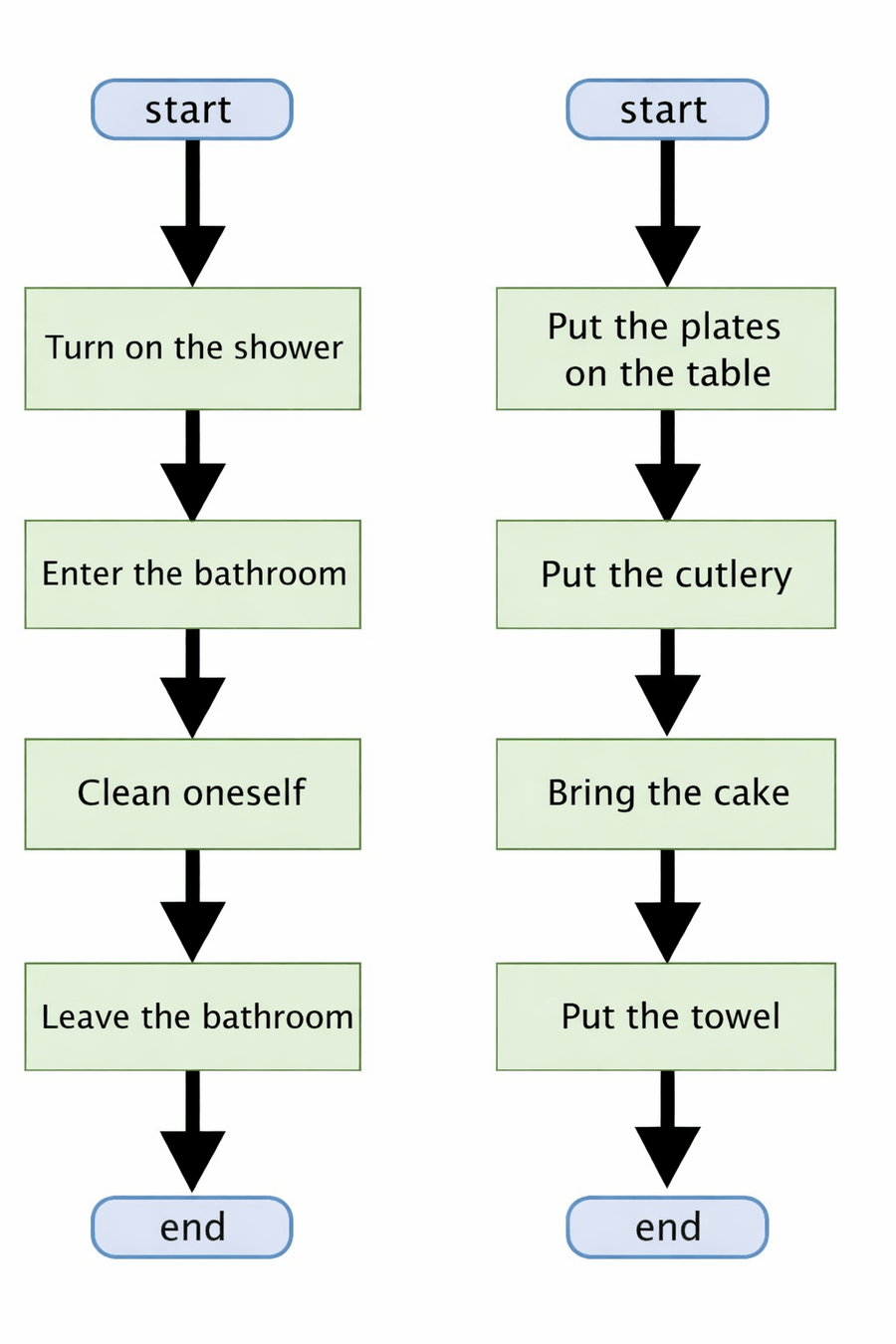
Brackmann (2017) asked his students to execute or organize some tasks using codes, fluxograms, graphs, and other common strategies to Computer Scientists Work.
Some key takeaways
1. The main Computational thinking abilities are decomposition, abstraction, pattern recognition and algorithms, and they can be developed in other areas apart from computation.
2. You do not need to always use a computer or digital tools to promote CT in your classrooms.
3. Regular classroom tasks and specific epistemological practices related to your area are the point to start to develop these skills.
References
Denning, P. J. (2017). Remaining trouble spots with computational thinking. Commun. ACM, 60(6), 33–39. doi:10.1145/2998438.
Li, Y., Schoenfeld, A. H., diSessa, A. A., Graesser, A. C., Benson, L. C., English, L. D., & Duschl, R. A. (2020). Computational Thinking Is More about Thinking than Computing. Journal for STEM Education Research, 3(1), 1–18. doi:10.1007/s41979-020-00030-2.
Nanette Marcum-Dietrich, Meridith Bruozas & John Domyancich (2022)
Commentary: Does This Count as Work?: Nurturing computational thinking in the science classroom, The Science Teacher, 89 (6), 12-15, DOI: 10.1080/00368555.2022.12293706.
Michaelson, G. (2015). Teaching Programming with Computational and Informational Thinking, Journal of Pedagogic Development, 5 (1).
Papert, S. (1980). Mindstorms: Children, computers, and powerful ideas. Basic Books.
Viana, L. H. (2025). A aprendizagem da Geometria do Táxi e suas relações com habilidades do pensamento computacional (Doctoral dissertation, State University of Paraíba). UEPB Digital Library of Theses and Dissertations. http://tede.bc.uepb.edu.br/jspui/handle/tede/5323.
Wing, J. M. (2006). Computational thinking. Communications of the ACM, 49(3), 33–35. https://doi.org/10.1145/1121949.1121987
Wing, J. M. (2011). Computational thinking: What and why? Carnegie Mellon University. https://www.cs.cmu.edu/~CompThink/resources/TheLinkWing.pdf
Exploring some tasks
Form six groups.
Work through the specific task assigned to your team.
Share and explain your outcomes, highlighting the different approaches you discovered.
Exploring some tasks
Identify which Computational Thinking (CT) skills were used during the solving process and explain why they were essential.
CT in our future classes
1. Select a Practical Task: Think on a specific activity or problem within your field of study (e.g., identifying elements in a geometric figure, analyzing a chemical reaction, or interpreting a historical document).
2. Map to CT Skills: Associate this task with one or more Computational Thinking skills (Decomposition, Pattern Recognition, Abstraction, or Algorithms).
3. Justify Your Connections: Provide a clear rationale explaining how and why these skills are applied to solve the problem or complete the task.

Pensamento Computacional
By Lucas Henrique Viana