Enhance Your Culinary Creations with Expert Food Presentation Tips and Techniques
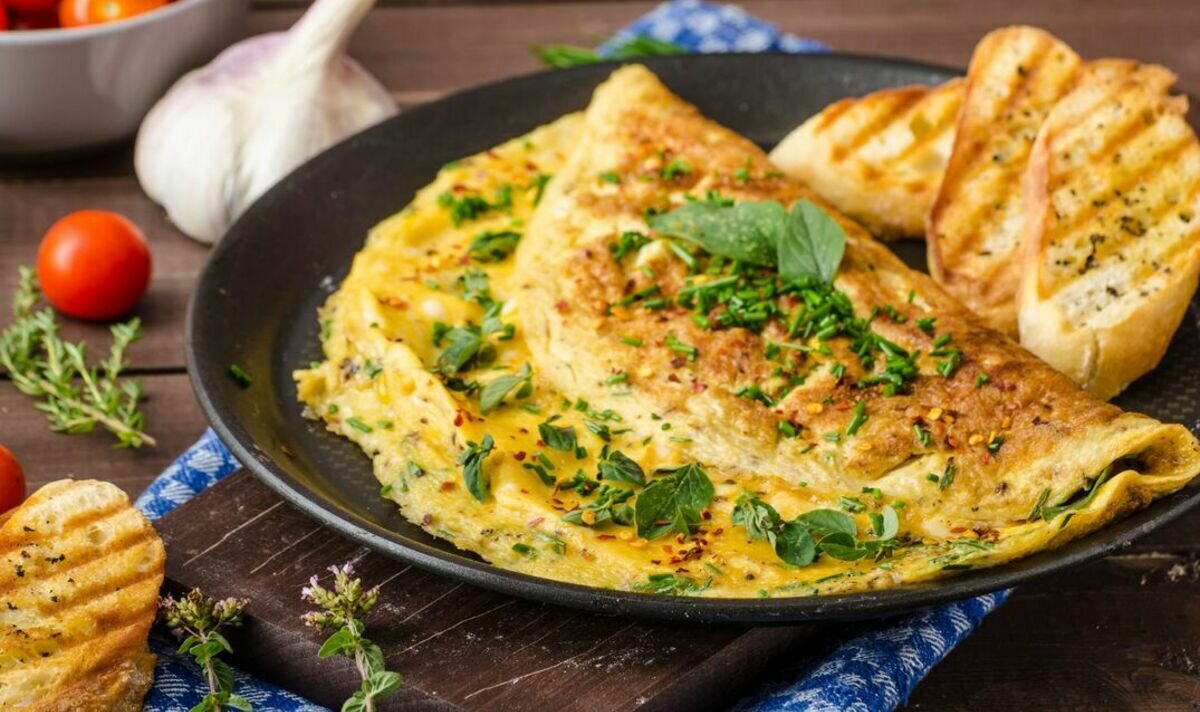
In cooking, taste is just one part of the experience; the way food is presented can transform a meal, turning even the simplest dish into something extraordinary. Beautifully plated food feels more special, and that’s the magic of food presentation—an art form that can elevate your cooking. Let’s explore some practical tips to master this art and take your dishes from ordinary to extraordinary.
The Basics of Food Presentation
Four key elements make a dish visually stunning: balance, color, texture, and proportion.
• Balance: Achieving balance means distributing the components harmoniously on the plate. No single ingredient should overpower the others. A balanced dish offers a well-rounded visual and taste experience, with each element contributing to the whole.
• Texture: Texture adds interest to your dish. Combining different textures, like a crispy exterior with a tender interior or a smooth sauce with a crunchy garnish, not only enhances the visual appeal but also makes the dish more exciting to eat.
• Proportion: Proportion refers to the relationship between the different elements on the plate. A well-proportioned plate ensures that no single component dominates, allowing each ingredient to shine and creating a visually balanced and aesthetically pleasing experience. For more insights on mastering food presentation and elevating your culinary skills, visit www.corriecooks.com.
Plate Selection And Arrangement
• Size and Shape Matter: The size and shape of the plate should complement the food. Large plates suit main courses, while smaller plates are perfect for appetizers or desserts.
• Match the Style: Choose plates that align with the meal or event. Elegant designs work best for formal dinners, while playful plates add a fun touch to casual gatherings.
• Arrange with Purpose: Think of the plate as your canvas. Arrange components thoughtfully, considering the visual flow. Experiment with placements and angles to create the most appealing presentation.
Tips For Color And Contrast
Color and contrast aren’t just about aesthetics—they enhance the dining experience.
• Use Complementary Colors: Colors that contrast on the color wheel, like orange and blue, create a visually striking effect that grabs attention.
• Experiment with Analogous Colors: Colors next to each other on the color wheel create harmony. Pairing greens with yellows gives your dish a cohesive, pleasing appearance.
• Lighting Is Key: Good lighting can elevate your presentation. Experiment with different lighting to see how it affects the look of your dish.
Choosing The Right Style And Theme
Incorporating a theme or style into your presentation can make your dish even more memorable.
• Rustic Style: Emphasizes natural elements and earthy tones, perfect for a cozy, welcoming atmosphere.
• Minimalist Style: With clean lines and neutral colors, minimalist presentations highlight simplicity and let each ingredient shine.
• Avant-Garde Style: For those who like to push boundaries, this style uses unconventional techniques and bold presentations to challenge traditional norms.
Final Thoughts
Mastering food presentation is about more than just aesthetics. It’s a way to express creativity, showcase culinary skills, and enhance the dining experience. By focusing on balance, colors, textures, and proportions, you can transform any dish into a visual masterpiece. With practice and creativity, your dishes can leave a lasting impression on your guests. For more tips and inspiration, visit and explore additional insights on food presentation at this web.
mastermindslide
By mastermindslide