
Michelle Bergquist
Librarian gone Web Dev.
HMW tools; table of contents:
What does it mean to norm?
Why do we norm?
When do we norm?
The goal is to "break the get to know you ice" and learn about your team members
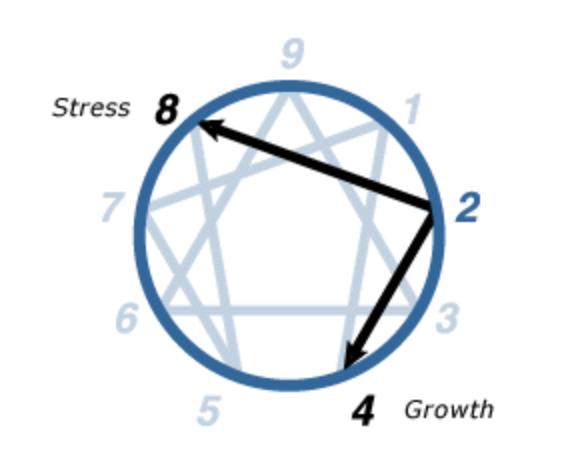
Meet, Me!
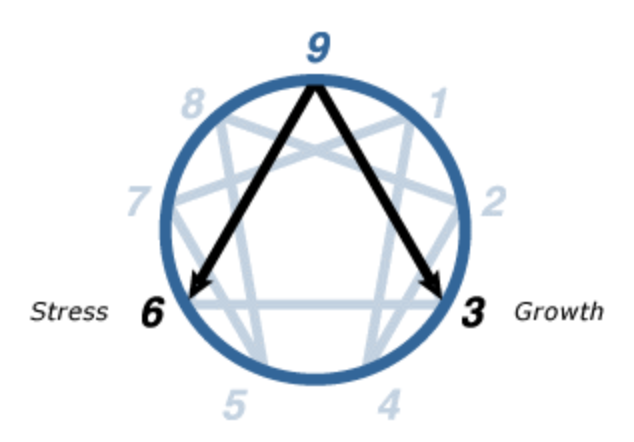
2 Helper: caring, empathetic, warm, thoughtful, appreciative, generous, other-oriented, tactile, affectionate, well intentioned, and demonstrative.
9 Peacemaker: patient, steady, easygoing, receptive, relaxed, unselfconscious, agreeable, uncomplicated, contented, comforting, sensual, and idealizing.
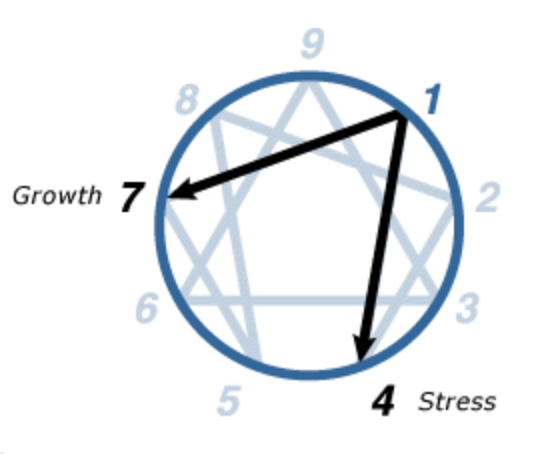
1 Reformer: conscientious, sensible, responsible, idealistic, ethical, serious, self-disciplined, orderly, and feel personally obligated to improve themselves and their world.
A Defender (ISFJ) is someone with the Introverted, Observant, Feeling, and Judging personality traits. These people tend to be warm and unassuming in their own steady way. They’re efficient and responsible, giving careful attention to practical details in their daily lives.
Facilitaiton Docs on Practices Site
"By setting team values together, team members are able to understand what is important to their colleagues and what behaviors are expected day-to-day."
- practices site
The goal is to generate a list of values that are agreed upon and can be referenced during an engagement, prompt ex:
Facilitaiton Docs on Google Drive
Individuals place themselves on a range for a series of questions, such as:
How do you like to give information?
direct indirect
How do you like to give information?
direct indirect
As a team, review:
Facilitaiton Docs on Google Drive
The goal is to learn more about individuals' habits and preferences, to improve working relationships. Ex:
"What are you like on your best day? Why?"
The goal is to incorporate feedback into pairing on a daily basis - to normalize constructive and positive feedback
1 (3) thing(s) I liked about how you worked today
1 thing I'd change about how you worked today
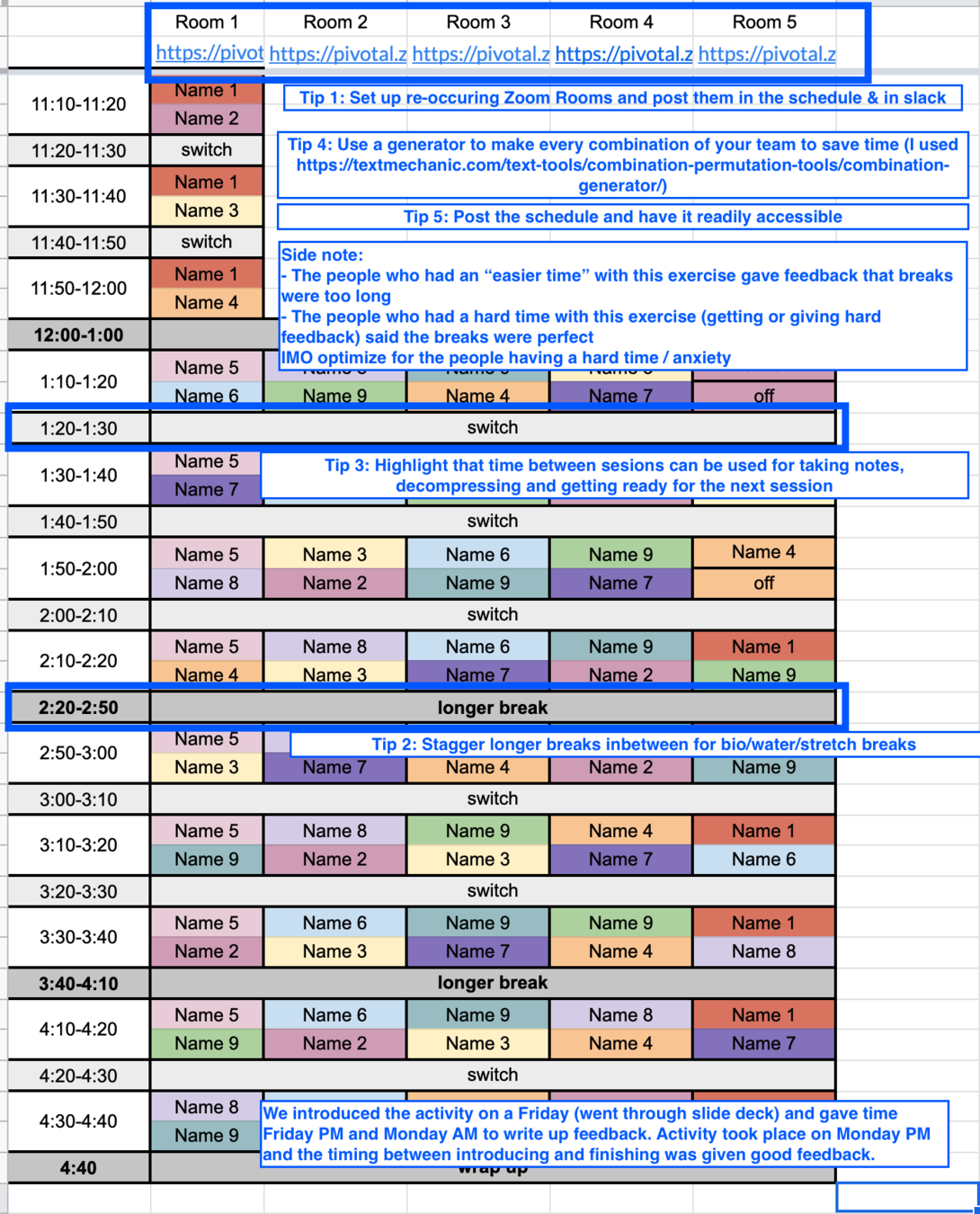
The goal is to provide 1:1 feedback to every member of the team in a single go
Facilitaiton Docs on Practices Site
Facilitaiton Docs on Google Drive; public remote Template
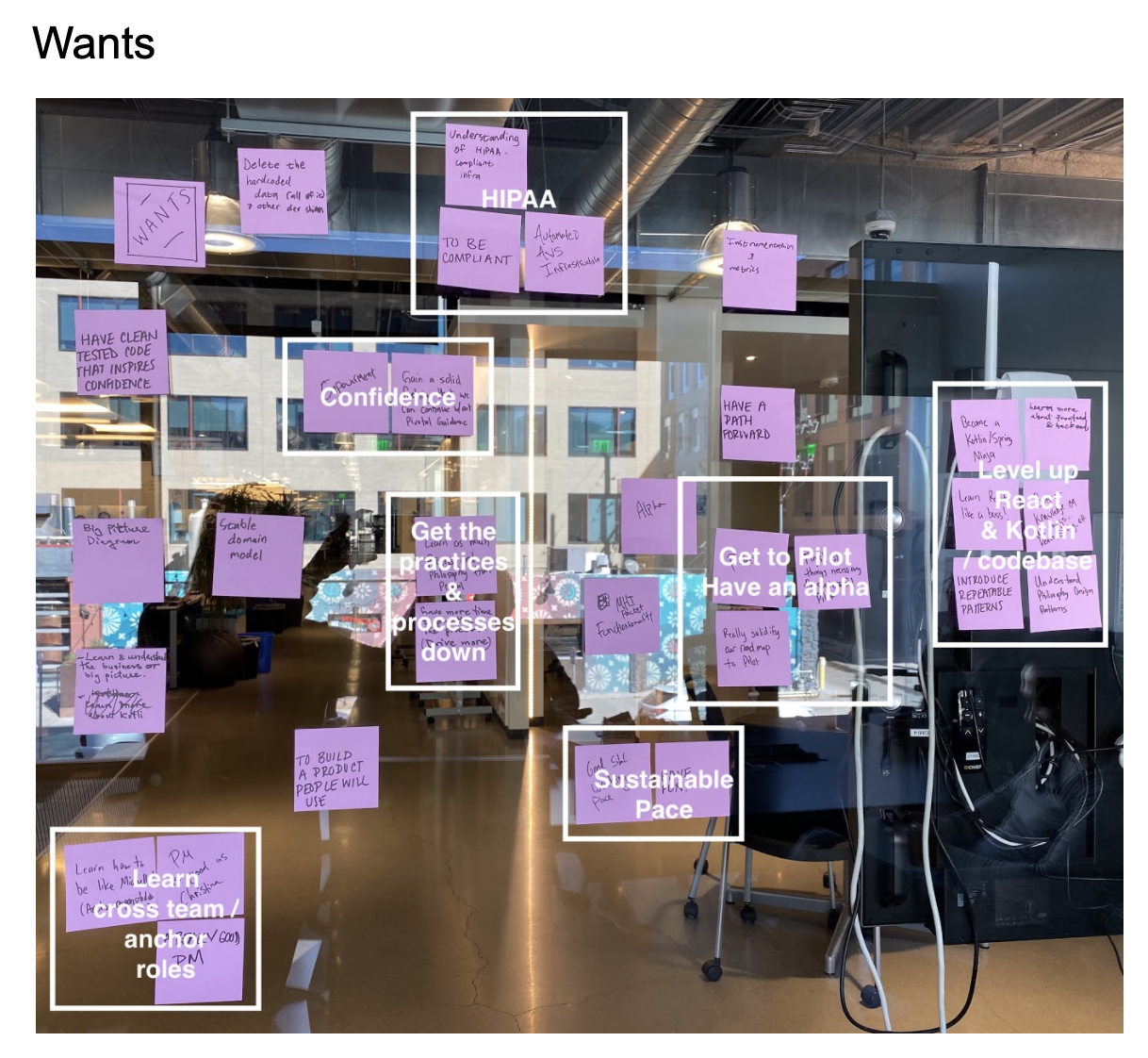
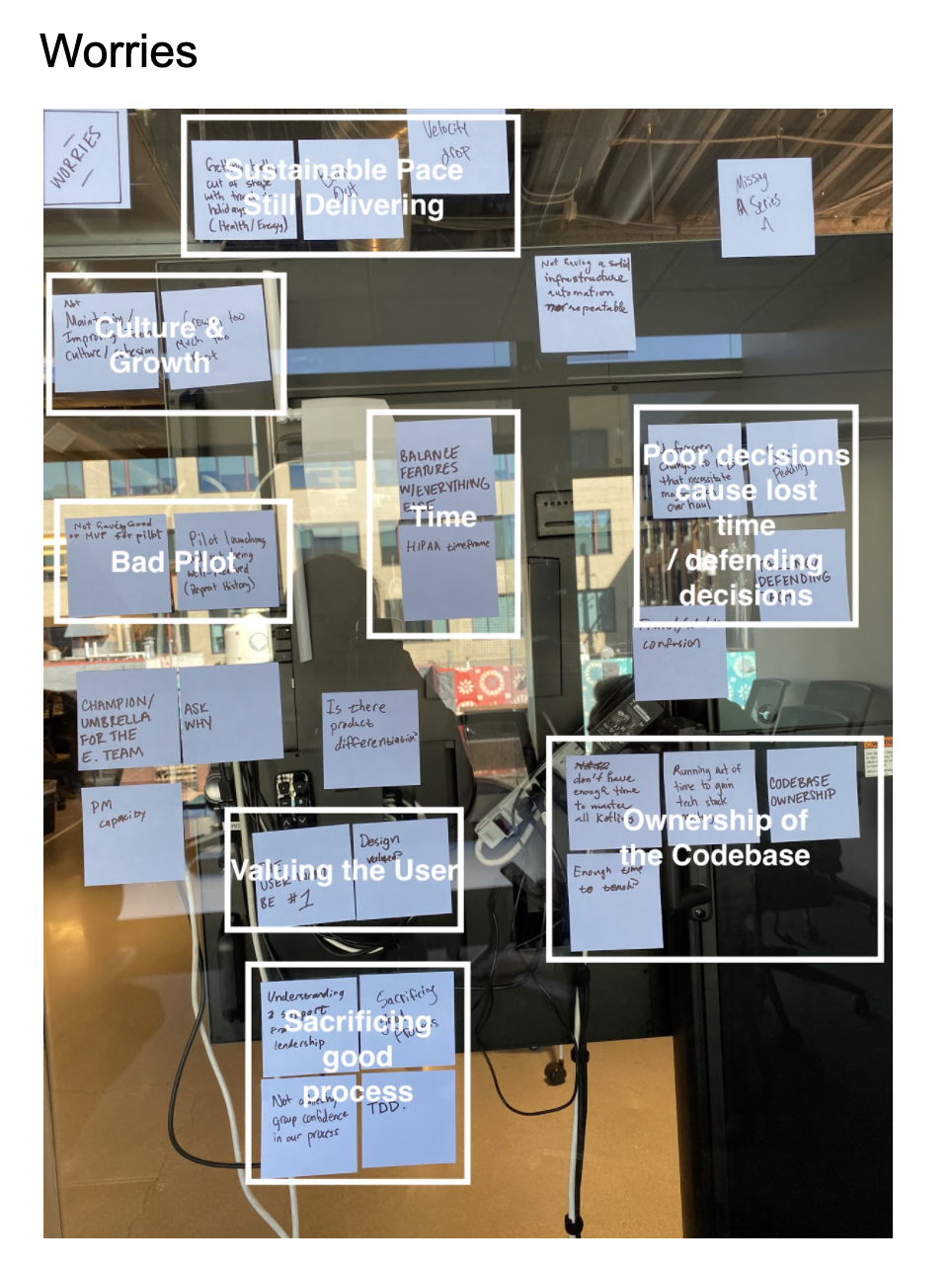
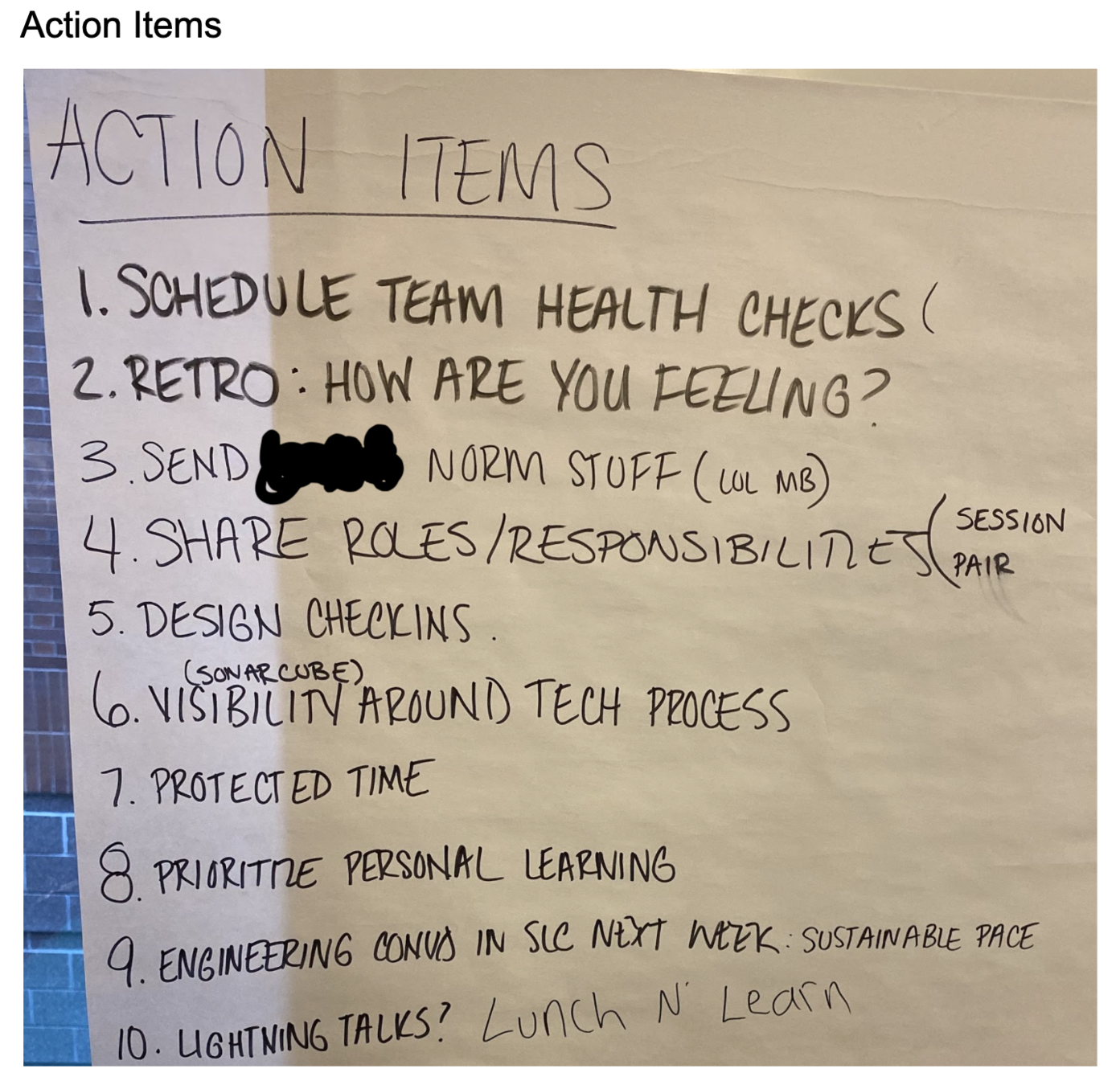
The goal is to gather information from the team regarding their worries and devise a plan to mitigate those issues
Goal is to make small changes in existing meetings to structure team conversation, ex:
less time and prep
more time and prep
personality
team values
wired
user manual
pair-retro
speedback
wants/worries
ceremony
less time and prep
more time and prep
higher reward
lower reward
personality
team values
wired
user manual
pair-retro
speedback
wants/worries
ceremony
By Michelle Bergquist