Culture Food Day
Of China
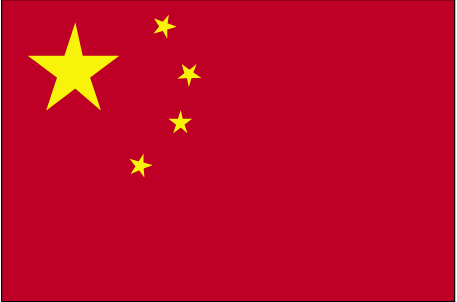
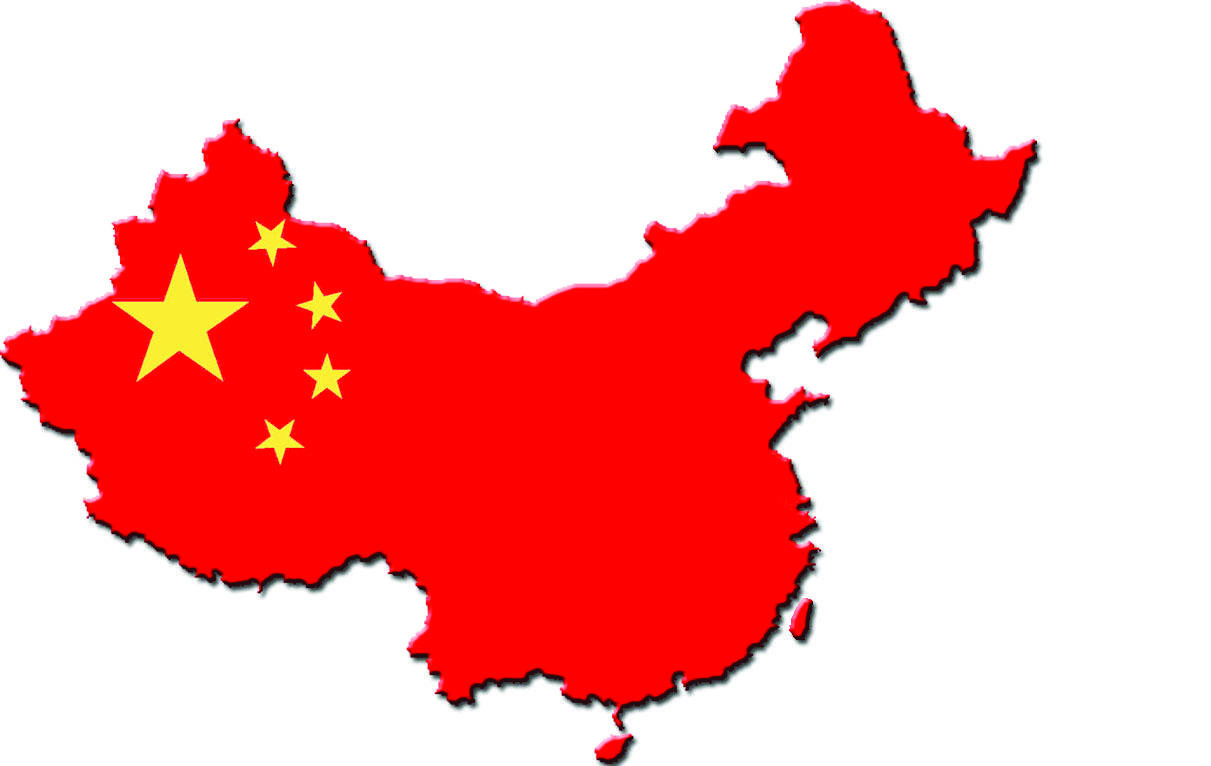

Map Flag of China
Communist Party Flag
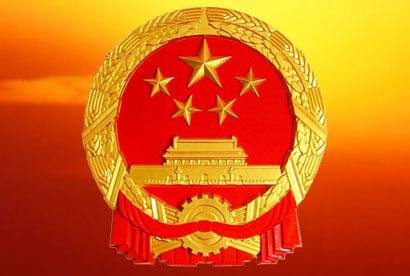
Chinese national emblem
China's Flag
BY Chris Nie (Yuqing Nie)
你好,我的名字是聂宇清。欢迎来到文化美食节。
Hello, my name is Chris Nie. Welcome to Cultural Food Day.
INDEX
1.About China
2.About my food——Dumplings
3.How to make the Dumplings
4.A story about Dumplings
5.About chopsticks
6. Tradional Chinese food
Welcome to English Language Learning 6th hour class
CULTURE FOOD DAY
欢迎光临
ABOUT CHINA
China is in the east of Asia, it has 960,000square kilomaters,1.4billion peoples,56nations big country.
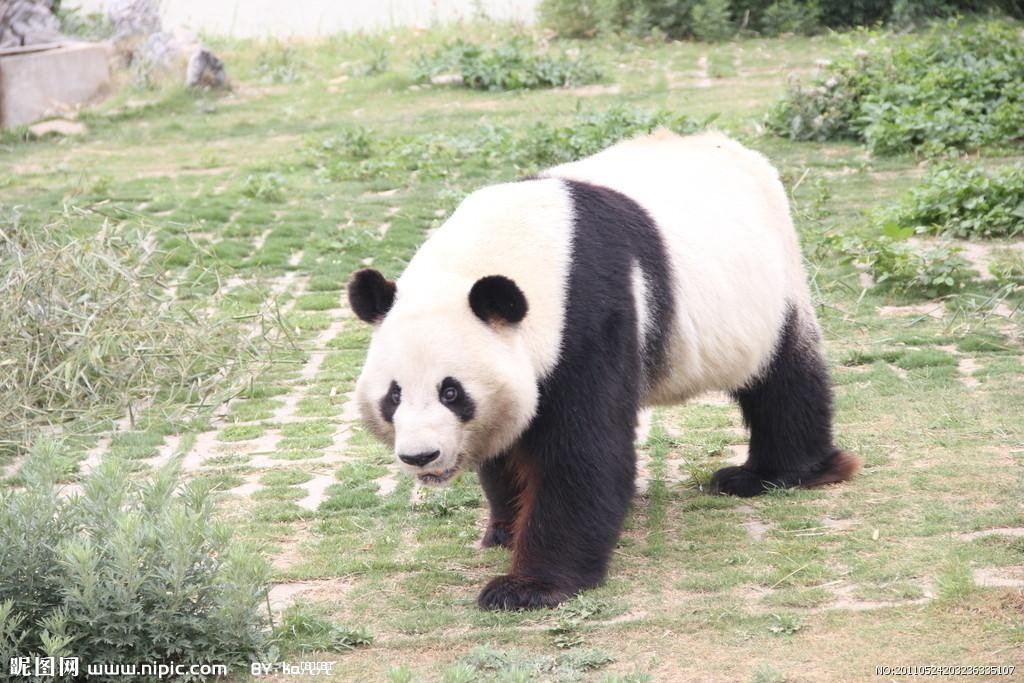
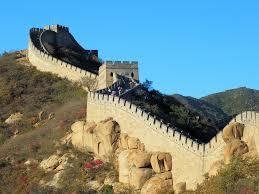
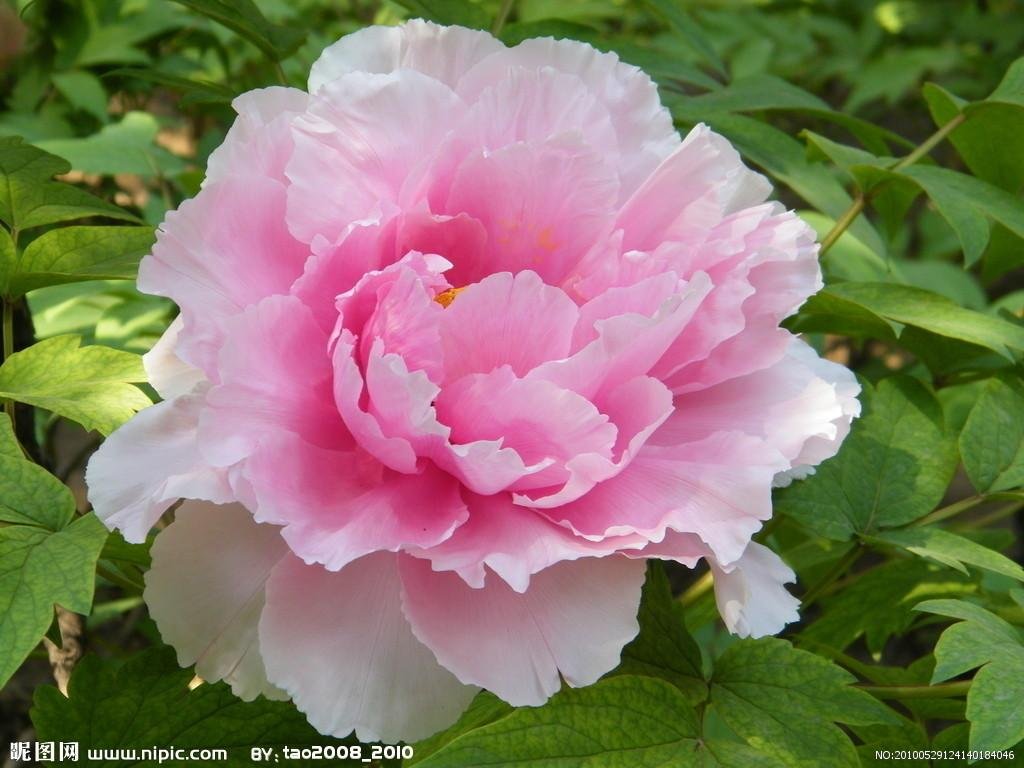
China's capital is Beijing, national animal is panda. In the Beijing ,my favorite feature spot is The Great Wall, but I never go there. I live in Shanxi Xi'an, it is a petty state, our national flower is Peony , it's so beautiful !
ABOUT MY FOOD-DUMPLINGS
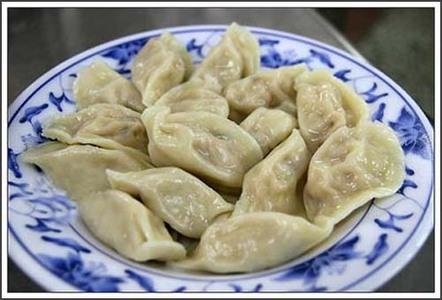
Dumplings is Chinese's Tradional food .In China,every new year begin,every family will make many Dumplings. Dumplings in Chinese named '饺子'(jiao'zi) ,that is tasty.
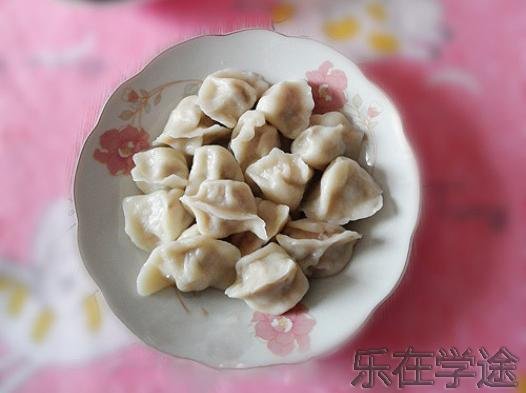
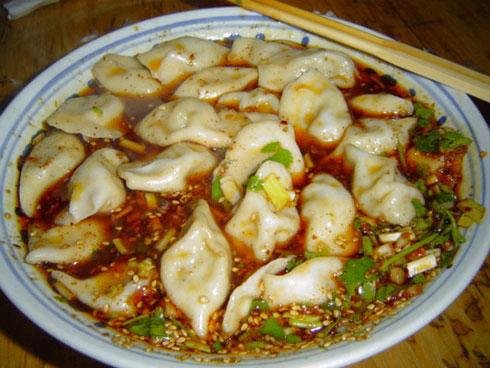
HOW TO MAKE DUMPLINGS
1The dough. Bread flour, salt and water.Fillings; Shrimp paste, sea cucumber, ground pork, chopped water chestnut, salt, chicken essence, white pepper, rice wine, sesame oil, green onion, ginger..
2.Put 1 g of salt, flour synthesis dough with warm water, soft dough to some thews, then Xing 30 minutes.
3.Put the stuffing into the mixing chamber and inside put pepper, salt and chicken essence, add yellow rice wine and sesame oil mix. Set aside.
4.Put the dough by hand rub growth round bar
5.Ripping up into small pieces of dough, then roll bag filling.
6.Filling by hand to squeeze dumplings more delicious, then squeeze the good dumplings yards in the GaiLian.
7.A pot of water to a boil in a pinch of salt, and then down into dumplings.
8.The dumplings in the pot with hand ladle push the, then cover the lid to a boil.
9.After the pot to boil, cook for 1 minute, then pour a little water.
10.On the second boiling water get out,that is ok.
TRADIONAL CHINESE FOOD
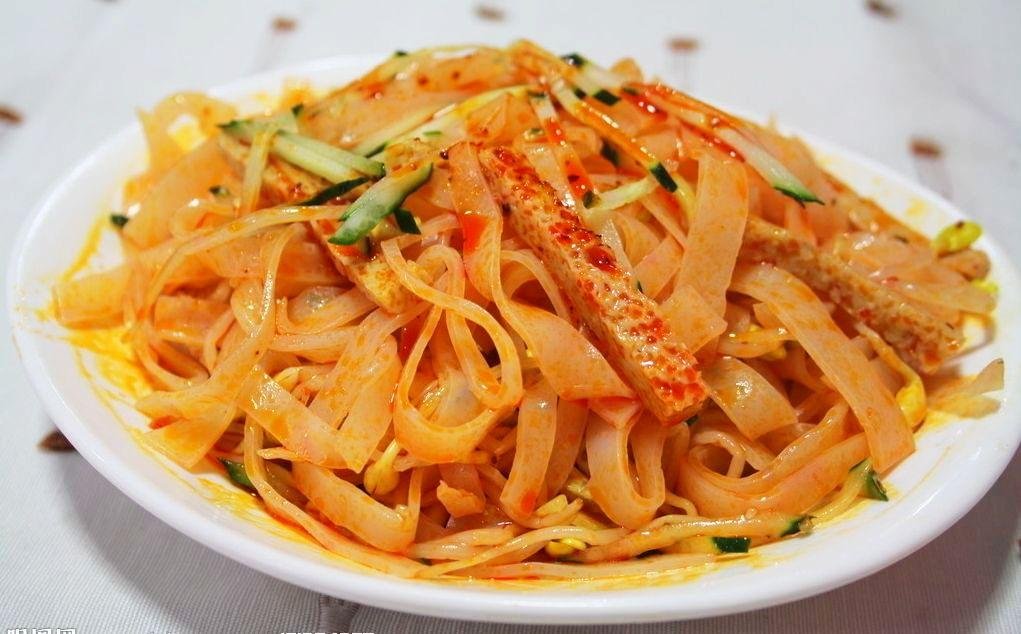
- liangpi (凉皮) , also known as shanxi liangpi, shaanxi province is one of the han Chinese characteristics snacks Liangpi divided into two major categories of face and face, rice flour for robustness meters skin Existing sit baoji rolling face Hanzhong meters skin Qin town meters skin genres, etc
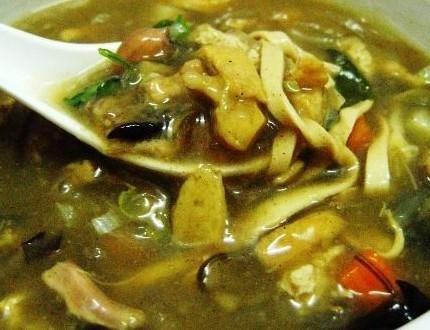
- Hu hot soup (糊辣汤) also known as paste hot soup, originated in central henan province Is common in northern China breakfast traditional soup manufacturer By a variety of natural herbs according to the proportion of soup in pepper and hot pepper and the use of bone soup in hu hot soup base, its characteristic is the soup is rich Looked beautiful Liquid viscous, spicy and tasty, very suitable for combination with other early dinner At present, has developed into henan and henan provinces surrounding all love and know one snack
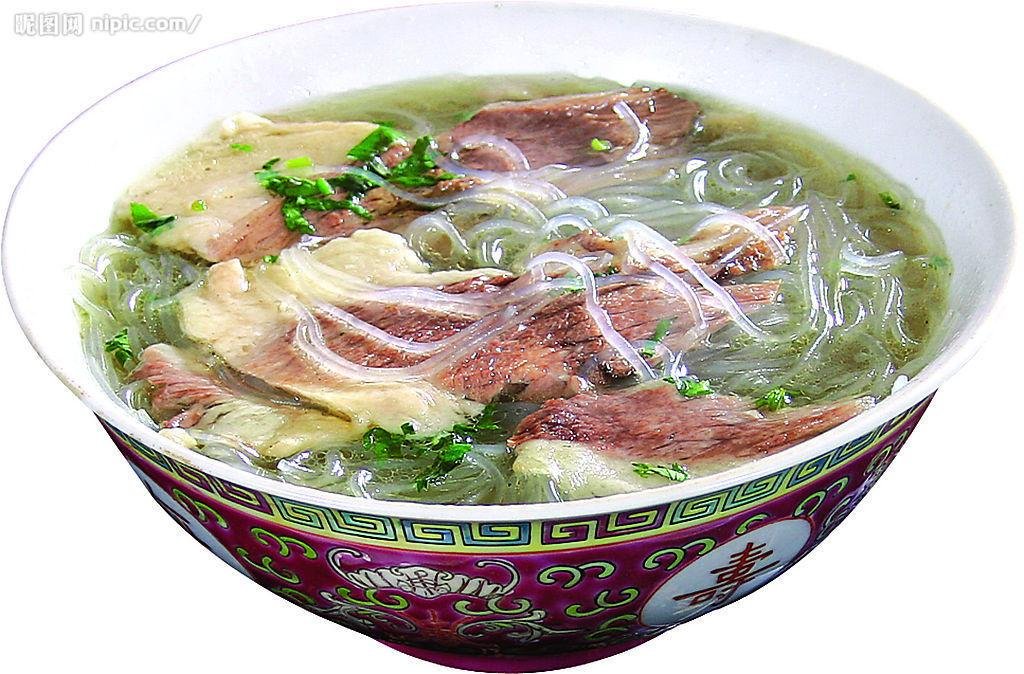
Lamb bubble(羊肉泡馍), hereinafter referred to as mutton bubble is a bubble Called "sheep soup", imbedded in northwest, especially in xi 'an enjoy the bubble reputation for beef and mutton, and the northern song dynasty famous poet su shi had "there are bears two delicious wax, qin cook sheep soup" verse Fine cooked, it is green, rotten meat soup thick, fat but not greasy, rich nutrition, fragrance waft, inviting appetite, after eating Because of its warm stomach hunger, resistant to xi 'an and loved by people of all ethnic groups in northwest China, foreign guests to shan also rushed to taste, with full the luck to eat STH delicious Beef and mutton bubble has become the general representative of shanxi food
谢谢
Thank You
_-_IMG_1104.jpg)
A STORY ABOUT DUMPLINGS
Dumplings have a long history in Chinese eating culture. Dumplings or jiaozi (饺子) as they are called today were highly welcomed by everyone during all the times. In old times there was a saying: “The best and most delicious food are dumplings and the best feeling is to lie down”. And now during every New Year, dumplings have become an indispensable seasonal cuisine. There are different stories why people eat dumplings during new year:
Let’s talk about the legend of the Chinese New Year dumplings which has its origin in the Chinese myth of the creation of the world.
In the beginning there was nothing in the universe except a formless chaos named Huntun “混沌”, which coalesced into a cosmic egg for about 18000 years. Within it, the perfectly opposed principles of Yin and Yang became balanced and the god Pangu emerged from the egg. His task was to create the world. So he separated Yin from Yang with a swing of his giant axe, creating the Earth (murky Yin) and the Sky (clear Yang). To keep them separated, Pangu stood between them and pushed up the Sky for 18000 years. Each day the sky, the earth and Pangu itself grew 3 m.
After 18000 years had elapsed, Pangu was laid to rest. His breath became the wind; his voice the thunder; left eye the sun and right eye the moon; his body became the mountains and extremes of the world; his blood formed rivers; his muscles the fertile lands; his facial hair the stars and milky way; his fur the bushes and forests; his bones the valuable minerals; his bone marrows sacred diamonds; his sweat fell as rain; and the fleas on his fur carried by the wind became the fish and animals throughout the land.
The goddess Nüwa then used the mud of the water bed to form the shape of humans. However, the winters were very cold and since the humans were made out of mud, they easily lost their ears. So Nüwa made a hole in the ears and connected the ears with a thin line and put the other end of the line in the humans mouth.
In memory of Nüwa, at the beginning of winter, the people made dumplings in ear shape with the “line” as stuffing (The Chinese word for line “xian” means also stuffing) and eat it in one bite.
During spring festival there are several reasons why dumplings are an indispensable food. The dumplings are shaped like ancient Chinese gold or silver ingots. Eating dumplings in ingot’s shape should give a good fortune for the coming year. People associate different meanings with dumplings. People stuff dumpling with items to express good expectations of the New Year. For example, stuffing with gold jewels expressed “best wishes for next year”; sugar and honey meant “to more happy days in the future”; shelled peanuts meant “good health and longevity (peanuts are also called long-living nut)“; jujube and chestnut meant “fortune and blessings for a child for a couple.”
At Chinese New Year’s Eve the dumplings are prepared before 12 pm. The family is sitting together and starts eating at midnight into the new day of the first day of the new lunar year. Chinese cal that 更岁交子 (geng sui jiao zi), which means “change the new year in this time”. In other words, the old year is changed to the New Year at this time. 交子 (jiao zi) – “this time” – has the same pronunciations as the Chinese word for dumplings: 饺子. Eating dumplings ad midnight is welcoming the new year
ABOUT CHOPSTICKS
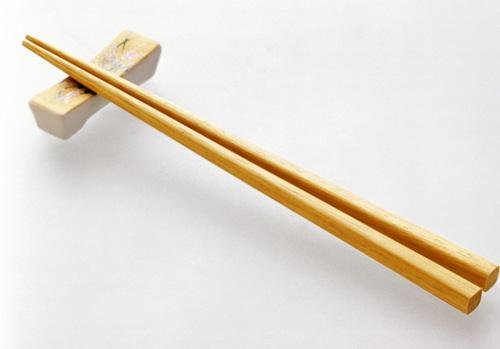
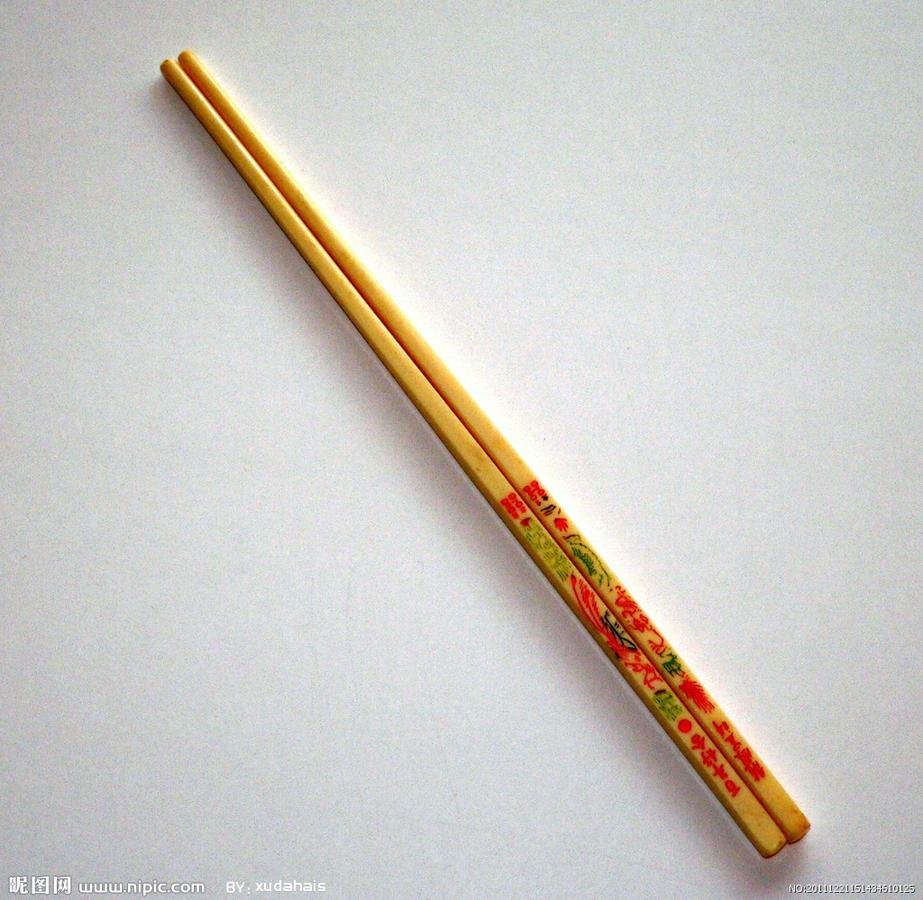
Han Chinese chopsticks called chopsticks, one kind of invented by eating tool very ethnic characteristics Ancient books Everything is done, the old yu mount: zhou XiZhe as zhu, and carried on some children The late king zhou of shang dynasty monarch, visible in the 11th century BC have appeared in our country, seiko manufacturing of ivory chopsticks, that is to say, recorded in the history of our country have to use chopsticks has 3000 years history
筷子古称箸,一种由汉族发明的非常具有民族特色的进食工具。古籍《韩非子·喻老》载:“昔者纣为象箸,而箕子怖。”纣王为商代末期的君主,可见早在公元前11世纪我国已出现象牙精工制造的筷子,也就是说,我国有史记载的用筷历史已有3000多年。
Copy of deck
By Kris.Baekhyun.Nie