Agile
What is Agile?
What is Agile?
Agile is a philosophies of values and principles to manage teams and projects.
Agile is an alternative approach to traditional project management. It embraces change while traditional project management fights change.
People across functional teams work together as one team, rather than different groups working in phases or stages.
More human communication, interaction, and face-to-face.
Continuous feedback from users and stakeholders.
Iterations, shorter development cycles, and more frequent releases.
Visibility of progress and transparency of process.
Agile values
Individuals and interactions
Working software
Customer collaboration
Responding to change
over processes and tools
over comprehensive documentation
over contract negotiation
over following a plan
Agile principles
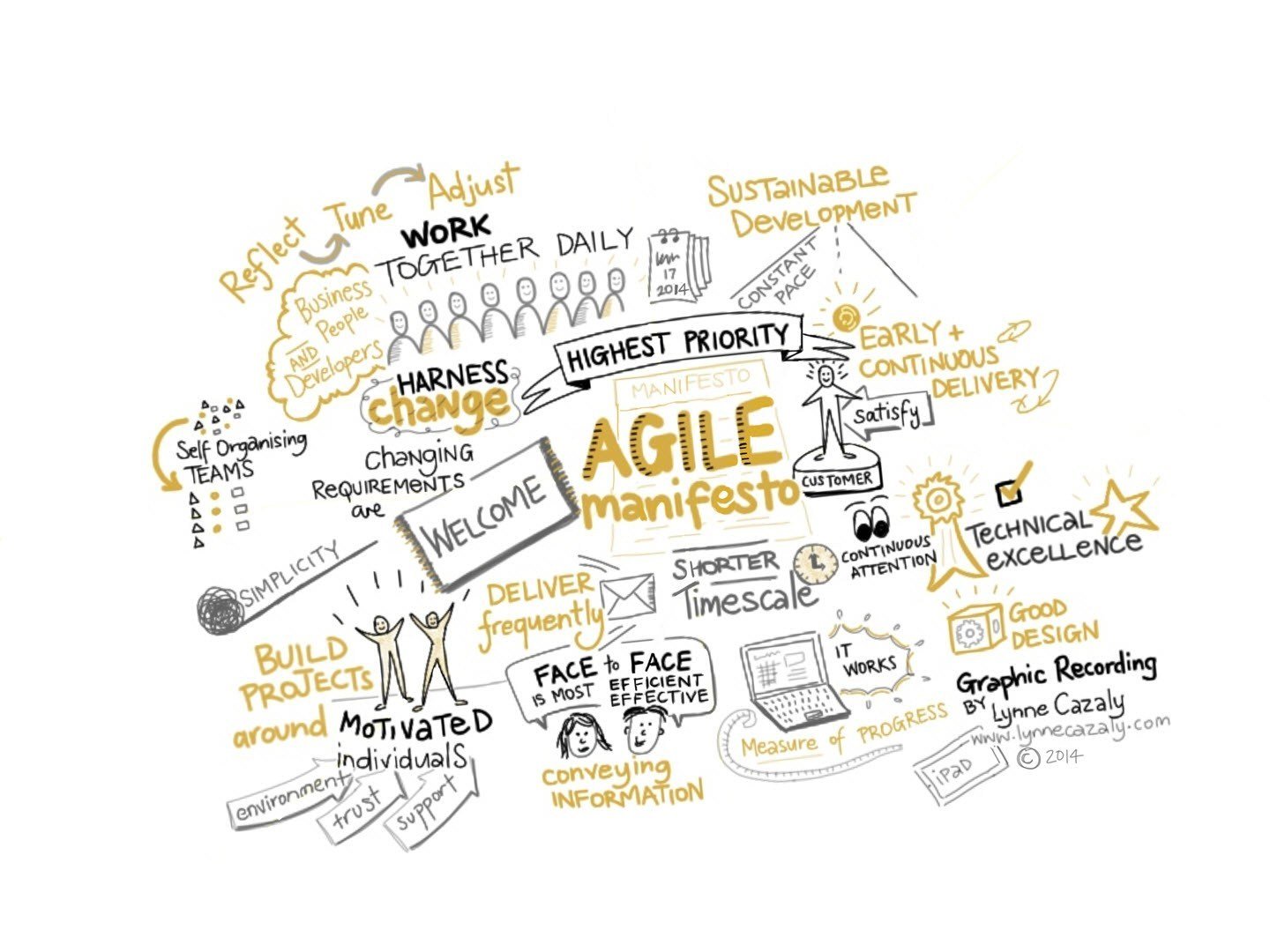
1. Our highest priority is to satisfy the customer through early and continuous delivery of valuable software.
2. Welcome changing requirements, even late in development. Agile processes harness change for the customer's competitive advantage.
3. Deliver working software frequently, from a couple of weeks to a couple of months, with a preference to the shorter timescale.
4. Business people and developers must work together daily throughout the project.
5. Build projects around motivated individuals. Give them the environment and support they need, and trust them to get the job done.
6. The most efficient and effective method of conveying information to and within a development team is face-to-face conversation.
Agile principles
7. Working software is the primary measure of progress.
8. Agile processes promote sustainable development. The sponsors, developers, and users should be able to maintain a constant pace indefinitely.
9. Continuous attention to technical excellence and good design enhances agility.
10. Simplicity--the art of maximizing the amount of work not done--is essential.
11. The best architectures, requirements, and designs emerge from self-organizing teams.
12. At regular intervals, the team reflects on how to become more effective, then tunes and adjusts its behavior accordingly. Flowing continuous value, continuous learning, and empowering people.
What is Agile?
Text
What is Agile?
How does it work?
How does it work
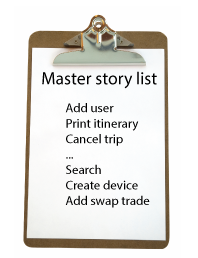
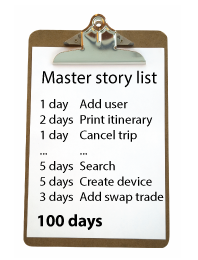
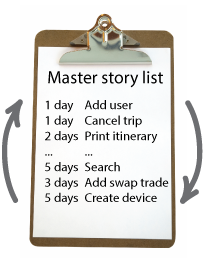
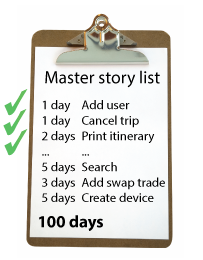
Yoo make a list
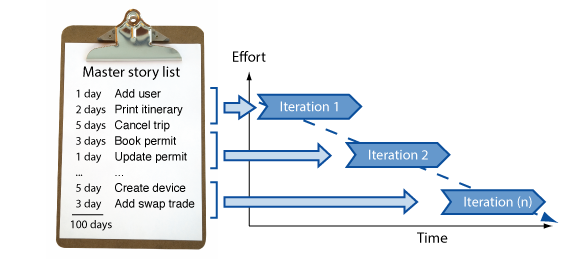
You size things up
You set some priorities
You start executing
with your customer
list of feature
user stories
To Do list for your project
Agile estimation techniques
size relatively to each other
how long will take
the client prioritizes
the most impotant to do first
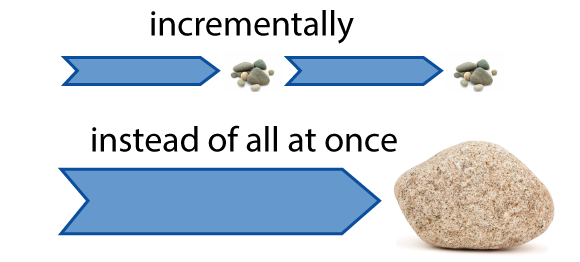
start delivering value
start at the top
get feedback
How does it work
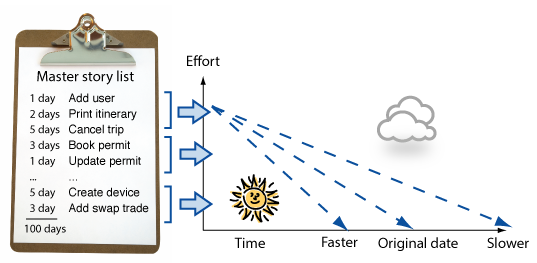
You update the plan as you go
One of two things
is going to happen:
1. You're going fast enough.
2. You have too much to do and not enough time.
ok
update
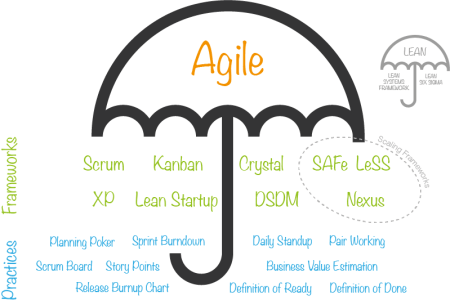
Agile methodologies
Methodologies
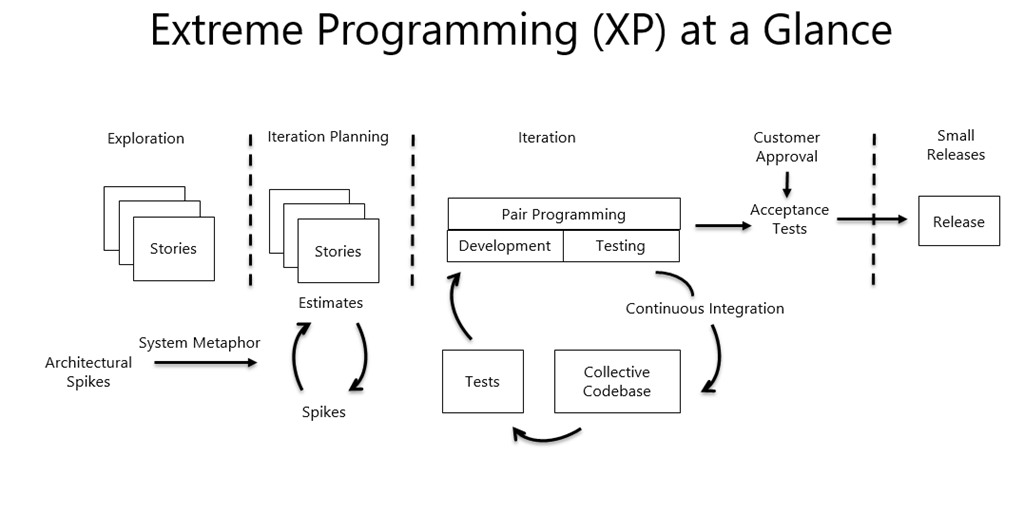
Extreme Programmin (XP)
1. Coding Standards
2. Collective Ownership
3. Continuous Integration
4. On-Site Customer
5. Pair Programming
6. Planning Game
7. Refactoring
8. Short Releases
9. Simple Design
10.Sustainable Pace (40 Hour Week)
11.System Metaphor
12.Test-Driven Development
12 Practices of Extreme Programming
Extreme Programming
Scrum
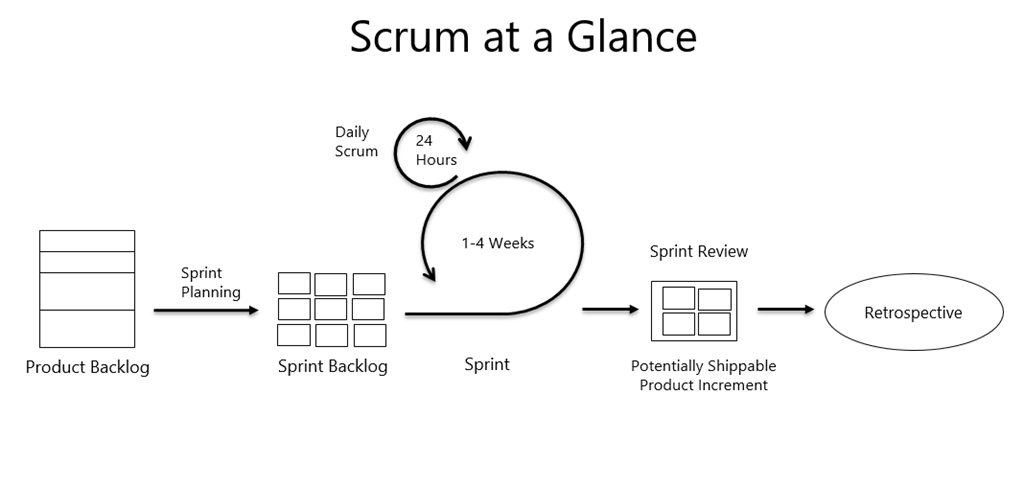
Practices Roles
• Product Owner
• Development Team
• Scrum Master
Activities
• Product Planning
• Sprint
• Sprint Planning Meeting
• Daily Scrum
• Sprint Review
• Sprint Retrospective
Artifacts
• Product Backlog
• Sprint Backlog
• Increment
• Burn down Chart
Scrum
Kanban
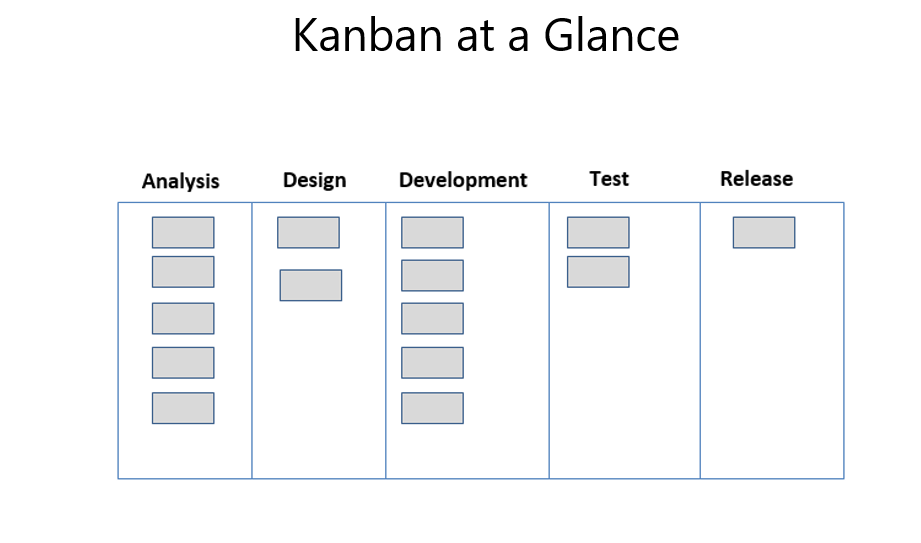
Practices
1. Visualize the Workflow
2. Limit WIP (Work in Progress)
3. Measure the Lead Time
Kanban
Why is Agile?
Why is Agile?
1. Increase customer involvement which can build empathy and reduce do-overs and rework
2. Learn faster which means you can adapt to change
3. Improve quality through focus
4. Reduce risk through shorter feedback loops and customer interaction
5. Simplify by getting rid of overhead and waste
6. Reduce cycle time through timeboxing and parallel development
7. Improve operational awareness through transparency
8. Drive process improvement through continuous improvement
9. Empower people through less mechanics and more interaction, continuous learning, and adaptation
10. Flow more value through more frequent releases and less “big bang”
Agile
By olgamardvilko