Patrick Leyseele - Digital transformation in diagnostic medicine
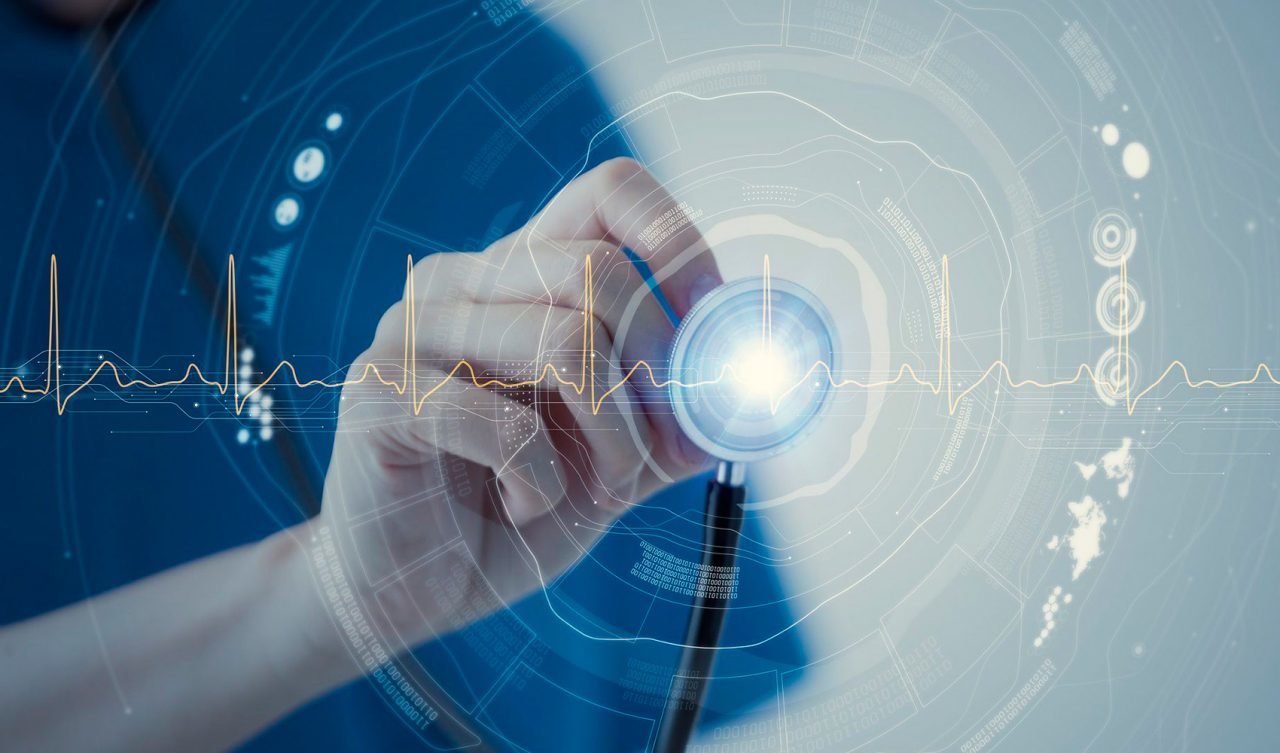
Patrick Leyseele - The health sector, like so many others in the industry in the world, has adopted digital transformation as one of its engines to go further in recent times.
Increased productivity, reduced costs, and the opportunity to provide better patient service have become some of the benefits of technology adoption.
For a long time, the health industry has proven that the adoption of digital transformation was not a process to which it was subjected, but rather was beneficial.
Currently, few entities linked to the health sector have not begun to take advantage of what the digital age provides them.
Patrick Leyseele - Digital Transformation
This volume of transformation has caused a change in the priorities of these businesses and entities, which have been able to simplify some of their responsibilities thanks to technology with the aim of redirecting their resources towards other needs.
The good news is that the digital transformation in the healthcare environment has only just begun and will have even more positive repercussions in the future when all areas of healthcare-related businesses begin to integrate these technologies.
Seeing the human body without the need for surgeries is a great advantage of diagnostic imaging, which is an important technological evolution that represented an advance in the way of diagnosing diseases.
However, the current digital transformation experienced by health organizations goes beyond seeing structures such as bones, organs, veins, and arteries: with the use of medical software and equipment, she allows X-ray exams, computed tomography, magnetic resonance imaging , ultrasound, among others, are enlarged, reconstructed in 3D and analyzed via computer without the need for a radiological slide.
Patrick Leyseele - Digital Age
The digital age in diagnostic medicine means better image quality, greater productivity for the doctor, greater process control, more patient safety and strategic management.
All this due to the use of softwares that allow the creation of indicators, the storage of medical history and even the preparation of remote medical reports without the need for the professional physical presence.
Stopping using analog equipment reduces impacts on the environment, since they work with a phosphor plate, known as CR, which generates the film used in the exams, which are highly polluting materials.
And, in addition, there is still the risk of the patient losing the exams after delivering them; in that case, it would be necessary to repeat them, which would generate a rework.
With the digitization of the sector, the examination of image happened to be stored digitally or electronically, which allows to eliminate the highly expensive process of printing of sheets.
These images can be stored in the Image Archiving and Communication System and can only be printed upon the request of a person.
Patrick Leyseele - This change in the way of working implies greater productivity for the doctor, as well as faster processes, because, when the professional has the patient's image history, they get to know precisely at what stage the treatment was stopped to give them continuity or modify it for a more assertive way.
Patrick Leyseele - Digital transformation in diagnostic medicine
By Patrick Leyseele
Patrick Leyseele - Digital transformation in diagnostic medicine
Patrick Leyseele - The health sector, like so many others in the industry in the world, has adopted digital transformation as one of its engines to go further in recent times.