Managing
Snapshot - Root Volume Snapshot
robustack.com
Create Volume from Snapshot
Creating a volume here is almost same as creating a volume in EC2 console or creating it through "Snapshots" management menu. This menu is just for ease of operation.
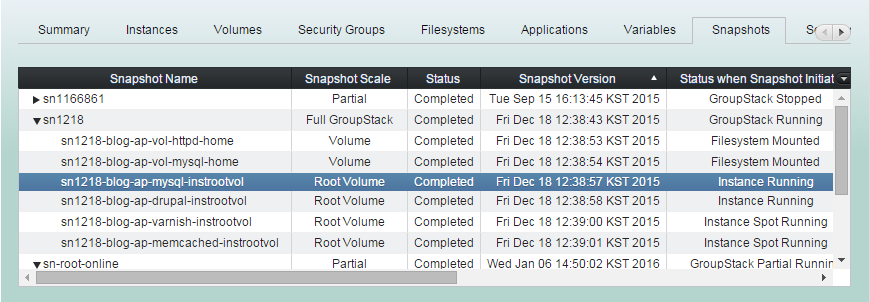
(1) Click "Snapshots" tab and select a snapshot to create a volume based on it.
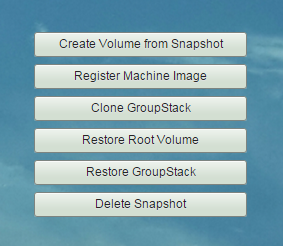
(2) Click "Create Volume from Snapshot".
Then fill volume creation parameters as needed and click "Confirm".
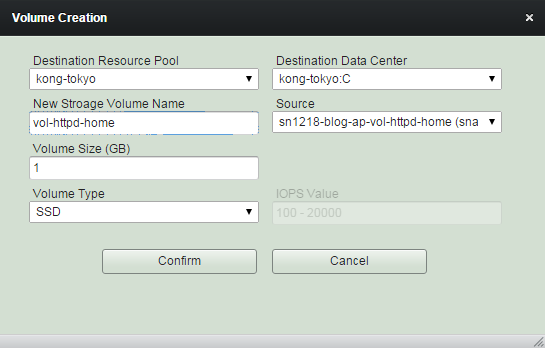
(3) 'Create Volume from Snapshot' completed.
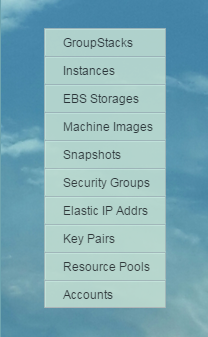
You can check the newly created volume at "EBS Storages" management view.
Register Machine Image
The result of registering a machine image here is almost same as registering a machine image through EC2 console. This menu is also for ease of operation.
(1) Click "Snapshots" tab and select a root snapshot to register it as a machine image.
(2) Click "Register Machine Image".
Volume snapshots belong to the same member instance will be brought up as well.
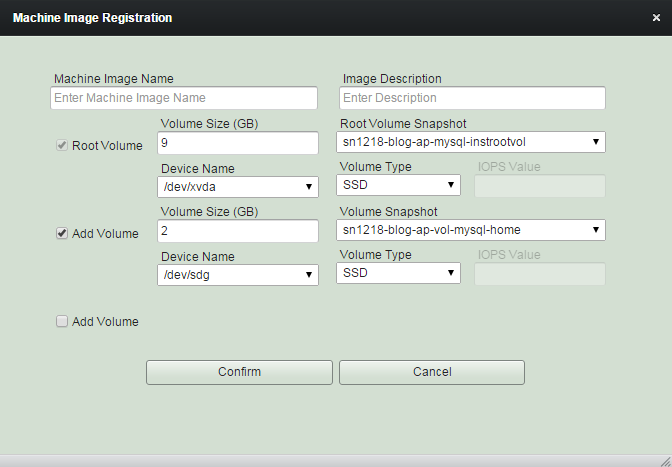
(3) Change the items as needed and click "Confirm".
(4) 'Register Machine Image' completed.
You can check the newly created machine image at "Machine Images" management view.
Clone GroupStack
You can clone groupstack with child snapshots aggregated from multiple group snapshots. Cloning cannot be initiated if any of root volume snapshots is missing, as the same way as cloning with a group snapshot.
(1) Click "Snapshots" tab and select child snapshots to clone groupstack from.
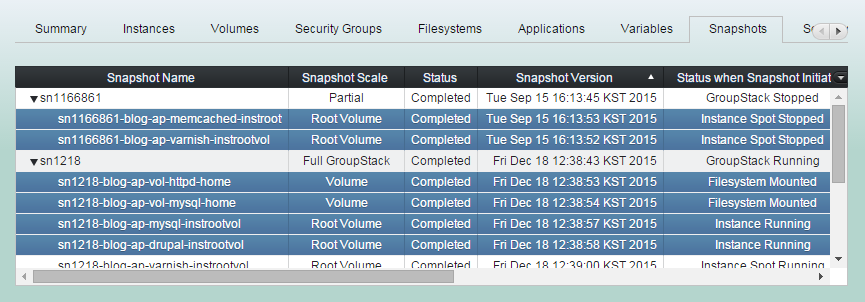
(2) Click "Clone GroupStack" button
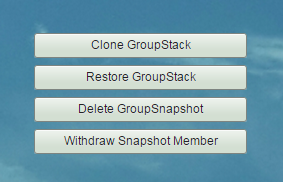
Cloning will not be started if you omit selecting any of root volume snapshots.
(3) Select clone destination and enter new groupstack name
and click "Confirm" button.
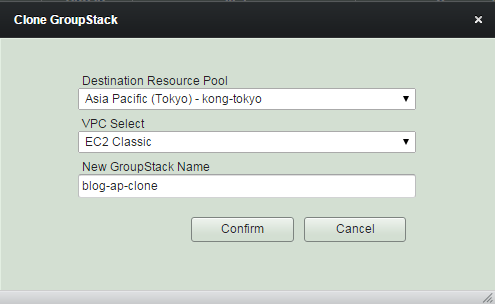
Cloning groupstack may take long
if you do it over other AWS region, as copying its snapshots and images over to other region takes long.
(4) New groupstack has been cloned and the status is now "In Configuration".
Now you can tweak the configuration as you wish, such as names, instance types, volume sizes, security group rules.
(5) Click "Instances' tab and select an instance to tweak in "In Configuration" or "Configuration Completed"
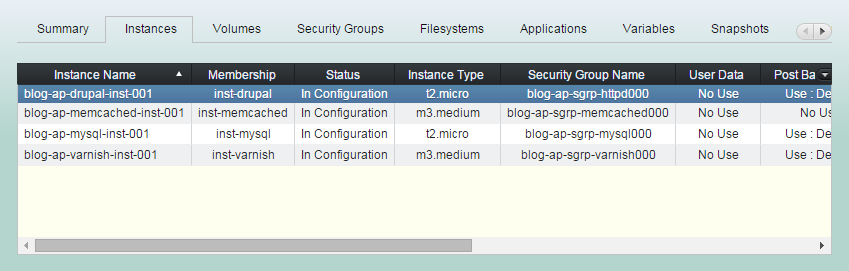
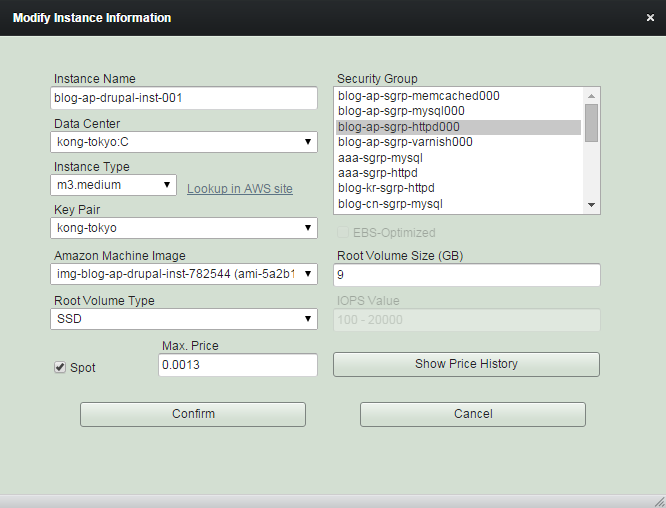
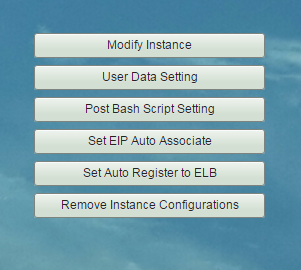
(6) Change instance configuration as needed, and continue for all instances.
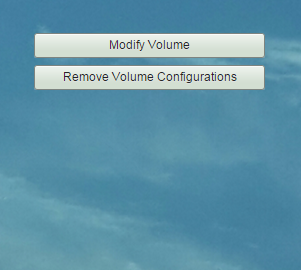
(7) Click "Volumes' tab and select a volume to tweak in "In Configuration" or "Configuration Completed".

(8) Change volume configuration to suit your requirements.
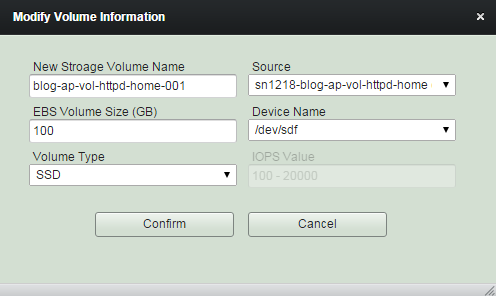
(9) Change security group and rule configuration
as needed.
Cloning groupstack usually brings all security rules which are refering to any sources inside groupstack, but in case those of outside, you should pay attention to them and modify as necessary.
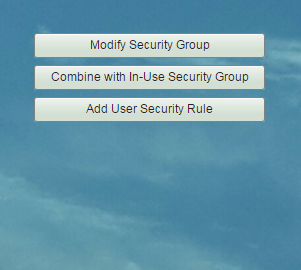
(10) Tweak filesystem configuration if needed.
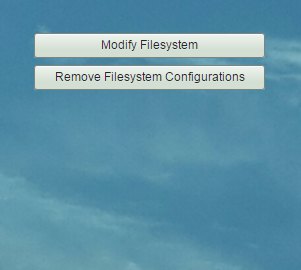
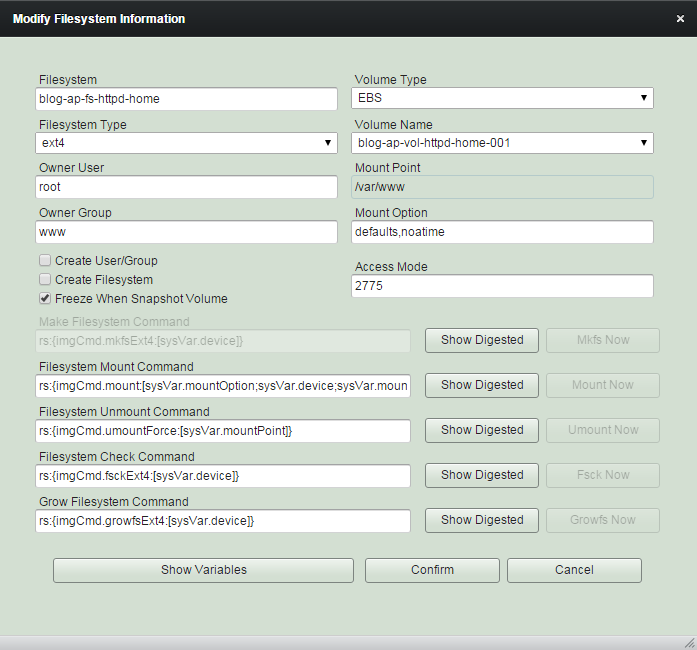
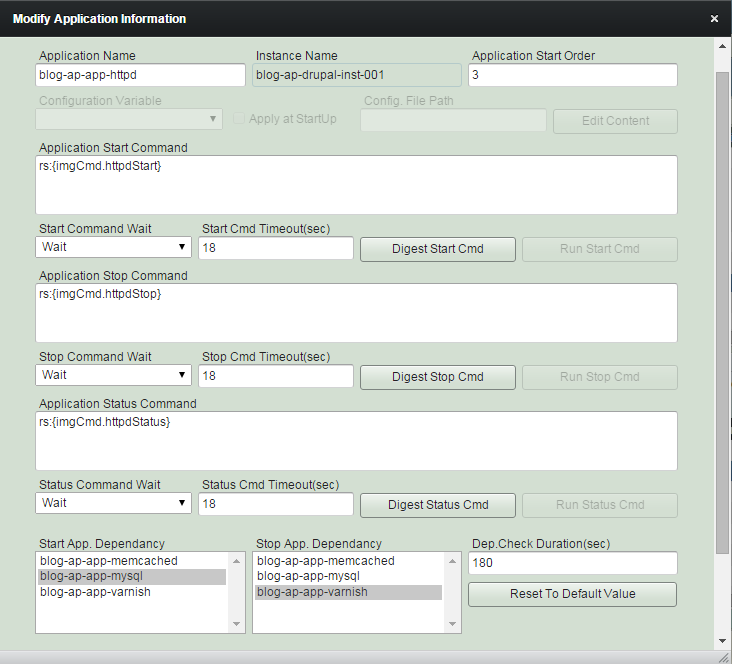
(11) Modify application configuration as needed.
(12) It will show groupstack status as "Configuration Completed" if it is ready to save. Then click "Save Configuration" button.
(13) Cloning groupstack completed.
GroupStack status is "Ready to Launch" and you can launch it anytime.
Restore Root Volume
You can restore root volumes with root volume snapshots if the instances are stopped. In case of spot instances, the AMIs for the next spot requests will be created.
(1) Click "Snapshots" tab and select root volume snapshots you want to restore.
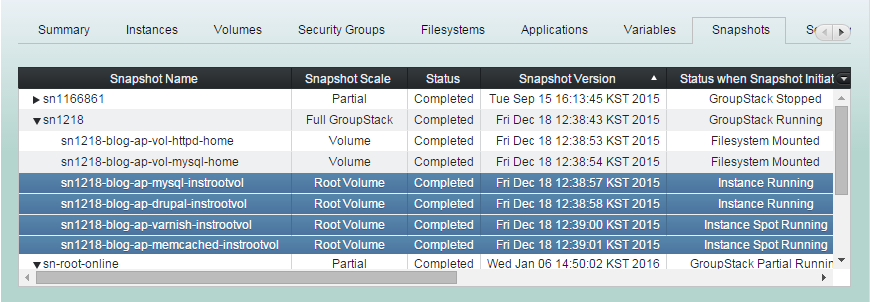
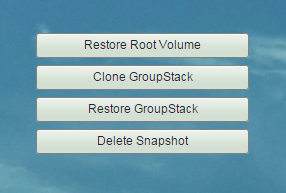
(2) Click "Restore Root Volume".
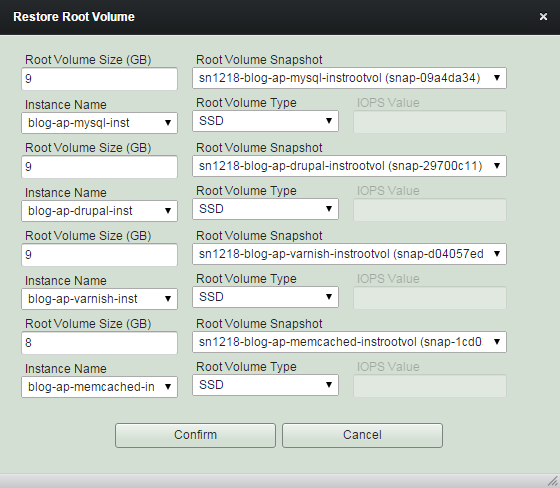
Restoring will not be started if the instances you'd like to restore those root volumes are not stopped.
(3) Change the sizes and types as needed and click "Confirm".
(4) 'Restore Root Volume' workflow.
1. Detaches root volumes of on-demand instances.
2. Changes detached old root volumes as '<inst-name>rootvol-retiredXXX'.
3. Initiates creating root volumes for on-demand instances from root volume snapshots.
(4) 'Restore Root Volume' workflow.
4. Creates AMIs for spot instances with those root volume snapshots.
5. Waits until root volume creation for on-demand instances completed.
6. Attaches newly created root volumes to the on-demand instances.
(5) 'Restore Root Volume' completed.
Groupstack on-demand instances will be started with the restored root volumes and spot instances will be started (requested) with the new AMIs created from now on.
Restore GroupStack
You can partially or entirely restore groupstack with those snapshots you select.
This will bring up all groupstack members and make them started together.
(1) Click "Snapshots" tab and select snapshots to restore groupstack from.
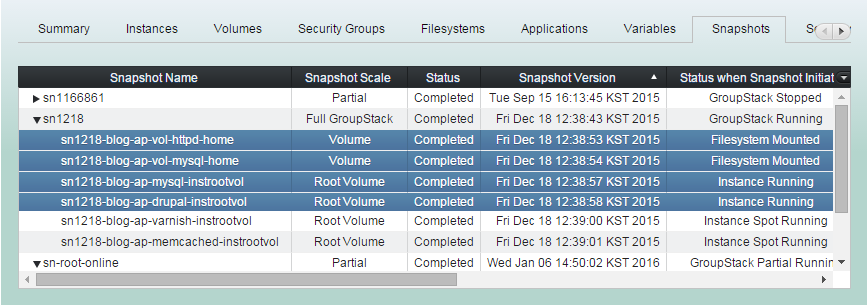
(2) Click "Restore GroupStack" button
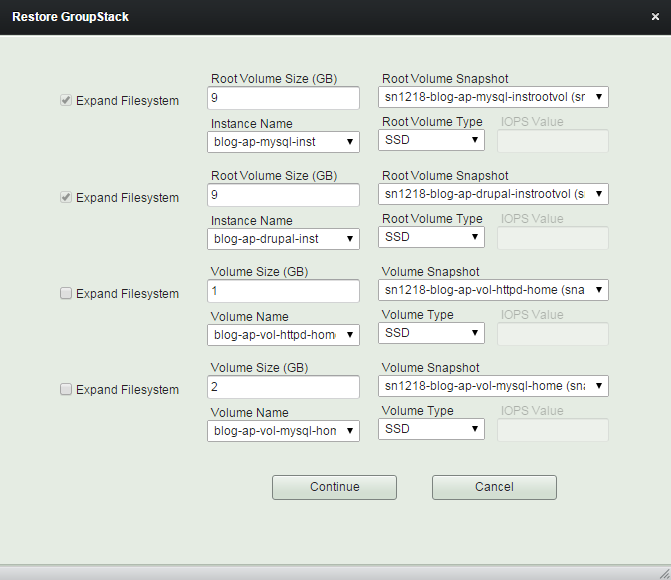
Only the volumes those snapshots selected will be restored.
(3) Modify sizes and types of volumes and root volumes as you wish.
And click "Continue" button
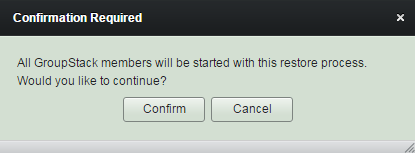
(4) Read reminder content and click "Confirm" button.
Groupstack will be started during the restore process to expand the filesystems and to finish restoring.
(5) Restore GroupStack workflow
1. Detaches all volumes including root volumes of on-demand instances for those snapshots selected.
2. Creates volumes and on-demand root volumes from snapshots with newly extended sizes and modified types.
(5) Restore GroupStack workflow
3. Creates new AMIs from selected root snapshots of spot instances. And applys newly edited sizes and types to the groupstack configuration.
(5) Restore GroupStack workflow
4. Waits until all volume creation completed.
5. Attaches newly created volumes and root volumes to stopped on-demand instances.
(5) Restore GroupStack workflow
6. Starts 'Start Spot Instance' workflows for all spot instances.
7. Starts 'Start Instance' workflows for all on-demand instances.
8. Waits until 'Start (Spot) Instance' workflows done.
(5) Restore GroupStack workflow
9. Attaches volumes for spot instances.
10. Grows and mounts filesystems, if needed.
11. Continues the rest of 'Start GroupStack' workflow.
(6) 'Restore GroupStack' completed.
Delete Snapshot
This will practically remove snapshots selected as well as withdraw them.
(1) Click "Snapshots" tab and select snapshots to delete.
(2) Click "Delete Snapshot" button
Managing Snapshot - Root Volume Snapshot
By robustack.com
Managing Snapshot - Root Volume Snapshot
Managing Snapshot - Root Volume Snapshot. Robustack is an Amazon EC2 Orchestration Platform. This slides shows what can you do with root volume snapshots in Group Snapshot.