






Ms. Russel
STEM for life
"What is climate?"
"What factors determine climate?
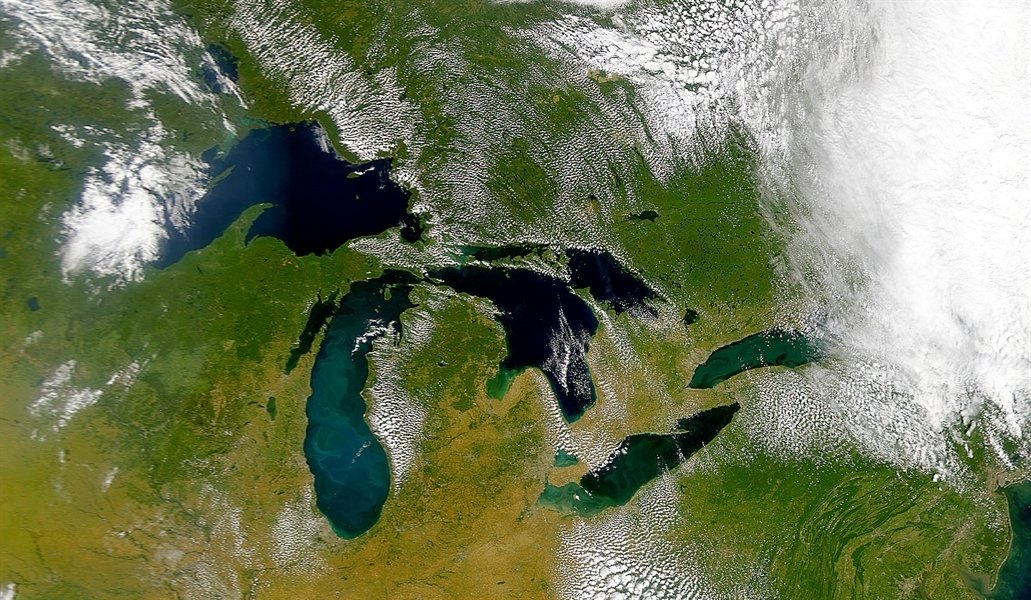
Distance from Large Bodies of Water: Ocean and Lakes moderate the temperatures of nearby land.
Closer to water= cold and windy
A body of water affects an area's climate by keeping temperatures lower than normal during the summer and higher than normal during the winter.
Bodies of water absorb heat from the atmosphere much slower than nearby land. This makes the land areas feel warmer than the areas closest to water.
In tropical regions during the winter months, the temperature feels warmer closest to the water because it releases heat at a slower rate, keeping the area near the water warmer for a longer period of time.
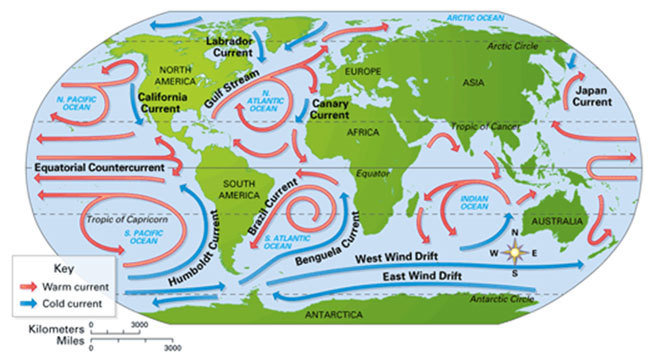
Warm water currents bring warm, humid air to the region
Cold water currents bring cool, damp air to the region
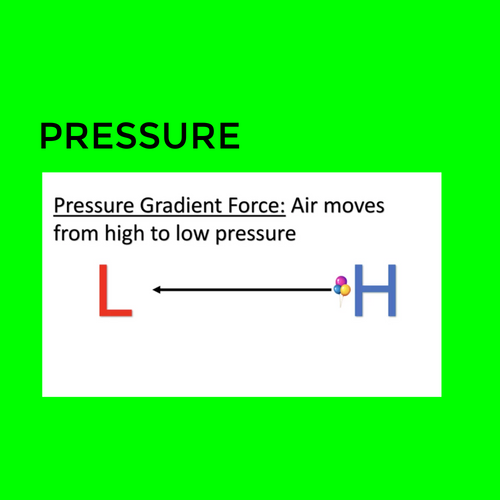
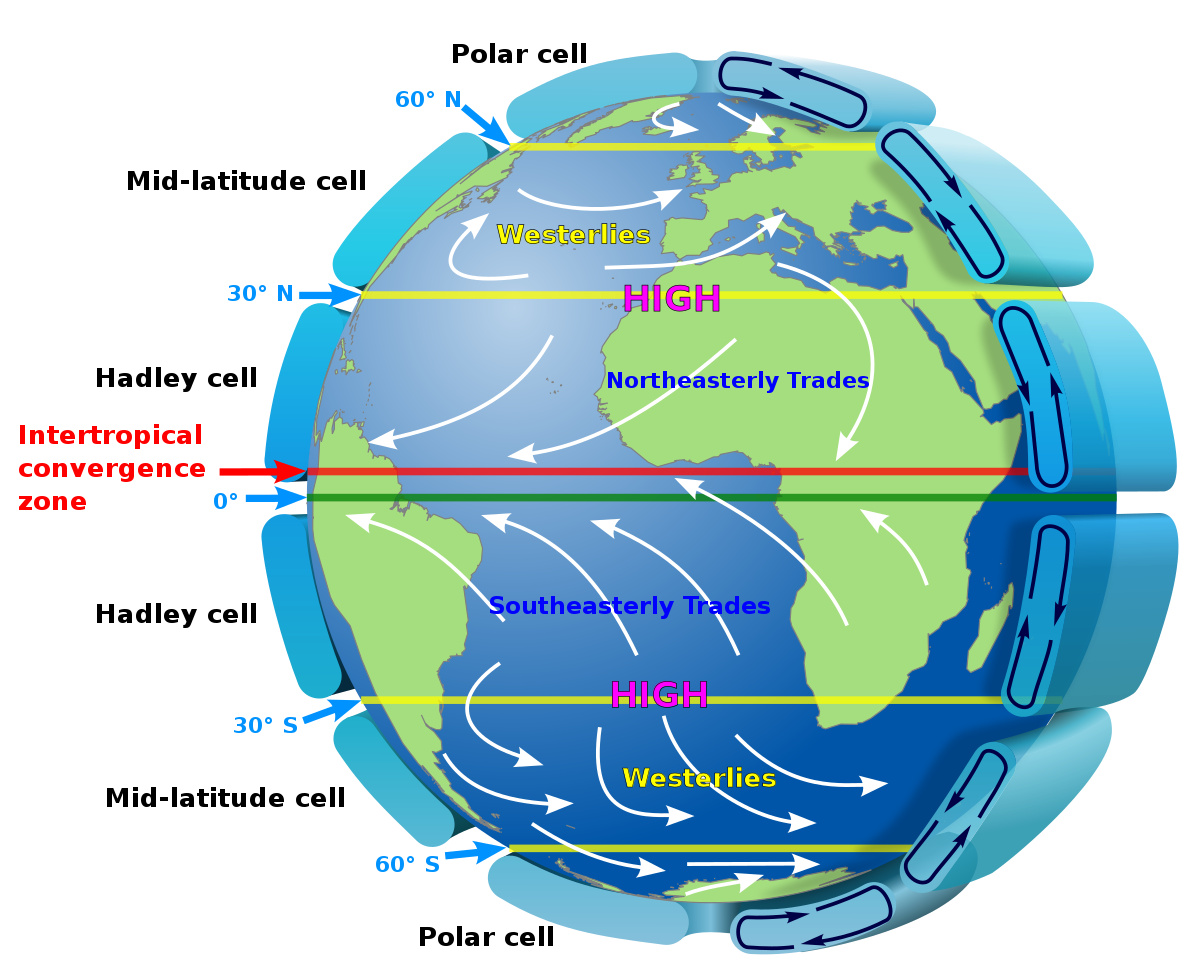
Prevailing Winds: move large air masses into and out of a region.
The amount of water vapor in the air will influence how much rain or snow will fall.
Mountain Ranges
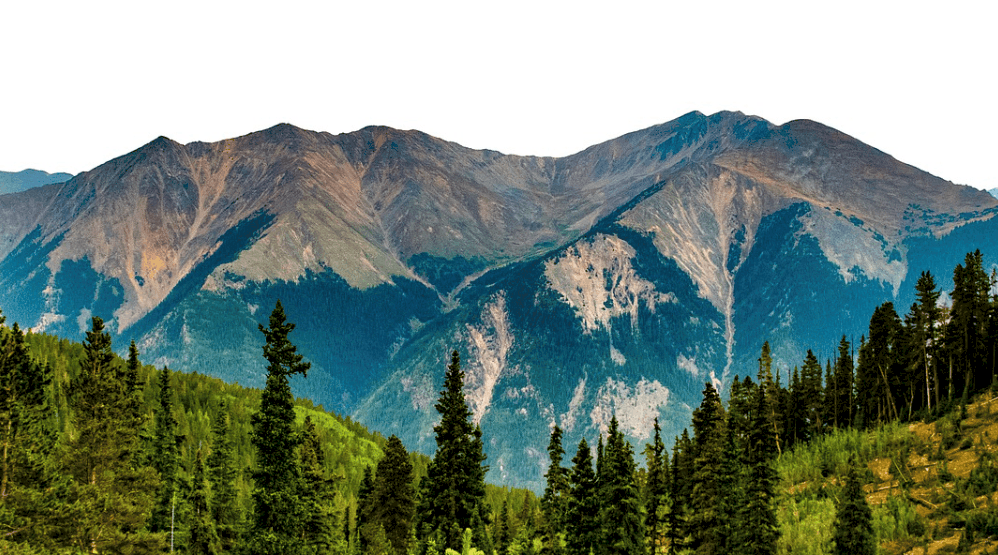
When humid winds blow from the ocean towards coastal mountains they are forced to rise.
The rising air cools and its water vapor turns to clouds.
Rain or snow falls on the windward side of the mountains, the side the wind hits.
The land on the leeward side of the mountains, downwind, is in a rain shadow and very little precipitation falls there
Seasonal Winds
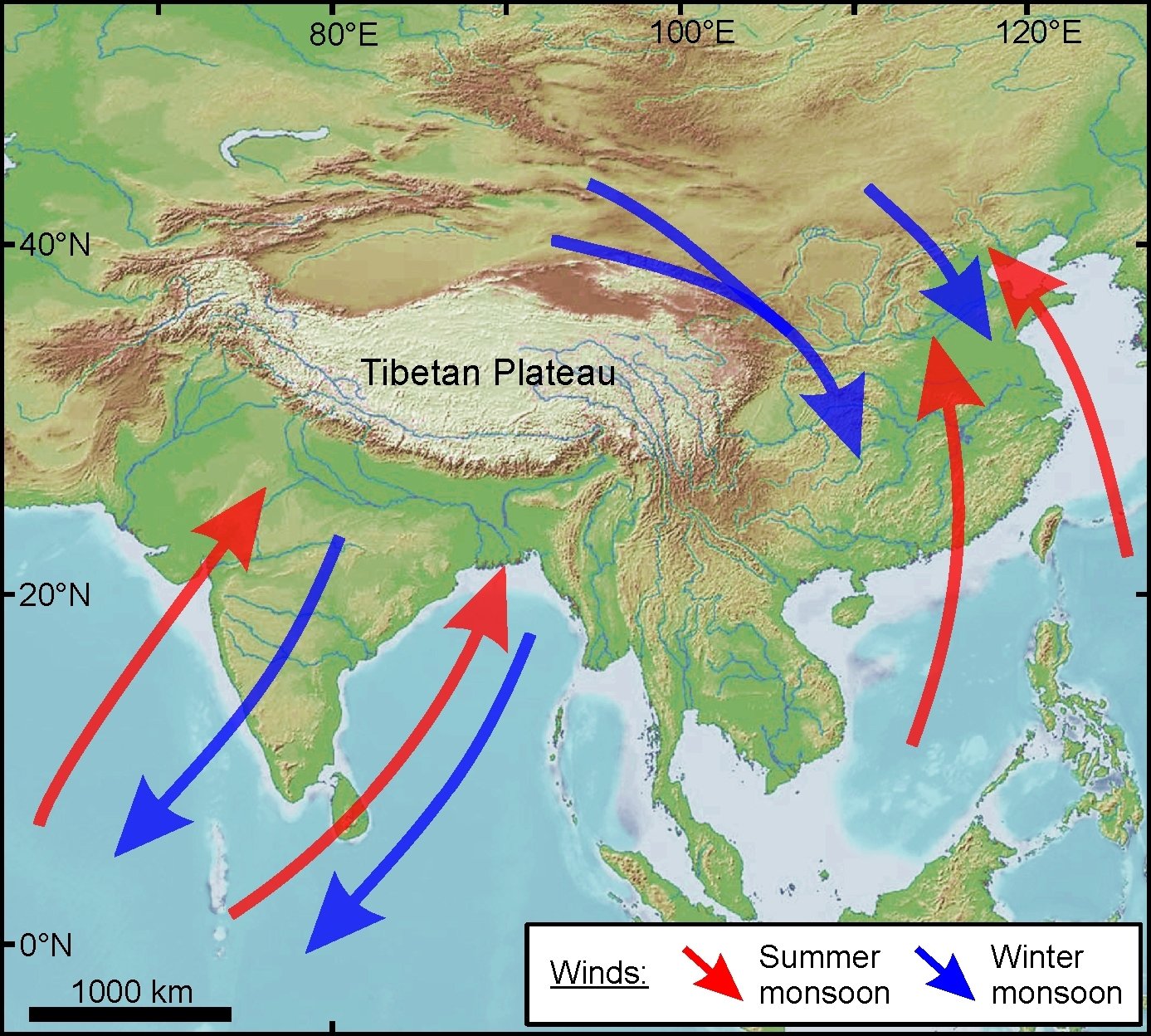
A seasonal change in wind patterns can affect precipitation
Monsoons: sea or land breeze over a large region that changes direction with the seasons.
The Seasons
Tilted Axis: the seasons are caused by the tilt of Earth’s axis as it travels around the sun.
Winter in Northern Hemisphere=Summer in Southern Hemisphere
When Earth is tilted away from the sun it is Winter.
When Earth is tilted towards the sun it is Summer
By Ms. Russel