Introduction to
Azure Fluid Relay



Seiji Villafranca
github.com/SeijiV13

seijivillafranca.com
Hi im Seiji!
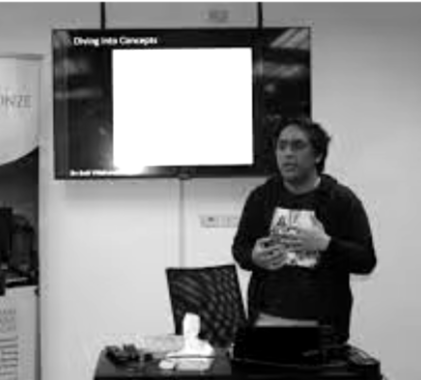


A filipino developer based in the Netherlands, I write code, i teach people and i speak in conferences
Developer
Community Lead / Speaker
Author
Talks








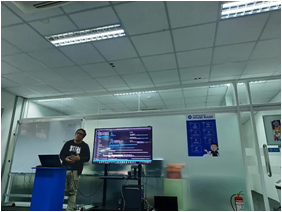




What is Azure Fluid Relay?
We want Real-time collaboration!
Real time updates
Seamless data flow

give updates
receive updates!
The Common Way?
Handling front and back
Client Web App
Service
Storage
Handling updates
Merge update conflicts
Receive updates in client
Web Sockets


Azure Fluid Relay Collaboration
Client Web App
Service
Storage
Azure Fluid Relay
Server side is handled by Fluid
What is Azure Fluid Relay?
- allow developers build real-time collaborative experiences
- allow multiple clients to simultaneously create and operate on shared data structures
Why Fluid?
Very low latency.
Client-centric application model
Distributed data structures
"Focused on the client developer"
fluid handles the server logic
Why Fluid?
"Focused on the client developer"
zero custom code on the server
responsible for taking in data operations, sequencing the operations, and returning the sequenced operations to the clients.
How Fluid works?
Step 1
Client code changes data locally.
Dice Roller App
User rolls the dice
    const updateDice = () => {
        const diceValue = diceMap.get(diceValueKey);
        // Unicode 0x2680-0x2685 are the sides of a dice (⚀⚁⚂⚃⚄⚅)
        dice.textContent = String.fromCodePoint(0x267f + diceValue);
        dice.style.color = `hsl(${diceValue * 60}, 70%, 30%)`;
    };
How Fluid works?
Step 2
Sends the change to fluid service
Dice Roller App
 rollButton.onclick = () =>
 diceMap.set(diceValueKey, Math.floor(Math.random() * 6) + 1);
How Fluid works?
Step 3
Fluid service sequences that operation and broadcasts to all clients
Fluid Service
Container
broadcast
state
get data state

How Fluid works?
Step 4
incorporates that operation into local data and raises a "valueChanged" event.
diceMap.on("valueChanged", updateDice);How Fluid works?
Step 5
Clients connected handles the changes
const updateDice = () => {
    const diceValue = diceMap.get(diceValueKey);
        // Unicode 0x2680-0x2685 are the sides of a dice (⚀⚁⚂⚃⚄⚅)
    dice.textContent = String.fromCodePoint(0x267f + diceValue);
    dice.style.color = `hsl(${diceValue * 60}, 70%, 30%)`;
 };
Let's deep dive on Fluid Relay
Architecture
Three primary concepts for building an application with Fluid.
Service
Container
Shared objects
Architecture
Service
A centralized service to send and receive data and operations
@fluidframework/azure-client.
package for connecting the Azure fluid relay service
Architecture
Container
Collection of shared objects that contain data that is shared with different clients
const schema = {
 2    initialObjects: {
 3        layout: SharedMap,
 4    },
 5};
 6
 7const { container, services } =
 8    await client.createContainer(schema);
 9
10const containerId = await container.attach();
Architecture
Shared Objects
Shared Data with different clients
Distributed Data Structures and Data Objects
- SharedMap - a map-like data structure for storing key/value pair data.
- SharedDirectory - a map-like data structure with ability to organize keys into subdirectories.
- SharedString - a data structure for string data.
A Quick Demo!

Lets summarize
Low latency
Worry about the front-end code only
Collaboration using containers
Other Advantages
Available Recipes




References
Hey I'm a Mentor!
github.com/SeijiV13
seijivillafranca.com
fb.com/seiji.villafranca


Thank you
and happy coding!

Inroduction to Azure Fluid Relay
By Seiji Ralph Villafranca