Credit where credit is due: how digital scholarship is changing history & what the American Historical Association is doing about it Dr. Seth Denbo Director of Scholarly Communication & Digital Initiatives American Historical Association @seth_denbo
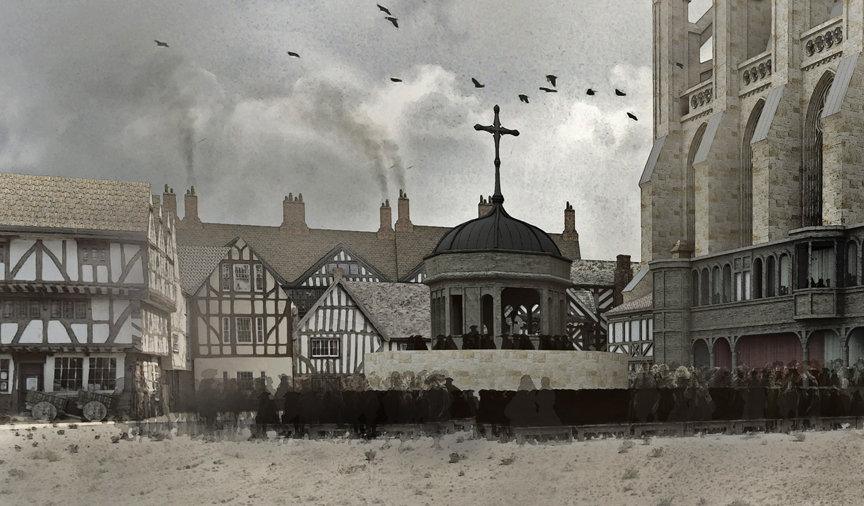
Paul’s Churchyard, looking east, from the west. From the Visual Model, constructed by Joshua Stephens, rendered by Jordan Gray. https://vpcp.chass.ncsu.edu/churchyard/view/beyond text
data
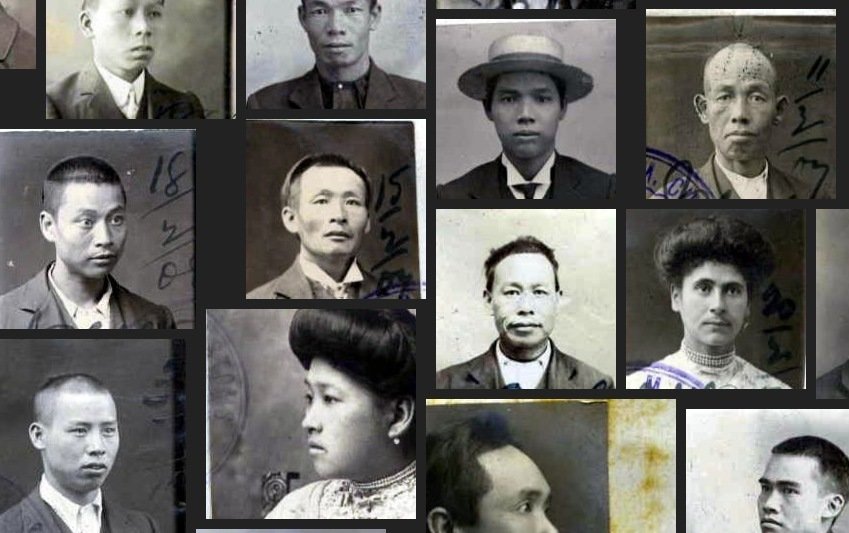
Kate Bagnall and Tim Sherratt, Invisible Australians, invisibleaustralians.org
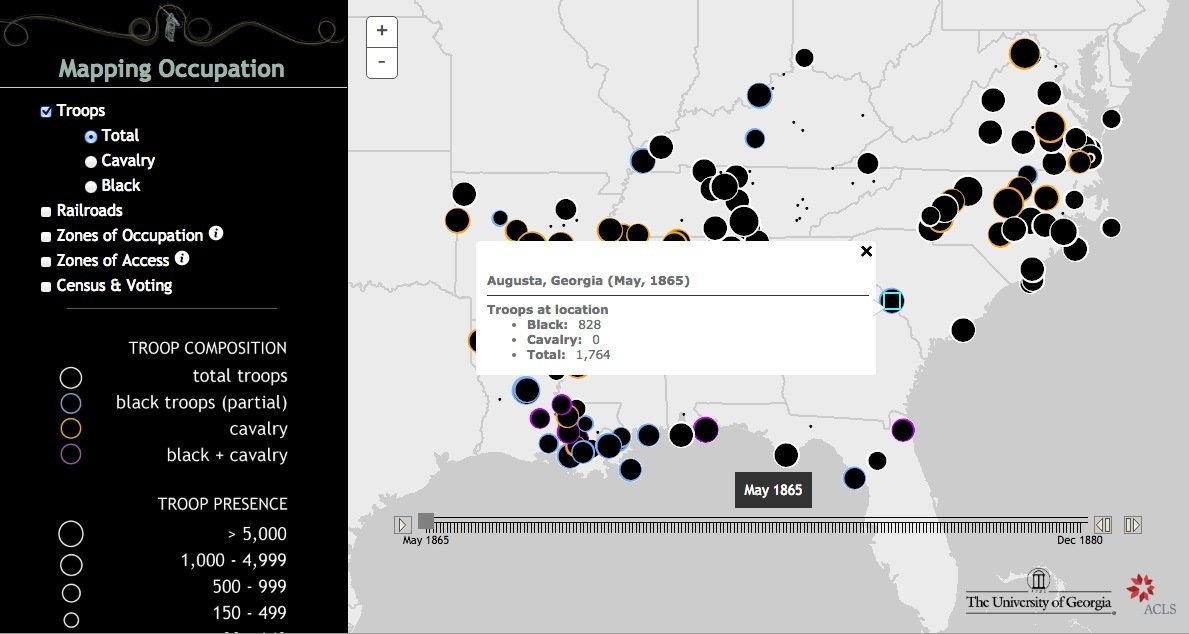
Gregory P. Downs & Scott Nesbit, Mapping Occupation: Force, Freedom, and the Army in Reconstruction, http://mappingoccupation.org
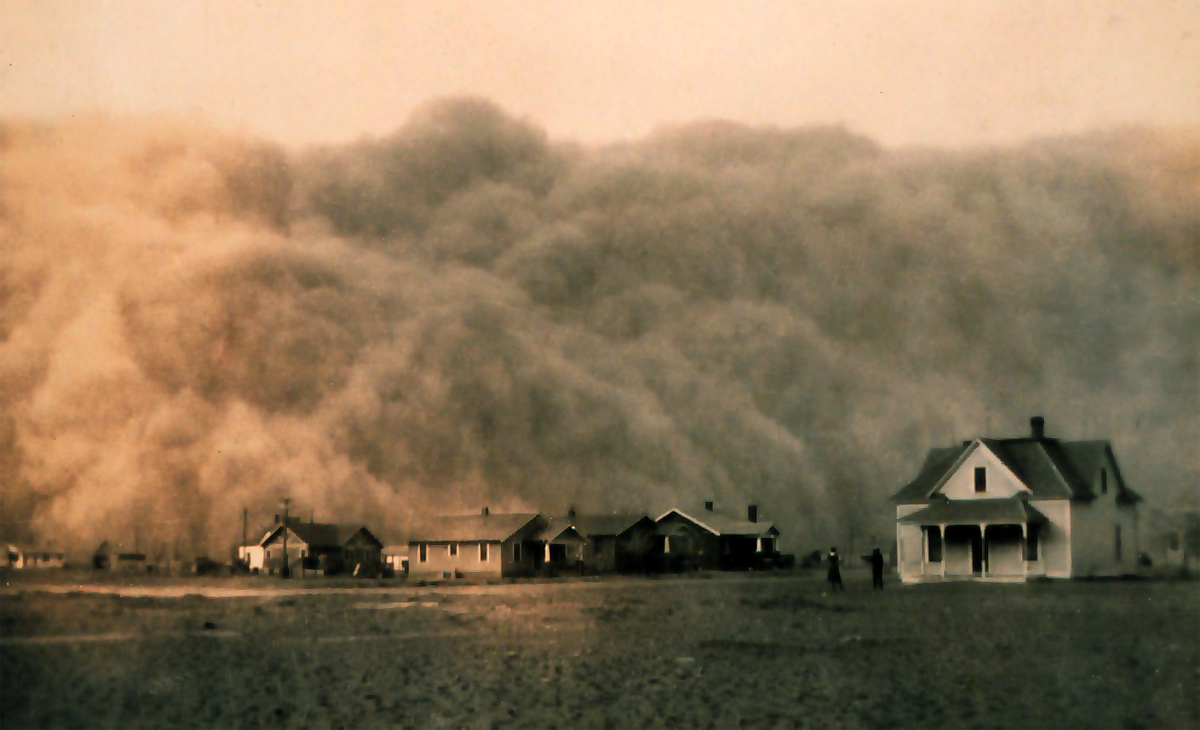
Dust storm approaching Stratford, Texas. April 18, 1935. NOAA George E. Marsh Album. www.photolib.noaa.gov/htmls/theb1365.htm
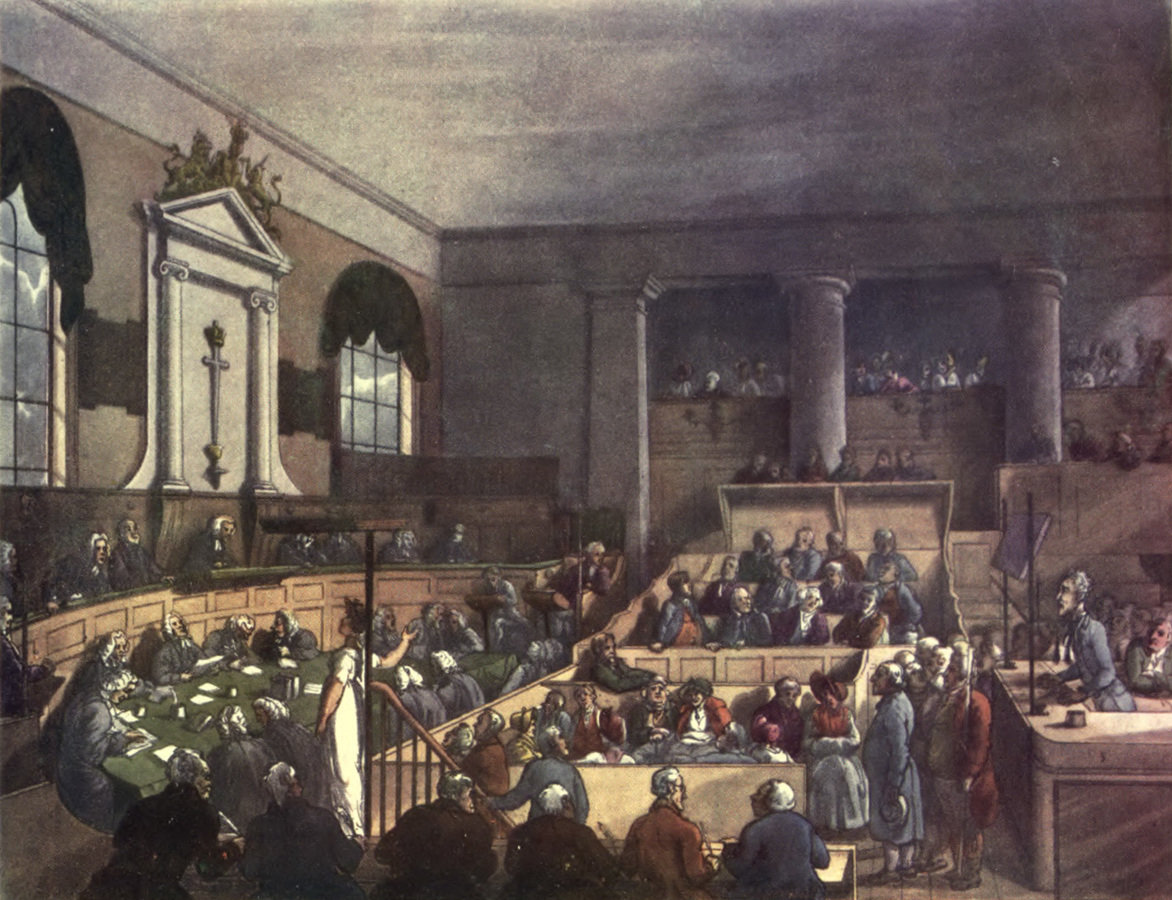
commons.wikimedia.org/wiki/File:Microcosm_of_London_Plate_058_-_Old_Bailey.jpg
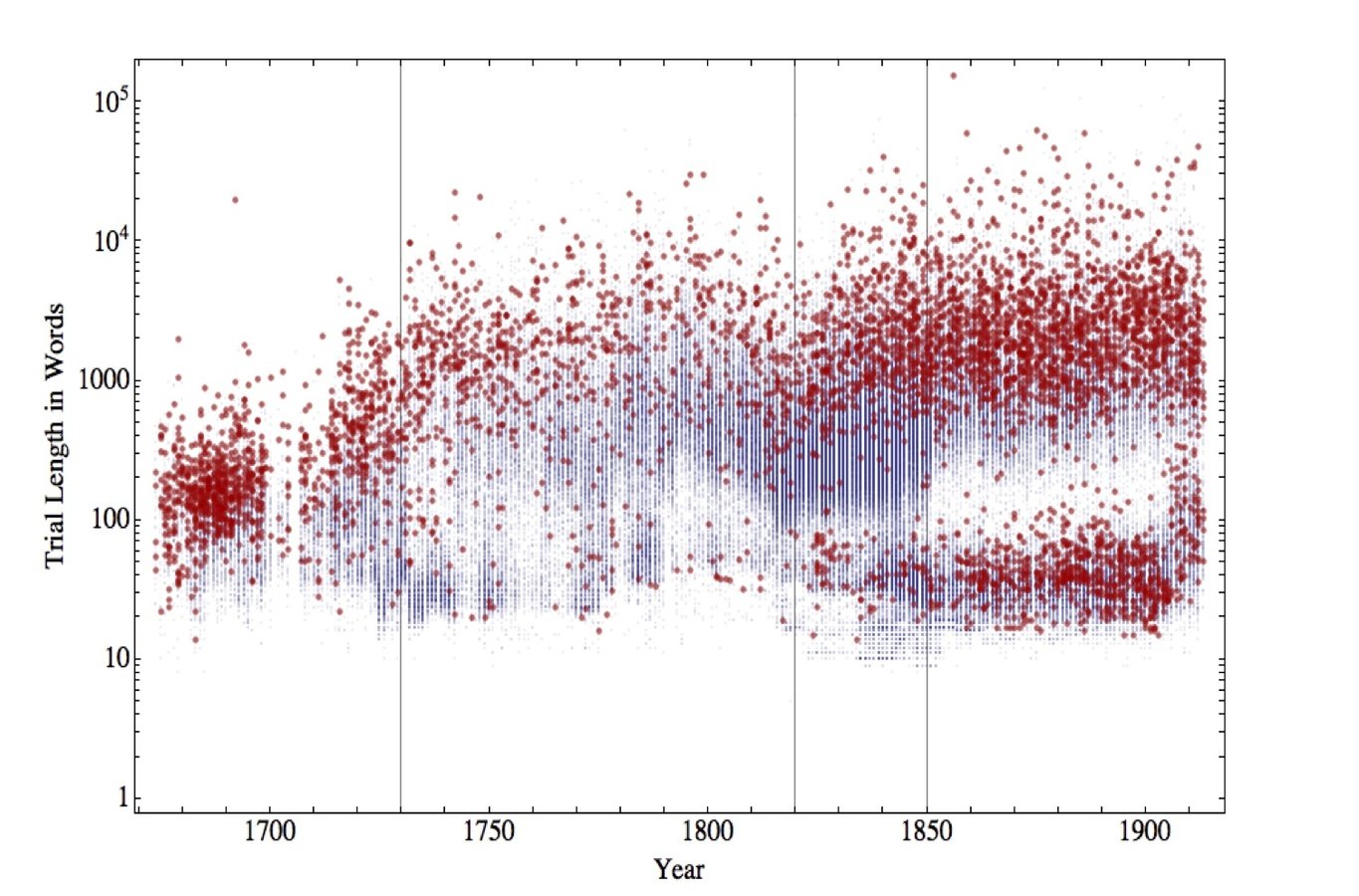
http://criminalintent.org/wp-content/uploads/2011/06/criminal_intent_digging_into_data_meeting_10jun2011.pdf
Jo Guldi and David Armitage. The History Manifesto. Cambridge, UK: Cambridge University Press, 2014.
Lara Putnam. “The Transnational and the Text-Searchable: Digitized Sources and the Shadows They Cast.” The American Historical Review 121, no. 2 (April 1, 2016): 377–402. doi:10.1093/ahr/121.2.377.
Infrastructure
Digital Liberal Arts Exchange
dlaexchange.wordpress.com
~
TAPAS: TEI Archiving, Publishing, & Access Service
beta.tapasproject.org
“The shared commitment of all historians to the informed and evidence-based conversation that is history can smooth our discipline's integration of new possibilities. With agreement on the purpose of our work, new and varying forms of that work can be seen as strengths rather than impediments.”

http://www.jadh.org/guidelines-for-the-evaluation-of-digital-scholarship-in-history
JADH 2016 Presentation
By Seth Denbo