AIM-PRO
Learning scenario's based on
- pedagogical constitution
20260311 T5.1 Pedagogical requirements.docx - to instructional design
The MIND model a microlearning AI-integrated instructional design for enhanced learning outcomes - to learning scenario
- to algorithmic backbone
| AIM-PRO system (in modules) |
|||||||||||
|
AIM-PRO Pedagogical Constitution

AIM-PRO Pedagogical Constitution
Outlines the core pedagogical principles that guide the creation of our tools, resources, and learning scenarios, ensuring that the work of all partners share a common "pedagogical soul" (T5.1 Pedagogical requirements).
AIM-PRO utilizes Open Educational Resources (OERs), Generative AI, Model-Driven Engineering (MDE), and Digital Twin technologies to create personalized, sustainable, and inclusive learning environments.
Building AI competencies requires more than technical know‑how: it demands a mix of practical skills, critical thinking, ethical awareness, and the ability to adapt to fast‑changing technologies (cf. Howard et al., 2025).
Why do we need a pedagogical constitution?

Core pedagogical training strategies
To ensure that AIM-PRO's educational interventions are beneficial and deeply effective, all project outputs and methodologies must stand by the following core pedagogical principles, adapted from Synthesis of Qualitative Data (SQD); a model that brings together effective strategies to develop digital competencies (Tondeur et al., 2025).

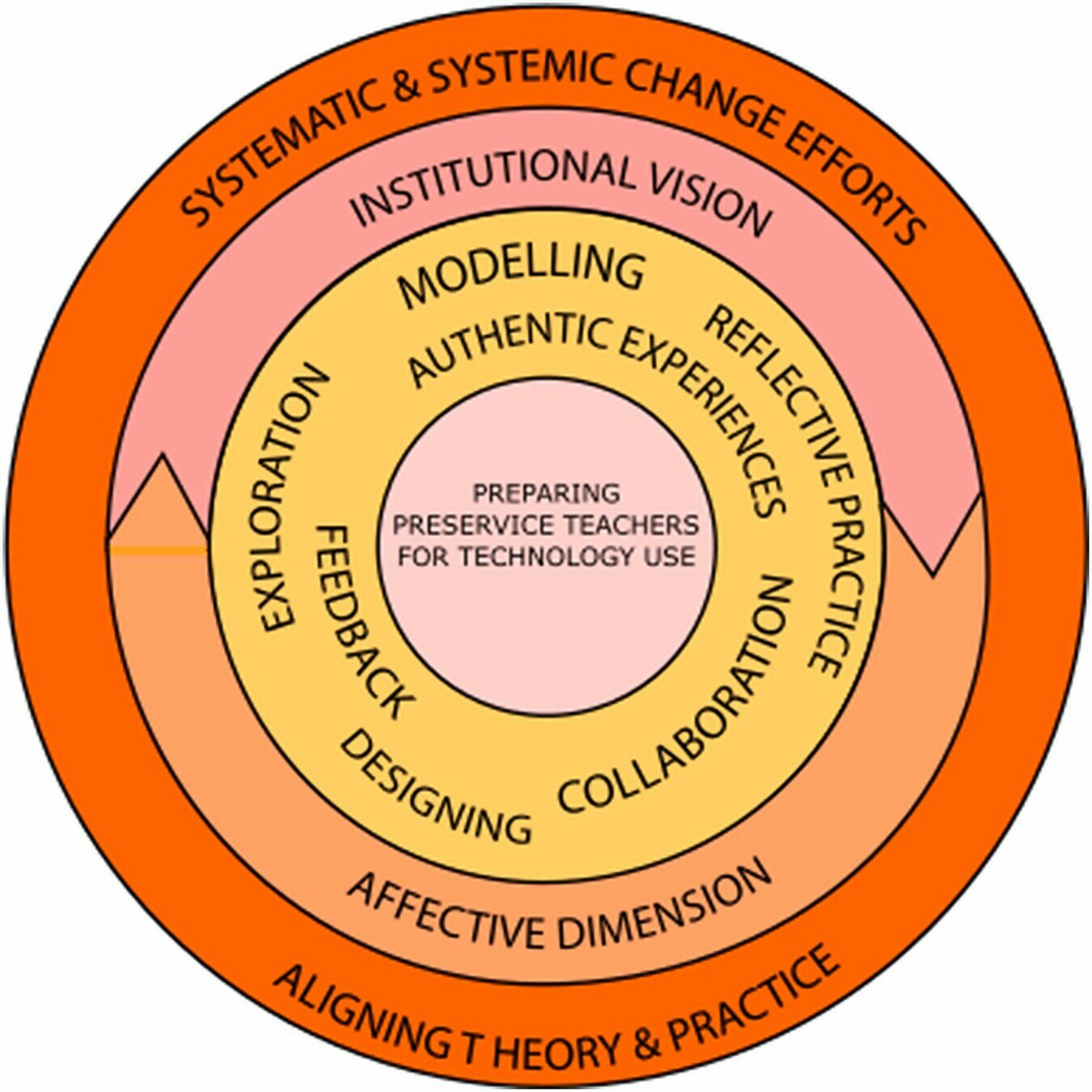
SQD2
For this Constitution (20260311 T5.1 Pedagogical requirements.docx) to be effective, it cannot merely be a theoretical document; it must direct the activities of every Work Package (WP) in the AIM-PRO consortium.
The constitution in action
Guiding the work packages with examples
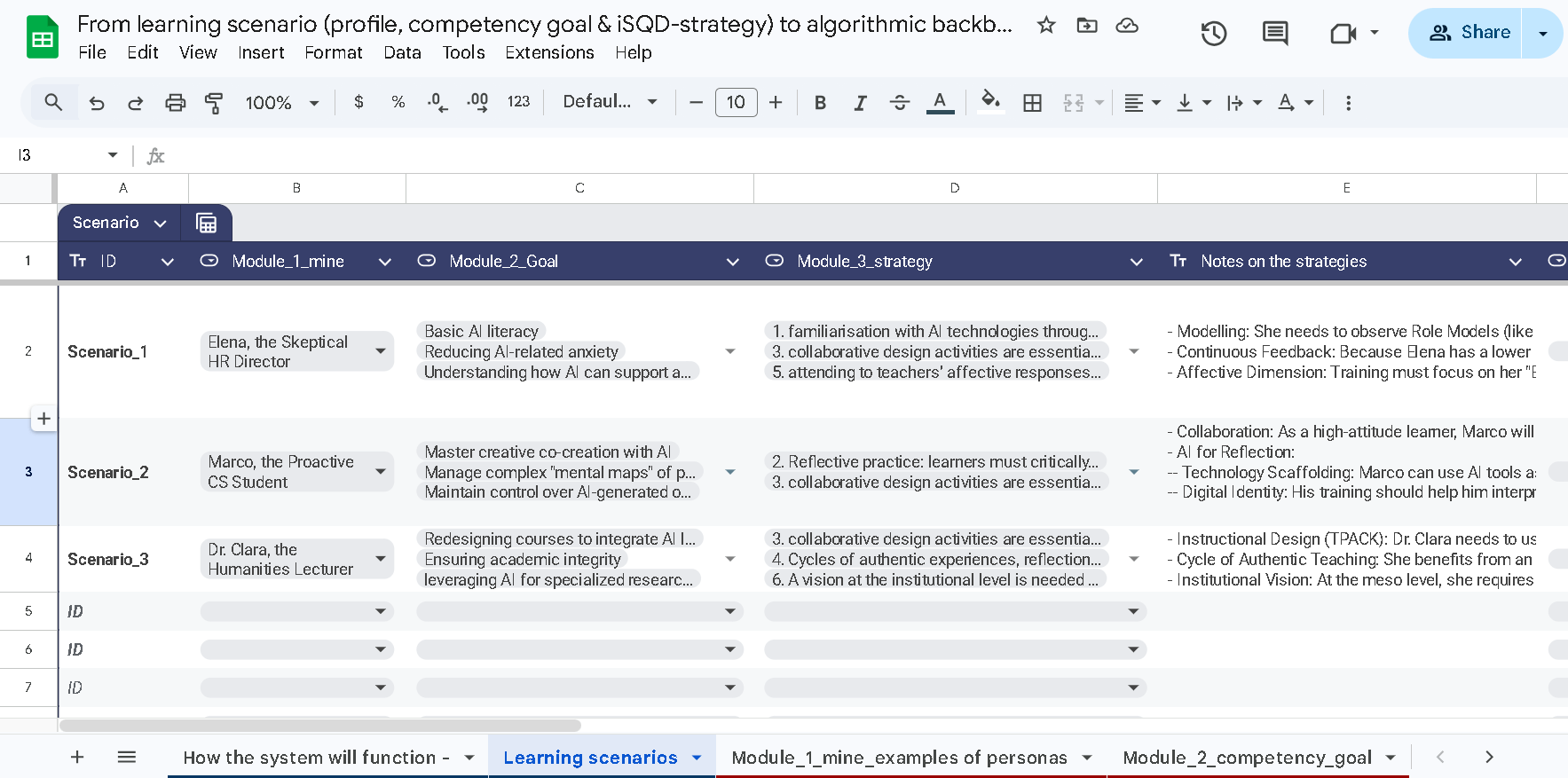
Back-up: from constitution to learning scenario to algorithmic backbone
By Thibaut Cromphaut
Back-up: from constitution to learning scenario to algorithmic backbone
AIM-PRO's pedagogical soul