Yuan-Sen Ting (丁源森)
The Ohio State University
Quantifying Bursty Star Formation in Dwarf Galaxies
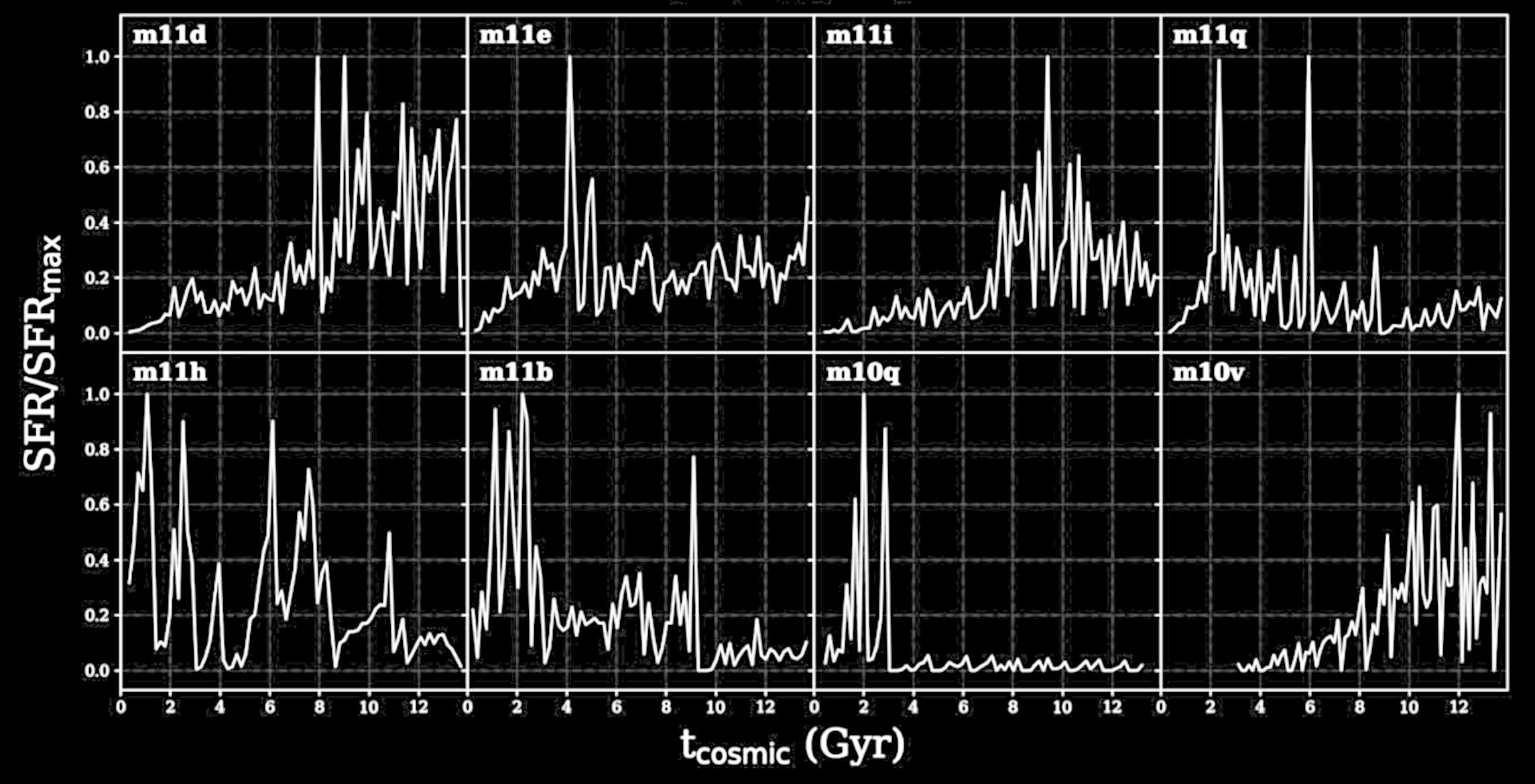
Star formation for dwarf galaxies is expected to be bursty
Patel et al., 2022
This is reflected in stellar elemental abundances
Patel et al., 2022
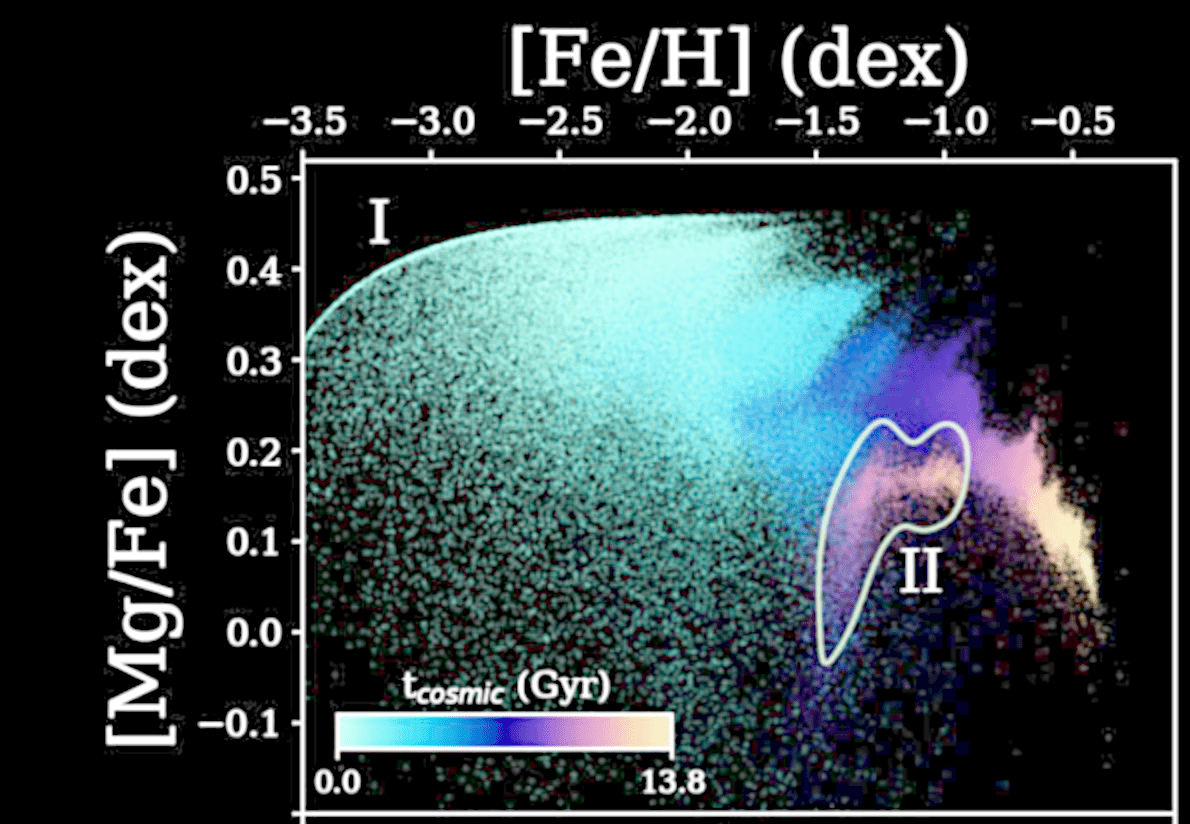
[Fe/H] (dex)
[Mg/Fe] (dex)
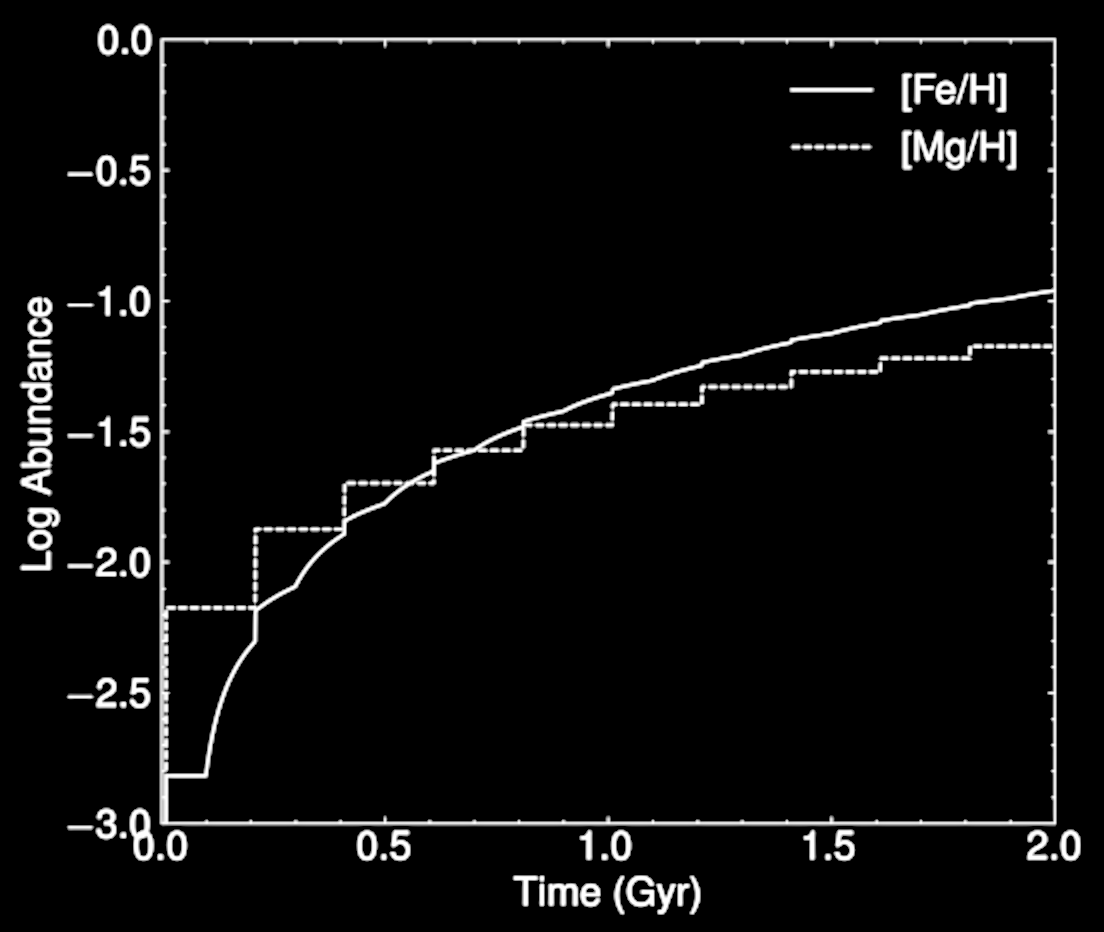
The production of Mg is instantaneous, and Fe is gradual
Ting & Ji, 2025
Dwarf galaxy quenching in action at high redshift with JWST
Looser et al., 2024
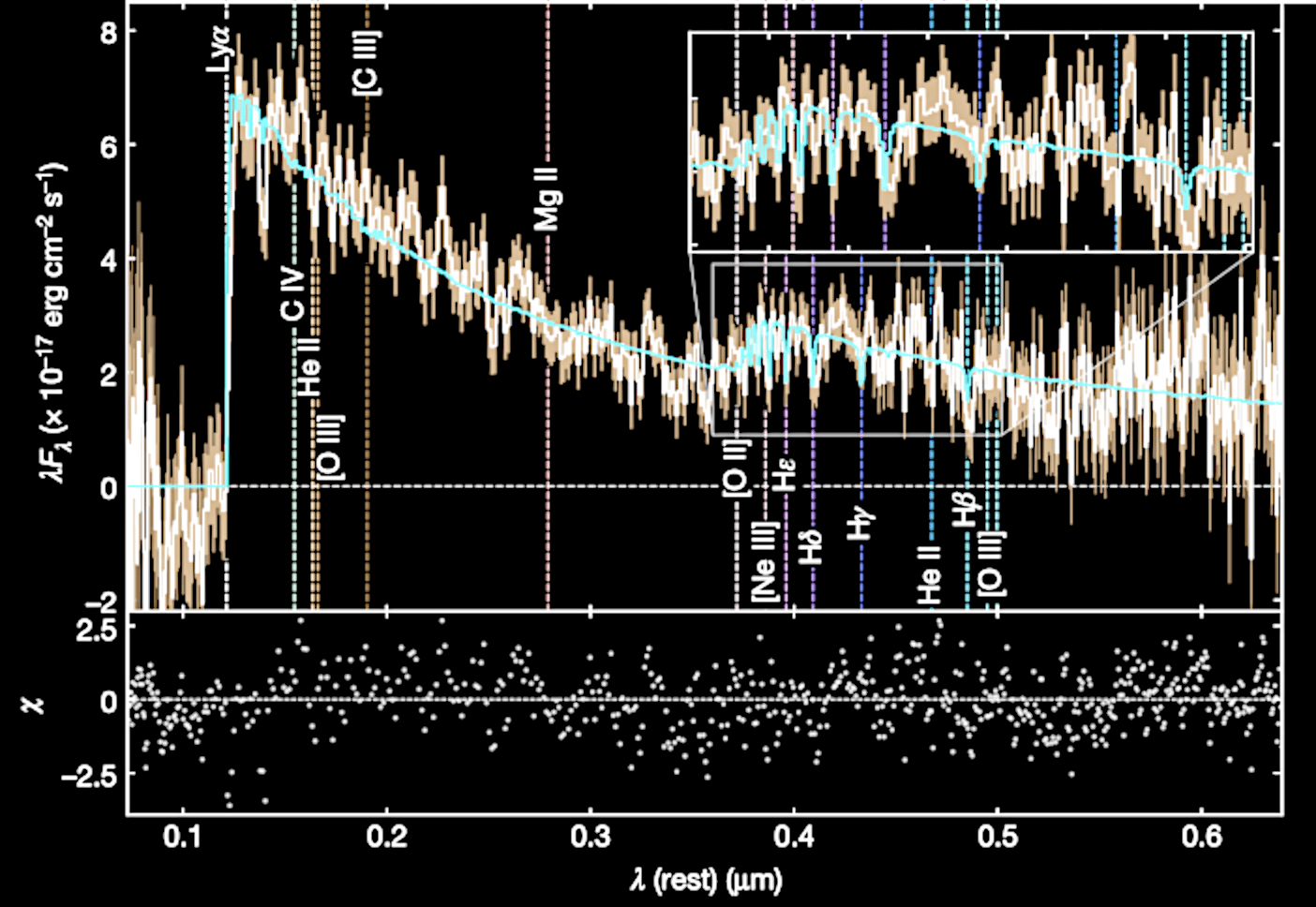
Balmer break
No emission
= post-starburst
z = 7
Star formation histories are usually measured through CMD
Savino et al., 2023
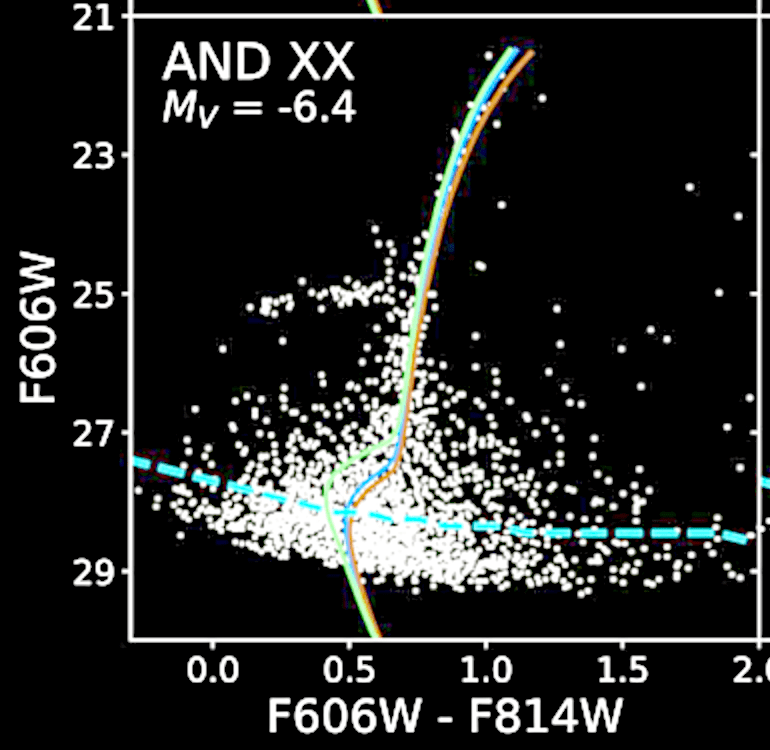
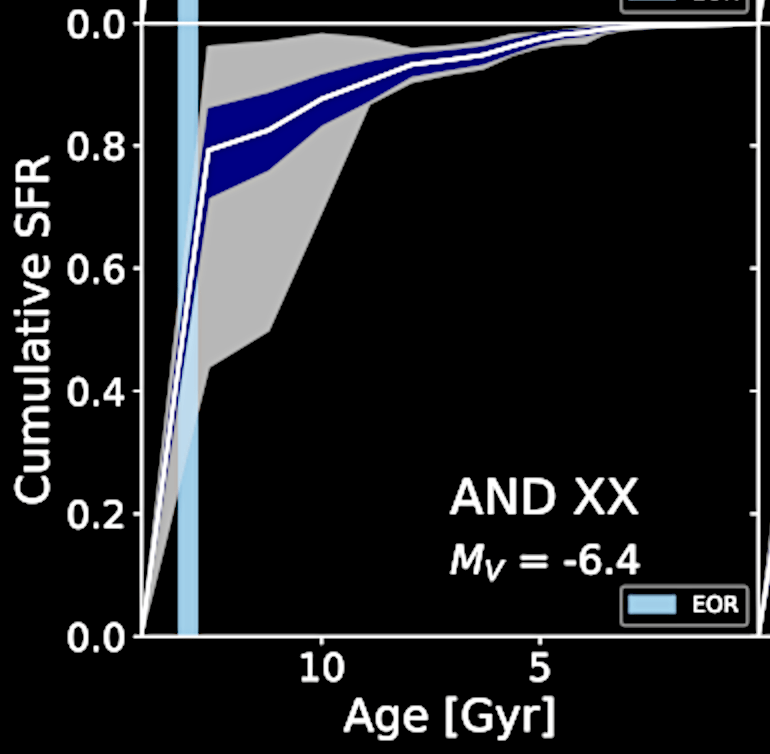
Time resolution ~ 1 Gyr >> star burst scale
Chemical loci can resolve starbursts at ~100 Myr resolution
Ting & Ji, 2025
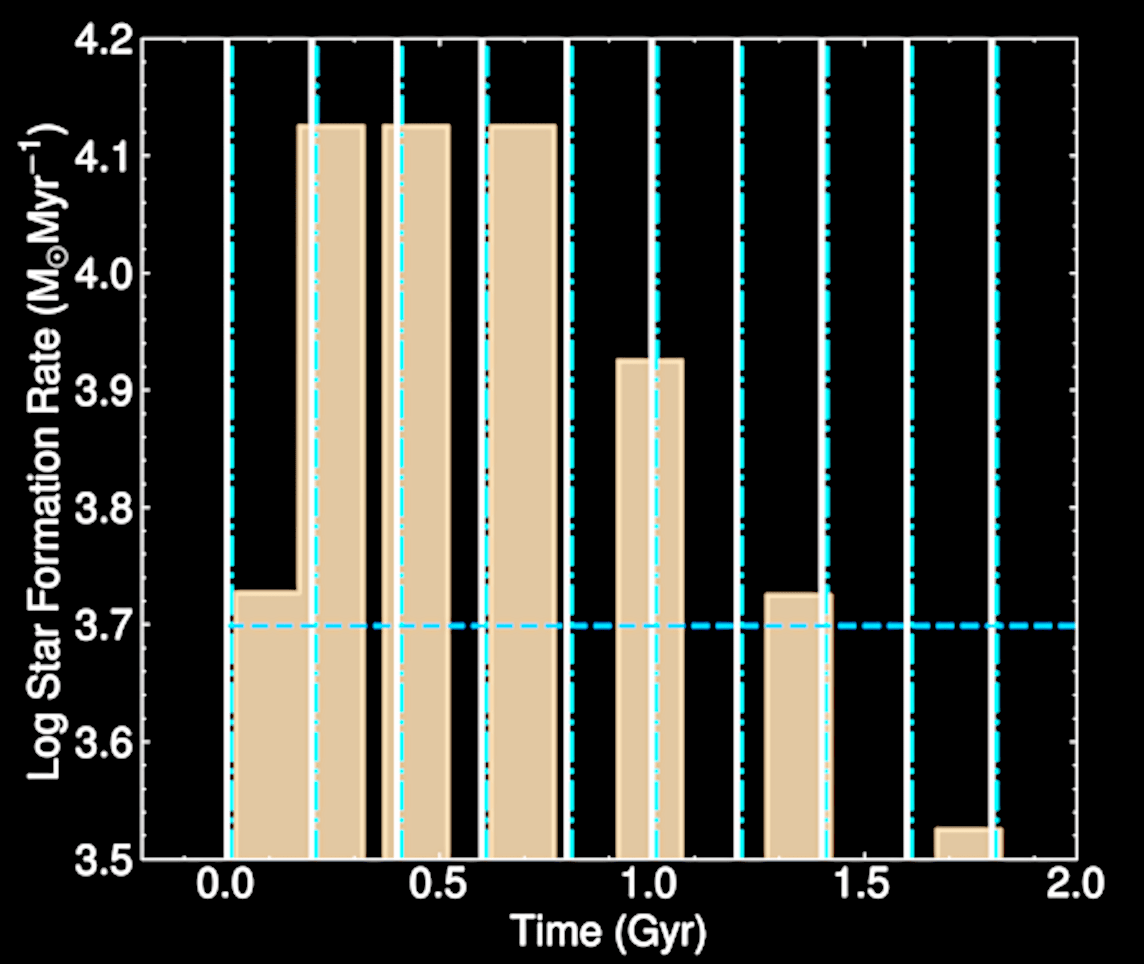
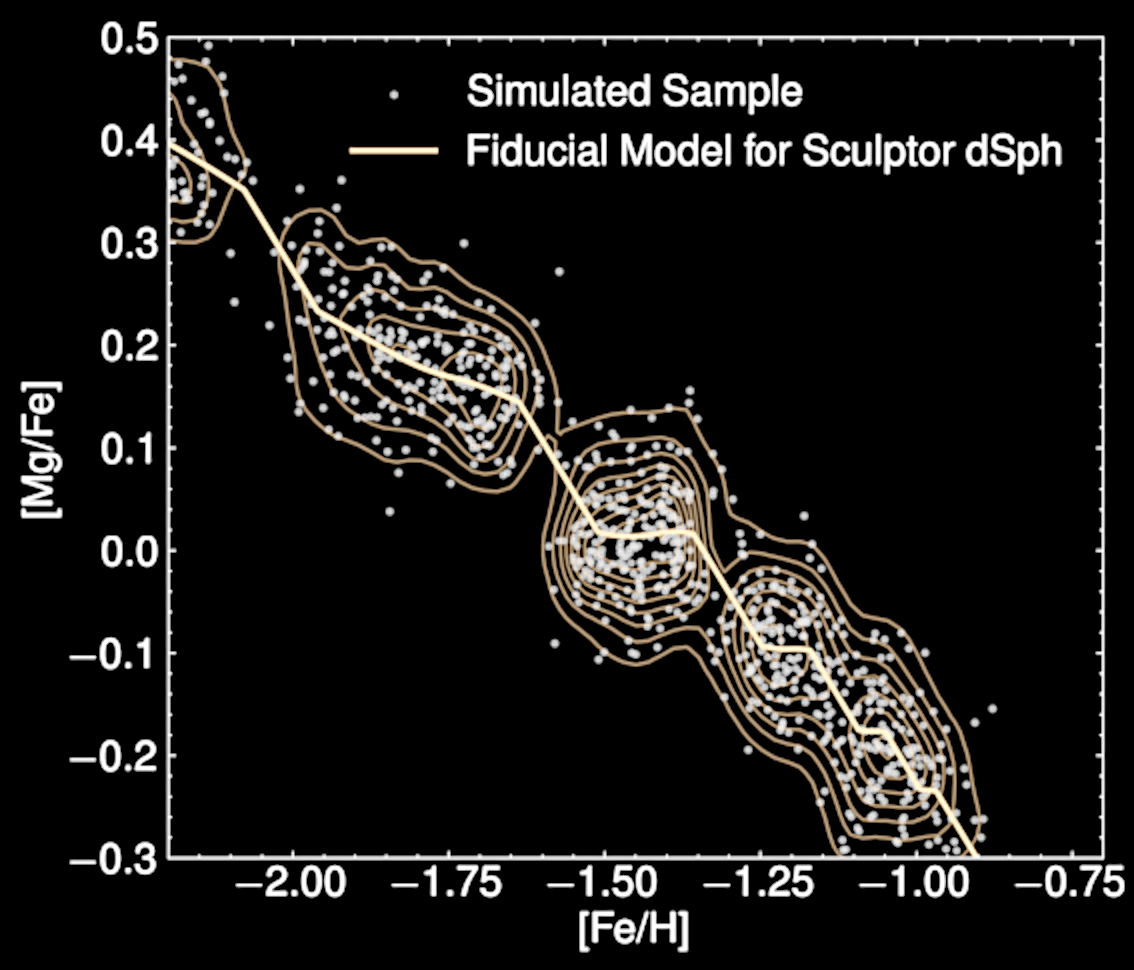
Selection Criteria :
But massive enough that we have a large enough sample
Close enough to be observed spectroscopically
Metal poor system, i.e. the gap will be obvious
Star bursty - shallow potential - small dwarf galaxies
Sculptor Dwarf Spheroidal
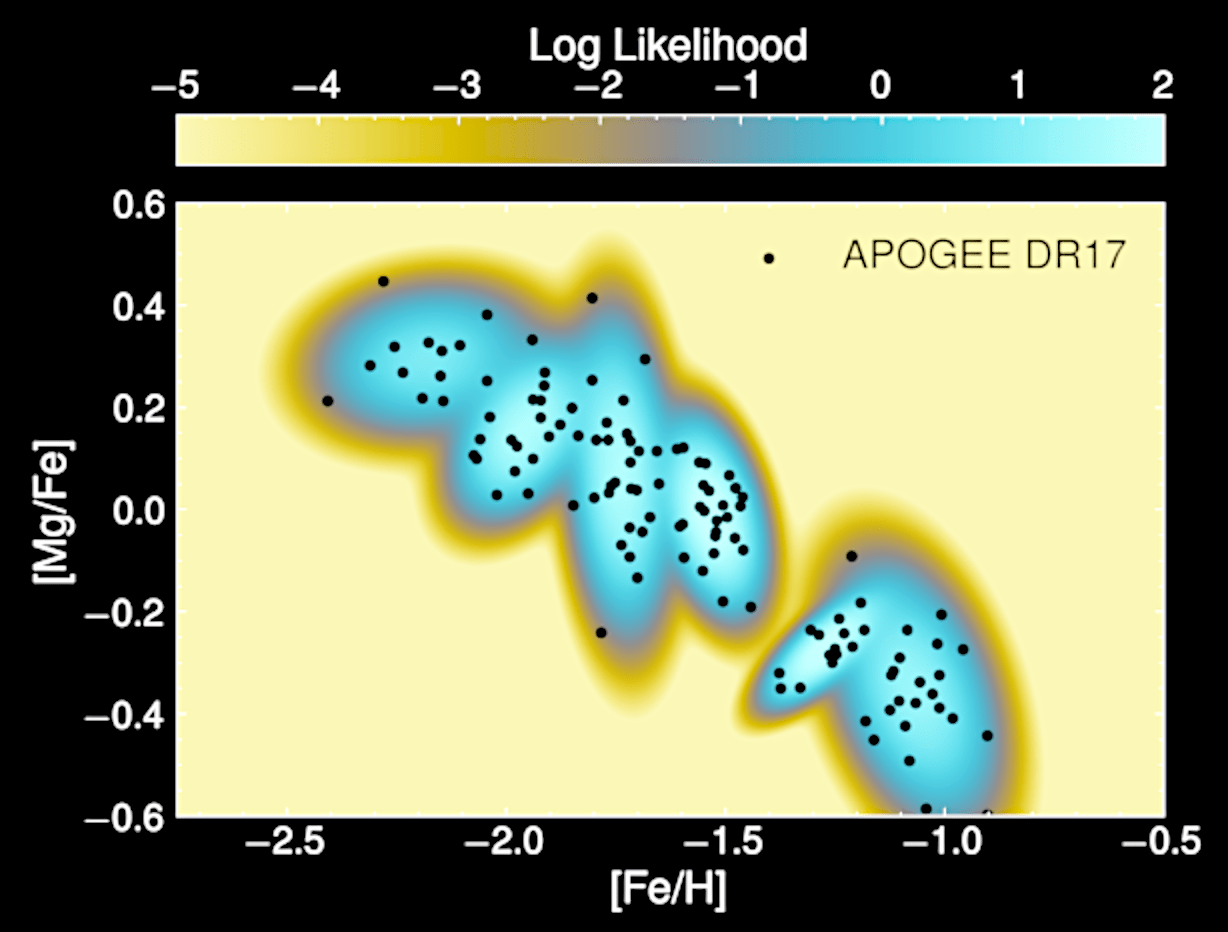
Ting & Ji, 2025

Ting & Ji, 2025
Statistically, it is significant
Ting & Ji, 2025
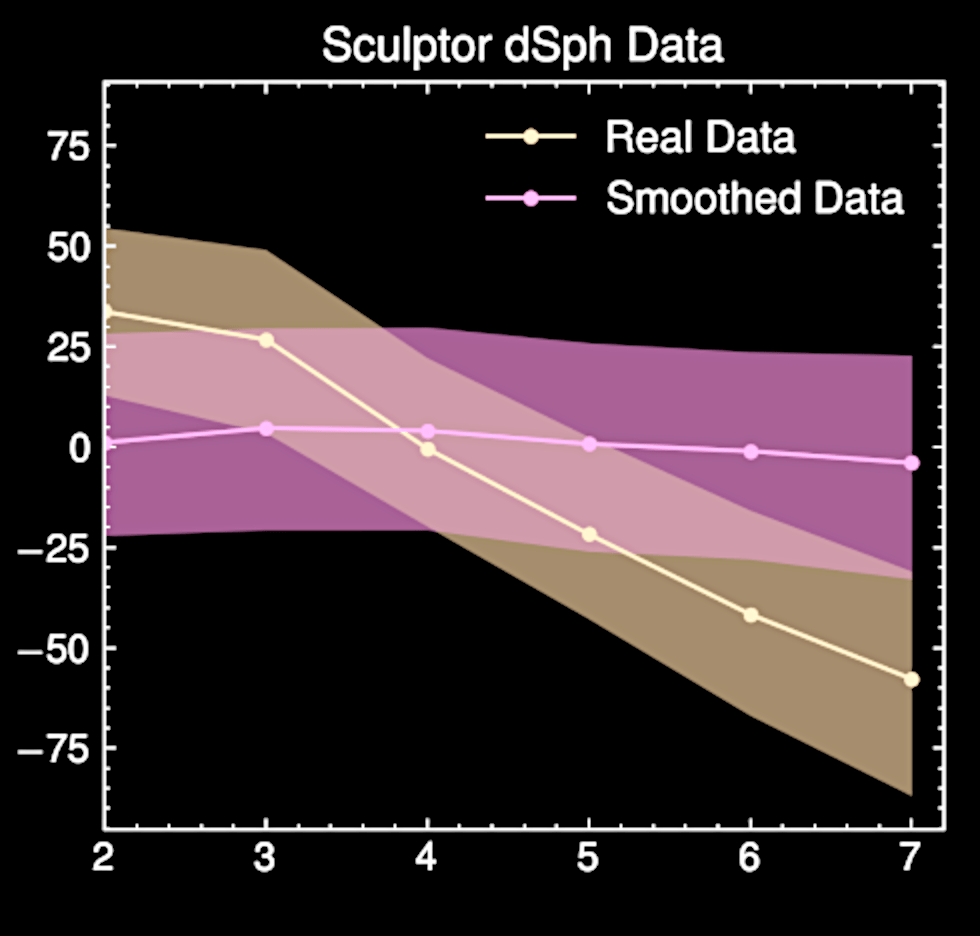
Aikake Information Criterion
Number of GMM Components
Consistent across different spectroscopic studies
Ting & Ji, 2025
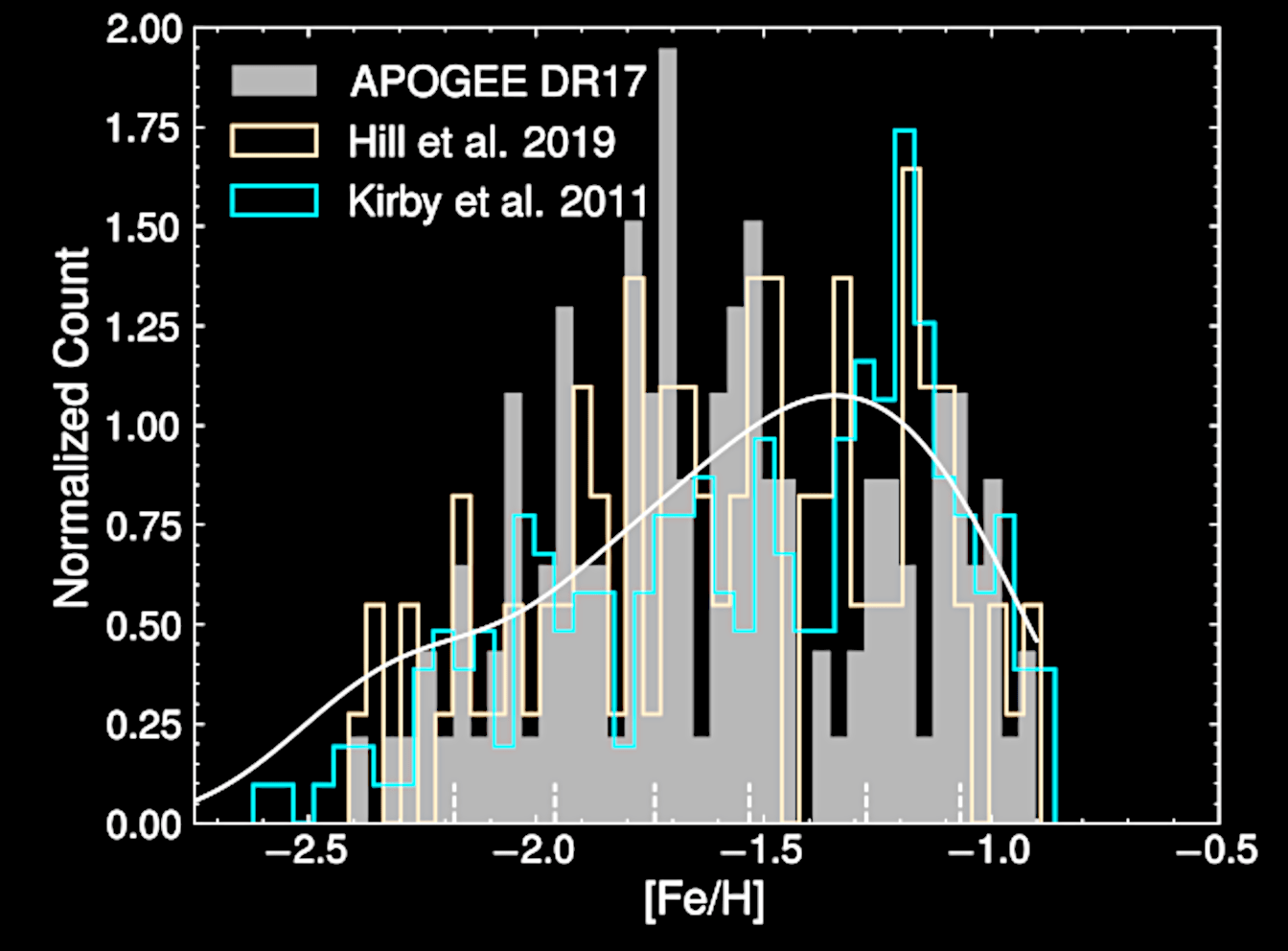
Predicted [Fe/H] gap matches the observed metallicity gap
Ting & Ji, 2025
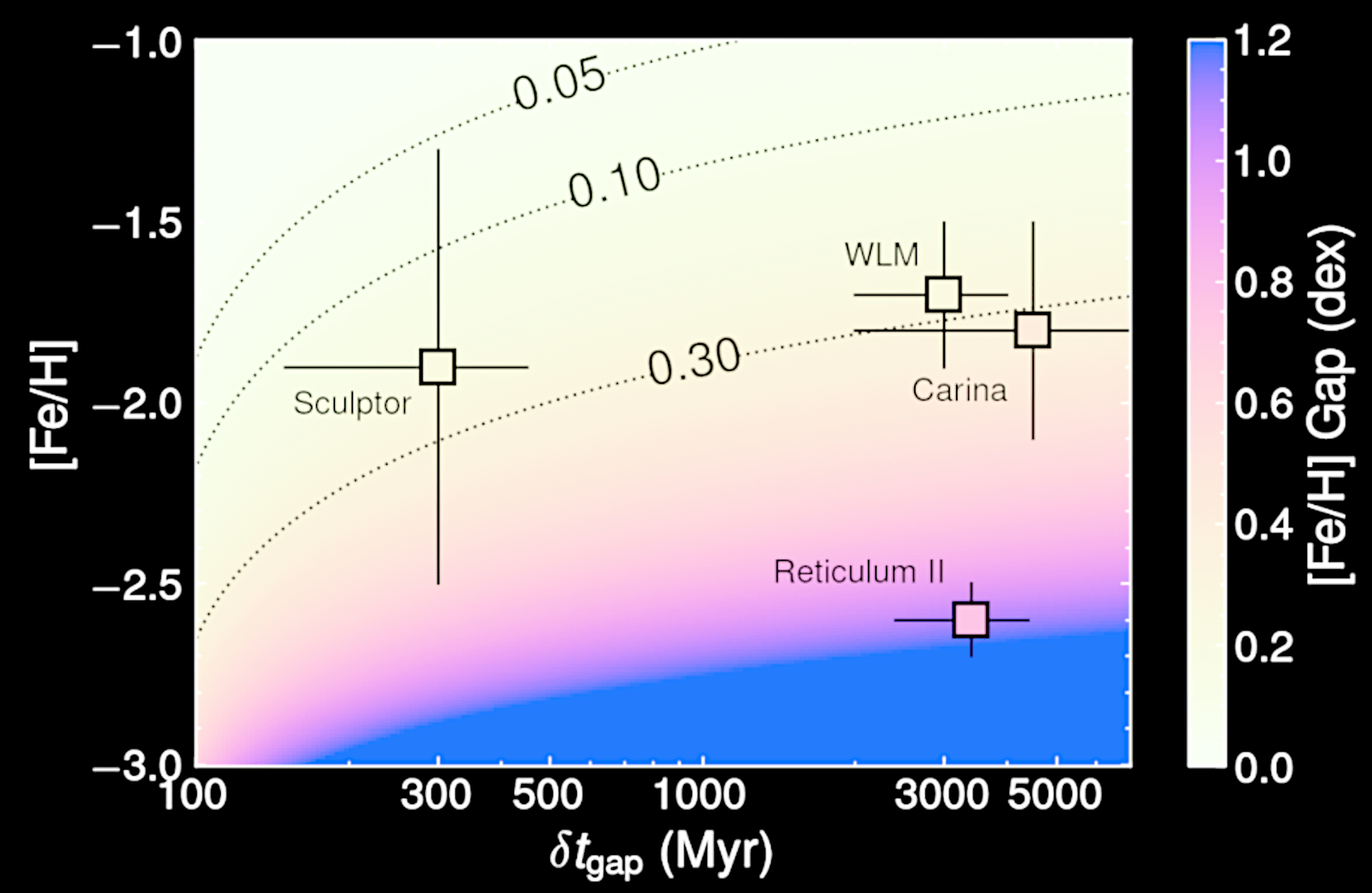
CMD measurements
This study
(chemical loci)
Summary :
Detected in Sculptor dwarf spheroidal galaxy
Future ELT observations will be critical for resolving such star bursts
Most dwarf galaxies experience star bursts every 10-100 Myr
Elemental abundance loci can detect gaps at 100 Myr resolution
Dwarf Galaxy Star Burst
By Yuan-Sen Ting