Yuan-Sen Ting (丁源森)
The Ohio State University
Expediting Discoveries in Astronomy with A.I. Agents
NSF awarded over $200 million for AI Research Institutes
~ 2 centers
~ 2 centers
Physical Sciences
~ 3 centers
7 centers x 15M ~ 100M
Environmental Sciences
Biological Sciences
Hype, myth, or real deal?
Why hasn't astronomy had its
"AlphaFold" moment yet?"
Most AI in Astronomy focuses on extending statistical methods
Most AI in Astronomy focuses on extending statistical methods
0.9
0.8
0.7
0.25
0.30
0.35
0.40
\Omega_M
\sigma_8
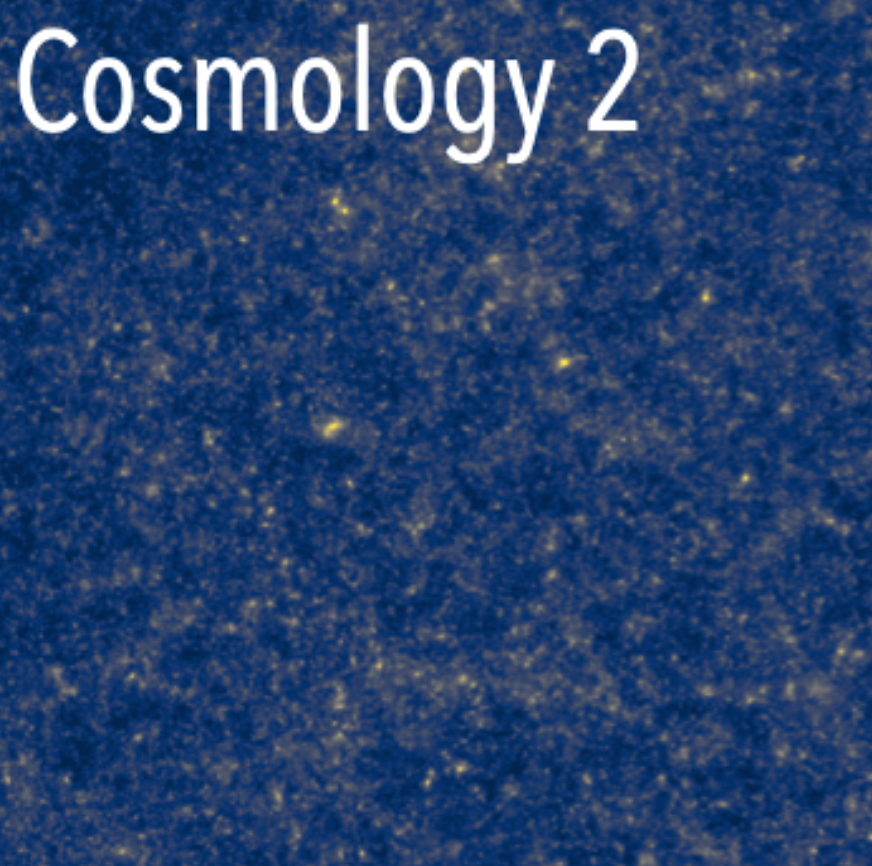
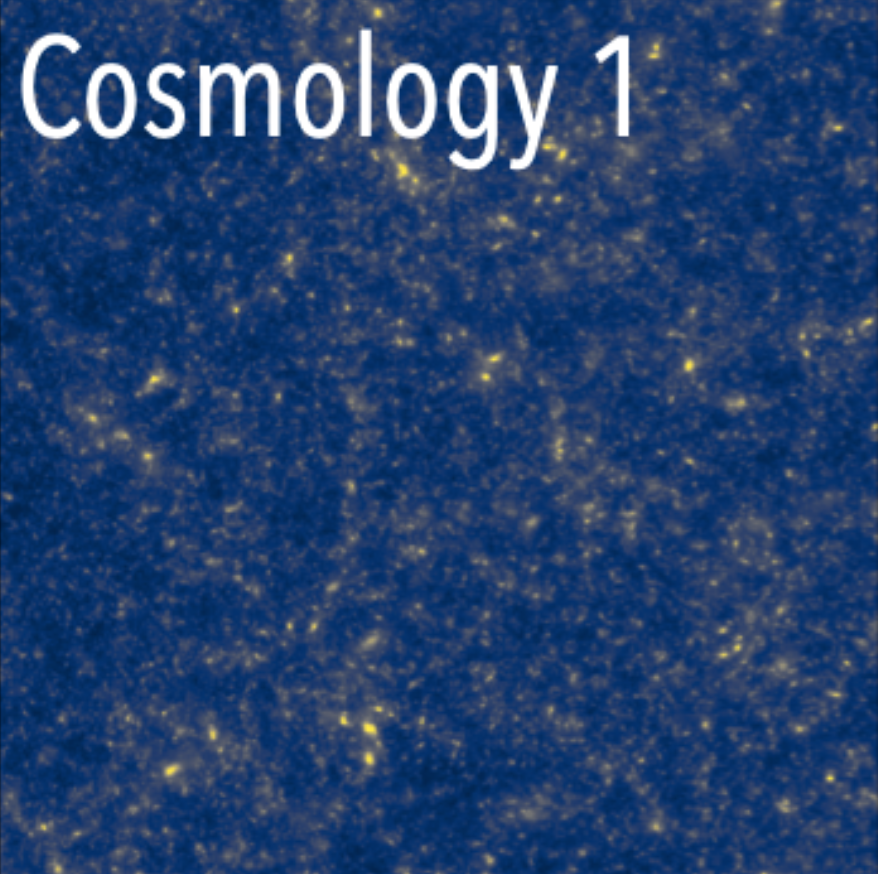
Dark Matter Density
Growth Amplitude
E.g.,
simulation-based
inferences
Cheng, YST+, 2020
or building effective workflow control / optimization
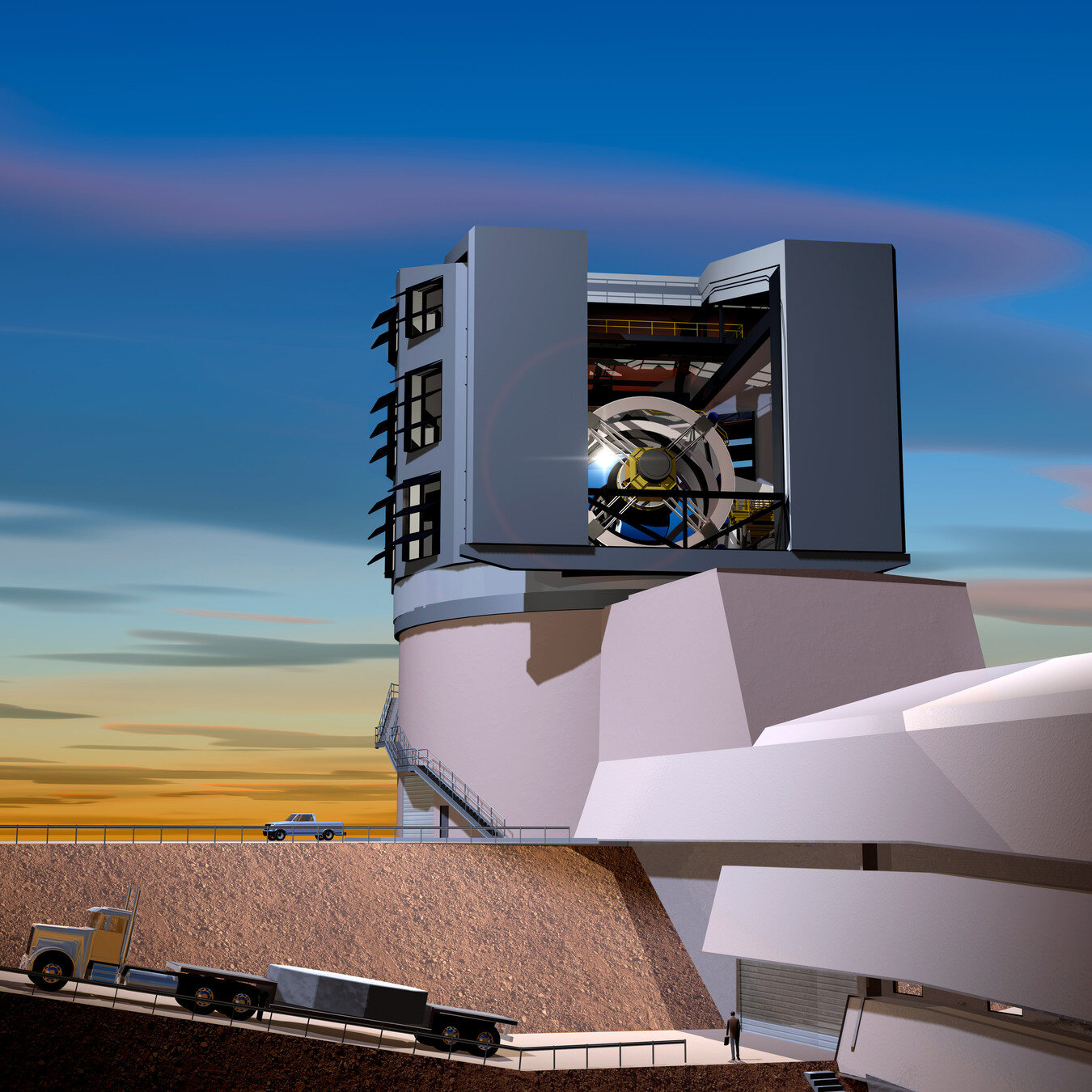
Rubin Observatory
The goal here is NOT just solving things faster that we can already solve,
but solving astrophysical problems that would otherwise be too complex to solve
Applying A.I. to individual tasks
will have limited impacts in astrophysics
The complexity of astronomy is too low for AI

My niece
Highly non-Gaussian
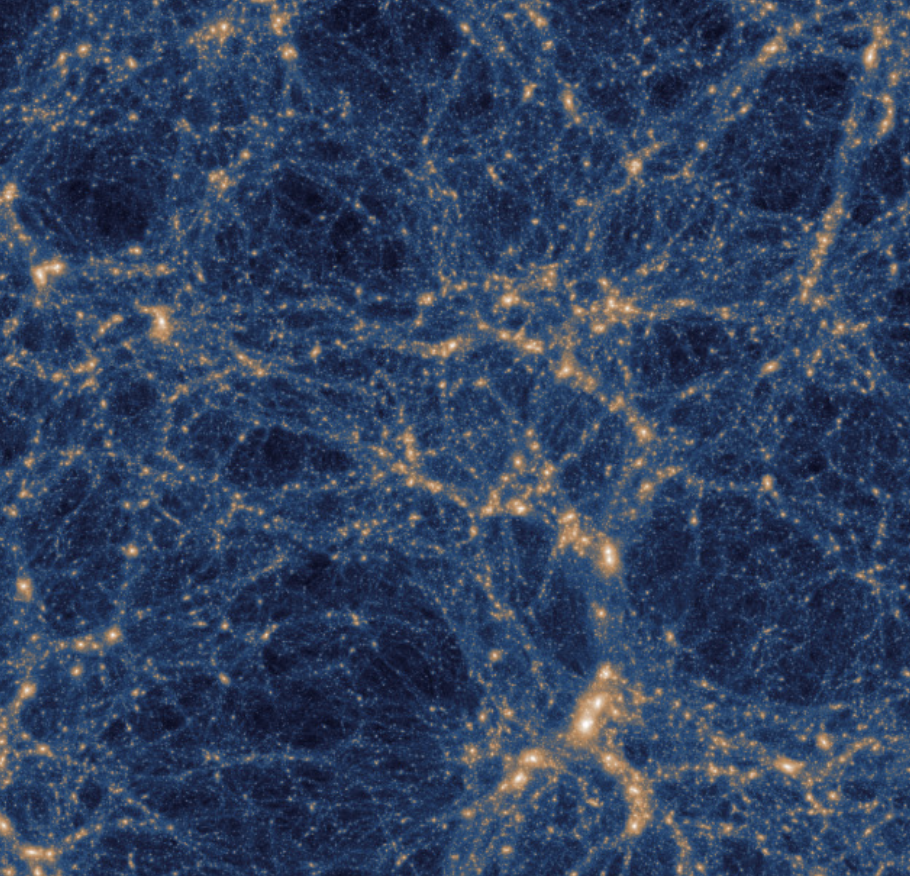
Weakly non-Gaussian
Cosmic large-scale structure
Astronomy is not biology
Data / Observation
Theory / Hypothesis
Analysis Pipelines

True
False


Biology faced fundamental bottlenecks from individual tasks
Data / Observation
Theory / Hypothesis
Analysis Pipelines
True
False

Alphafold
Astronomy already has a successful standard model
Data / Observation
Theory / Hypothesis
LamdaCDM
True
False

Toward Agentic Research for Astronomy
Data
Theory
State of the research

Making "plans"
Making "hypotheses"
Beyond just individual task optimizations

A.I. in Math Olympiads
A.I. in Astronomy Olympiads
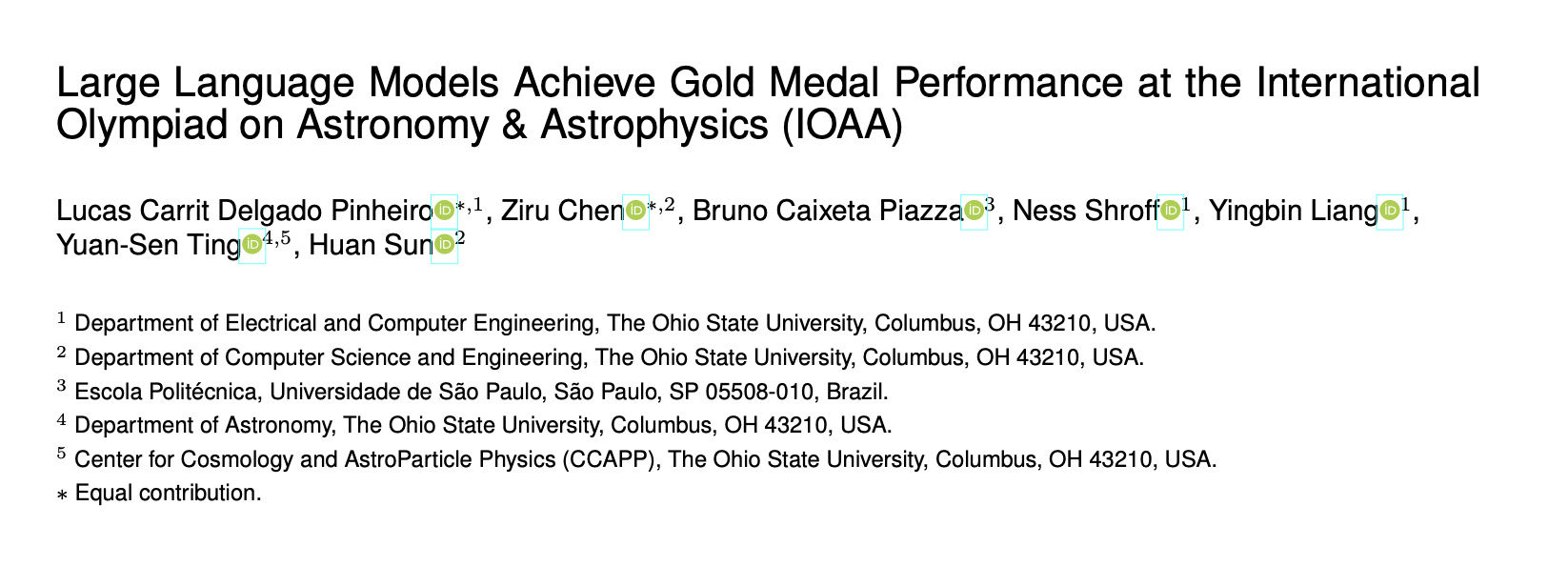
Pinheiro, ..., YST+, 2025
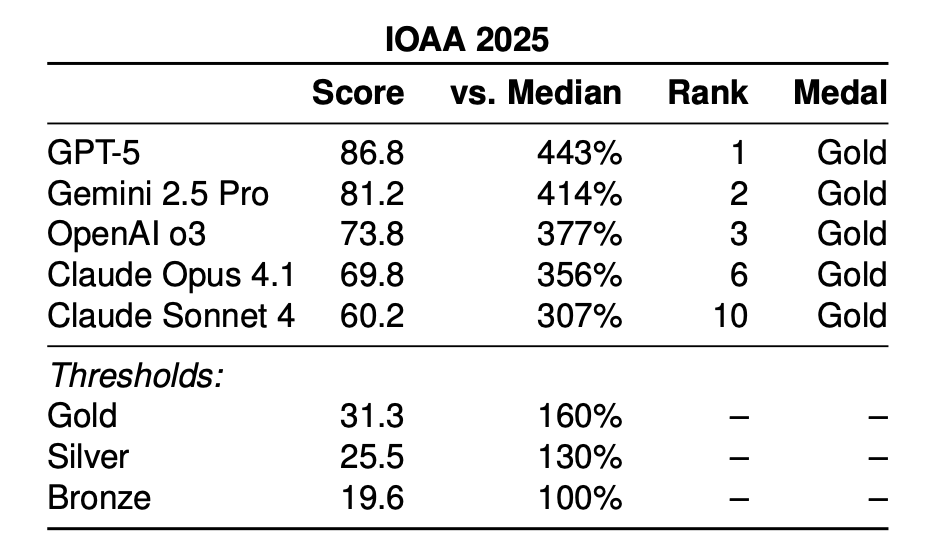
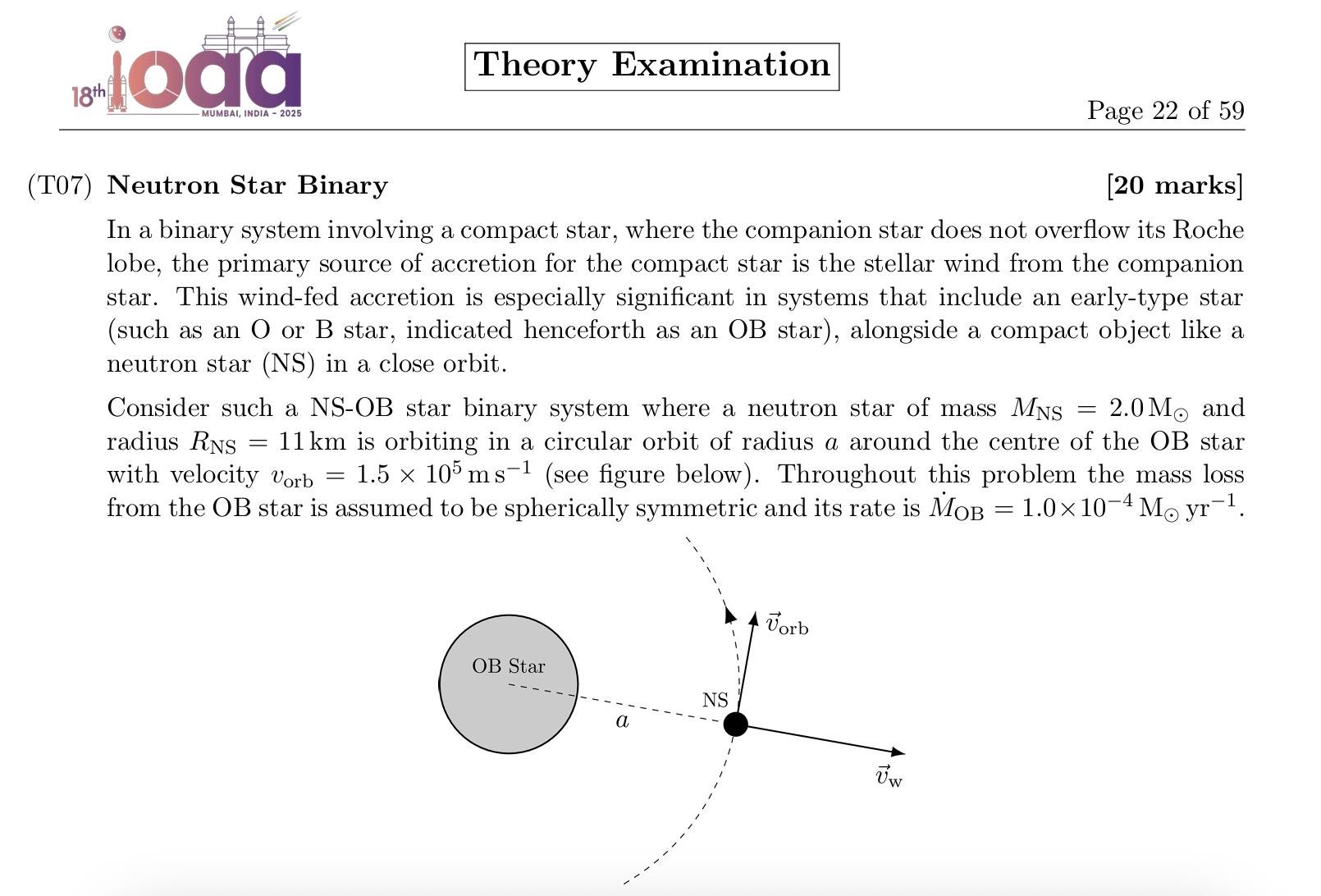
In open-world exploration, can large language models match human researchers at navigating vast hypothesis spaces?
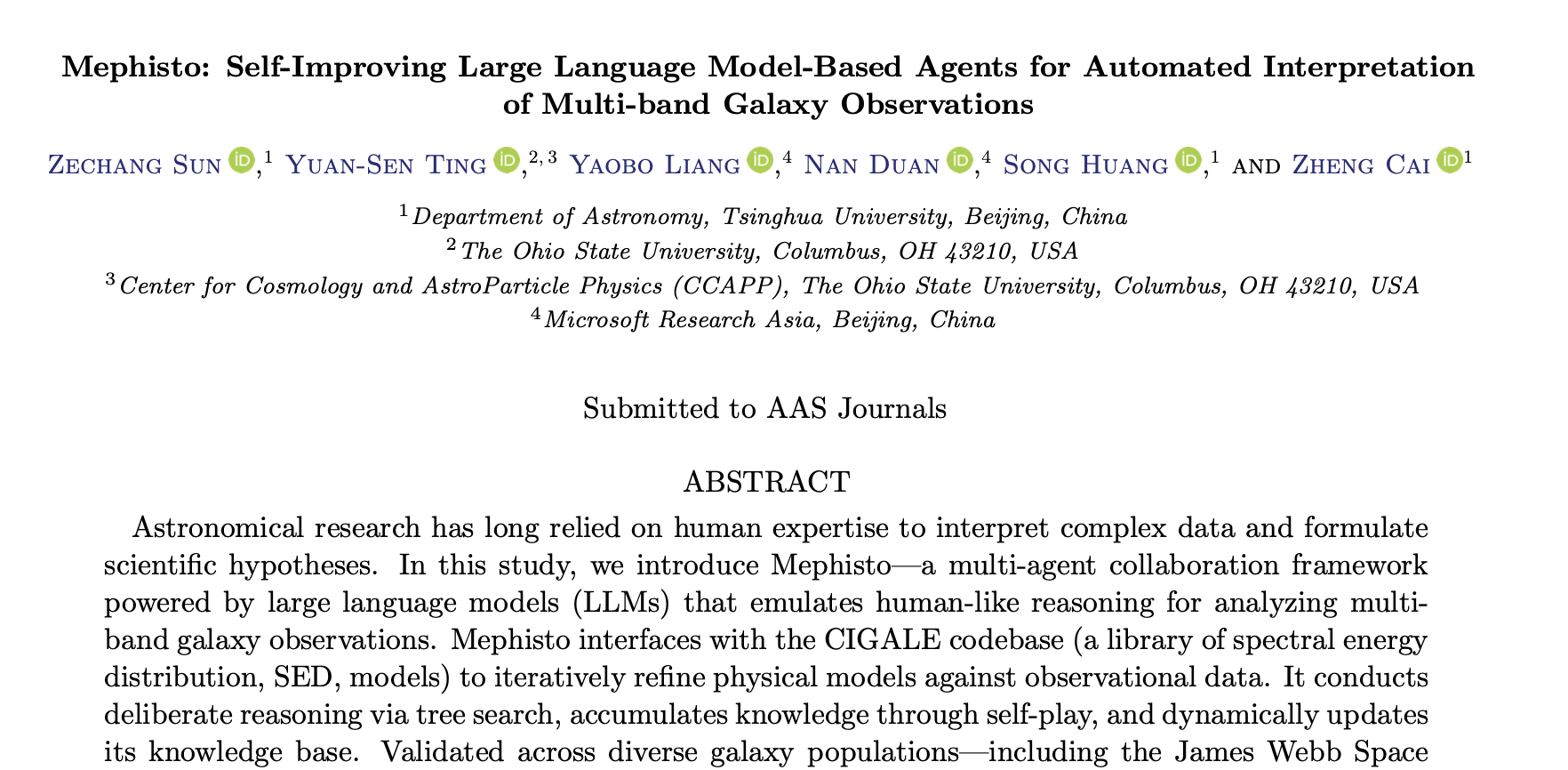
Sun, YST+, 2024b, 2025
??
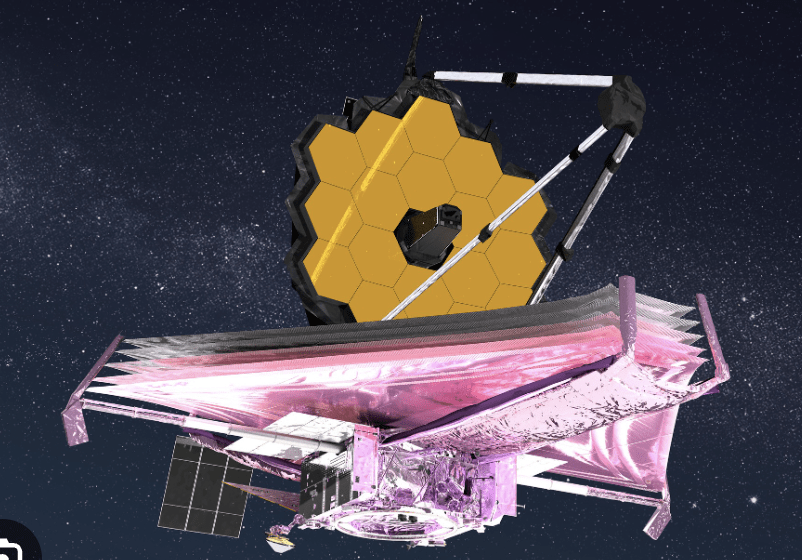
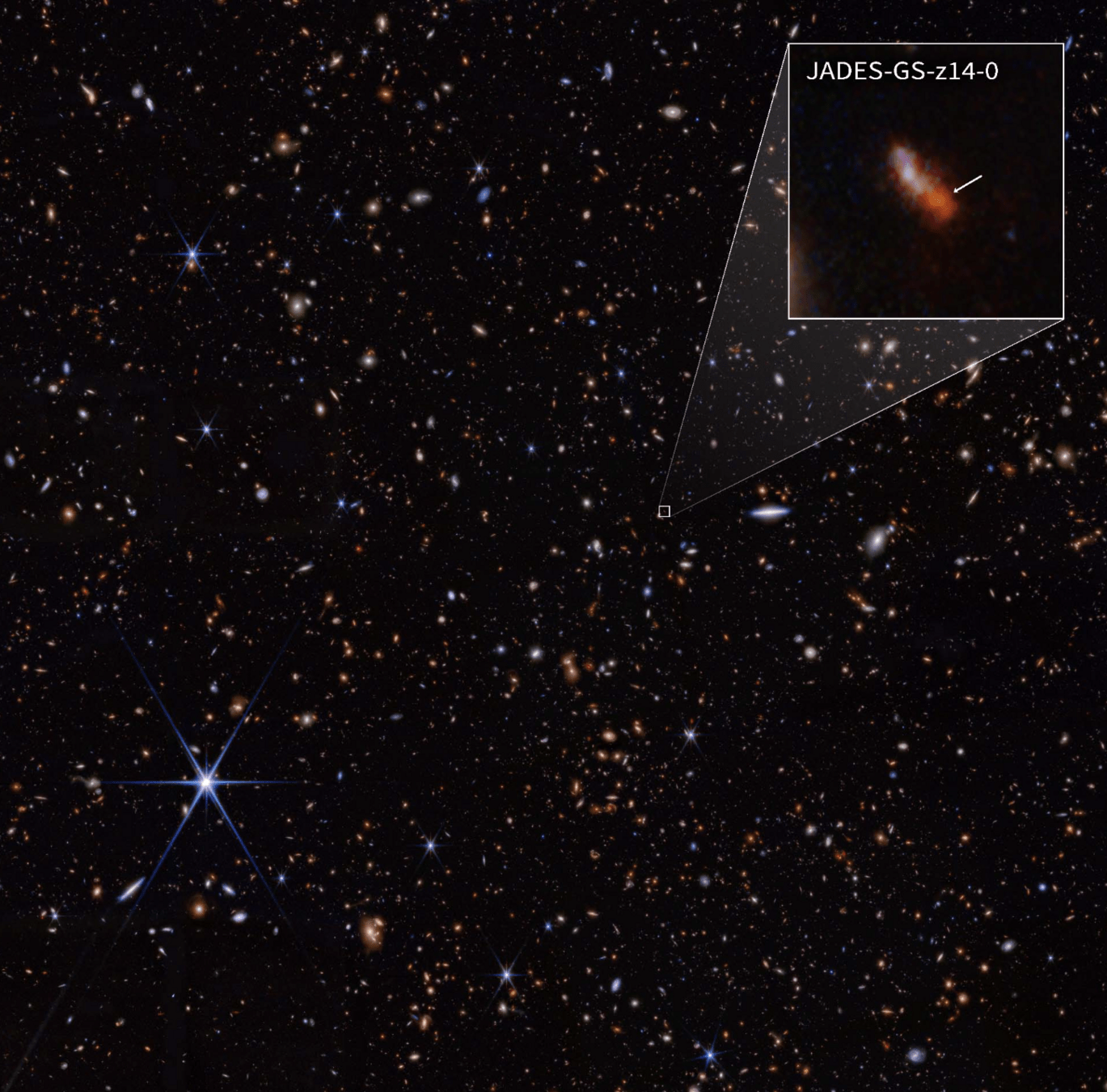
Can A.I. agents understand spectral data (spectral energy distribution) from JWST?
Hypothesis space is vast and beyond mathematical formalism
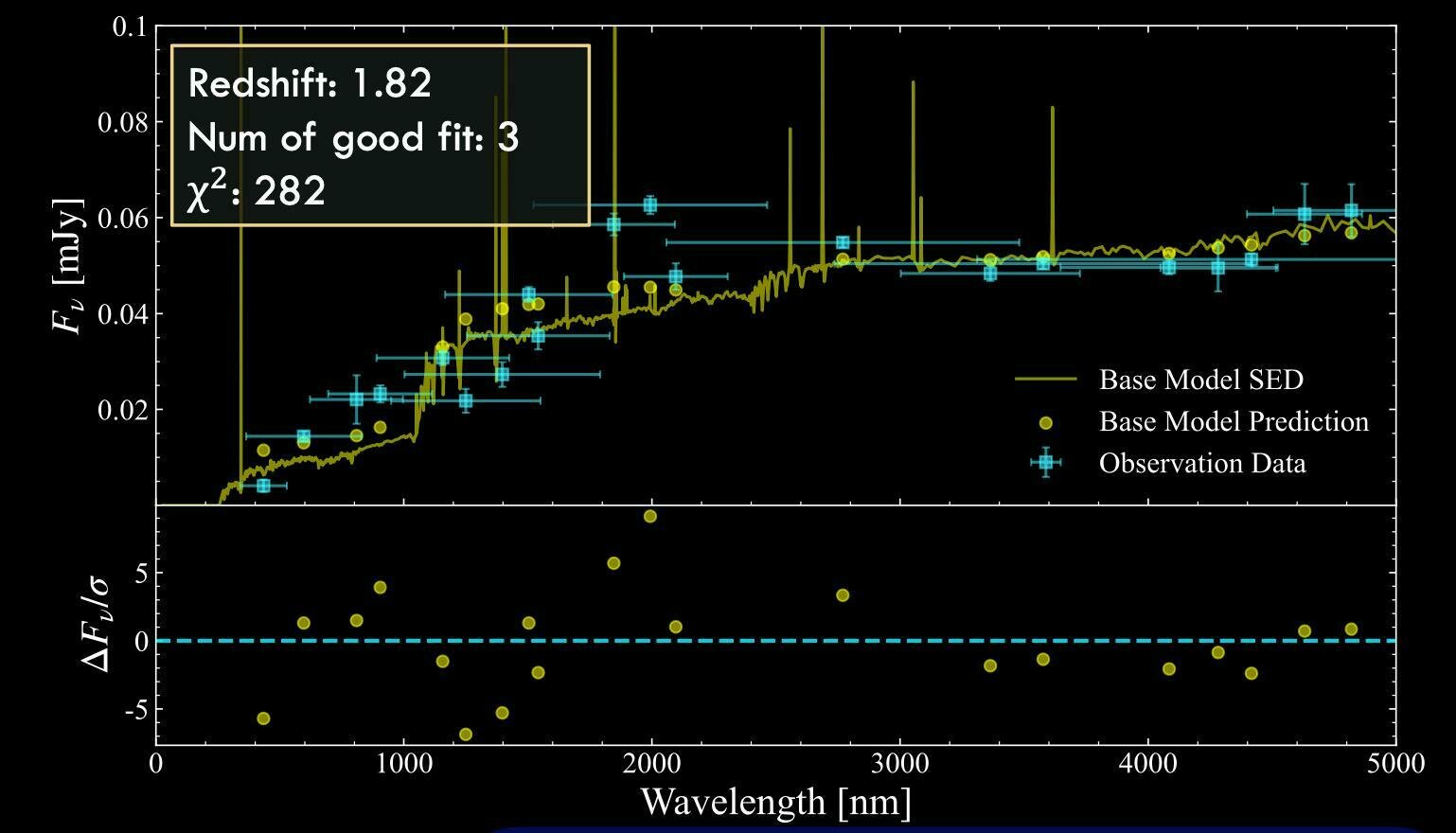
A default fit with
an SED model


Extinction model ?
Hypothesis space is vast and beyond mathematical formalism
Young stellar population?
Hypothesis space is vast and beyond mathematical formalism
Many real-world problems aren't simple optimization problems
The objective goes beyond minimizing a single error metric.
Many tasks may require modifying assumptions / physical models, not just optimizing over all parameters
Hypothesis spaces are vast and hard to parameterize.
Can a large-language model learn
from its own experience?
Human "intuition" + experience

Introducing Mephisto*
* In the classic tale of Faust, Mephisto is a demon who tempts the scholar Faust with knowledge and power in exchange for his soul.
A collaboration of multiple AI agents (LLM models)

Proposing actions

Execute actions

State evolution

Knowledge distillation
A collaboration of multiple AI agents (LLM models)
Proposing actions
Execute actions
State evolution
Knowledge distillation

Enabling AI to collect "knowledge" through exploration

Knowledge base
1
2
3
4
Proposing Actions - e.g., different physical models / parameter range
Enabling AI to collect "knowledge" through exploration
Knowledge base
1
2
3
4
Execute Actions - write configuration files, run the codes, automously
Enabling AI to collect "knowledge" through exploration
Knowledge base
1
2
3
4
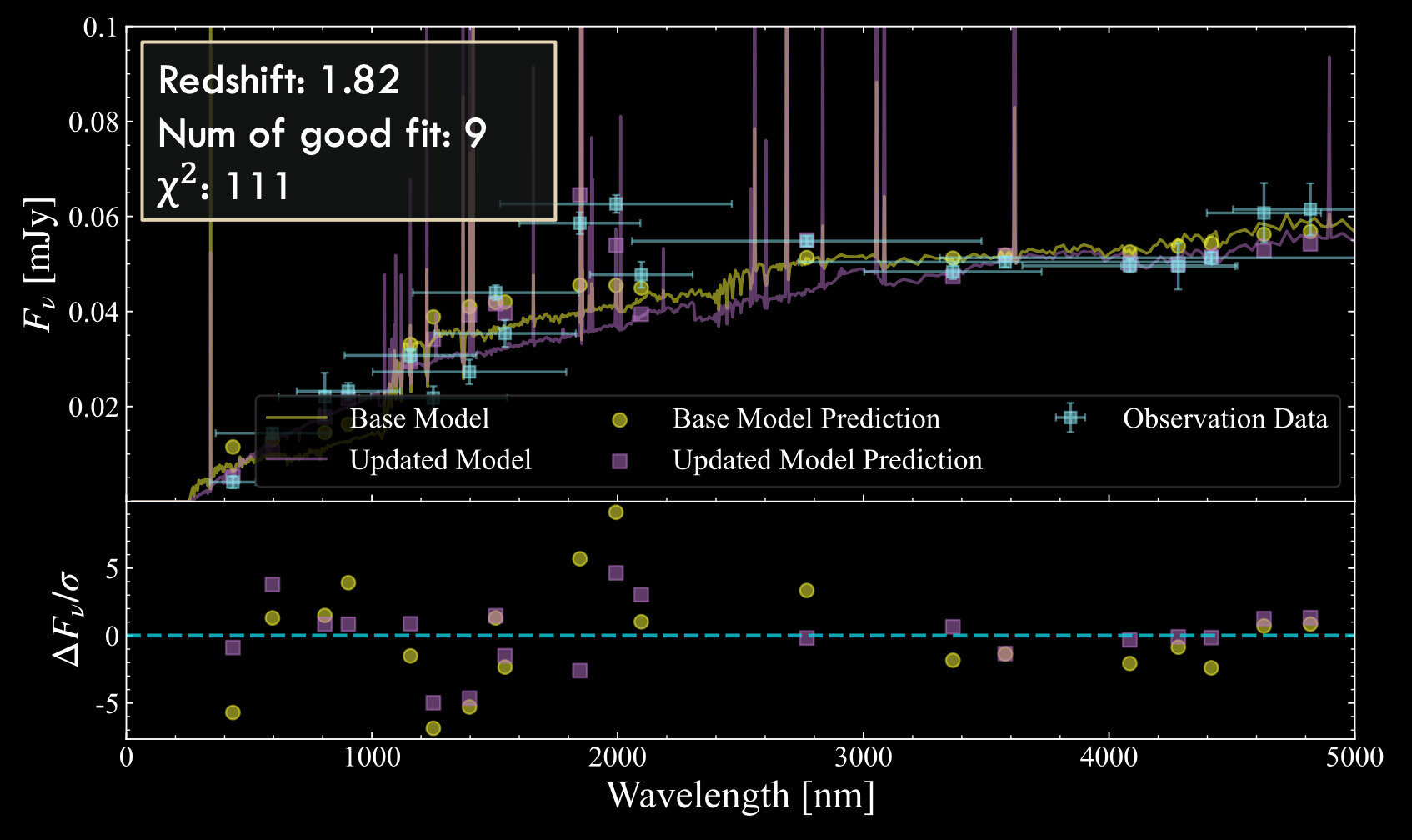
vs.
vs.
vs.
vs.
State Evaluation - evaluate the results (beyond a single error metric)
Enabling AI to collect "knowledge" through exploration
Knowledge base
1
2
3
4
vs.
vs.
vs.
vs.
Knowledge Distillation - summarise useful actions given the previous state
Mephisto - deployed as "walkers" in the hypothesis space
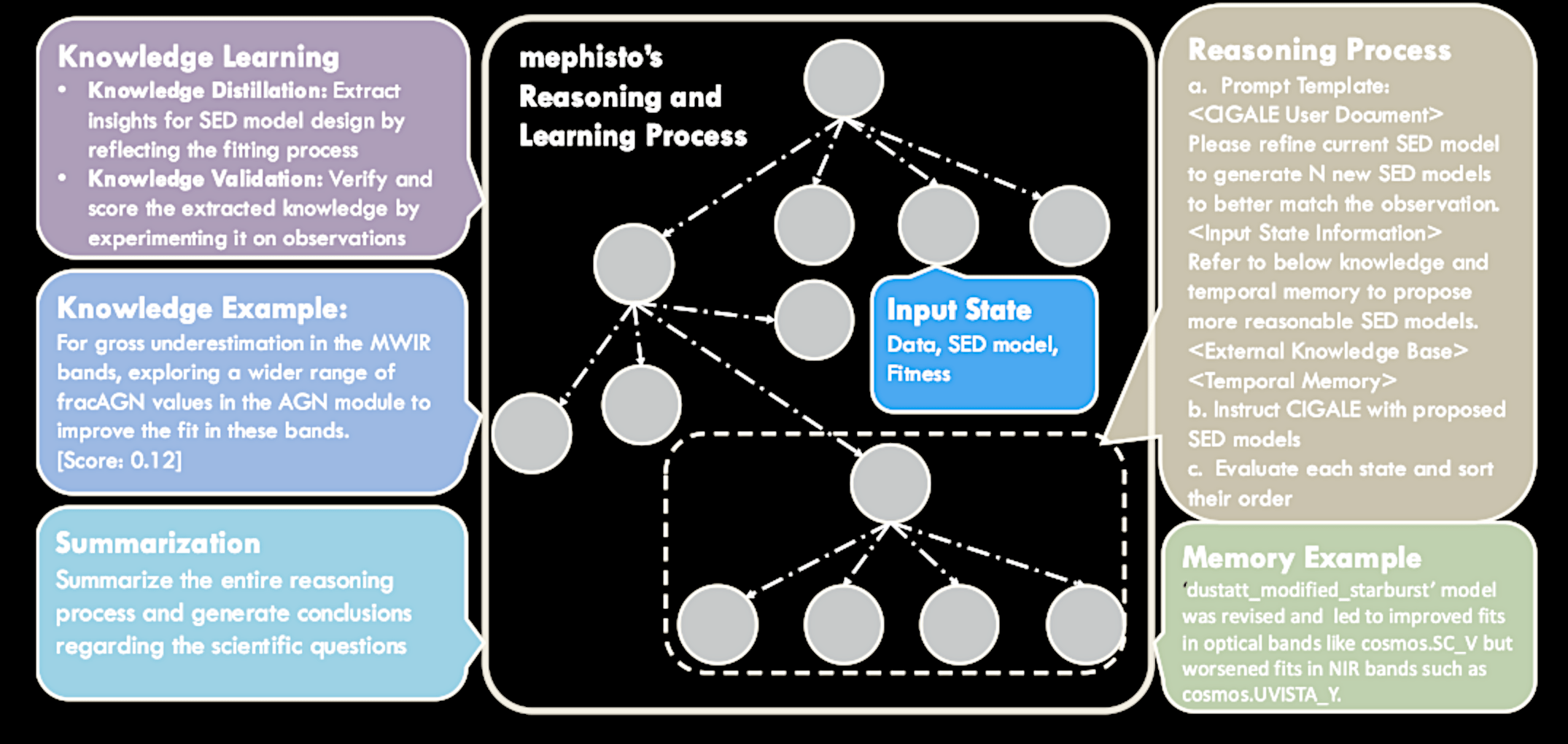
Example of learned "knowledge"
" If the fit is overestimated in the UV and optical bands,
increasing the E_BV_lines parameter may lead to a better fit by accounting for more dust attenuation in these bands. "
Number of Learning Iterations
0
10
20
30
5.1
5.6
6.0
6.4
GPT-4o baseline --
"think without knowledge"
Chi-Square of the Fit
LLMs with self-improvement outperforms native LLMs
Fitting JWST JADES data
Sun, YST+, 2024b
Number of Learning Iterations
0
10
20
30
5.1
5.6
6.0
6.4
GPT-4o baseline --
"think without knowledge"
Mephisto
Chi-Square of the Fit
Sun, YST+, 2024b
LLMs with self-improvement outperforms native LLMs
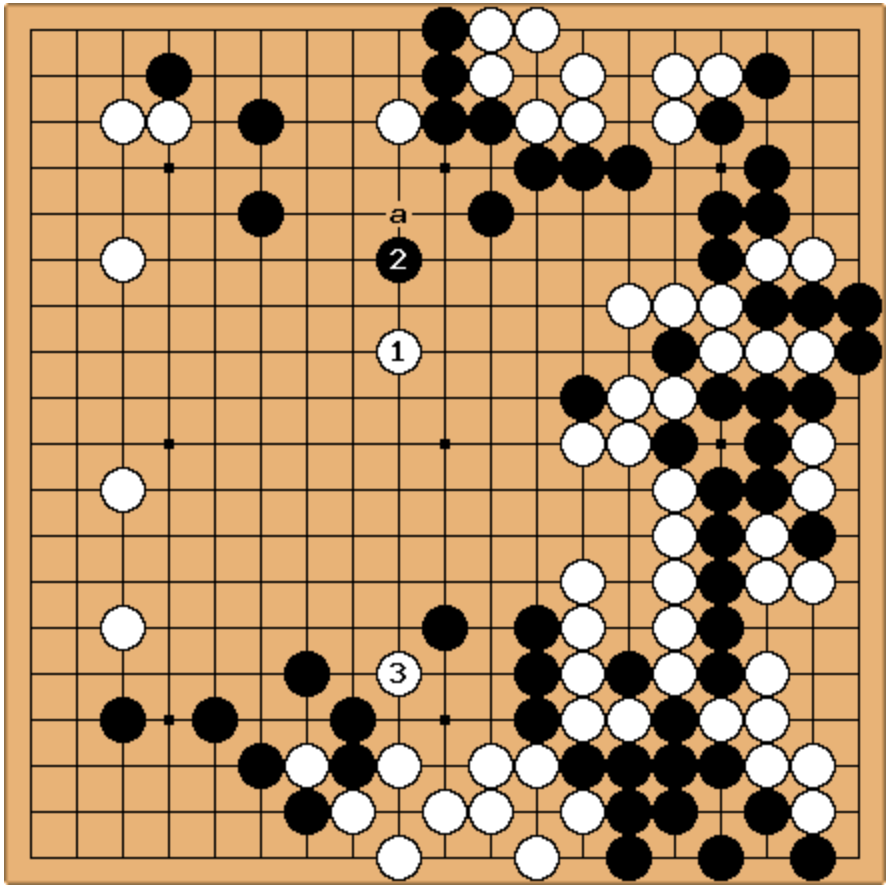
Sun, YST+, 2025
Mephisto operates as walkers exploring the "hypothesis space"
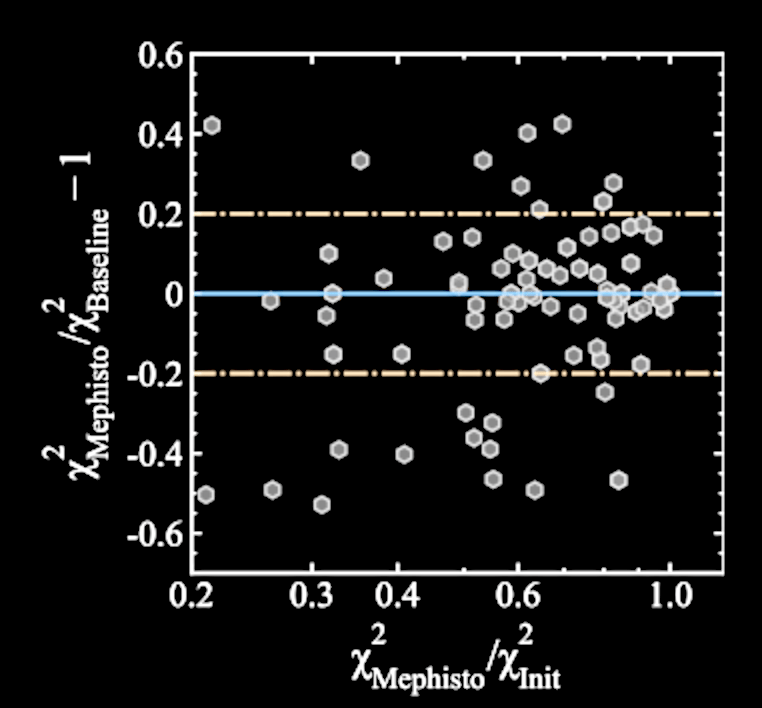
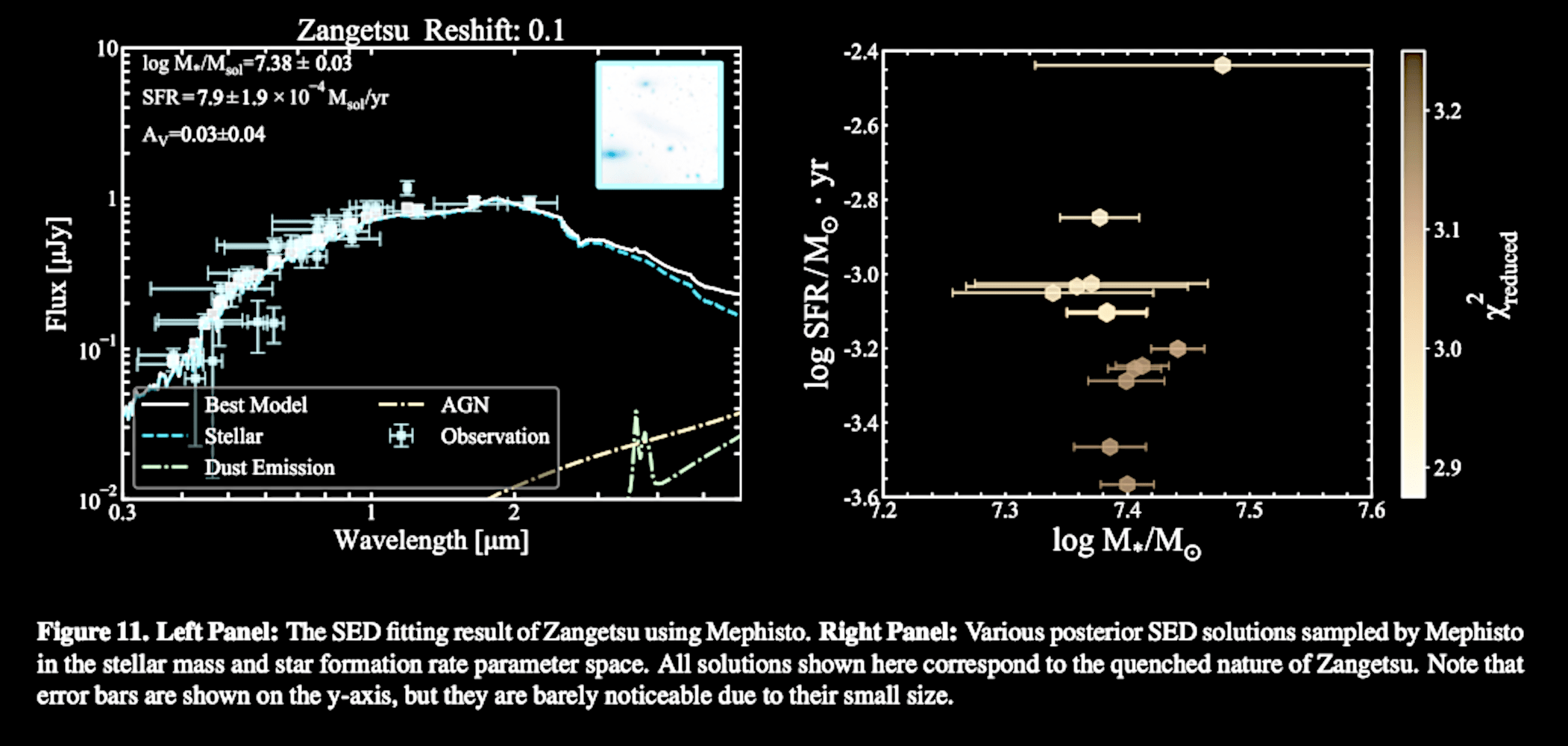
With COSMOS2020 SEDs
Mephisto finds better solutions using only 1% of the trials that brute force methods require
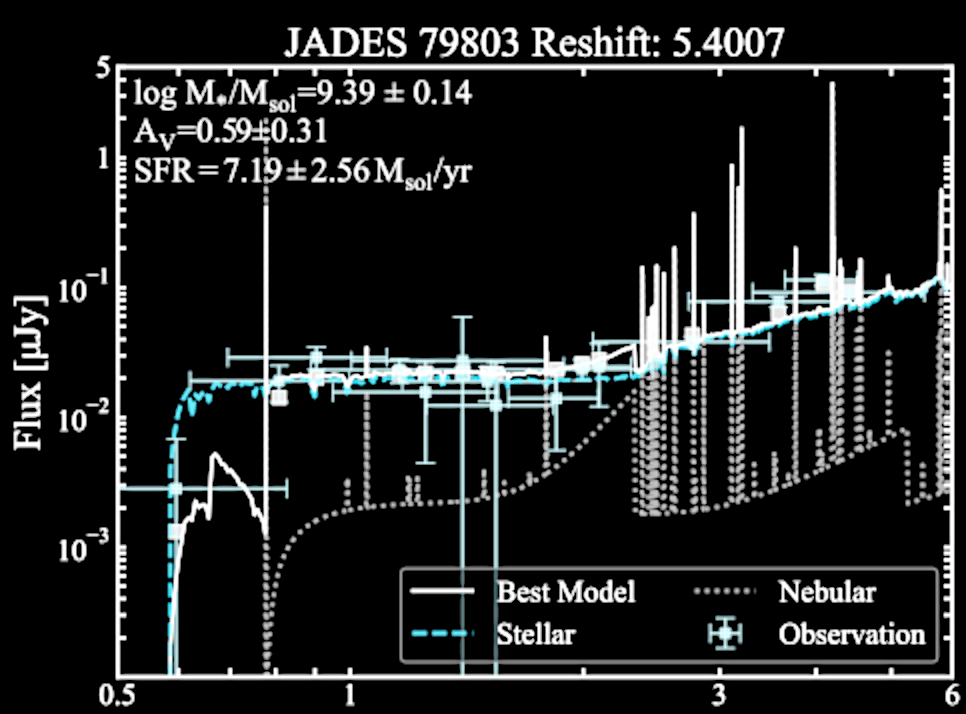
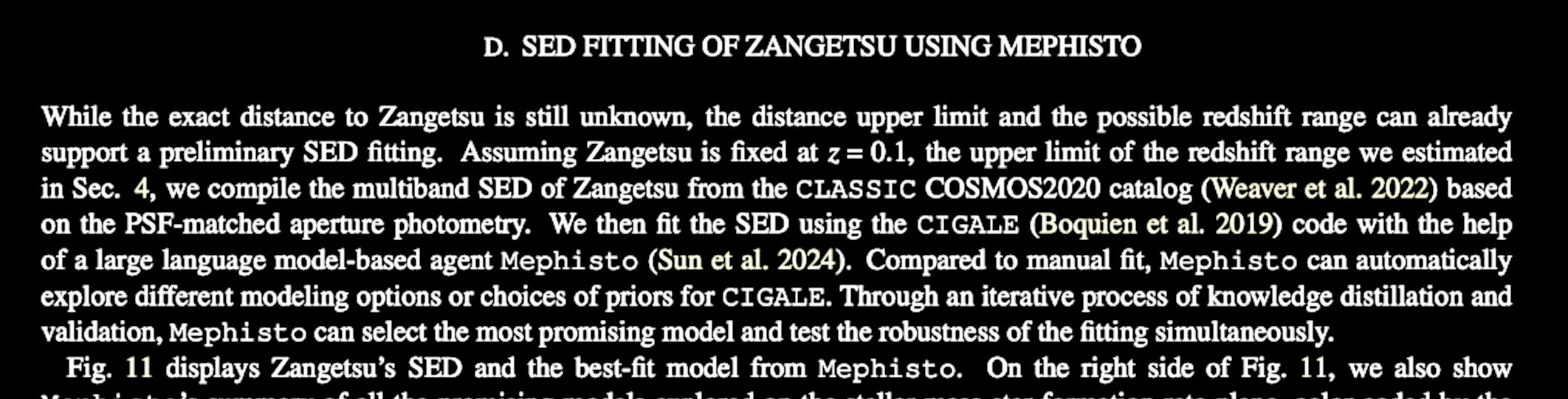
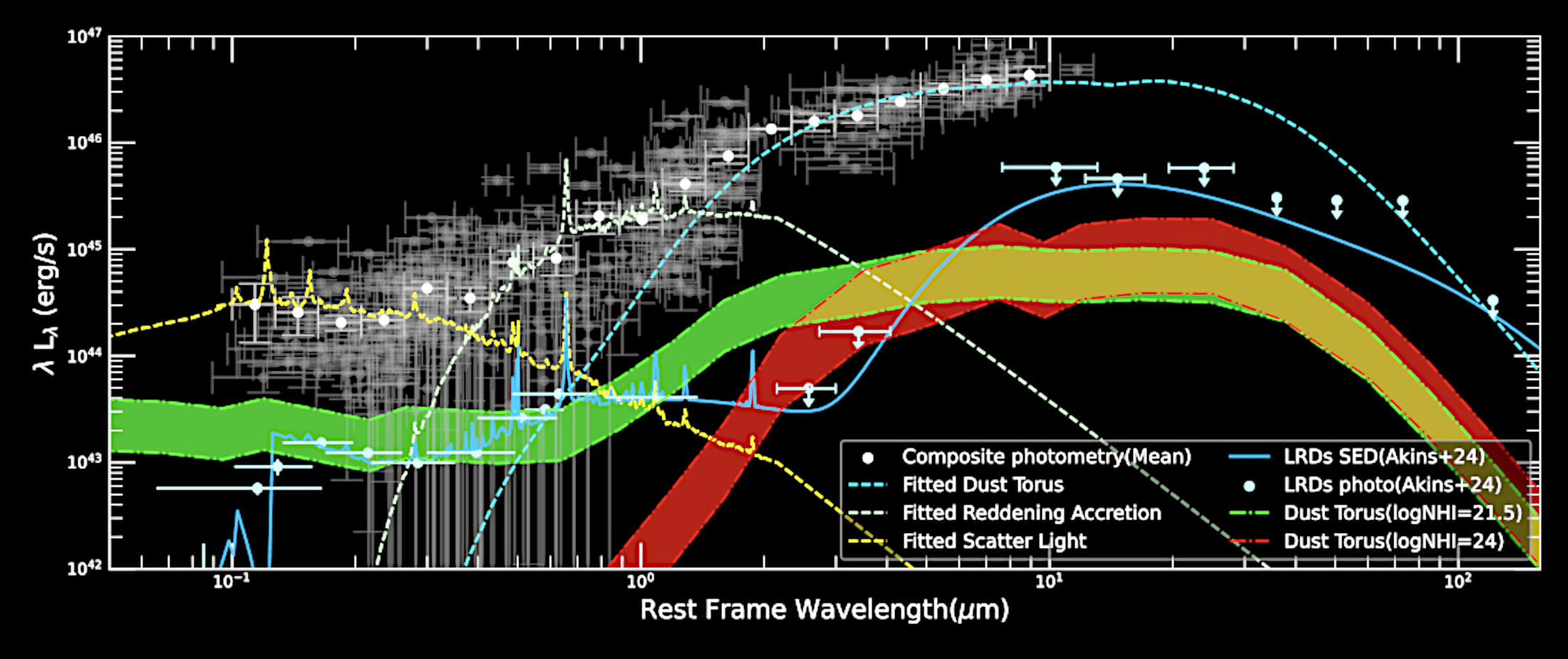
Explaining James Webb's "little red dot" galaxies with Mephisto
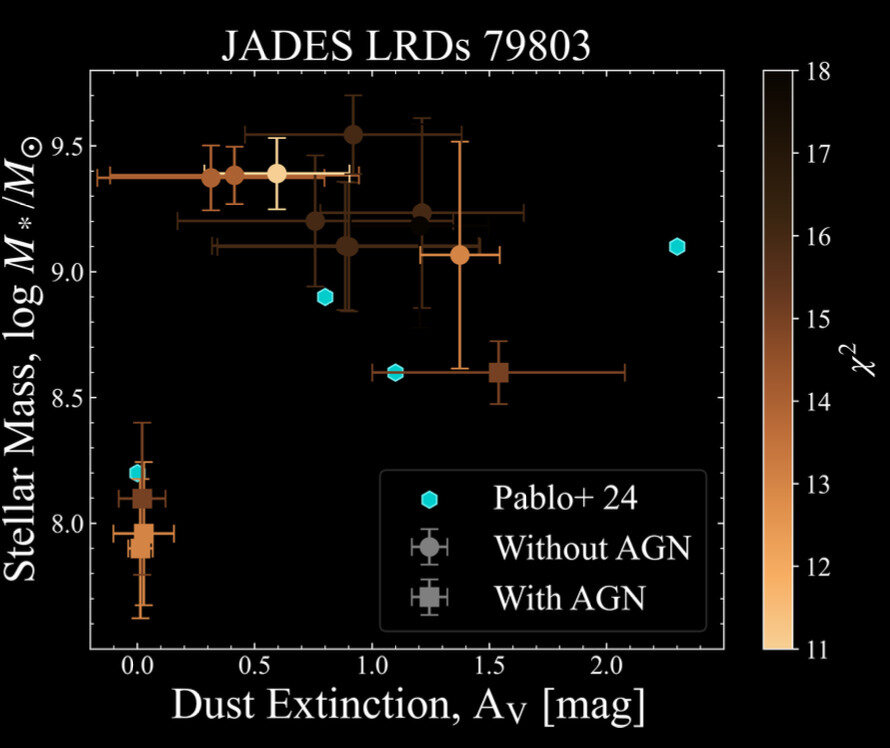
Wavelength [micron]
Flux
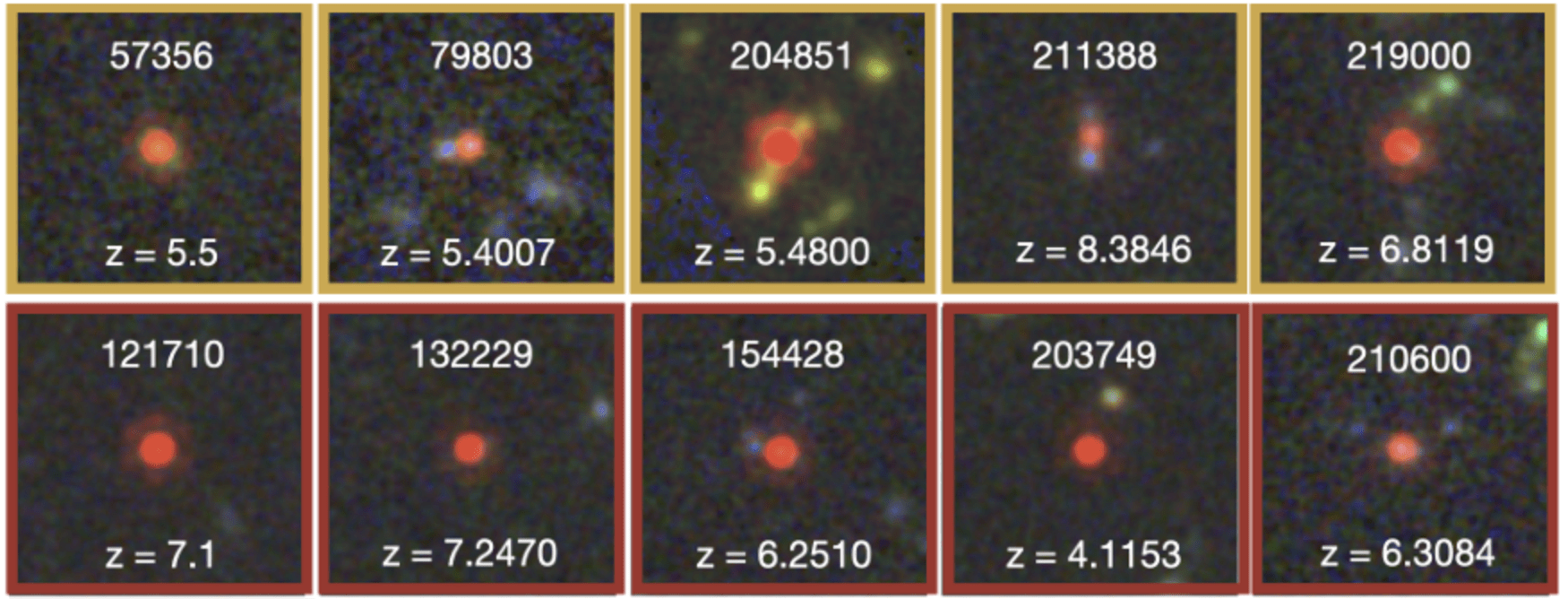
Sun, YST+, 2025

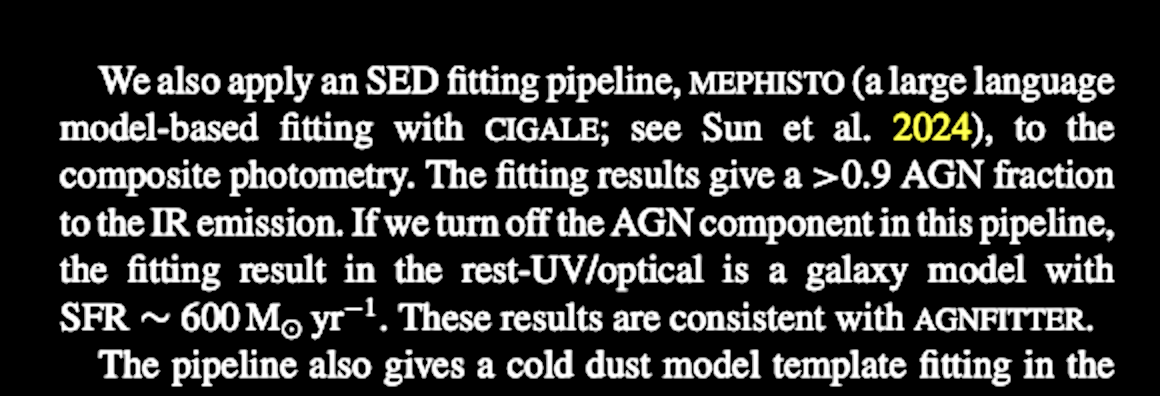
A seamless and interpretable AI-human collaboration
Learn from the data
Summarize "knowledge"
Examine and include prior knowledge
A seamless and interpretable AI-human collaboration
Expedite discovery
Use the learned knowledge as context

https://tingyuansen.github.io/NASA_AI_ML_STIG
Next Monday (4pm ET)

Graduate student
The Plot Twist
A.I. still struggles with many tasks that are easy for humans

Princeton Language and Intelligence Lab, June 2024
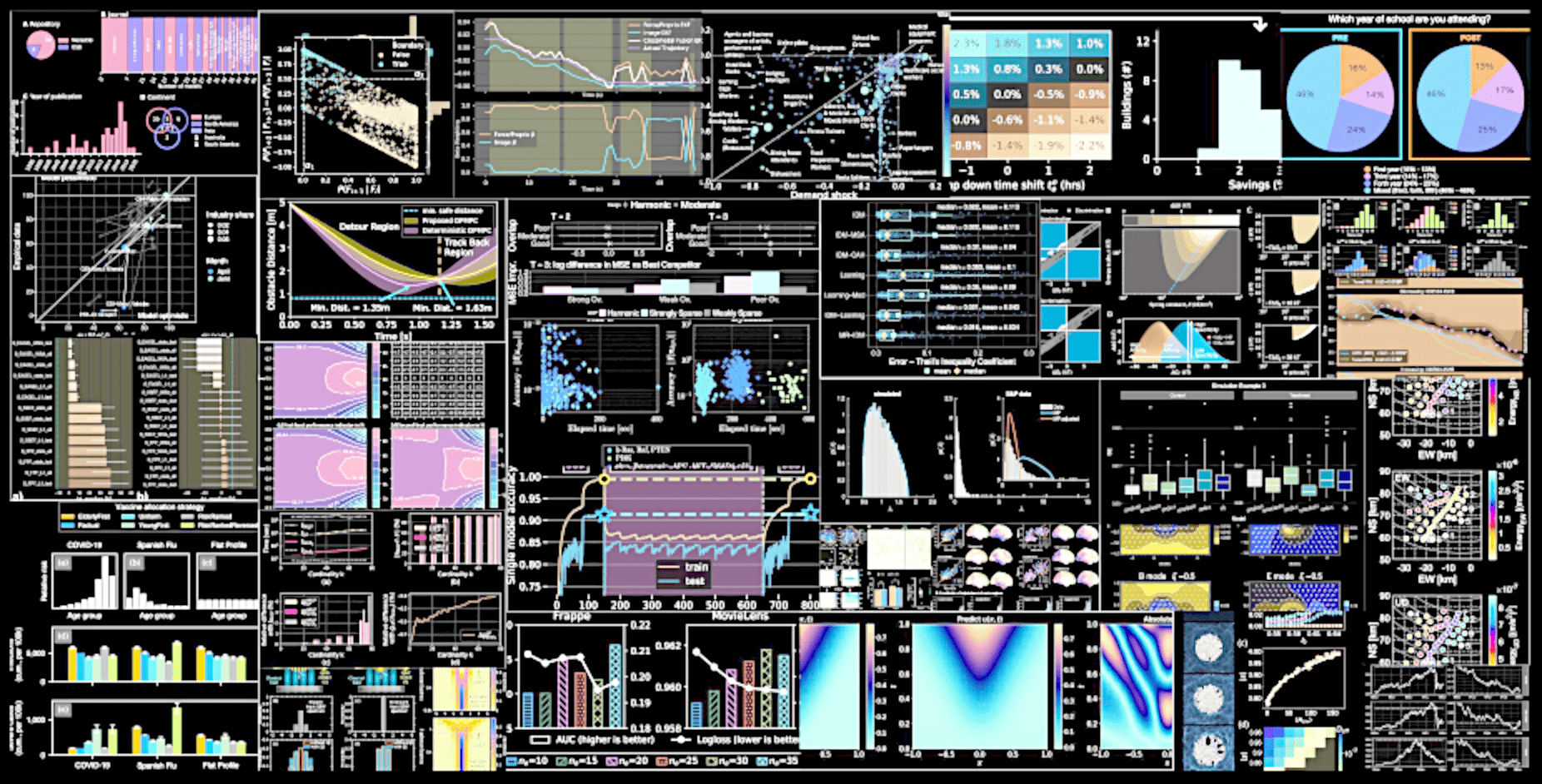
Human accuracy: ~80%
GPT-4o: ~47%
Can A.I. reason about scientific charts?
ARC Prize Foundation (ARC-AGI-2, 2025)
Spatial Pattern Reasoning
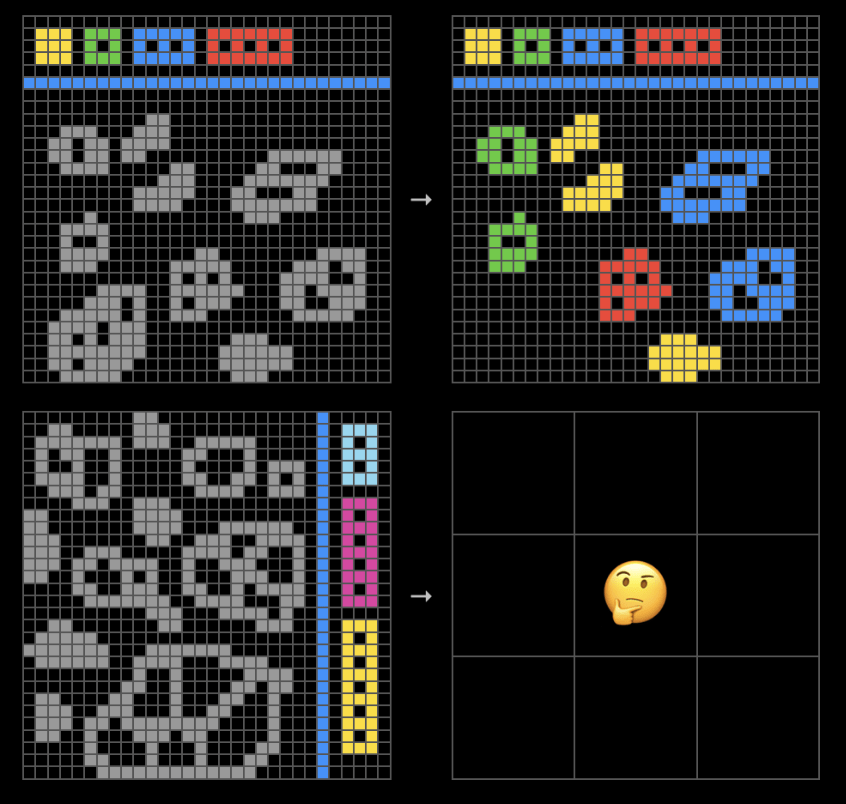
Human Panel : ~ 100%
GPT-5 : ~10%
Moravec's Paradox (1988)
- High-level reasoning is easy for AI;
basic sensory-motor skills are hard
Reversing the evolution of "intelligence"
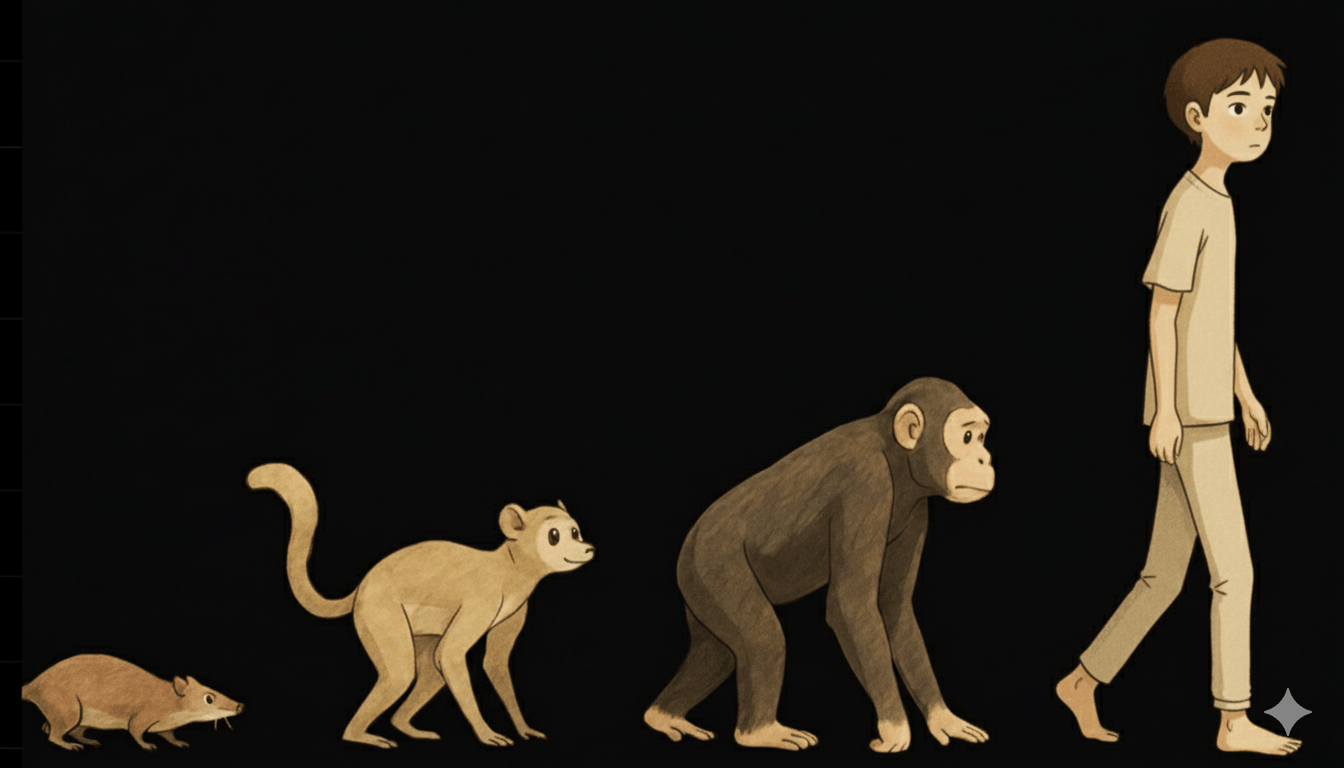
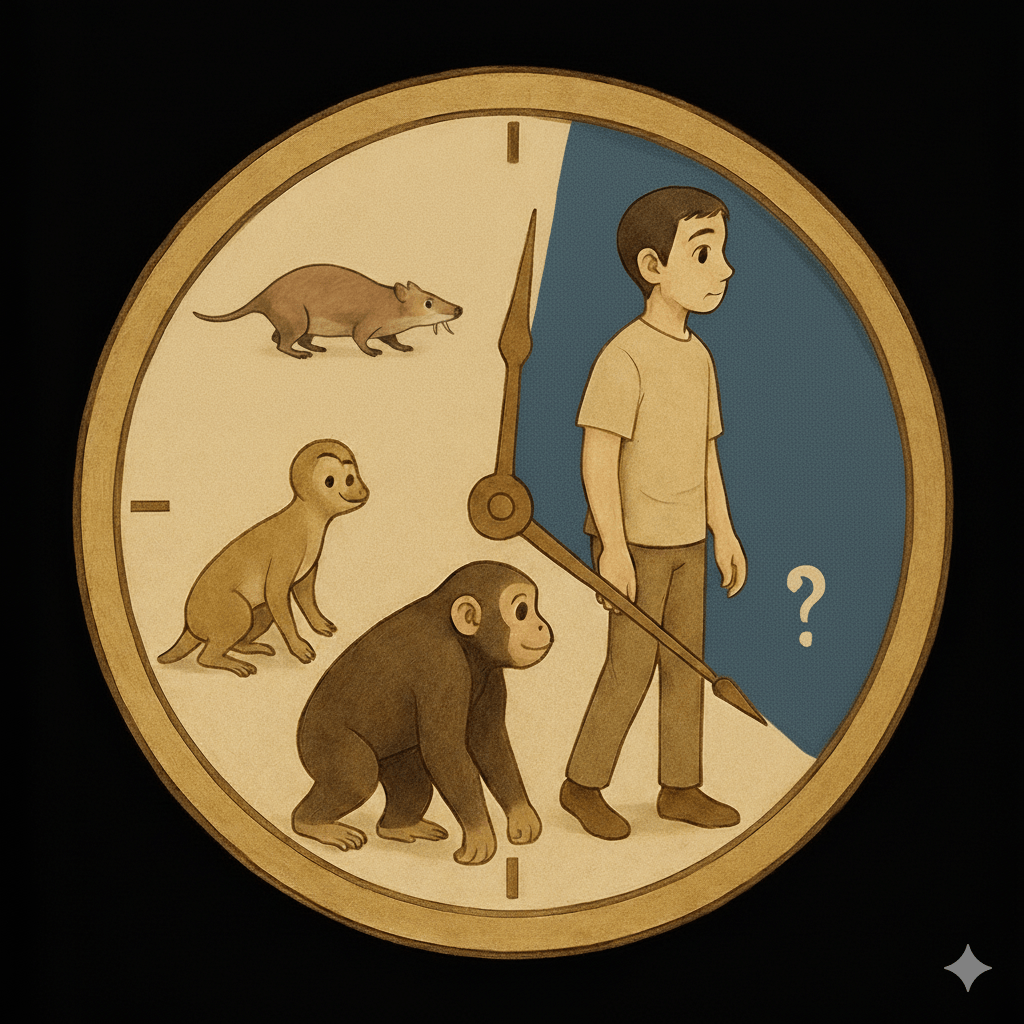
Evolution Timeline: What came first vs. last
Conversational and logical abilities are the easiest to imitate
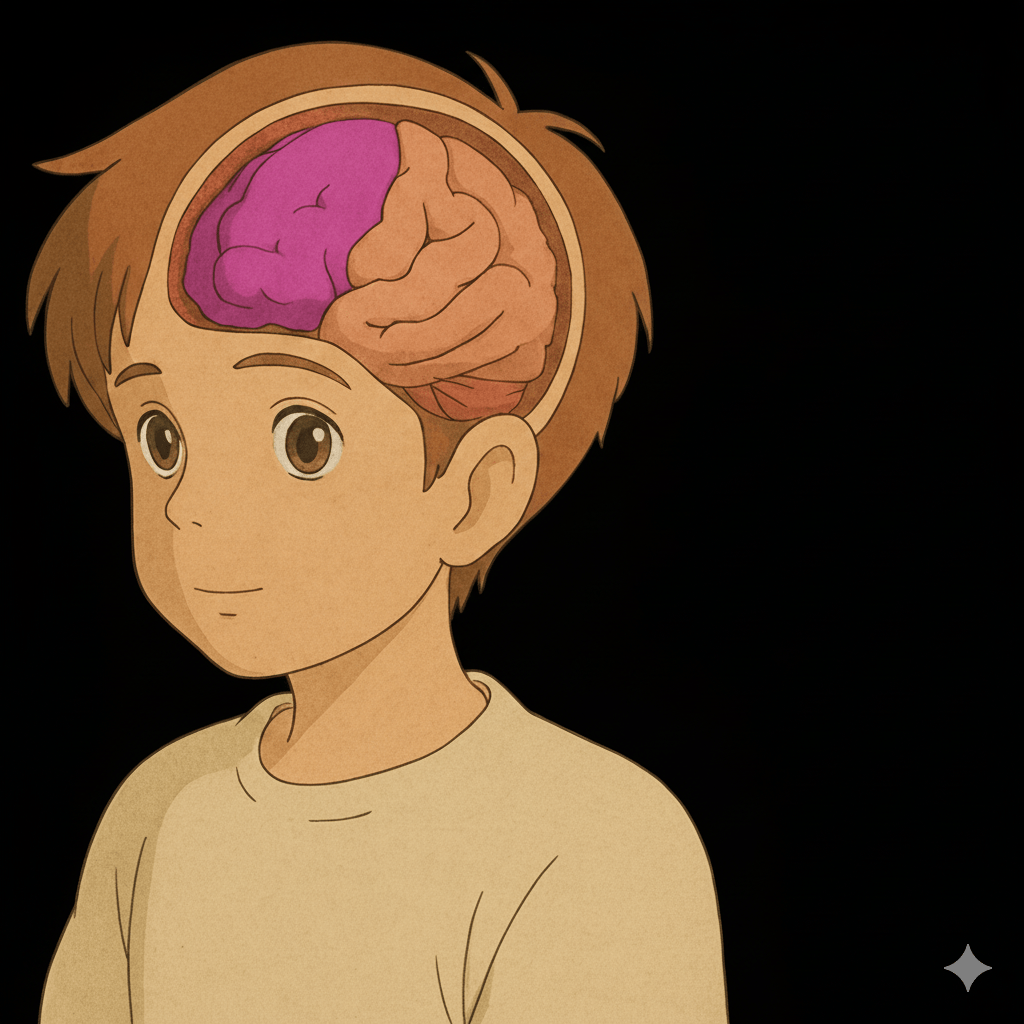
Easy-for-AI
Complex calculations
Easy-for-Human
Logical inference (?)
Memorizing information
Language
Coding
Spatial reasoning
Common sense physics
(water flows downhill)
Basic motor skills
Visual reasoning
Understanding context
A.I. in Astronomy Olympiads
Pinheiro, ..., YST+, 2025
Visual reasoning remains a limiting factor for AI agents
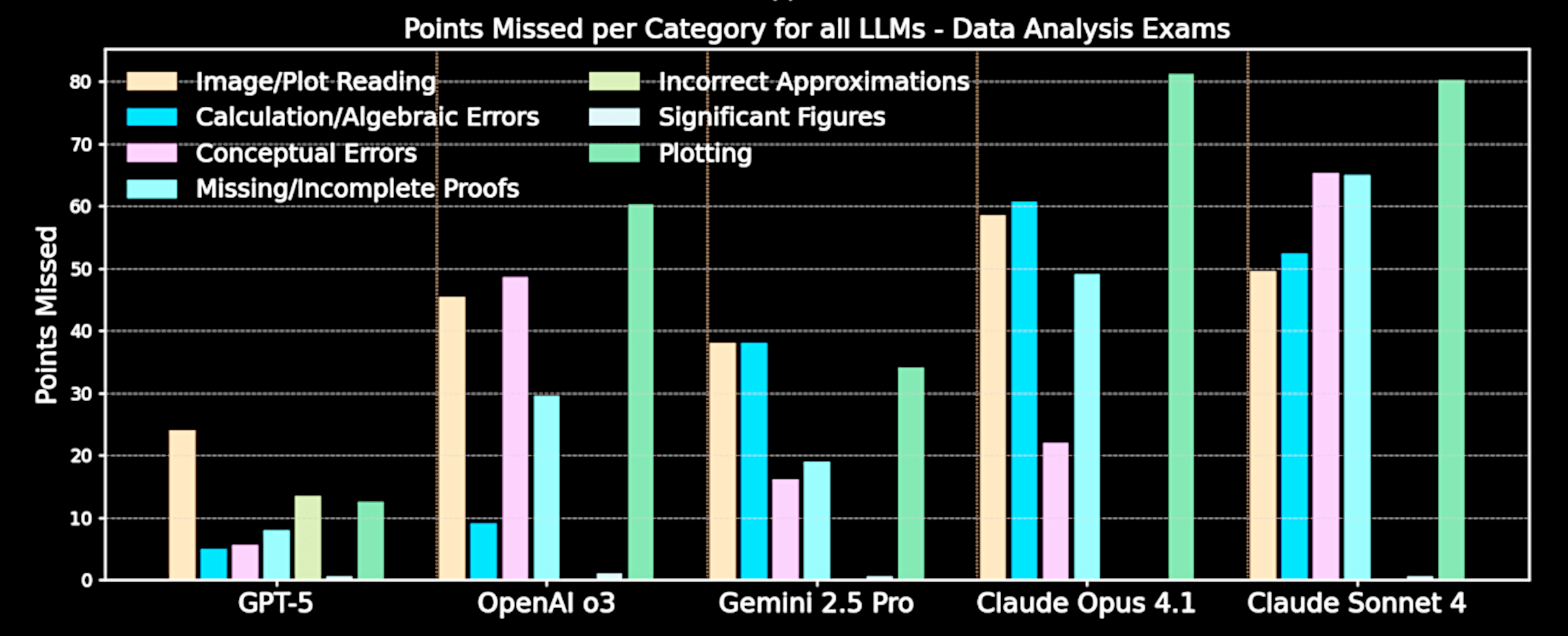
Pinheiro, ..., YST+, 2025
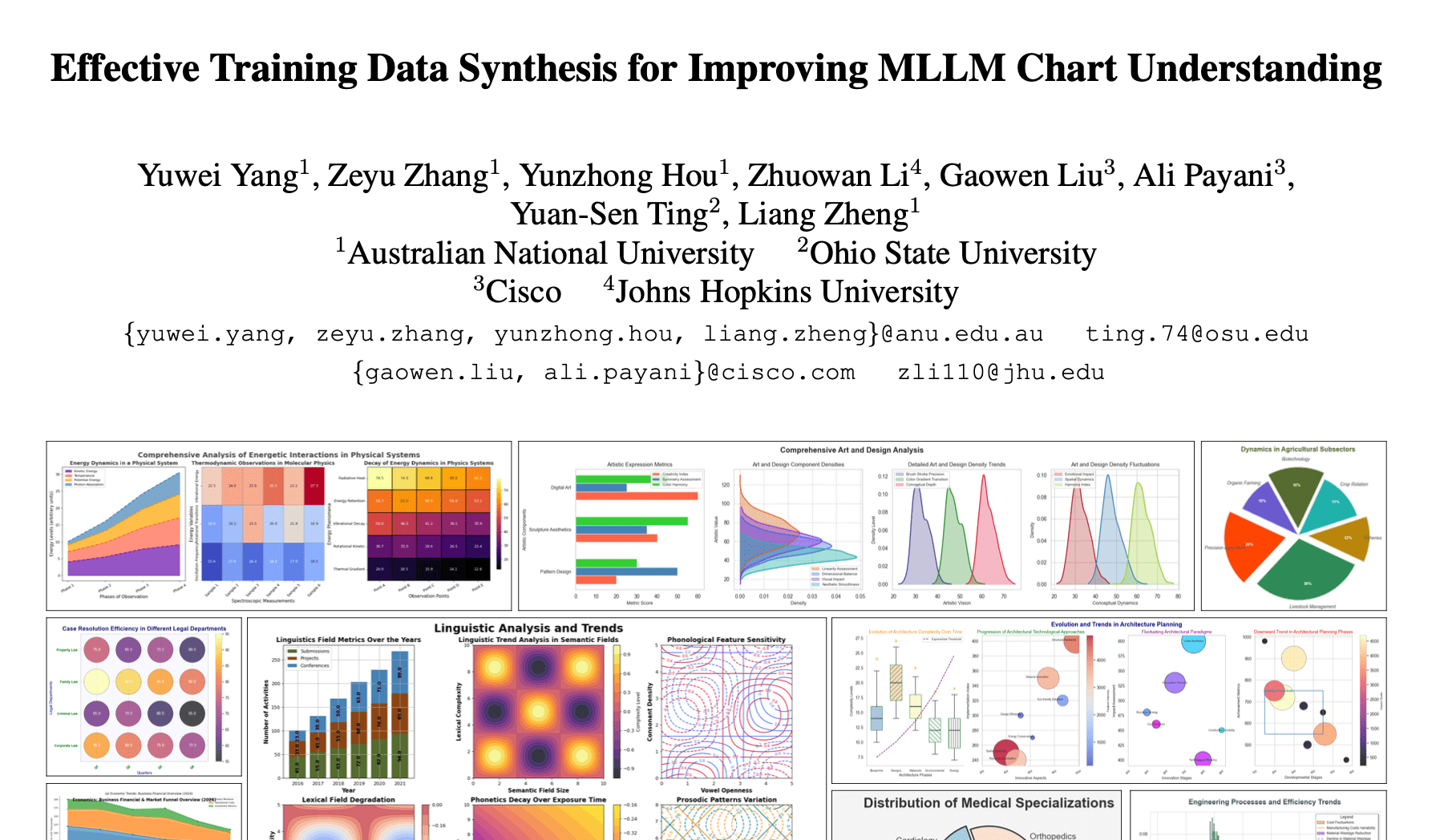
Yang,... YST+, 2025, ICCV
We don't understand how people intuitively understand plots
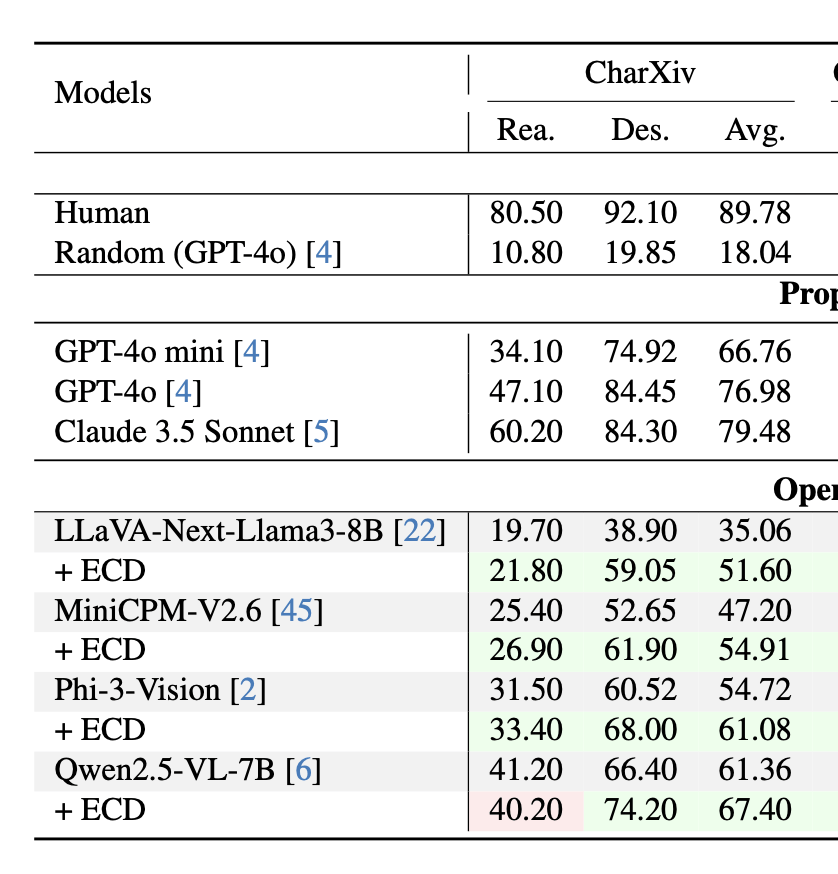
Yang,... YST+, 2025, ICCV
AI is still 20-50 points worse than humans
Brute force fine-tuning can close the gap in simple descriptive tasks, but not in visual reasoning tasks
Can A.I. come up with good ideas?
How do human come up with good ideas?
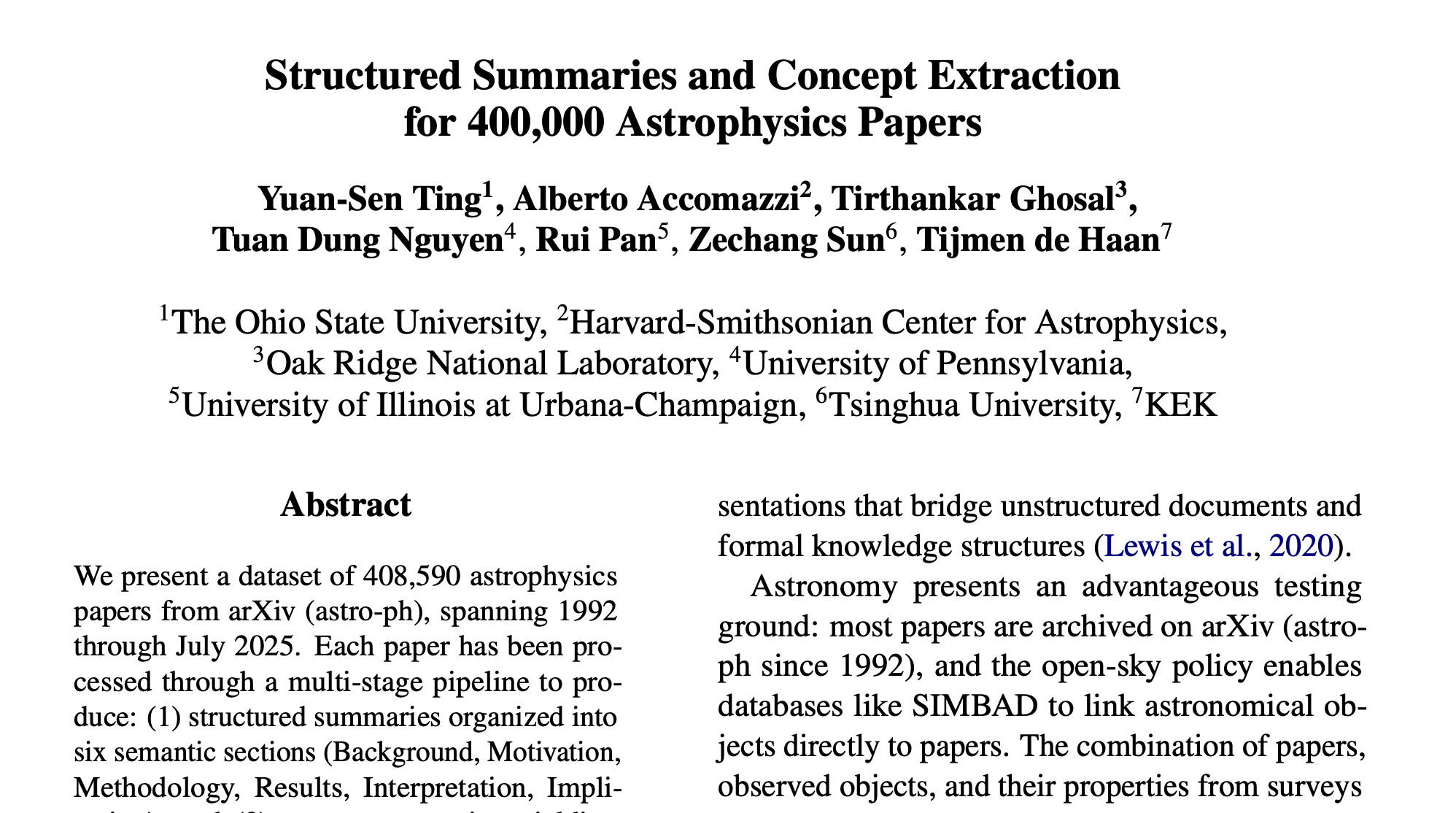
YST+, 2025
Our concepts show finer granularity than keywords
YST+, 2025
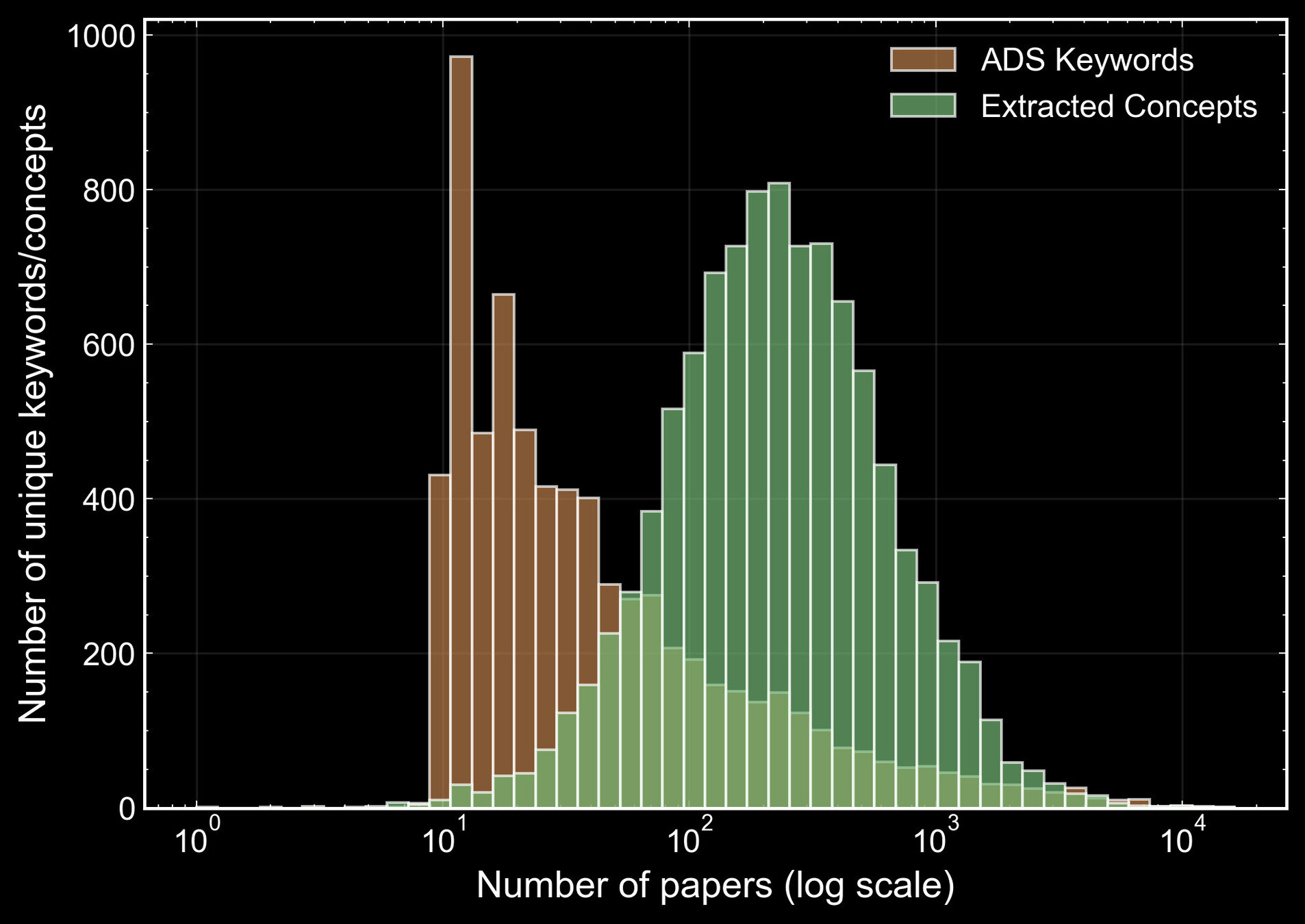
Our concepts show finer granularity than keywords
YST+, 2025
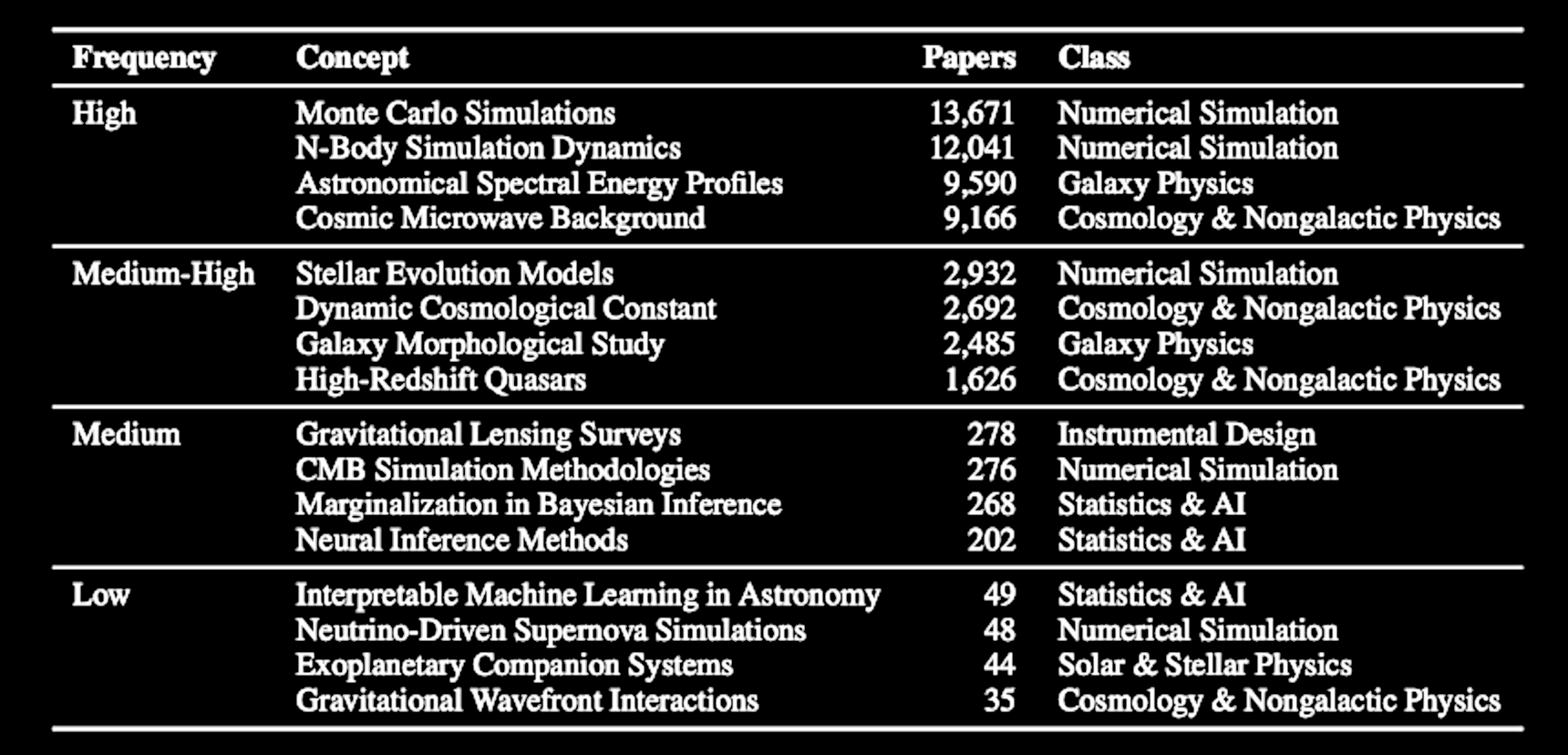
Visualizing the knowledge graph in astronomy
Sun, YST+, 2024a
astrokg.github.io
The temporal evolution of concept
co-occurrences
in papers
Cosmology
Galaxy
High-energy
Sun/Star
Exoplanet
Simulation
Instrument
AI/Stat
Cosmology
Galaxy
High
-energy
Star
Planet
Sims
Instru.
AI/Stats
Sun/Star
Applications of AI in Stats
We also need a capable model that can generate run cost efficiently....

capable model
vs.
cost efficiency
e.g., GPT-5
In the SED case study, we need ~0.1M tokens per source
= USD 1 per source ...
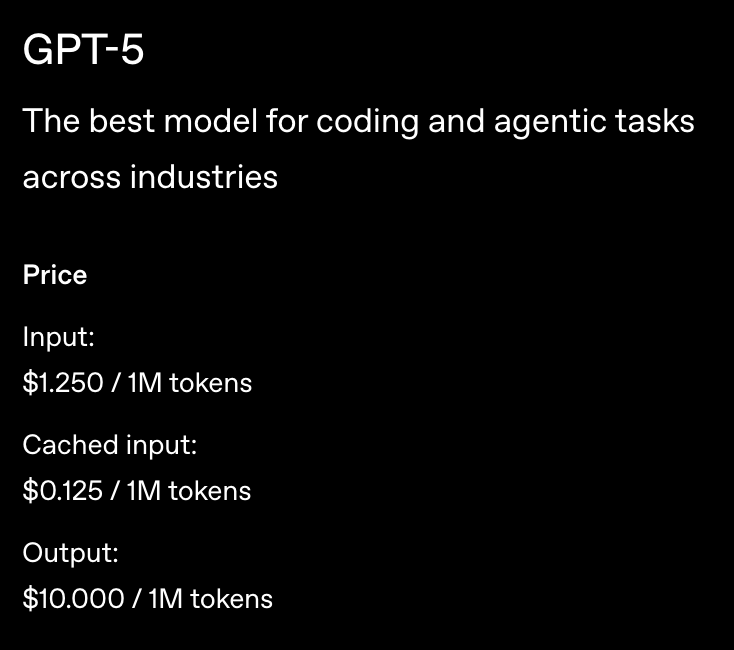
1B sources = $1 billion
e.g., Roman Space Telescope, Euclid Space Telescope
~ approximately the build cost
Can we improve lightweight
open-weights LLMs to perform well on astronomical tasks?

Natural Language Processing experts


Oak Ridge
National Lab
Argonne
National Lab
AstroMLab (astromlab.org)
Harvard-Smithsonian ADS

U. Ilinois
Urbana-Champaign

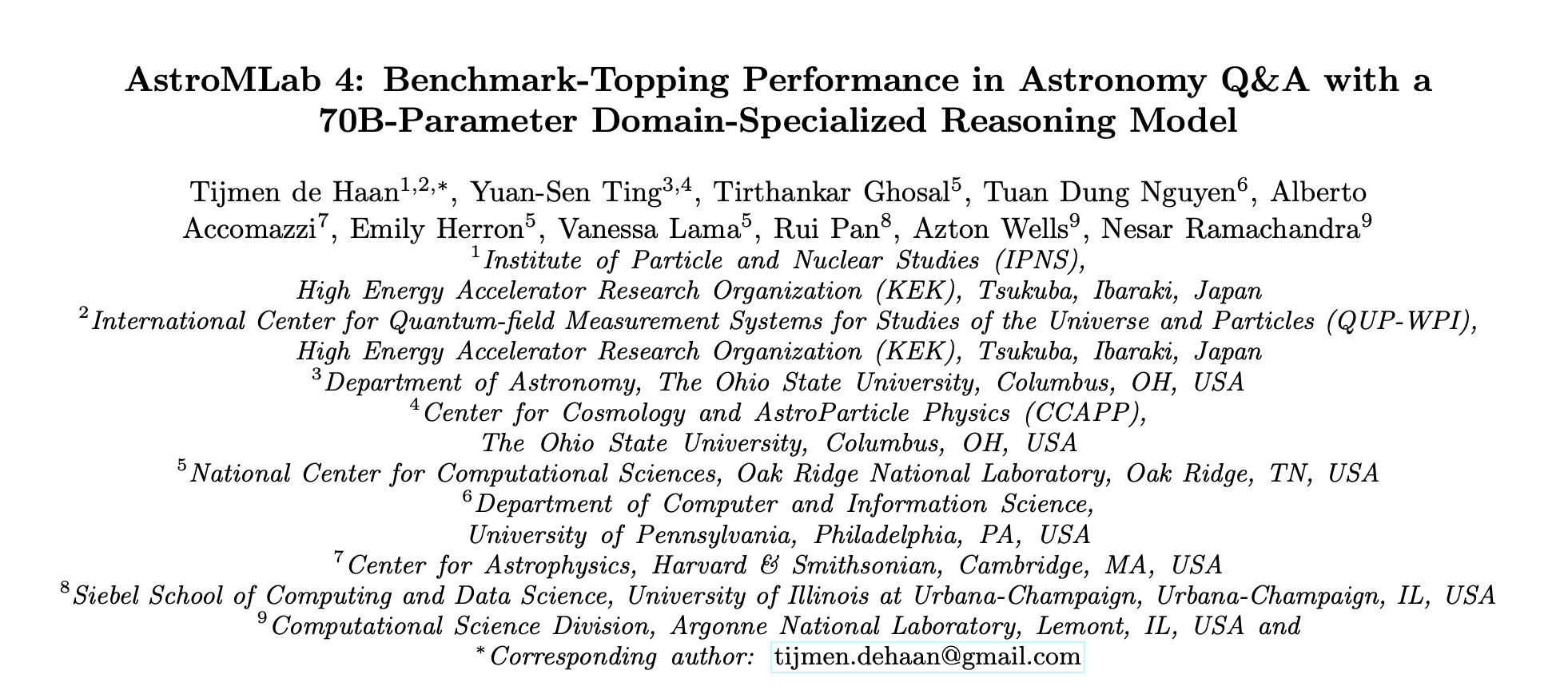
De Haan, YST+ 2025
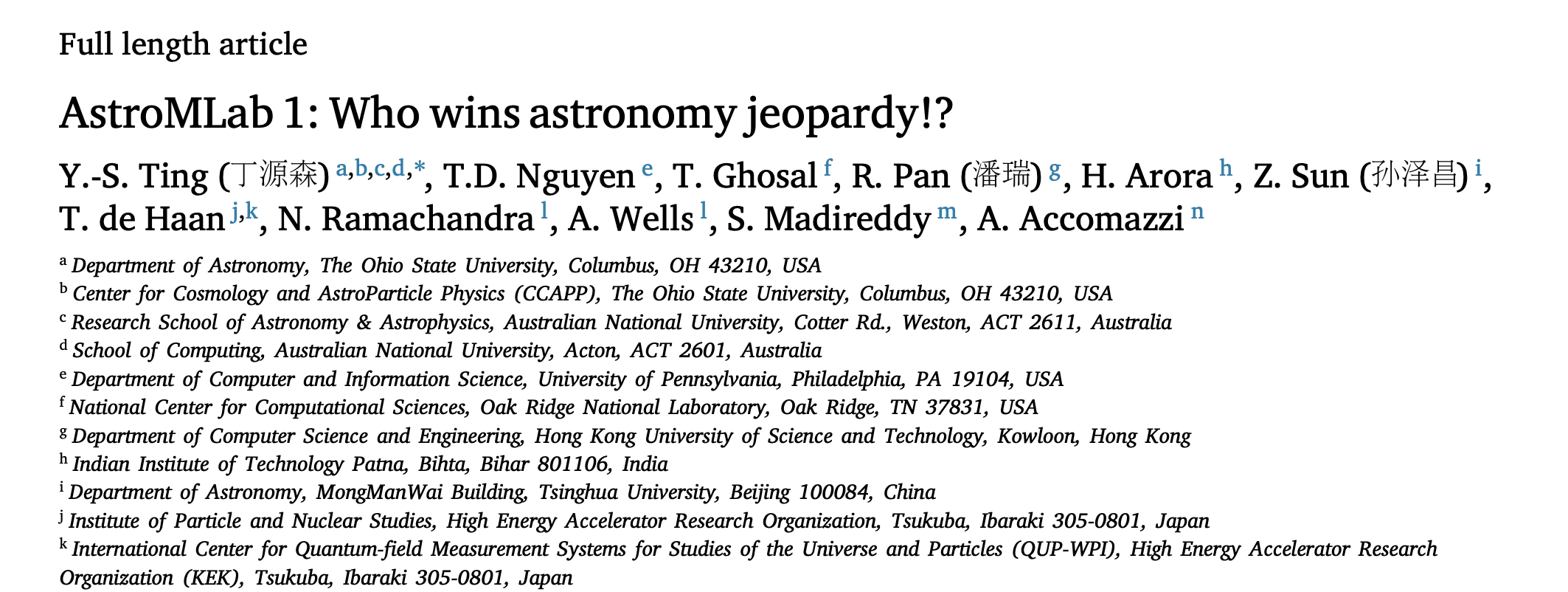
YST, AstroMLab+, 2025
The first extensive benchmarking effort in astronomy
The first extensive benchmarking effort in astronomy
Knowledge Recall
Benchmark multiple choice question - example
What is the primary reason for the decline in the number density of luminous quasars at redshifts greater than 5?
A decrease in the overall star formation rate, leading to fewer potential host galaxies for quasars.
An increase in the neutral hydrogen fraction in the intergalactic medium, which obscures the quasars’ light.
A decrease in the number of massive black hole seeds that can form and grow into supermassive black holes.
An increase in the average metallicity of the Universe, leading to a decrease in the efficiency of black hole accretion.
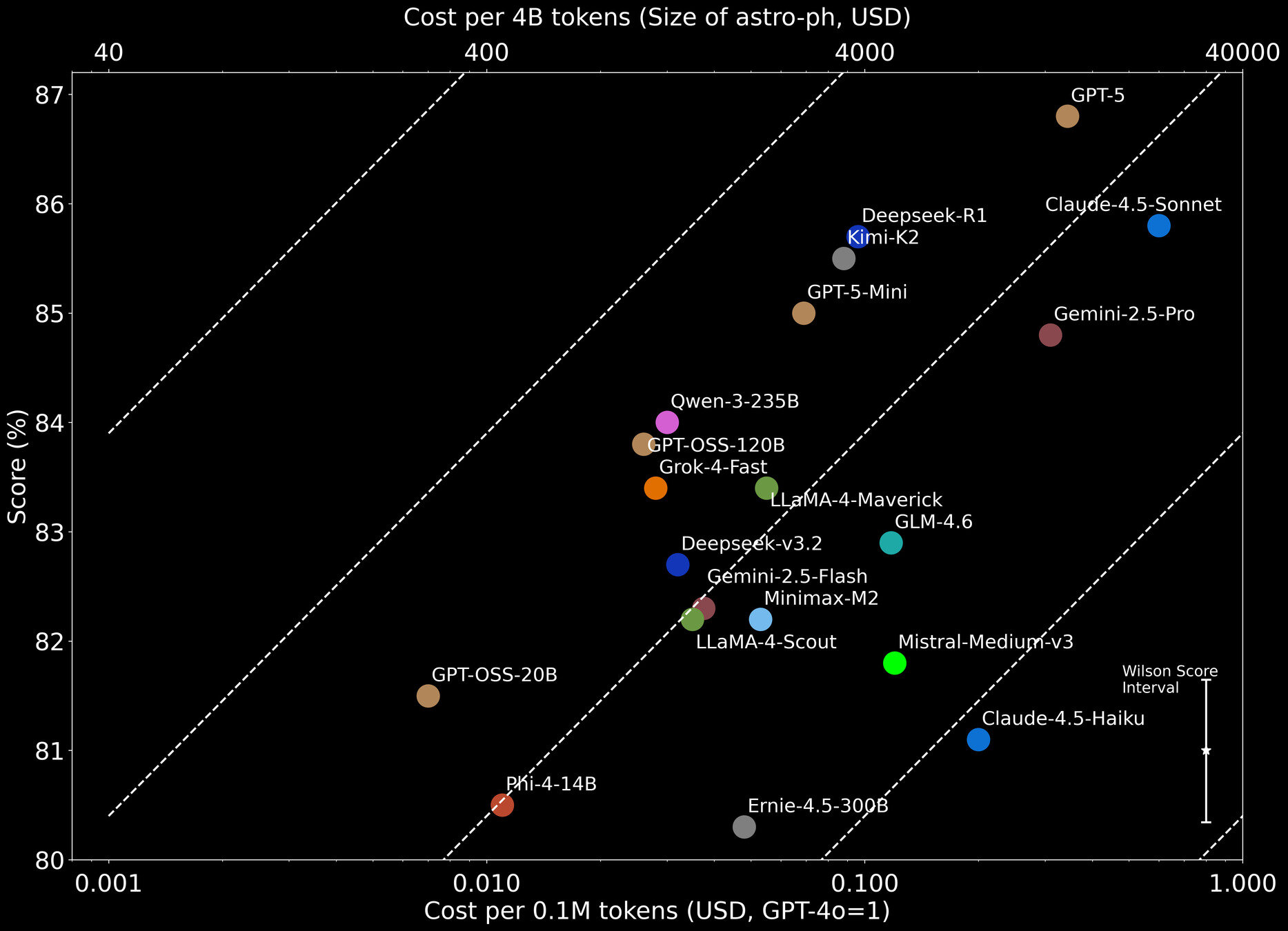
Score (%)
Cost per 1 SED Source (USD)
Domain experts ~67% (20 points below AI)
AstroSage-8B
(de Haan, YST+ 2025a)
AstroSage-70B
(de Haan, YST+ 2025b)
For astronomy Q&A, AstroSage-70B delivers GPT-5-level performance while costing 20x less
Pan, ..., YST, 2025, to be submitted
Beyond just benchmarking astronomical knowledge recall
What A.I. agent
can solve
Interesting astronomy problems
What A.I. agent
can solve
Interesting astronomy problems
JWST SED Fitting
Summary :
Nonetheless, expectations should be tempered — the Moravec paradox makes AI capabilities uneven for full autonomy.
Fine-tuning models, building ecosystems and proper benchmarking to enable cost-effective, well-rounded AI agents is the path forward.
Modern LLMs' reasoning capabilities make AI agents an exciting new paradigm for astronomical research.
Though limited in reasoning, Mephisto analyzes and navigates SED physical models as effectively as humans.
Extra Slides
Making "plans"
Making "hypotheses"
Annotated
Labelled Data
supervised
tasks
Unlabelled Data
foundational models
Interacting with "physical" world
AI
astronomer
Example of learned "knowledge"
" If there is a gross underestimation in the MWIR bands,
consider exploring a wider range of fracAGN values in the agn module to improve the fit in these bands "
Number of Learning Iterations
0
10
20
30
5.1
5.6
6.0
6.4
Chi-Square
Chi-Square of the Fit
Why this plateau ??
Sun, YST+, 2024b
LLMs with self-play RL outperforms native LLMs
Number of Learning Iterations
0
10
20
30
5.1
5.6
6.0
6.4
Chi-Square
Chi-Square of the Fit
- Number of photometry bands fitted within 1σ
Sun, YST+, 2024b
LLMs with self-play RL outperforms native LLMs
Number of Learning Iterations
0
10
20
30
5.1
5.6
6.0
6.4
Chi-Square
Chi-Square of the Fit
- Number of photometry bands fitted within 1σ
"Exploration"
"Exploitation"
Sun, YST+, 2024b
LLMs with self-play RL outperforms native LLMs
Beyond the thesaurus, extracting concepts from all arXiv papers.
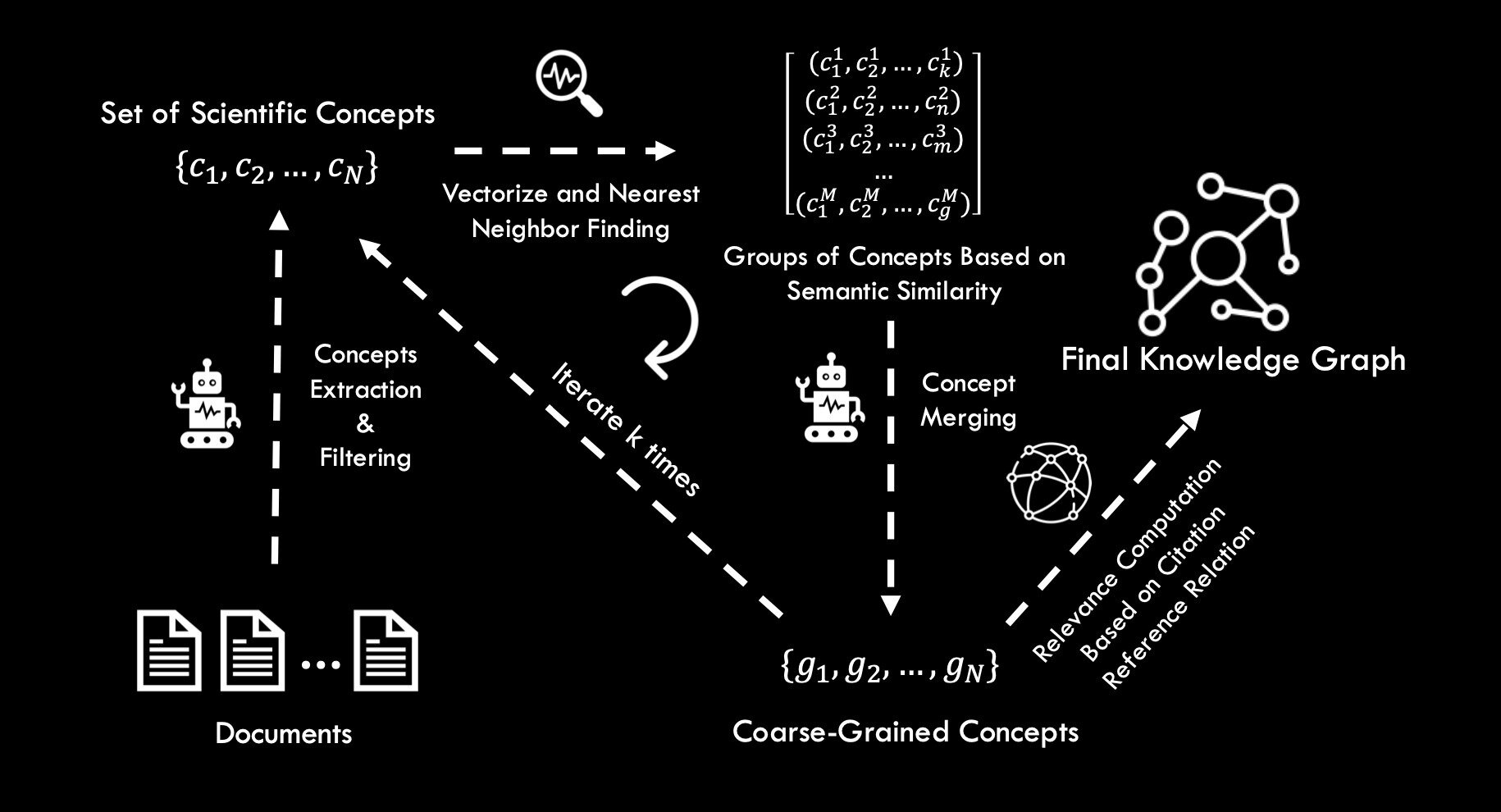
300,000 papers
Mistral 7b
1,000,000 concepts
Control the desired granularity through merging and pruning
Mistral 7b
Concept merging and pruning
spectra
= spectroscopy
= spectral analysis
Unified Astronomy Thesaurus
Too granular
"Concepts" extracted with large-language models

Quantifying the growth of the field -- by groups of concepts
Year
2000
2005
2010
2015
2020
7
9
11
10
8
Count [thousands]
Scientific concepts
Sun, YST+, 2024a
Quantifying the growth of the field -- by groups of concepts
Year
2000
2005
2010
2015
2020
1.5
Count [thousands]
Numerical simulation
1.2
0.9
0.6
0.3
Statistics
Sun, YST+, 2024a
The number of ML concepts in astronomy has not grown
Year
2000
2005
2010
2015
2020
1.5
Count [thousands]
1.2
0.9
0.6
0.3
Machine learning
Linear Regression,
Gaussian Process, Random Forest, ......
152
210
230
Sun, YST+, 2024a
Quantifying the cross-domain interaction:
How technical concepts inspire scientific ones
Knowledge graph via the literature-citation metric
Concept
Paper
Ting et al.
Contain
Einstein et al.
Contain
Contain
citation
Concept B:
Plasmon
Concept A:
Dark Matter
Concept A:
Dark Matter
Concept
Concept B:
Plasmon
Distance between concept A to B =
Paper
averaged over all papers containing concept A
Knowledge graph via the literature-citation metric
Concept
Paper
Technical concept:
Neural Networks
Scientific concept: Large-Scale Structure
Cross-domain linkage shows a two-phase evolution
Year
2000
2005
2010
2015
2020
-4.0
Log Average Linkage
-4.2
-4.4
-4.6
Numerical simulation
x scientific concepts
Technology development
Sun, YST+, 2024a
Concept
Paper
Scientific Concept: Large-Scale Structure
Numerical Simulations
Simulations being developed
Linkage
decoupled
Cross-domain linkage shows a two-phase evolution
Year
2000
2005
2010
2015
2020
-4.0
Log Average Linkage
-4.2
-4.4
-4.6
Numerical simulation
x scientific concepts
Technology deployment
Technology development
Sun, YST+, 2024a
Concept
Paper
Scientific Concept: Large-Scale Structure
Numerical Simulations
Simulations being deployed to sciences
Linkage increases
Year
2000
2005
2010
2015
2020
-4.0
Log Average Linkage
-4.2
-4.4
-4.6
Numerical simulation
x scientific concepts
N-body
simulation
Hydrodynamical simulation
Cross-domain linkage shows a two-phase evolution
Sun, YST+, 2024a
Interest in AI x Astronomy outpaces technological development
Year
2000
2005
2010
2015
2020
-4.0
Log Average Linkage
-4.2
-4.4
-4.6
ML x Scientific concepts
Gaussian process
multi-layer perceptron




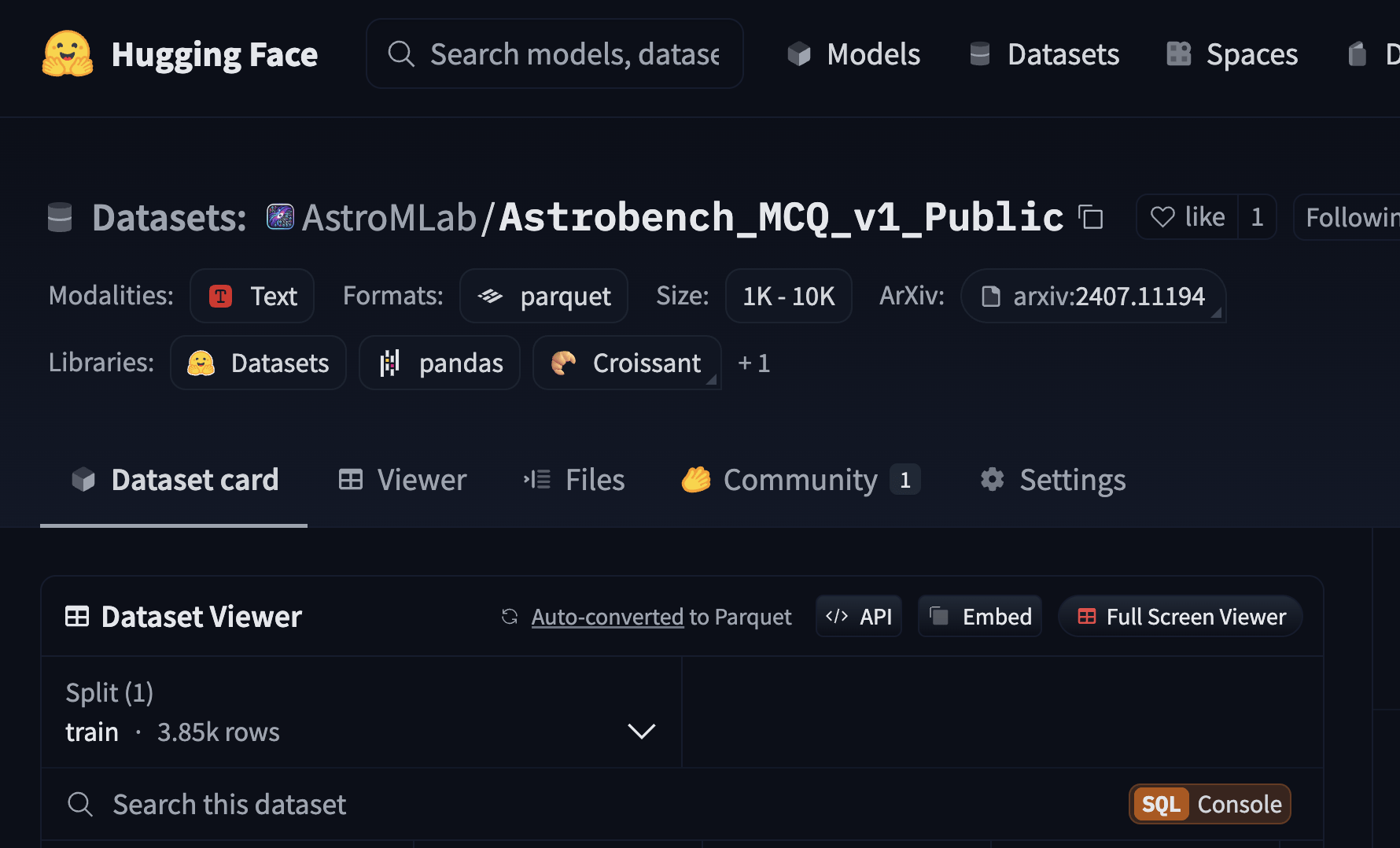
AstroBench: High quality astronomy QA benchmark dataset

Nguyen, YST+ 2023
Worse than GPT-4o
Score (%)
Cost per 1 SED Source (USD)
Cheaper but
not as good
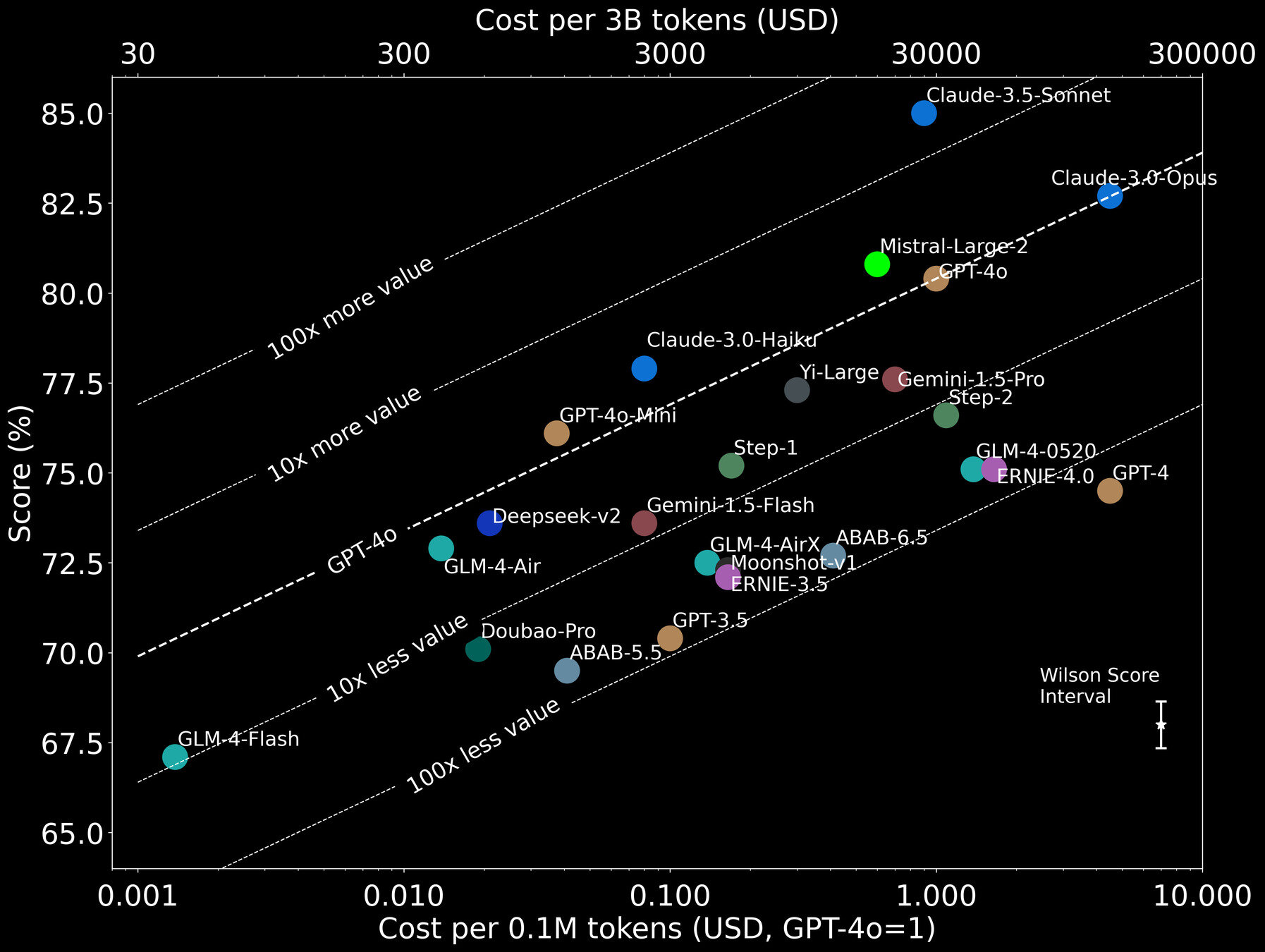
Can vary by three order of magnitude in "value"!
domain experts
July 2024
YST, AstroMLab+, 2025a
Trustworthiness : Are you sure?
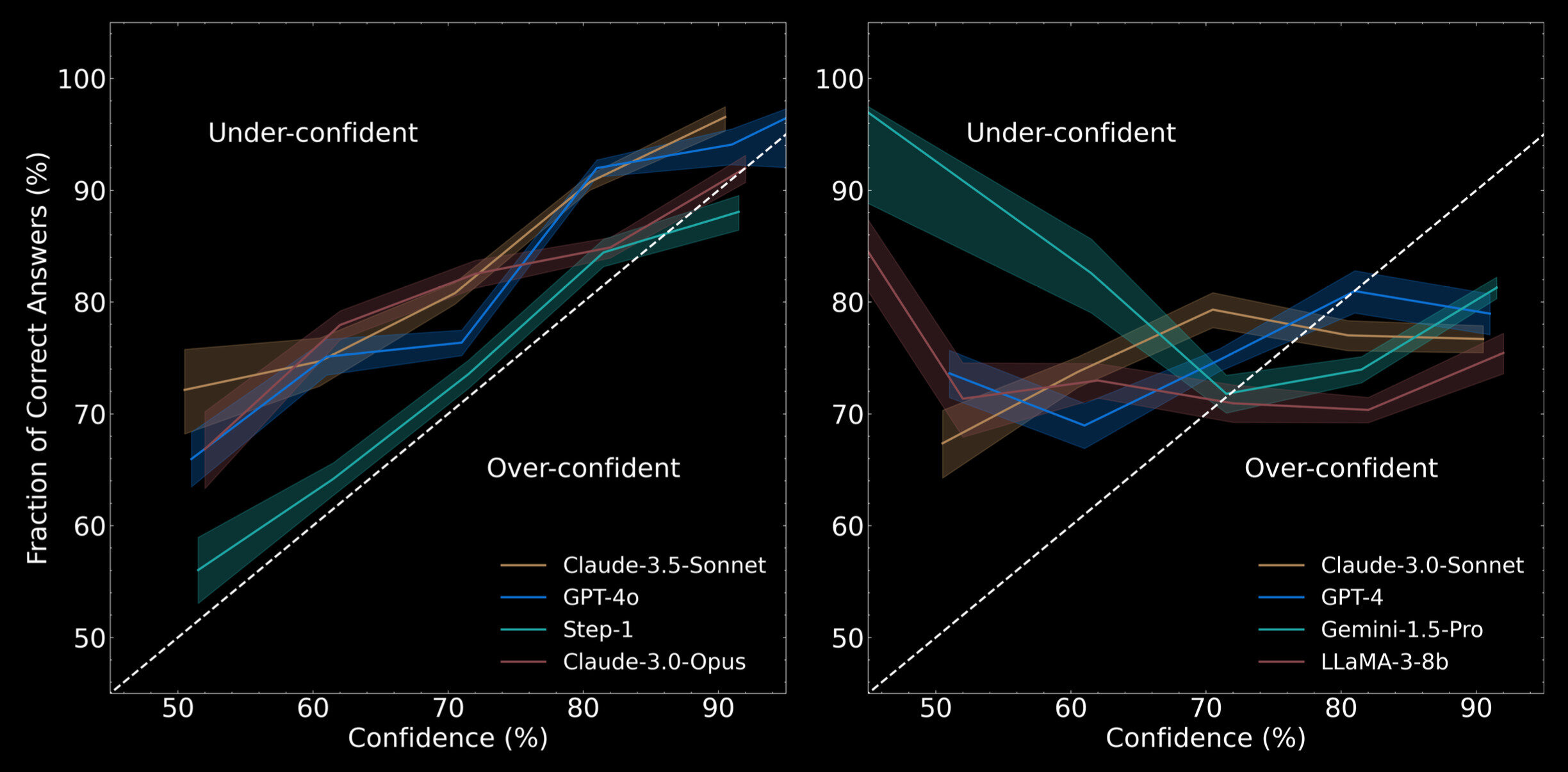
YST, AstroMLab+, 2025a
Confidence (%)
Fraction of Correct Answer (%)
50
60
70
80
90
50
60
70
80
90
50
60
70
80
90
100
Under-confident
Over-confident
Model pre-summer 2024
After summer 2024


Proprietary models
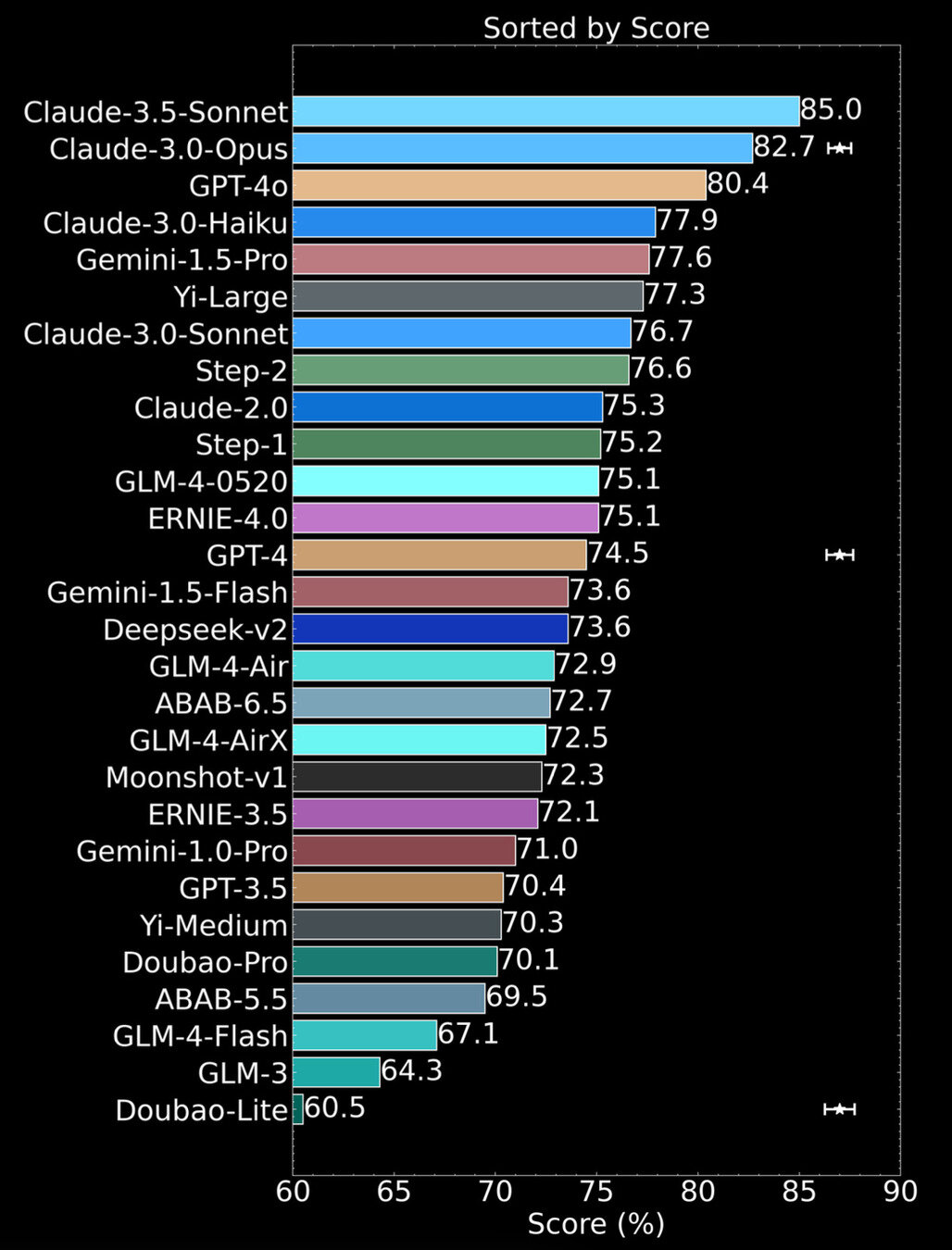
Score (%)
60
70
80
90
As of July 2024
YST, AstroMLab+, 2025a
Special thanks to



Warren Buffet :
" The trick is, when there is nothing to do, do nothing "
Still it is not very scalable
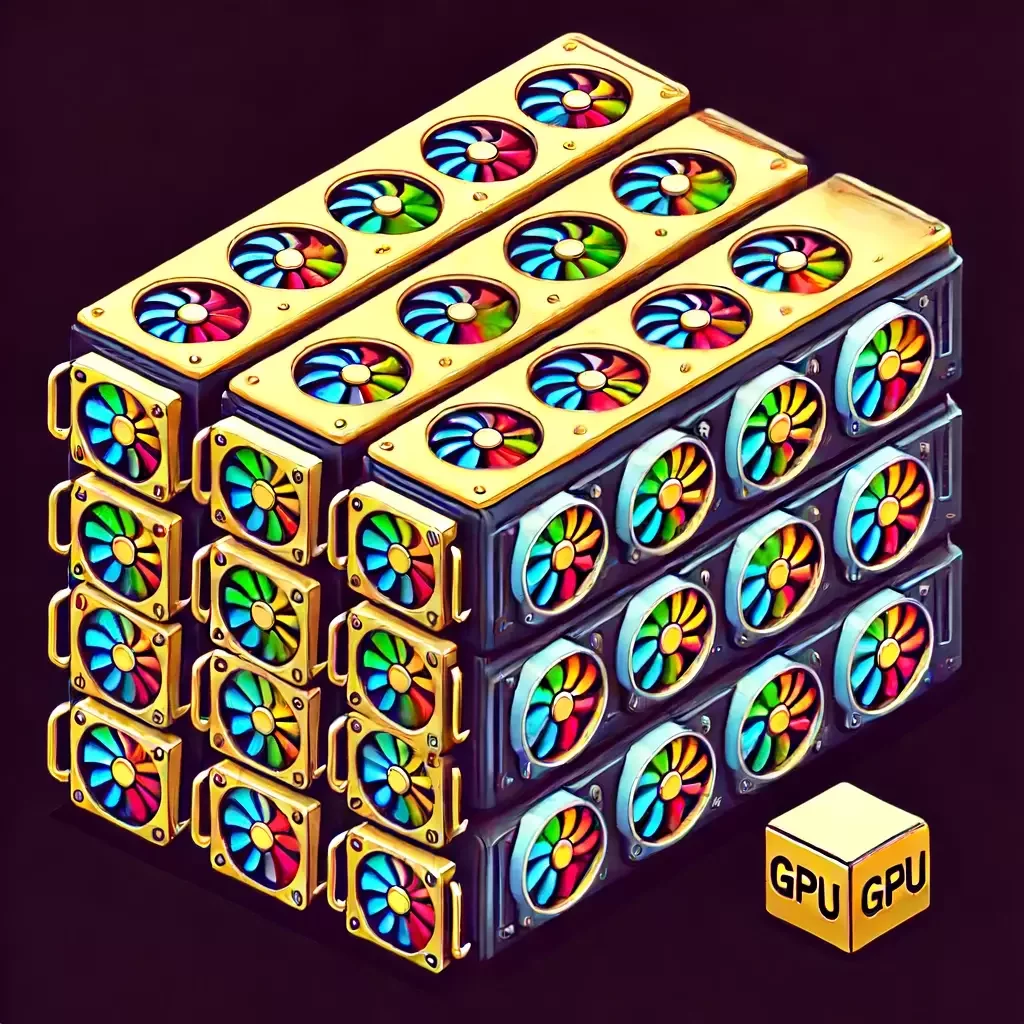
LLaMA-3.1 70b throughput on four H100 GPUs
= ~ 100 tokens / second
1 SED source = 15 GPU minutes
1B sources = 10M GPU days
A cluster with 10,000 H100 GPUs
running for 3 years
= 0.03 USD

= 40 USD
Huang's Law
Compute Power
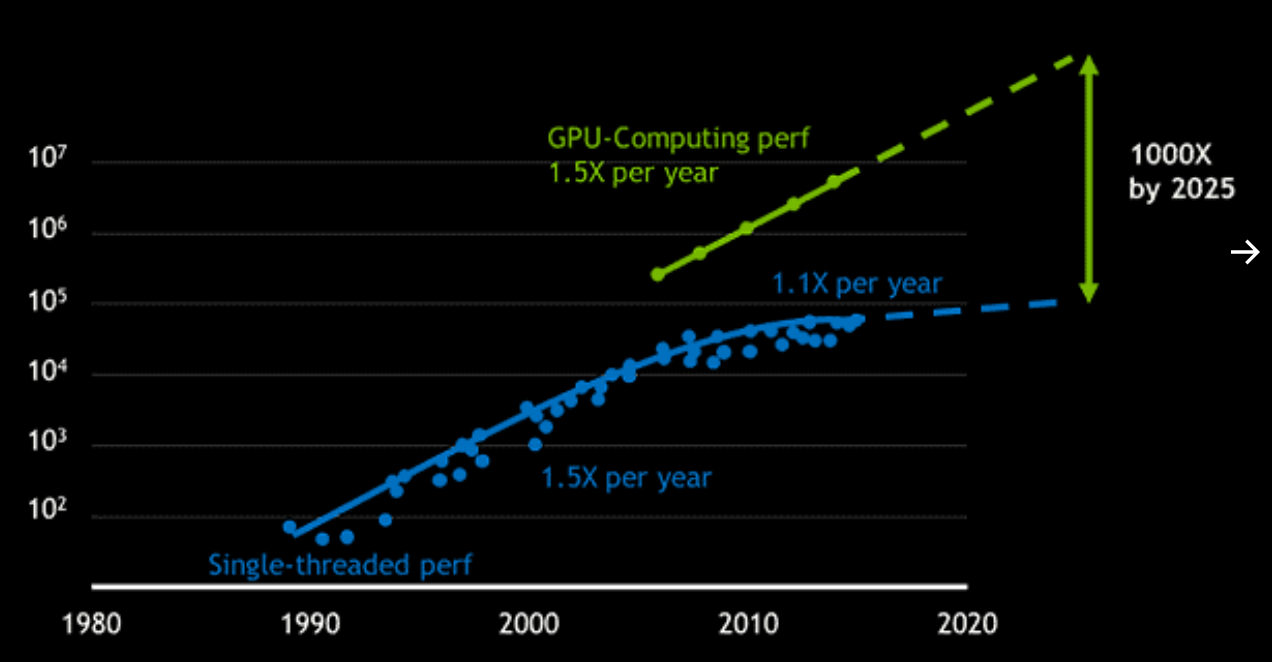
Year
CPU Moore's Law is plateauing
GPU is
picking up the pace
LLMs are getting very cheap, very quickly
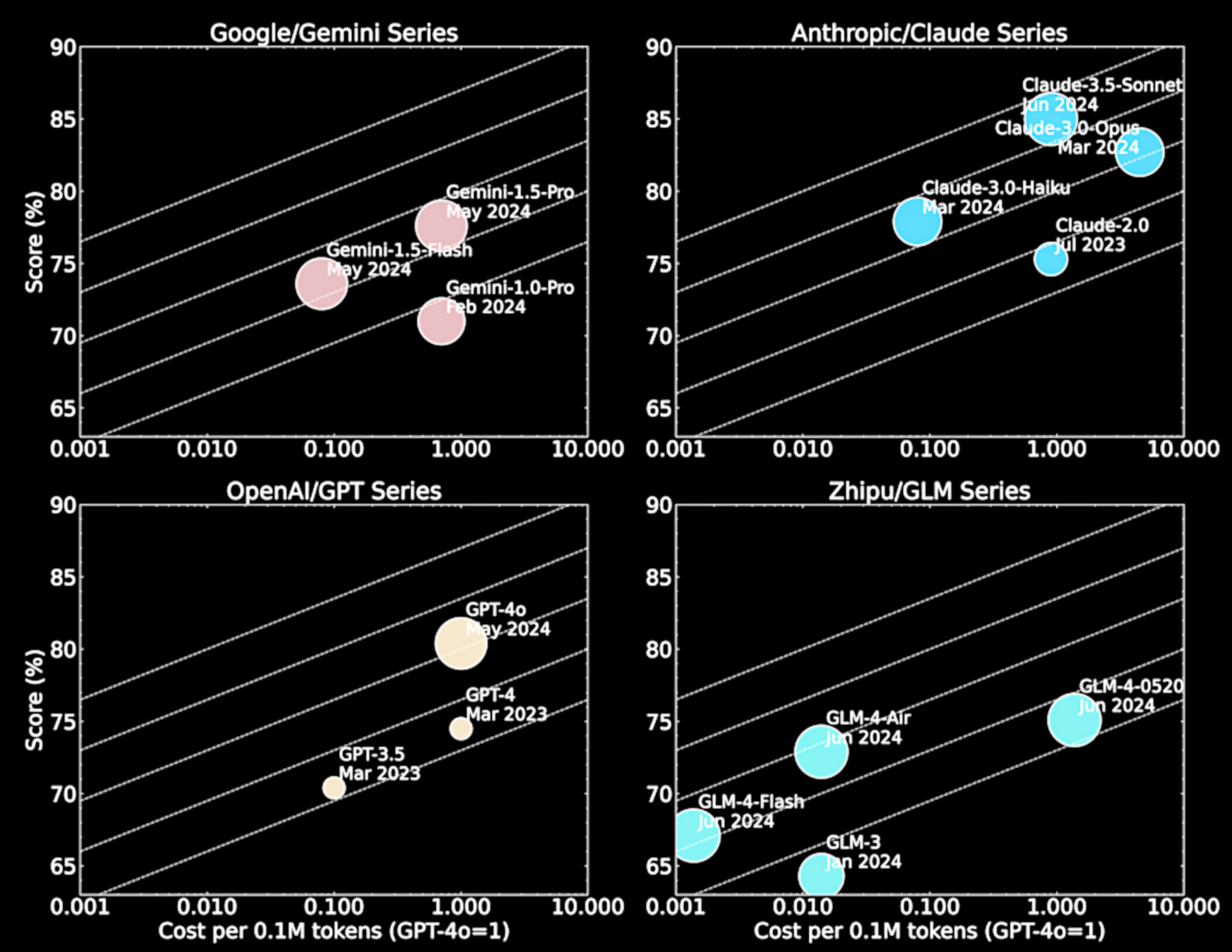
The price drop has an e-folding time of appromately
3 months
YST, AstroMLab+, 2025
Score (%)
Cost per 1 SED Source (USD)
< July 2024
Score (%)
Cost per 1 SED Source (USD)
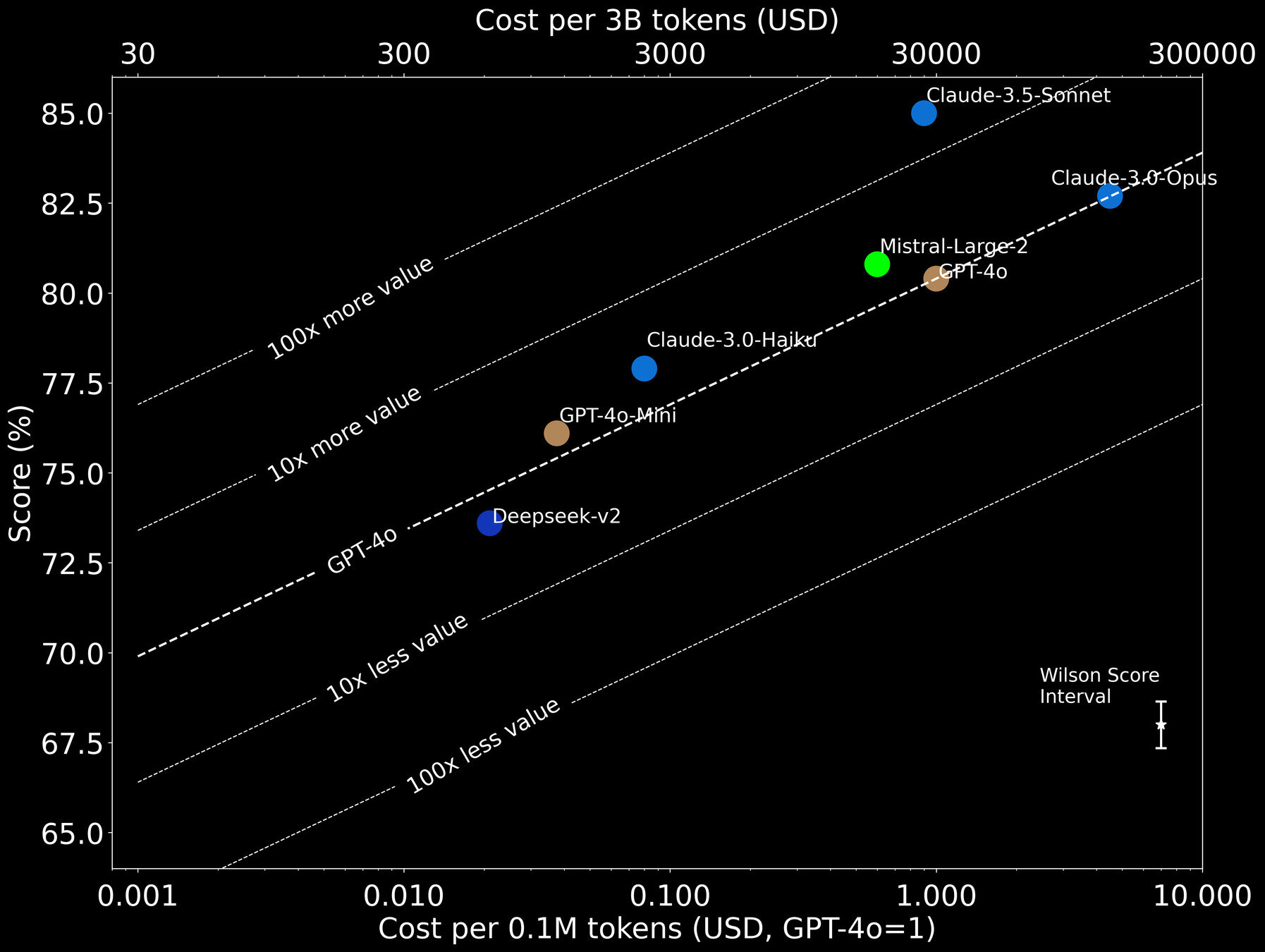
< July 2024
Score (%)
Cost per 1 SED Source (USD)
+ 3 months
Google Gemma-2
Google
Gemini-1.5
Open-Weight
Proprietary
DeepSeek v2
Score (%)
Cost per 1 SED Source (USD)
Alibaba Qwen-2.5
Open-Weight
Proprietary
Meta LLaMA 3
+ 3 months
Yi 01
X's Grok
Stepfun
Microsoft
Phi-3.5
Nvidia's Nemotron
Score (%)
Cost per 1 SED Source (USD)
Open-Weight
Proprietary
+ 3 months
+ 3 months
Proprietary
(Experimental / Not Released)
DeepSeek v3 / R1
Score (%)
Cost per 1 SED Source (USD)
Open-Weight
Proprietary
+ 3 months
+ 3 months
Proprietary
(Experimental / Not Released)
OpenAI (o3)
Google Gemini-2.0
Score (%)
Cost per 1 SED Source (USD)
Open-Weight
Proprietary
+ 3 months
+ 3 months
Proprietary
(Experimental / Not Released)
Microsoft
Phi-4
MiniMax 01
Gemini-2.5-Pro
Claude-3.7-Sonnet
Meta LLaMA 4
1B sources = $1 billion
e.g., Roman Space Telescope, Euclid Space Telescope
~ approximately the build cost (July 2024)
3% of the build cost (March 2025)
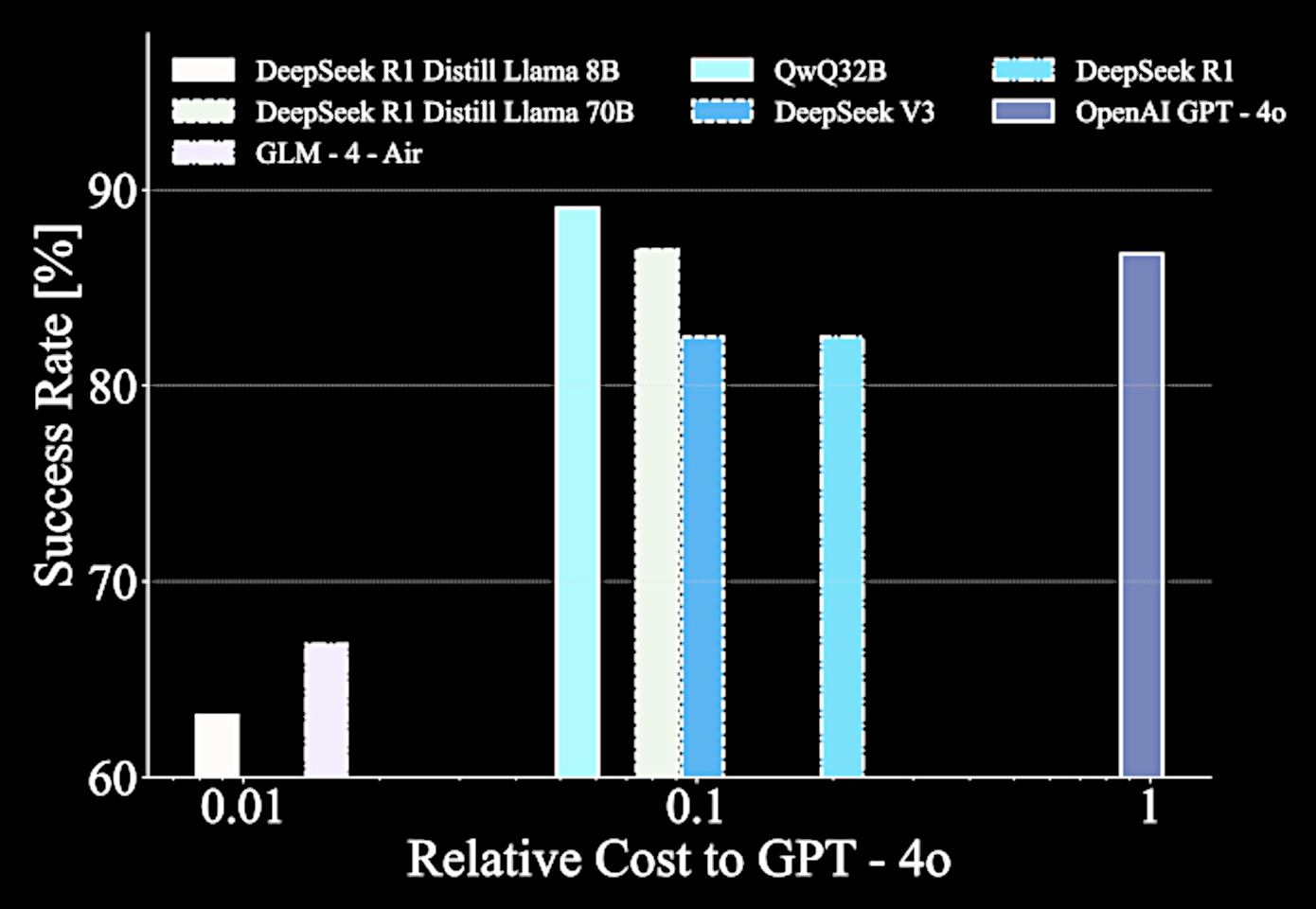
Mephisto achieves the same success rate with 1/30 of the cost
March 2025
Sun, YST+, 2025
GPT-4o
QwQ32B

Data-poor , Theory-rich

Collecting
more data
???
Data-poor , Theory-rich
Data-rich , Theory-poor

Roman, HSC, Euclid, DESI, SDSS, PFS
Data-poor , Theory-rich
Agentic Astronomy
By Yuan-Sen Ting