versus

Personal Impact
I often hear people talk about how bad Android devices are.
I think that they are severely misinformed, possibly a result of a bad experience.
Believe it or not, Android/Google services are integrated into everyone's life.
Background
Google and Apple are the two major competitors in the mobile world.
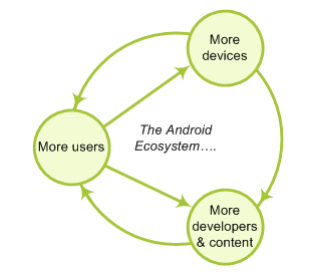
Apple is a closed ecosystem. They have control over every aspect and can restrict access to non-approved applications/content.
Android is an open ecosystem. More devices, more users, more developers and content. Users are unrestricted.
Android
- There are many manufacturers of Android phones, and that includes many options to fit your needs and lifestyle.
- Android is designed to be heavily modified to change the look and feel.
Apple
- The iPhone is the only available smartphone with iOS. Third-parties cannot make their own.
- iOS is static and its look rarely changes.
Variety
Up next are a couple of definitions to help you understand hardware, and then we will look at more in-depth components.
Resolution
Image resolution is easy to understand. It tells you how many pixels an image has.
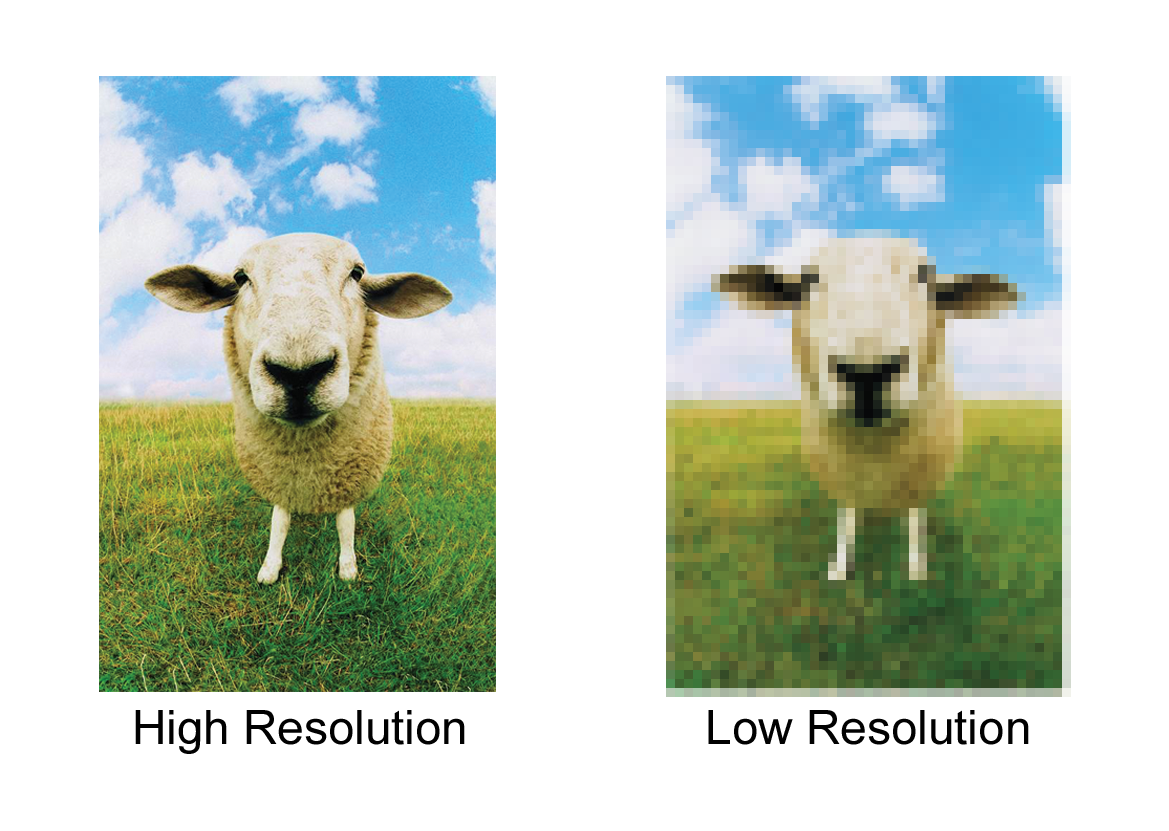
One example of a resolution is 1280 by 720 pixels (shortened to 720p, also known as High Definition)
Higher resolution is always better.
More pixels = better image.
Retina Display
You may have heard of Apple's patented "Retina Display."
It is a marketing term (or buzzword) used to describe screens with a high pixel density, to the point of not being able to notice the pixels.
Pixel Density is measured in PPI (or Pixels Per Inch).
In other words, the higher the PPI, the less pixels you will notice; which means a clear, crisp image.
Retina Display is nothing special, and the next slide will explain why.
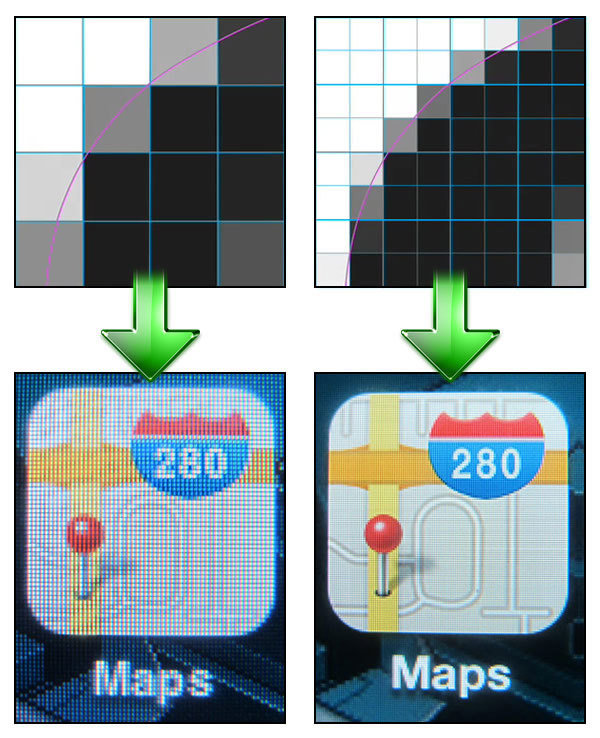
Low PPI
High PPI
Hardware: Display
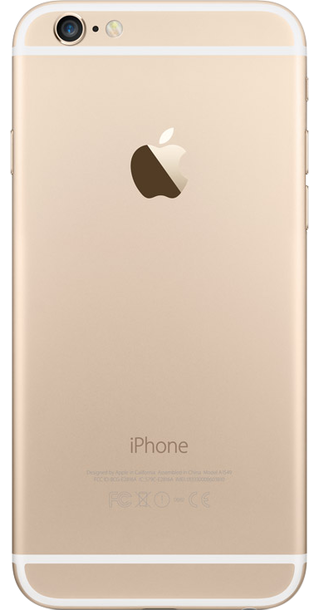
The iPhone 6 runs at a resolution of 1334 by 750 with 326 pixels per inch.
That isn't the best clarity you can get. Most modern displays run at 1920 by 1080.
However, the iPhone 6+ is 1920 by 1080 with 401 pixels per inch.
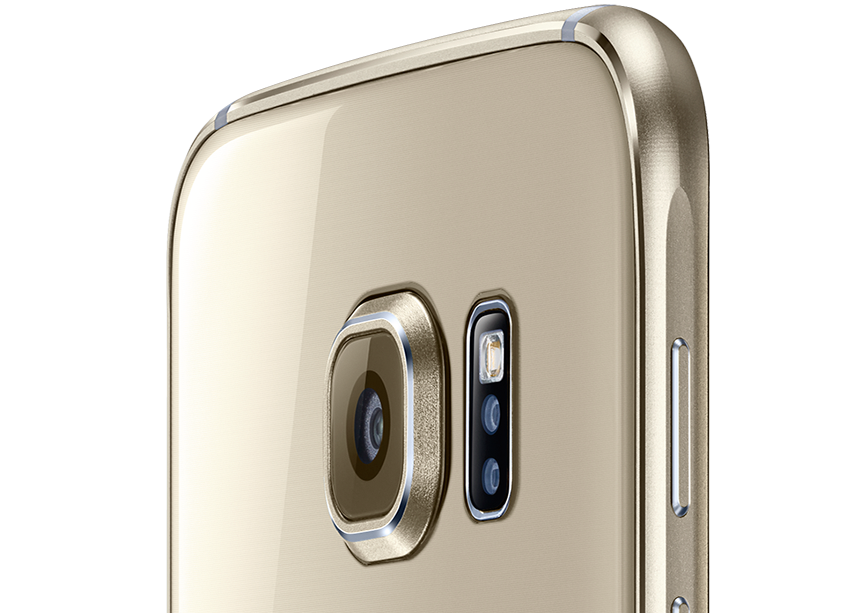
It sounds more acceptable, but Samsung's latest flagship, the Galaxy S6 (and Galaxy S6 Edge), is a crystal clear 2560 by 1440 with 577 pixels per inch and an AMOLED display.
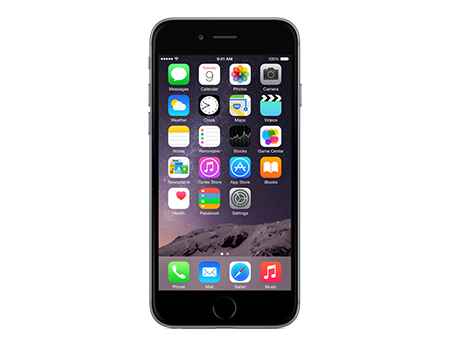
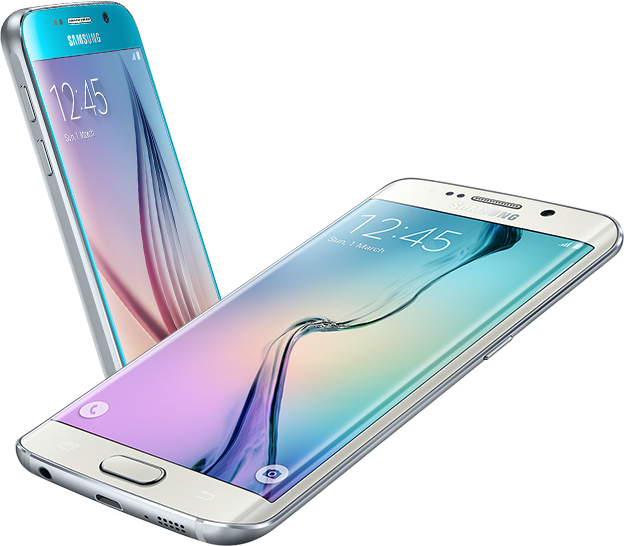
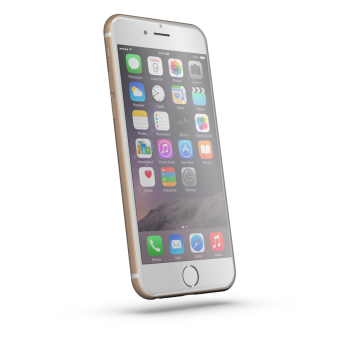
Retina Display doesn't mean anything when it's rival can outdo it!
Hardware: Camera
The iPhone 6 and iPhone 6+ only record video at 1080p, at 30 or 60 frames per second.
The two also have an 8 mega-pixel camera. The higher the better.
Meanwhile, iPhone is left in the dust while the Galaxy S6 boasts a 16 mega-pixel camera and records up to 4K resolution.
That's around four times more resolution than 1080p. It also records at 120 frames per second. Did I mention it has a heart-rate monitor built-in?
Software: Design
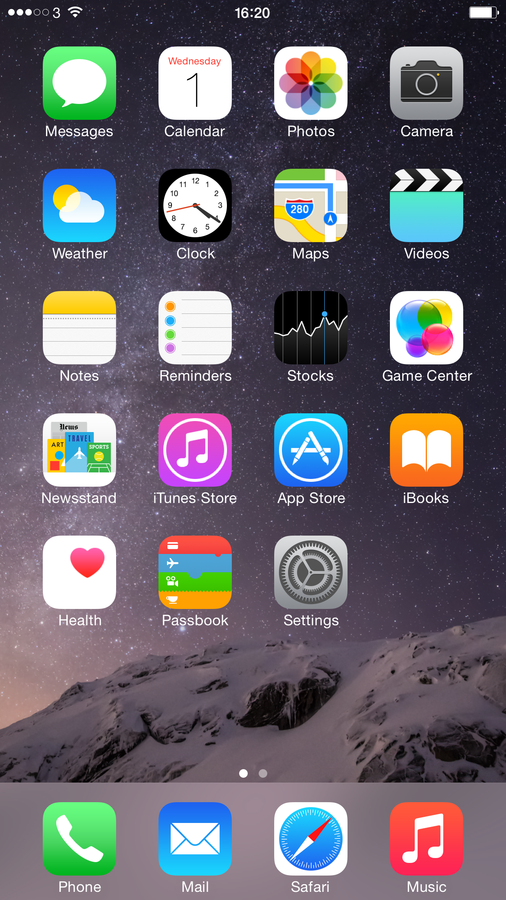
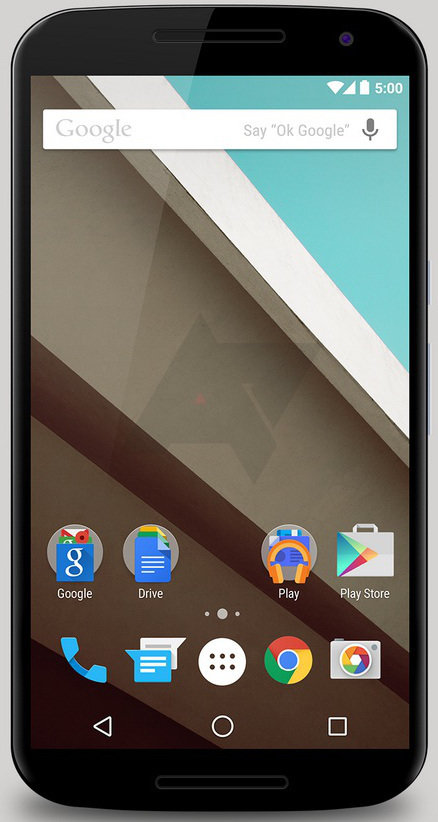
Both iOS and Android incorporate a minimalistic design language.
iOS uses a design called Human Interface.
Android uses Material Design.
It can be a matter of preference in some situations, but overall, Material Design is more fleshed-out and consistent.
Software: Features
iOS is missing out on a few key features that are present in Android.
iOS only has the ability to create a single guest account. Android can create multiple primary accounts.
Android also has more than one appstore compared to iOS. More stores, more apps.
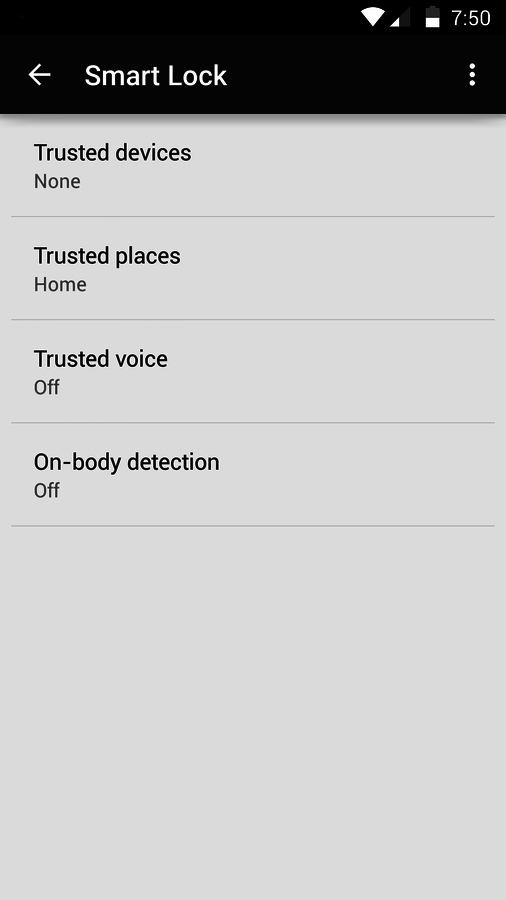
Android also has a larger variety of security features available:
- Trusted devices
- Trusted places
- Trusted voice
- On-body detection


Software: Battery
The most important part of a cellphone is battery life.
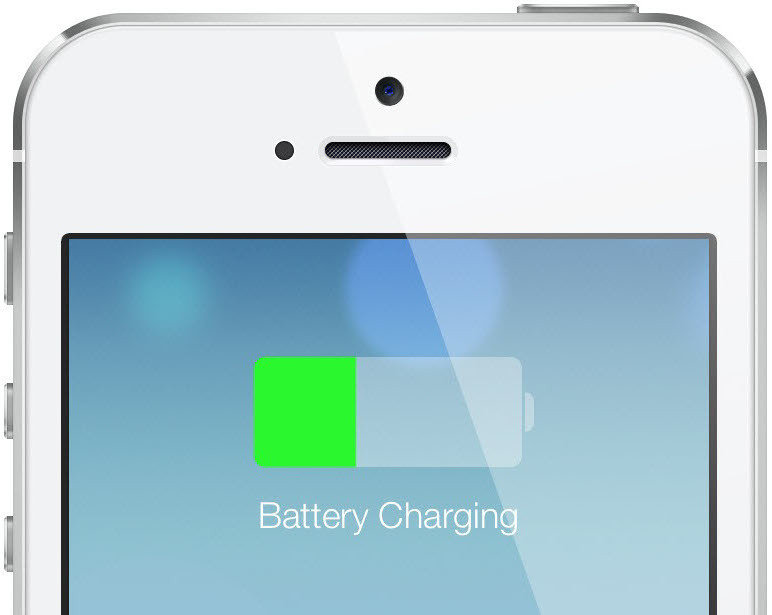
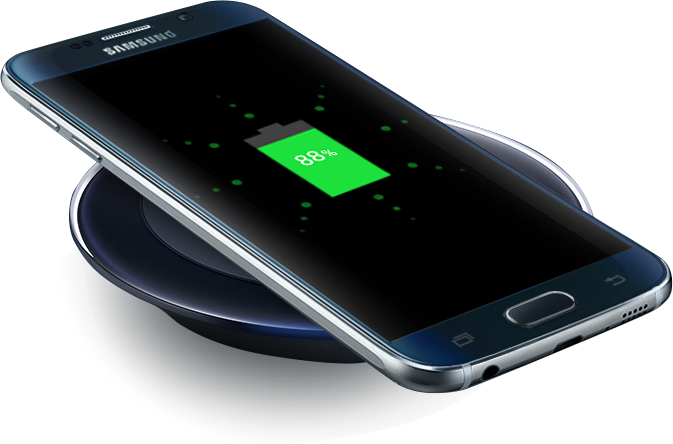
Did you know that Android is very battery efficient? The latest release, Android Lollipop, includes Project Volta.
iPhone 6 Battery: 1810 mAh
Galaxy S6 Battery: 2550 mAh
Conclusion & Sources
-
http://www.gsmarena.com/apple_iphone_6_plus-6665.php
-
www.android-phone-review.toptenreviews.com
- http://www.gsmarena.com/samsung_galaxy_s6_edge-7079.php
- www.forbes.com/sites/gordonkelly/2014/11/07/ios-8-vs-android-5-0-lollipop-review
- http://www.gsmarena.com/apple_iphone_6-6378.php
- http://www.gsmarena.com/samsung_galaxy_s6-6849.php
iOS versus Android
By Tyler Snow