Very Brief intro TO
docker &
Kubernetes (k8s)
February 2024 | Vašek Lorenc
Index
Expectations
What you won't learn today
- how to develop for Docker/k8s
- how to administer k8s
- how to secure these things
What you might learn
- (not-so-simple) basics
- (hidden) complexity of container solutions
- (incorrect) abstractions used
The Beginning
Based on
true story

The Beginning
Production vs Development
- operating system version
- installed packages (versions)
- compiler discrepancies
-
differences in service configurations
- DB tables, schema, ...
-
various production environments
- on-prem, AWS, VPS, ...
- ...
Motivation for containers
Build once, run everywhere
Containers
A bit of history
Not a brand new idea
-
20 years history
- zones (Solaris, 2004)
- wpars (AIX)
- jails (BSD)
- chroot (Linux)
- ...
-
Docker
- released in 2013
- great ecosystem built on known principles
Docker
Three pillars
namespaces
-
logical isolation of resources
- processes, users, network connections, ...
cgroups
-
resource constrains
- memory, CPU, permissions, ...
overlay filesystem
- improved distribution of the images
Docker
Terminology
containers
- isolated/constrained processes
images
- layers
- base image
- parent image
Dockerfile
hub
- (de-)centralized repository for container images
Docker
Dockerfile
Drives building of container images
- stable build process, stable builds
- same recipe works everywhere
# syntax=docker/dockerfile:1

FROM node:18-alpine
WORKDIR /app
COPY . .
RUN yarn install --production
CMD ["node", "src/index.js"]
EXPOSE 3000
DockeR
technical notes
Containers are NOT VMs
- very thin layer between Linux OS and containers
-
you can create a "container" by manipulating a Linux process
- thus, think of them as of processes, it's more accurate
Docker isn't the only containerization runtime
- It's popular, but not the only (or even the best) one
podman,containerd,runC,rkt, ...
Docker
technical INFO
We could go deeper!
-
docker-in-docker (DinD) solutions used
- used for Gitlab runners
- multi-stage docker builds
- "rootless" containers
Mapping resources from the host system
-
containers aren't isolated from external world
- exposed ports
- filesystem objects
- environmental variables
Docker
Security summary
Not going there today
All is great,
problems solved!
Well YES,
but actually
no
Docker
Docker compose
Multiple services needed!
- reverse proxy
- identity management
-
databases
- stateful services in a stateless world
- logging/data analysis
- ...
Docker
Docker compose
Standardized YAML configuration file
- covers all the Docker configuration aspects
- easy to write, easy to understand
- no need to remember all runtime parameters
$ docker compose up webDocker
Docker compose
docker-compose.yml
services:
  web:
    build: .
    ports:
      - "8000:5000"
    volumes:
      - .:/code
      - logvolume01:/var/log
    depends_on:
      - redis
  redis:
    image: redis

volumes:
  logvolume01: {}
All is great,
problems solved!
Well YES,
but actually
no
Kubernetes
The "F" in
Kubernetes
stands for "FUN".
Kubernetes
Sometimes, we need more
-
(auto-)scaling
- and service recovery
-
multiple nodes
- end even mixed cloud environments
- service discovery
- configuration management and secrets handling
- rolling upgrades
- "deployment packages"
- ....
Motivation
microservices!
Kubernetes
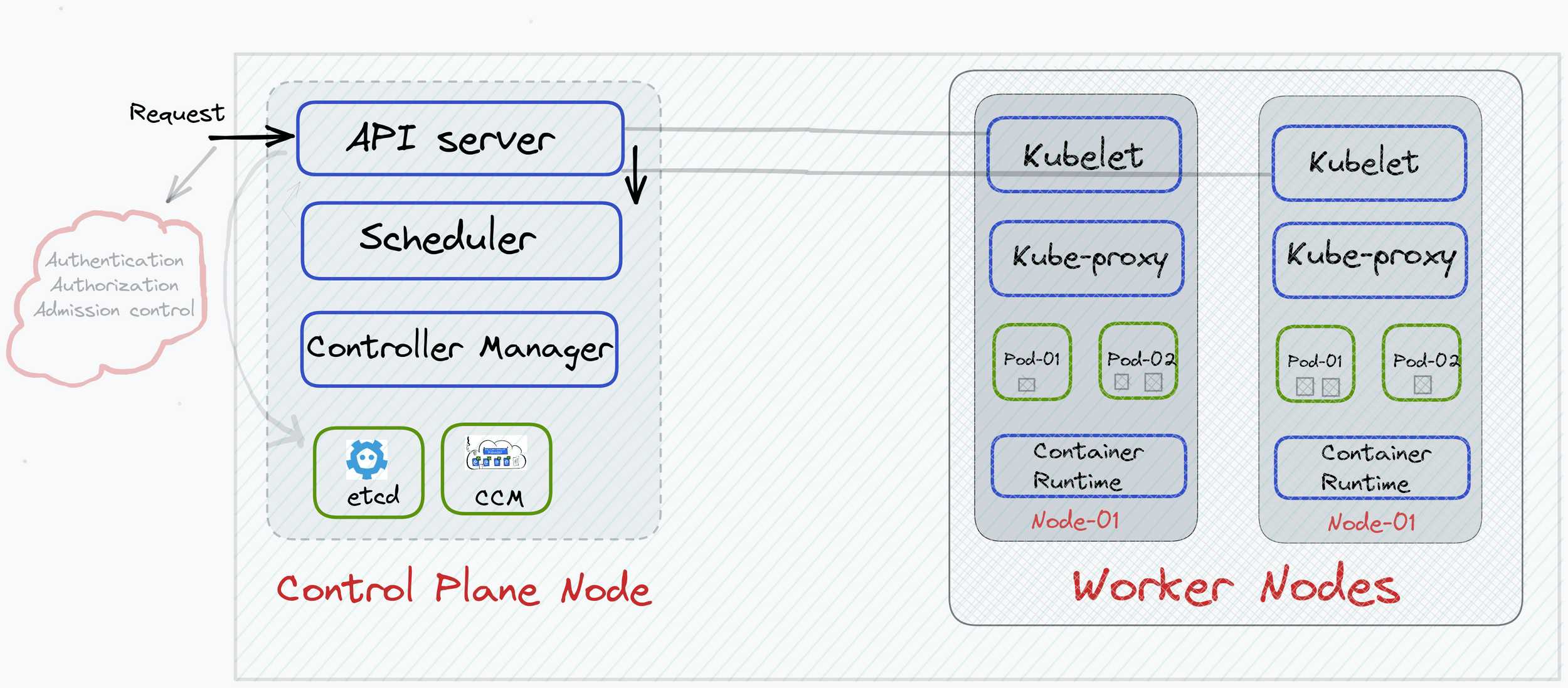
workload
- application/software
pod
- a logically associated set of container(s)
- can share resources (like IP, i/o stack, ...)
node
- a machine, might be virtual
cluster
- set of nodes
(Updated) terminology
scheduling
- deployment
Kubernetes
apiVersion: v1
kind: Pod
metadata:
  name: marcocodes-web
spec:
  containers:
    - image: gcr.io/marco/marcocodes:1.4
      name: marcocodes-web
      ports:
        - containerPort: 8080
          name: http
          protocol: TCP
sample-pod.yml
POD Manifest
Kubernetes
TBD
Kubernetes
Resiliency & Load Balancing
- redundant instances of our application
- load-balancing
- requests handled by multiple instances, not just one
- added resiliency
Replicasets
Kubernetes
apiVersion: apps/v1
kind: ReplicaSet
# metadata:
# ...
spec:
  replicas: 2
  selector: "you will learn this later"
  # ...
  template:
    metadata: "you will learn this later"
      # ...
    spec:
      containers:
        - name: marcocodes-web
          image: "gcr.io/marco/marcocodes:3.85"
sample-pod-replicas.yml
Replicasets
Kubernetes
Resiliency & Load Balancing
- redundant instances of our application
- load-balancing
- requests handled by multiple instances, not just one
- added resiliency
Replicasets
However
- They are app-version specific ==> DEPLOYMENTS
- rolling-updates for the win!
- another gazillion of YAML key-values to learn & use
Kubernetes
Not-so-static (micro)services
- discovering things in a highly dynamic world
- various options
- varies by expected use, protocols, way of working
- even depends on "fanciness"
- but that doesn't surprise you, right?
Service discovery
Kubernetes
"Packages" for Kubernetes
- usually in repos
- makes deployments of easier
- de-facto standard in k8s world when it comes to complex services
Example: WordPress Helm Chart
- Deployment, ConfigMap, Secrets, multiple services, ...
HELM Charts
$ helm install my-release oci://registry-1.docker.io/bitnamicharts/wordpressAnd we are done!
Well YES,
but actually
no
Kubernetes
What else we need to consider/build/maintain/learn?
- auto-scaling!
- various options with varying complexity
- CNI (Container Network Interface)
- welcome to the real hell of networking options
- service mesh
- i'd repeat myself here, you got the point
- authentication
- backend/frontend
- OIDC, JWT, ...
- ...
Aditional components
Kubernetes
What else we need to consider/build/maintain/learn?
-
ingress & egress
- load-balancing, policies, API gateways, ...
-
config maps
- key-value configuration store
-
secrets management
- in AWS, Azure, HashiCorp Vault, ...
-
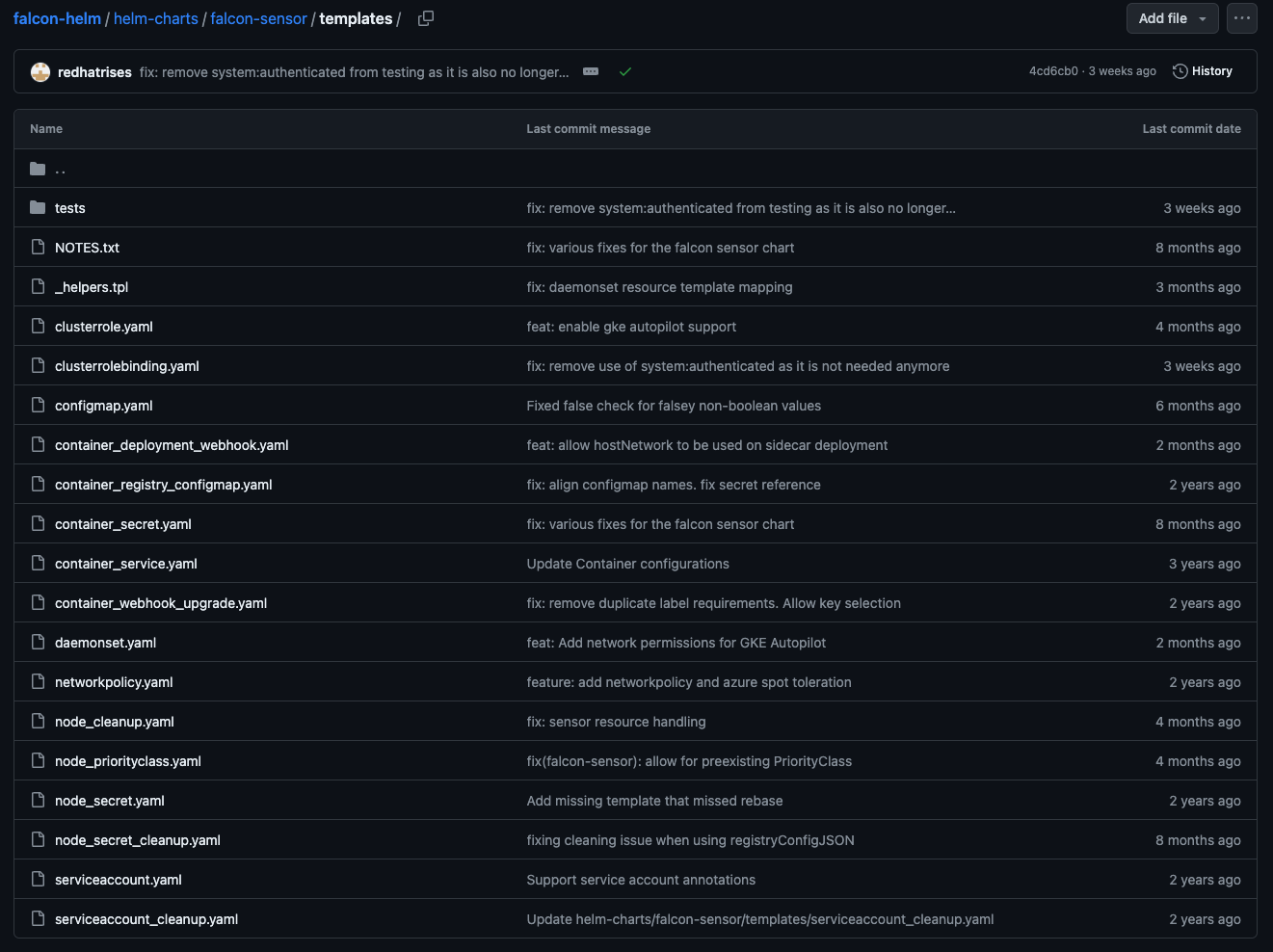
daemonsets
- CrowdStrike Falcon is deployed like this, for example
- ...
Aditional components...
Kubernetes
What else we need to consider/build/maintain/learn?
- sidecar containers
- another way of running CrowdStrike Falcon in k8s
- GitOps
- aka integration with some Gitlab/Github solution & workflow
- problems with stateful applications
- aka databases
- and security! :)
Aditional components...
Kubernetes
Crowdstrike sensor Helm chart
Kubernetes
Kubernetes at HERE
DP Stratus
-
AWS orchestrated -- Amazon Elastic Kubernetes Service
- and probably hybrid
-
single OIDC provider
- plus some magic to be compatible with the old solution
Current DP
- AWS hosted (
walle_p,dl_p,borg_p) - using AWS components
- multiple OIDC providers
Kubernetes
Containers are not VMs.
things to remember
Neither are kubernetes pods.
Kubernetes
Kubernetes isn't terraform.
things to remember
Kubernetes
Security &
BEST PRACTICEs
Further topics
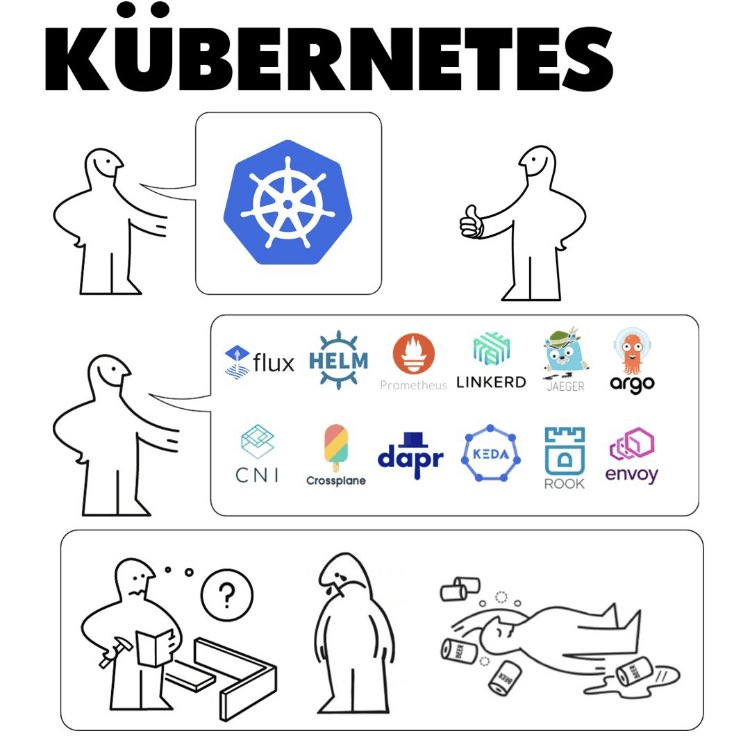
KÜbernetes
Press F for fun.
Brief intro to Docker & Kubernetes
By Vašek Lorenc
Brief intro to Docker & Kubernetes
This is my attempt to prepare a simple introduction to the complexity of Kubernetes (and Docker) for my colleagues from security team.