Gangstas Wankstas
Ridahs
defining, developing, and supporting effective teachers in urban schools
Background
Equal education is the same education for everyone; this is not equitable. Quantitative assessments are common for equal education.
Context
Equitable education focuses on the needs of the community. Qualitative assessments are emphasized for schools and classrooms
Research Question
What makes a great teacher in urban schools? How can others learn from them?
Methods
Observed the practice of teachers through classroom visits, video lesson study and group discussion.
Argument:
There are similarities between the teachers that are consistently effective. Likewise, there are similarities between the teachers that find themselves regularly facing cultural conflicts with students.

Gangstas Wankstas
Ridahs
Which one are you?
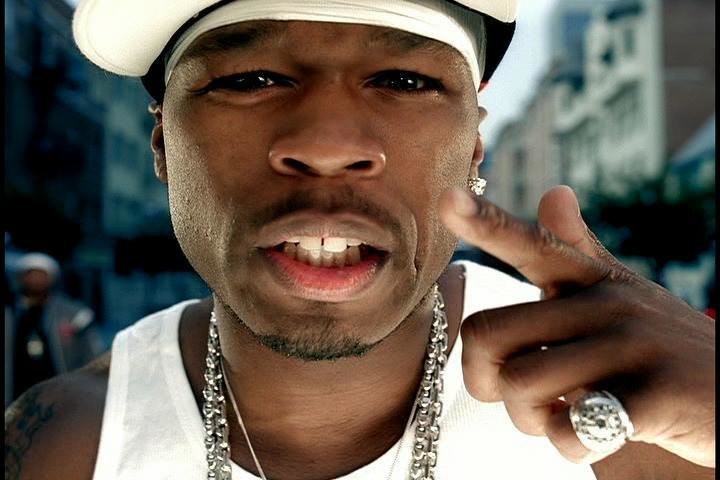
Gangsta
- Against the community
- Yes: Zero-tolerance
- For Tracking
- Bully you in meetings
Wanksta
- Want to protect themselves
- Give up on being a dope educator easily
- Talk about wanting to help students, but...
- Avoid taking emotional risks
- Blindly follow the latest curriculum
Ridahs
- Risk deep emotional involvement
- Uncommitted to larger school structure
- Stays in "failing schools" b/c that's where their people (students) are
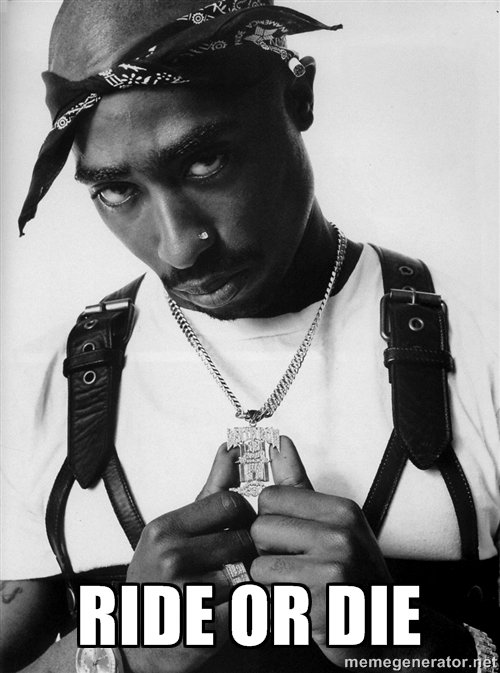
5 PILLARS OF RIDAHS
- Critically Conscious Purpose
- Duty
- Preparation
- Socratic Sensibility
- Trust
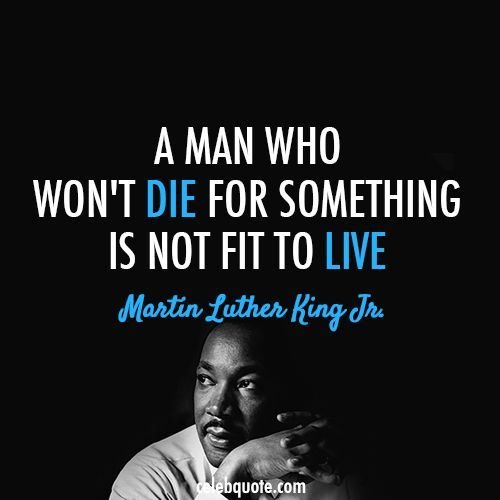
using your pillar
Design a professional development Prompt or discussion question for New teachers
Conclusion
Focus on raising the human element of educational attainment that most schools pay little attention to measuring
positive self-identity, purpose, and hope
References
Duncan‐Andrade, J. (2007). Gangstas, wankstas, and ridas: Defining, developing, and supporting effective teachers in urban schools. International Journal of Qualitative Studies in Education, 20(6), 617-638.
Gangstas Wankstas Ridahs
By Vanson Nguyen


