Bleeding Kansas
The pitfalls of popular sovereignty
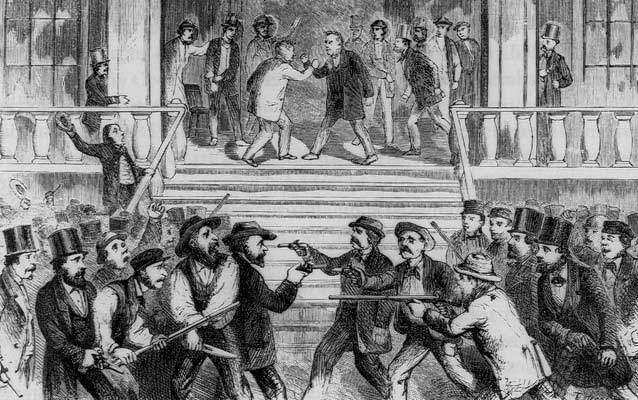
Kansas plunged into mayhem and civil war when the people could not decide if Kansas should be a slave state or not.
| Date | Event | Description |
|---|---|---|
| 1854 | Kansas-Nebraska Act | Allowed voters to determine whether Kansas would allow slavery. |
| 1855 | Wakarusa War | Skirmish resulting from the murder of an anti-slavery settler. |
| 1856 | Sack of Lawrence | Attack on the city of Lawrence by pro-slavery advocates. |
| April 1858 | Battle of Paint Creek | Montgomery (free states leader) and troops fight US Army at Fort Scott |
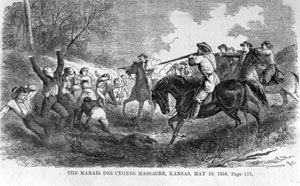
| May 1858 | Marais des Cygnes Massacre | pushed pro-slavery from Linn County, cause 11 free-staters to be put in a ravine: last major outbreak |
TIMELINE
the close
in july 1859, a free state constitution was adopted. this stayed in place for many years and affecting the united states on a large scale. kansas applied to be part of the union, but could not pass until the confederate states had SECEDED.
IMPACT
-
indicated a bloodshed to come
-
height of political turmoil before the war
-
in the Civil War Kansas would have one of the highest amounts of deaths because of the internal turmoil that plagued the state.
-
Also indicated the first time popular sovereignty was used.
We were not mistaken in asserting, on Saturday last, that the Hon. Preston S. Brooks had not only the approval, but the hearty congratulations of the people of South Carolina for his summary chastisement of the abolitionist Sumner."
-South Carolinian (1856)
No meaner exhibition of Southern cowardice -- generally miscalled Southern chivalry -- was ever witnessed."
-Tribune (1856)
Who was involved
Free Staters: leader was James Montgomery
Abolitionists: some not worried about the slaves, but did not like the fact that plantations took up land and didn't allow them to have homesteads
Pro-slavery: were happy about the Kansas-Nebraska Act, and started to move to Kansas to vote for slavery
the
civil
war
- First shots often mentioned as first bloodshed of the Civil War.
- The outcome of Bleeding Kansas left Northerners happy, and Southerners disappointed.
- Heightened tensions about slavery.
- One of only battles that was purely related to slavery.
the
civil
war
- One of the main factors that spurred the Civil War.
- Abolitionists and slavery supports fought directly through shockingly violent means.
- Nationwide divisions among the people.
- Blood shed on small battles quickly escalated, causing large issues.
- Both sides inflated and exaggerated their death numbers to gain sympathy.
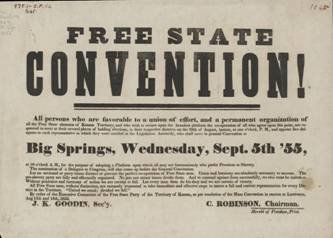
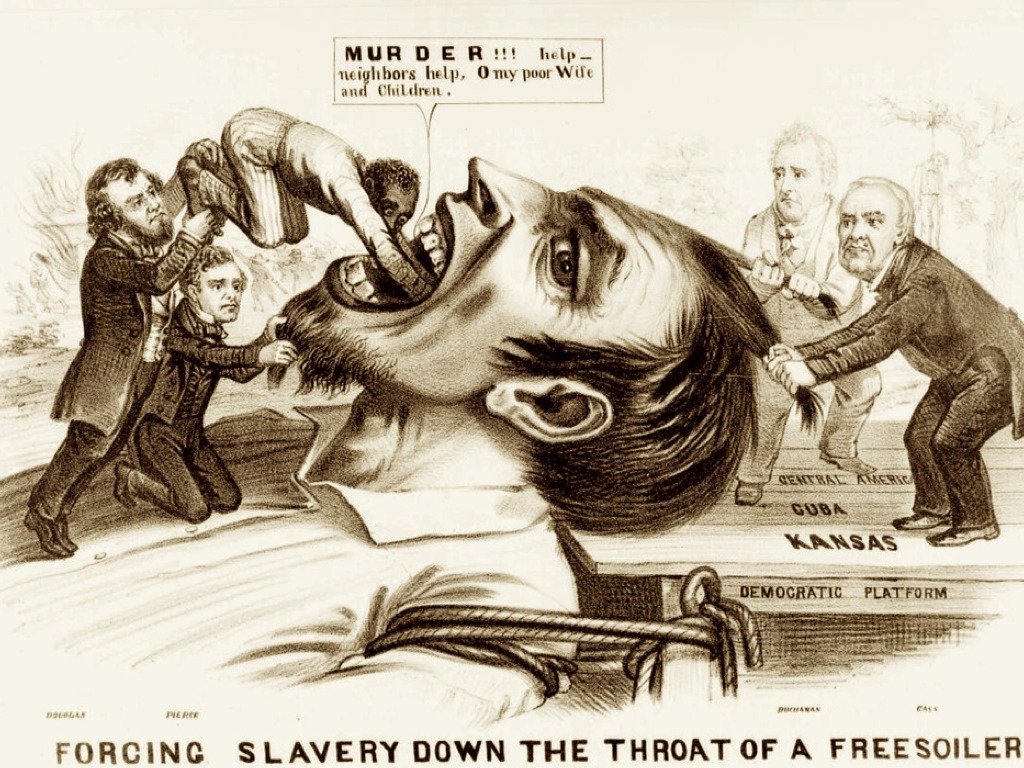
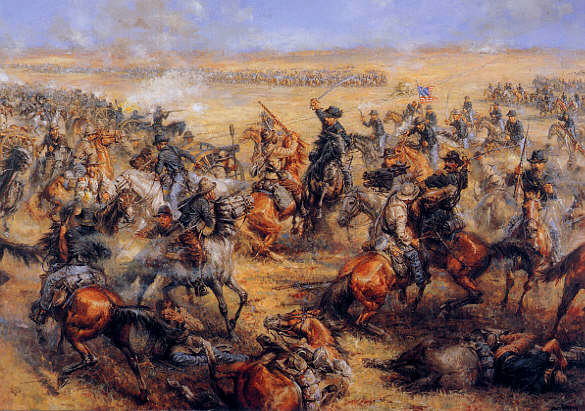
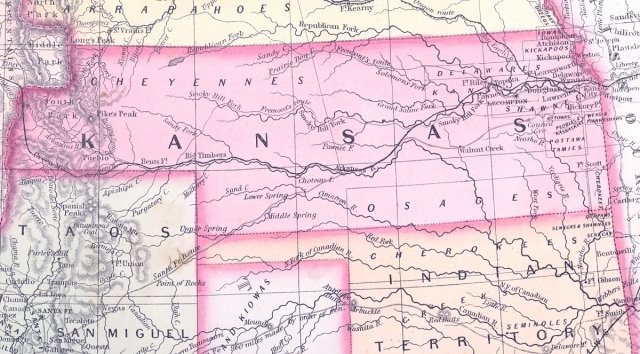
Bleeding in Kansas
By vchoung2