The Bean Eaters
By Gwendolyn Brooks
Present By
Elle Cheng, Victoria Chen, Winnie Yuan
Page 1345
The Bean Eaters
Gwendolyn Brooks, 1917 - 2000
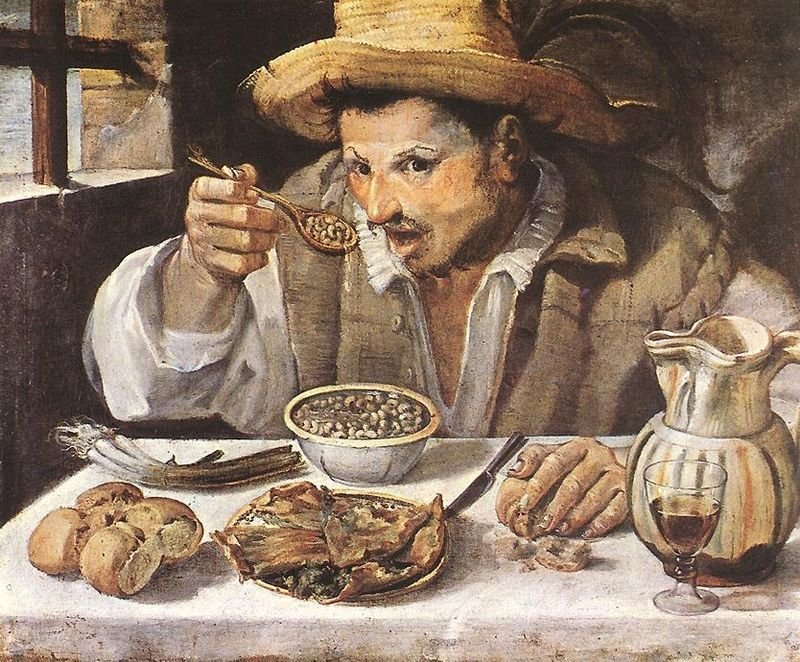
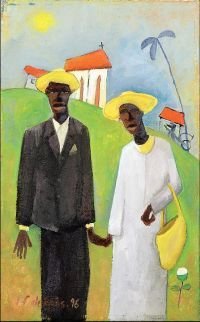
They eat beans mostly, this old yellow pair.
Dinner is a casual affair.
Plain chipware on a plain and creaking wood,
Tin flatware.
Two who are Mostly Good.
Two who have lived their day,
But keep on putting on their clothes
And putting things away.
And remembering . . .
Remembering, with twinklings and twinges,
As they lean over the beans in their rented back room that
is full of beads and receipts and dolls and cloths,
tobacco crumbs, vases and fringes.
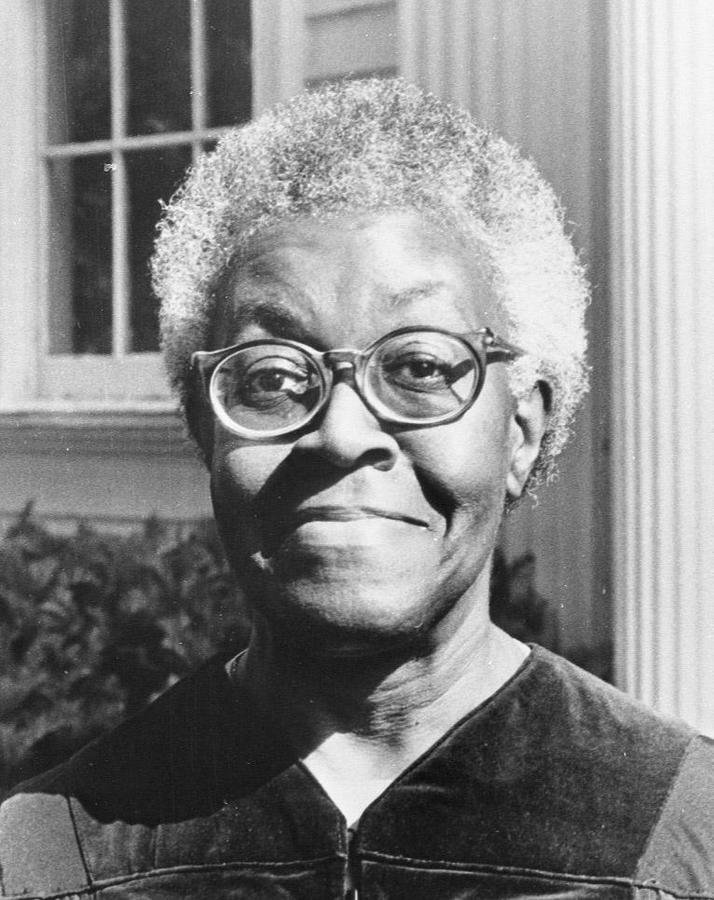
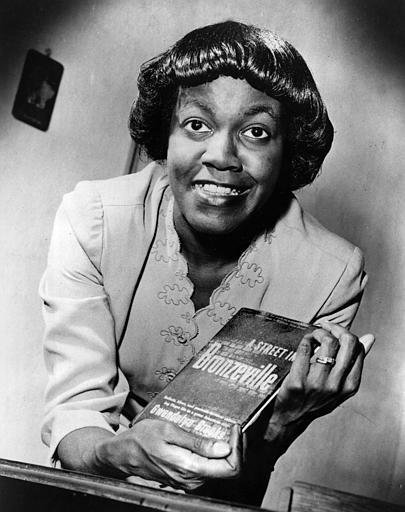
Gwendolyn Brooks

- Born in Topeka, Kansas
- 1917-2000
- Raised in Chicago
- American poet and teacher
- First African American person to win a Pulitzer prize for poetry (1950 for her second collection, Annie Allen)

She explores the racial and economic tensions in Chicago’s South Side neighborhood.
She became more interested in the political climate of the Civil Rights Movement.
Focuses on racism, poverty.
It focuses on social isolation and the terrible economic situation of an old couple who had to eat beans every single day.
It shows how people lived in the most terrible circumstances that beans are all they can afford.
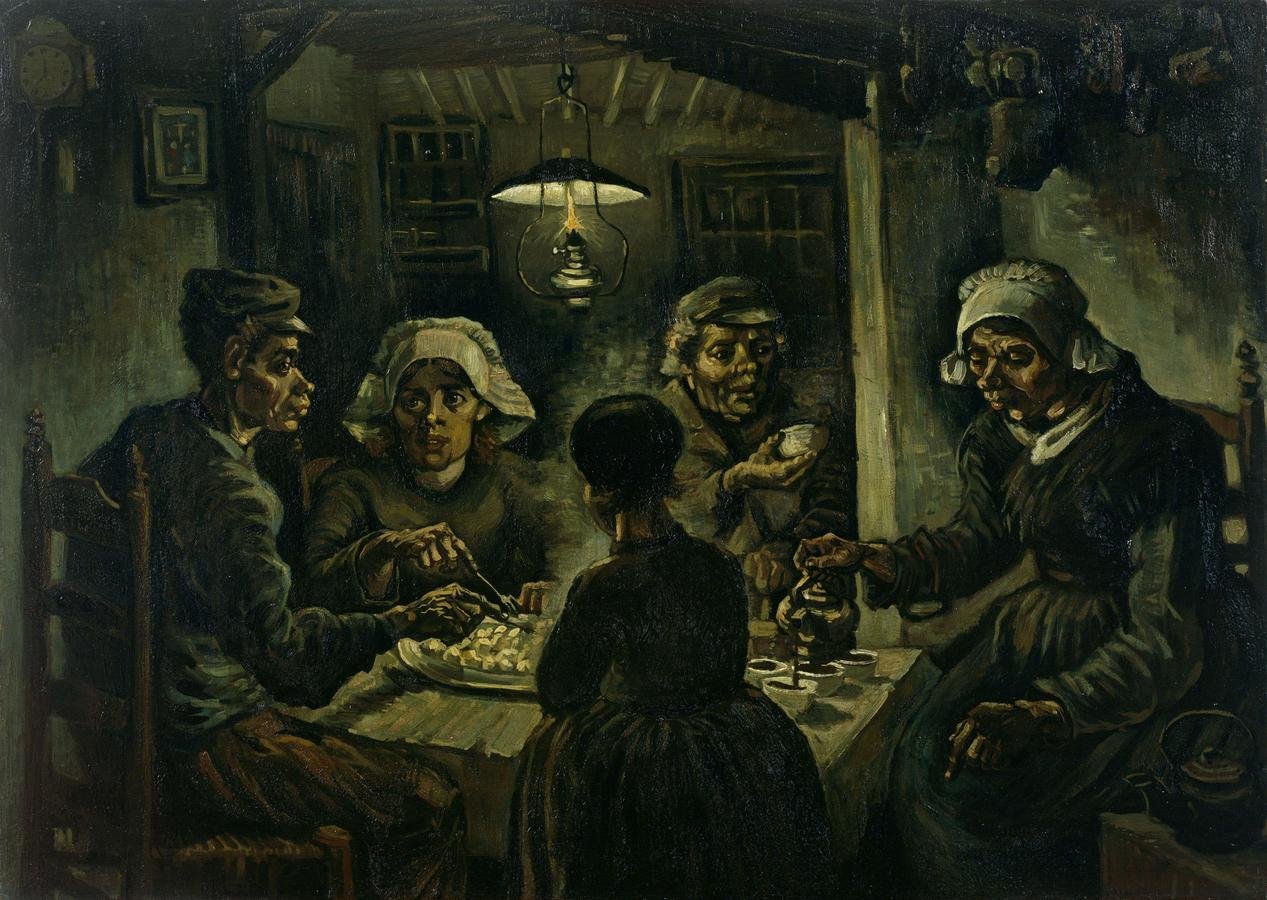
Vincent van Gogh
Rhyme scheme: AABA BCDC EFDF
Free Verse
The lack of meter reflects the simplicity of the couple in the poem and their straightforward, familiar lives

Repetition
The repetition implies that beans are staple in the couple’s diet because of their financial circumstances, not necessarily choice.
Alliteration
twinklings and twinges
Assonance
beads and receipts and dolls and cloths,
tobacco crumbs, vases and fringes.
The repetition of the number tells the reader that the couple are a party of two and that they are the only members of their social circle.
Using "remembering" twice in the last stanza, giving the reader the impression that the couple’s entertainment comes from reminiscing about their past “with twinklings and twinges.”
They remember both the good and bad times from the past, which were the important memories for them.
STANZA1
Line 1
The old couple eats beans everyday because they can’t afford anything else.
“Yellow” makes us guess that they’re probably black, since Brooks tends to write about the black community in Chicago’s South Side.
Lines 2-4
The dinner is “casual” because they can’t afford anything else.
Chipware are plates that are old and broken that placed upon the “plain” table.
Emphasis the word “plain” twice that they’ve always plain, useable things.
4

STANZA 2
Line 5
“Mostly Good”, it’s like making up official moral categories of people
It could possibly means that they are friendly, and appreciating their life together.
Lines 6-8
This shows that they have nothing else to live for but each other, because they have already lived through the best times of their lives and they live the same day by day with each other.
4
STANZA 3
Lines 9-10
Brooks emphasis the word “remembering” as the old couple spend their time remembering what happened before.
They remember both the good and bad times from the past, which were the important memories for them.
Line 11
The old couple’s life is full of trinkets and tokens from their past life.
Their rented room is their memories of better times.
All they have left are only the memories and regrets.
4
The Bean EatersBy Gwendolyn Brooks
By Victoria Chen