HRI
Yang^2
16/12/2015 (W)
Problem Statement
How to gracefully resolve ‘challenging topics/moments’ in human-robot interaction/conversations
Zara
Off-Topic
Papers
Zara
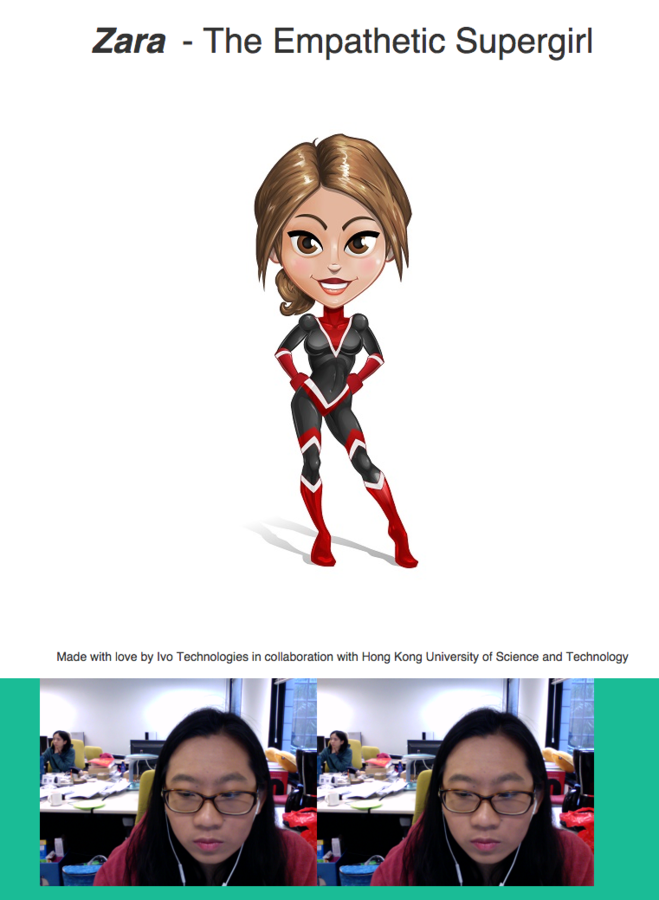
Zara Conversation Script
0. Figure out gender, smile/not, language preference
1. Early childhood memory
2. Biggest challenge at work
3. Story of a dog, a man, and a tree
4. Liking Zara
Conversation Tree
My thoughts:
- The current order of the questions being asked (it starts out being very personal)
- Layering questions from innocuous to depth
- Arthur Aron et al (1997) The Experimental Generation of Interpersonal Closeness
- The 36 Questions (NYT)
- Layering questions from innocuous to depth
- Anticipating where the conversation breakers will be:
- Tree, dog, man
- Challenge
Potential Looks
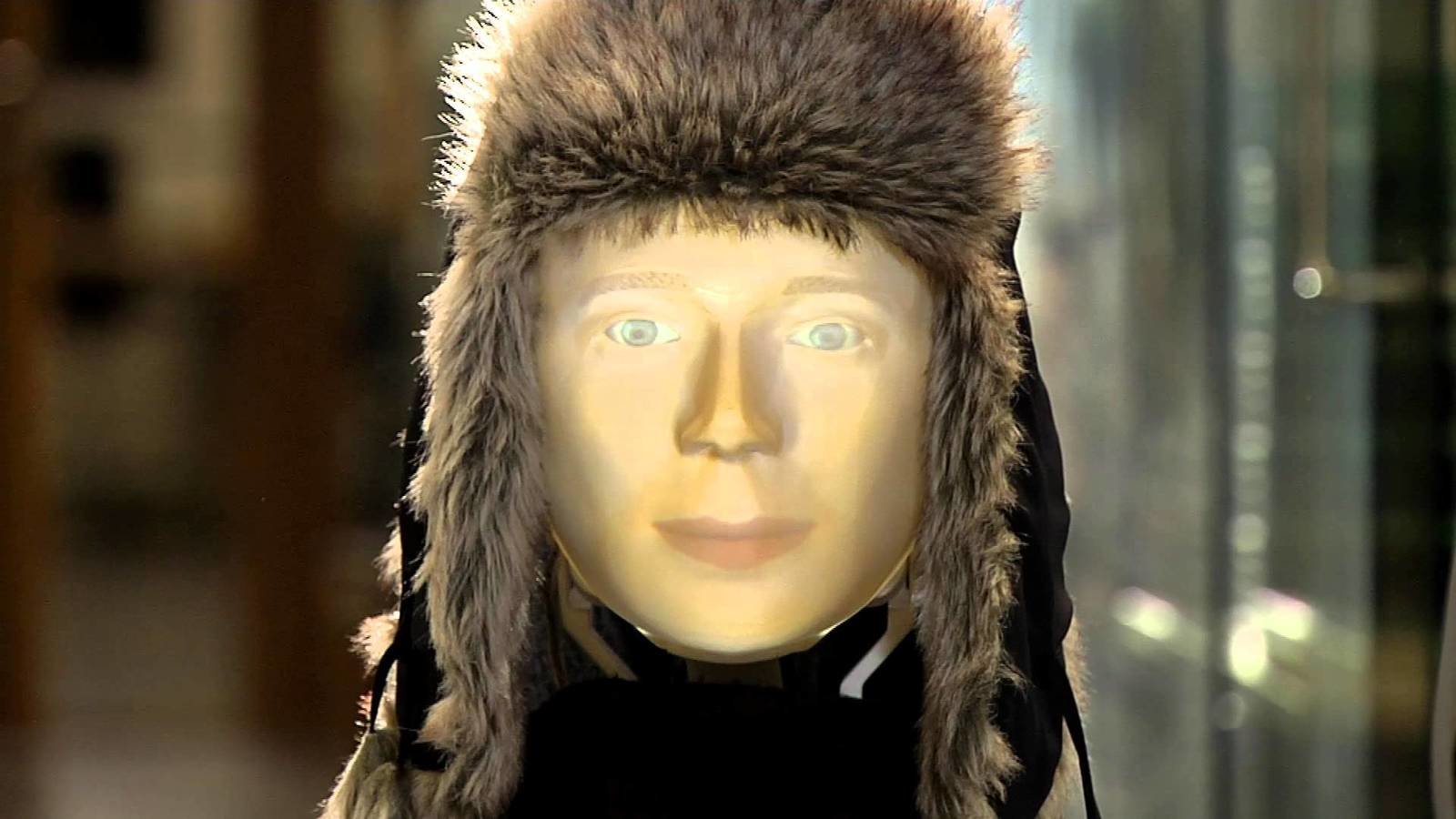
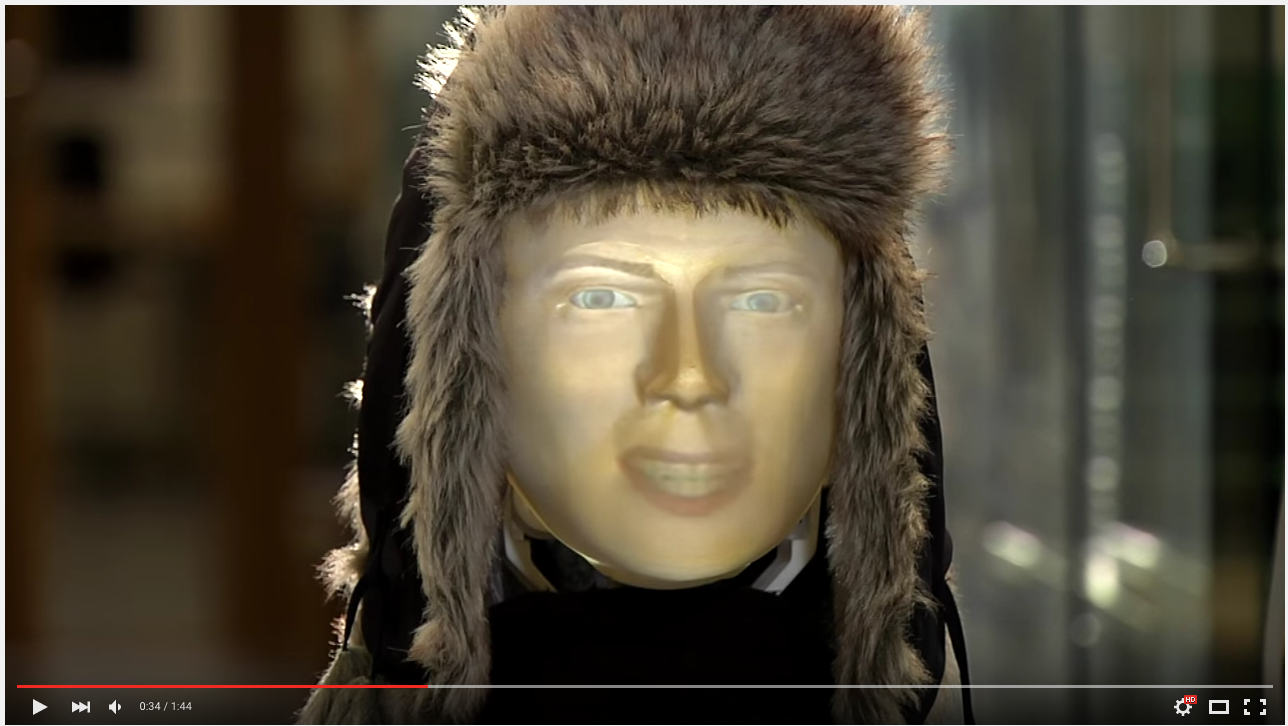
FurHat Robot (*unconfirmed)
Features:
- back projected robot hat
- 3D animation displayed from a projected in the neck to a mirror in the head
- The plastic mold is shaped exactly like the 3D head
- Rich facial expressions 0:33-34
Going off topic
What does going off topic mean?
What are some examples of going off topic?
Why do people go off-topic?
How do machines and humans deal with going off topic?
Define going off topic
Irrelevant to the subject in question
What are examples of Going off topic
- Going off a tangent
- Changing subject matter
- going deeper into an irrelevant subject
Phrases that indicates going off topic:
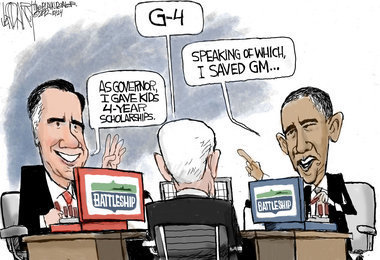
- "speaking of which..."
- "by the way..."
- "Oh, you know..."
Why do people going off topic with...
- avoidance
- misinterpretation and miscommunication
- message heard was not decoded correctly
- message sent was not framed properly
- emotional discomfort
- past trauma, psychological distress
- too intimate (oversharing)
- context: too loud, speaker is too soft, language capabilities, cultural sensitivity
What are cues to intentionally and unintentionally going off topic?
Humans
Machines
- Challenge
- Outsmart
- Curiosity
- about the limits
- what the robot can and cannot do
- how do robots differ from humans
- Break the machine
- Defensive
- Avoidance
How to deal with off-topics
When an error occurs:
"Sorry, I don't understand"
"System Error"
"Please try again"
Or simply continue with the coded program
Ignore the problem: "Ok."
Humans
Remediation:
Remind the person of the original topic
Guide person back to the conversation
-- Finding Nemo's Dory
Avoidance:
Go with the flow
Pretend and play along
Machines
Socially Intelligent Robots: dimensions of hri
Kerstin Dautenhahn
Key Components
- Dimensions of HRI
- Requirements on social skills for robots
- Conceptual space of HRI studies
- 2 HRI research
- the development of a cognitive robot compansion
- robotiquette: social rules
- educational/therapeutic toys for autistic children
- concept of interactive emergence in human-child interactions
- different types of play
- examine different paradigms regarding social relationships of robots and people
Nature of AI
- Dimensions of HRI
- Requirements on social skills for robots
- Conceptual space of HRI studies
- 2 HRI research
- the development of a cognitive robot compansion
- robotiquette: social rules
- educational/therapeutic toys for autistic children
- concept of interactive emergence in human-child interactions
- different types of play
- examine different paradigms regarding social relationships of robots and people
HRI
By Y Yang
HRI
Clarifying the problem space and insights from reading the academic papers