




Mike Nason PRO
Open Scholarship and Publishing Librarian @ UNB Libraries // Metadata Nag and DOI Wrangler @ PKP // General Loudmouth and Malcontent
ZINE MAKING AND THE RADICAL POSSIBILITIES OF PUBLISHING
ARTS MATTERS, 2026
OPEN SCHOLARSHIP & PUBLISHING LIBRARIAN
MIKE NASON
LOVINGLY ADAPTED FROM ZOE WAKE HYDE'S WORKSHOP, "OWNING THE MEANS OF PRODUCTION"
we're buds, it's cool.
covered (in tribute)
i'm gonna to talk at you for a bit about what academic publishing even is in the first place... what it means for students (that's you) and what it means for the very tired people who teach students. then...
we're gonna look at what publishing can mean when you do it yourself.
we're gonna look at some zines.
we're gonna make some zines.
you'll have "published".
this is just the publishing part. they also need to apply for grants and manage research projects, maybe manage some students/staff, and wrestle with a lot of bureaucracy.
most of your professors spend their time outside of the classroom doing research and then publishing the results of that research.
what they publish is different, depending on the discipline and the particulars of their field.
this makes it sound like i'm lowkey admitting to having a second family and i just want to assure you that this is not the case.
surprisingly, this stuff all matters more, usually, to their career than the teaching part. they need to publish important research in good journals. they need to publish or perish.
it's like they have a second family you don't really know a lot about.
and, presumably, like having a second family, it's a lot of work to balance.
and publishers do these things:
researchers do a huge amount of the work of publishing and they do it "for free". it's considered part of their job as researchers that they're paid for by their day job (regardless of whether or not they do). they're not paid by publishers. they do:
single journals can cost thousands of dollars for a subscription.
and, increasingly, major publishers journals are making authors pay to publish.
so then what major publishers do is they sell access to that work back to researchers to read, at a high price! it might be weird for you to learn that the journal articles you comb through for a peer-reviewed source for a paper not only represent probably years of work by people like your profs (and a year just to go through submission to publication), but also that you can mostly access this stuff because the library pays over $2.5 million.
a lot of what you read in school probably comes from these five major publishers who are responsible for something like ~50-70% of the world's published research (depending on the discipline):
but because academia is so tied to publishing and the prestige economy that surrounds it, they're a captive audience for these publishers.
there's a lot of cool stuff happening too! and lots of ways to share your research with different communities.
there are a growing number of independent, open access journals looking for new ways to fund the publication of research and change things up.
but, what we know either way is that such publications had a profound impact on society and communities.
regardless of whether or not you're going to keep moving along in a career in academia or you want to just get the letters and run, know that talking about your work/experience/research has value.
and, with that, let's do some expression ourselves and make some zines, hey?
it's a little incredible how much you can do with a single sheet of paper!
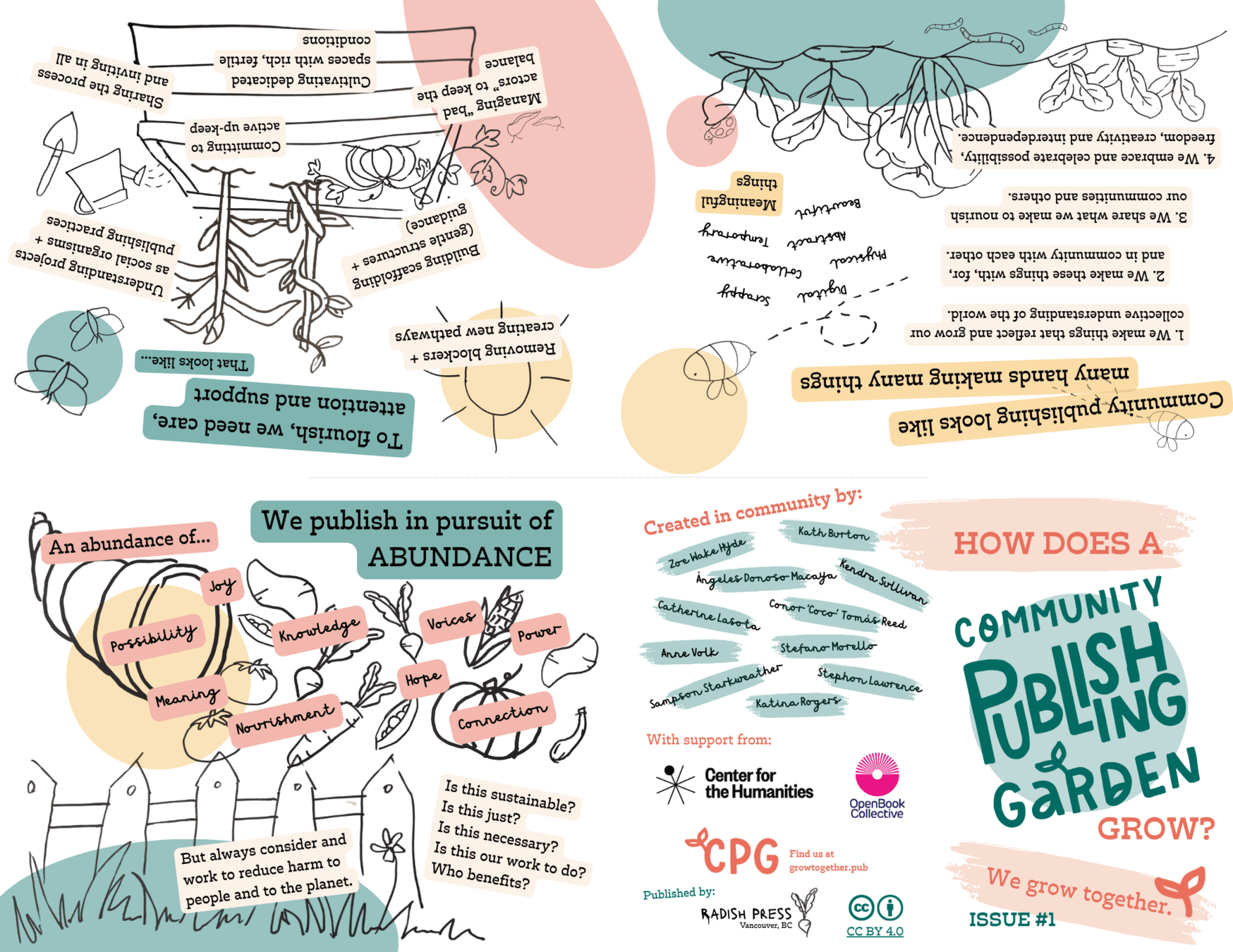
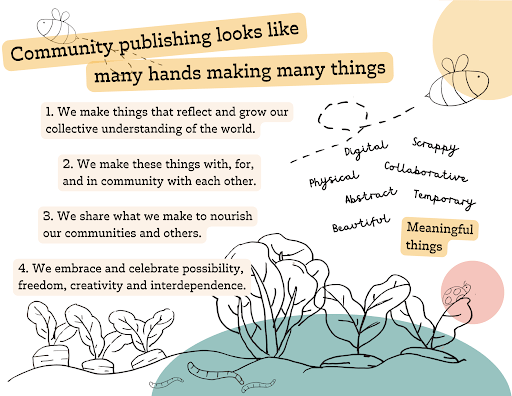
developed collaboratively with workshop attendees, reflecting on community publishing as a concept.
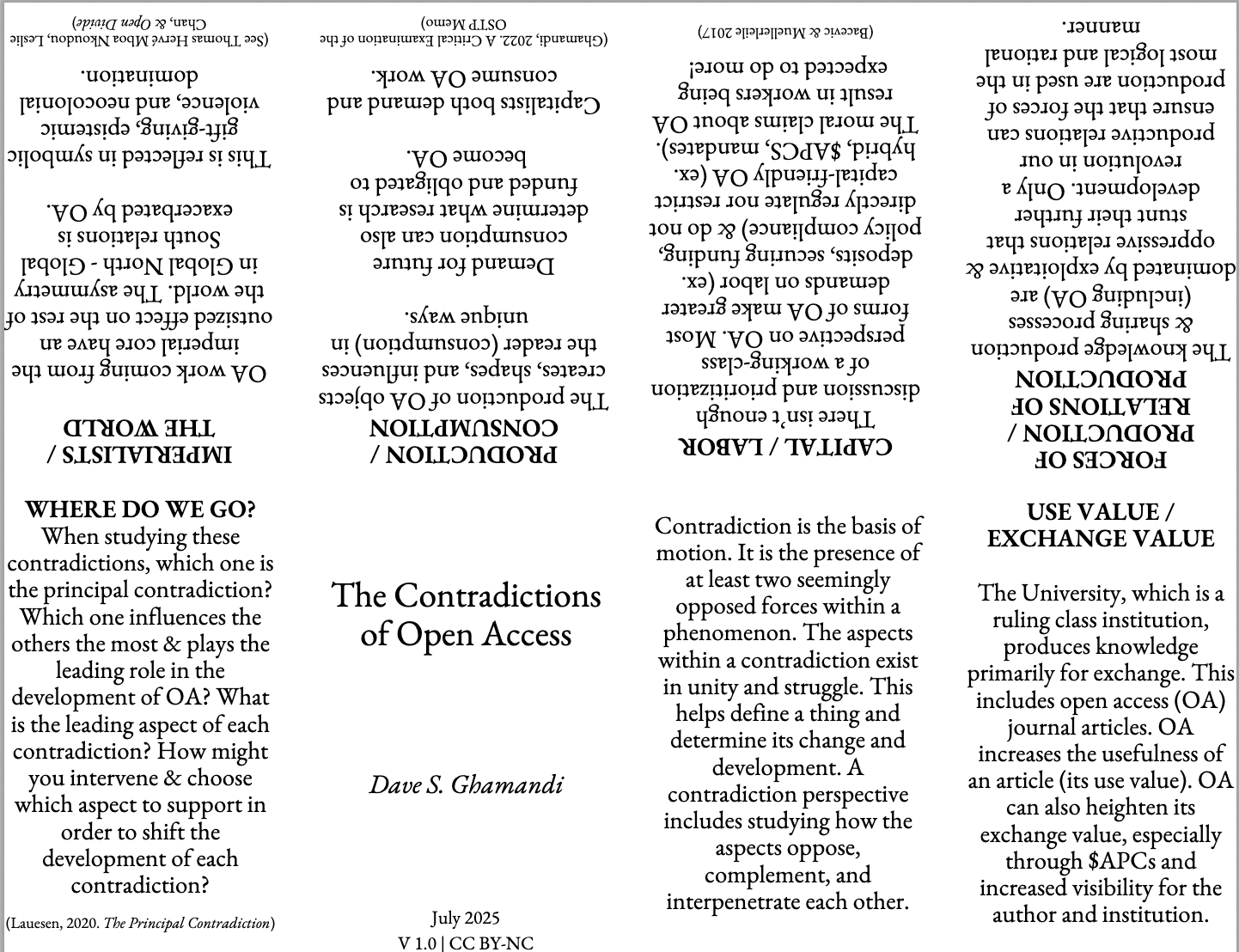
created in canva, using hand drawn sketches and free design elements.
example one!
you can play with format a bit
if you plan things out a bit, this section would span two panels
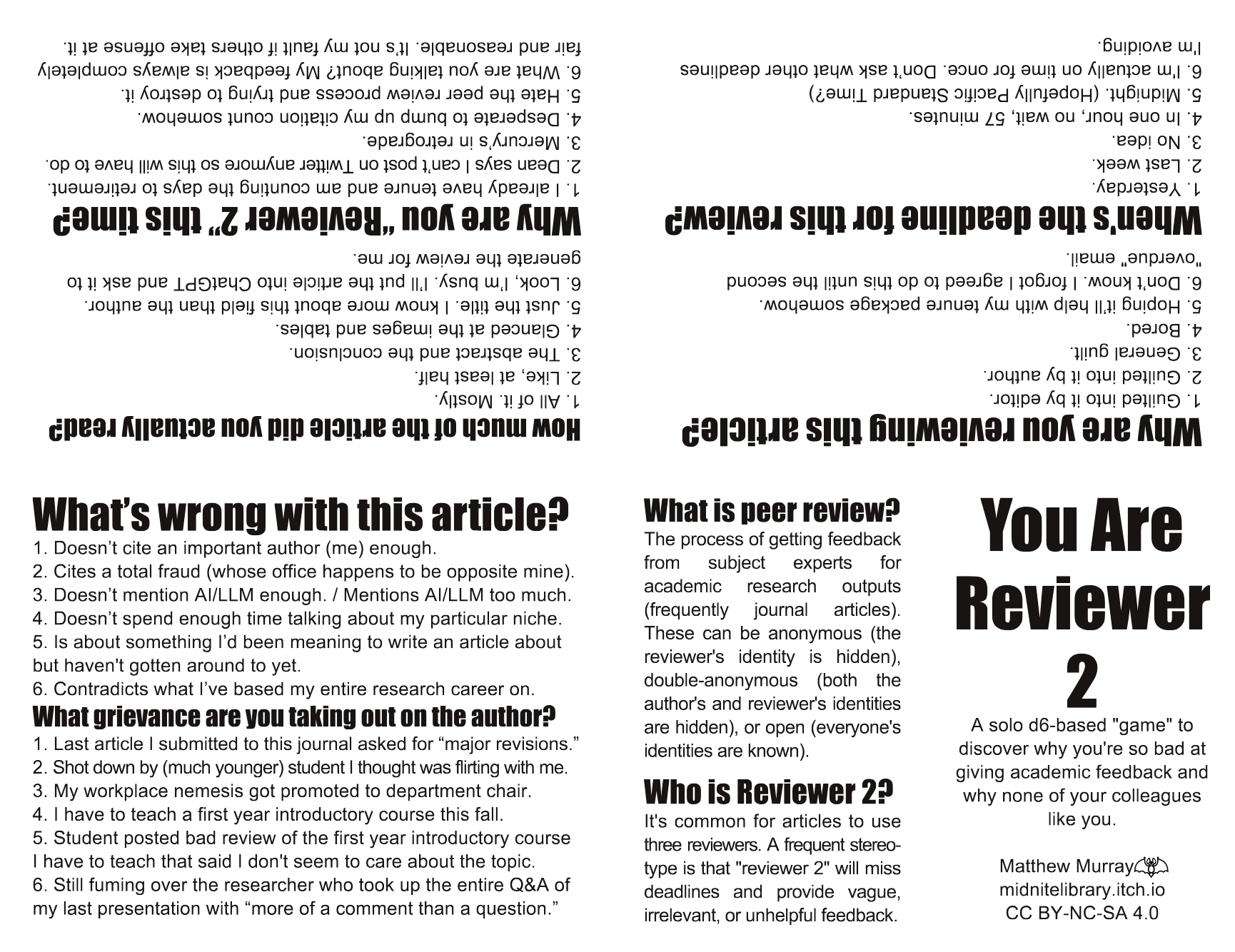
"you are reviewer two", a solo d6-based game to discover why you're so bad at giving academic feedback and why none of your colleagues like you. In 8-page minizine format!
created by
matthew 🦇 murray
example two!
example three!
second option | a reflection of something neat/bewildering from your research and classes.
think of class or reading that has stuck with you. did it connect with your experiences? was there a new-to-you idea shared? how did it make you feel?
first option | a reflection of your experience throughout arts matters.
think about your own experiences at this conference; sharing ideas, and being in community with others. is there something that stands out? a project you’re working on? an idea you want to pursue? something you heard about that you're inspired by?
what kinds of interesting stories could you tell in 6 panels? imagine you had to make a zine instead of writing a paper.
what could publishing look like if research was more community-driven and accessible to the public?
what kind of publications do you use when you're writing papers? do you ever think about how they came to be?
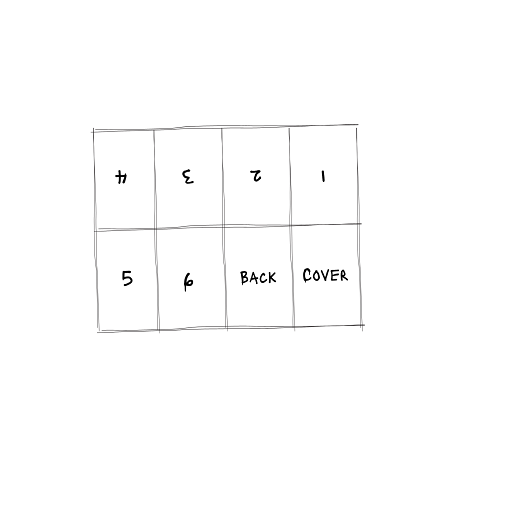
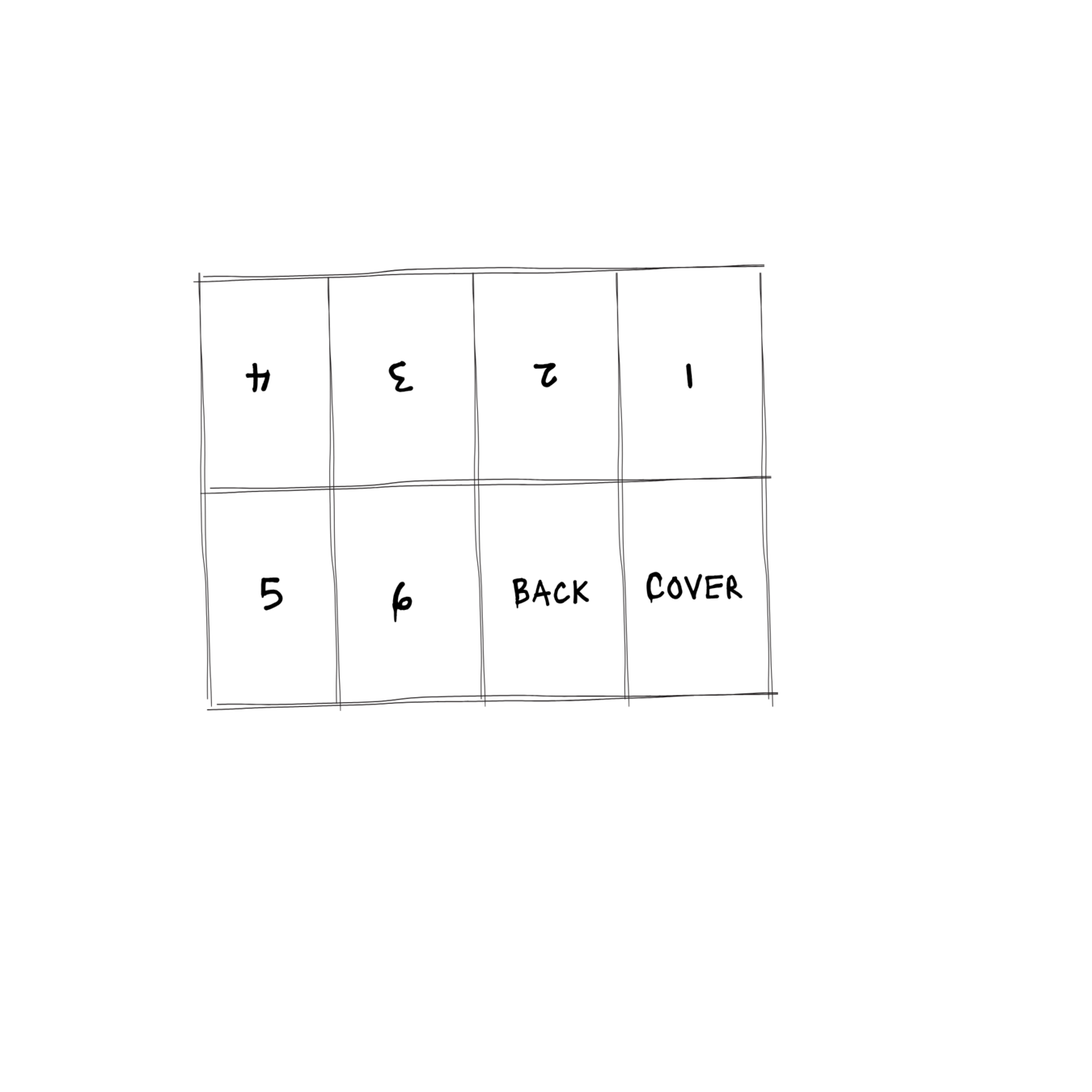
using a pencil (ideally) or pen (gently), label your panels as follows, making the numbers small and in a corner:
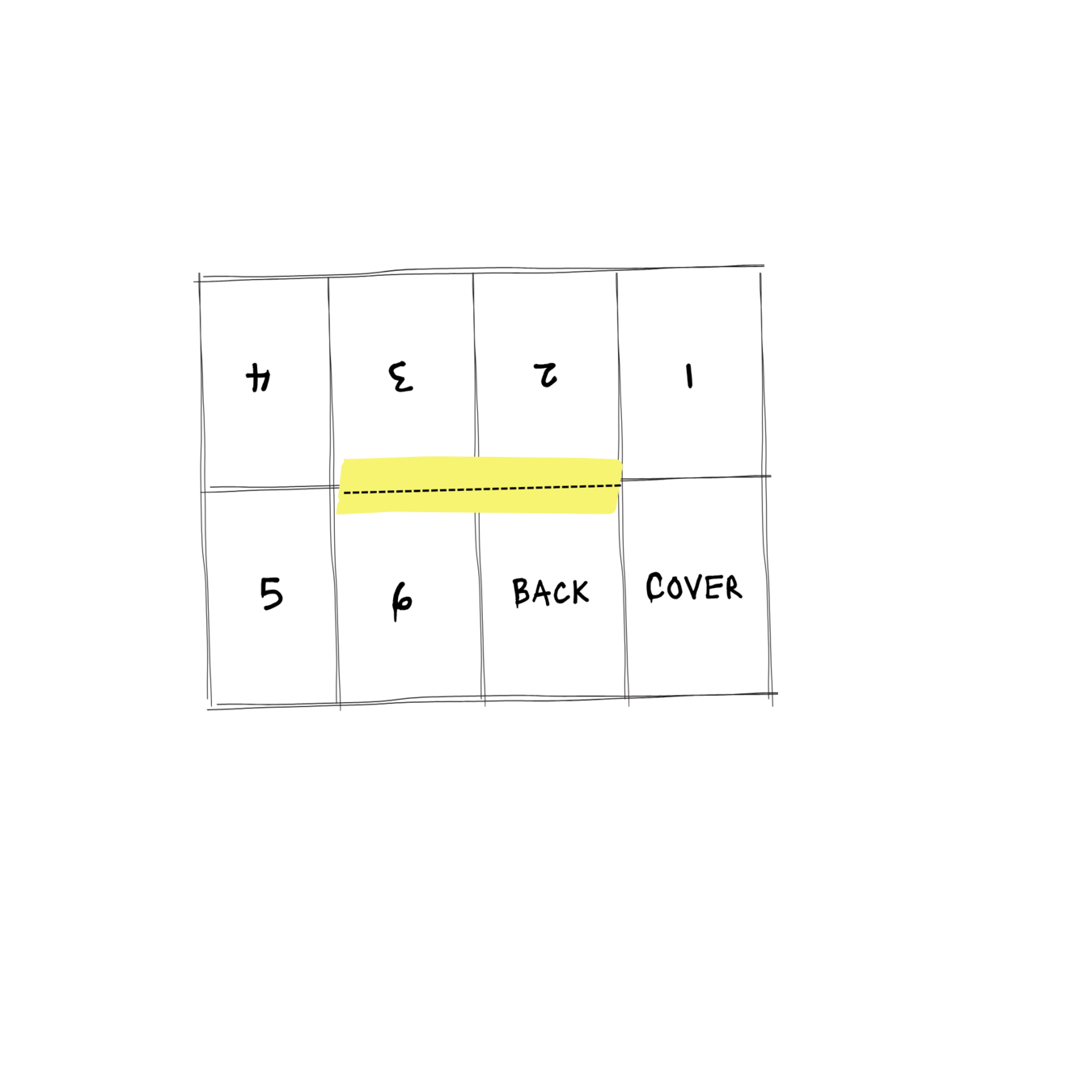
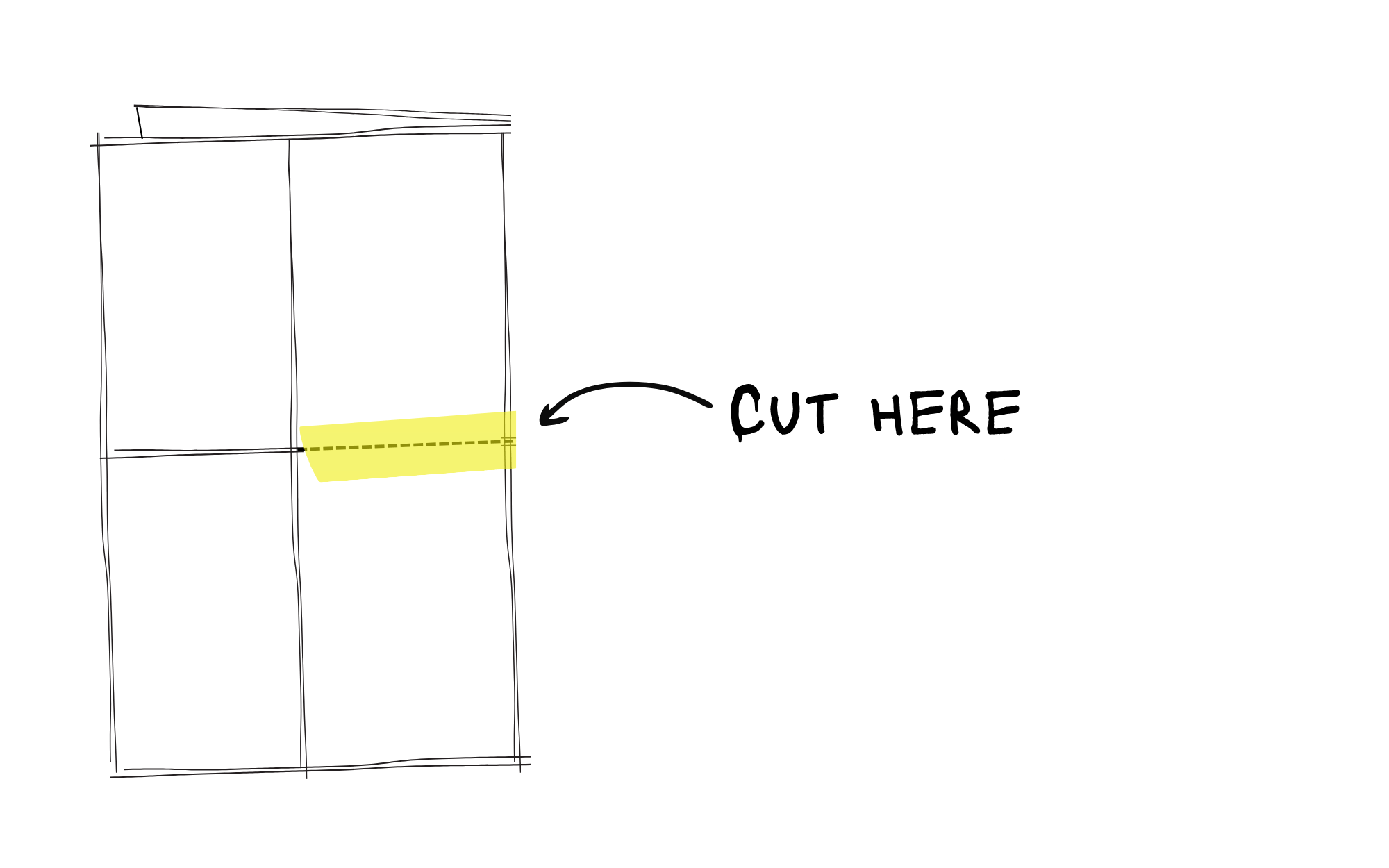
using a pen or pencil, mark a dashed line across the central crease. this is where you'll cut the paper later.
summarize the topic in one sentence.
introduce your theme.
what concerns you?
what excites you?
why does it matter to you?
to your education?
to your future?
to the world?
imagine a future where our collective values and well-being are prioritized.
imagine a future where we can make the sharing of ideas less extractive, compulsive, or exploitative.
what would it look like?
how do we get there?
give your zine a title
add your name on the back, or maybe a way to find other things you've made and want to share (if you want to)
get creative!
what actions can we take
why does your topic matter
what is your zine about
cut here!
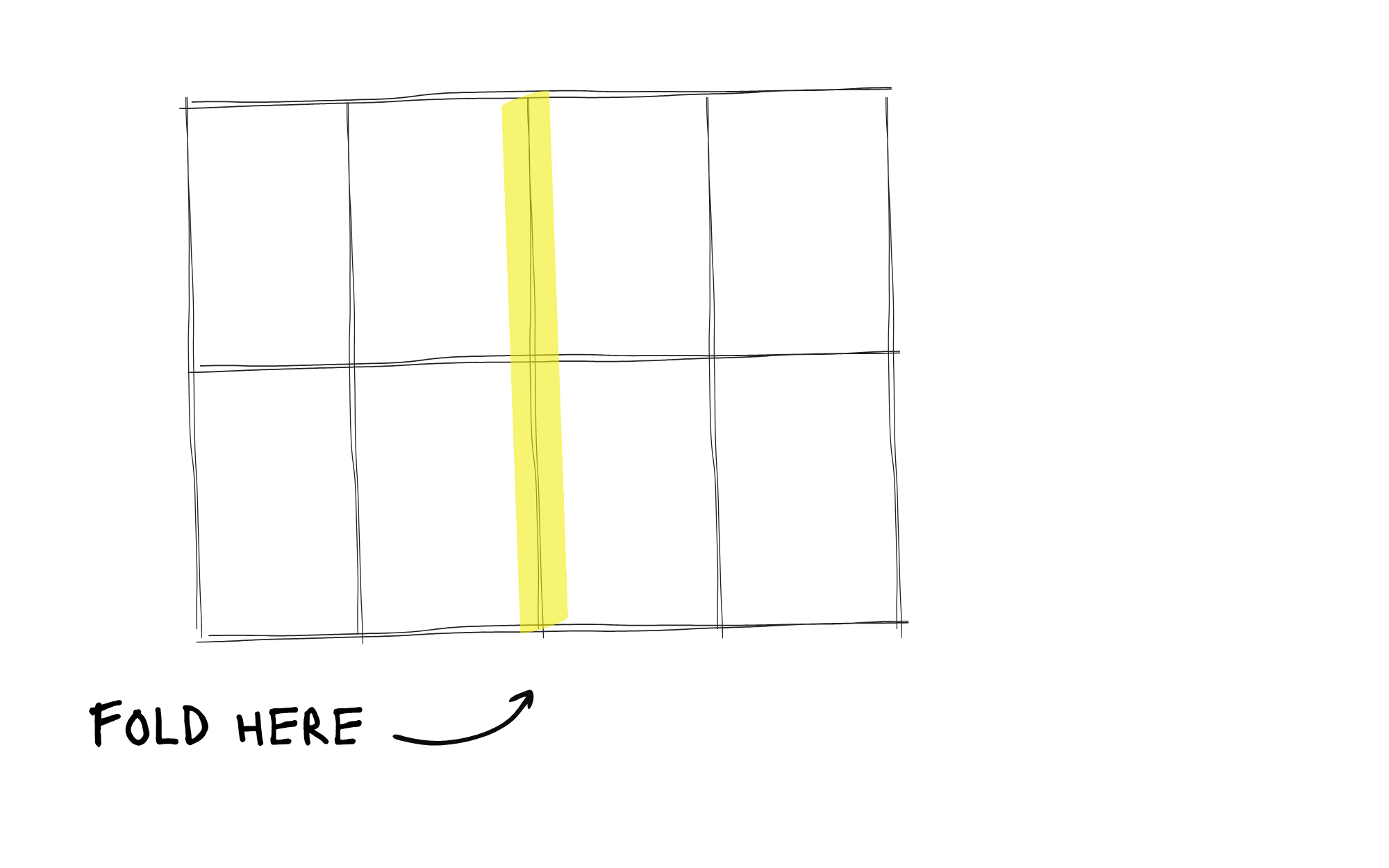
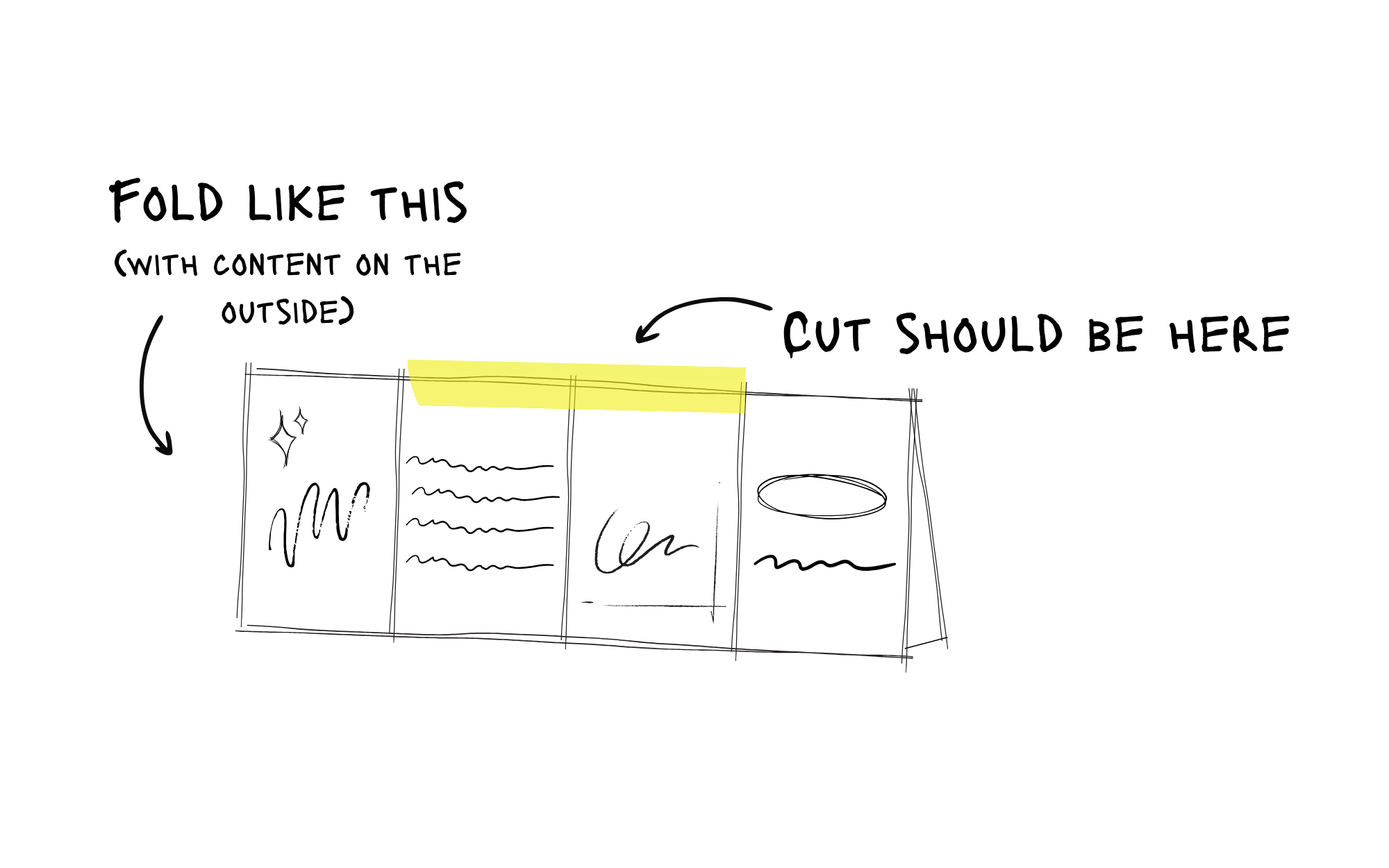
fold here!
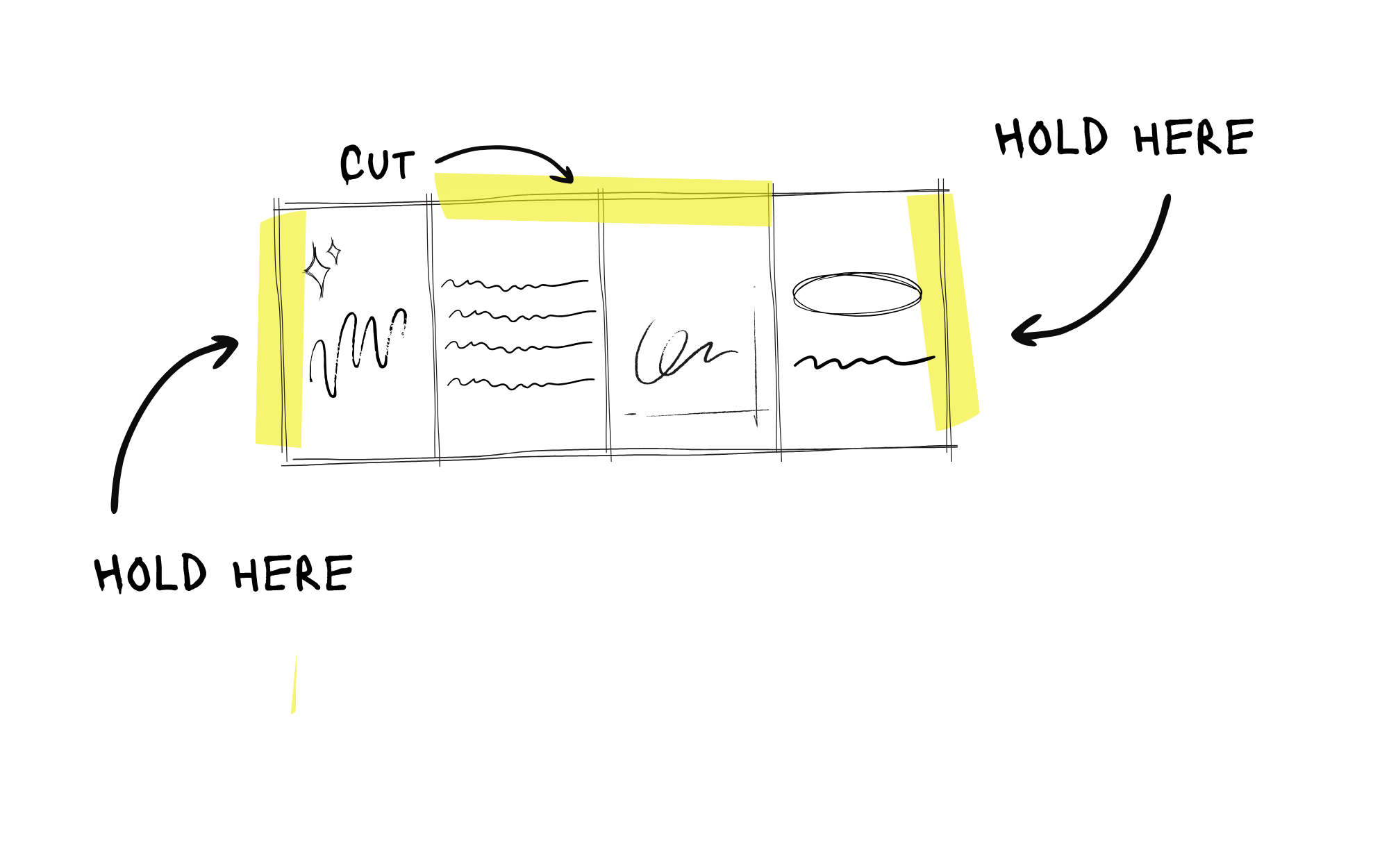
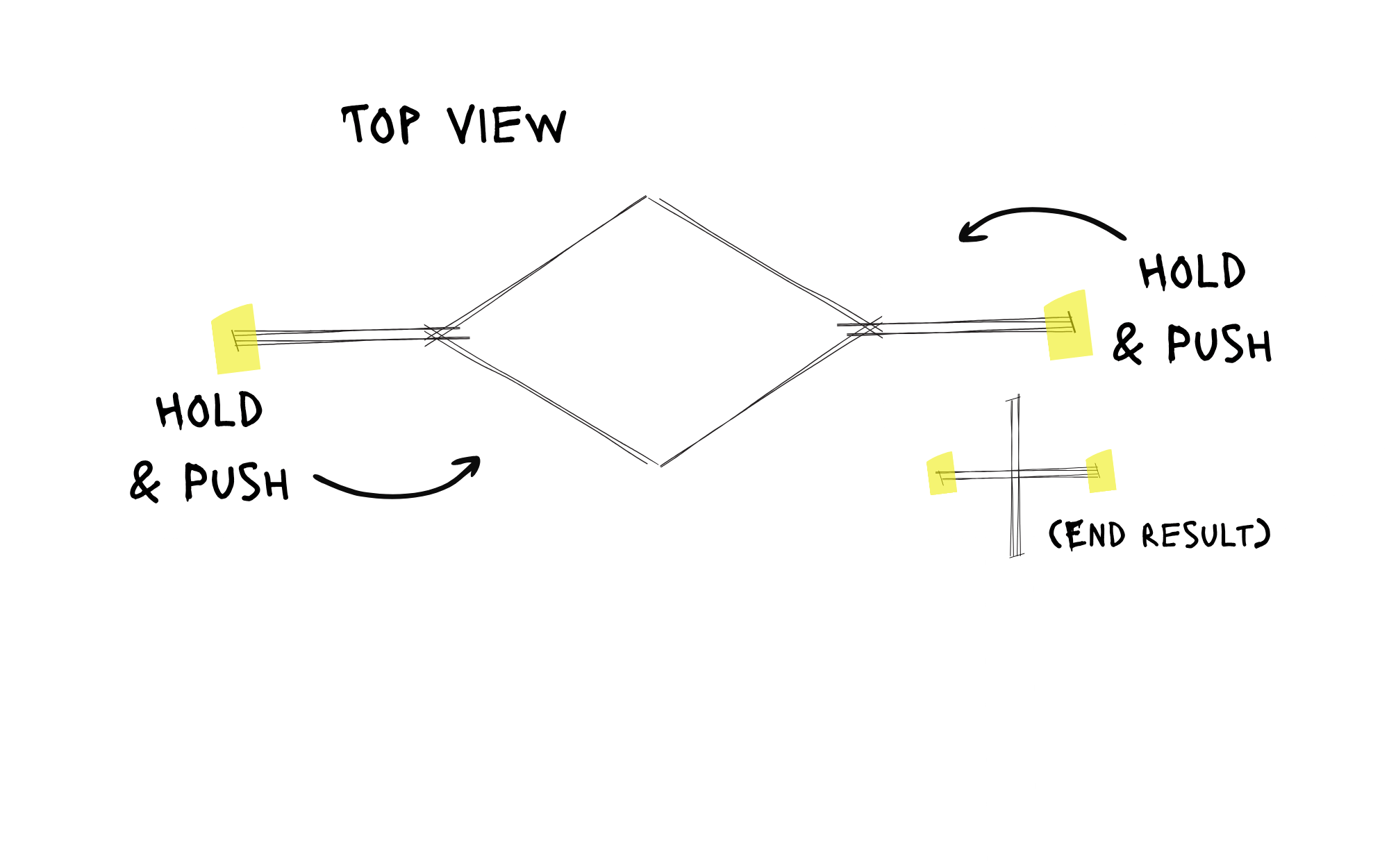
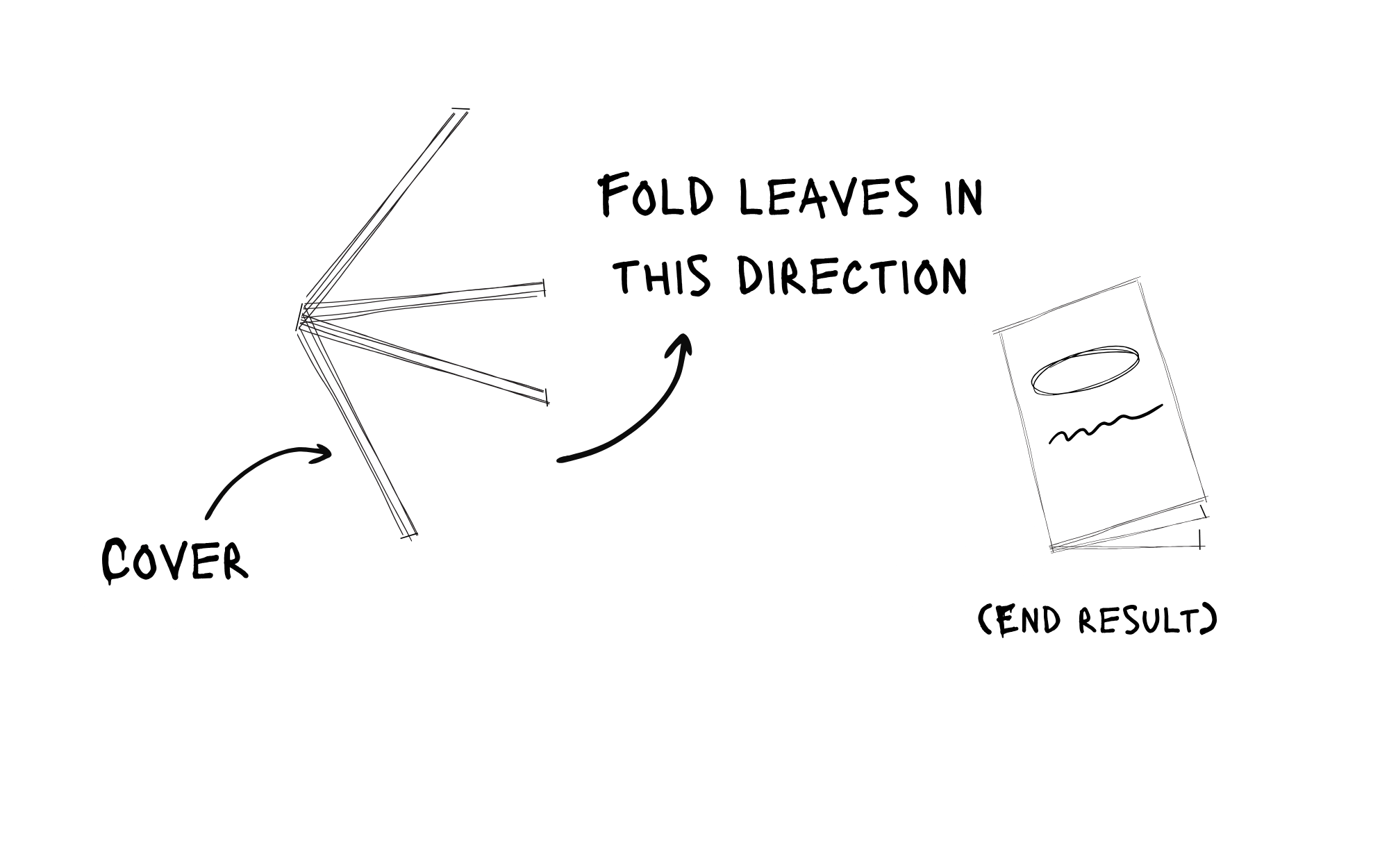
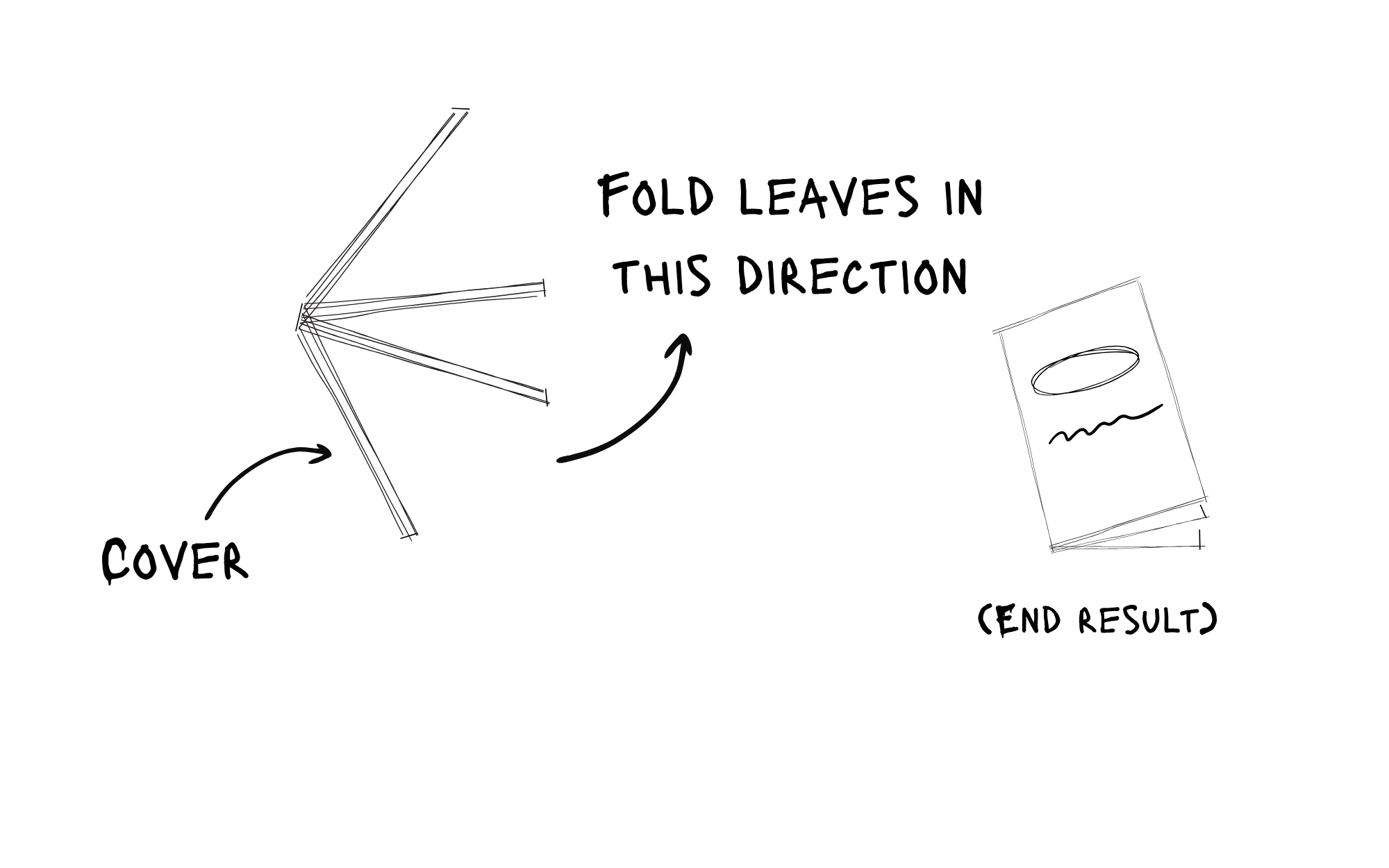
hold each short end and push them towards each other until the paper forms a plus [+] shape, this is at least a little tricky so don't feel bad if you can't quite figure it out right away. it took me like 8 tries.
from the cover/back panel, fold the other leafs in to form a booklet
what now?!
well, you can run this activity yourself to create and share zines among your communities, online and in person.
consider other kinds of publishing you can or want to do with the communities you are a part of.
reach out to zoe@radishpress.org and tell her this was sick.
if you’re game, take a picture & share it on bluesky or mastodon and tag zoe! i know she'd be down to see your creations because she has genuine enthusiasm for publishing and self-expression!
@radishpress.bsky.social
@radishpress.mastodon.social
zoe's doin' her own thing at radish press
Online Culture:
We Here: The 2024 Wrap Up
404 Media
Ukraine as a Migration Nexus
“Non-traditional” Scholarship:
Secret Feminist Agenda Peer Review
Furnace & Fugue
Experimental Publishing Compendium
Resources:
Electric Zine Maker + examples
Canva 8-Page zine template
Example mini letterpress
Pamphlet Culture:
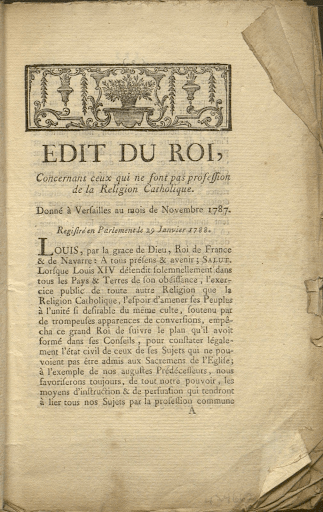
Edit du Roi, French Revolution Pamphlets 1761-1807
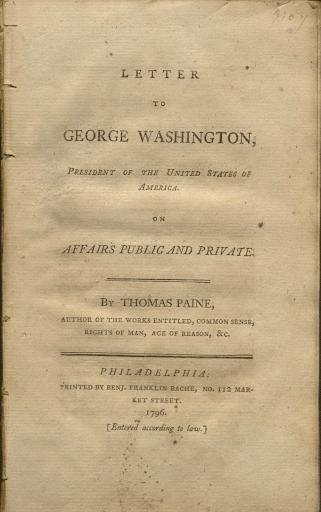
Letter to George Washington, president of the United States of America: On affairs public and private. By Thomas Paine (1796)
Jane Anger Her Protection for Women (1589)
Zine Culture:
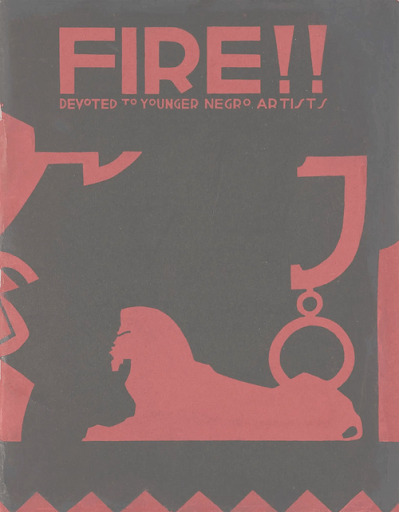
Fire!! Devoted to Younger Negro Artists (1929)
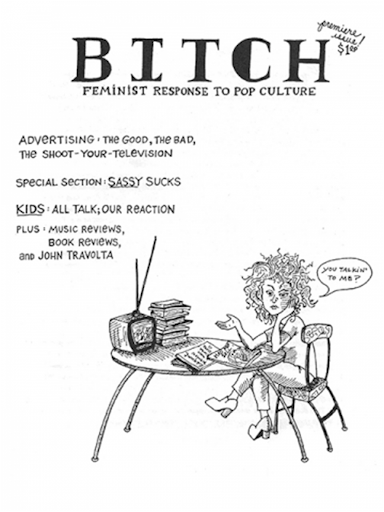
Bitch: Feminist Response to Pop Culture (Issue One, 1996)
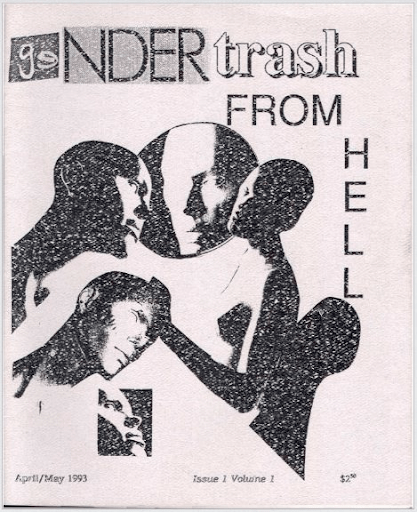
Gender Trash # 1. Created by Xanthra Phillippa & Jeanne B. in Toronto, Ontario, 1993
By Mike Nason
Inspired by zine workshops run by Zoe Wake Hyde of Radish Press, this is a brief introduction to publishing for undergraduate students for the Arts Matters conference at UNB.