








Baha'i

Population


 followers worldwide 


Second-most widely distributed faith after Christianity  

~7,000,000

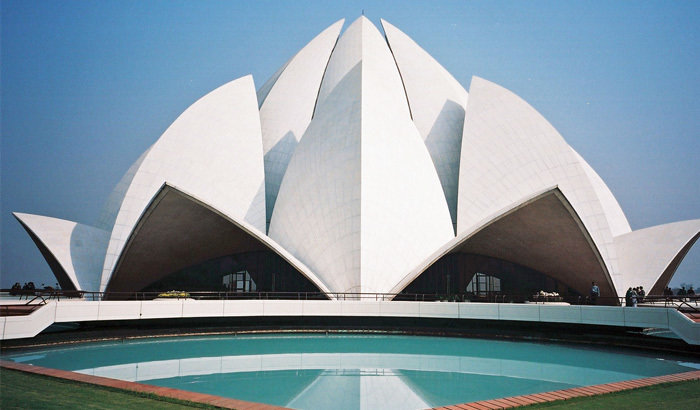
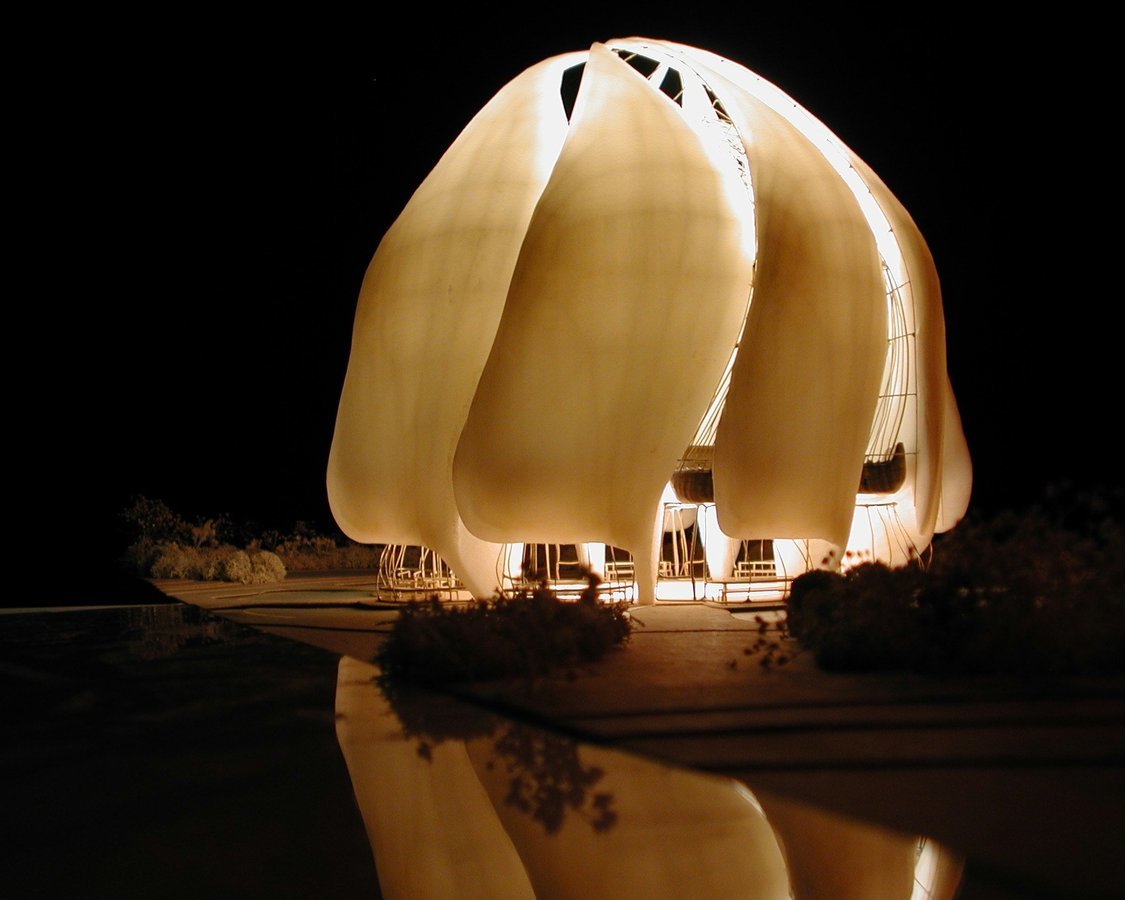
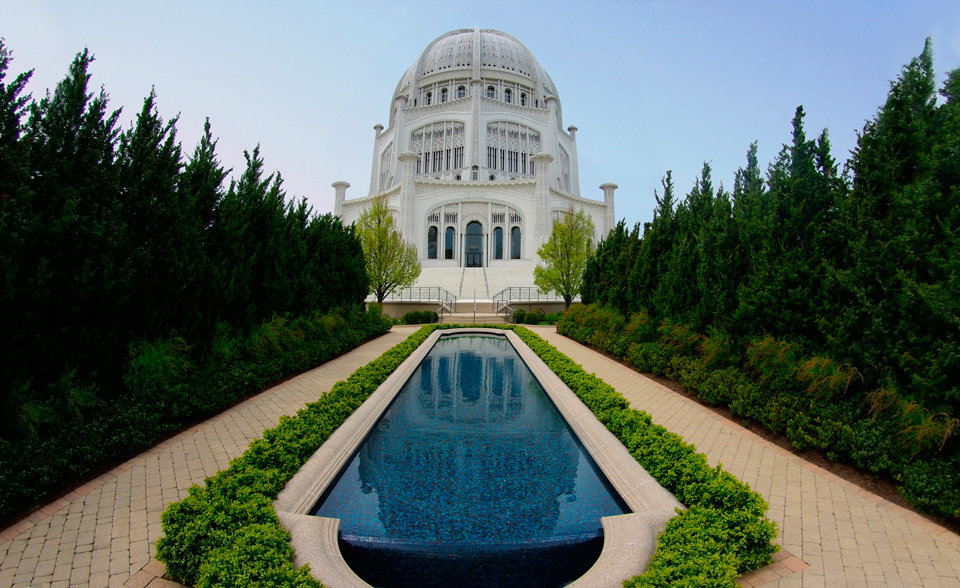
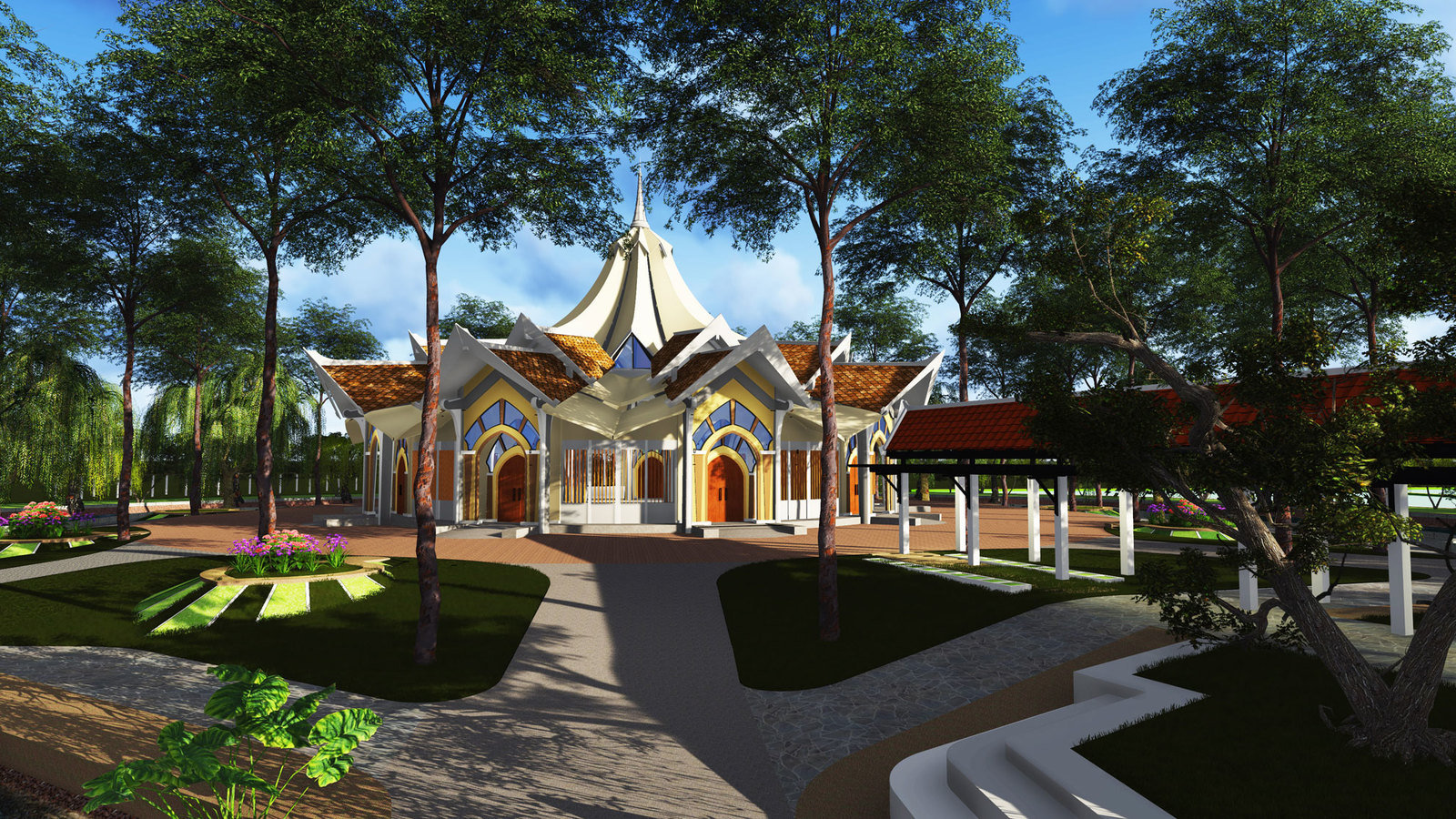
Various Baha'is temples

- Dehli, India - 

- germany - 

-Chicago-

- Cambodia -

Origin

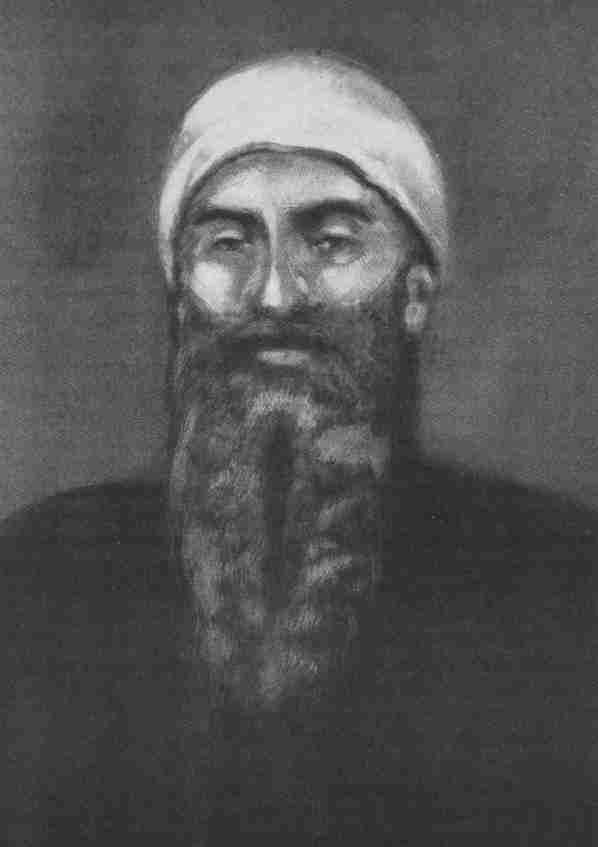
Bab

Bahá'u'lláh

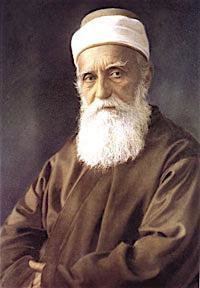
‘Abdu’l-Bahá

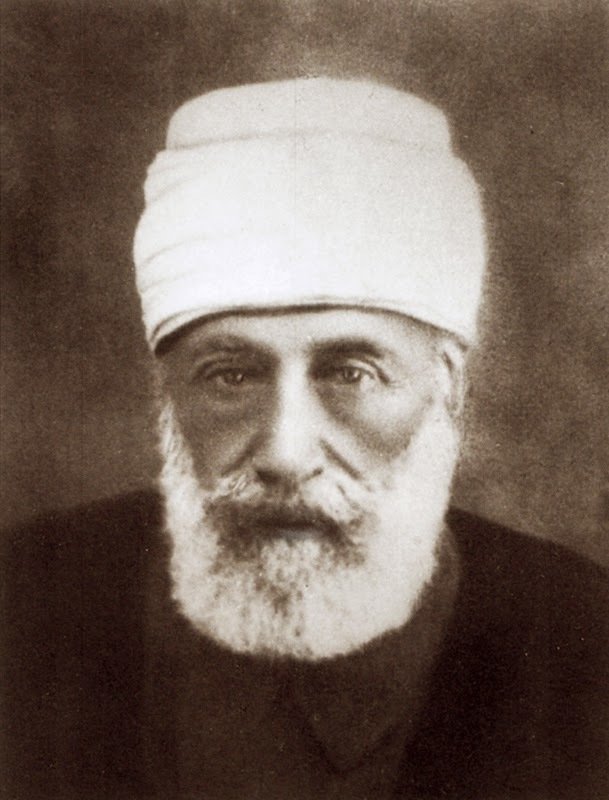
SHOGHI EFFENDI

till 1850

till 1892

till 1921

till 1957

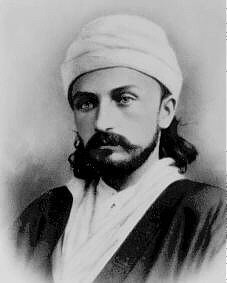
Báb

(Persian: "Gateway")

  • Was born as Mirza 'Ali Mohammad in Shiraz, southern Iran, in 1819

  • The Báb was the Holy Soul, promised to come from the line of Muhammad, the son of Ishmael the son of Abraham, the gate between past ages of prophecy and a new age of fulfilment for humanity.

  • He identified himself as the forerunner of this prophet, assuming the title of "the Báb"

  • A Persian merchant named Siyyid ‘Alí-Muhammad announced in the city of Shiraz that 'Báb' was the Bearer of a Divine Revelation destined to transform the spiritual life of humanity. 

  • After his announcement, Báb gained few followers, first eighteen followers of the Báb became known collectively as the “Letters of the Living.
  • His followers are called 'Bábis" 

BÁB (continued)

  •  His primary purpose was to awaken the people to the fact that a new period in human history had begun
  • Although a number of prominent Muslim clerics accepted the Báb, many others felt insecure and threatened by his growing influence and feared their privilege and authority would be threatened by the empowerment of Báb's followers. They denounced the Báb’s teachings as skeptical and set out to destroy Him and His followers, resulting in Báb being banished
  • Travelling from city to city, Báb spread his message. In time, the Báb’s popularity grew to such an extent that some prominent clergymen appealed to the government to have Him executed.
  • The Báb was arrested and, after several years, was executed by a firing squad in 1850. Báb died on July 9th, 1850.
  • Large-scale persecutions of his followers, the Bâbis, followed and ultimately cost 20,000 people their lives.

Baha'u'llah

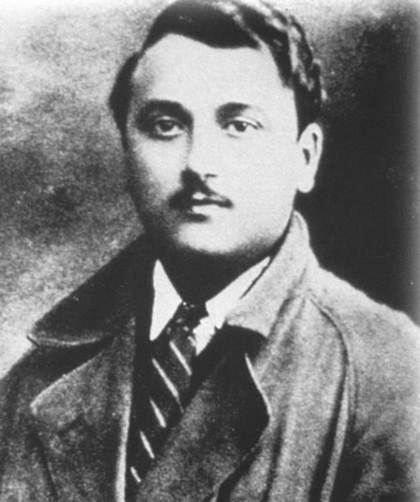
  • Born in Tehran, Iran as Mirza Hoseyn 'Ali Nuri on 12 November, 1817
  • Rather than pursuing a career in government service as His father had done, Mirza Husayn-‘Alí chose to devote His energies to the care of the poor. 
  • from the moment Mirza Husayn-‘Alí heard of the Báb’s message, He declared His wholehearted belief in it and put all of His energy and influence into promoting it.
  • Mirza Husayn-‘Alí played a central role in the proceedings, which affirmed the independent character of the new religion.
  • In the middle of the 19th century, God summoned Baha'ullah to deliver a new Revelation to humanity, to take Bab's place
  • BAHA'U'LLAH followed God's plan and continued Bab's work

Persian: “Glory of God”

Baha'u'llah

  • Bahá'u'lláh was arrested in 1852 and jailed in Tehran, Iran. During his imprisonment, he realized he was the prophet whose coming had been predicted by the Bab.
  • He was released in 1853 and exiled to Baghdad, Iraq where his leadership revived the Babi community.
  • In 1863, Bahá'u'lláh declared to his fellow Babis that he was the messenger of God foretold by the Bab. An overwhelming majority of Babis acknowledged his claim and thenceforth became known as Bahá'ís.
  • Bahá'u'lláh was subsequently confined by the Ottomans in Adrianople (now Edirne, Turkey) and then exiled to Acre in Palestine (now ' Akko, Israel).
  • Bahá’u’lláh suffered 40 years of imprisonment, torture and exile for bringing God’s latest message to humanity.
  • He died 1892

However...

‘ABDU’L-BAHÁ

(1844–1921)

  • His will, Bahá’u’lláh appointed His oldest son, ‘Abdu’l-Bahá, as the authorized interpreter of His teachings and Head of the Faith. 
  • spread the faith to North America, Europe, and other continents
  • He encouraged the establishment of local Bahá’í institutions, and guided nascent educational, social and economic initiatives.

SHOGHI EFFENDI


(1897–1957)

  • 'Abdu'l - Bahá appointed his eldest grandson, Shoghi Effendi Rabbani, as his successor.
  • spent 36 years nurturing the development, deepening the understanding, and strengthening the unity of the Bahá’í community
  • He translated the Baha'i scriptures into English, developed the Faith’s spiritual and administrative center in the Holy Land
  • expanded the religion

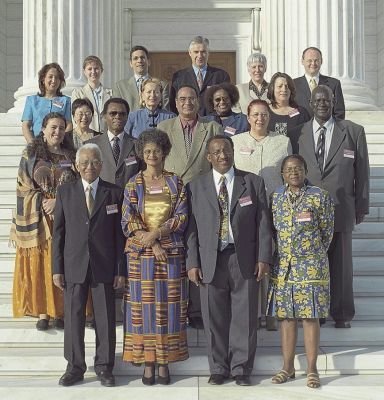
The Bahá'í faith underwent a rapid expansion beginning in the 1960s, and by the late 20th century it had more than 150 national spiritual assemblies (national governing bodies) and about 20,000 local spiritual assemblies worldwide.


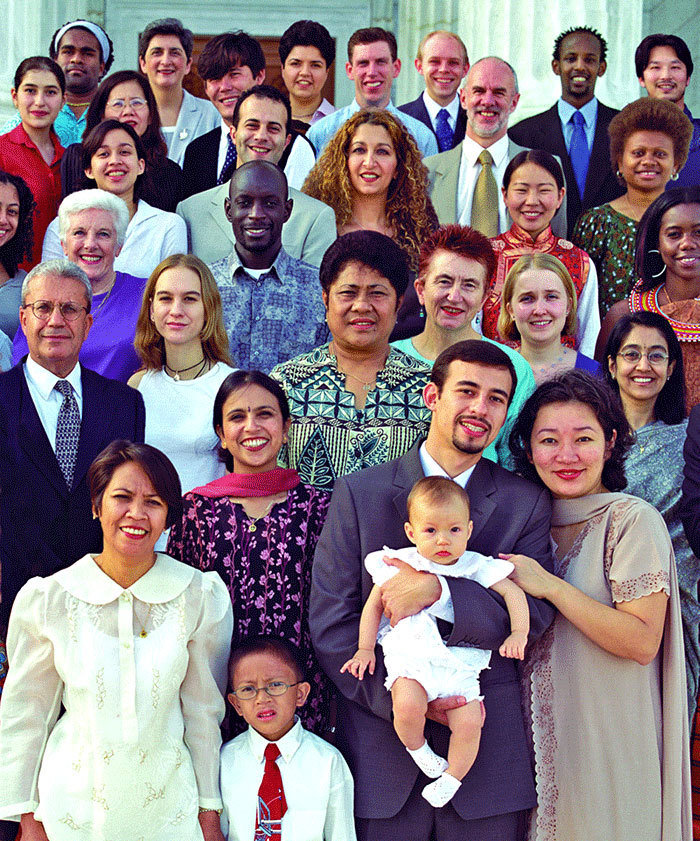
It increasingly grew to reflect the diversity of the entire human race and the result was two pivotal concepts of the Baha'i faith. 

The 20th century 

Belief

Concepts/Goal in life

1. Refinement of one's inner character.

Development of spiritual qualities by doing good deeds that reflects nobility and integrity 

"to attend to their own spiritual and intellectual growth and to contribute to the transformation of society."

2. Service to humanity

Doing work without satisfying wants and needs. It must find constant expression in service to humanity. 

Beliefs

Worldly views

Humanity

  • (After adolescent's years) It is reaching a stage of maturity in which its unification into a global and just society can finally be realized.
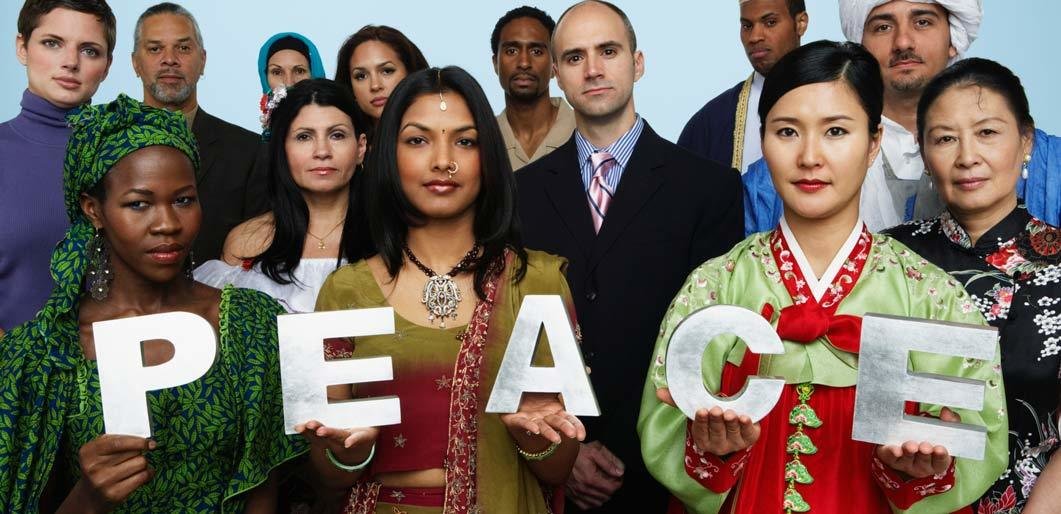
  • emphasize that all of us, as creations of one God, are part of one human family.
  •  In this period, thoughts, attitudes, and habits from humanity’s earlier stages of development are being swept away and new patterns of thought and action which reflect its approaching maturity are gradually taking root.
  • Bahá’u’lláh said, “The tabernacle of unity hath been raised; regard ye not one another as strangers. Ye are the fruits of one tree, and the leaves of one branch.”
  • It is at this time where Baha'is recognize the unification of the human race which implies that the spiritual and practical aspects of life are to advance together. 
  • Through faith and reason, it becomes possible to discover the powers and capacities latent in individuals and in humanity as a whole, and to work for the realization of these potentialities.

Beliefs

Worldly views

Equality

  • Men and women are equal
  • Women and men are equal pillars of society; the weakness of one pillar results in fragility of the entire edifice.
  • Thus, inequality between women and men delays not only the advancement of women, but also the progress of society itself.
  • Fair treatments of others and respect everyone including children. Children should not be punished harshly because it can damage their inner self
  • Bahá’u’lláh teaches, all people are created equal and noble. Thinking of one as being superior to others is destructive and leads to disunity and oppression.
  • Therefore, prejudice—whether based on race, ethnicity, nationality, religion, gender, or social or economic background—must be overcome if humanity is to create a peaceful and just global society.

Beliefs

Worldly views

Happiness


  • free to make decisions; choosing who we want to be and the qualities we want to hold 

  • Godly qualities such as love and forgiveness can lead to a happy after life where, negative qualities that goes against God can lead us to be unhappy   

  • True happiness cannot be found in worldly things, to find happiness is to be thankful and have moderation.

  • People should not deny the good things present in the World

Beliefs

Worldly views

Soul


  • Soul give ones identity, spiritual, invisible and everlasting
  • Displays the characteristics of a person such as love, compassion, faith and courage
  • The soul distinguishes humans from animal, gives ones identity, spiritual, invisible and everlasting
  • Grows and develops through one’s relationship with God
  • Bahá'í writings talk about laws that should be considered in order to take care of the human body (E.g.: proper nutrition, regular bath)
  • Asceticism or extreme self-denial are strongly discouraged   

Beliefs

Ties to religions

  • Bahá’ís believe in the oneness of all religions; they all come from one God. The purpose of all religions is to guide and educate humanity.
  • Religion continually evolves, and each particular religious system represents a stage in the evolution of the whole.
  • God reveals His will through a series of divine Messengers, the content of Whose messages addresses the requirements of the age in which they appear. 

Beliefs

Heaven and Hell 

  • Death marks the point when the soul passes to the next world
  • After its association with the body draws to a close, the soul will continue to progress in an eternal journey towards perfection.

  • Baha'is do not believe in reincarnation.

  • Their teachings are based on the idea that there is no heaven or hell 

  •  Heaven is joy experienced by a soul when they are close to God  and Hell represents the suffering a soul would have to face when it is very far from God 


“When a soul has in it the life of the spirit, then does it bring forth good fruit and become a Divine tree.”

—‘Abdu’l-Bahá

  1. pray everyday 

  2. Annual Fasting

  3. avoid intoxicating drinks and drugs

  4. avoid gossips

  5. obey the Government and don't participate in politics

  6. TEACH THE REASON OF GOD'S EXISTENCE 

  7. make contribution to the Baha'i Fund

Should be followed in order to lead a  fulfilling life.

 Bahá’ís do not expect those who are not Bahá’ís to follow these laws; nor do Bahá’ís criticize anyone for not obeying them. Bahá’ís strive individually and collectively to understand these laws, and support each other in the process of learning to obey them.

BELIEFS

LAWS AND OBLIGATIONS


Beliefs

Family Life : Marraige

Marriage is to love and stay with each other for time and eternity. divorce is discouraged.

Kitáb-i-Aqdas

Kitáb-i-Íqán

Holy 

Books

written by: Bahá’u’lláh

KITÁB-I-AQDAS

Bahá’u’lláh’s book of laws, written in Arabic around 1873 while he was still imprisoned within the city of ‘Akká.

In the later years, Writings by Bahá’u’lláh’s replies to a series of questions (posed by one of his secretaries) was added in the book.

The first authorized English translation was published in 1992

The Most Holy Book

KITÁB-I-ÍQÁN

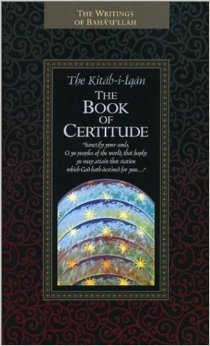
Book of certitude (primary theological work)

  • the foremost doctrinal work of Bahá'u'lláh. It is easily the most important book on the Bahá'í teachings.
  • It explains the concept of the oneness of religion, the nature of humanity, and the purpose of life.
  • It was translated into English in 1930 by Shoghi Effendi who urged the Bahá'ís to read it over and over again and to master it's every detail in order to be able to adequately present the Baha'i message.

More Scriptures

The Hidden Words ​

Verses of guidance and comfort that form the ethical core of Bahá’u’lláh’s message.

The Summons of the Lord of Hosts

A collection of letters that Bahá’u’lláh wrote to the world leaders of the time.

Gleanings from the Writings of Bahá’u’lláh

A compilation of representative passages on a wide variety of subjects, such as spiritual evolution, justice, peace, harmony between the races and peoples of the world, and the transformation of society.

The Seven Valleys and the Four Valleys

The best known of Bahá’u’lláh’s mystical writings, this work traces the stages of the soul’s journey toward union with its Creator.

S

Y

M

B

O

L

S

  • Nine Pointed Star


  • The Greatest Name 


  • Ringstone

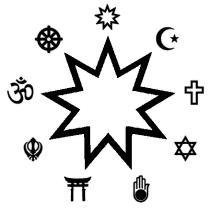
Nine Pointed Star

symbol of their faith


The number nine has significance in the Bahá'í religion. Nine years after the announcement of the Báb in Shiraz, Bahá'u'lláh received the intimation of His mission in the dungeon in Teheran. 


Nine, as the highest single-digit number, symbolizes completeness. Since the Bahá'í Faith claims to be the fulfillment of the expectations of all prior religions, this symbol, as seen in Bahá'í temples, reflects that sense of fulfillment and completeness.

Nine Pointed Star


It also symbolizes each religion that is tied into Baha'i.

Bahai

Islam

Christianity

Judaism

Jainism

Shinto

Sikhism

Hinduism

Buddhism


Jesus Christ, Moses, Abraham, Muhammad, Zoroaster and Bab are manifestations of God   

The Greatest Name

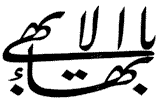
The word glory used in this connection is a translation of the Arabic term Bahá, the name of Bahá'u'lláh."

 'O Glory of Glories' or 

'O Glory of the All-Glorious.'

"Yá Bahá'u'l-Abhá"

It can serve as a metaphor for how the Faith of God through the ages has preserved believers from the spiritual storm of this earthly life.

RingStone

- designed by Abdu'l-Bahai

- visual reminder of God's purpose for man (Baha'is in particular)


Ringstone

Creator, God

Prophets (God's followers)

Man (Creation)

Holy Spirit

link that joins all together

Báb and Bahá'u'lláh

Rituals

Death/ Funeral Practices 

Prayer

The dead body is washed and wrapped in a shroud. Baha'is are often buried wearing a Baha'i burial ring. The only ceremonial requirement of a funeral is the recitation of the prayer for the Dead.
 

Although Baha'i has no rituals, some practices include;

Baha'u'llah has said that all Baha'is must pray every day. He has given three prayers to the Baha'is. They can choose which one of them to say daily. A short prayer must be said between noon and sunset, a medium one which must be said three times a day, and a long one that is said once daily at any time during the day. 

Fasting


All Baha'is should fast during the month preceding the New Year. Fasting for Baha'is means that no food and drink should be taken between sunrise and sunset. Fasting is a time of spiritual renewal. It symbolizes the need to avoid the materialistic world and turn to God 

Festivals

Ridvan 


Holiest and Happiest days of the year

Ridvan 


  • 12 day period
  • Commemorates Bahá'u'lláh's announcement in garden of Ridván of his claim to prophet hood and his departure from Baghdad to Istanbul.
  • Celebrates the declaration of his prophetic mission to his followers
  • Community gathers to say prayers (specific days; 1st, 9th and 12th. In addition, work is suspended)
  •  Every five years, they cast their ballots for the democratic institution that will help inspire and guide them through the year
  • this symbolizes Baha’is renewing their covenant with Baha’u’llah, it stresses the Baha’i teachings on freedom of thought, liberty of conscience and right of speech. 

Celebrated April 21st - May 2nd

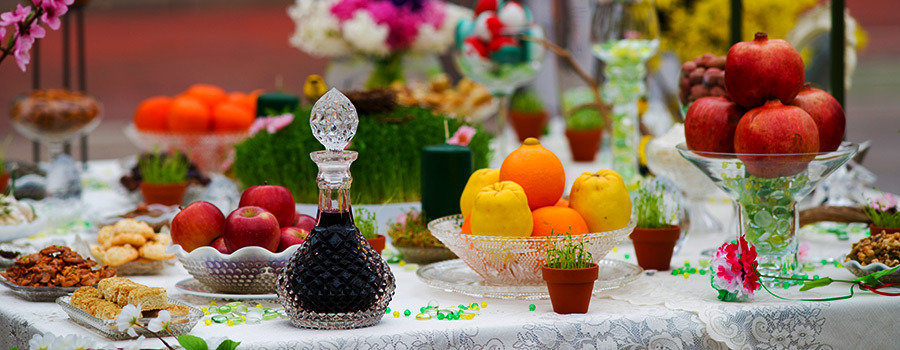
Naw-Rúz 

  • The term Naw-Rúz signifies renewal and change,
  •  Naw-Rúz is the first day of the month of Baha which is the first month in the Bahá'í calendar.
  • The festival is held with meetings for prayer and celebration.
  • The celebration is often combined with a feast as the sunset before Naw-Rúz signals the end of  a 19 -day fast .
  • Festivities can also include music and dancing.

(Baha'i New Year)

Celebrated on March 21st


Birth Of bAb

Celebrated October 20th 

  • There is no set tradition in which the birth of Bab is celebrated, except that this is one of the nine Holy Days on which work is  suspended.
  • The day is a meant to be simple and full of joyous events that will begin with prayers and devotional readings, then develop into some kind of festive social gathering either at home or in a place of worship.
  • The festival is celebrated, in the spirit of the Bahá'í, to be open to all.

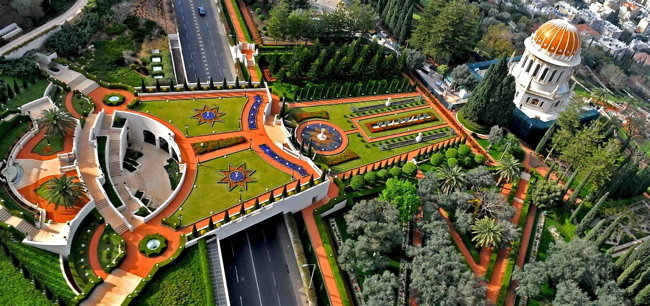
The Shrine of the Bab in Haifa, Israel.

Baha'i

By Alice

Baha'i

  • 938