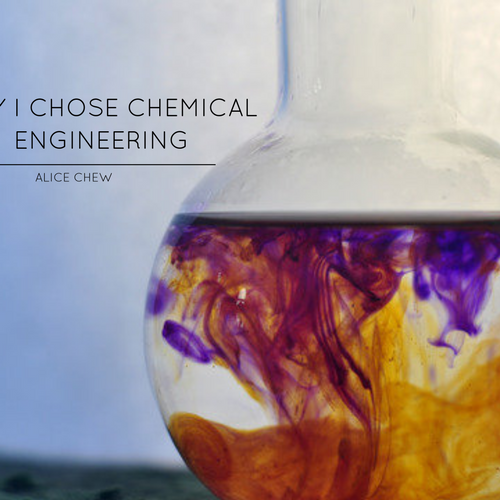




Petroleum is a liquid mixture composed of hydrocarbons
mainly used to produce gasoline
DID YOU KNOW
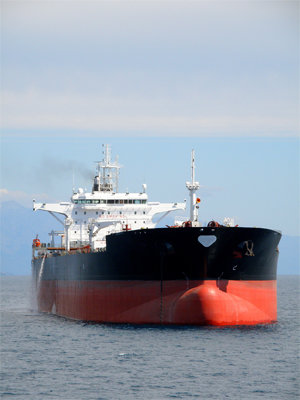
Each year 80 million tonnes of oil are shipped off Canada's east and west coasts.
Each day, 180 ships sail off, of which at least 1 sinks
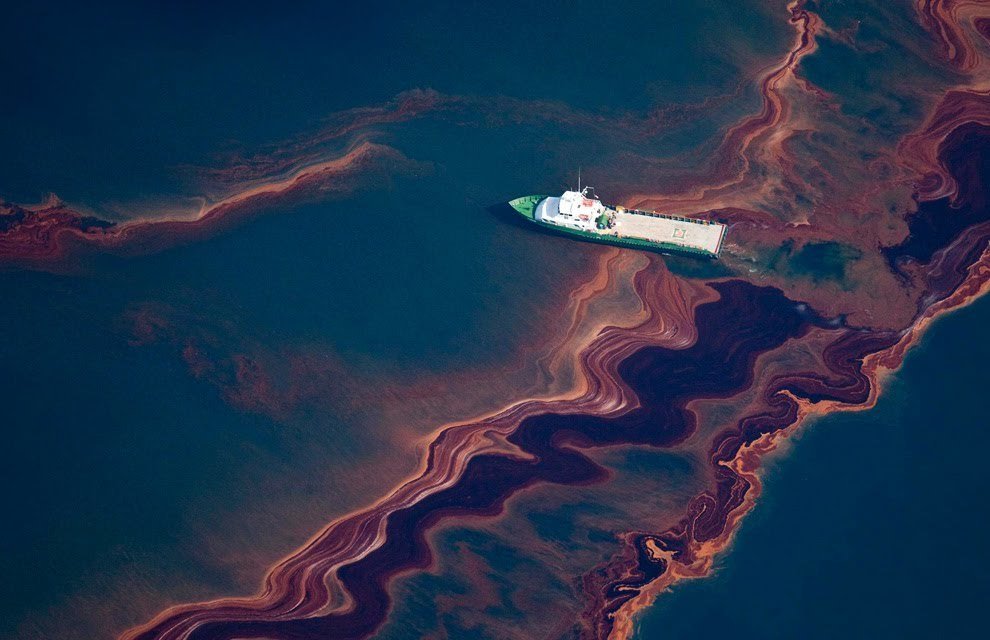
A total of 706 million gallons of oil, spill into oceans per year.
It affects....
Water
animals and their habitats
Humans
Plants
POLLUTION
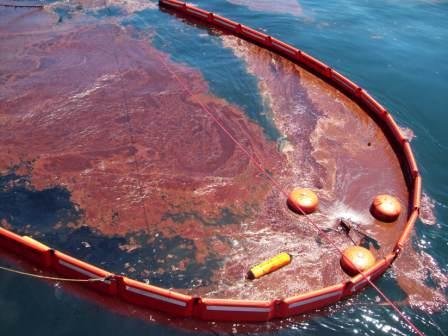
Oil is less dense than water but some are heavier than water
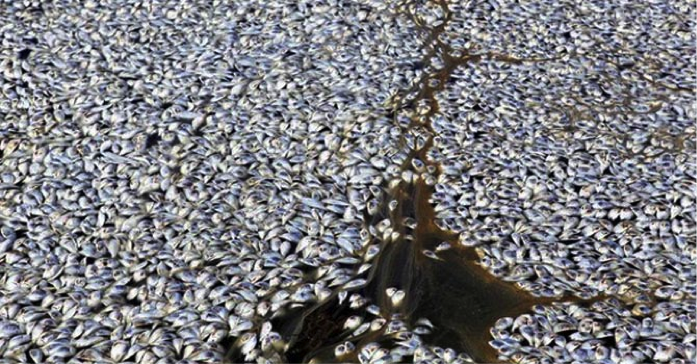
poisons aquatic animals
fish
whales
sea turtles
dolphins
shell fish
FISH
the oil get's into their gills and poisons them
WATER
Biology
animals
predators of aquatics animals
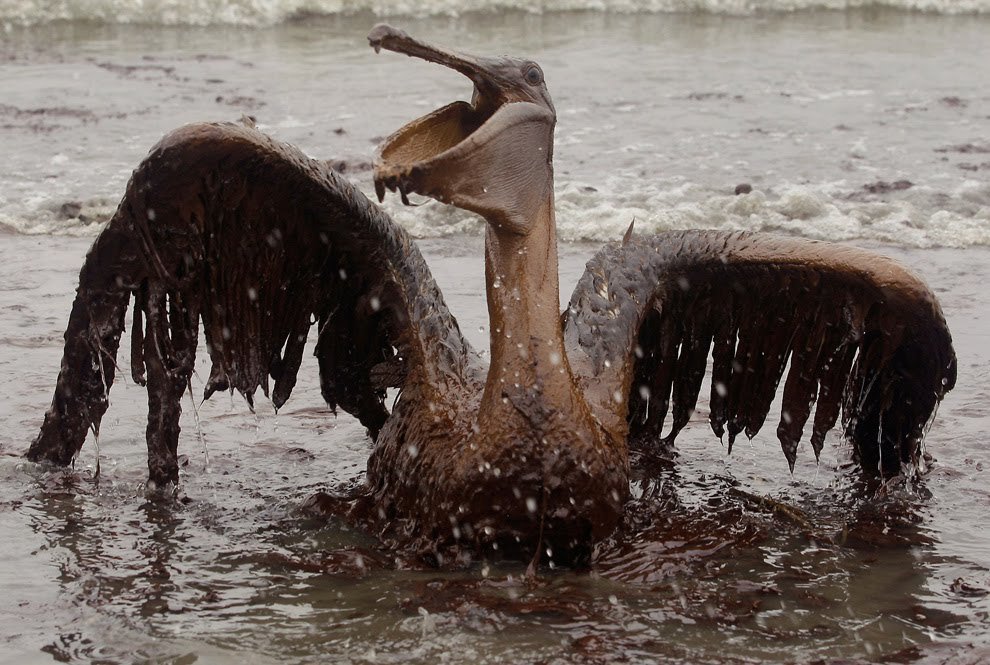
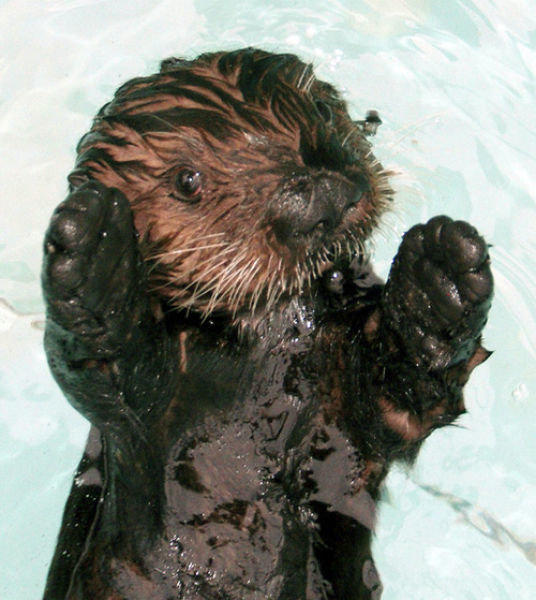
oil catches onto their body
Bird's feathers gets stuck together
can't fly, will die
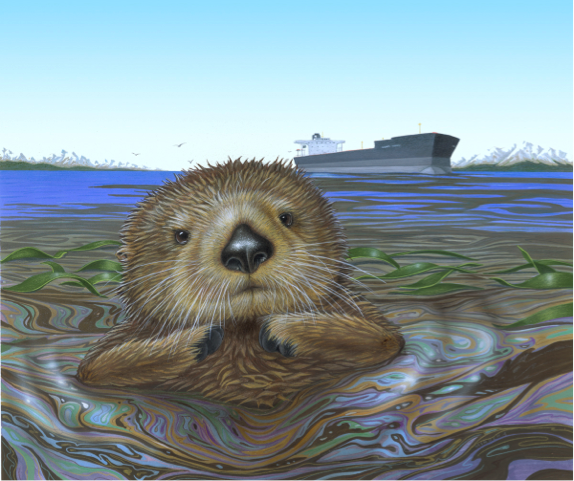
otters
sea weeds
sharks
Humans
marine animals
Fishing Industries
consuming fish
extinction
economy
Polluted water
less fresh water
less tourists
economy
HUMANS
Oil
Oil prices go up
economy
HUMANS
Plants
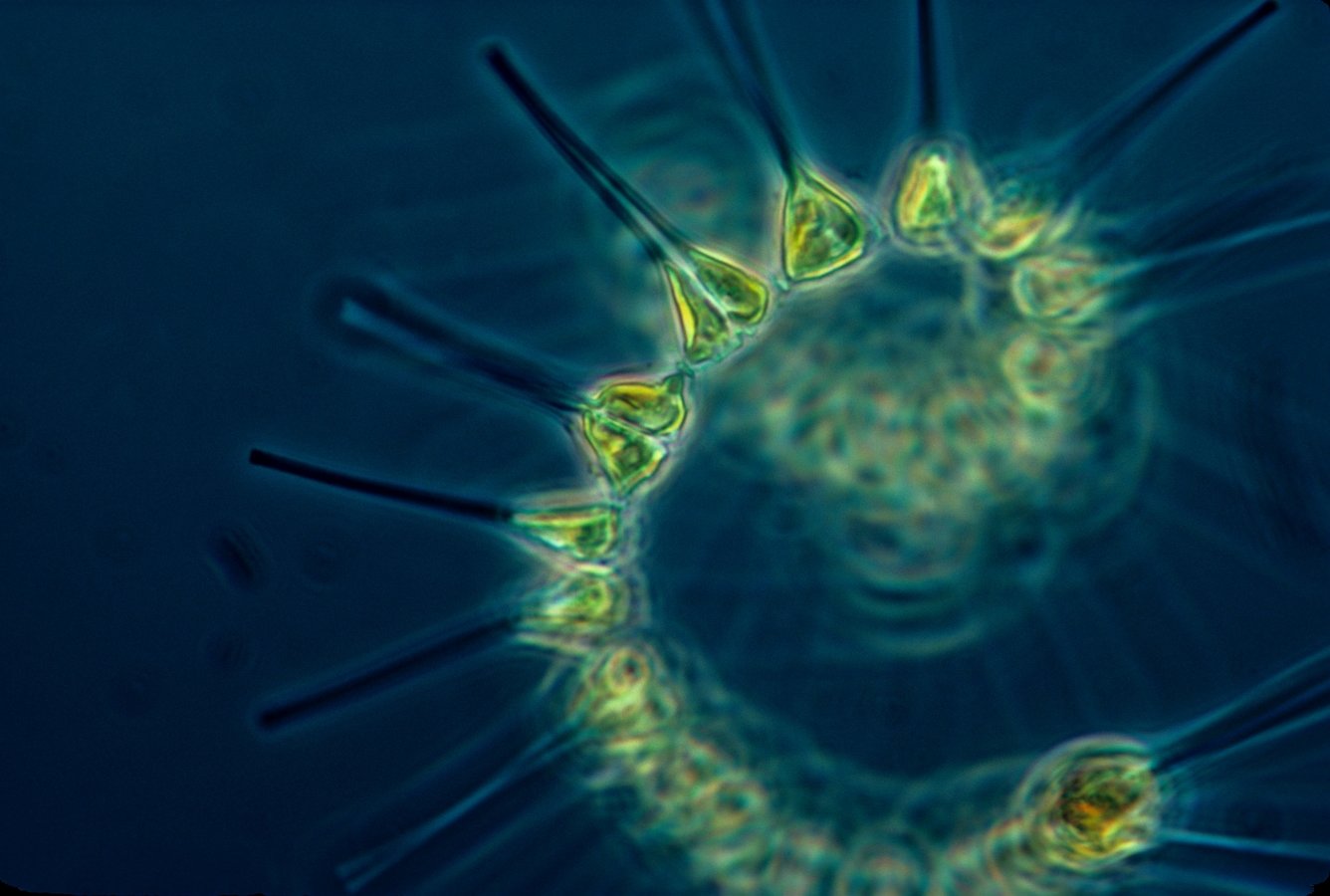
Phytoplankton:
microscopic organisms that live in water, both salty and fresh.
capture sunlight, uses photosynthesisto gives off oxygen
bacteria
protist
mostly: plants
fix nitrogen
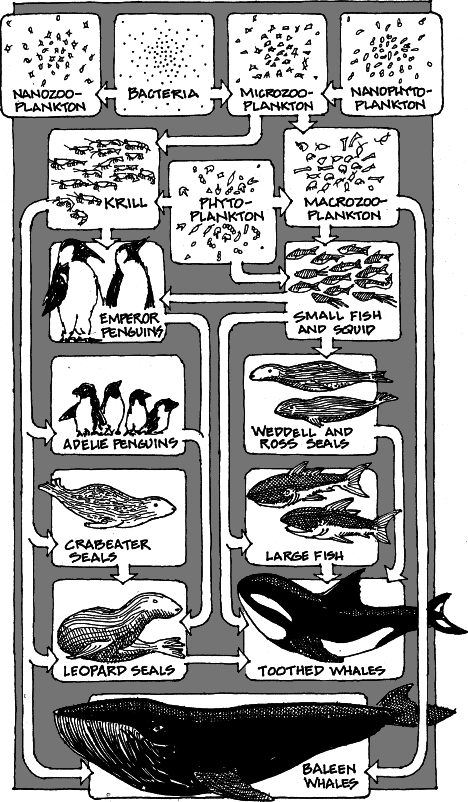
FOUNDATION OF AQUATIC FOOD WEB
PRIMARY PRODUCERS
1:Phytoplankton
Black oil on surface = no sunlight
cause many chain reactions
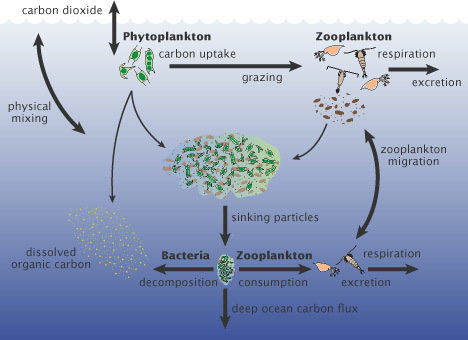
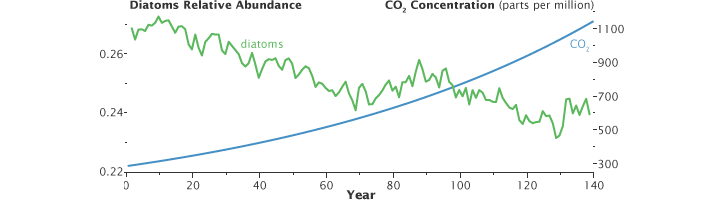
the amount of carbon dioxide phytoplankton consume is the same amount a forest consumes.
"biological carbon pump" - transfer about 10 gigatonnes/year of carbon from the atmosphere to the deep ocean
responsible for most of carbon dioxide from the atmosphere to the ocean
DID YOU KNOW
2:Phytoplankton
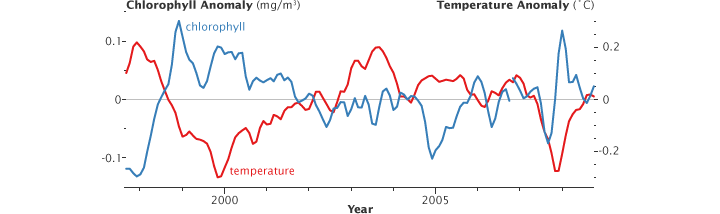
a small change in the growth/production of phytoplankton may affect atmospheric temperatures
RESPONSIBLE FOR CARBON INPUT TO THE OCEAN
no sunlight = no photosynthesizing
they will die = more carbon dioxide = green house gas
AKA: we will die faster...
Climate Change & Carbon Cycle
3:Phytoplankton
Physics (just fyi)
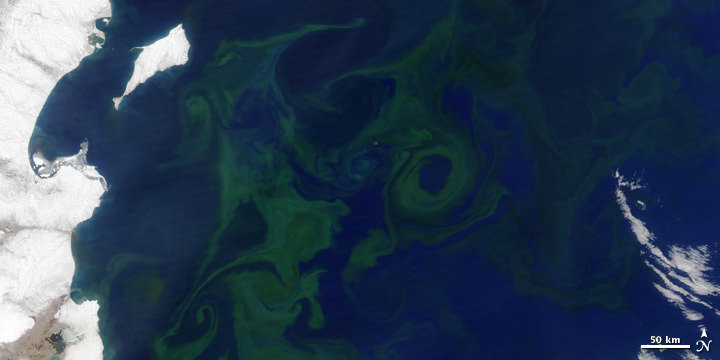
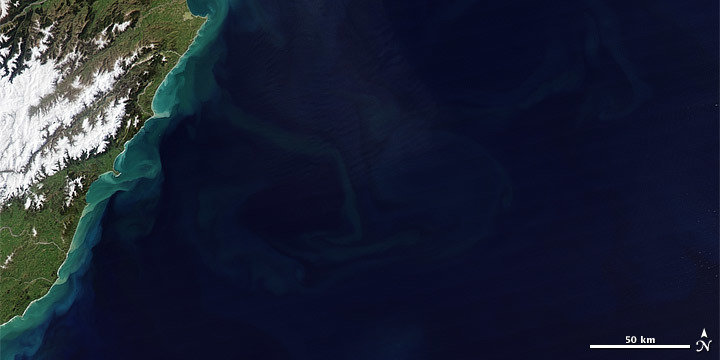
when they bloom by the billions, the high concentration of chlorophyll and other light-catching pigments change the way the surface reflects light.
swirls of greenish, brownish, reddish
4:Phytoplankton
Climate Change cont.
as the surface water warms, the water column becomes increasingly stratified (less vertical mixing to recycle nutrients from deep waters back to the surface)
Phytoplankton needs these nutrients - they need the vertical mixing of the water column.
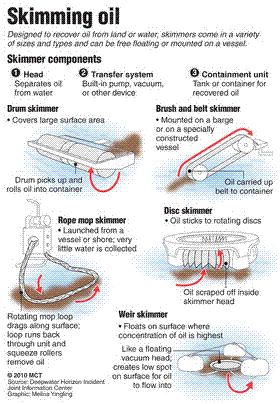
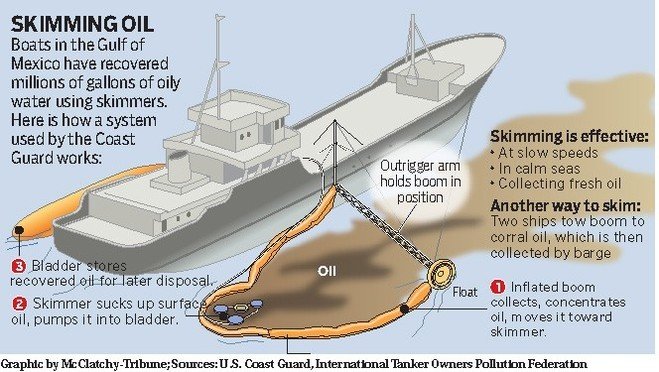
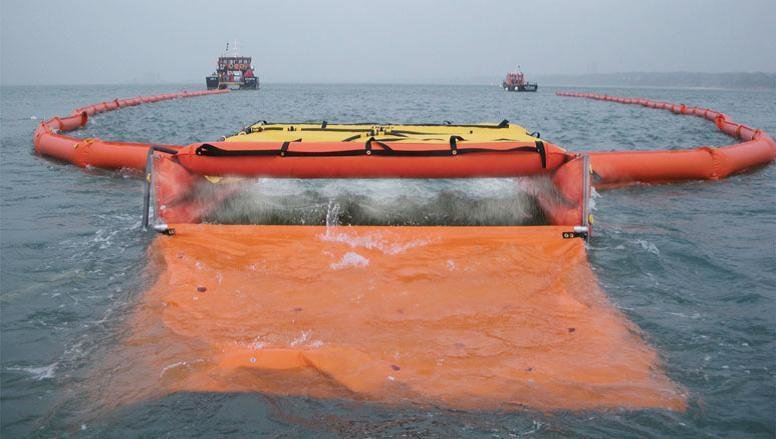
Is there something being done about it?
(yes)
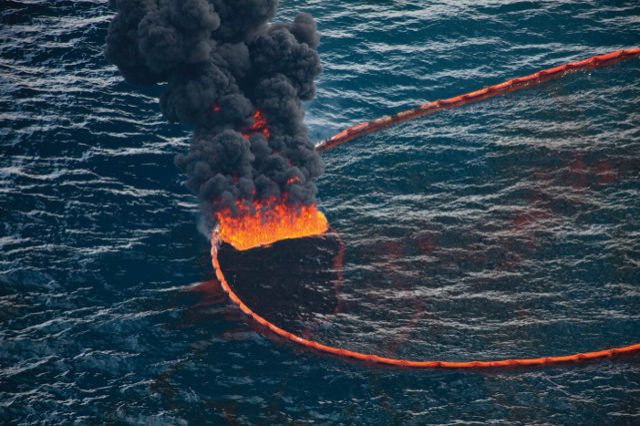
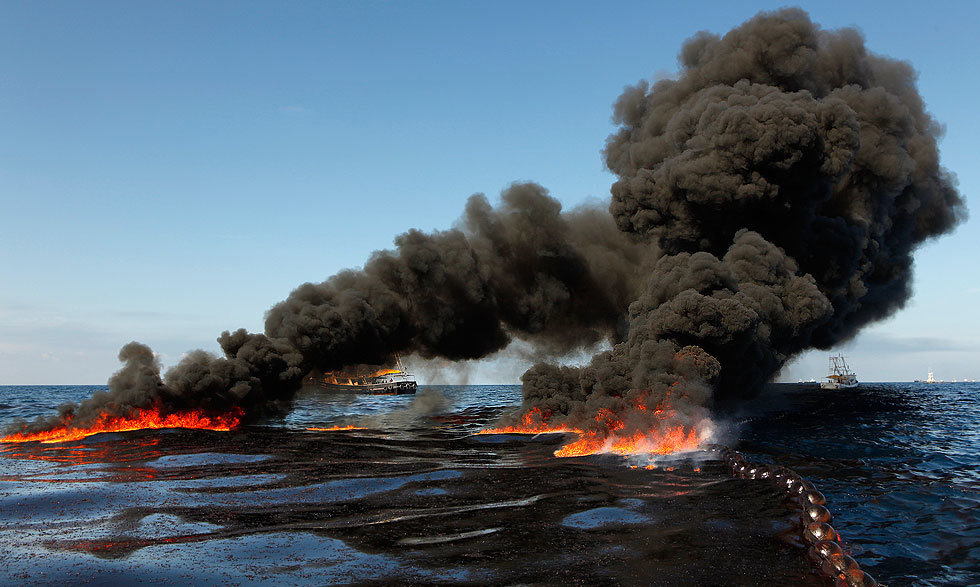
Controlled Burning
Useful for remote areas
Fast & effective
form of combustion
FYI: The USA burns 20 million barrels of oil per day!
BTW the PROBLEM:
harmful to the environment
black carbon (soot), carbon monoxide, sulfur dioxide and nitrogen dioxide get released into the atmosphere
anthropogenic greenhouse gases
Solutions
Solutions
Solutions
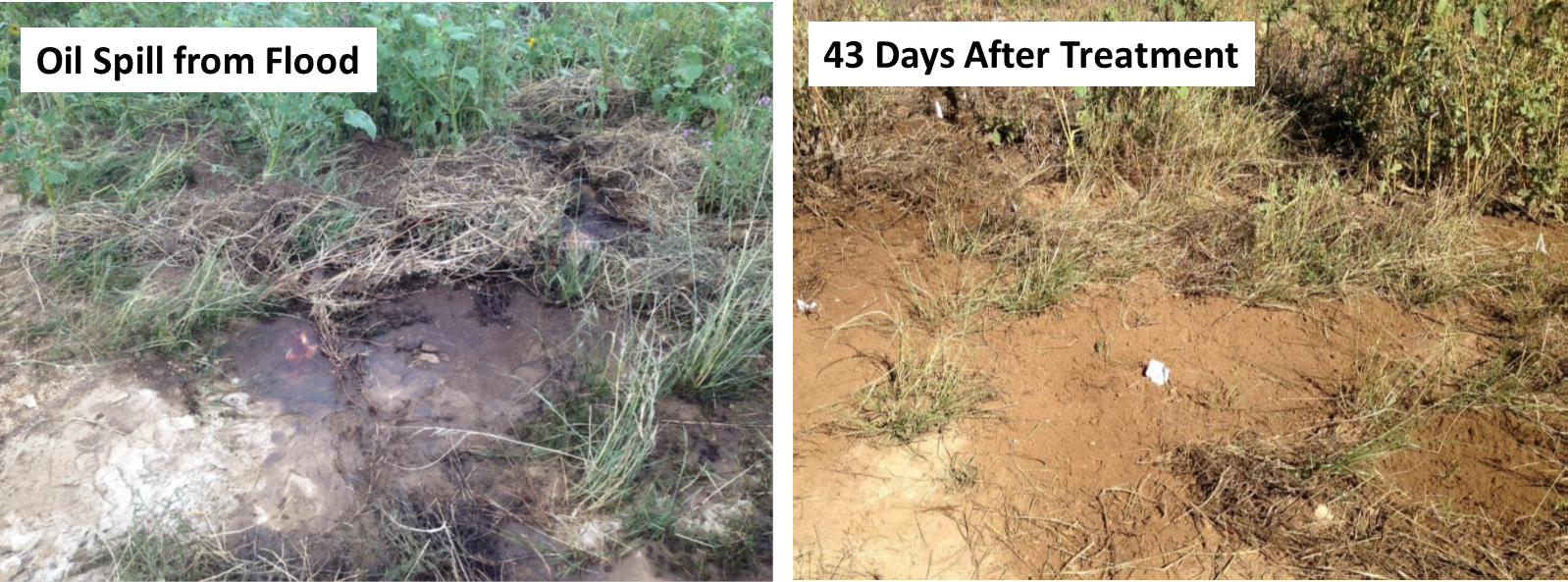
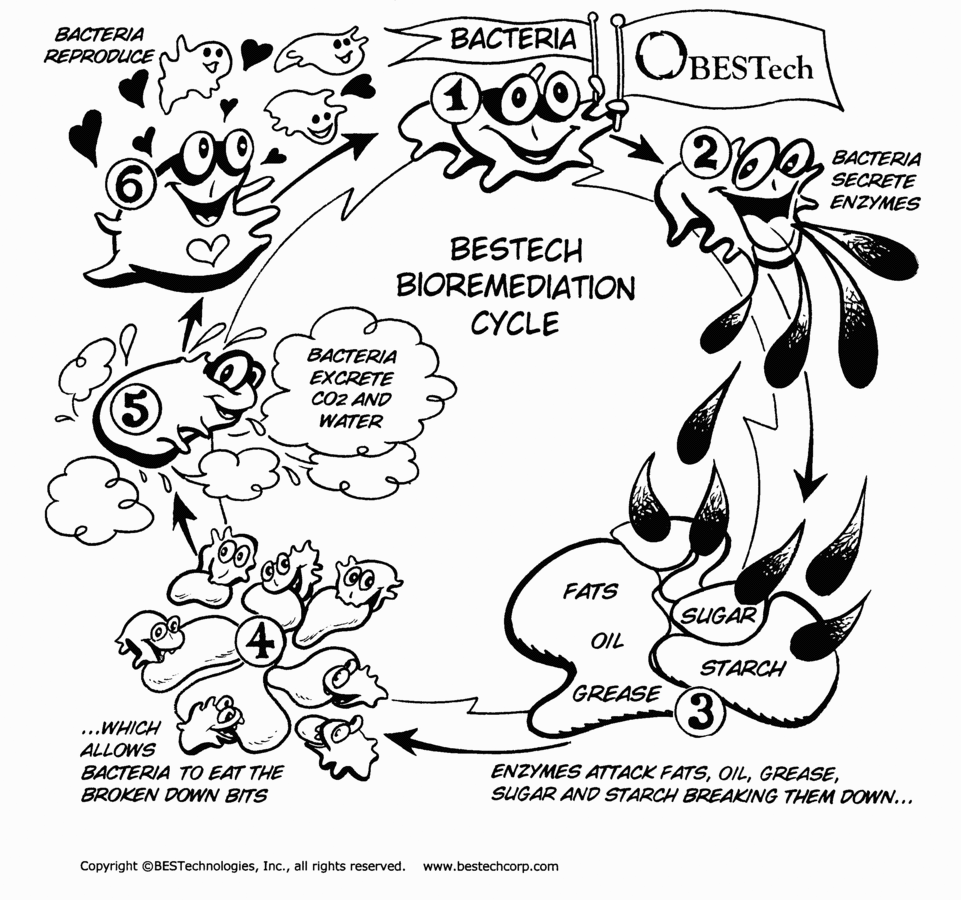
Bioremediation
Uses micro organisms to degrade wastes.
pH affects the solubility and how well the organisms break down the waste
less harmful to environment
PROBLEM:
Longer time and more expensive
Solutions
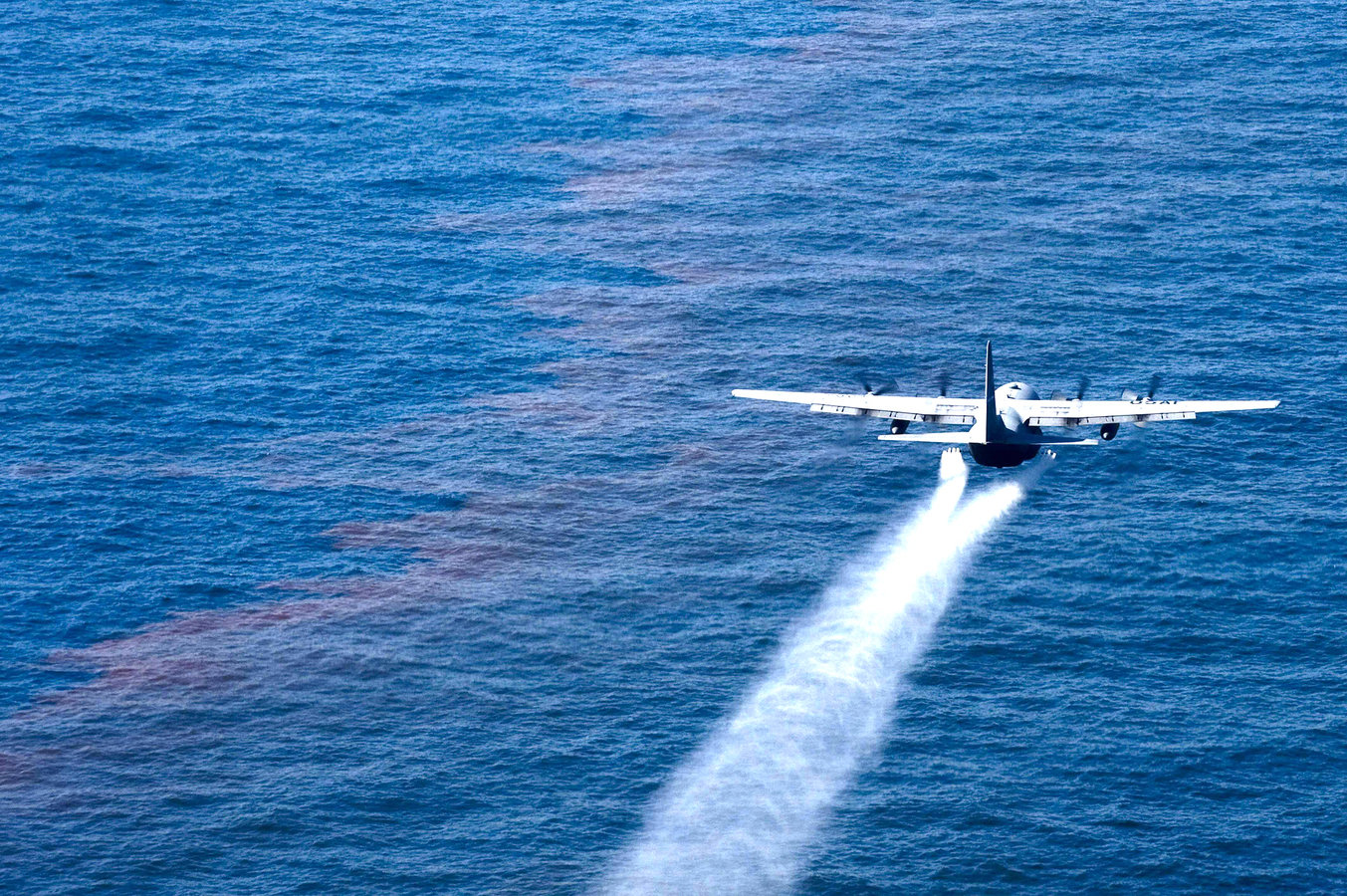
Dispersant Spray
Uses chemicals to degrade oil so that it mixes with water more easily to speed up its natural biodegration
dispersed into the water column
used since the early 60s & 70s
minimum negative effect to marine environment
efficient & operators not exposed to wind-blown chemicals
PROBLEM:
$$$$$$$$
"Gov, what you doing man.."
Canada Shipping Act, 2001
Arctic Water Pollution Prevention Act (AWPPA)
International Maritime Organization (IMO)
PROMOTES THE SUSTAINABLE GROWTH OF THE MARINE SHIPPING INDUSTRY WITHOUT COMPROMISING SAFETY.
TRANSPORT CANADA AIMS TO PREVENT SPILLS THROUGH FREQUENT OVERSIGHT, INSPECTIONS, AND ENFORCEMENT MEASURES.