CO₂ Global emissions
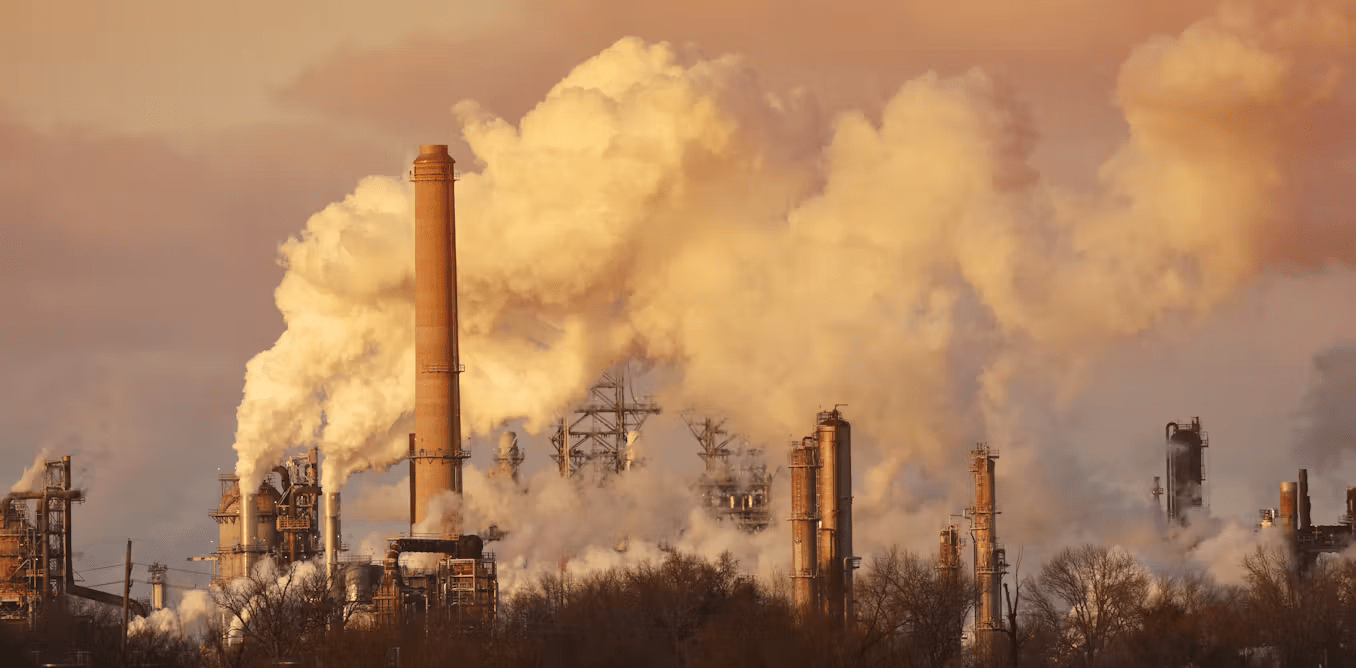
Global CO₂ Emissions
Carbon dioxide (CO₂) emissions play a major role in driving climate change and reflect the environmental impact of human activity. This analysis explores global CO₂ emission trends from 2000 to 2014 across multiple countries. My goal was to understand how emissions have changed over time, identify the top and lowest contributing nations, and uncover patterns that may link economic growth with environmental impact.
Includes coal, oil, and natural gas used for electricity generation, heating, and vehicles.
Power plants, cars, trucks, airplanes, and ships all release large amounts of CO₂ when fuel is burned.
1.
Trees naturally absorb CO₂, so when forests are cleared or burned for agriculture or development, carbon stored in trees is released back into the atmosphere.
Reduces Earth’s capacity to absorb CO₂ in the future.
2.
Factories and manufacturing activities emit CO₂ during cement production, steel and chemical manufacturing, and other heavy industries.
These processes often rely on fossil fuels and release CO₂ directly through chemical reactions.
3.
Deforestation and Land Use Change
Industrial process
Burning Fossil Fuels for Energy and Transportation
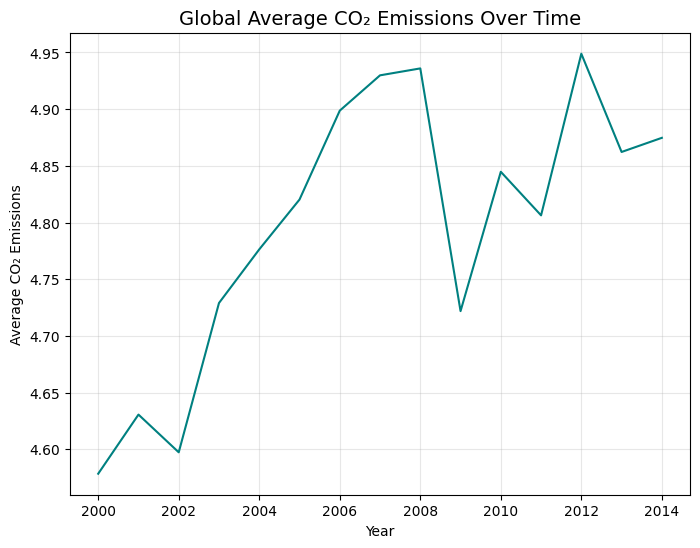
Overall, CO₂ emissions showed a steady upward trend across the 14-year period.
Peaked in 2012, the highest emission level in the dataset.
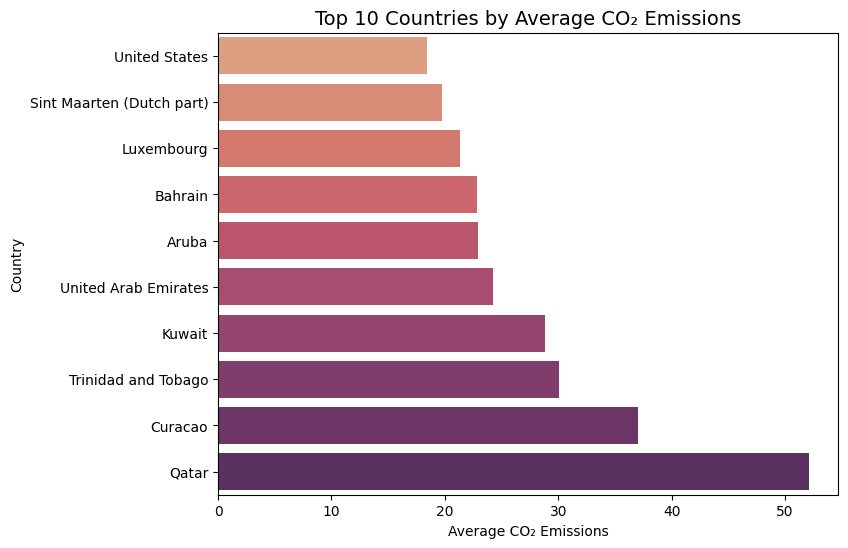
Qatar is the highest contributor, averaging approximately 50 (units) of CO₂ more than twice the emissions of the 10th-ranked country, the United States.
〞
A decline around 2009 aligns with Qatar’s emission drop, showing how one major emitter can influence global averages.
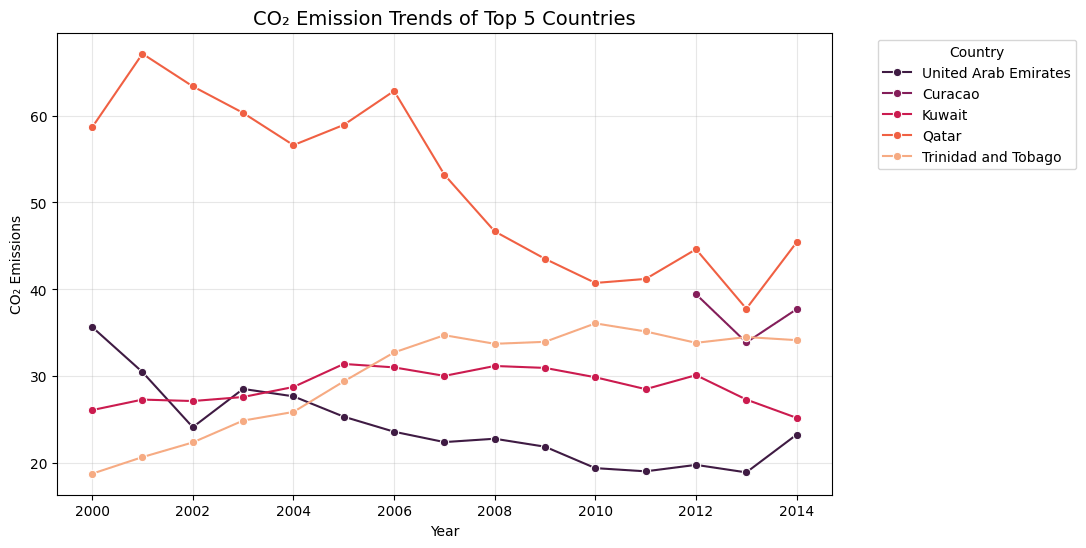
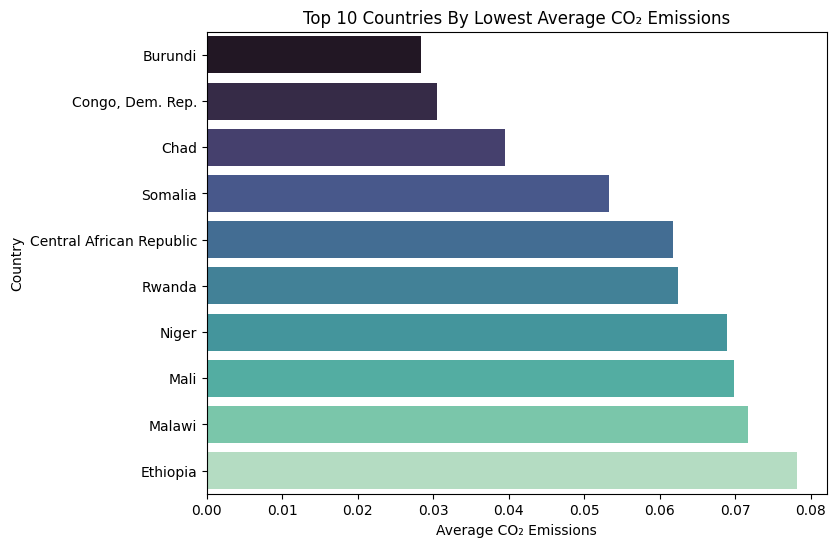
Notably, most of the countries in this group are located in Northern Africa,
This may be related to economic development, industrial activity, and energy consumption.
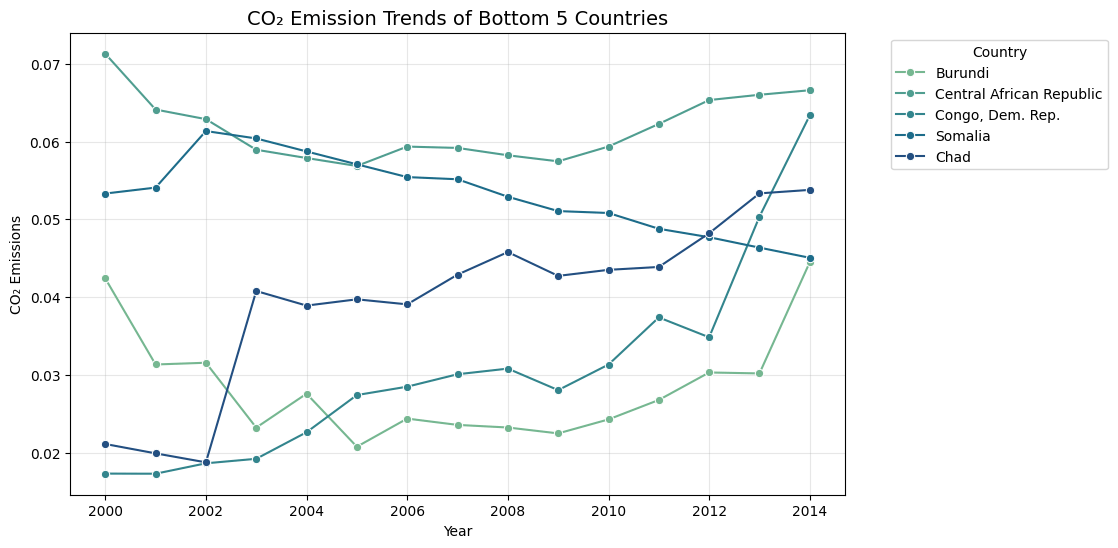
This trends stability reflects limited industrialization and slower economic growth, a stark contrast from the volatility of top-emitting nations
Between 2000 and 2014, a few wealthy, industrialized nations like Qatar and the U.S. produced most of the world’s CO₂ emissions.
Lower-income countries, such as Burundi and Chad, contributed very little, highlighting how economic growth strongly influences environmental impact.
CONCLUSION
Thanks!
Sources
Dataset:
https://drive.google.com/file/d/1Set1q70hQnOjdnKPcPAdJwIzgFet-Vd-/view?usp=share_link
CO2 Global Emissions 2000-2014
By Andrea