Chodera lab

Kai
Zen
5月4日2016
Bas Rustenburg
What can be improved about our lab meetings?
Timing of lunch
- We used to order lunch at the start
- Therefore, we'd eat AFTER lab meeting
- Less distraction during the talk
- Speaker gets to eat
- We could move lab meeting to start at 11 am, to facilitate lunch better.

Low frequency of meetings
- Each individual lab member doesn't get to present very often
- For instance, as many as 6 months between the last two meetings that I personally presented
Downsides of low frequency
- We get feedback less often as we'd like or need
- We need to spend much more time on introductory material
- It's more troublesome to miss a meeting, if the next one won't be for another 6 months.
- Harder to have meetings without John
- John travels a lot, leading to unused time
- Harder to have meetings without John
Therefore, I propose a different schedule
Two people!
- Each person gets a medium size 45 minutes timeslot
- As a rule, we aim for 15 minutes per slot for discussion
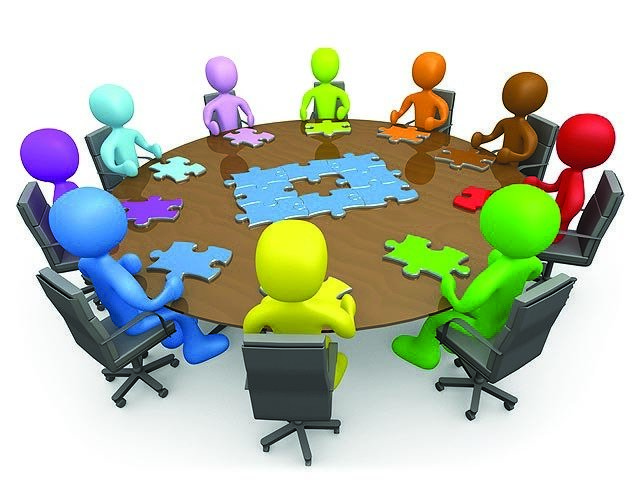
Two talks!


Image credit: Open Office
Benefits of the medium talk scheme
- Double the rotation frequency
- Receive feedback more often
- Talk about more frequent topics
- Less introduction
- Less problematic to miss a talk
- There will be another one sooner
- Possibly, unsupervised lab meetings
- So more meetings total (1+1 > 2)!
- Better for attention spans!
More talks ≠ more work!
- More chances to engage in cooperative research
- Less repetition
- More opportunities for practicing communication

Project management
How to deal with deadlines
Planning anything is hard when
- We don't have a target date
- We don't have concise goals, and often change our minds
- Or we don't have plans on how to meet deadline
Note that:
An objective plus deadline is not the same as a plan!
Issues with poor planning
- We never find out about small problems because we only see the big picture
- We need to spend time on how long things will actually (not ideally) take.
Common planning strategies
- Always overestimate the time something will take by about 30-50%.
- Have a daily schedule of minor tasks that need to be done to complete larger tasks
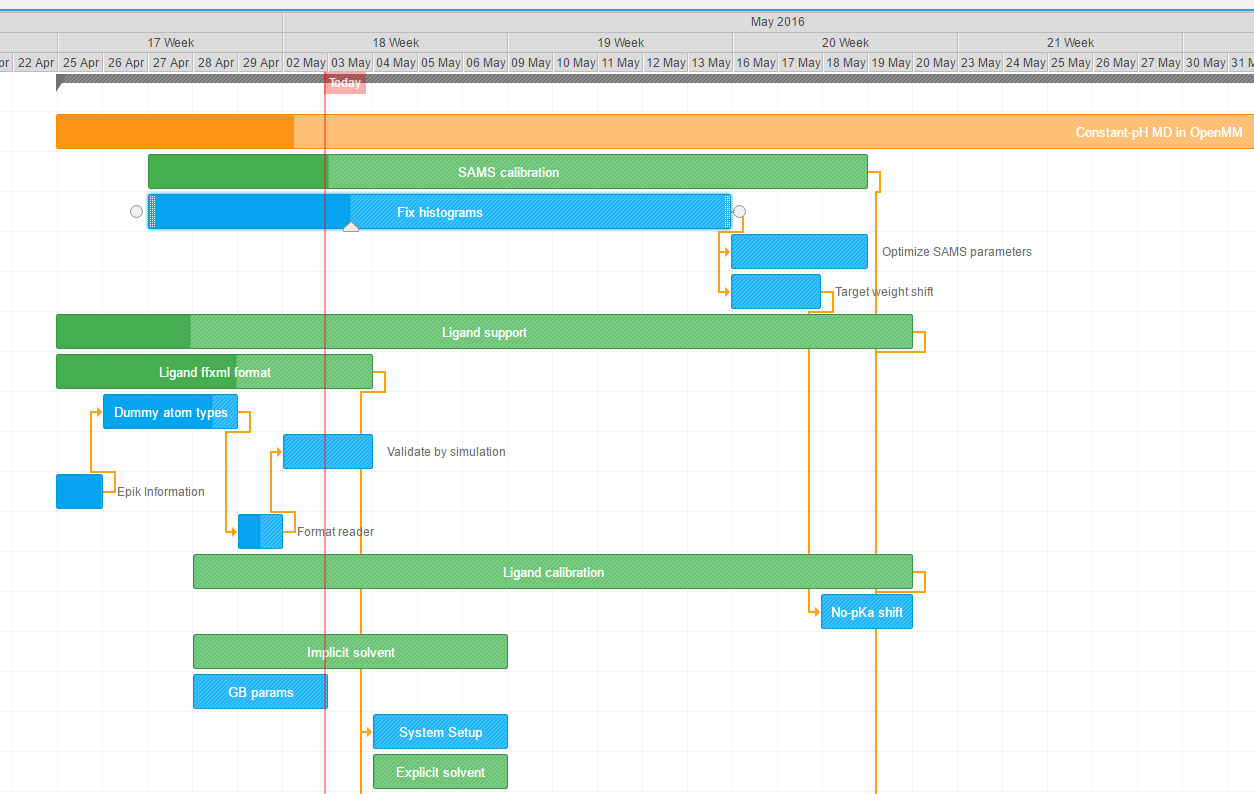
- One can use flowcharts/Gantt charts to accomplish this and plan multiple projects at once
- Very easy to see when plans need to be adjusted in order to make it to a deadline!
A Gantt chart is just a calendar!
Alternatively
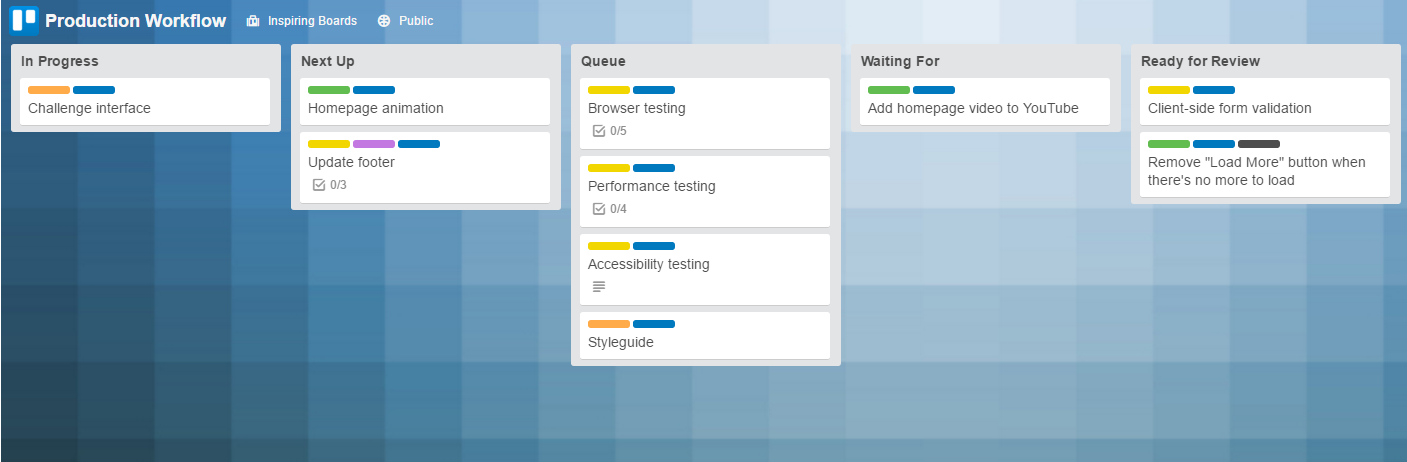
- Use trello boards!
Thanks!
e = mc^2
改善
By Bas Rustenburg
改善
Slides for the choderalab kaizen meeting