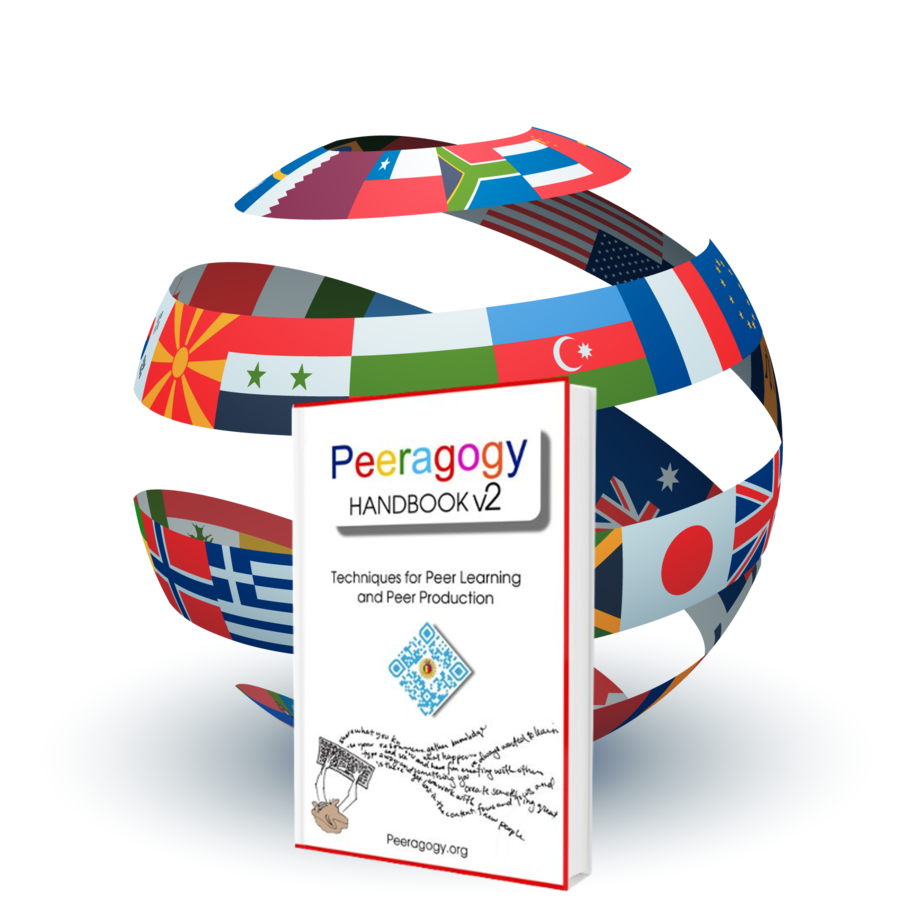
The Peeragogy HandBook V2
“Be The Learning”
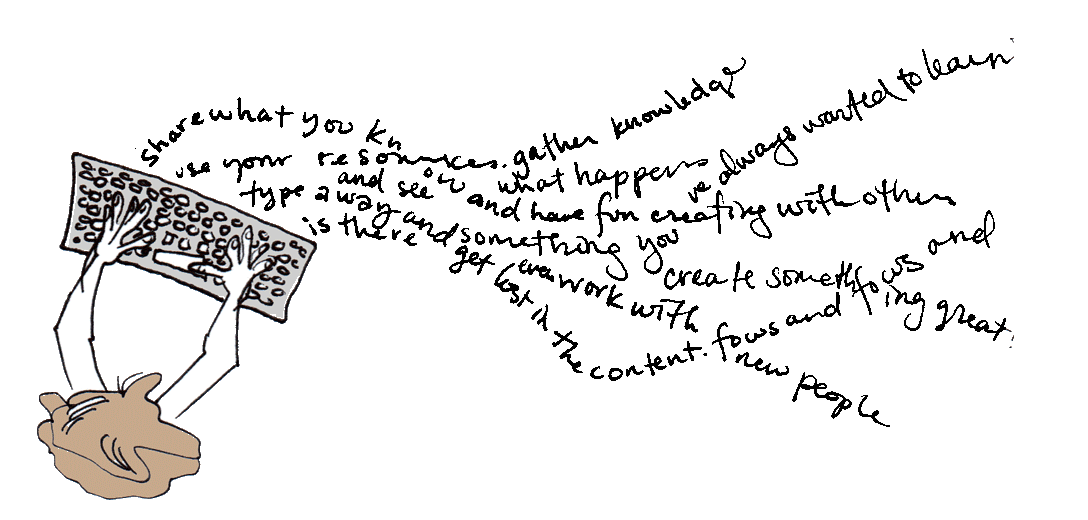

Peeragogy is a collection of techniques for collaborative learning and collaborative work.
By learning how to "work smart" together, we hope to leave the world in a better state than it was when we arrived.
Translations
Work-flow process
Why Translate?
For those in the open knowledge and open education fields, translation is about access to information key motivators are expanding access to documentation and training resources, as well as creating localized versions.
Open Educational Resources (OER) offer an opportunity to scale learning across the globe. With ever more learning material available under open licenses and with increasing global internet penetration, the primary remaining barrier to making this material accessible is translation
Other motivations to translate are:
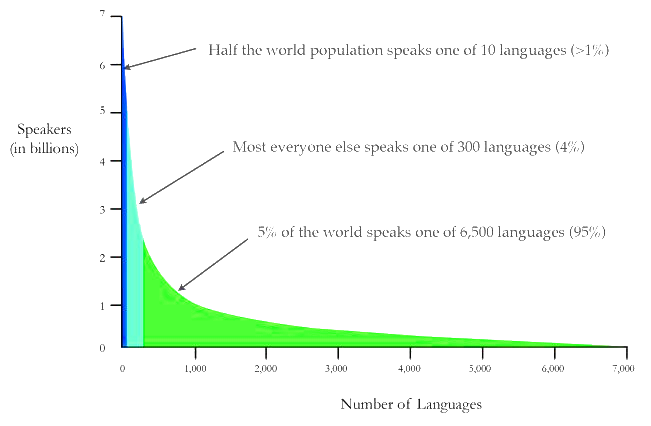
- Matching content with community language needs
- Stimulating local content creation
- Cross-pollinating ideas
- Revitalizing endangered languages
How:
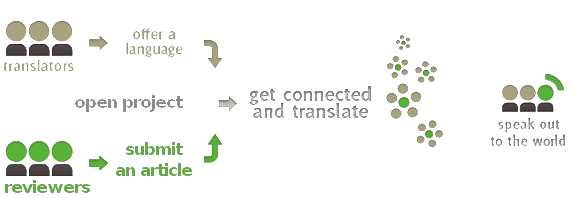
Facilitate your group with a bit of dedication
What:
PeeragogyV2 Translation Status
Who?
Joining or Create a new
translation team ?
Contact us

Italian Coordinator:
Fabrizio Terzi:
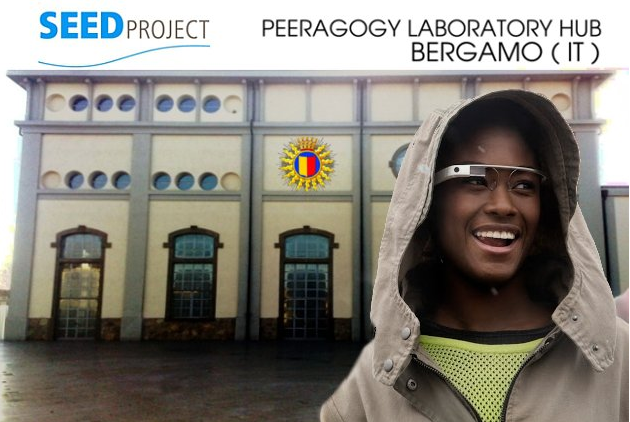
"The more people we'll inspire, the more people we'll inspire us"
Spanish Coordinator:
Paola Ricaurte Quijano:

Department of Cultural Studies, Tecnológico de Monterrey, Mexico City Campus
Where:
Fork the repository and be ready to get started!
Paragogy.net is the Italian Wiki site for traslations.
See also the discussion page: Here
Welcome
to
Peeragogy Handbook V2 Translations Workflow
By Bergamo HUB
Peeragogy Handbook V2 Translations Workflow
Editors of the Peeragogy Handbook are delighted to announce the revised, second edition of the Handbook has been published on Public Domain Day 2014 (1 Jan. ’14). The Handbook is the world’s first book explicating Peeragogy, a collection of techniques for collaborative learning and collaborative work. This version features a new foreward from well-known author, Stanford University Educator and Founding Editor of the Handbook, Howard Rheingold. The Handbook has drawn praise from leading Peer-to-Peer theorist Michel Bauwens, Research Director of the Free/Libre Open Knowledge Society (a project at the IAEN national university with support of the Ecuadorian Ministry of Human Resource and Knowledge), “Rheingold and a great team of collaborators have preceded the rest of humanity in exploring the new dynamics of technologically-enhanced peer learning.”, said Bauwens. Visit http://peeragogy.org for more information and to download/read the e-book!