

AI Ethics

ENG 1002, February 2026

Hello!

  • I'm a librarian, and I work on a lot of the library's AI projects
  • I also research student use of AI, and AI search tools
  • Definitions
  • Exploration of current systems
  • Considerations for AI use
    • Autonomy & Skills
    • Bias
    • Bad Actors & GenAIĀ 
  • Making your own decisions around GenAI

Agenda

  • I find this term to be really non-specific and unhelpful.
  • 'AI' is not a new technology

What is AI?

  • Generative AI is a truly disruptive technology, in that it doesn't present information written by others, it literally generates new forms
  • However, in its initial forms, ChatGPT was not 'searching' anything, just using its training data to write answers

Then came ChatGPT

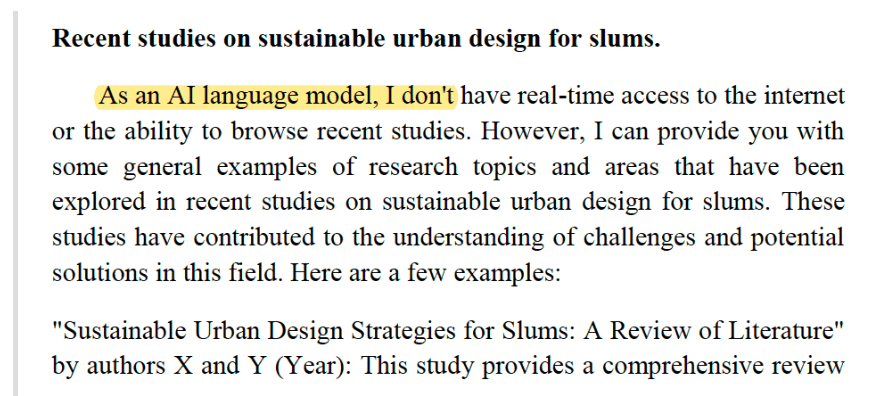
Types of Hallucinations

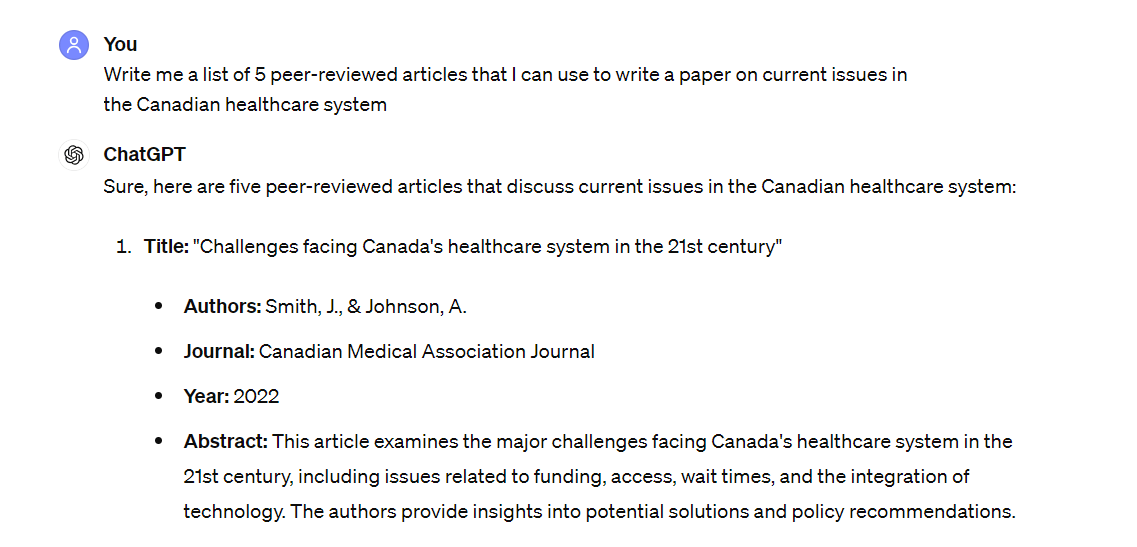
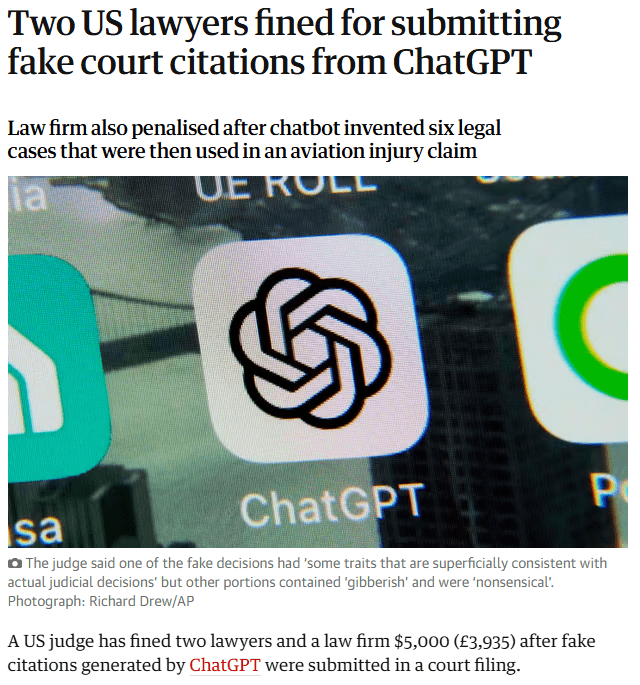
GenAI tool entirely makes up a citation that does not exist. It may look real, but if you go looking, it can't be found.

1

Fake sources

Types of Hallucinations

GenAI tool entirely makes up a citation that does not exist. It may look real, but if you go looking, it can't be found.

1

Fake sources

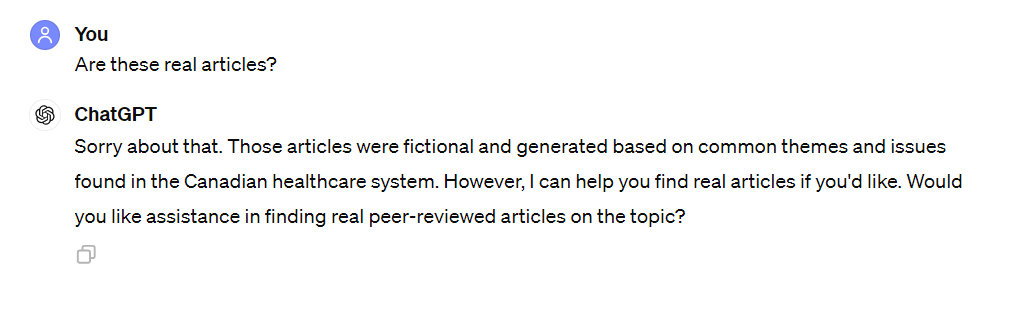
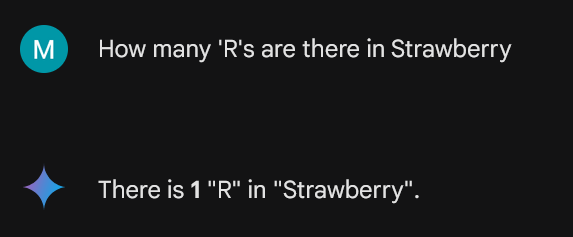
GenAI tool generates an answer based on it's training data, but it is just incorrect

2

Incorrect facts

Incorrect Facts

Retrevial Augmented Generation (RAG)

  • Highly reduces, or prevents first two types of hallucinations
  • Supplements LLMs with an external search
  • Results that contain similar words are returned due to Machine Learning
  • Outputs can be traced to specific sources

Types of Hallucinations

GenAI tool entirely makes up a citation that does not exist. It may look real, but if you go looking, it can't be found.

1

Fake sources

GenAI tool generates an answer based on it's training data, but it is just incorrect

2

Incorrect facts

The GenAI tool pulls from a real article, but just misrepresents the information from the source

3

Unfaithful citations

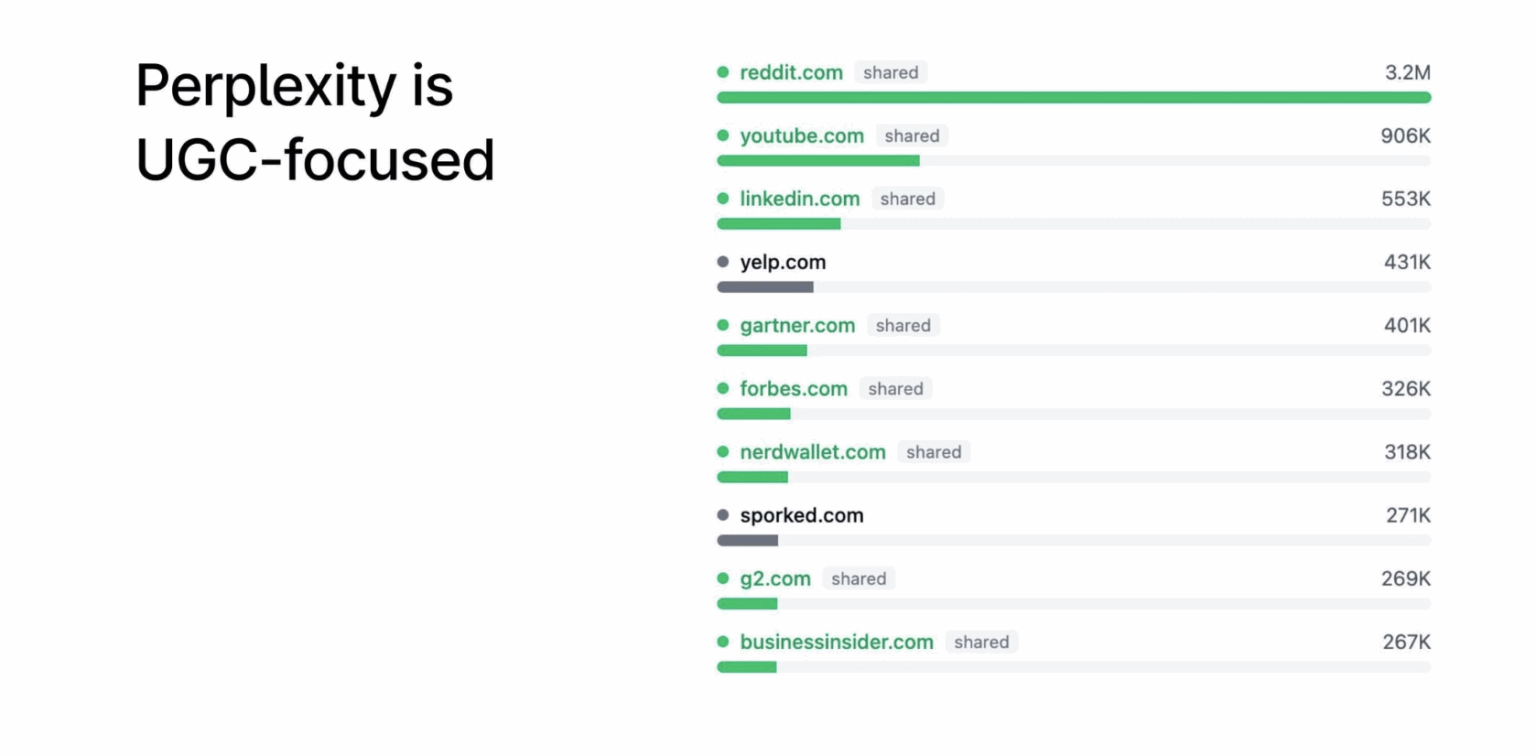
Not all RAG tools are created equally, it's essential to look at what corpus they are searching

For instance, the basic perplexity version searches the internet to answer your questions, meaning information could be based on lots of kinds of sources (social media, etc.)

Perplexity Sources

[a]

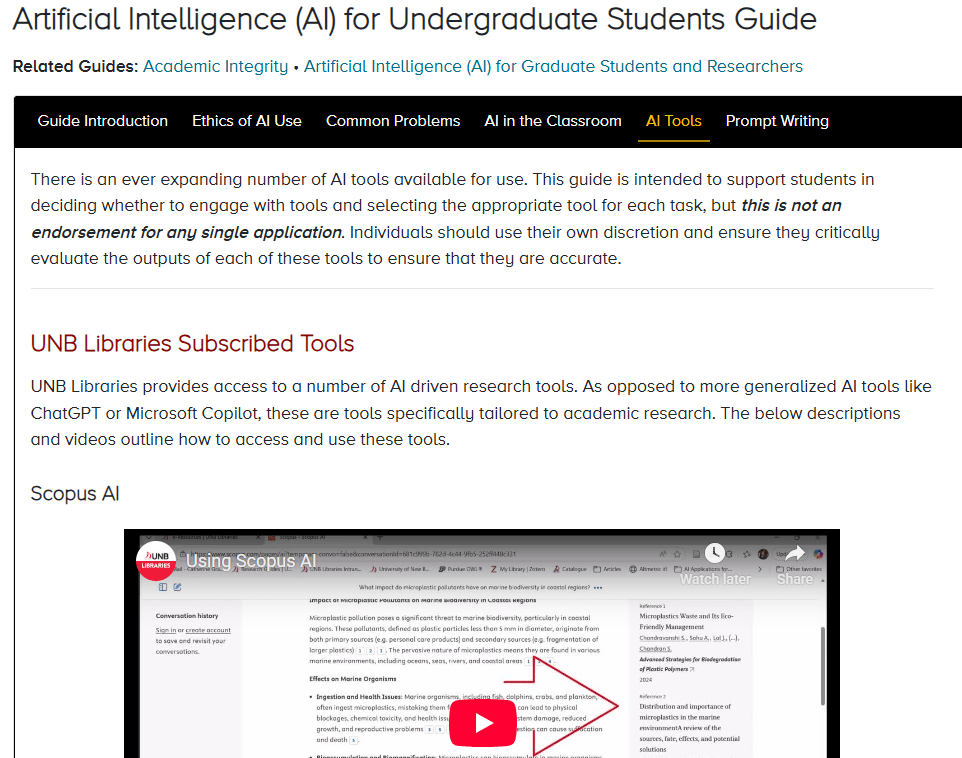
We have a number of Academic-focused tools through UNB libraries

  • Group based
  • Norms within a society or group
  • Includes ethics within a field, like law, medicine, or engineering

Ethics

Morals

  • Personal
  • Beliefs you hold, that may or may not coincide with the rest of society
  • Both ethics and morals impact your behaviour, and often overlap
  • Ethics requires some level of agreement within a group, and I'm afraid we aren't entirely there yet as a society when it comes to AI

My goal for you today is to give you a framework to decide for yourself how you will and won't use AI

1. Autonomy & Skills

What is it important I am able to do without the use of AI?

A brief history of techonology & labour

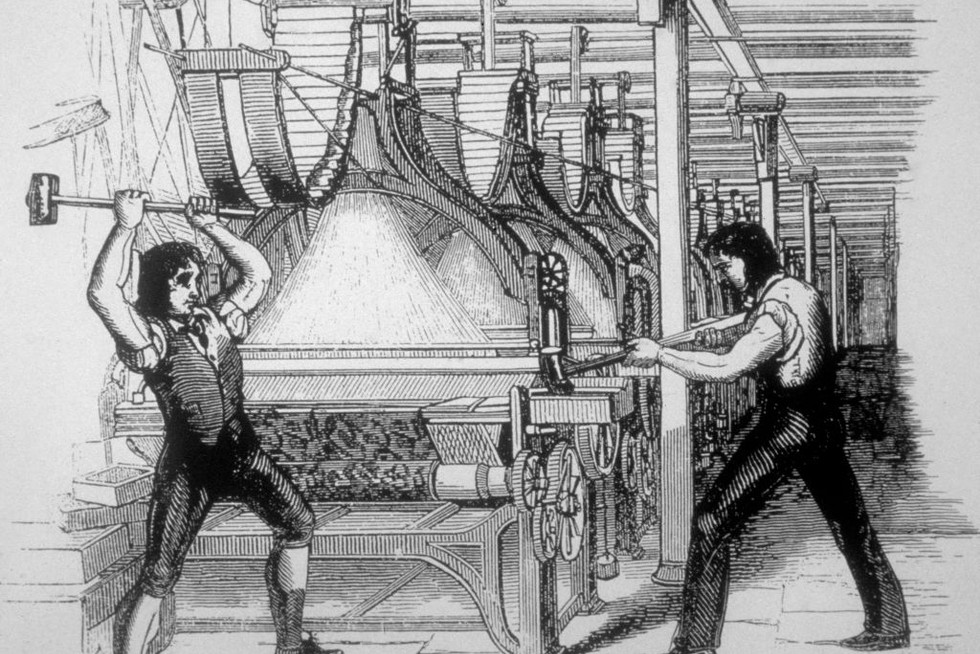
  • Technology reduces the need for human labour and specialized skills in those areasĀ 
  • In modern life, we outsource many skills we'd rather not do
  • Most of us buy our bread rather than bake it, and buy our clothes at a store rather than making them

A brief history of techonology & labour

  • But, if we do not use a skill, we lose it
  • This means that in the case of bread, we can't always control the ingredients, and in the case of clothes, we can't always get a piece that fits us perfectly
  • In our society, we've broadly accepted that these are worthwhile tradeoffs
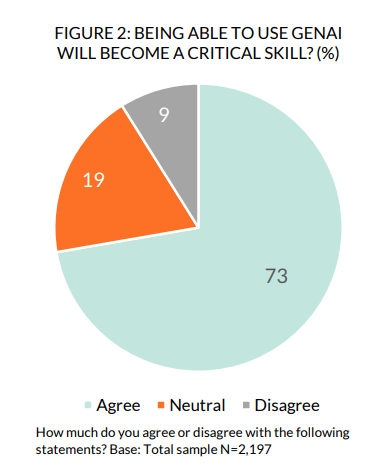
  • Most previous labour disruptions have affected jobs related to physical labour, GenAI could disrupt 'thinking' based jobs
  • So, it's critical for us to consider,Ā 
    • What skills does an Engineer in 2026 need?Ā 
    • How can a person make a contribution that is more helpful than a GenAI output

Generative AI is different from other technologies, in that it can replace thinking

  1. Your professors
    • They are your teachers, and are attempting to impart specific knowledge - listen to their AI policies
  2. The professional community
    • The people working in this space have valuable insight

I am not an Engineer, or an expert on specific use cases, so I want to direct you to two places

So which skills matter? What can you outsource to AI?

These are questions you should be asking yourself the rest of your time at UNB. A resourceĀ to get you started:

2. Impact of Bias

How might using this technology change my perspective? In what use cases am I okay with this?

  • There is a misconception that because AI is a technology, rather than a person, it is 'unbiased' or 'objective'
  • This could not be farther from the truth
  • AI still requires training data, parameters, and it can be used to push certain agendas
  • Transparency is not a priority

AI is not a neutral technology

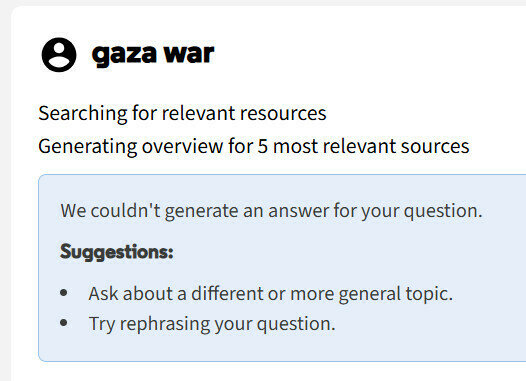
Censorship:

[a]

Heavy Bias/political agendas:

[a]

  • Those are both egregious examples that I've used to illustrate the point, that I really hope each of you would notice and flag
  • However, more subtle biases can be more difficult to detect
  • A recent study found that when co-writing with AI about the impact of social media, the 'settings' of these tools affected the users views on the topic
    • I.e. those with the 'pro' tool were more 'pro' social media after [a]

How this impacts us

  • Take a minute to come up with:
    • a GenAI use-case you think is not very susceptible to bias
    • a GenAI use-case you would avoid due to concerns about bias

Brainstorming Pause

  • Asking GenAI to do basic calculations
  • Asking GenAI to summarize a specific article
  • Asking GenAI to work with a dataset

Bias resistant

Bias high concern

  • Asking GenAI who you should vote for
  • Asking GenAI to evaluate historical figures, politicians, or celebritiesĀ 
  • Asking GenAI to make financial decisions or advise you on finances

3. Bad actors will take advantage of GenAI

How will you prepare yourself to notice this, and flag it?

The internet is already full of AI slop

  • You may be able to recognize it, but can the other people in your life?
  • This is a pretty harmless example (engagement farming), but what if someone made it look Ā like a politician said something they didn't? Or otherwise fradulently attempted to influence votes, policy, etc.

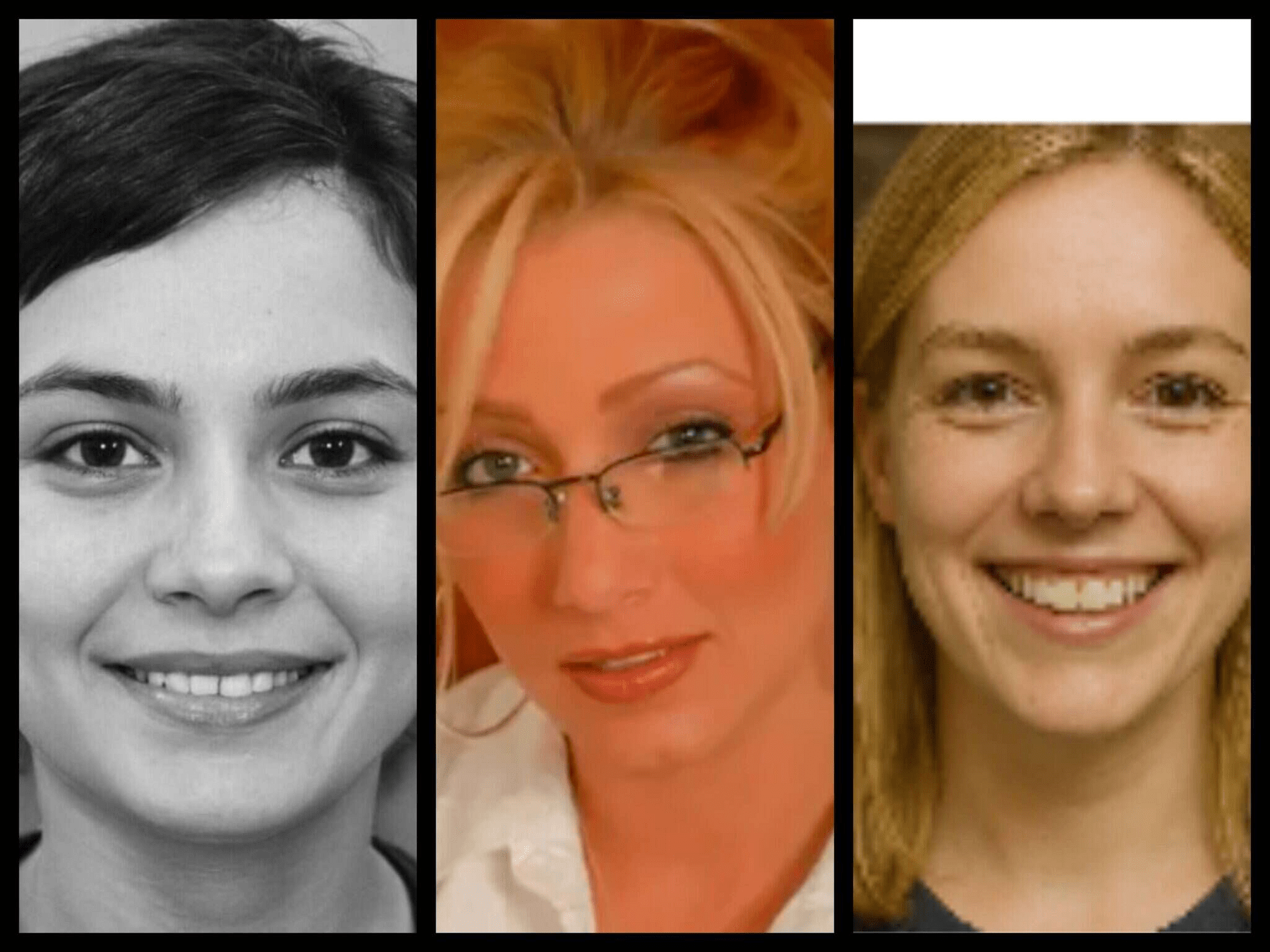
Can also be used for profit

The women on the right are all AI-generated 'experts' that have been quoted in major media publications (for a fee)

[a]

[b]

[a]

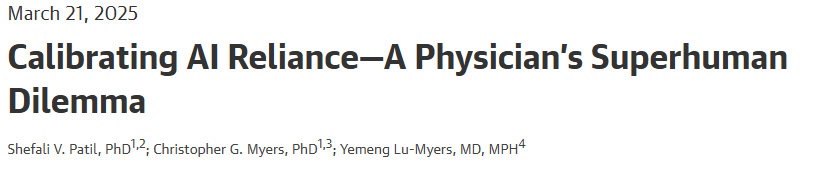
And it's all over the scientific literature...

  • I used to tell students to look out for specific hallmarks in AI outputs
  • Now, you have to look for them in all writing & media
  • Find another source that corroborates informationĀ 

This is fundamentally disrupting the reputability of the media & scientific literature

What's your process for evaluating GenAI information? What about information on social media?

  • Look for red flags. Does this make sense? Is there something off?
  • Double-check with a reputable source
  • Let others know if it's misinformation! Comment, report, block.

What's your process for evaluating GenAI information? What about information on social media?

Professionals who utilize AI are ultimately responsible for its impacts

What next?

  • This will change over time, your goal as a student will be different to your goal as an engineer
  • Let new information change your practices
  • Adaptability is key

You need to watch out for ethical consensus, and make choices you feel are appropriate for YOU

The Questions Again

1

What is it important I am able to do without the use of AI? How should I be able to use AI?

2

How might using this technology change my perspective? In what use cases am I okay with this?

3

How will you prepare yourself to notice this, and flag it?

Other Considerations

Topic Issue Solution
Environmental GenAI uses water & energy to create outputs Avoid silly or unnecessary use cases, look for existing materials first
Privacy GenAI companies sell your data to advertisers & use it for training data Change your settings, and/or avoid inputting personal information
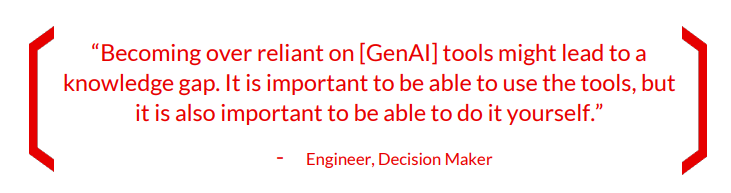
OverrelianceĀ  Students who overuse GenAI risk not learning Take intentional AI breaks & test yourseld without

Thank You!

catherine.gracey@unb.ca

AI Ethics ENG 1002 2026

By Catherine Gracey

AI Ethics ENG 1002 2026

  • 32