
Copyright for Authors

— Catherine Gracey, Open Scholarship & Copyright Librarian

Copyright is: "the exclusive legal right to reproduce, publish, sell, or distribute the matter and form of something (such as a literary, musical and artistic work)"

– Conrad Anker

Purpose of Copyright

  • Grants authors exclusive rights to their creative work
  • Allows them to recieve compensation & recognition, and maintain autonomy over their work
  • Theoretically incentivizes authors to create
  • A combination of the following 2 rationales

Author's Rights

Utilitarian

  • Authors are incentivized to create because of societal benefits (i.e. financial)
  • Authors are incentivized to create because of their connection to their works
  • Connected to moral rights

How does Copyright relate to Intellectual Property?

Copyright

Artistic & Literary Works

Trademarks

A symbol or phrase that differentiates a business from another

Patents

Gives inventors monopolies to produce their creation 

Intellectual Property

The overarching area of law that dictates how creators can control how people use their creations

Copyright

Artistic & Literary Works

Trademarks

A symbol or phrase that differentiates a business from another

Patents

Gives inventors monopolies to produce their creation 

Intellectual Property

The overarching area of law that dictates how creators can control how people use their creations

What does this mean practically?

This can include:

  • Expressions traditionally thought of as literary (novels) or artistic (paintings)
  • Other media, like videos or songs
  • Text like computer code
  • Expressions of research findings, like Journal Articles, Reports, Conference Posters

Literary & Artistic Works

Non-fixed or tangible items

If I did an impromptu improv dance right now, and no one made a recording, it would not be copyrightable.

Non-human creator

There needs to be an element of human contribution/effort for works to be copyrightable. This presents an interesting question with GenAI. How much human intervention is required is yet to be seen.

Ideas or facts

No one person can 'own' the fact that the sky is blud, or the grass is green. Facts or ideas are public domain, but expressions of these can be copyrighted.

Certain attributes make copyright not possible

How do you *get* copyright?

  • Once you have put  your work into a tangible/fixed form, you own the copyright!
  • However, if you'd like there to be a record of this, you can opt to register copyright
  • This certificate can be used as evidence in court if there is any question of who produced the work first
  • Registration of copyright—filing online

Copyright is automatic

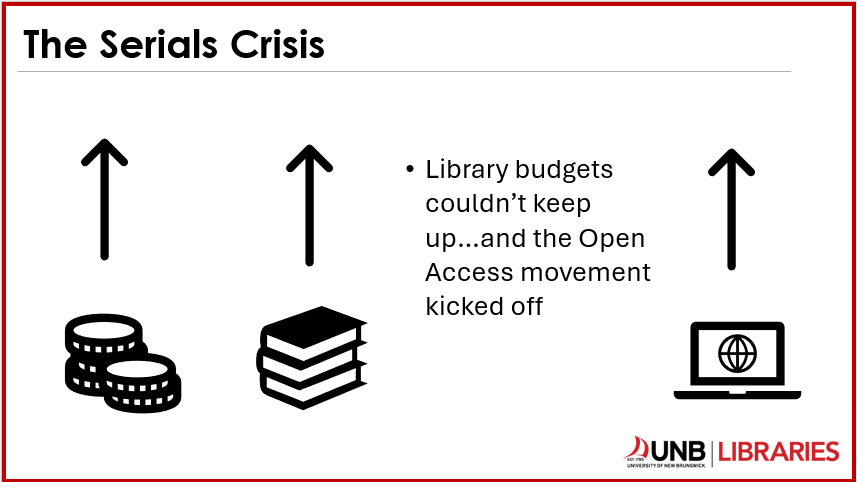
Subscription-based publishing

Copyright is: "the exclusive legal right to reproduce, publish, sell, or distribute the matter and form of something (such as a literary, musical and artistic work)"

– Conrad Anker

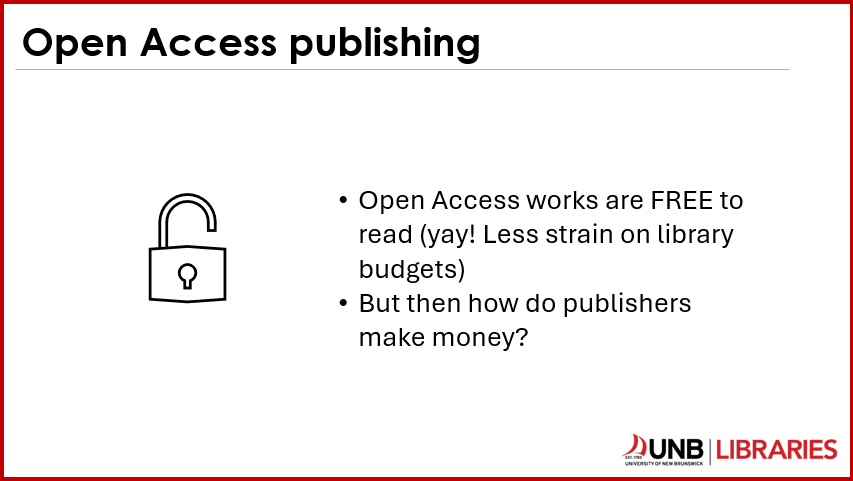
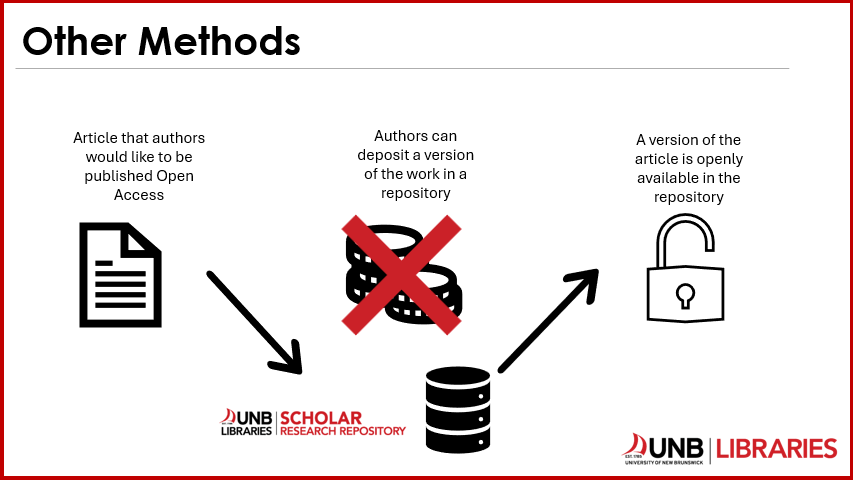
  • There's a big misconception that to publish OA, you have to pay fees (we'll get to this shortly)
  • You can usually put a different version of your work into a repository (the specifics here matter)
  • The JISC Open Policy Finder is a fantastic resource here

Publishing 'closed' but meeting requirements....

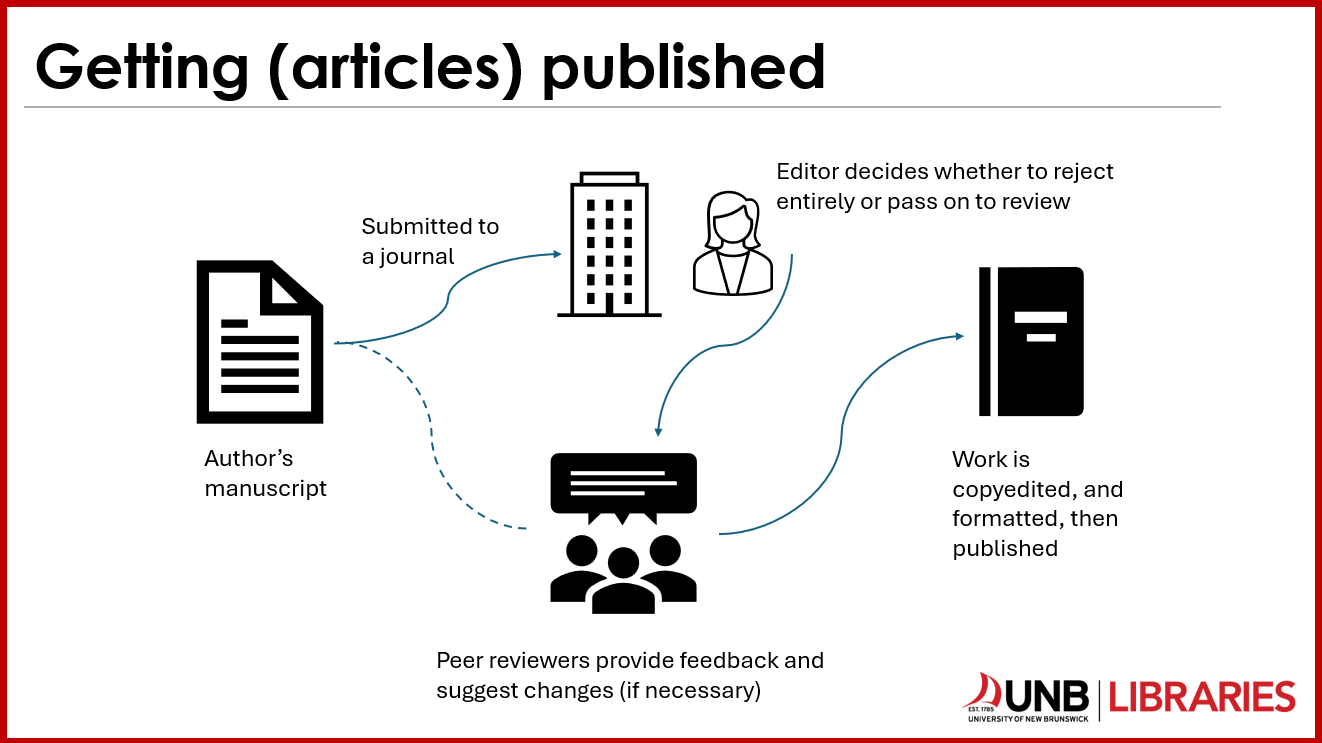
A quick note on journal article versions

Submitted Version

The version of the paper submitted to the journal

You write a paper, and finalize a version to submit. This is often also called a Preprint

Peer review occurs, and you have suggested/required edits.

Version of Record

Review and Iterate on the designs with testing of ideas, client feedback and prototypes.

Accepted Manuscript

The version of your work that has been peer-reviewed, but not copyedited or stylized 

A peer-reviewed, copyedited, stylized version of the work appears on the publisher website

  • Generally:
    • VoR is the most 'locked down' in terms of how you can share it
    • Preprints are more likely to be able to be shared (but you should still check specific version information, and where these may be shared).
    • Sometimes, you'll be required to update the preprint link with link to final version

Different rules apply to different versions of your work

Open Access Publishing

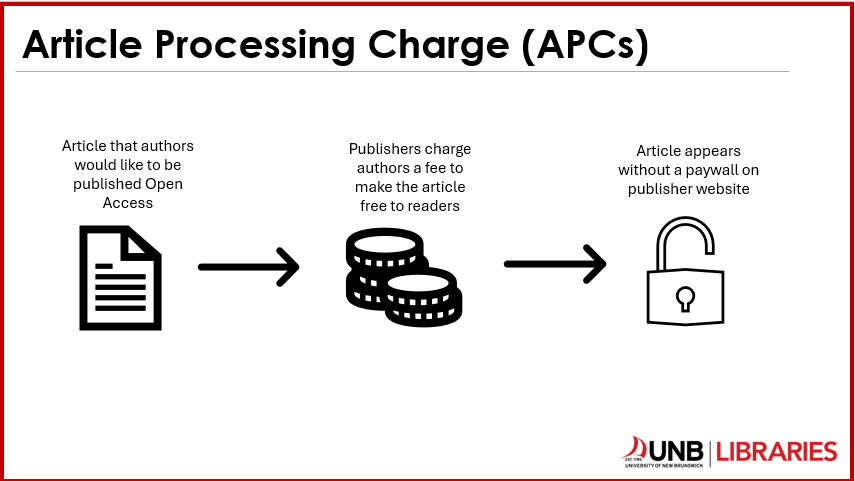
  • In the APC model, publishers make money from authors, not readers
  • As everyone can see the work openly, publishers generally allow authors to keep copyright
  • However, they may ask authors to apply licenses, and sign licensing agreements

OA Publishing & Copyright

Open Licenses

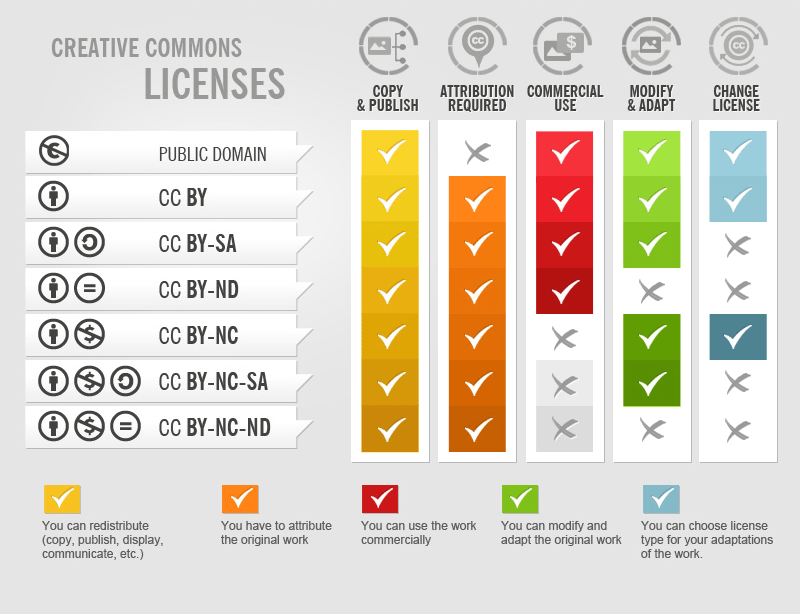
Creative Commons Licensing

  • By default, copyright applies an 'all rights reserved' approach to works, but CC licenses allow for flexibility
  • Authors who apply CC licenses maintain copyright, but are indicating use cases that you don't have to seek permissions for

Creative Commons Licenses

Attribution (BY)

  • Only element in every CC license
  • Means that users should attribute or credit the original creator

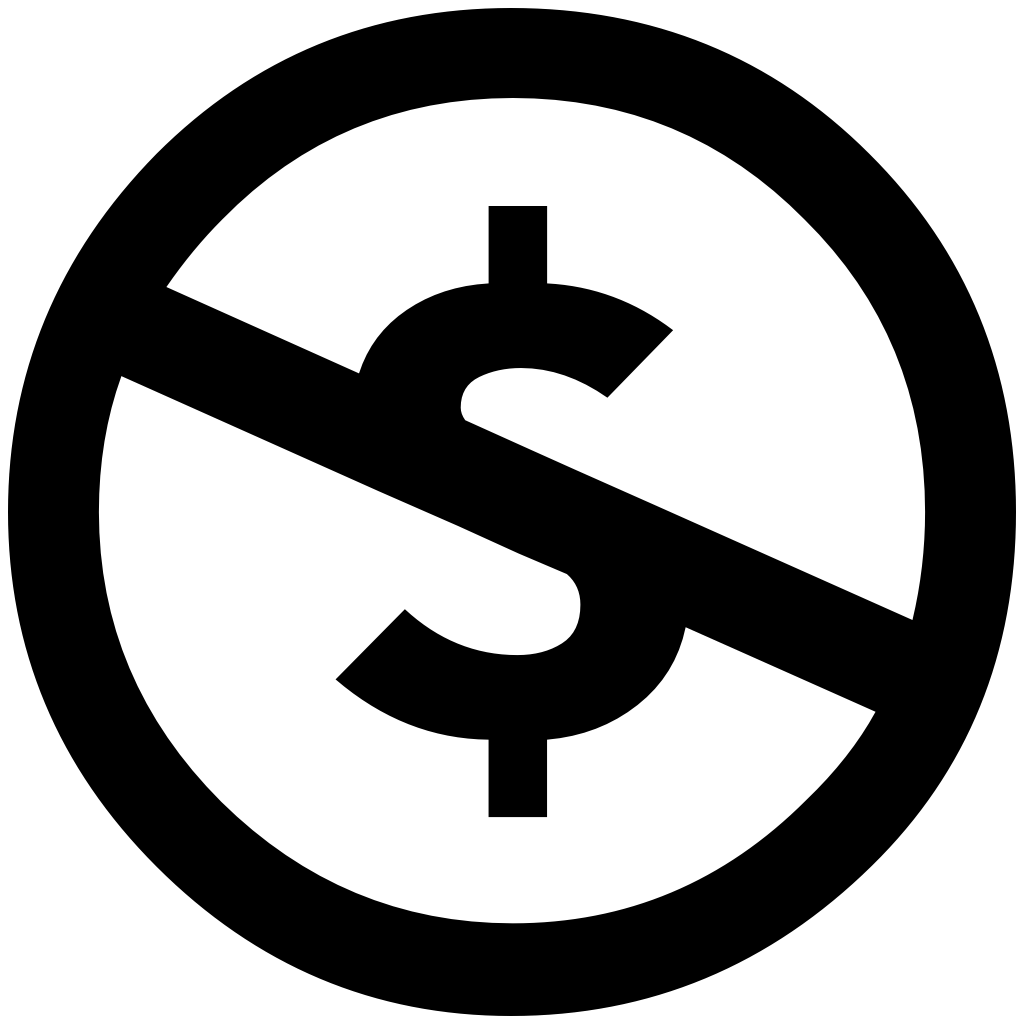
Non

Commercial (NC)

  • Used in 3 CC licenses
  • Means that uses of this work most be for purposes not driven by making money
  • Usage is critical, not the user

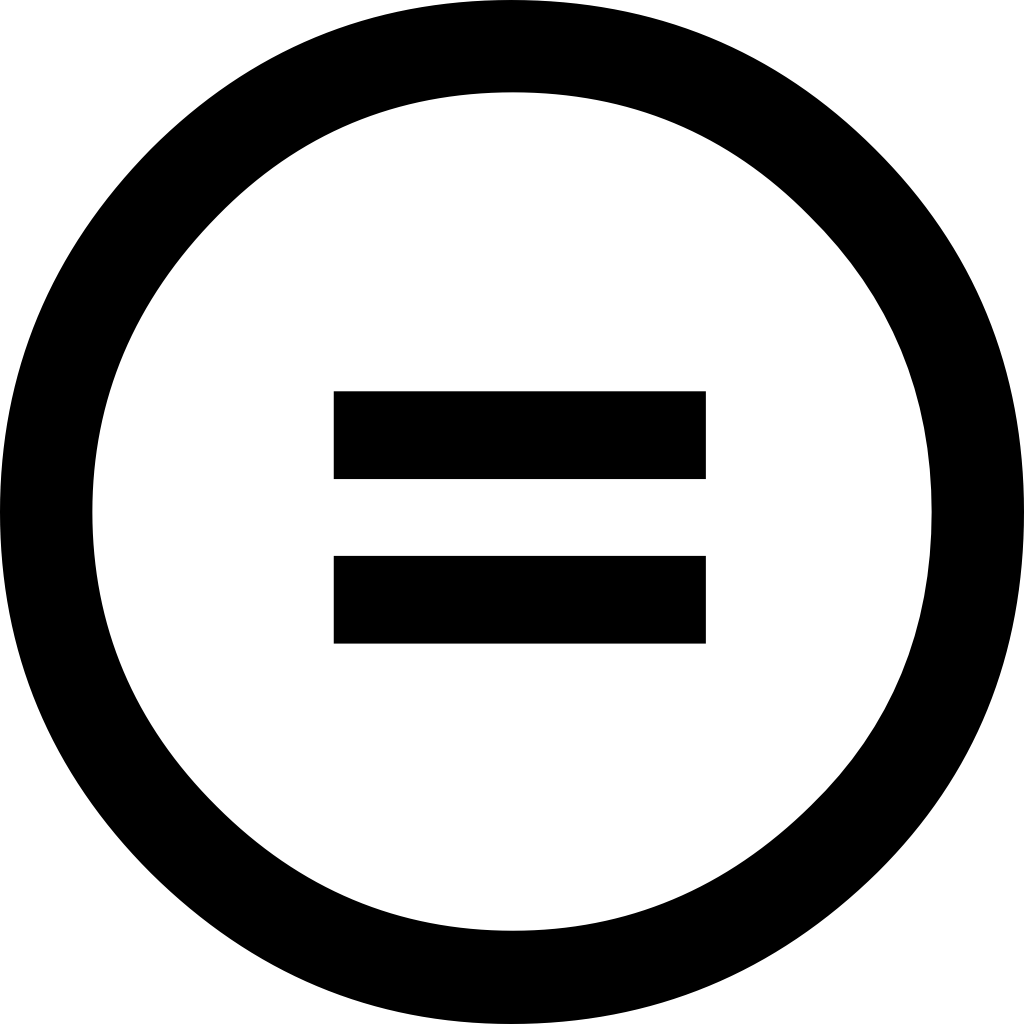
No Derivatives (ND)

  • Used in 2 CC licenses
  • Means that users should not share or publish versions of the work that have been changed

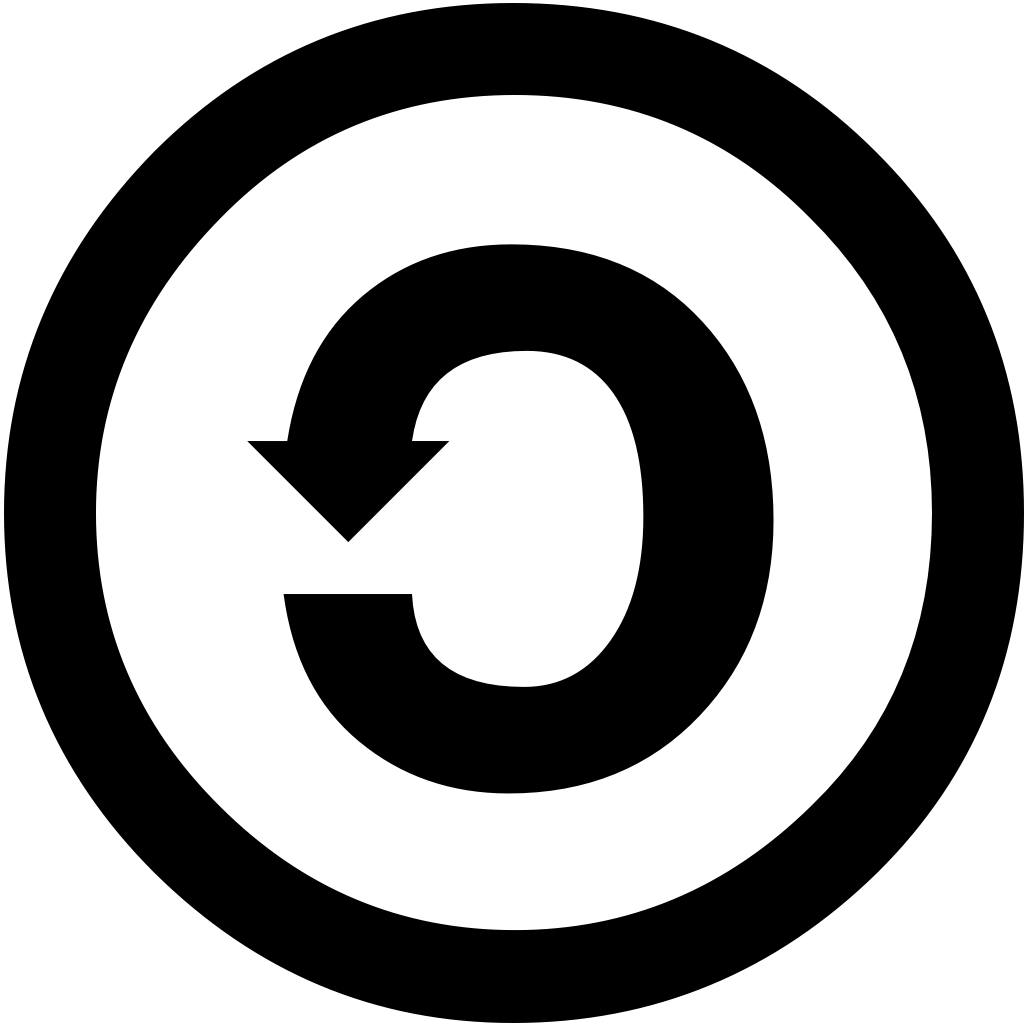
Share Alike (SA)

  • Used in 2 CC licenses
  • Means that if you adapt and want to reshare or publish, you must do so with a compatible license 

The Making of a License

These 4 elements are combined into 6 different licenses

Creative Commons Licenses. JoKalliauer, 2015. File:Creative Commons Licenses.png - Wikimedia Commons

Used under a Creative Commons Attribution-Share Alike 3.0 Unported license.

Licensing Agreements

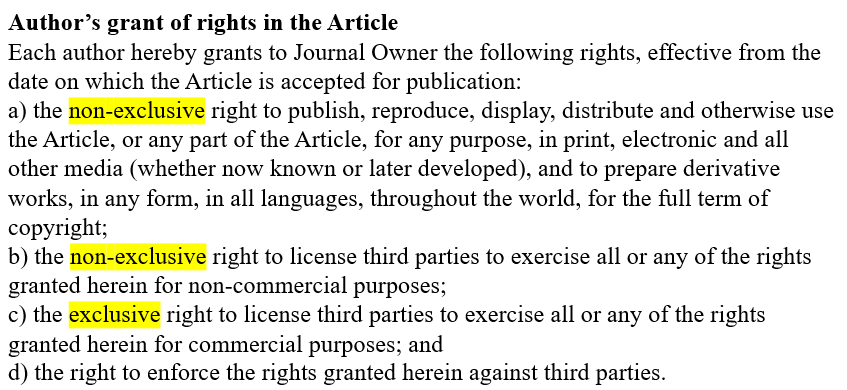
Or, License to Publish (LTP) Agreements dictate the contract between the publisher and the author, detailing how each party may use this work moving forward

Exclusive Licenses

  • You are signing away your right to ____
  • The only party who may, is the licensee. 

Non-Exclusive (Limited) Licenses

  • You and the licensee may now both do ____.

Often publishers will combine both exclusive and non-exclusive clauses to create an agreement. 

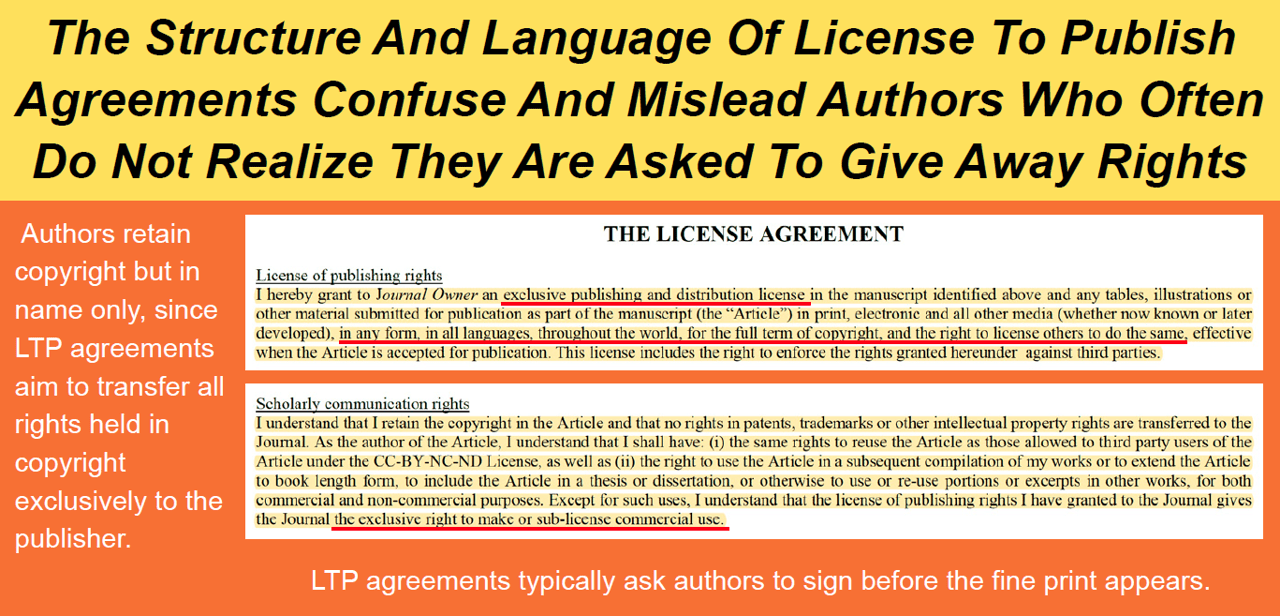
  • Authors may be forced to sign an exclusive license
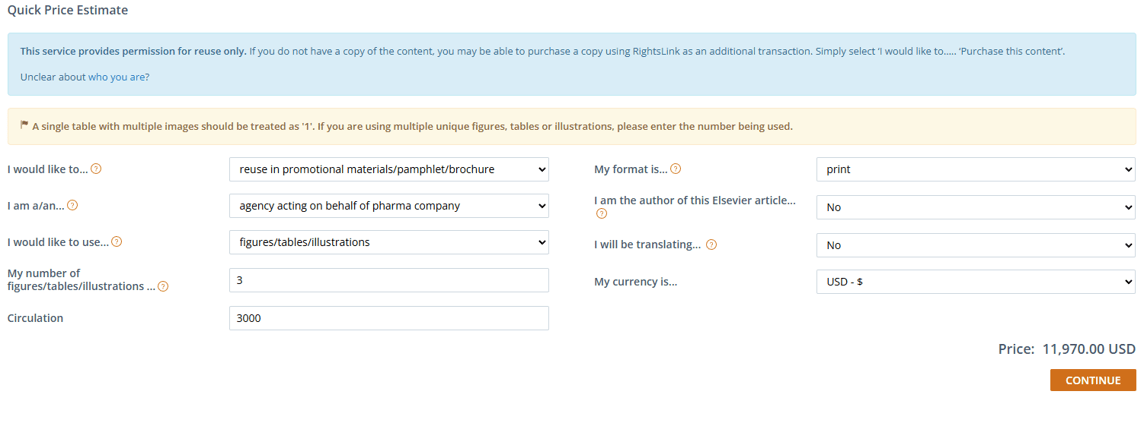
  • Publishers may exploit the LTP to permit or control commercial or derivative use of authors' work
  • Authors do not need to be consulted about how their work is used to share the revenue generated by commercial reuse
  • Authors may have to ask permission to re-use their own work

Some issues with this:

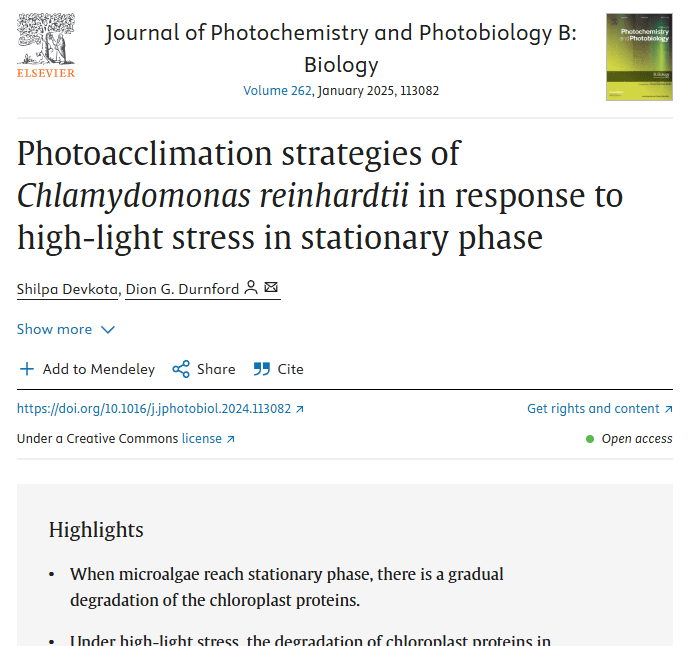
This language, from a 2022 Elsevier makes it clear that despite being the author, and the copyright holder, you have the same rights as the user.

CC licenses are supposed to dictate what end users may do, not what the rights holder may do.

LTP agreements should not erode these rights

What you can do:

  • Important to understand if you're going to maintain control of copyright
  • Read agreements before signing, look for exclusive vs. non-exclusive clauses
  • Consider your plans for long term use of your work ahead of publication
  • Store different versions of your work, to be able to make these OA

Final thoughts:

Many thanks to Joanne Smyth, who compiled many of these screenshots from publisher agreements, and from whom I adapted slides

Acknowledgements:

THANK YOU

Questions?

catherine.gracey@unb.ca

Copyright Spring 2026

By Catherine Gracey

Copyright Spring 2026

  • 5