
Publishing and Finding Research

Catherine Gracey, Fall 2024

What I want you to take away from this presentation

  • How the library can support your publishing goals
  • What requirements you're under if you receive Tri-Agency funding
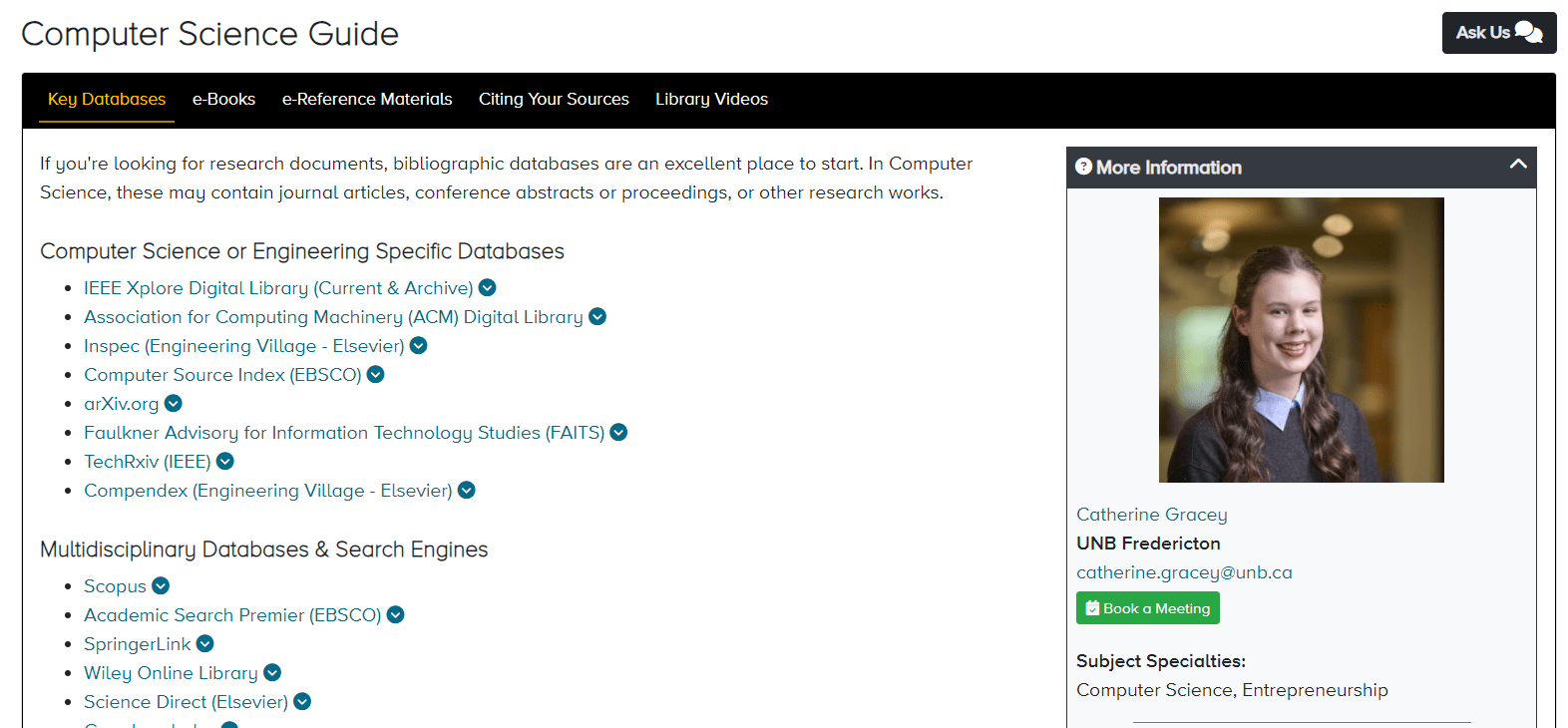
  • Where to look for resources that the library has purchased

Why do you, or will you publish?

What does the library have to do with research and publishing?

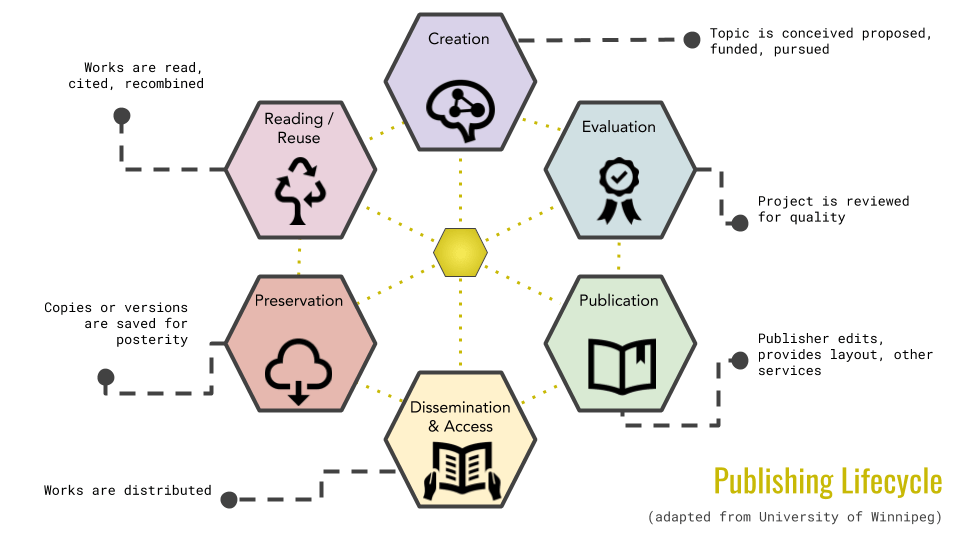
Researchers write research outputs

These are published

Library pays for subscription

Affiliates get access

Government provides research funding

Books

We purchase print or e-books in a variety of disciplines. In some cases, we are not getting permanent access to e-books, but rather a subscription for a selected period of time. Textbooks are another story.

Journals/ Databases

We purchase subscriptions to journals that we think are important, and we pay for databases that also may include some full-text access. Each database contains a different collection of resources, and are typically resource or discipline specific.

We'll come back to how to actually use the library to find relevant resources shortly

Researchers write research outputs

These are published

Library pays for subscription

Affiliates get access

Government provides research funding

(prices go up every year)

(and peer review other articles for free)

(copy edit, print/bind/distribute works)

So academic publishers receive their raw product (articles) for free, and their quality control is free (peer-review). The value that they add is in copyediting/hosting. These activities are fairly inexpensive, making academic publishing one of the most lucrative industries with the largest profit margins (~40%)

Academics want/have to publish, so it can feel disempowering to participate in this system.

The Solution? Open Access. Kind of.

The idea

Rather than having libraries pay exorbitant amounts to get subscription access to research works, we circulate works for free! This would help people from poorer institutions/ areas access and participate in research.

The reality

Academic publishing is a business*, and the loss of financial resources would make these businesses unsustainable.

*There were, and are, a number of society publishers who are a formalized research community and are motivated to share information and are not-for-profit organizations. We'll get back to them in a minute.

Article Processing Charge (APC)

Some publishers allow for open access publishing, as long as authors pay a fee to actually get this research published (anywhere from $200 USD to $15,000 USD)

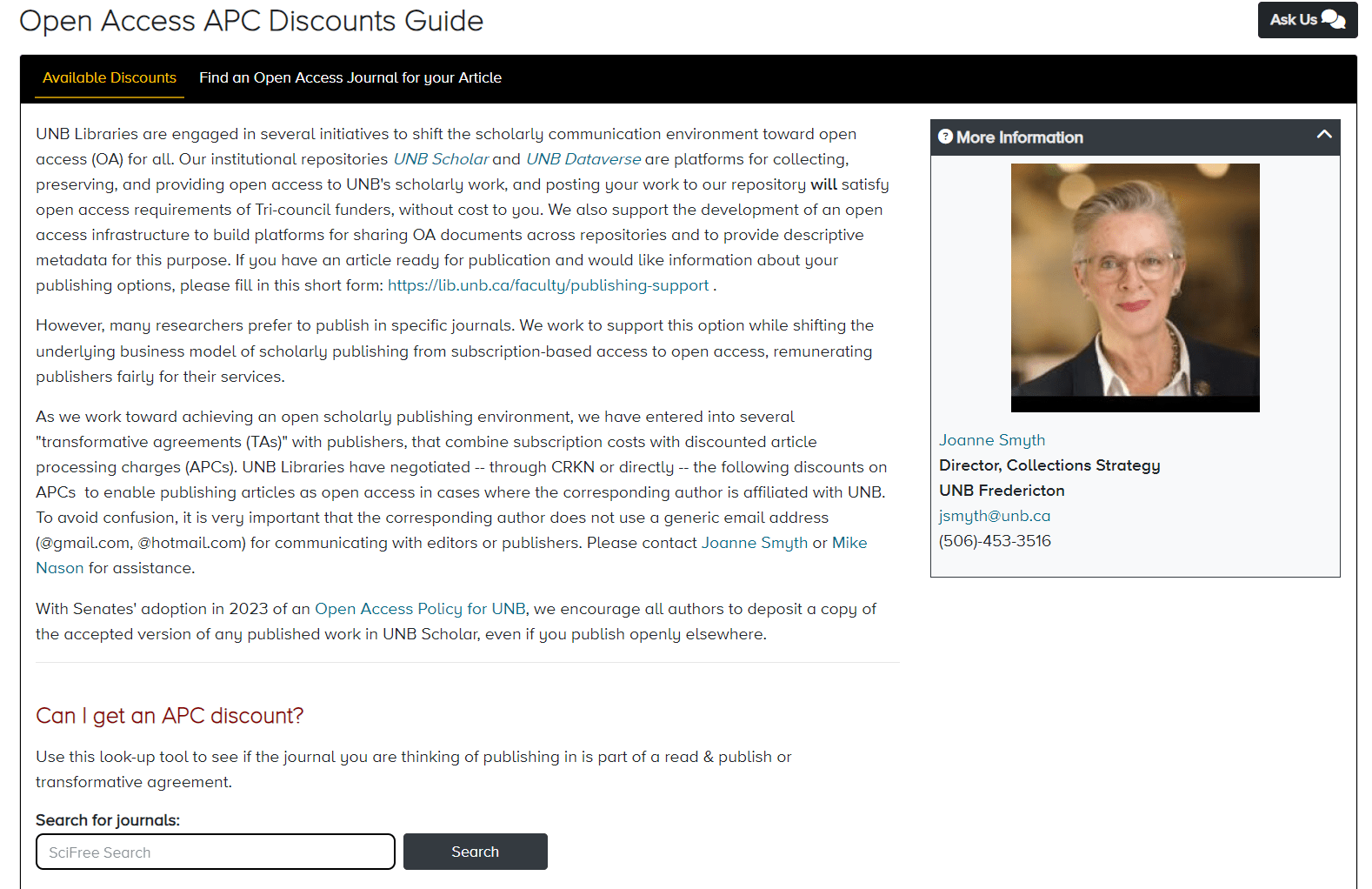
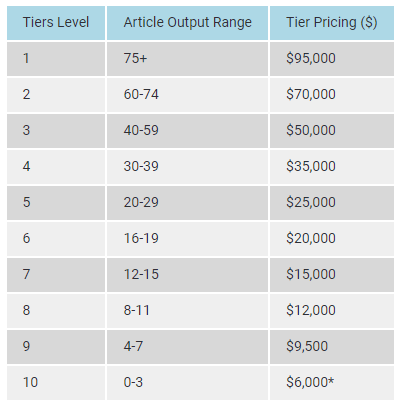
APC Discounts

Alternative Models

Organizations moving towards Open Access are considering ways to maintain their revenue

ACM makes money from subscribers ~3000 institutions, and researchers from ~1000 institutions actually publish at ACM

We haven't replaced these publishers/journals who are financially benefiting from us because 1) people know these venues and know to look there and 2) they confer prestige and legitimacy.

We haven't given up on Open Access because research is a public good, funded by taxpayer dollars, that everyone should have a right to access, AND, it's mandated by the government.

You also don't HAVE to pay to publish Open Access (Yay!)

Diamond OA

Don't require payment to publish or to read - the best of both worlds. This is typically volunteer run or funded by a grant

Self-archiving

Placing a form of your research (typically not the final publisher version) into a repository makes your work open access!

Both OA publishing and subscription-based publishing exist in the modern ecosystem

OA isn't always going to be the right choice for you, HOWEVER

1. If you're under mandate you're required to make your work OA

2. OA articles can be seen by a wider audience and may be more highly cited

In brief, if you receive Tri-Agency funding (NSERC), any peer-reviewed works must be made OA within 12 months

The Tri-Agency policy allows for

  • Publishing in an OA journal (can cost $)
  • Self-archiving in a repository (free!)

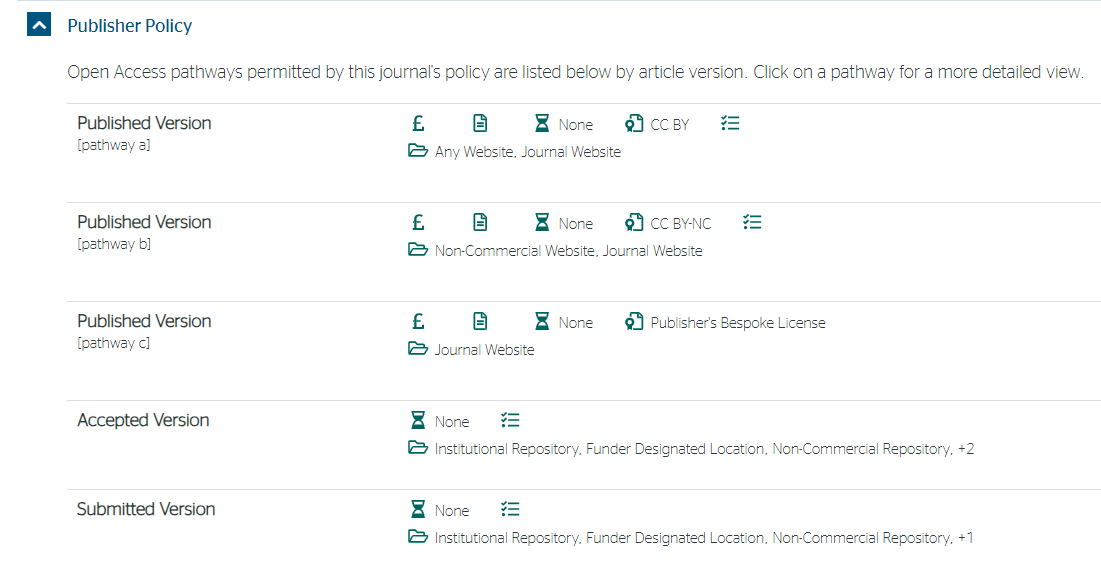
However, if you're planning to self-archive, you need to make sure the journal you've originally published in is okay with this

Example: ACM Transactions on Database Systems

Pre-Peer Review

  • Author's Original
  • Submitted Manuscript
  • Submitted Manuscript Under Review
  • Many Conference Outputs

Post-Peer Review

We can help with this!

Questions to weigh

  • Can the people I want to see this find my work?
  • Is this journal/publisher legitimate?
  • How will this impact my publishing record?
  • What is required of me based on funding?
  • More....

Talk to people with experience

  • Your supervisor will be your best resource in understanding key places to publish or present
  • I can help you once you've picked a venue (potentially save money), or self-archive

Sometimes that will mean publishing in an Open Access venue

But sometimes it won't! And that's okay.

One final downer...

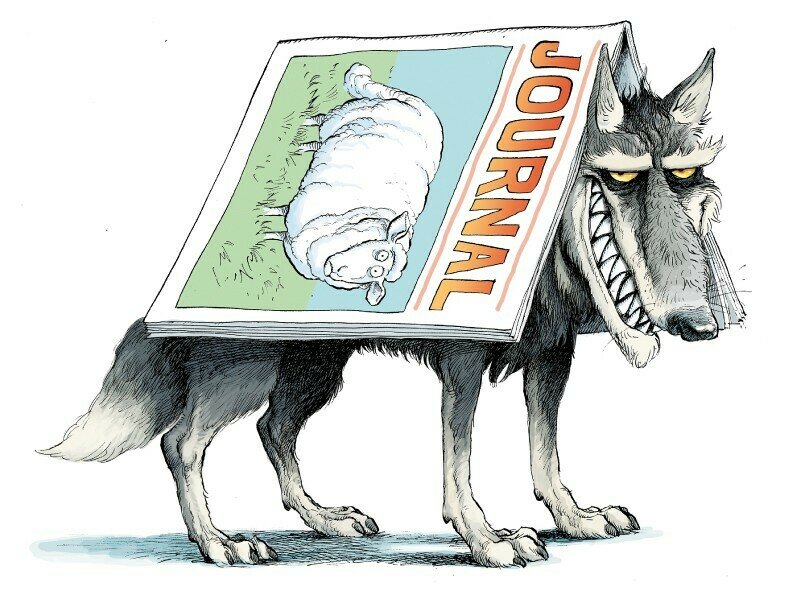
Bad-faith or predatory publishers

  • Understand researchers must 'publish or perish'
  • Know they can charge APCs to publish OA
  • Don't necessarily conduct peer-review and/or indiscriminately publish everything submitted 

Bad-faith or predatory publishers

  • Lists exist, but aren't all encompassing 
  • Instead, look out for red flags
    • Solicitation
    • Promise to publish
    • Very short peer-review
    • Lack of clear information on website
    • Lots of previous retractions

Again, we can help!

Research Integrity Resources

Finally:

The Impact Game

Your publications are important, not just for the greater research community but also as a proven record of your research experience and ability

Some impact metrics*

  • Author/Article-based
    • h-index
    • total citation count
    • downloads
    • altmetrics
  • Journal-based
    • impact factor 
    • h-index
    • SCImago Journal Rank (SJR)

*Note: these will vary depending on the source

Searching for, and finding what you need

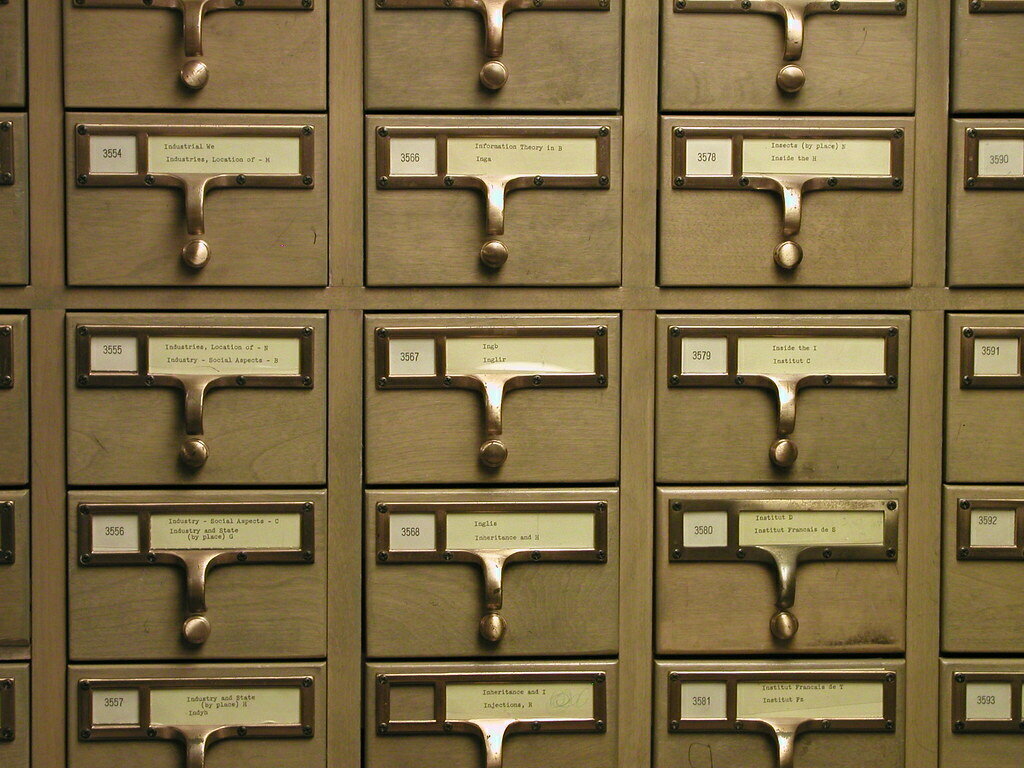
"University of Michigan Library Card Catalog" by David Fulmer is licensed under CC BY 2.0.

Key places to look

The Search Process

  1. Come up with a research question
  2. Break it down into key concepts
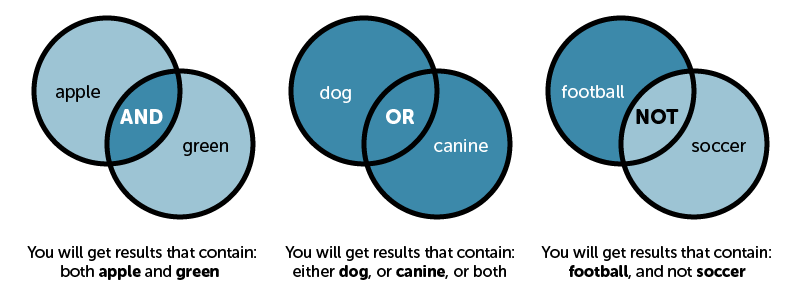
  3. Consider how to combine these (AND/OR)
  4. Consider including special characters 
    • ""
    • *
    • :ti,ab 
    • proximity 
  5. Use filters/sorting to manage your results

Let's test this out... go to one of these 3 databases

  • Compendex
  • ACM
  • IEEE

For example:

"How has the use of artificial intelligence in healthcare improved patient outcomes in the last five years"

Step 2:

"How has the use of artificial intelligence in healthcare improved patient outcomes in the last five years"

Step 3:

artificial intelligence 

AND

 patient outcomes 

Step 3:

(Artificial intelligence OR AI OR machine learning)

AND

 (patient outcomes OR patient care OR patient health OR survival rate)

Step 4:

("Artificial intelligence" OR AI OR "machine learning")

AND

 ("patient outcome*" OR "patient care" OR "patient health" OR (survival NEAR/3 rate))

Step 5:

Search and limit results to last 5 years

Consider other filters that might help, like Publication Type

The same general principles can be applied across databases, though there is some variation in syntax

Try looking in multiple places for a comprehensive overview

Google Scholar

There is no one single way to search, and it is often an iterative process

I'm here to help!

  • If you're having trouble finding relevant resources

  • If you'd like to access something you're not able to

  • If you'd like a book/resource for your work (we can likely buy it)

  • If you're trying to publish and need to/want to publish Open Access
    • Reading publisher policies
    • Finding APC discounts, or free options
  • If you're trying to determine whether a publisher is predatory/bad faith
  • More!

Catherine Gracey

We can meet 

  • Via Teams
  • In person (CS Library, or HIL)

Book at my booking link!


Or, email me if it's a more urgent question/busy time for you.

Thank you!

CS Research Methods

By Catherine Gracey

CS Research Methods

  • 119