









Chengcheng Xiao
PhD student @ Imperial College London
CHENGCHENG XIAO
2021-07-16
Electride materials are:
ionic compounds in which electrons are localized at interstitial sites and act as anions.
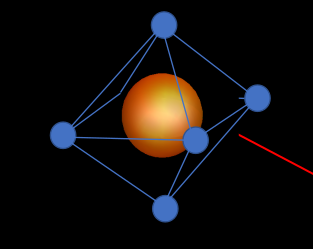
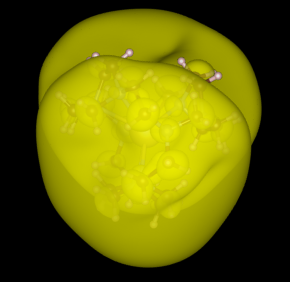
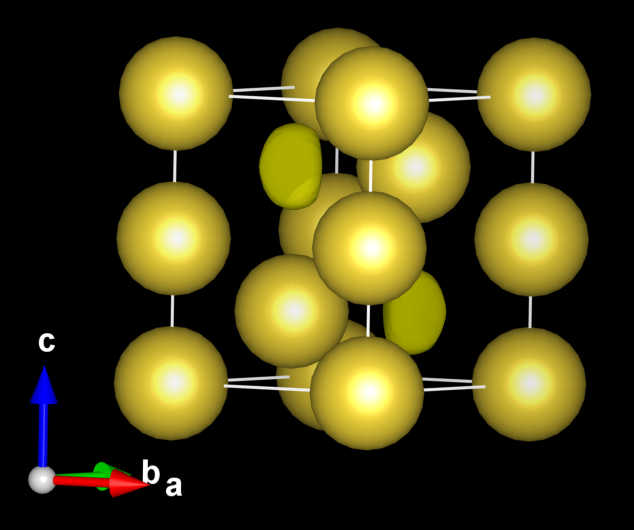
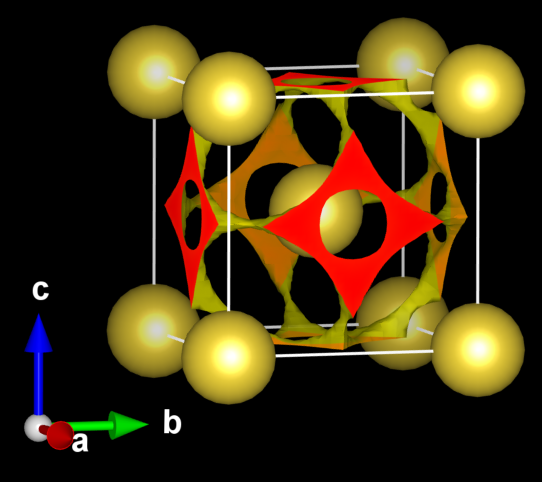
Electron (density) in an octahedral interstitial site
Some confirmed electrides:
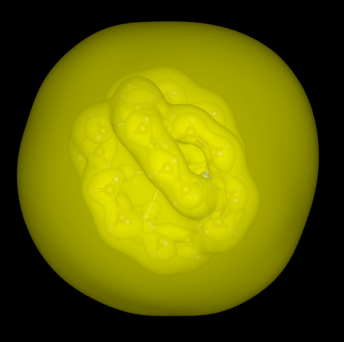
Sodium-hP4 [high pressure]
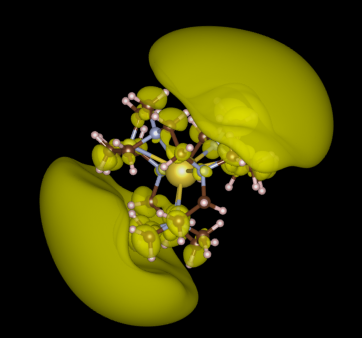
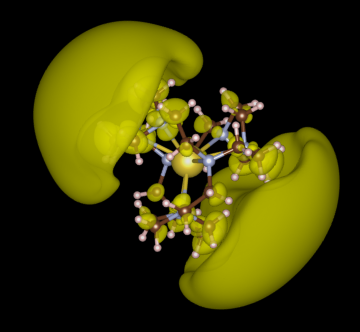
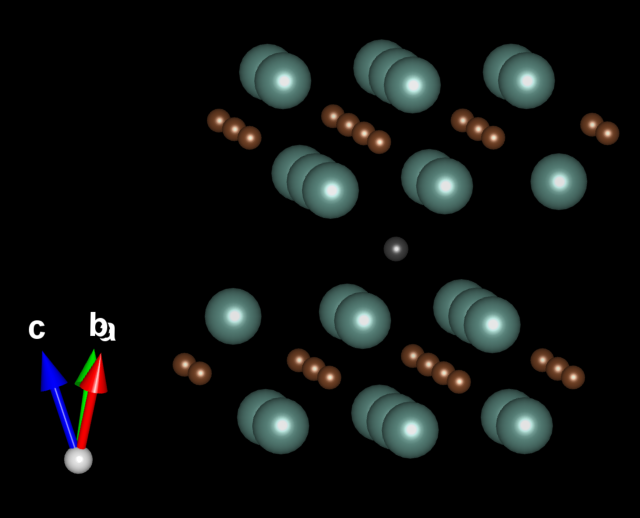
Na-TriPip222 [organic]
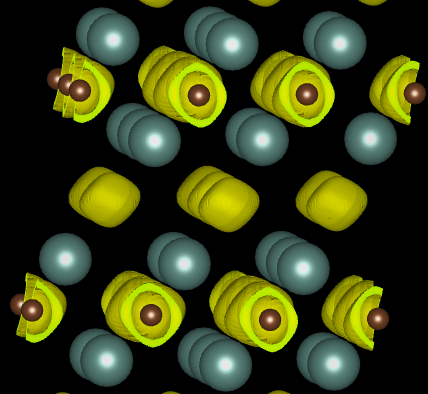
Y₂C [inorganic]
Applications:
Electron emitters
Superconductors
Battery anodes
Catalysts
If you really think about it, this definition is not (easily) applicable and does not tell us the whole story🤔!
Now, can we do better?
Definition: [mass noun] The degree of distinctness in outline of an object, image, or sound.
To make a new definition, we need to figure out the distinctness of all known electride has that other materials doesn't. [categorization]
To make predictions, we need to understand the underlying principle that determines these behaviors. [analysis]
Organic electride:
Inorganic electride:
Organic-metal complexes act as corners that confine the interstitial electrons
metal-nonmetal systems in which metal atoms act as corners that confine the interstitial electrons.
Other categorisation based on the functionalities of electrides are also possible. One example: Electride: a review, Chang Liu, et. al. J.Mater.Chem.C, 2020,8, 10551
Crown ethers
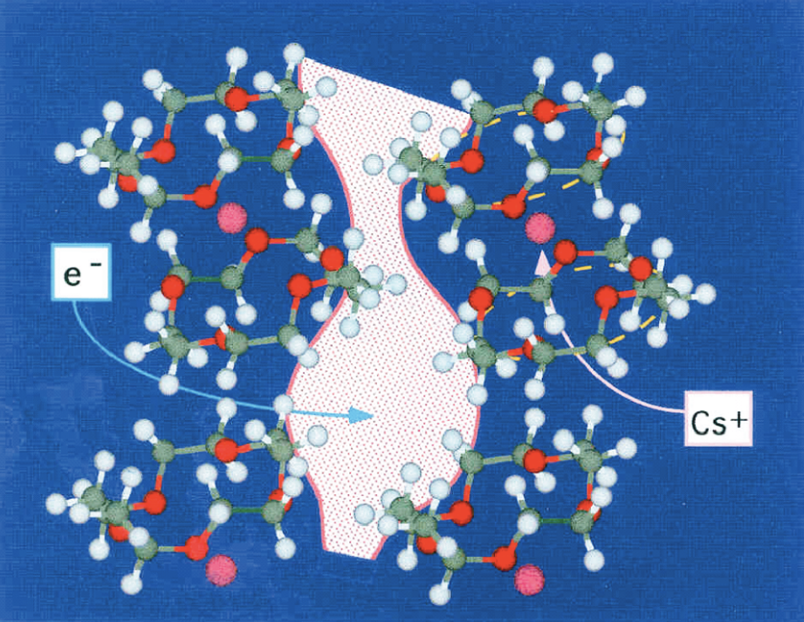
Molecular crystal of Cs⁺(15C5)₂e⁻
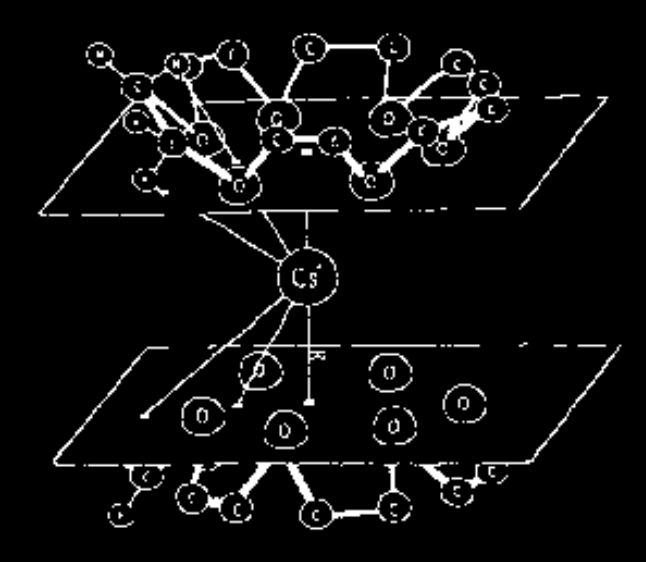
Sinlge unit of metal-organic compound
Cs
In organic electride, electron occupy interstitial sites surrounded by organic-metal complexes.
Ref: James L. Dye, Acc. Chem. Res. 2009, 42, 10, 1564–1572
HOMO
LUMO-1
LUMO-2
LUMO-3
More stories can be found on the origin of these orbitals. In our view they should be categorized as SAMOs (Super Atomic Molecular Orbitals). But other argue they are metal atoms' extended s-orbitals.
Na-Tripip222
Trend:
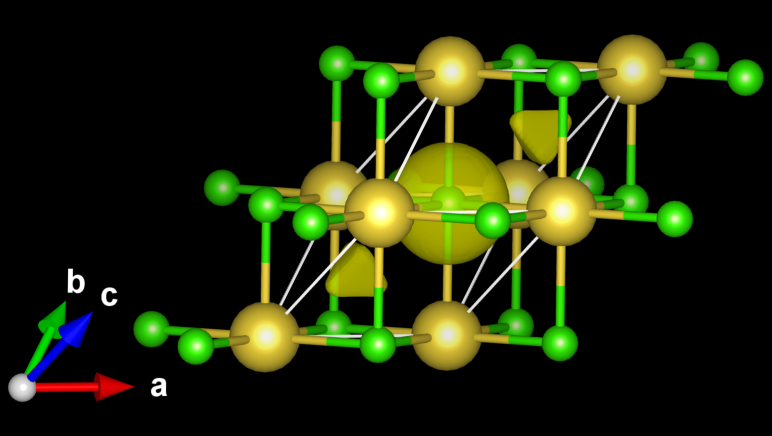
Electron localization function (ELF)
Yttrium
Carbon
Y₂C
Ref: Zhang Xiao, et.al. Chem.Mater.2014, 26, 6638−6643
Electron localization function (ELF)
Strontium
Bismuth
Sr₅Bi₃
Ref: Lee A. Burton, et.al. Chem.Mater.2018, 30, 7521−7526
Electron localization function (ELF)
Sodium - hP4
Ref: Yanming Ma, et.al. Nature, (2009), 182-185, 458(7235)
A janky theory: Mao-Sheng Miao, et.al. Accounts of Chemical Research, (2014), 1311-1317, 47(4)
Trend:
Theory: Interstitial sites originate from overlapping occupied “s”-orbitals (including SAMOs and s-orbitals from metal atoms). i.e. multicentered bonding between "s"-orbitals.
Descriptor (definition) form this theory:
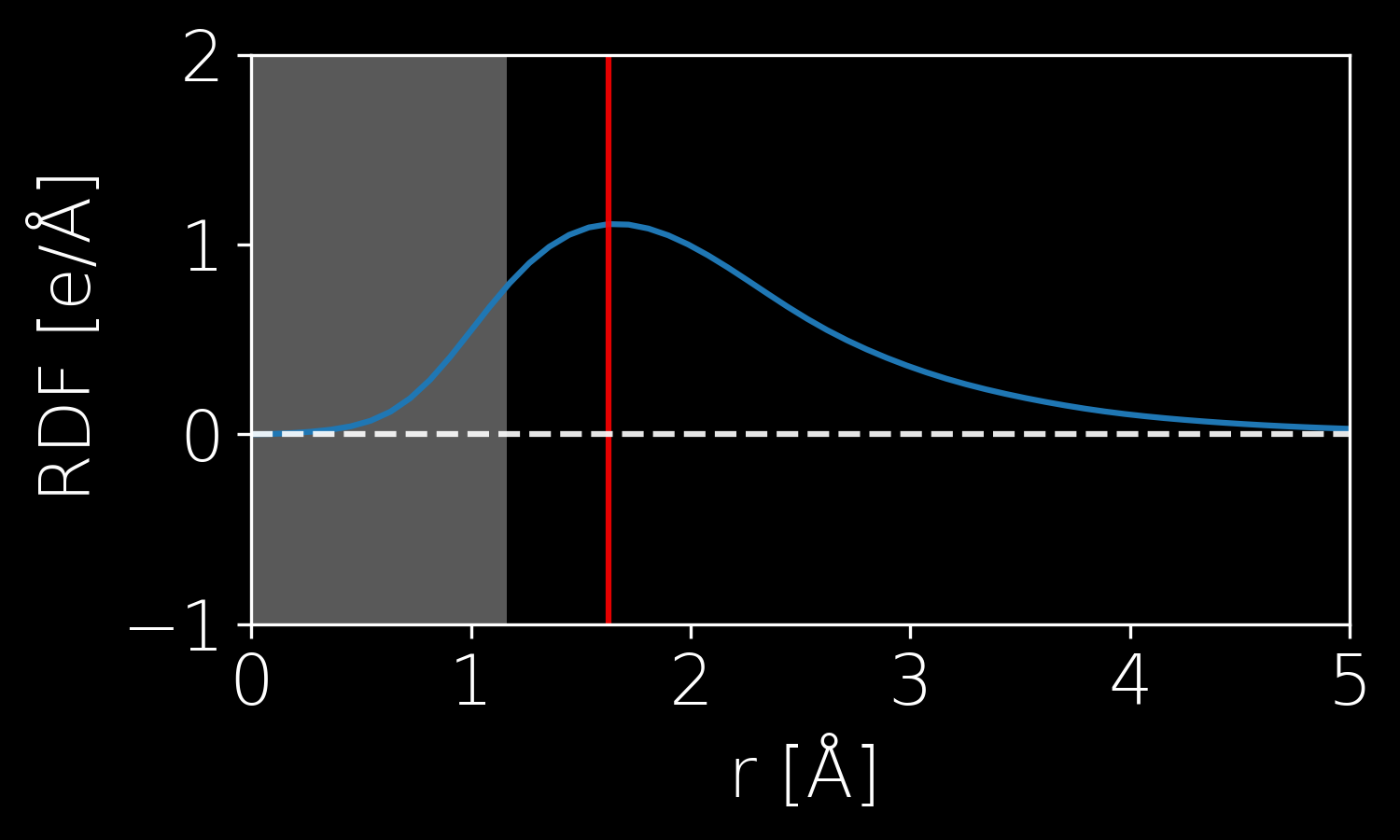
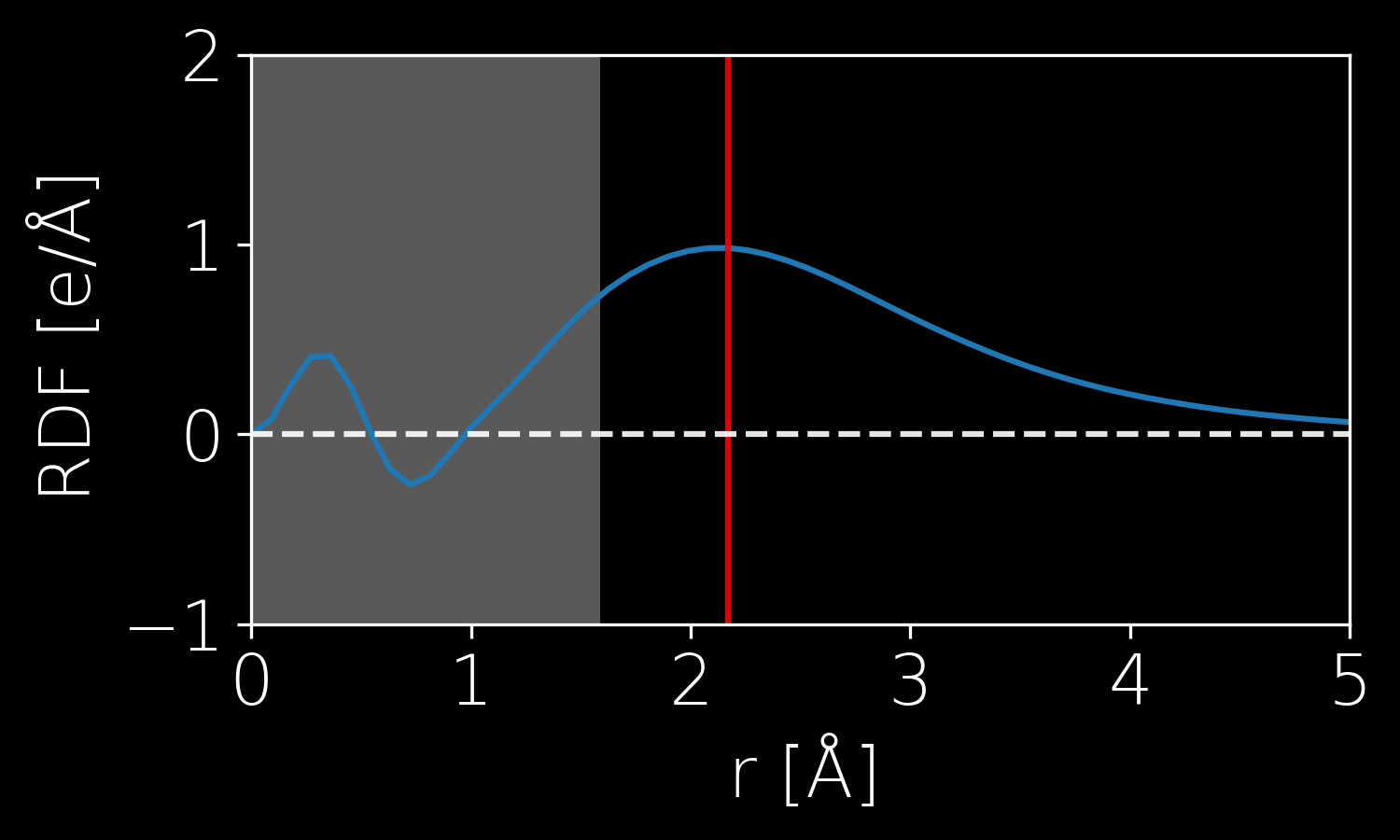
Metal atoms' s-orbitals? But I thought those interstitial sites are at least 2 Å away from those metal atoms. Are those s-orbitals that extended?
Na
K
Yes, they are! And this is precisely why s-orbitals are important in electrides.
First thing comes to mind is NaCl, aka table salt 🧂where Na's s-orbital is fully unoccupied (just above the Fermi energy) while Cl's p orbitals are fully occupied. Now, let's n-dope it!
ELF
interstitial electrons!
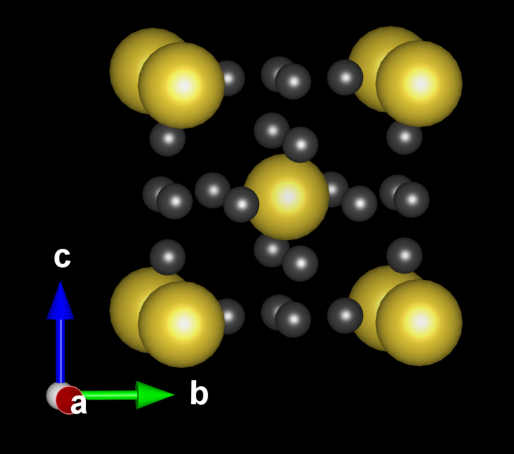
Now, what about we keep the number of electrons in the system and play with the number of interstitial sites (that satisfies the overlap criteria)?
BCC
Tetragonal
What this theory explains:
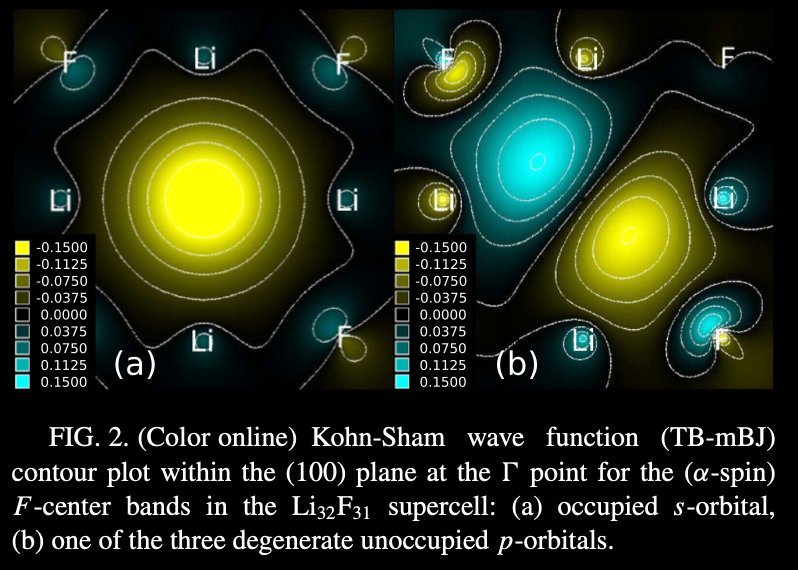
There are p orbitals exist in F-cetner defect as well, since in my theory the interstitial orbitals are multicentered bonding orbitals, could there be multicentered anti-bonding orbitals?
Although this theory (definition) is simple and very intuitive, it's not a mathematically distinct as there are parameters to be determined:
Also, we've only tested this theory on few know electrides, this doesn't mean it'll be applicable to all electrides.
So, how do we determine those parameters?
How to make people believe us?
Use filtering process to filter out materials in a database that are unlikely to be electride and then do DFT on the remaining for validation.
1.Make a 3x3x3 supercell (so that the interstitial sites at the boundary can be captured)
2.Generate a series of equally spaced test points inside the center unit cell.
3.Delete all ”non-metal” atoms (based on ).
4.Generate a neighbor list for each test points to the metal atoms. The distance between test points and their neighbor metal atoms should > nn_dist_min and < nn_dist_max. (a shell-like overlap criteria)
5.Do an average of position for the remaining test points with the same neighbor list. Then the averaged position is used as the interstitial site of the polyhedron formed by those neighbors.
6.Filter out interstitial sites that have distance to non-metal atoms less than a certain cutoff.
ELF
Predicted sites
Na-BCC
Na-tetragonal
ELF
Predicted sites
Y₂C
Powered by:

With ♥️
One more thing...
By Chengcheng Xiao
A template for ICL+TYC logo imprinted


