




























Shawn Oden PRO
I am a data / code monkey, who has developed an appreciation for good beer and good bourbon. I like to hear myself talk, and I'm trying to get better at letting other people hear me, too.
January 19, 2038 3:14:07 AM UTC
TIME LEFT UNTIL
Shawn Oden
@codefumonkey
codefumonkey.com
What Has Happened Before Will Happen Again.
What is The Epochalypse?
How Doomed Are We?
What Can We Do?
The Millennium Bug!
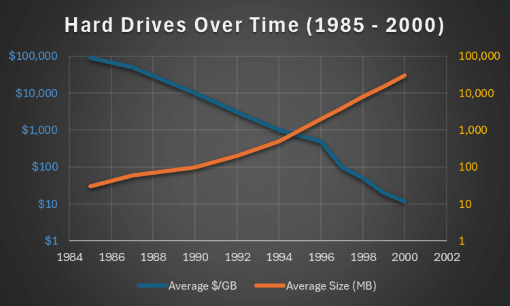
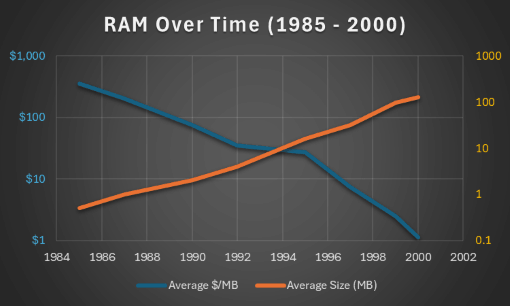
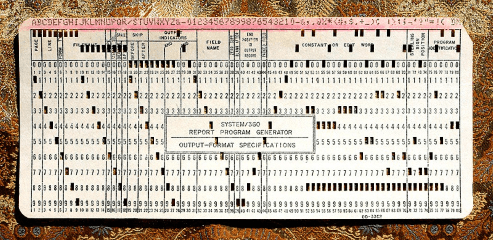
Computer Storage is at a premium.
The extreme cost of storage and memory from before 2000, necessitated the space-saving two-digit year format.
The Millennium Bug!
Computer Storage is at a premium.
Two-digit years require less space.
The Millennium Bug!
Computer Storage is at a premium.
Two-digit years require less space.
2-Digit Years Saved About $1 - 2 Million Per Gigabyte!
The Millennium Bug!
Computer Storage is at a premium.
Two-digit years require less space.
Bob Bemer To The Rescue...
99 == 1999
or maybe 1899 or 1799...
but more relevant
00 == 2000 or 1900 ?
Bob Bemer To The Rescue...
99 == 1999
or maybe 1899 or 1799...
but more relevant
00 == 2000 or 1900 ?
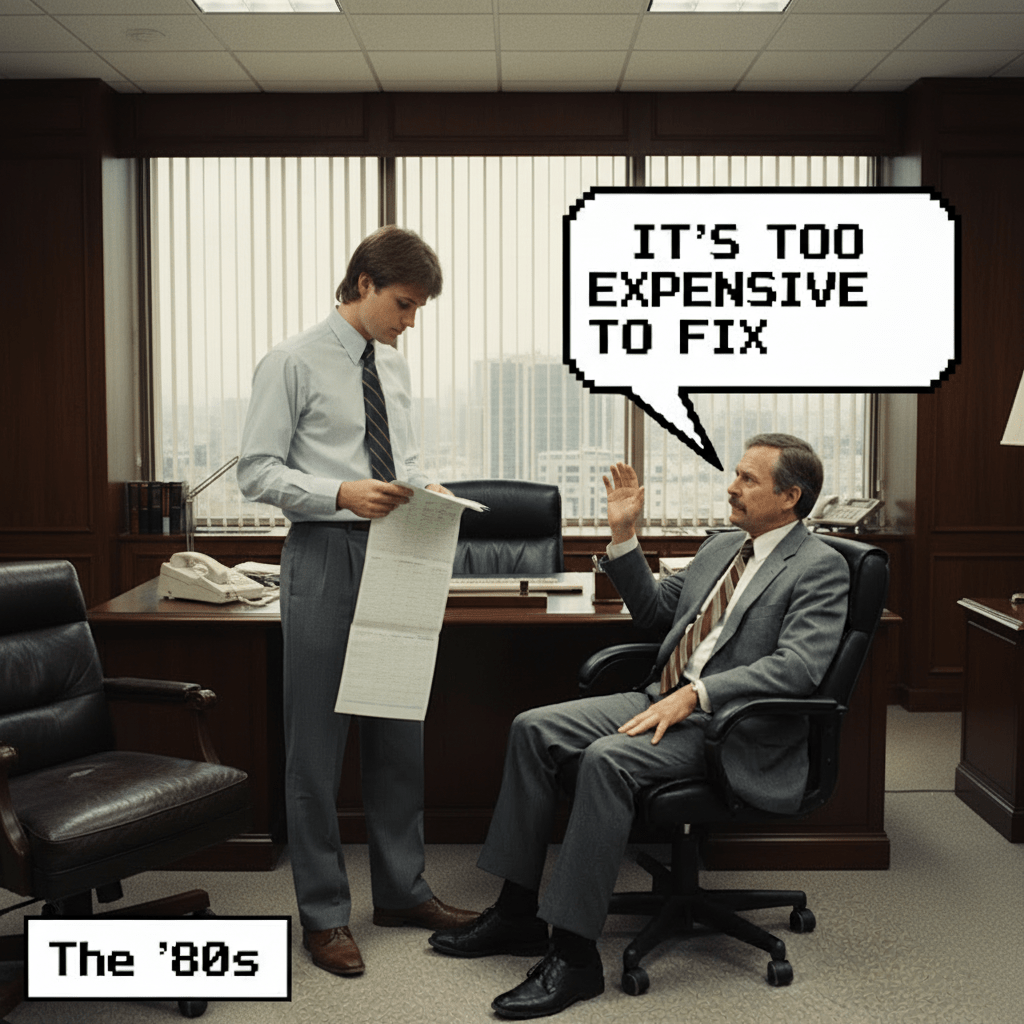
That Code Will Be Replaced...
That Code Will Be Replaced...
That Code Will Be Replaced...
That Code Will Be Replaced...
The Late 1980s & Early 90s
A Few People Take Notice
That Code Will Be Replaced Any Day Now...
This Time It's Peter de Jager To The Rescue...
People saw me as the guy trying to fix the Y2K issue. I didn't fix the code. I didn't fix a single line of code. Not one. My self-assigned job was to get people to think, 'I wonder if that jerk is right.' All I wanted you to do was go out and test your system. By all means, if you find out that I'm full of it, come back and write an article. Rip me to shreds.
1993
Time To Do What We Do Best!
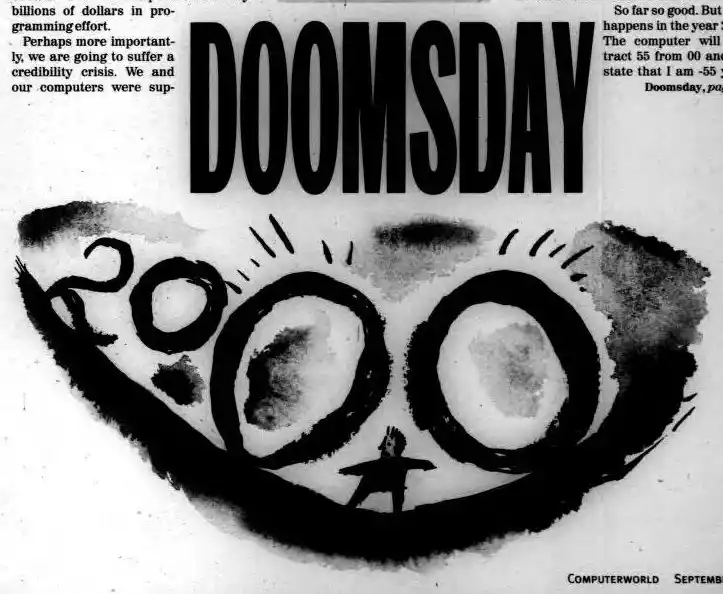
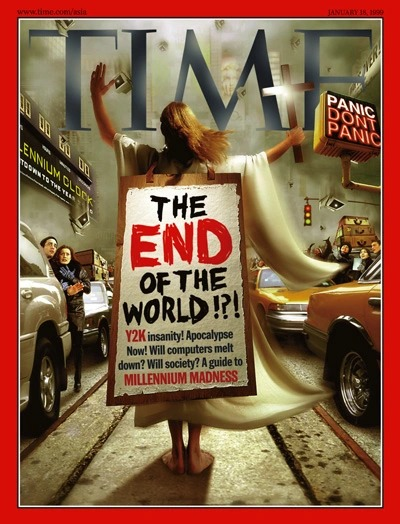
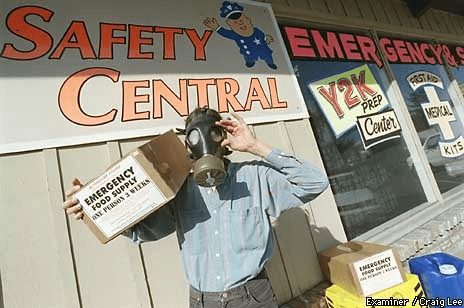
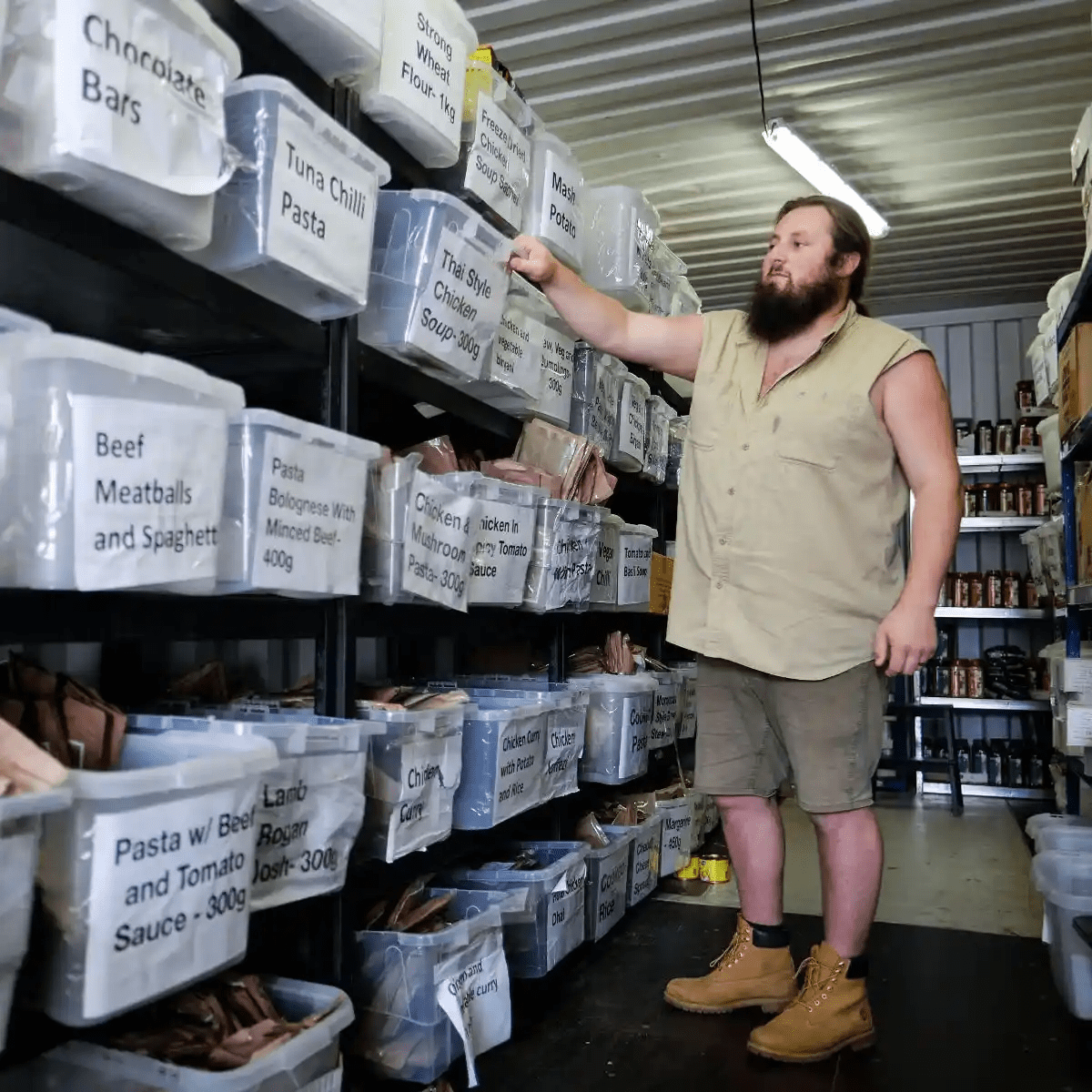
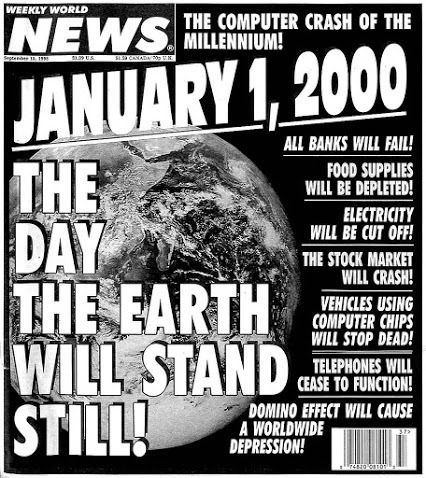
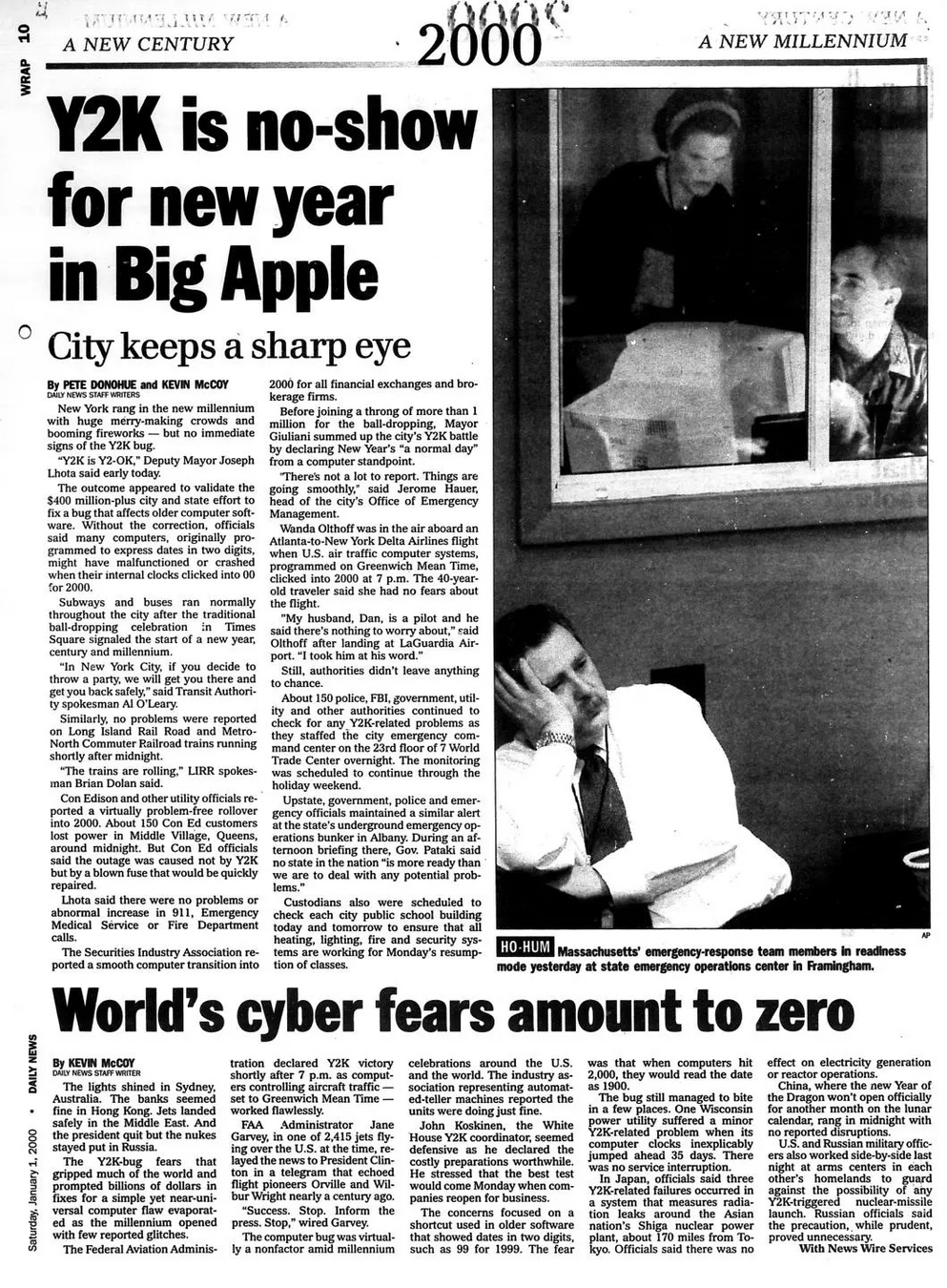
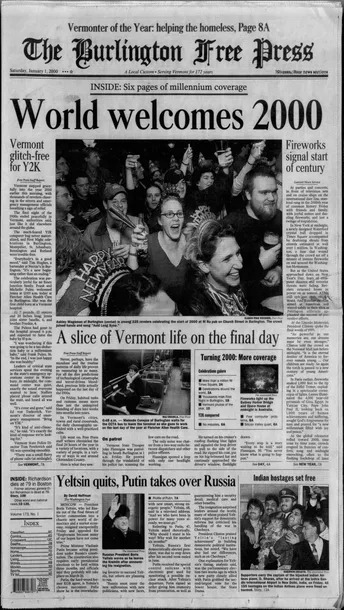
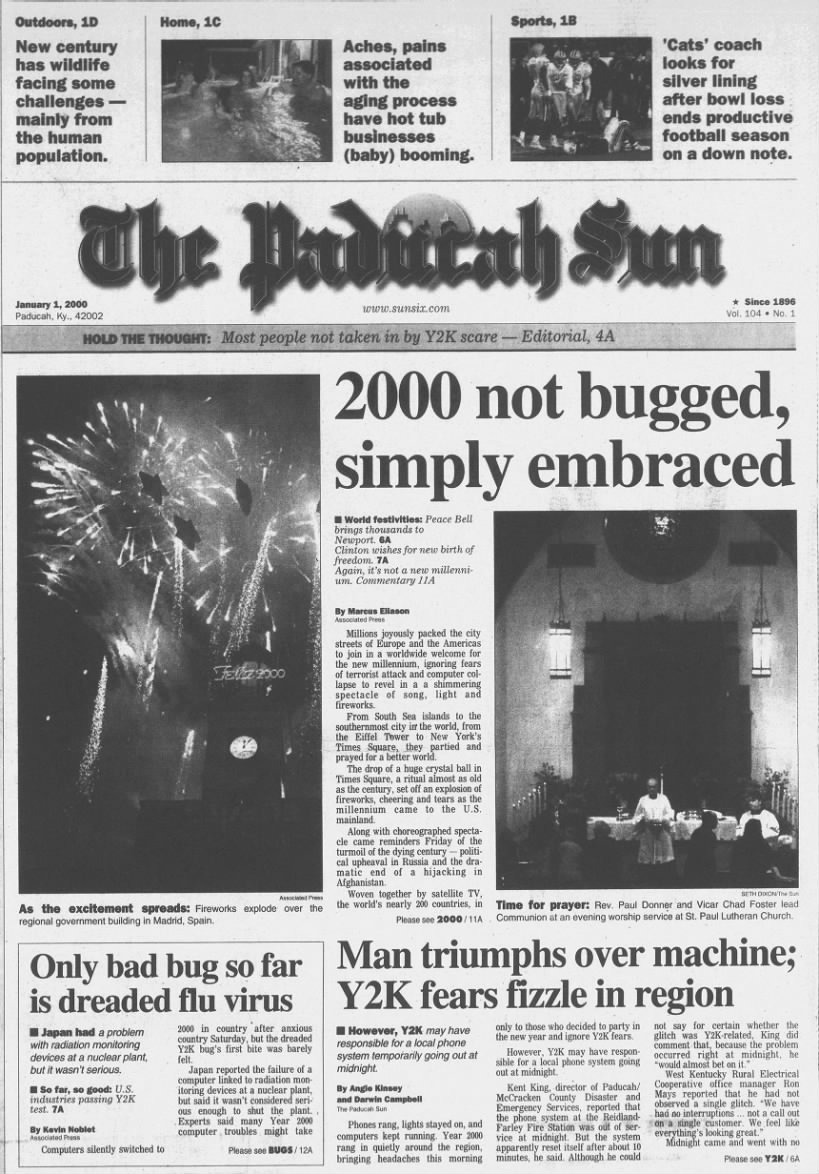
Panic Time!
TEOTWAWKI!
The End Of The World As We Know It!
but
It Was Expensive
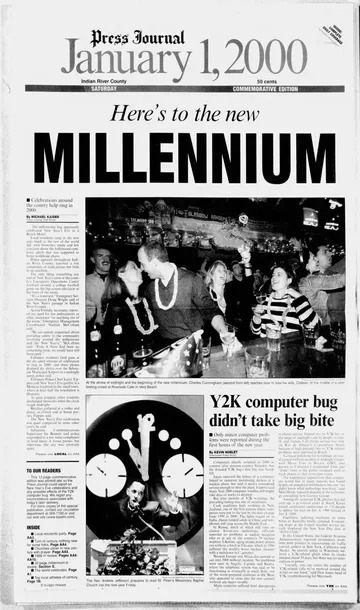
very little happened.
but
It Was Expensive
very little happened.
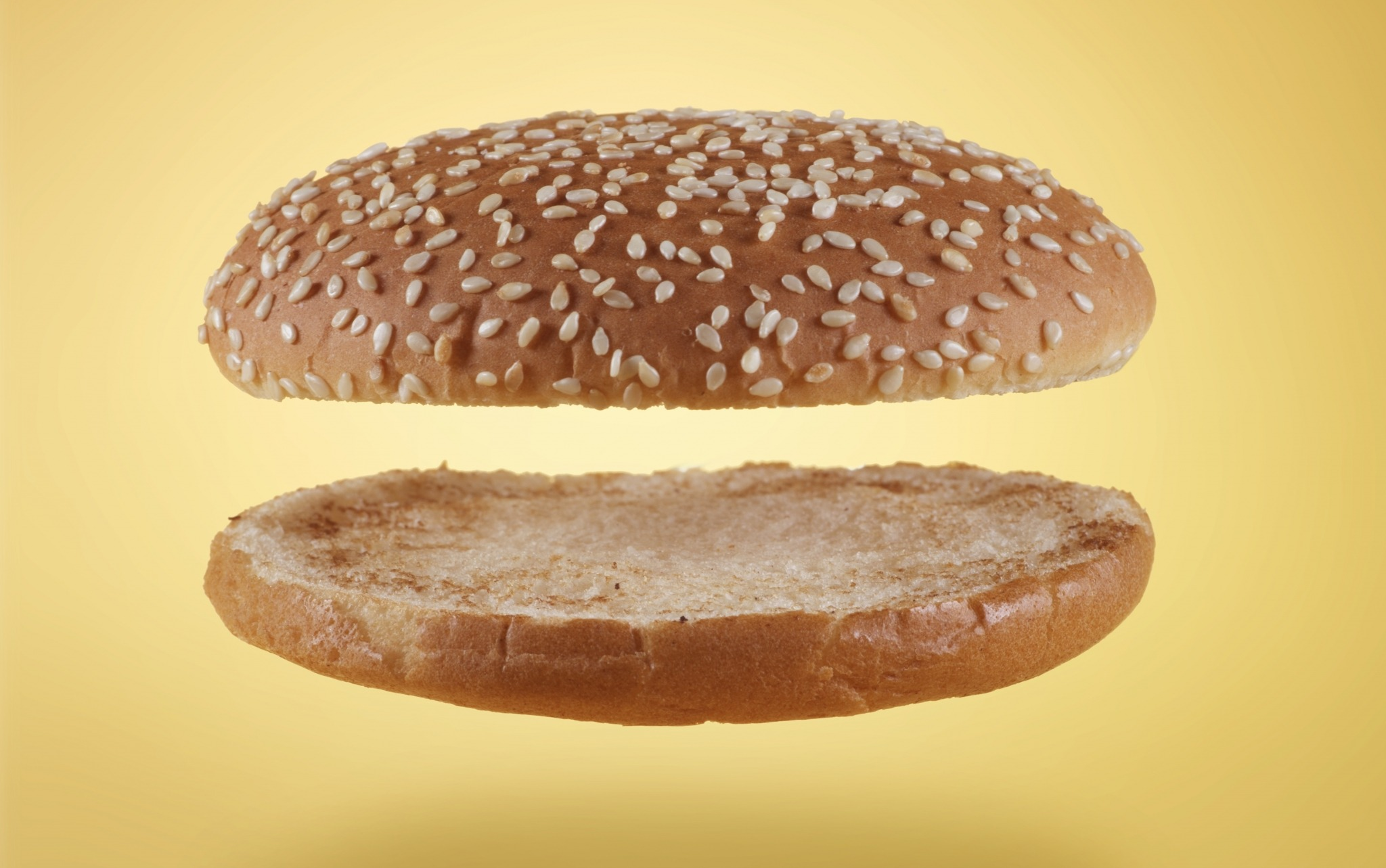
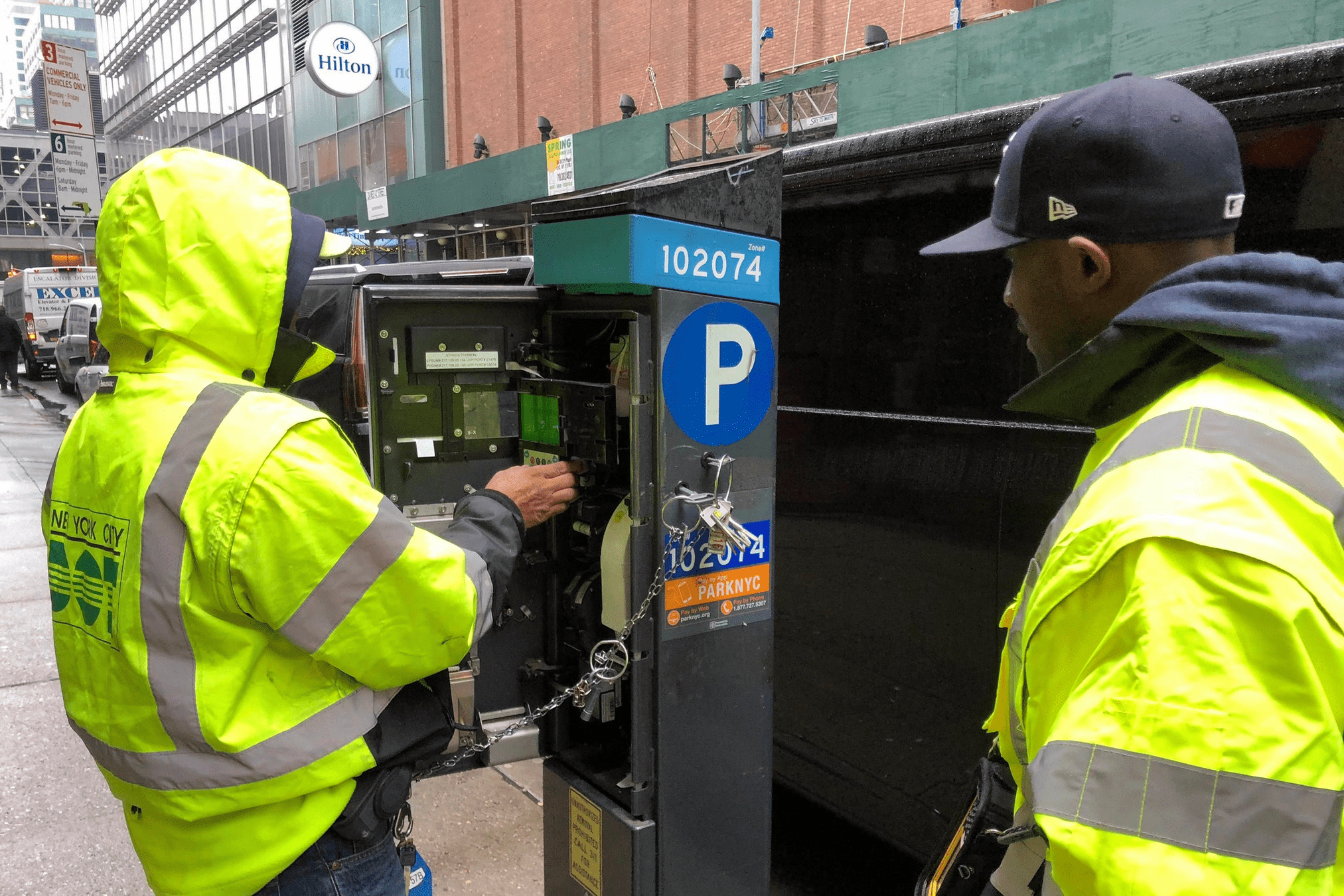
This Sure Was An Expensive Burger
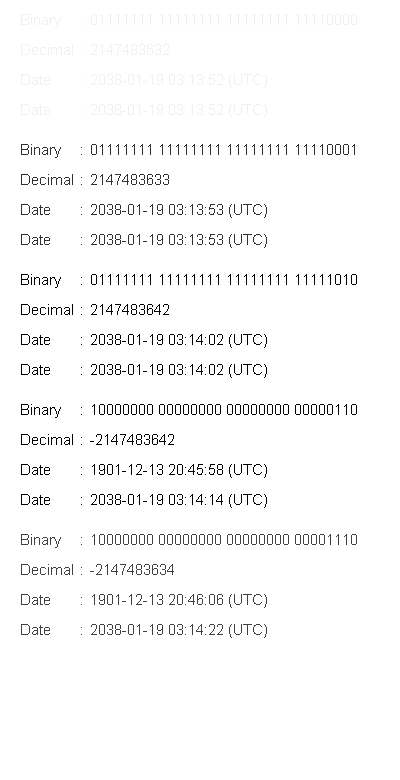
32-Bit Signed Integer: -2,147,483,648 to 2,147,483,647
Epoch: "A specific point in time".
January 1, 1970 @ Midnight UTC
What happens when we run out of seconds?
January 1, 1970 + 2 BILLION Seconds =
64-Bit Signed Integer: -/+ 9,223,372,036,854,775,808
32-Bit Signed Integer: -/+ 2,147,483,647
2000: 500M PCs & 740M mobile devices
2026: 2B PCs & 7.5B mobile devices & 22B IoT devices
Embedded Devices
Control Systems
Long Life-cycle Systems
Long-lived Security Certificates or Software
Legacy Software
Databases Using Integer-based Date Datatypes
There are significantly more devices to fix
This Is a mixed Hardware / Software Issue
There were only 1.5B devices to deal with
This was a Software Issue
A large number of systems are embedded and not easily replacable
People have become complacent
It's impossible to know how many systems are affected
Most systems are handled already
There are still a lot of Legacy and Embedded systems out there
Again.
There is some, but still little to no, coordination on this problem
There is still a lot of inertia on this problem
Financial Systems & Banks:
Interest calculations break.
Credit cards expire on January 1 and are rejected.
Payroll systems don't process payroll after January 1.
ATMs don't dispense cash.
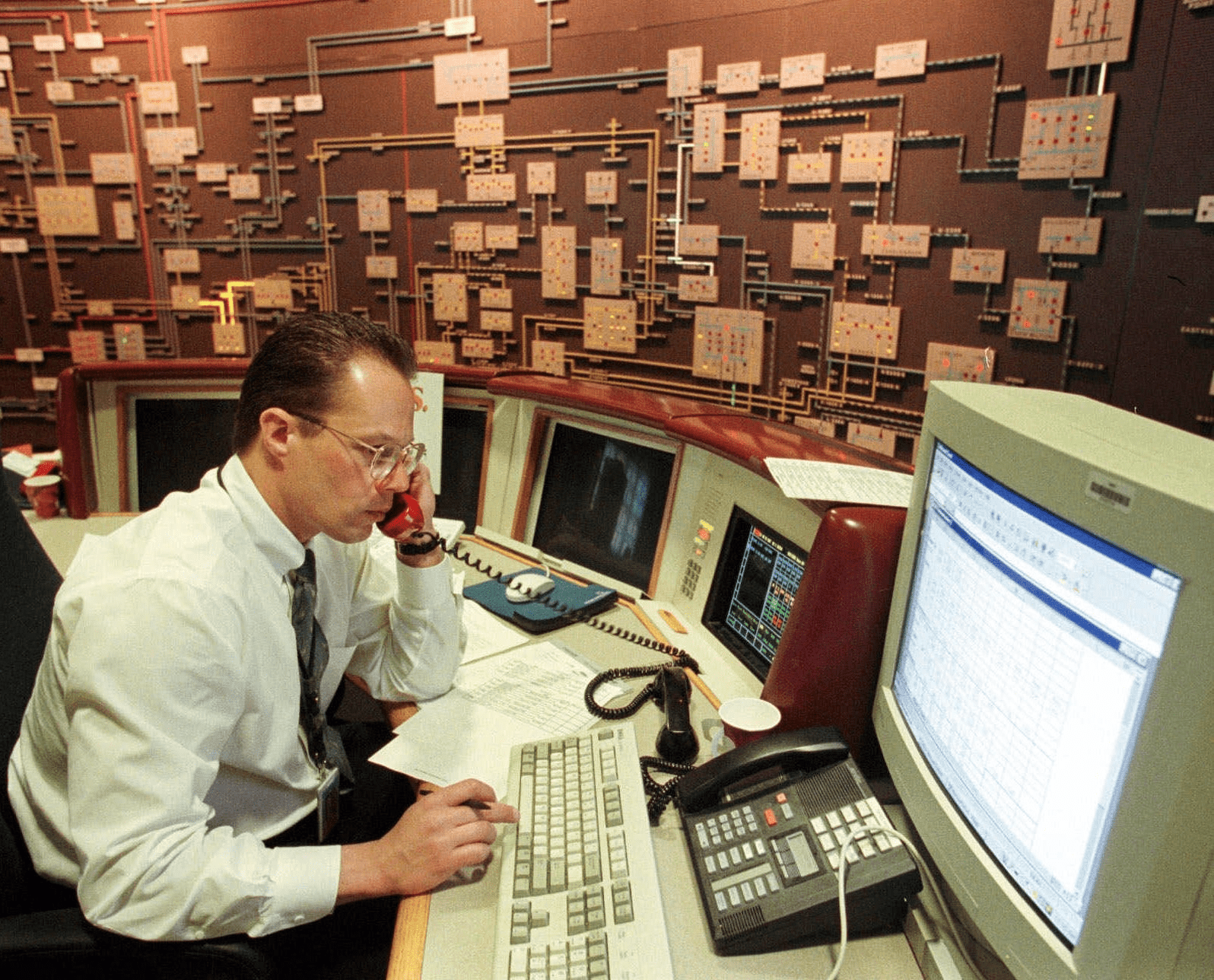
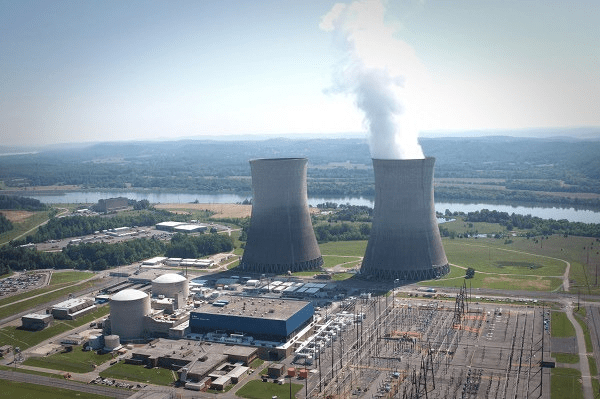
Infrastructure & Utilities:
Power grid fails, causing major outages.
Water and sewage failures, also causing major issues.
Automatate safety system failures due to incorrect clocks.
Transportation:
Airlines have problems with planning, scheduling, maintenance, navigation, causing massive cancellations.
Air Traffic Control loses ability to accurately track all aircraft.
Train signals become unreliable.
Shipping Systems are unable to properly create manifests, causing major supply chain issues.
Healthcare:
Medical devices fail because of faulty embedded systems.
Procedure schedules are incorrect.
Electronic records become corrupted with invalid dates.
Government:
Benefits and public services are miscalculated and fail.
Voter information is corrupted.
Financial Systems & Banks:
Interest calculations break.
Credit cards expire on January 1 and are rejected.
Payroll systems don't process payroll after January 1.
ATMs don't dispense cash.
Infrastructure & Utilities:
Power grid fails, causing major outages.
Water and sewage failures, also causing major issues.
Automatate safety system failures due to incorrect clocks.
Transportation:
Airlines have problems with planning, scheduling, maintenance, navigation, causing massive cancellations.
Air Traffic Control loses ability to accurately track all aircraft.
Train signals become unreliable.
Shipping Systems are unable to properly create manifests, causing major supply chain issues.
And the problems cascade.
Healthcare:
Medical devices fail because of faulty embedded systems.
Procedure schedules are incorrect.
Electronic records become corrupted with invalid dates.
Government:
Benefits and public services are miscalculated and fail.
Voter information is corrupted.
Be aware
Check your systems
This problem is already here. Be a part of the solution.
Tell other people
Check your code
Test your applications
Update your software
Y2K
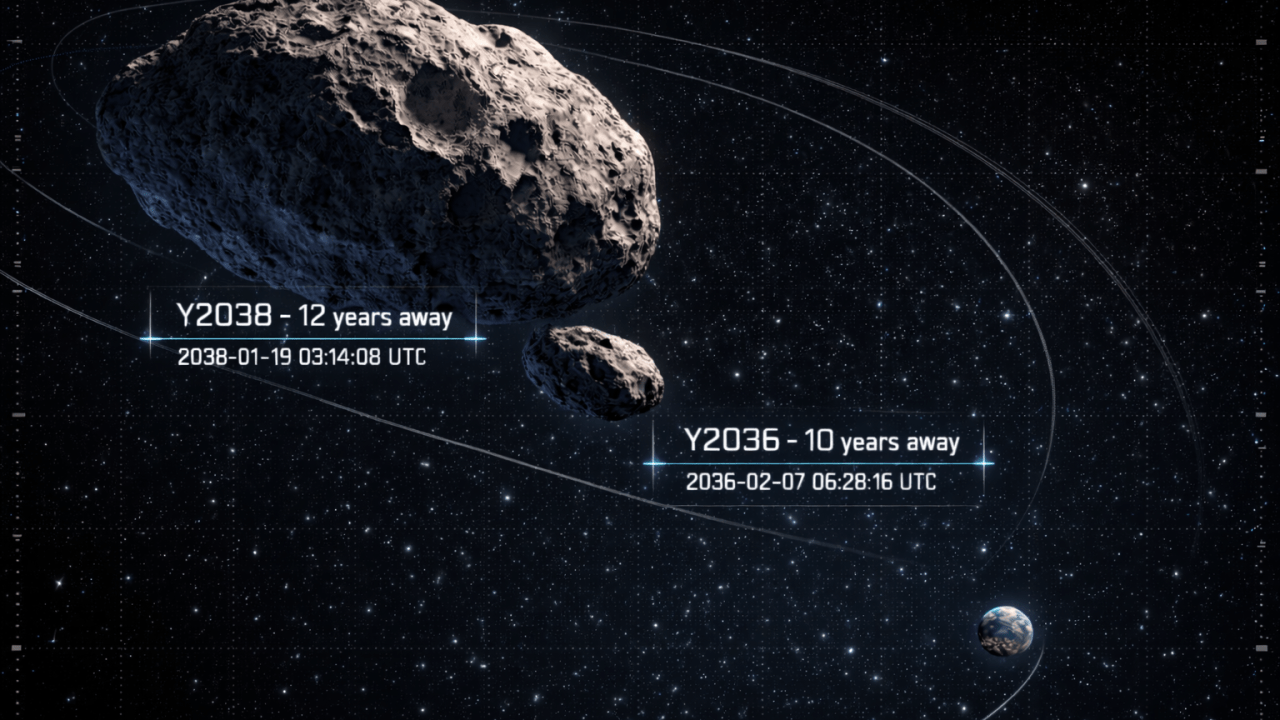
Y2K38
Just In Case
Malicious Life Podcast: The Y2K Bug: Parts 1&2
Y2100
Reddit - Why is the year 2100 not a leap year?
The Y2K Book Archive
History Fix Episode 42: Y2K With Peter de Jager
Archive of Peter de Jager's Y2K Website
The Epochalypse Project
Y2038 Wikipedia Page
Prepper Press
Current Epoch / Unix Timestamp
I appreciate any feedback.
Conference Sponsor
Bronze Sponsors
Silver Sponsor
Workshop Sponsor
By Shawn Oden
At the turn of the century, the Y2K Bug was supposed to bring the digital world to a screeching halt. But, thanks to the hard work of some very smart people, that potential armageddon became a big nothing-burger. We're facing a similar challenge within the next 15 years. Early on the morning of January 19, 2038, the Epochalypse will arrive. In this session, I'll talk about the Y2K38 Problem; about how it's somewhat different than Y2K, but how it still has the potential to cause similar issues. We avoided the last meltdown through awareness and dedication to fixing the problem. Many of you viewing this will be the "lucky" ones who get to deal with this next disaster. Are you ready?