








Content ITV PRO
This is Itvedant Content department
Learning Outcome
4
Differentiate between zero-shot, one-shot, and few-shot prompting.
3
Apply example-based prompting to guide AI toward a specific style or format.
2
Identify when to use examples instead of pure instructions.
1
Understand what Example-Based (Few-Shot) Prompting is and how it works.
Before we begin — let's recall
Prompt Components
Instruction, Context, Role, Format, Constraints, and Examples.
Instruction-Based Prompting
direct commands work well for simple, well-defined tasks.
Direct instructions alone sometimes aren't enough — especially when the style or pattern you want is hard to describe in words. → This is where Example-Based Learning comes in.
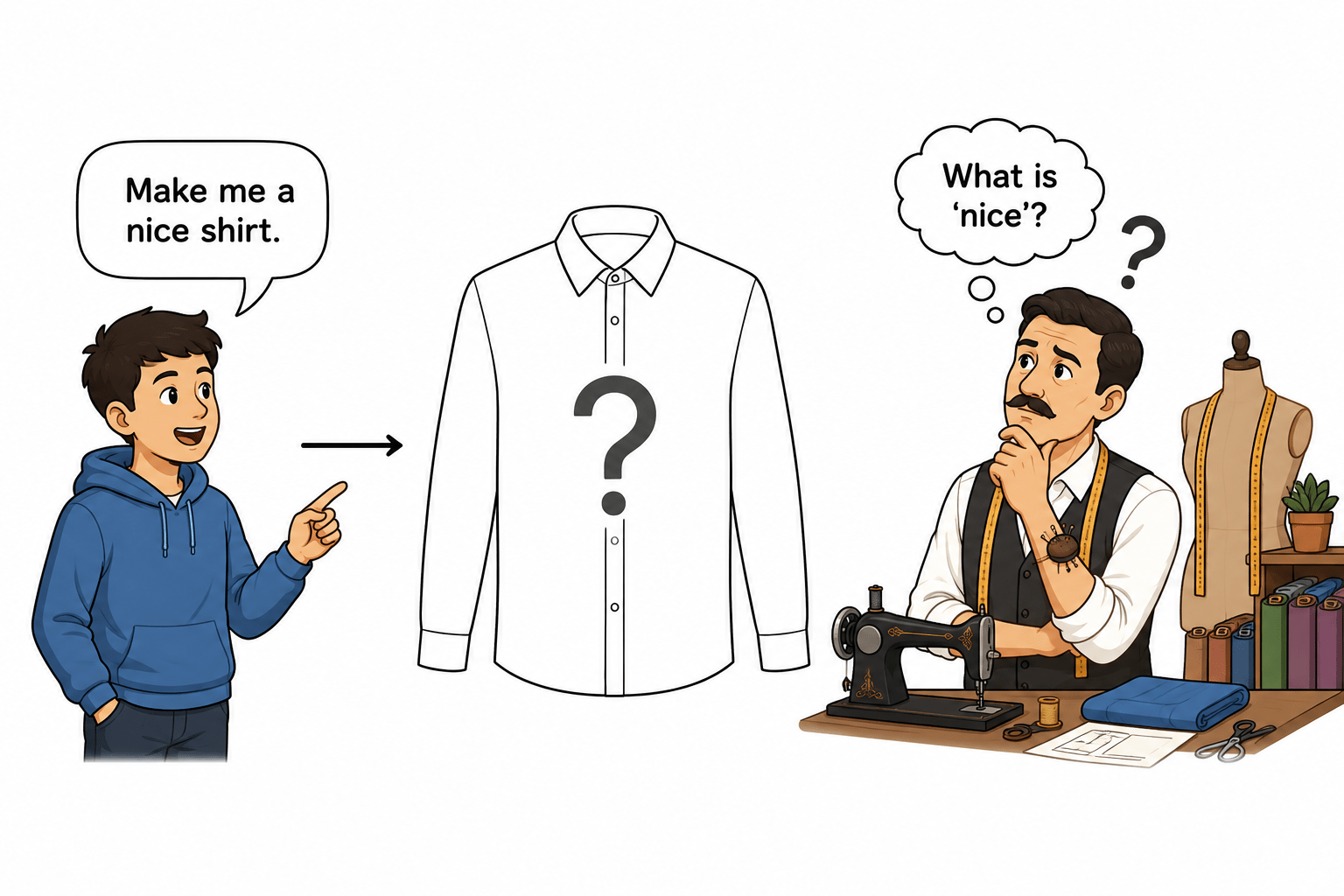
Imagine you visit a tailor and say,
The tailor has no idea what "nice" means to you — casual or formal? Slim fit or loose? Which color?
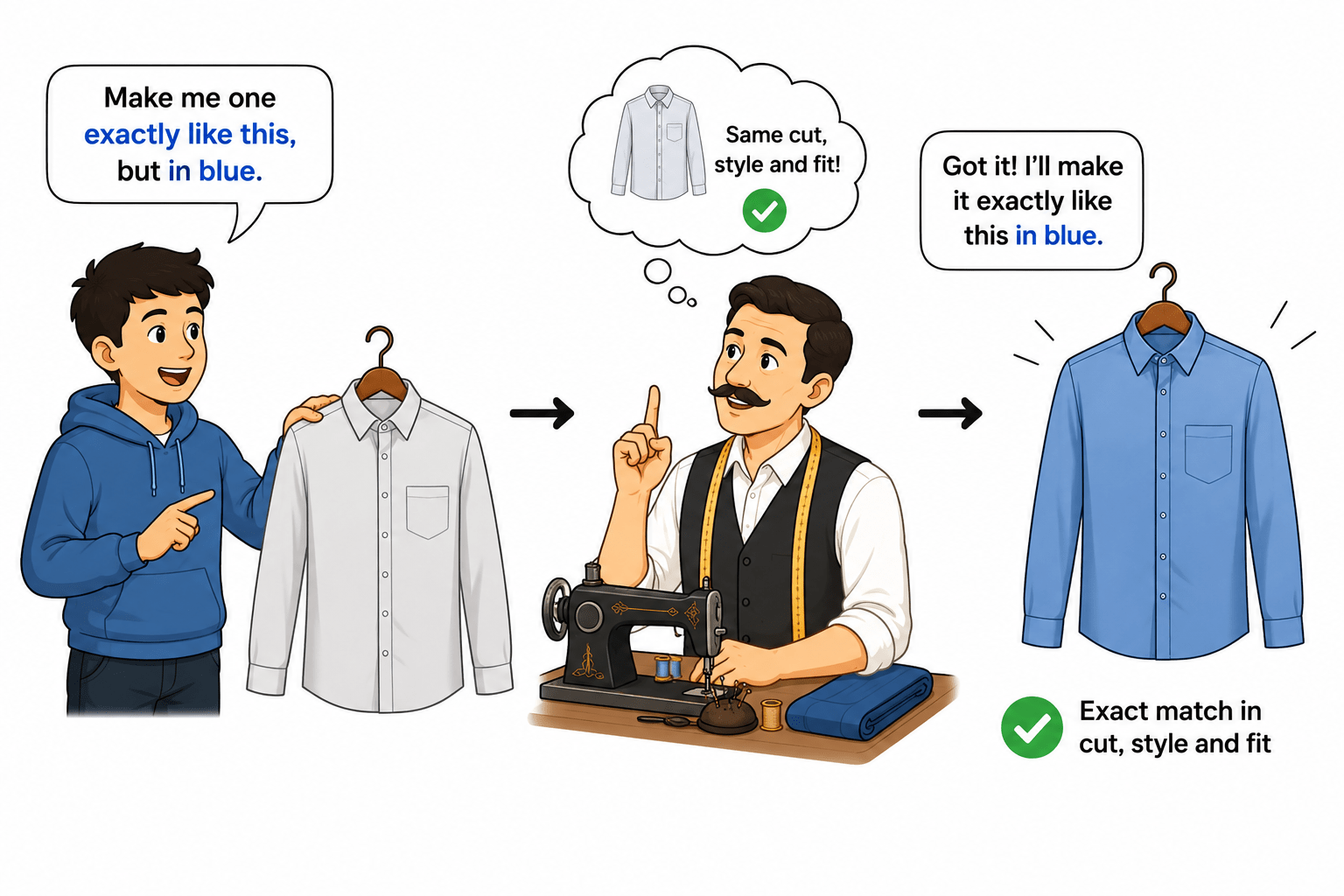
Now imagine instead you bring a sample shirt and say,
The tailor instantly understands the cut, style, and fit — because you showed, instead of just telling.
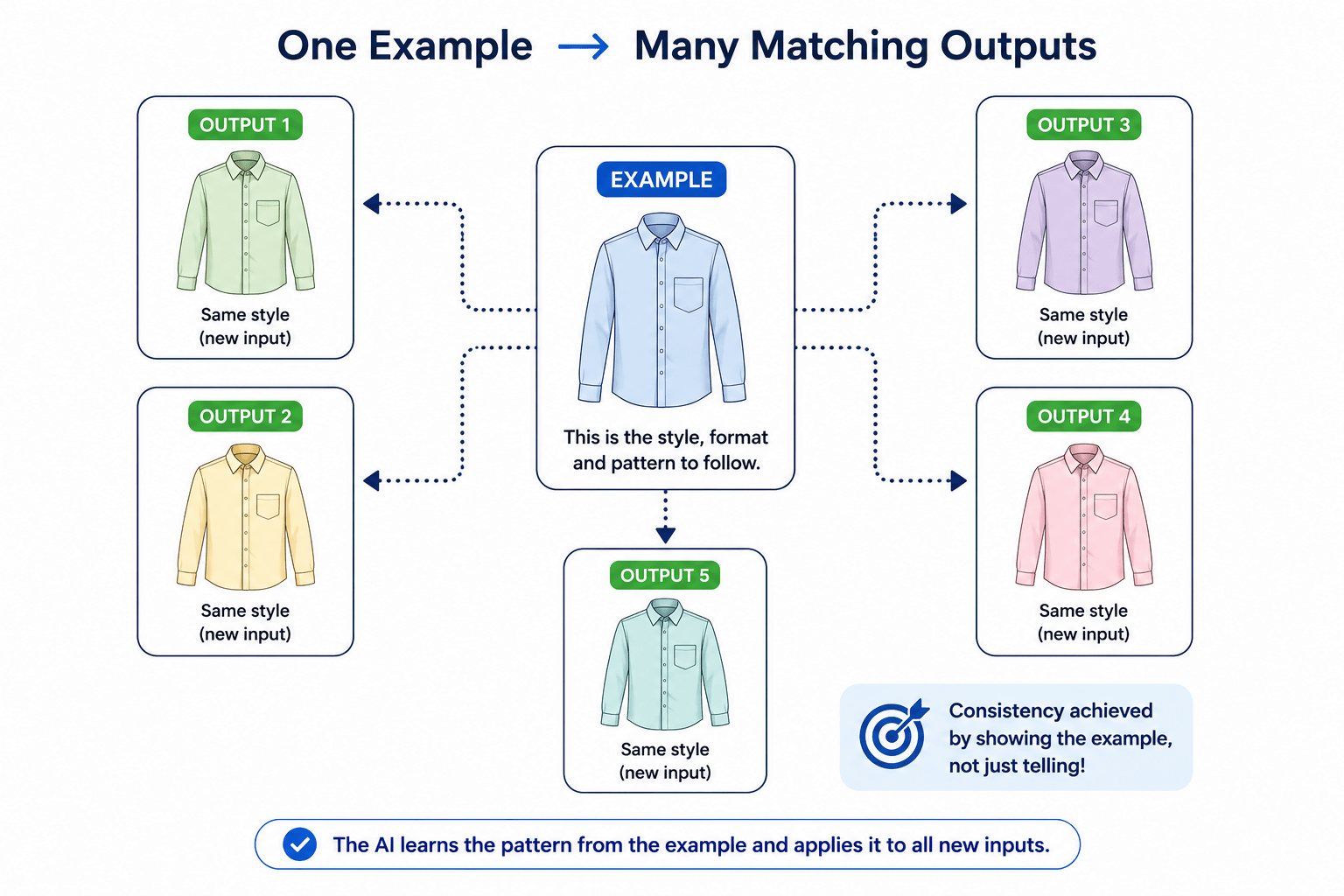
Example-Based Learning works the same way. Instead of only describing what you want, you show the AI one or more examples of the exact style, format, or pattern you expect — and it follows that pattern for new inputs.
Think About It
Previously, we imagined a tailor — struggling with a vague request, but instantly understanding once shown a sample shirt to copy.
Can words alone always fully describe the exact style, tone, or format you have in mind?
A small thought before we go technical
Expected Answer
NO
Just like a tailor learns from a sample, AI performs better when shown examples.
Now, let's explore how Example-Based Learning works.
What is Example-Based Learning?
--- Definition ---
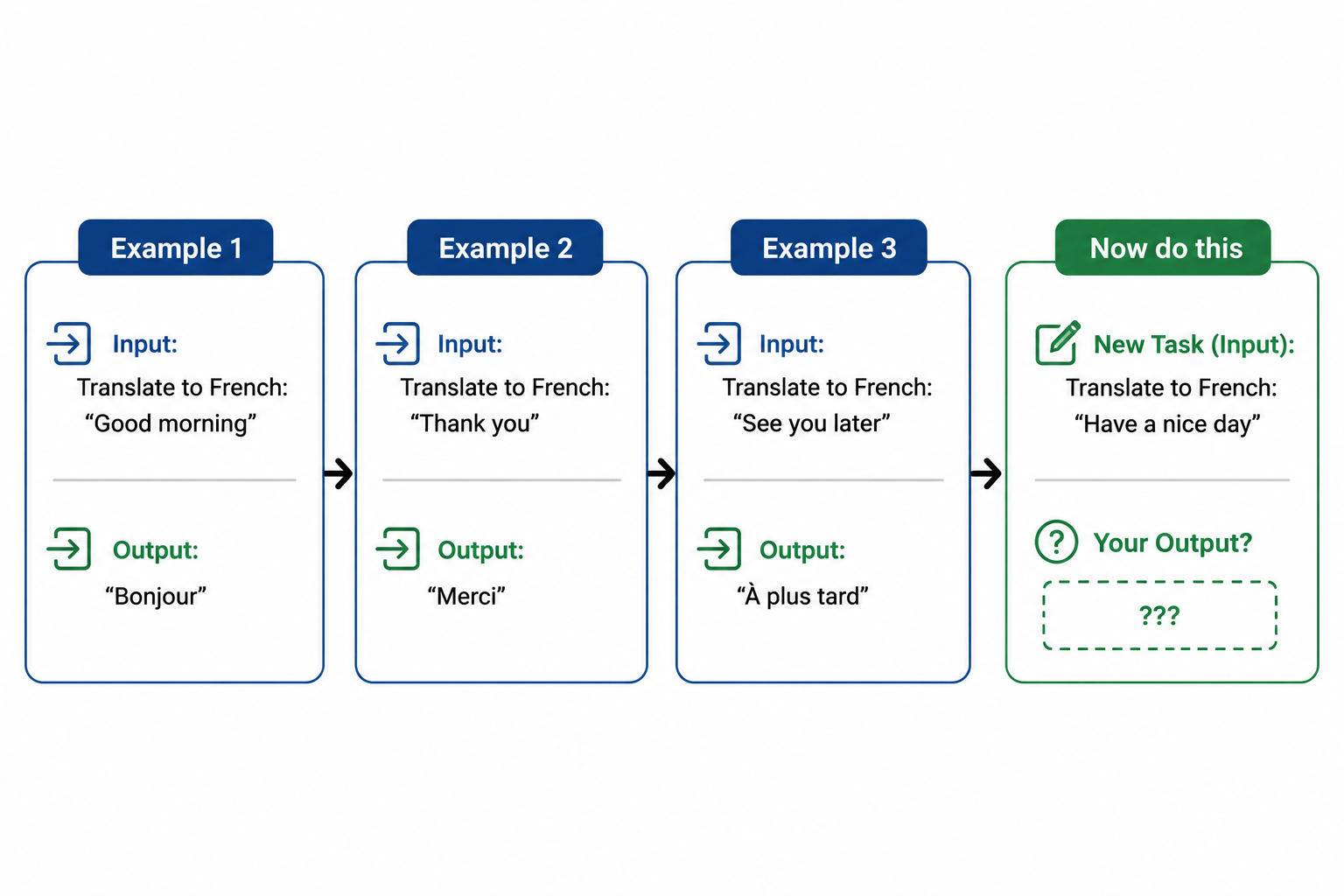
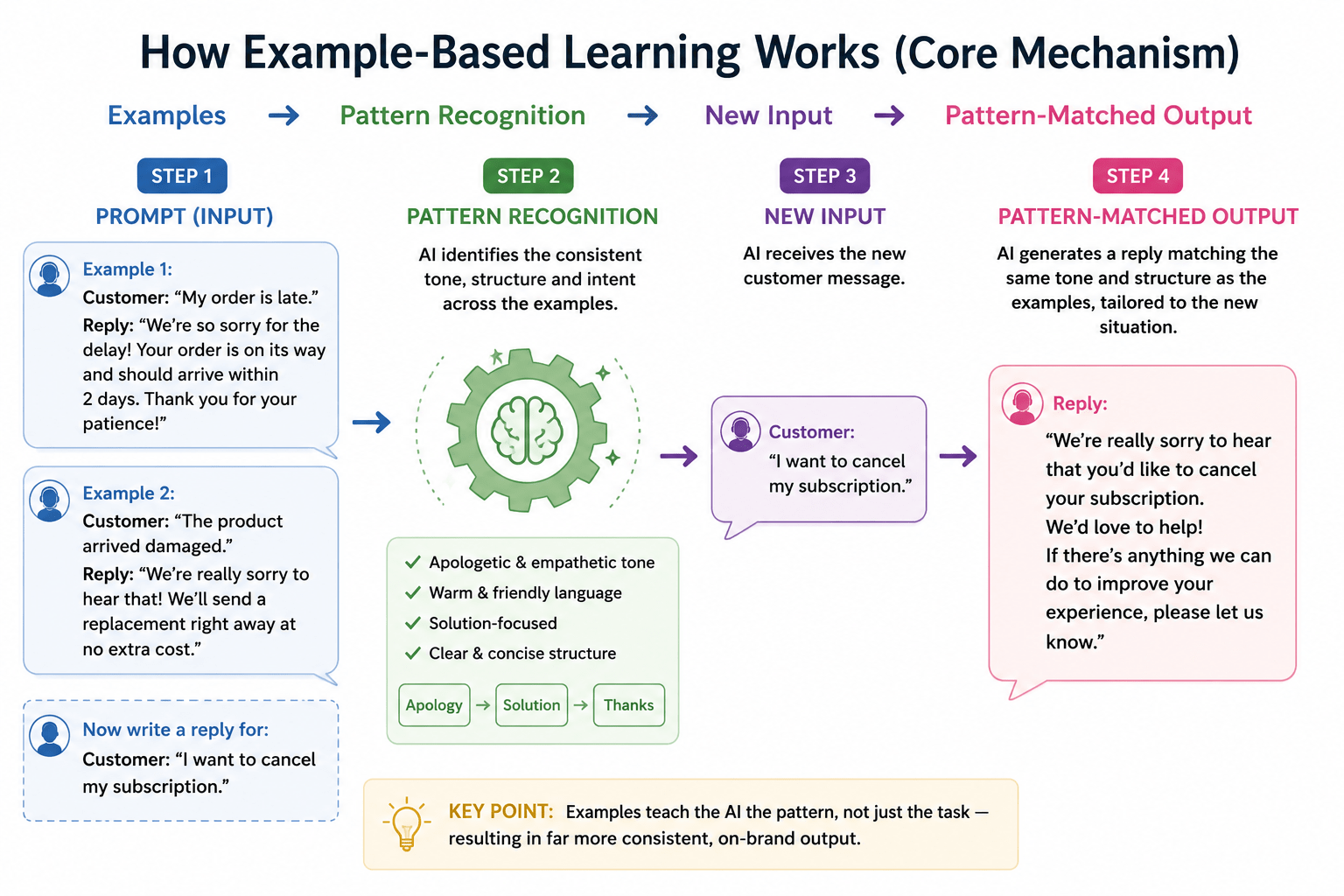
Example-Based Learning (also called Few-Shot Prompting) is a technique where you provide the AI with one or more sample input-output pairs within the prompt, so it can recognize the pattern and apply it to a new input.
Instead of relying purely on instructions, you demonstrate the expected style, tone, or structure.
Why it matters:
It's far more effective than instructions alone when the desired output has a specific "feel" that's hard to describe in words.
It significantly improves consistency across multiple AI-generated outputs.
It reduces back-and-forth corrections by showing the target format upfront.
Real-Life Examples
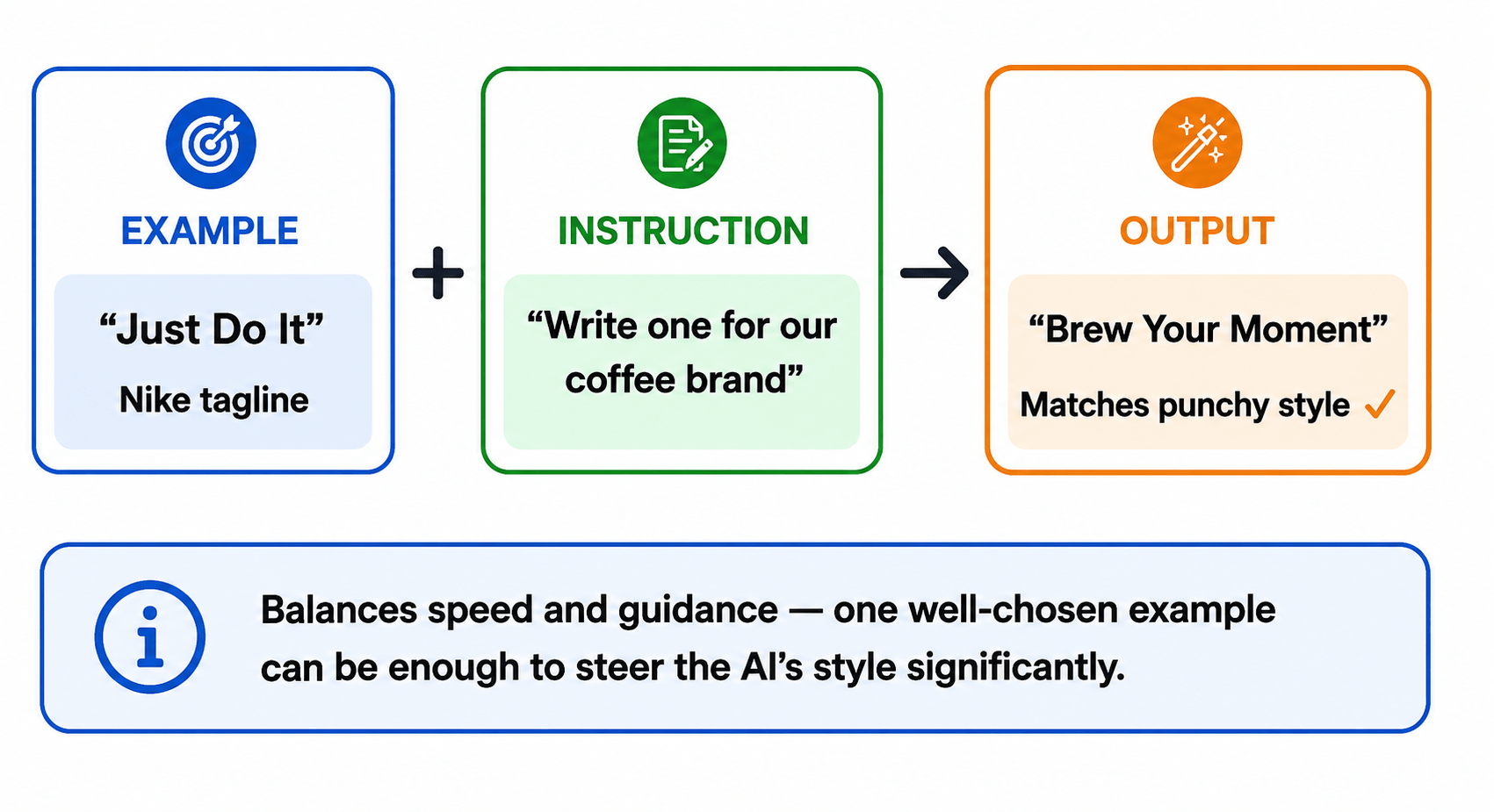
Showing AI 2 sample product taglines to generate more in the same punchy style.
Providing a sample customer support reply so the AI matches the company's tone in future replies.
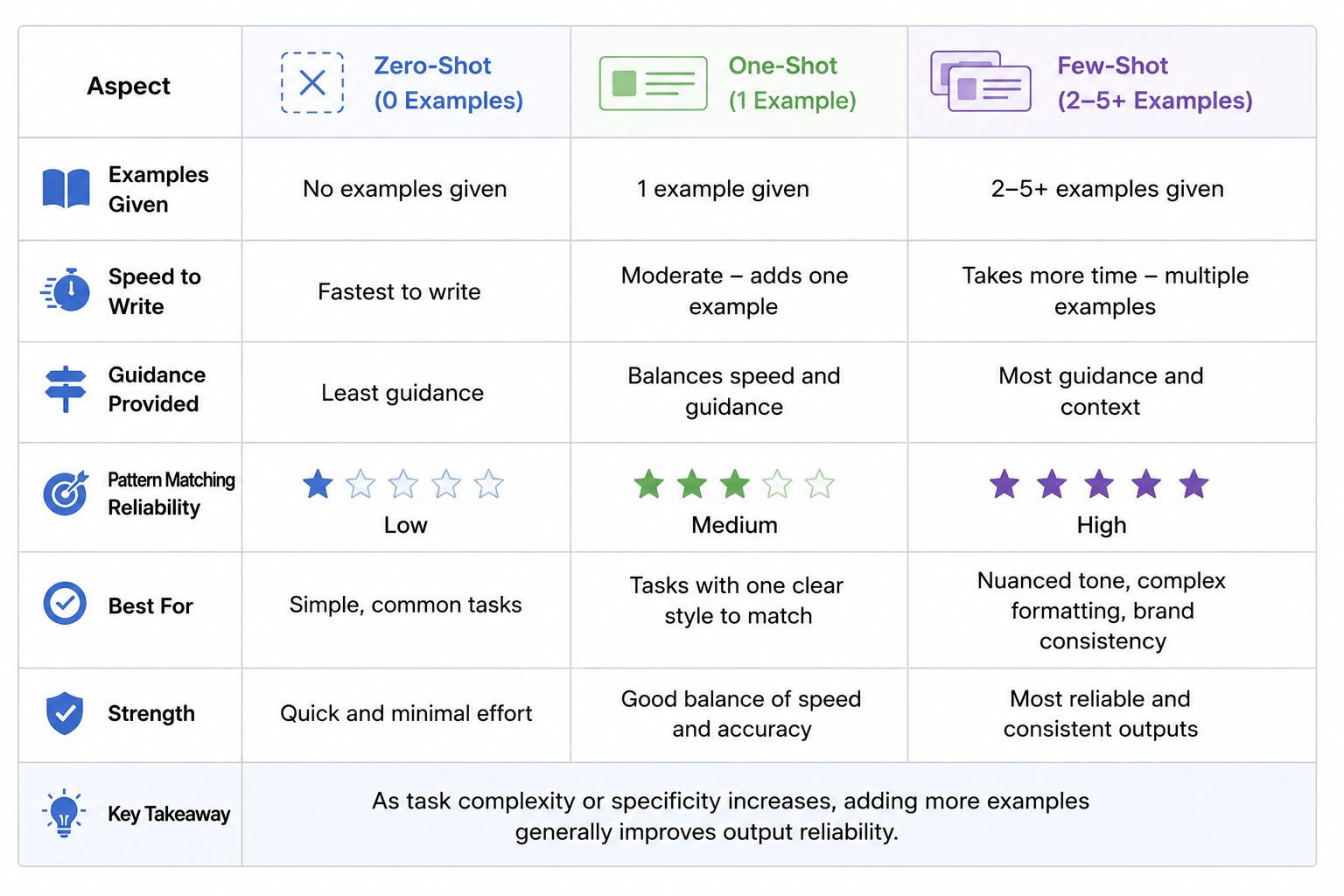
Zero-Shot Prompting
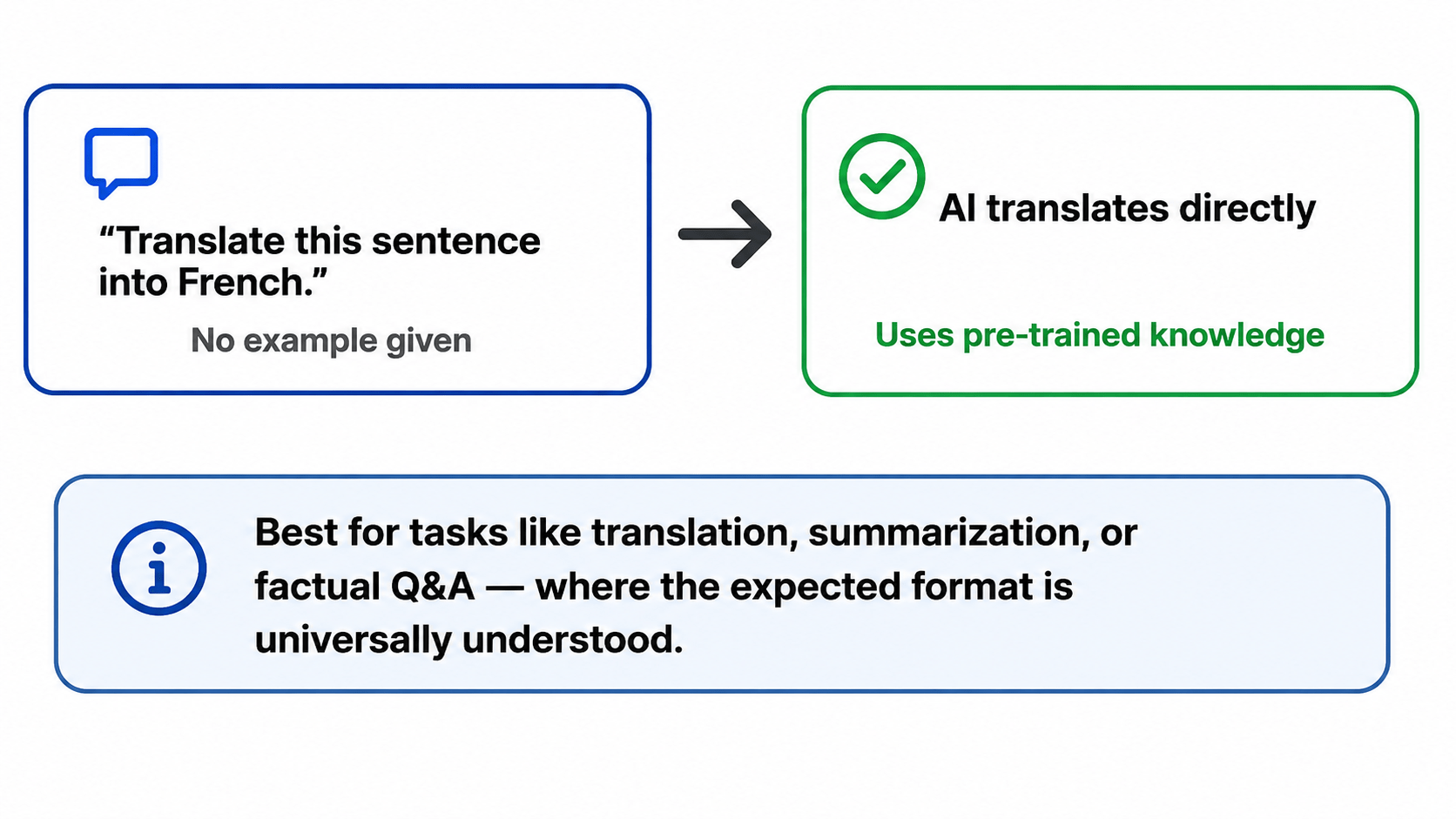
Zero-Shot means giving the AI a task with no examples at all — relying purely on the instruction.
Works well for simple, common tasks the AI already understands well.
One-Shot Prompting
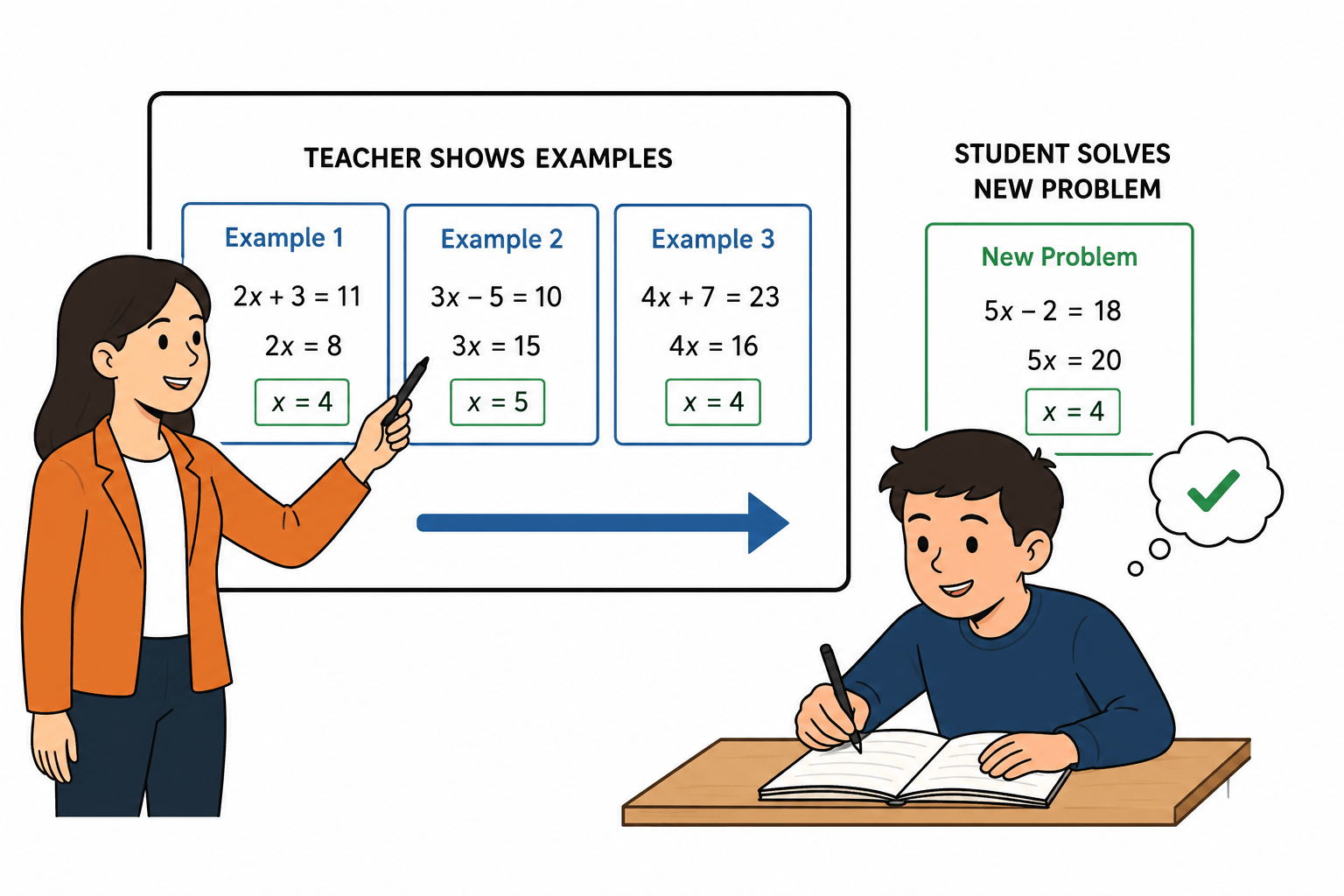
One-Shot means giving the AI exactly one example to establish the expected pattern before asking for a new output.
Useful when a task has a specific style that's clearer to show than describe.
Few-Shot Prompting
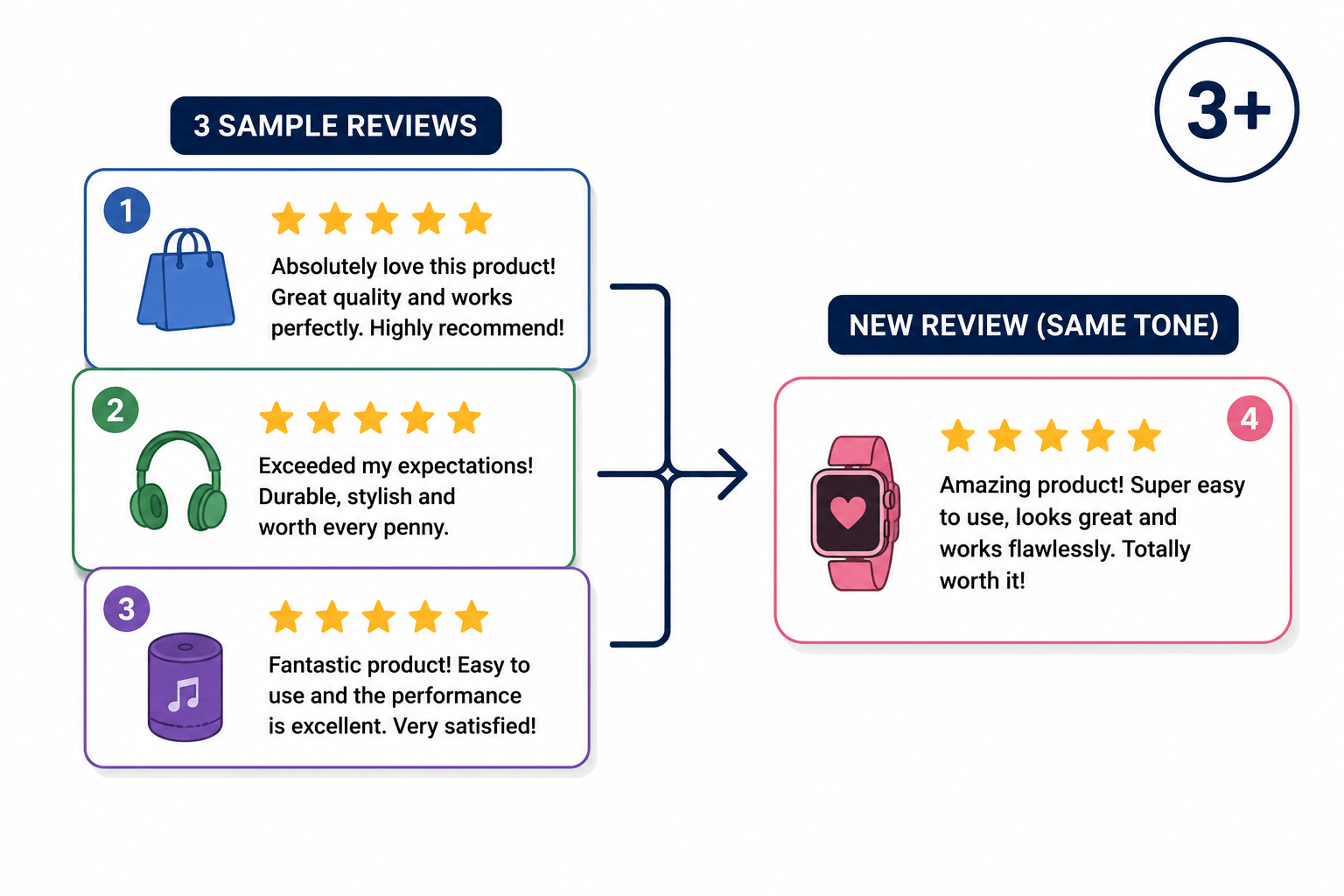
Few-Shot means giving the AI multiple examples (typically 2-5) to reinforce a pattern more strongly before generating new output.
More examples generally lead to more consistent, reliable pattern-matching — especially for nuanced styles.
Structuring Examples Effectively
Good examples should be:
Consistent in format with each other
Representative of the range you expect (not all identical)
Clearly separated from the new input, so the AI doesn't confuse sample and task
Zero-Shot vs. One-Shot vs. Few-Shot (Comparison)
How Example-Based Learning Works (Core Mechanism)
Applications of Example-Based Learning
Daily Life Applications
Summary
4
Ward’s method keeps clusters compact.
3
Cut the tree to find optimal clusters.
2
Dendrogram shows merge history and distances.
1
Bottom-up clustering (each point → one cluster → merge).
Quiz
What does dendrogram height represent?
A. Number of data points
B. Distance between clusters
C. Processing time
D. Accuracy
Quiz-Answer
What does dendrogram height represent?
A. Number of data points
B. Distance between clusters
C. Processing time
D. Accuracy
By Content ITV