


























Content ITV PRO
This is Itvedant Content department
Setup and Configuration
Learning Outcome
4
Set up a Rest Assured project with Java
3
2
1
Understand API automation in modern testing
Learn Rest Assured basics and usage
See how it simplifies API testing
What is API Testing?
API Testing is a type of software testing that verifies whether Application Programming Interfaces (APIs) are working correctly.
It focuses on validating the requests, responses, data accuracy, and business logic between different software systems without interacting with the user interface.
In simple terms, API testing checks whether systems communicate with each other properly and return the expected results.
Package Delivery Service
A request is sent to the warehouse
The warehouse processes the request
The package is delivered to you
In API communication
In Software Testing
Why API Automation is Important
Automating API tests helps teams validate backend functionality quickly and efficiently.
Since APIs operate behind the UI, testing them early helps identify issues before they affect the user interface.
Benefits of API automation include:
Faster execution compared to manual testing
Early detection of defects in the backend layer
Easy integration with CI/CD pipelines
Ability to test large numbers of API scenarios repeatedly
In the previous section, we understood what API testing is and why it is important.
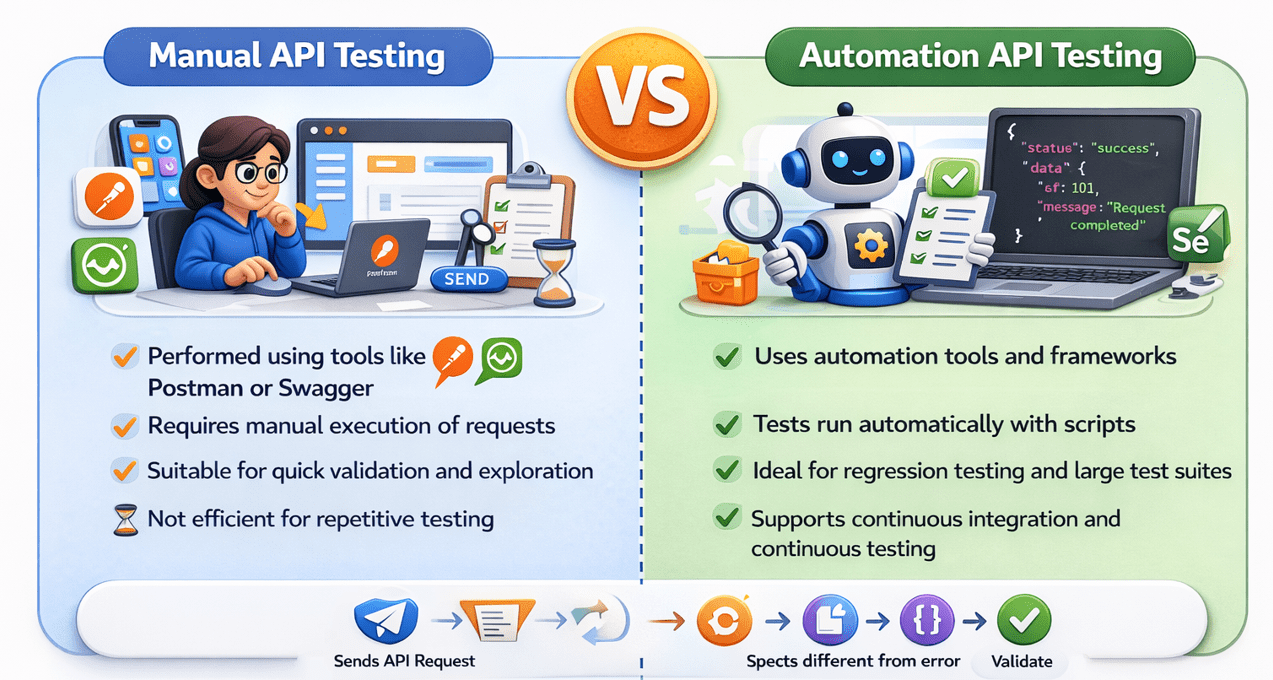
While tools like Postman or Swagger help us manually send requests and validate responses, manual testing can become time-consuming and repetitive when the number of APIs and test scenarios increases.
In real-world projects, APIs need to be tested frequently, repeatedly, and often as part of automated pipelines.
This is where API automation tools become essential.
This is where API automation tools become essential
One of the most widely used tools for automating REST API testing in Java is Rest Assured.
Manual vs Automation API Testing
Setup and Configuration for REST Assured
(Public API)
What is REST Assured ??
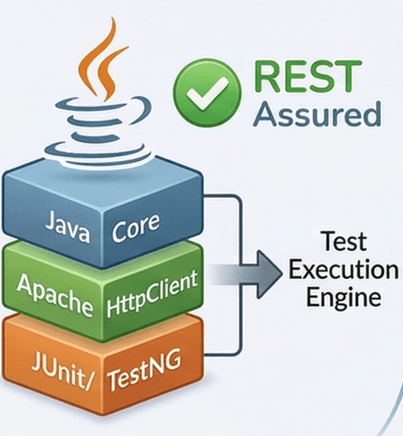
REST Assured is a Java-based API automation testing framework designed specifically for testing RESTful APIs
Built on top of Java HTTP clients like Apache HttpClient, it integrates with popular testing frameworks.
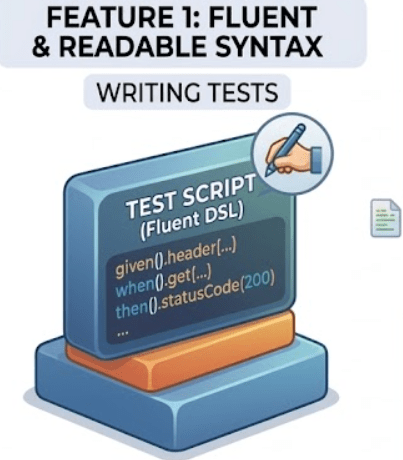
Write tests that are easy to understand and maintain.
Validate response data in various formats with ease
Versatile framework for multiple testing scenarios
Why Use REST Assured?
Understanding the HTTP Protocol
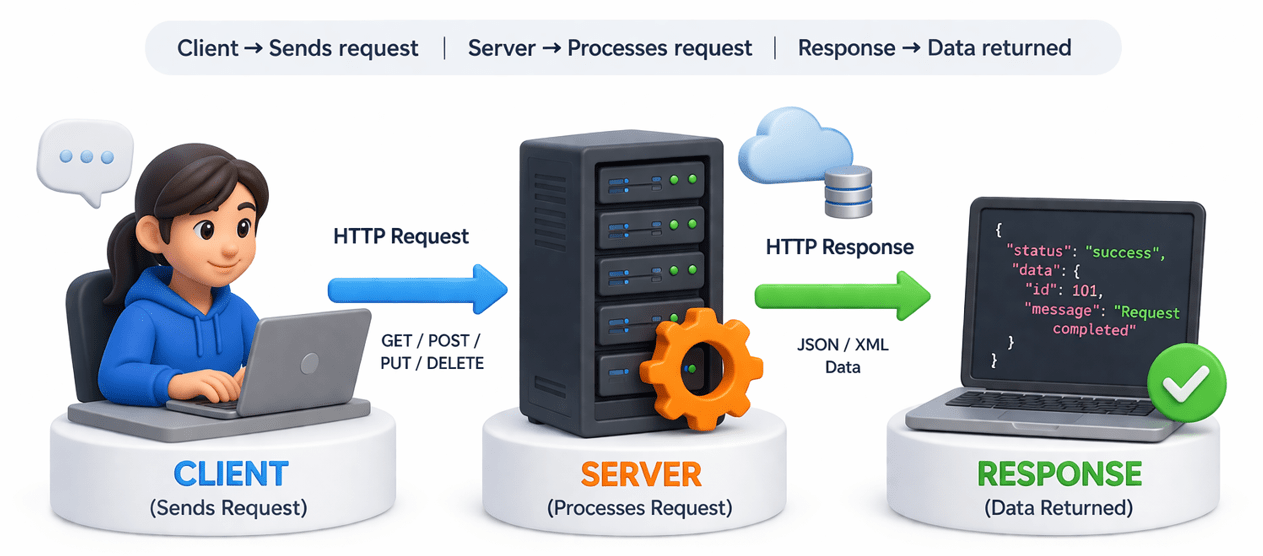
Client sends request to server
Client
Server
Server returns status code, headers, and data
Server processes the request
Request
Response
Processing
Now, let’s understand the full API flow.
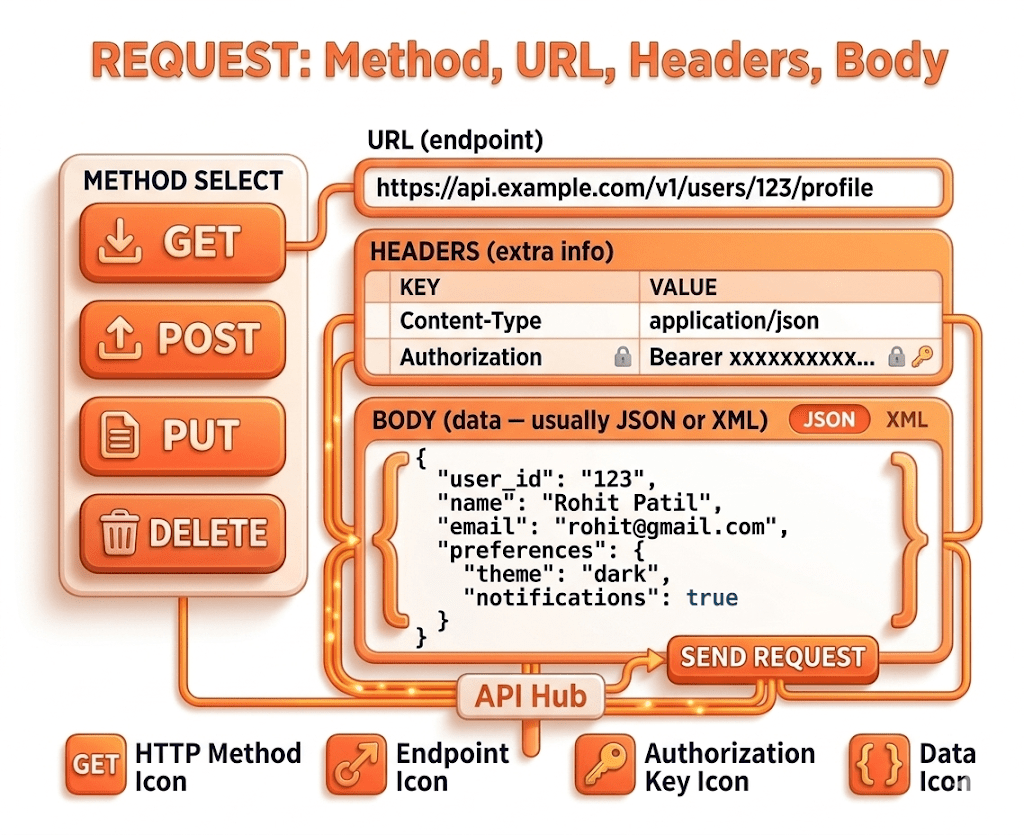
Request
A Request is a message sent by the client to the server asking for something.
Example:
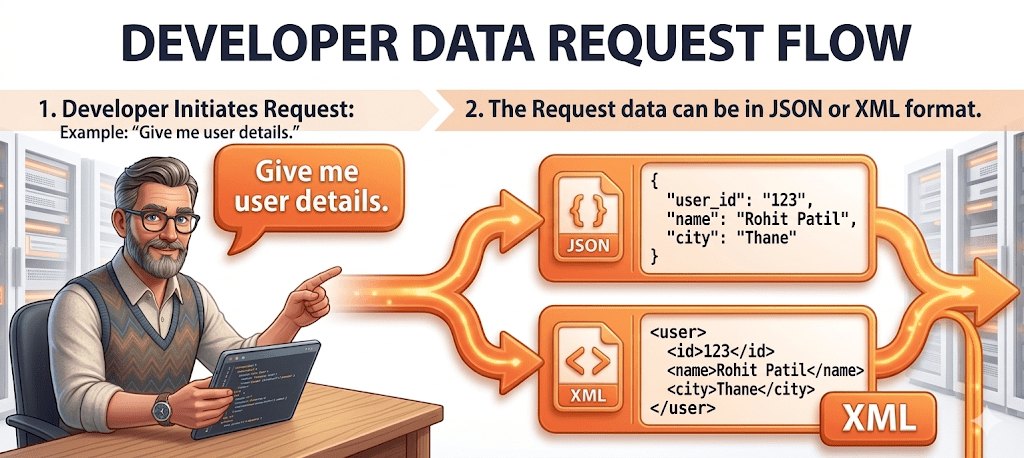
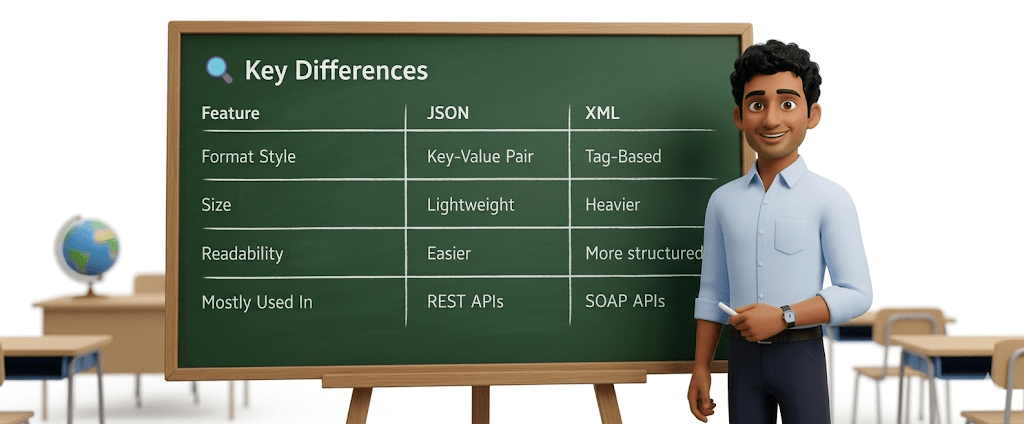
Why JSON and XML
When a client sends a request to a server, the server responds with data.
That data must be in a structured format so both systems can understand it.
🔹 Lightweight
🔹 Easy to read
🔹 Mostly used in modern REST APIs
Why JSON is popular
Less bulky
Faster to parse
Human-readable
Works very well with web and mobile apps
🔹 Tag-based structure
🔹 Older but still widely used
🔹 Common in SOAP APIs and enterprise systems
XML (Extensible Markup Language)
Characteristics:
Uses opening and closing tags
More verbose (larger size)
Server
A Server is a system that:
Receives the request
Processes the logic
Validates authentication
Accesses database if needed
Prepares response
Sends response back
Server listens → Processes → Responds
Response
A Response is what the server sends back to the client.
Status Code (200, 404, 500, etc.)
Headers
Body (Data in JSON or XML)
Error message (if something failed)
It contains:
HTTP Methods
Used to retrieve data
Does NOT modify data
Data is visible in URL
Safe and idempotent
HTTP Methods
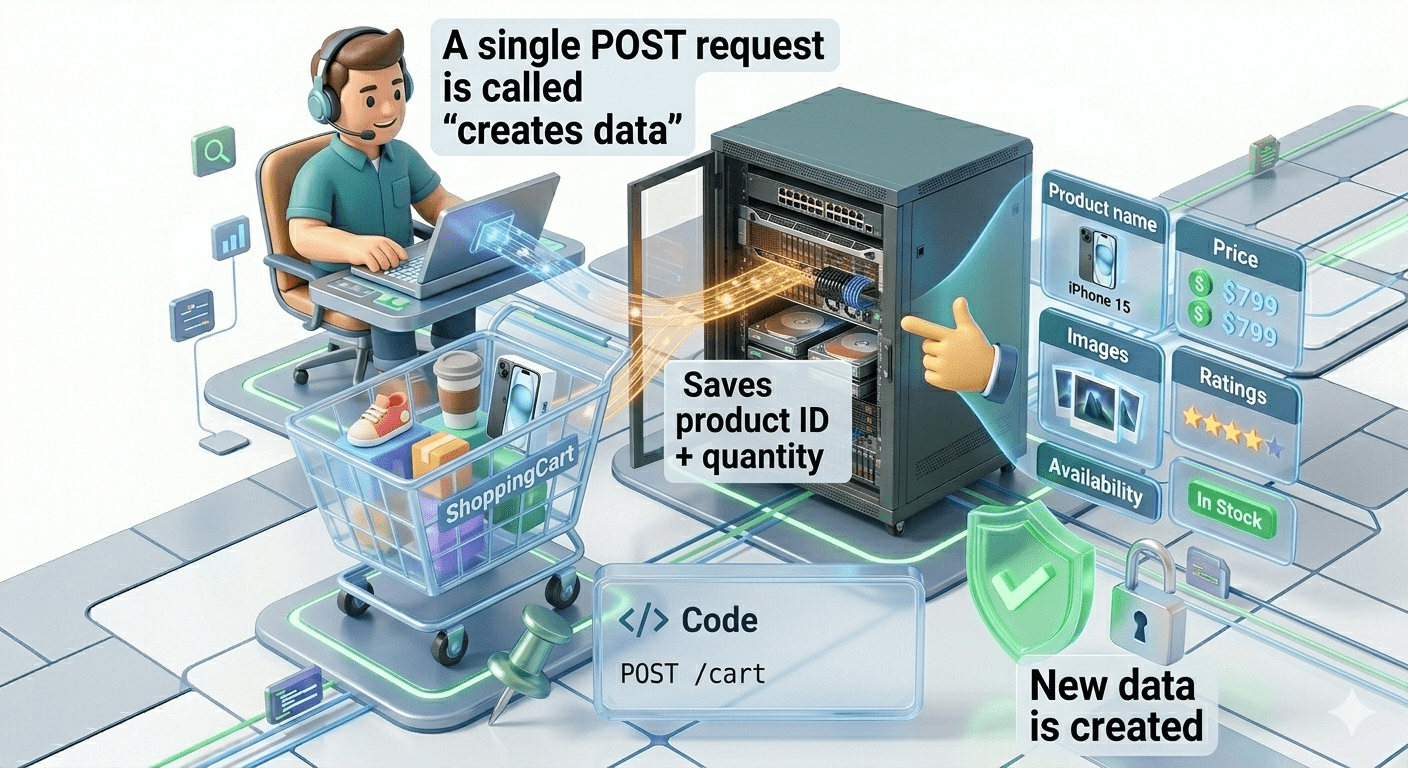
Used to create new data
Data is sent in request body
Not idempotent
HTTP Methods
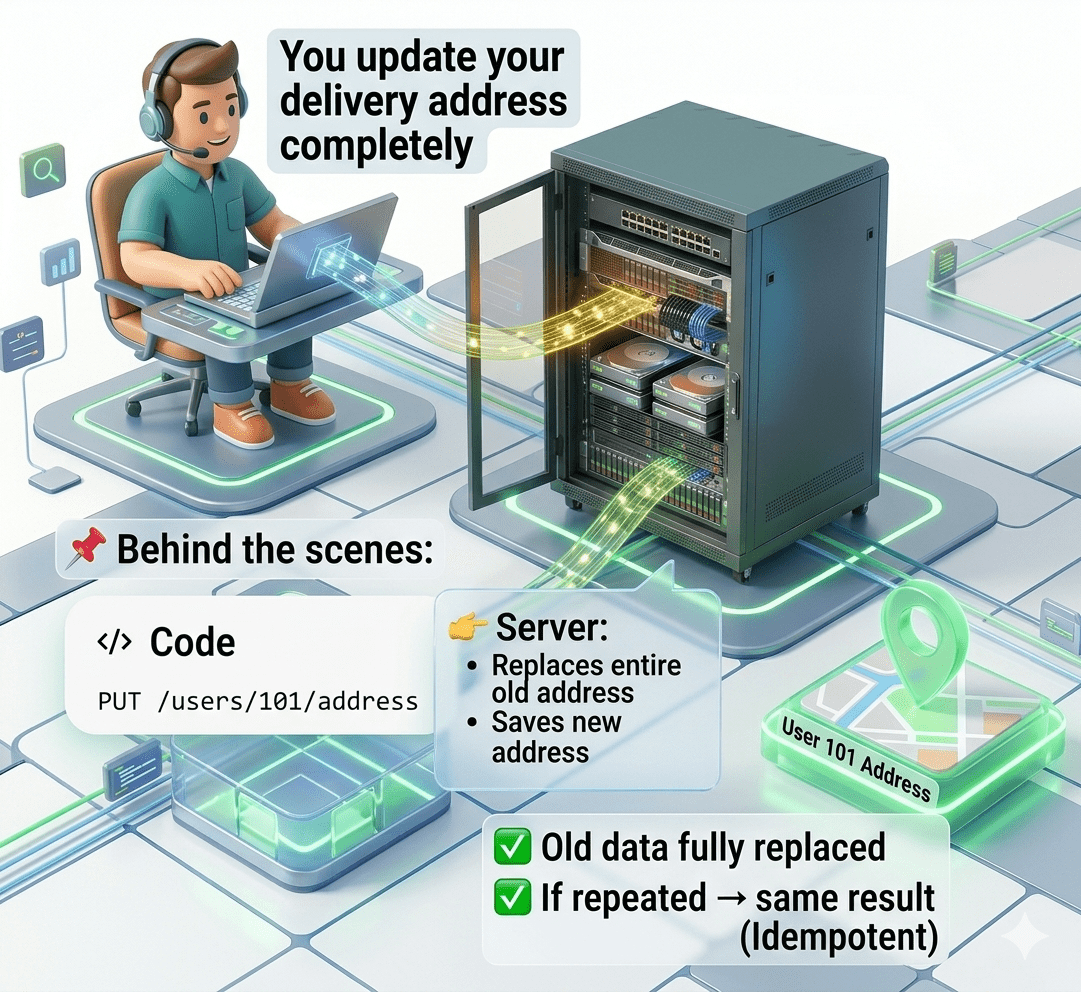
Used to update entire resource
Replaces old data completely
Idempotent
HTTP Methods
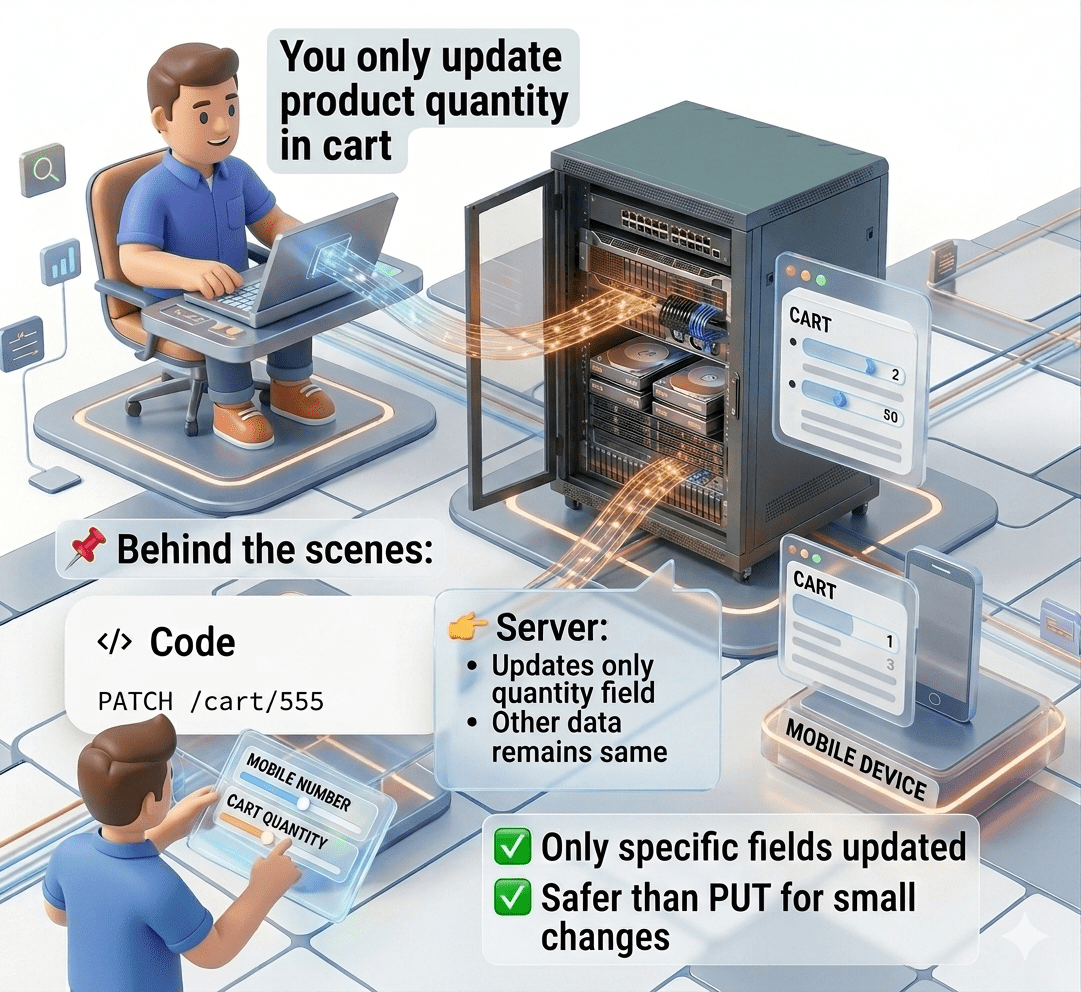
Used to partially update data
Updates only specific fields
Idempotent (generally)
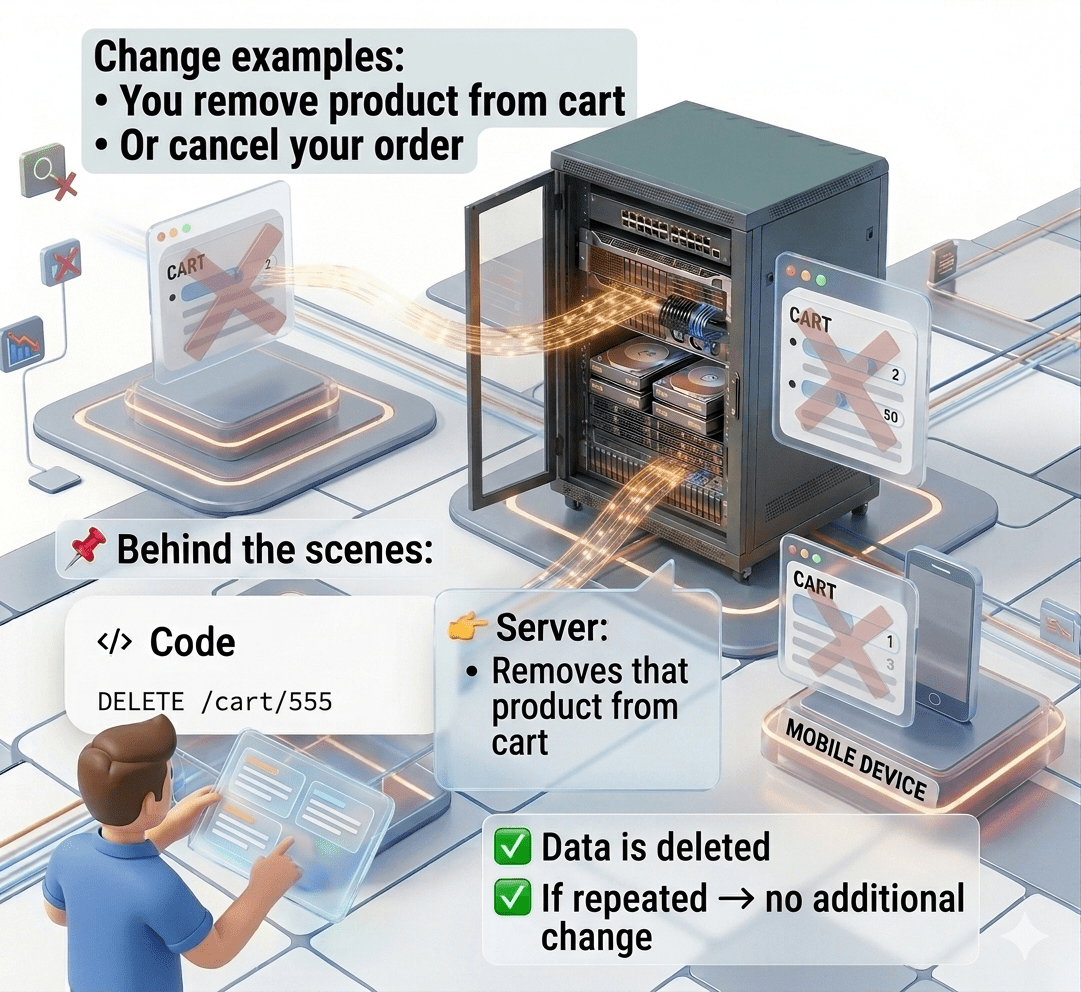
HTTP Methods
Used to remove data
Idempotent
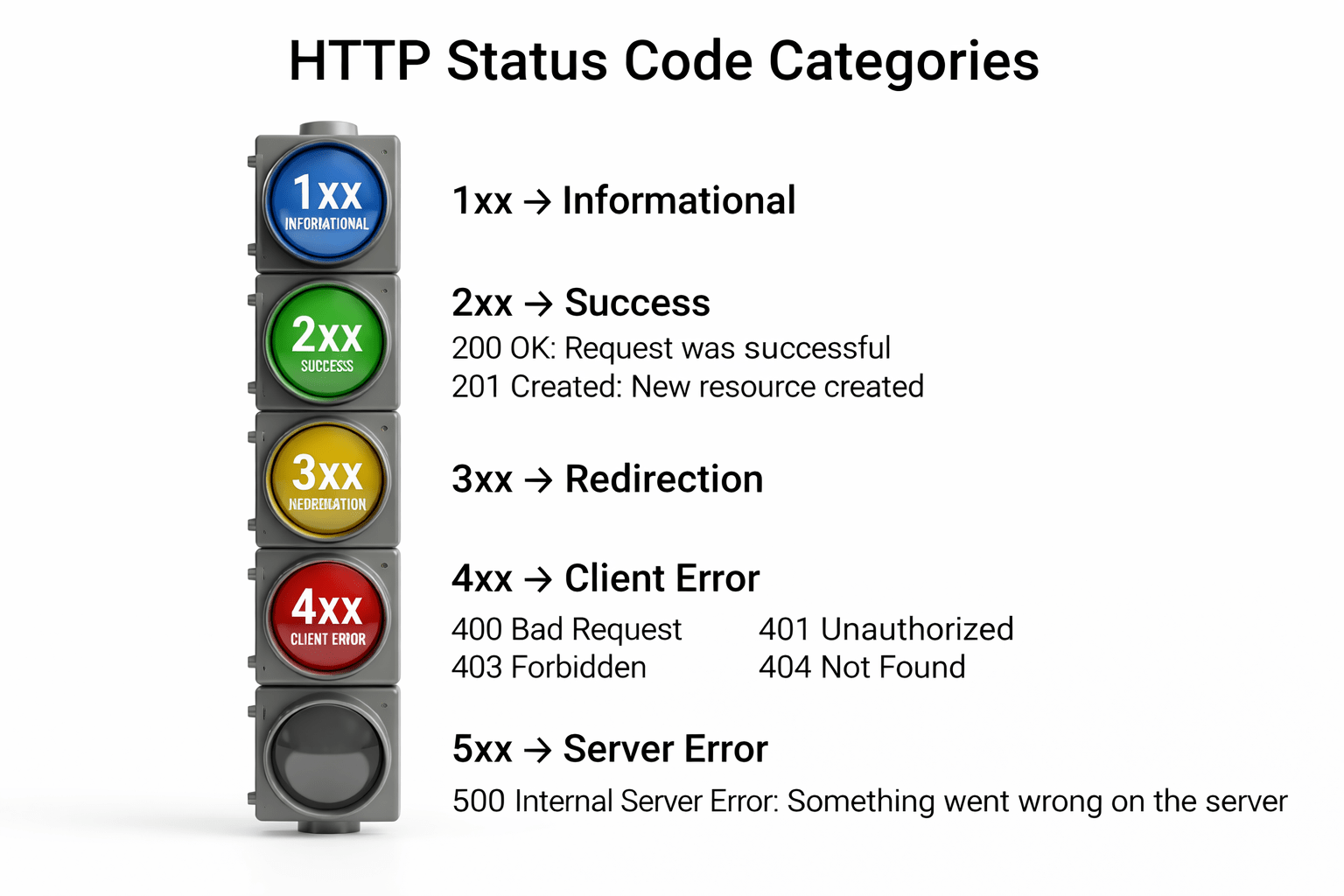
HTTP Status Code Categories
What Do We Validate in API Testing?
Correct data
Mandatory fields
Data type
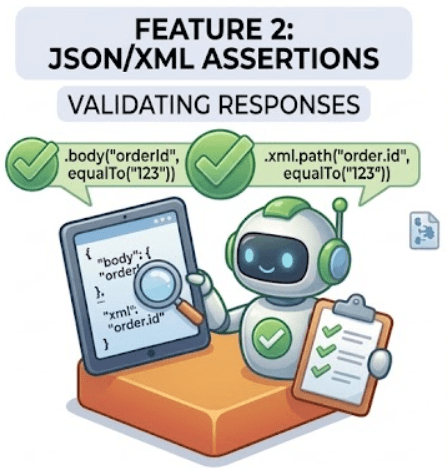
Status code
Schema
Functional
Performance
Security
Reliability
Load
Non-functional
Invalid input
Missing fields
Wrong data type
Unauthorized access
Expired token
Negative Testing
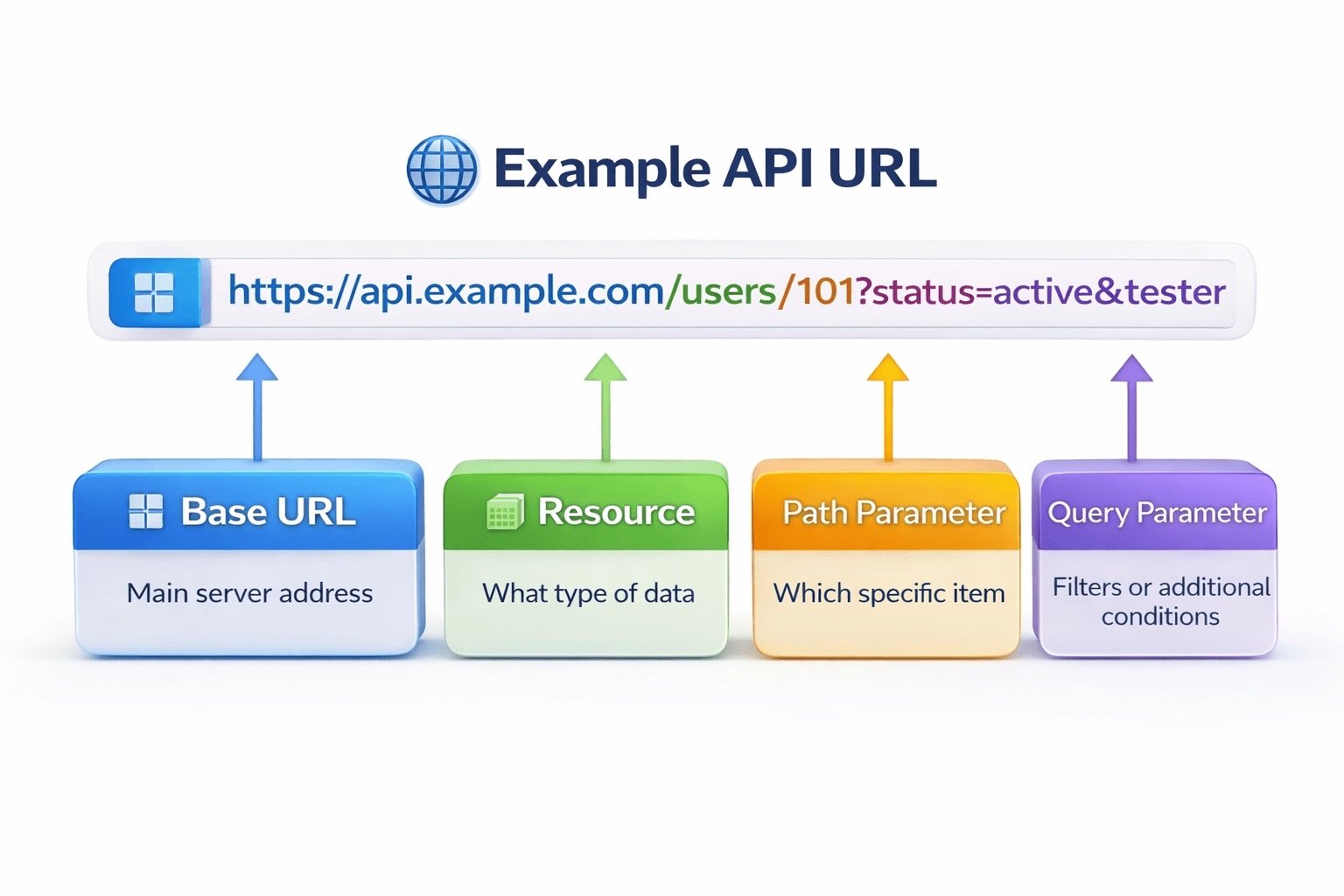
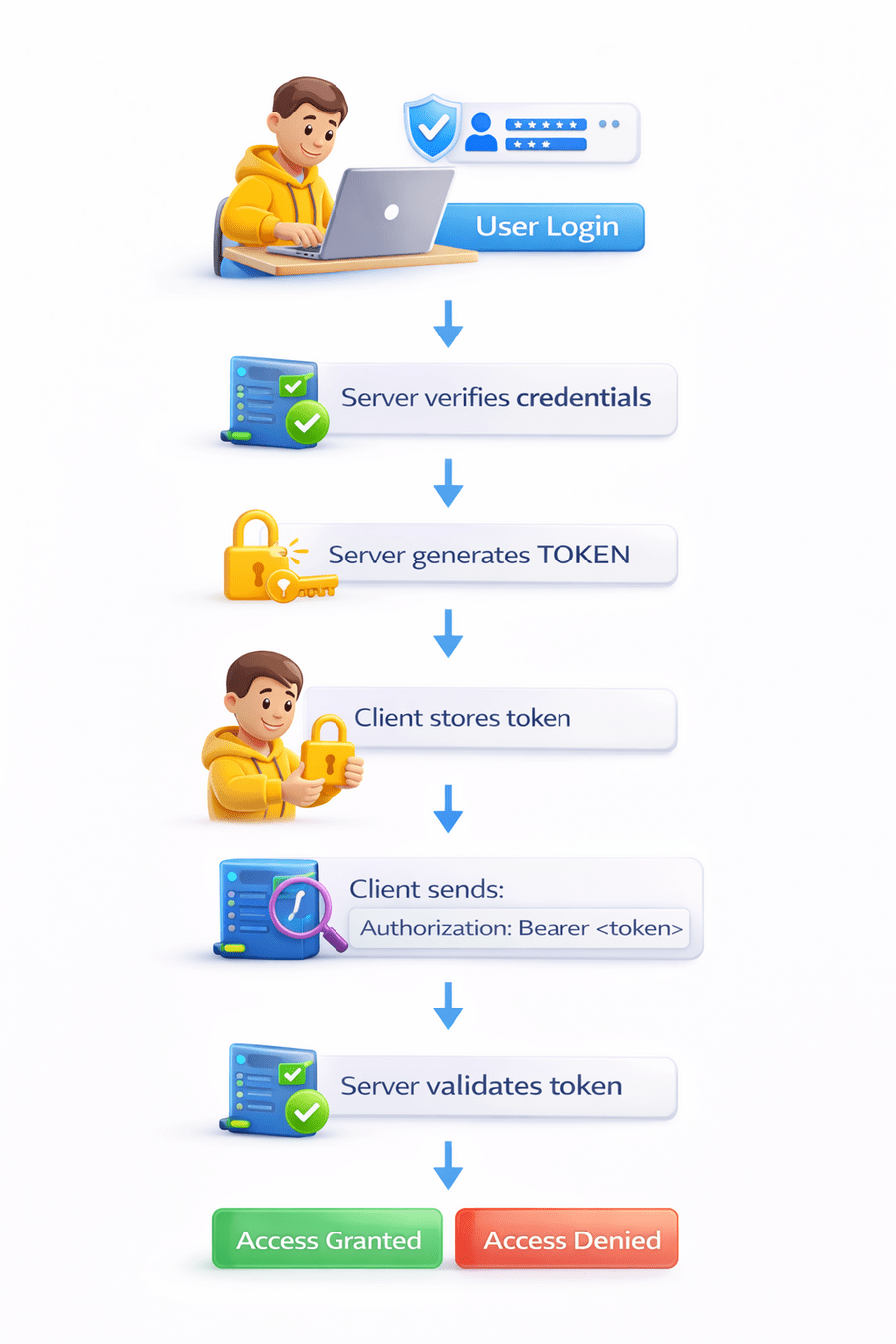
Important concepts
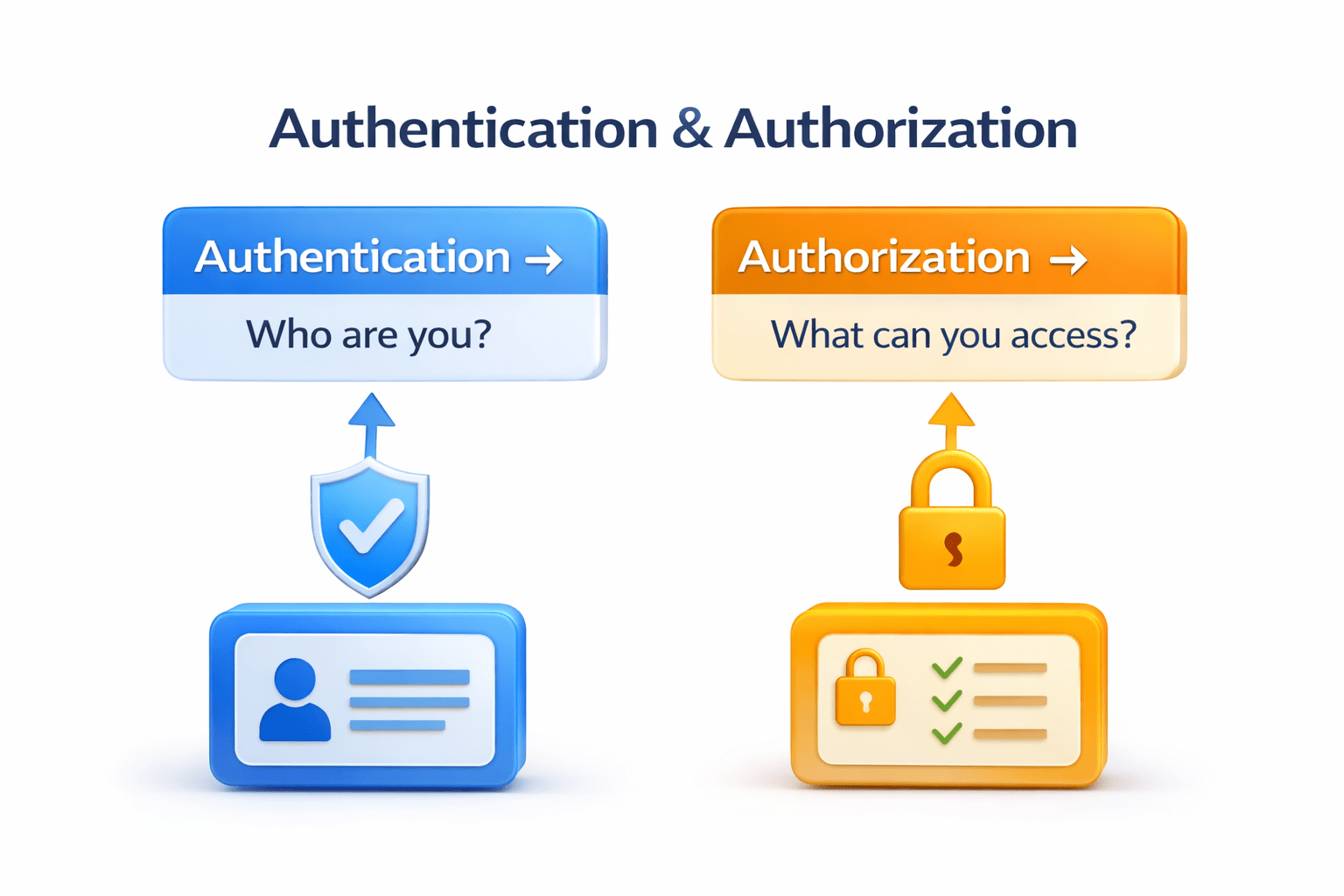
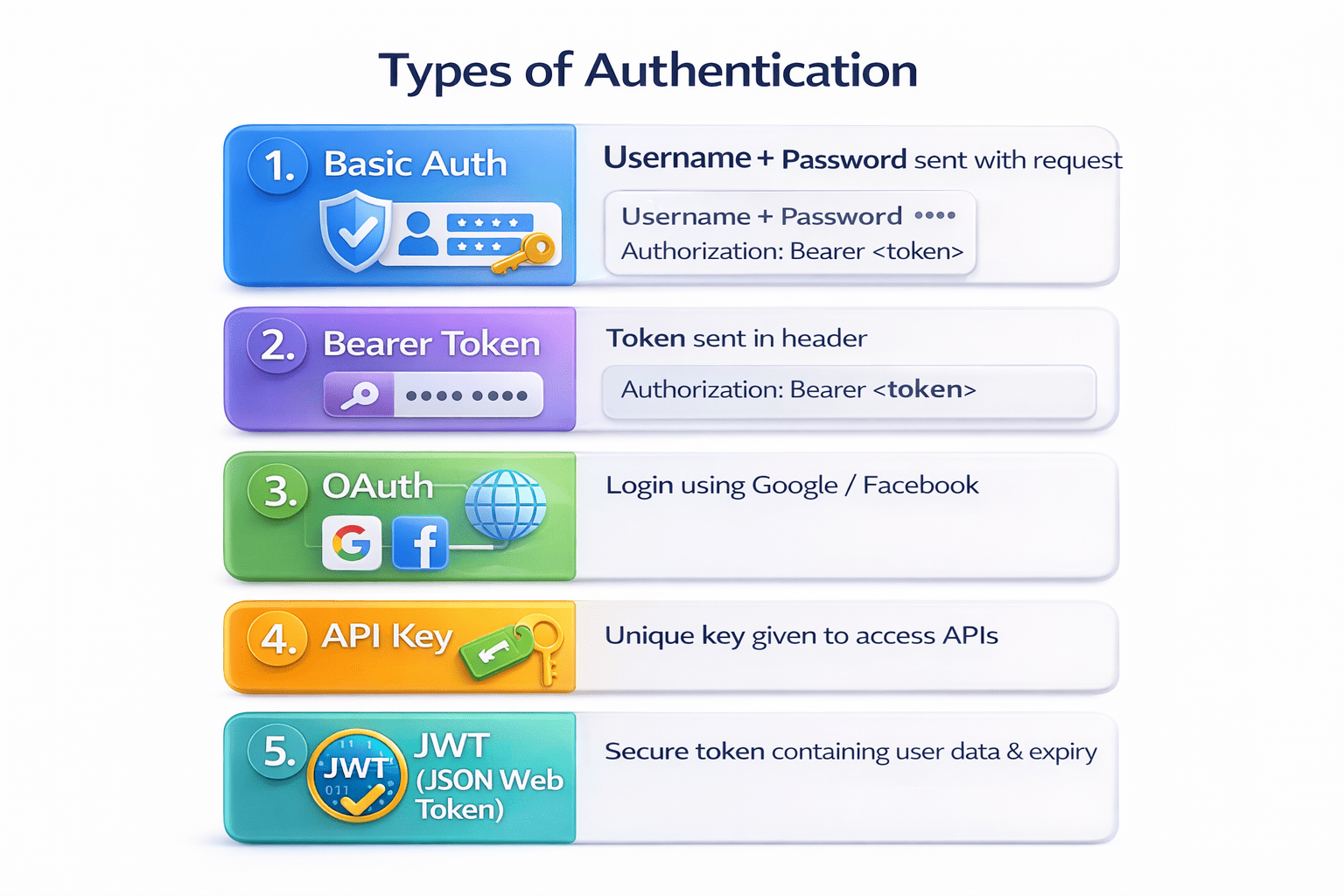
Types of Authentication
Username + Password sent with request
Token sent in header
Authorization: Bearer <token>
Unique key given to access APIs
Login using Google / Facebook
Secure token containing user data & expiry
Performance & Security Testing in API Testing
Response time
Load
Concurrency
Performance
Injection
Broken authentication
Data exposure
Rate limiting
Concurrent user simulation
Security
JMeter
k6
Tools
Summary
5
Build strong branding
4
Use different marketing channels
3
Target the right audience
2
Create and communicate value
1
Understand customer needs
Quiz
API testing helps detect issues:
A. Late in production
B. Only UI defect
C. Early in development
D. Only performance defects
Quiz-Answer
API testing helps detect issues:
A. Late in production
B. Only UI defect
C. Early in development
D. Only performance defects
By Content ITV