




Content ITV PRO
This is Itvedant Content department
Learning Outcome
6
Update locators easily when the application UI changes.
5
Improve code reusability and maintainability.
4
Use page objects in TestNG test cases
3
Define locators and actions inside page classes.
2
Create Page Classes for web pages.
1
Understand the purpose and structure of POM.
Recall
Locators – Identify and locate web elements.
Web Element Actions interact with webpage elements.
Assertions – Validate expected results.
TestNG – Organize and execute test cases.
Java Classes & Methods – Create reusable code components.
Page Navigation – Move between different application pages.
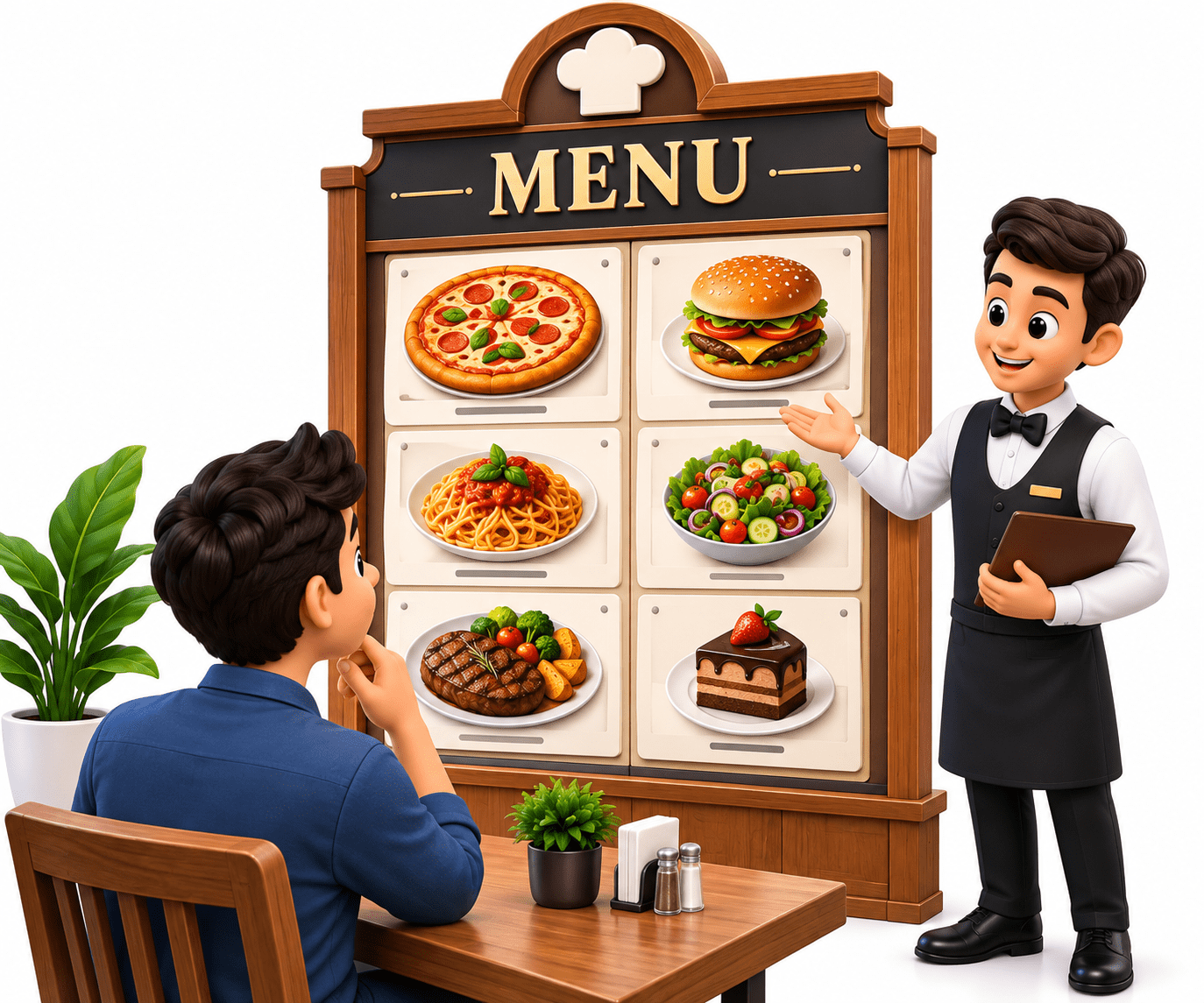
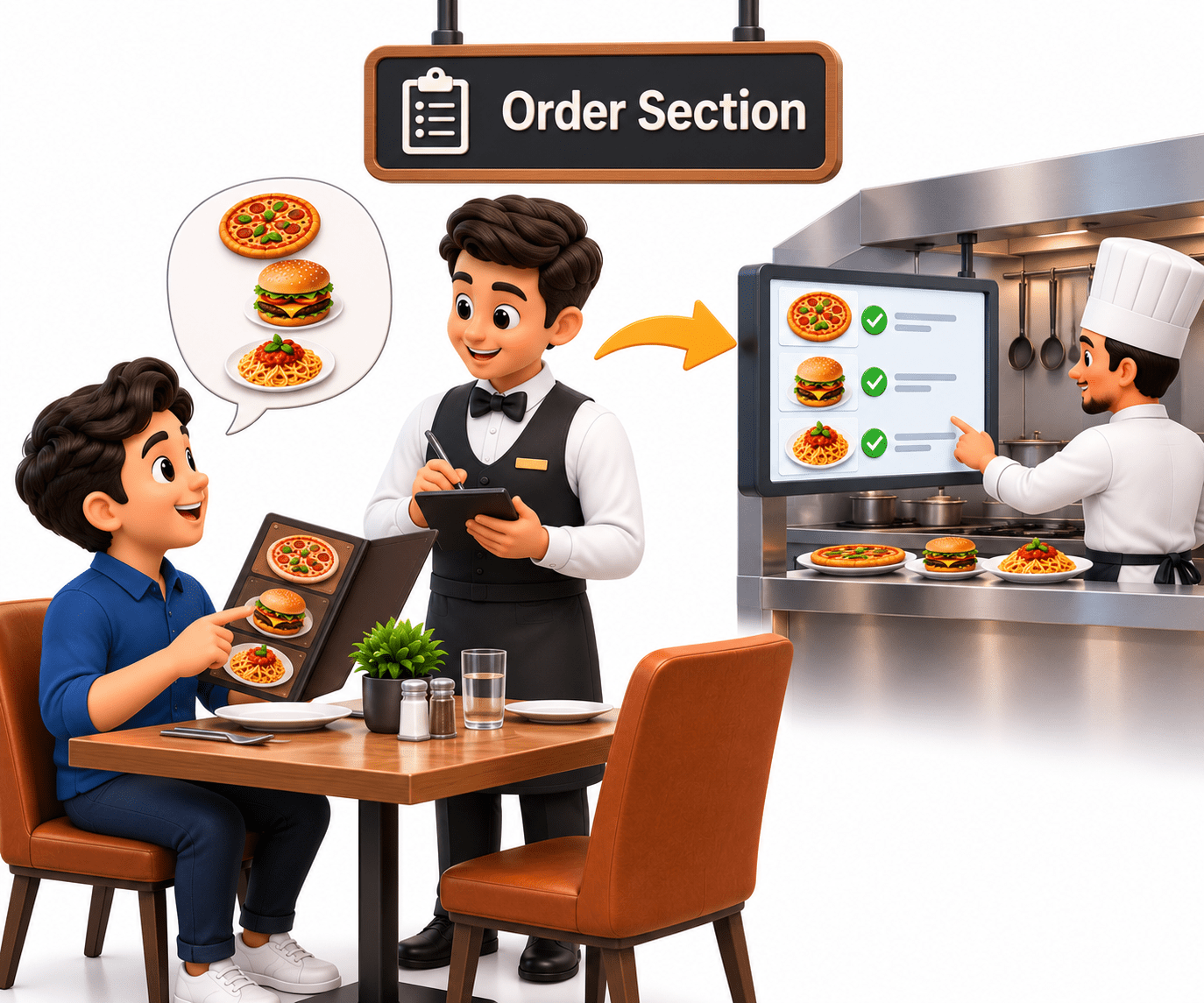
Restaurant Organization System
Imagine a restaurant where everything is organized into separate sections:
Menu Section
Contains all food items.
Order Section
Handles placing and modifying orders.
Payment Section
Handles payment actions.
Customer Section → Handles customer details.
Similarly, in Playwright:
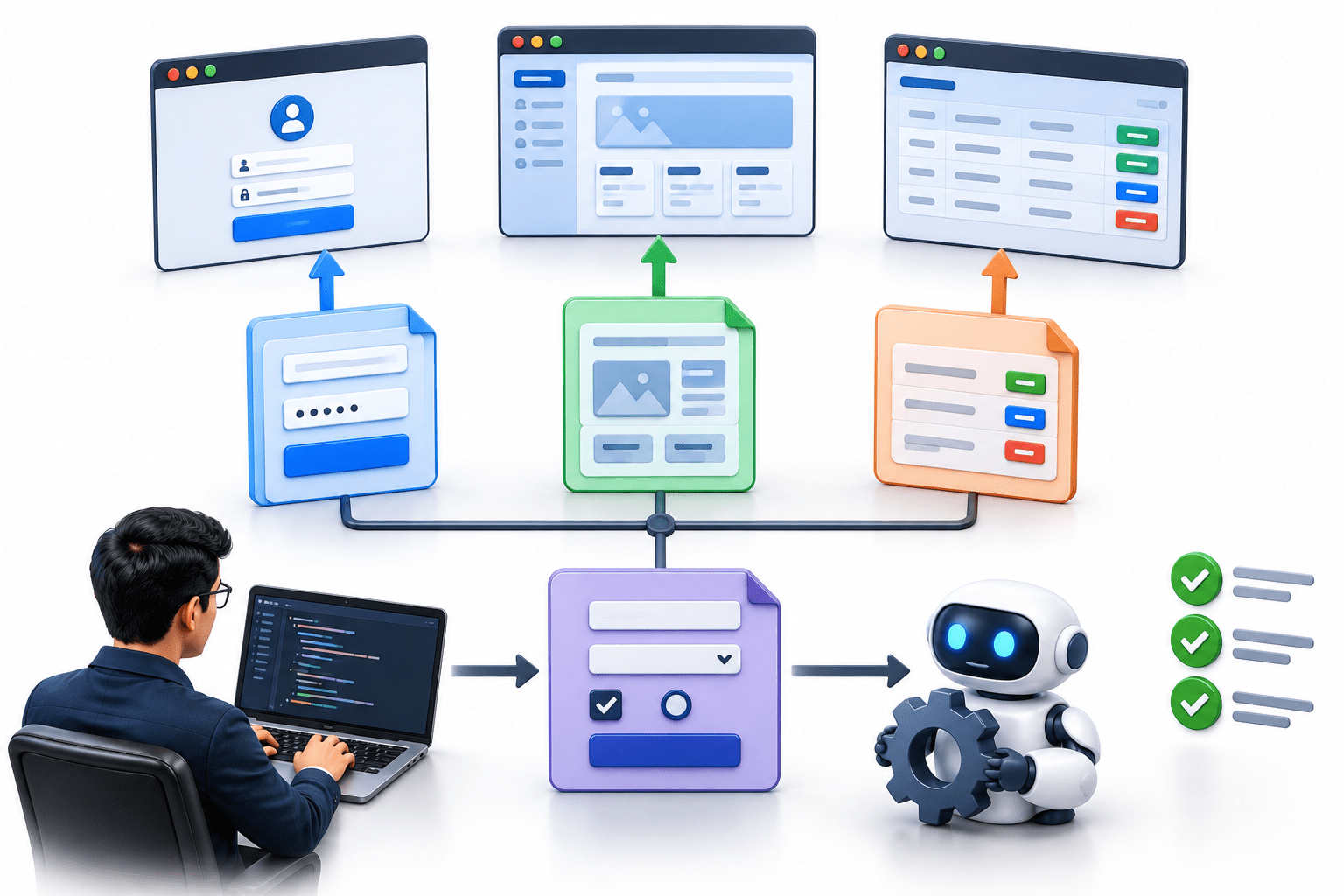
Page Class → Represents one application page
Locators → Identify elements on that page.
Methods → Define actions performed on those elements.
Test Class → Uses these page classes to execute test scenarios.
LoginPage
MenuPage
CartPage
CheckoutPage
Just as a restaurant keeps each responsibility organized, POM keeps locators and actions organized by page, making automation easier to reuse and maintain.
Why is POM Required ?
POM is required in Playwright to make automation organized, reusable, and easy to maintain
Code Reusability
Easy Maintenance
Less Code Duplication
Reuse page actions across multiple tests.
Update locators in one place.
Avoid writing the same actions repeatedly.
Better Organization
Easy Debugging
Scalability
Keep page elements and actions separate from test cases.
Identify and fix issues within a specific page class.
Makes large automation projects easier to manage.
If the Login button changes, update its locator only in LoginPage, instead of changing it in every test.
What is POM?
Page Object Model (POM) is a design pattern used in Playwright automation to organize web-page elements and their actions into separate classes.
example
LoginPage → username, password, login button
MenuPage → food items, search, add to cart
CartPage → cart items, checkout button
TestClass → uses these page classes to perform the test
POM separates page-related code from test-related code, making the automation framework easier to reuse and maintain
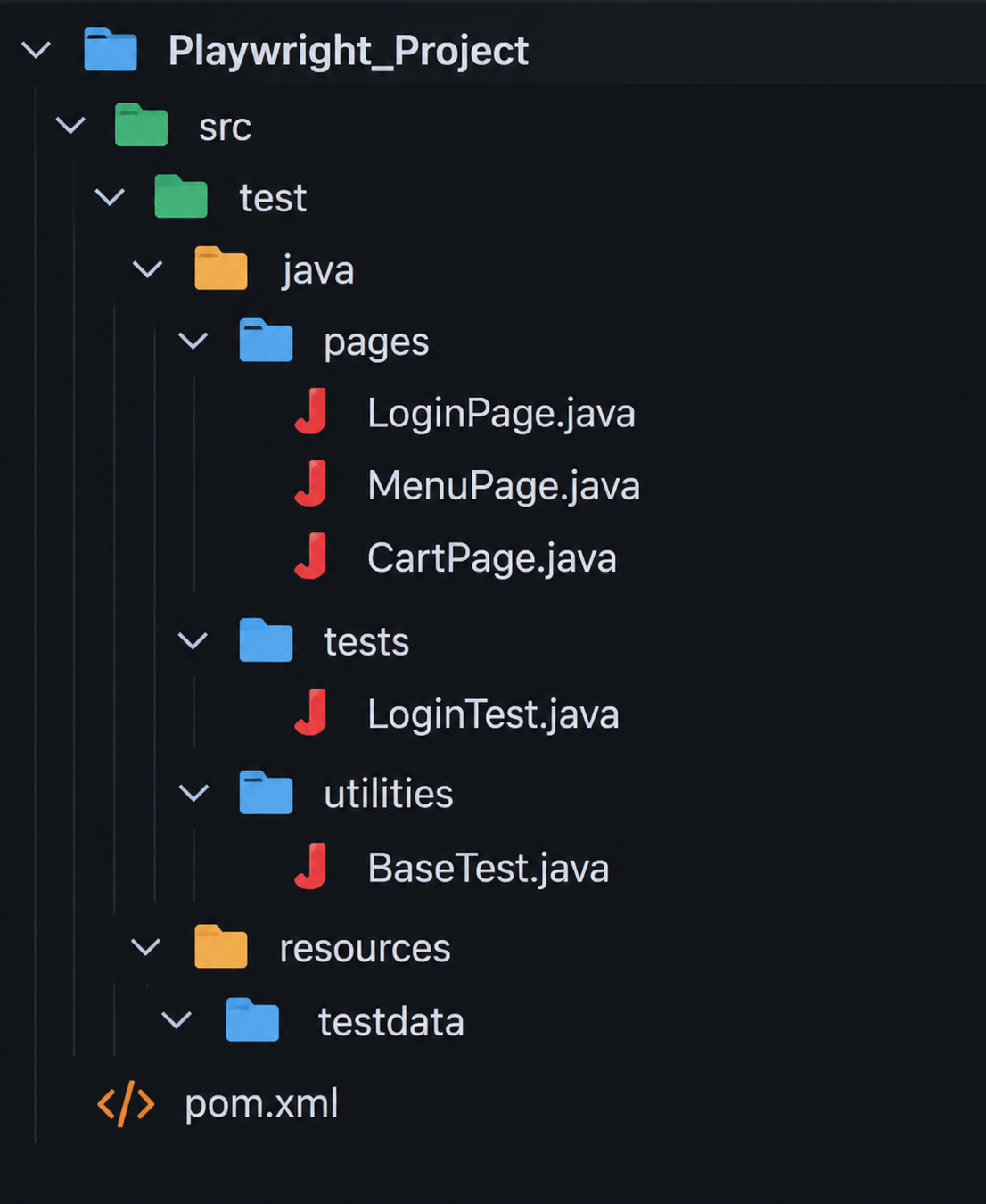
POM Structure in Playwright
A typical POM framework is organized like this
Page Classes → Store locators and actions for each page.
Test Classes → Execute test scenarios using page classes.
Core Concepts (Slide 7)
Core Concepts (.....Slide N-3)
Summary
5
Build strong branding
4
Use different marketing channels
3
Target the right audience
2
Create and communicate value
1
Understand customer needs
Choose cool, soft colors instead of vibrant colors
Max 5 Points for Summary & Min 2
Quiz
Which platform is mainly used for professional networking and B2B marketing ?
A. Facebook
B. Instagram
C. LinkedIn
D. Snapchat
Quiz-Answer
Which platform is mainly used for professional networking and B2B marketing ?
A. Facebook
B. Instagram
C. LinkedIn
D. Snapchat
By Content ITV