Puebla Earthquake & geodynamics of the Mexican flat slab
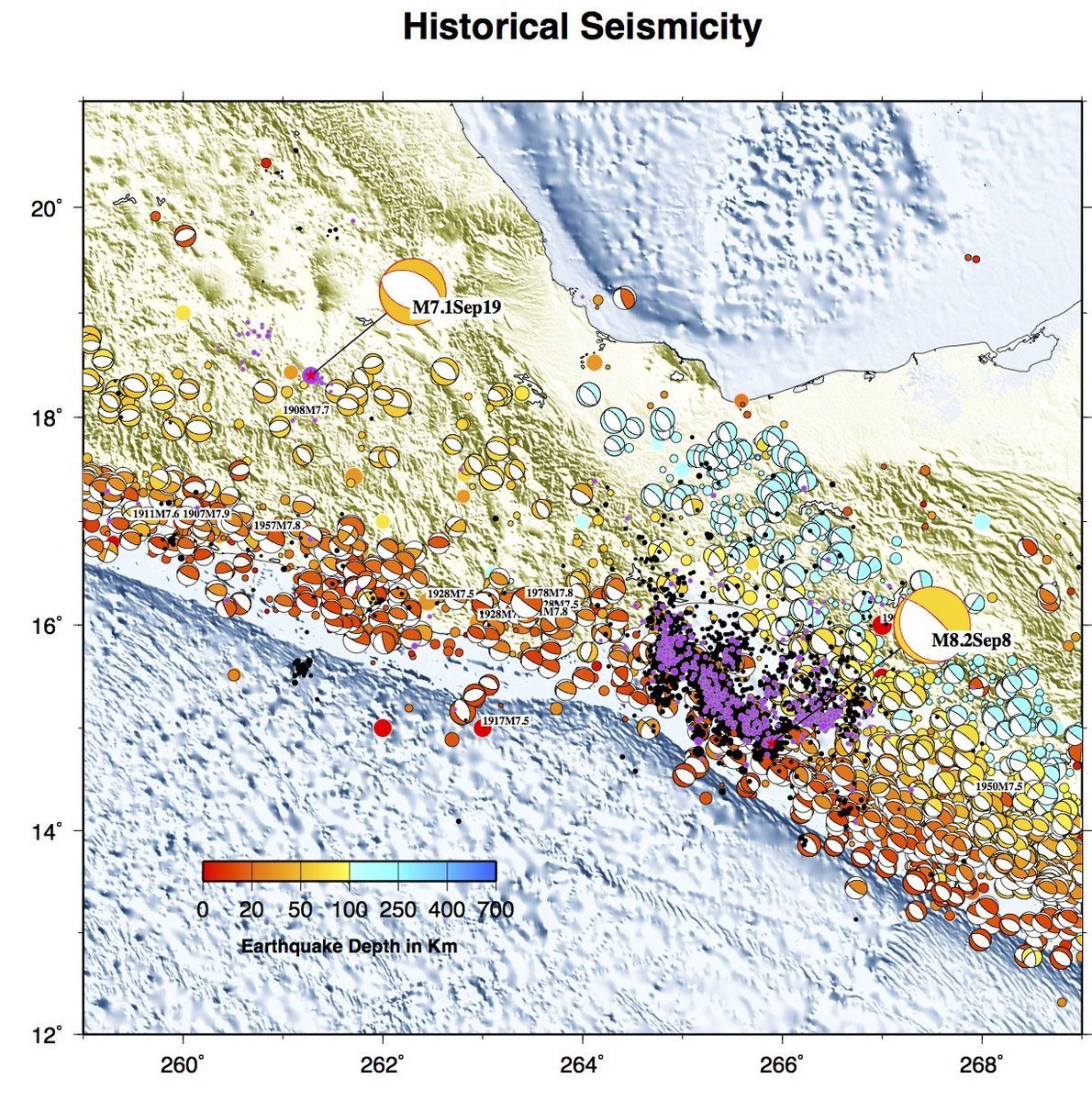
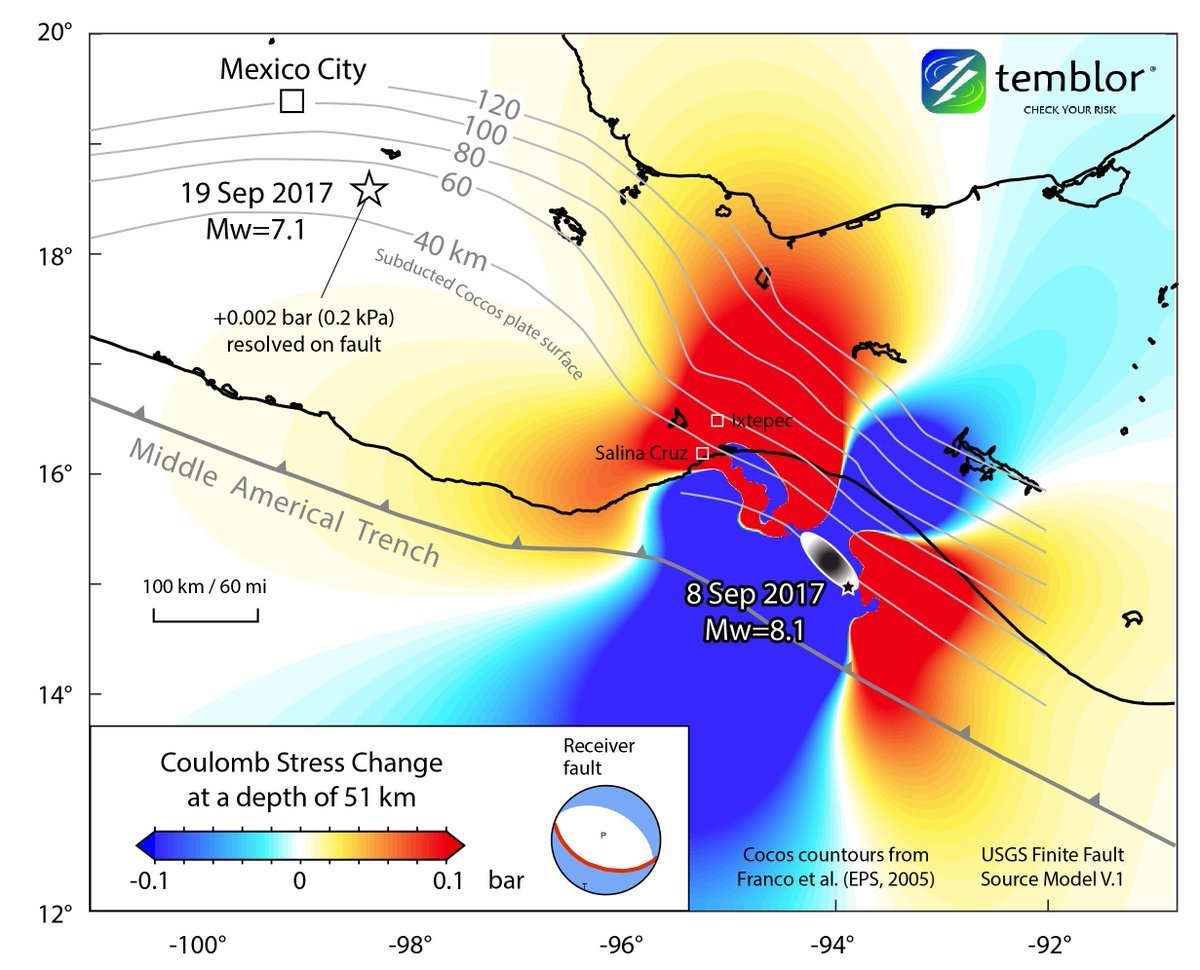
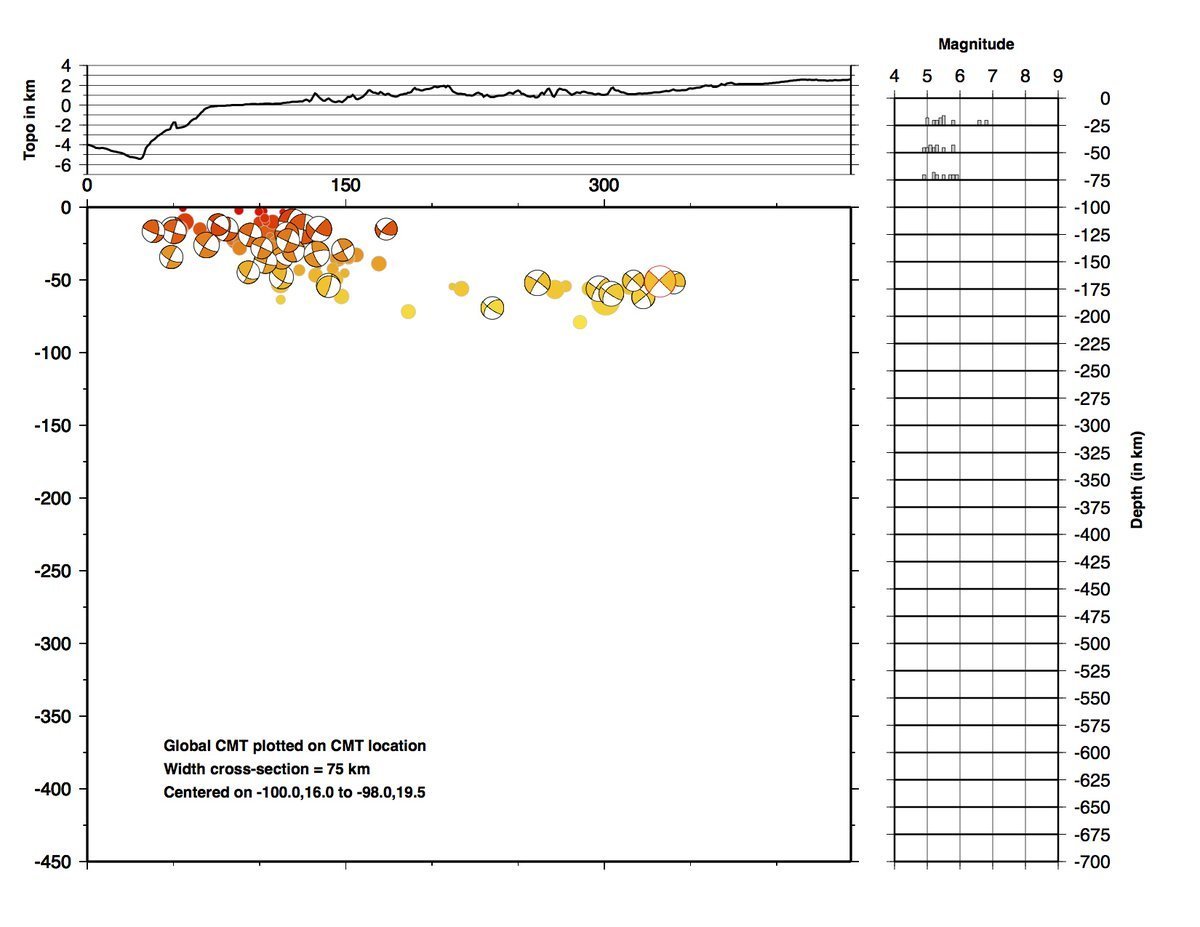
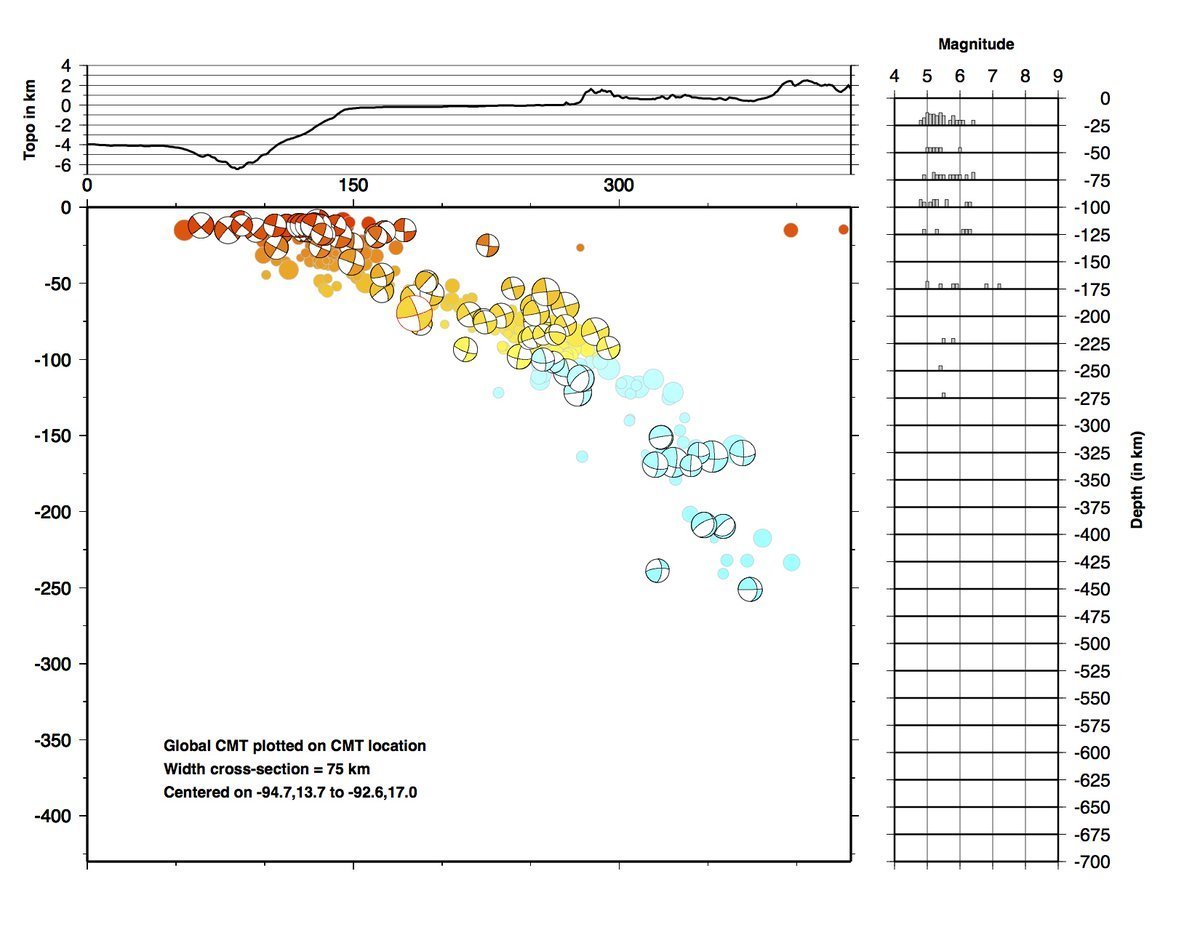
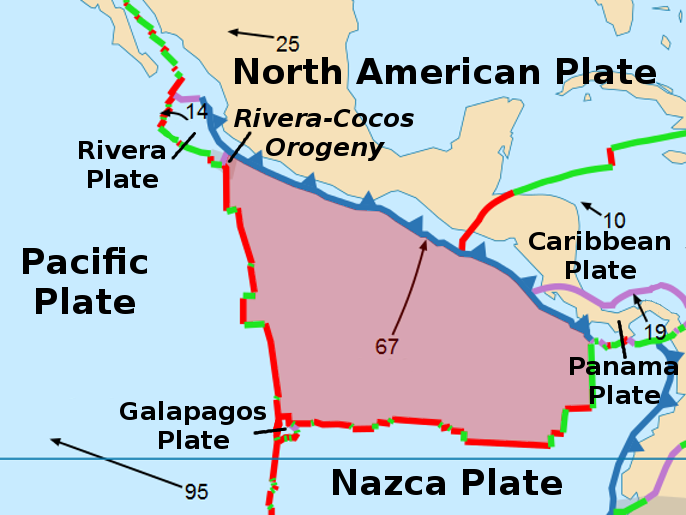
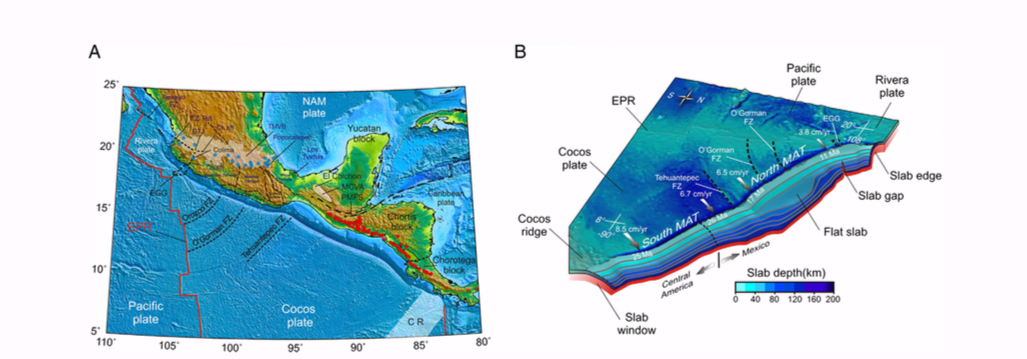
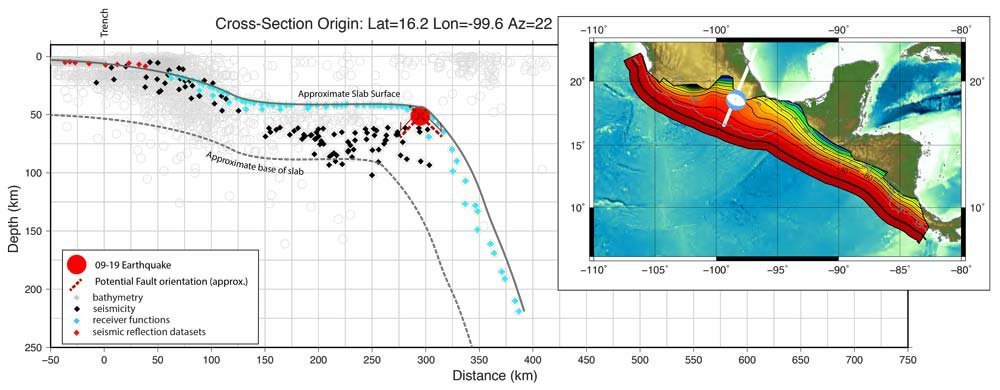
geodynamics of flat slabs
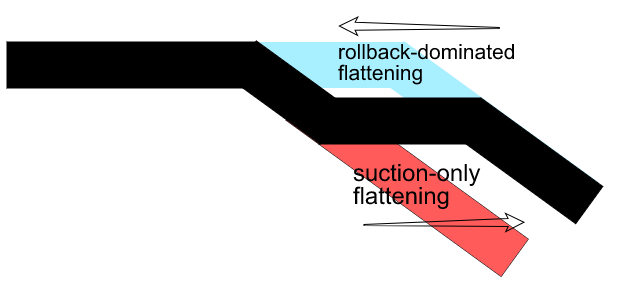
- South American flat slabs appear in vicinity of cold and thick cratons, correlate spatially with buoyant oceanic impactors, as is the case of Peru and central Chile, and require slab rollback
- buoyant oceanic ridges alone do not result in strong slab flattening
- in central Mexico the continental lithosphere is very thin or even missing, and the oceanic Cocos plate lacks large buoyant features...the ultimate cause of slab flattening is yet to be found
geodynamics of flat slabs
Weak wedge or strong wedge?
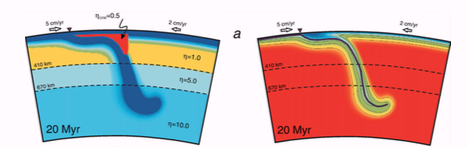
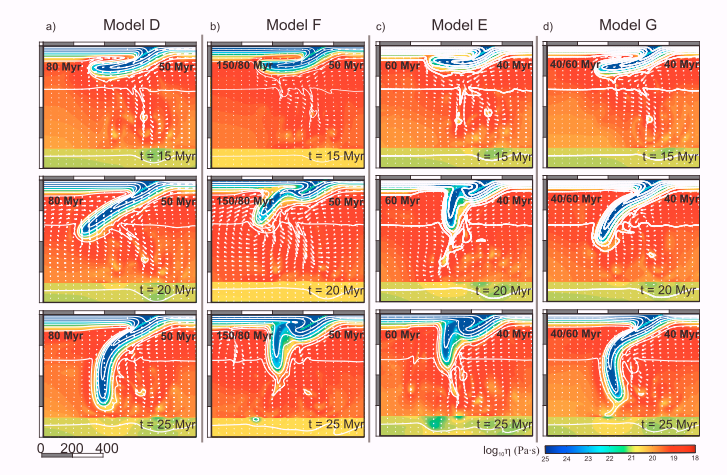
suction force
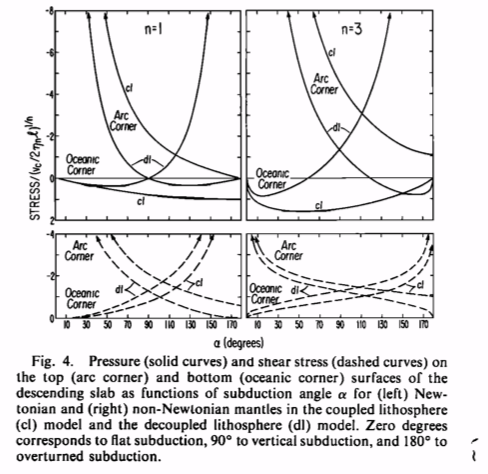
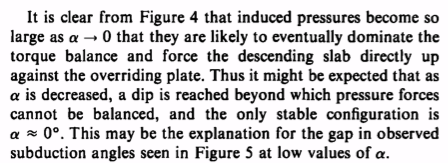
P_{arc} = \frac{2\eta v_s \sin(\alpha)}{r(\pi - \alpha) + \sin(\alpha)}
McKenzie, 1969, Tovish, 1978
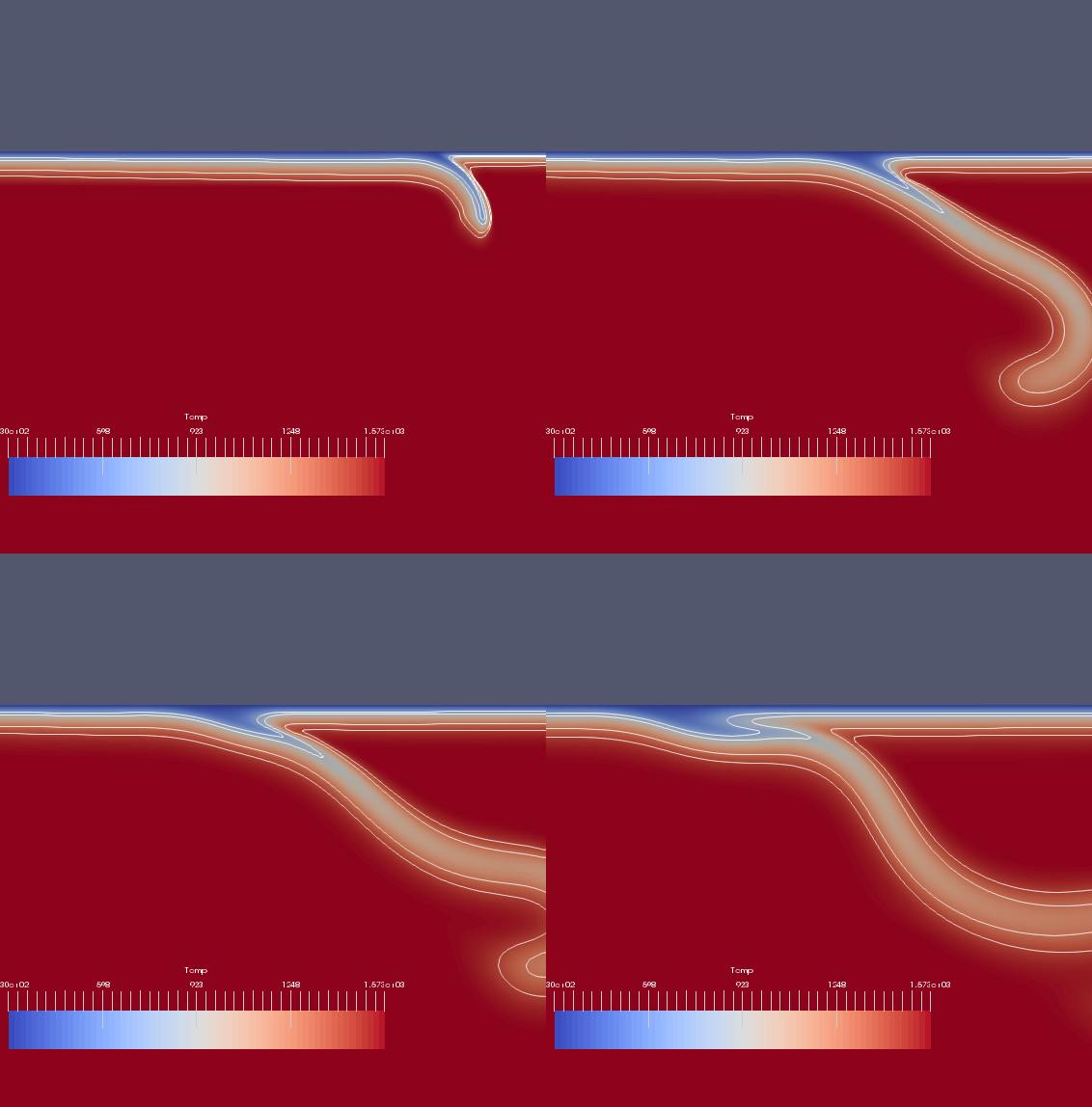
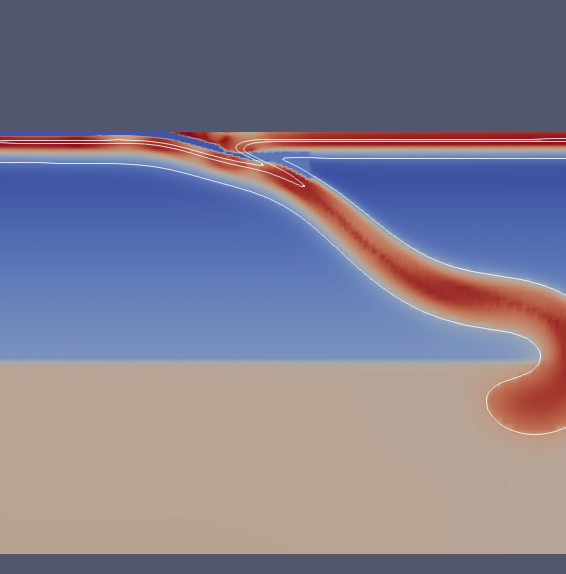
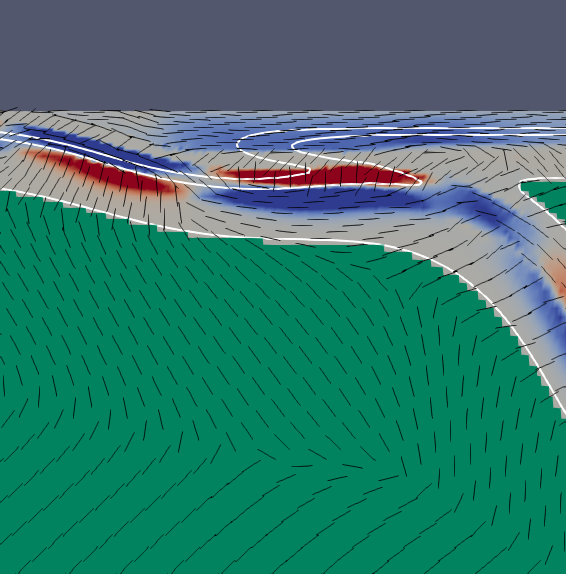
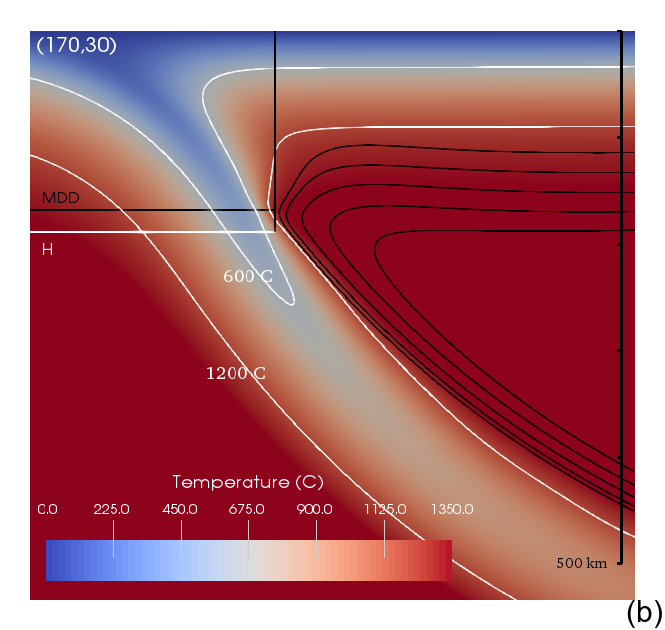
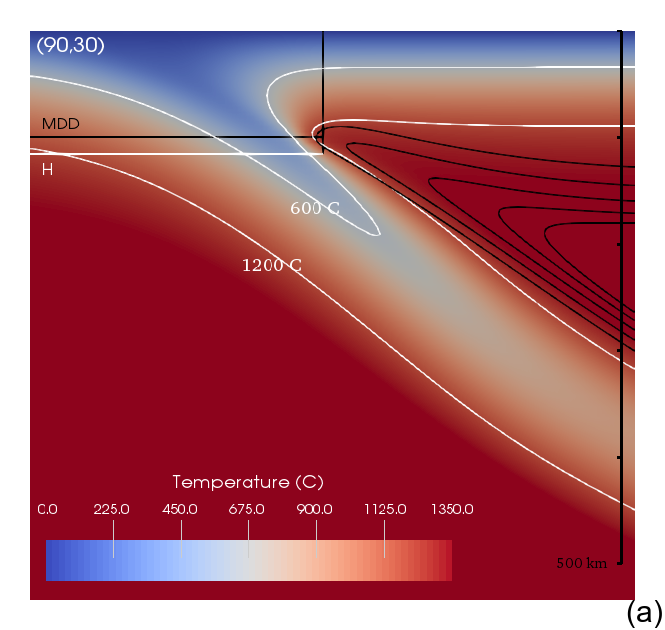
Summary
- Weak wedge or strong wedge? can be both
- Temp-dependent visc. must be buffered
- Decoupling depth is critical
- Role of slab 'anchoring' in lower mantle
- Steps in upper plate thickness important as they further increase pressure anomaly
deck
By Dan Sandiford


