Quoi de neuf dans le monde du cache HTTP
Disclaimer
✊ Tech is political
💬 Ask during the conference
Join onestlatech in 🇫🇷
What is the HTTP cache?
What is the HTTP cache


Bonjour, j'aimerai savoir de quoi parle Harry Potter
Très bien, laissez-moi quelques secondes
A concrete example


A concrete example
A concrete example
C'est un roman fantastique qui traite de la magie
A concrete example

A concrete example

A concrete example
Bonjour, j'aimerai savoir de quoi parle Harry Potter
C'est un roman fantastique qui traite de la magie
A concrete example

Sylvain Combraque
Go/ReactJS architect freelance
Polyglot dev
Cache-handler maintainer
Open-source contributor
@Darkweak

@Darkweak_dev


Thanks to Shanti
Head of happiness in my house

In the IT world
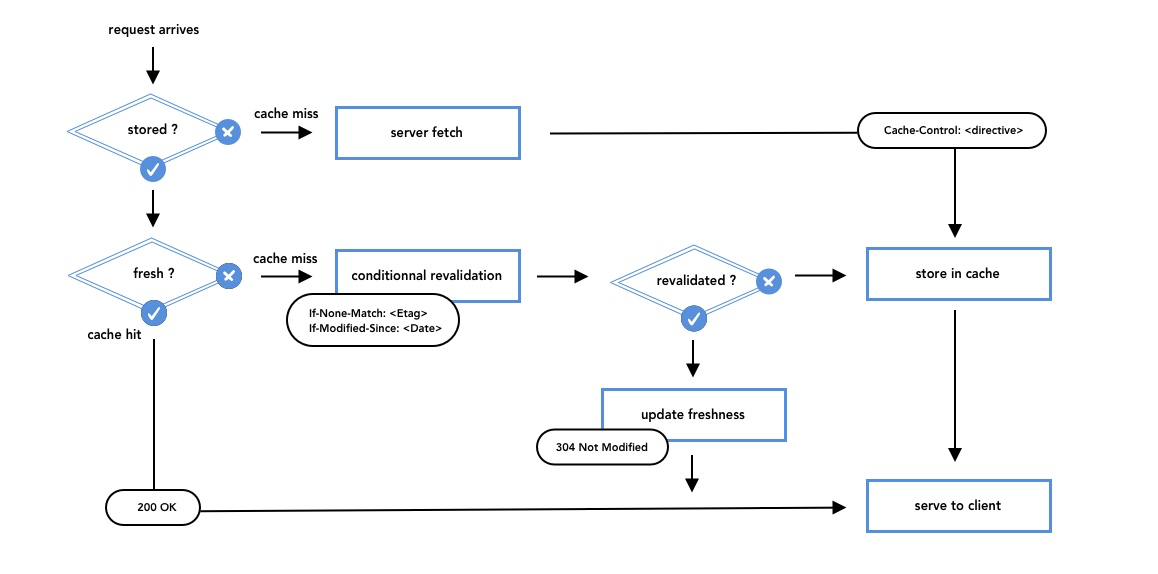
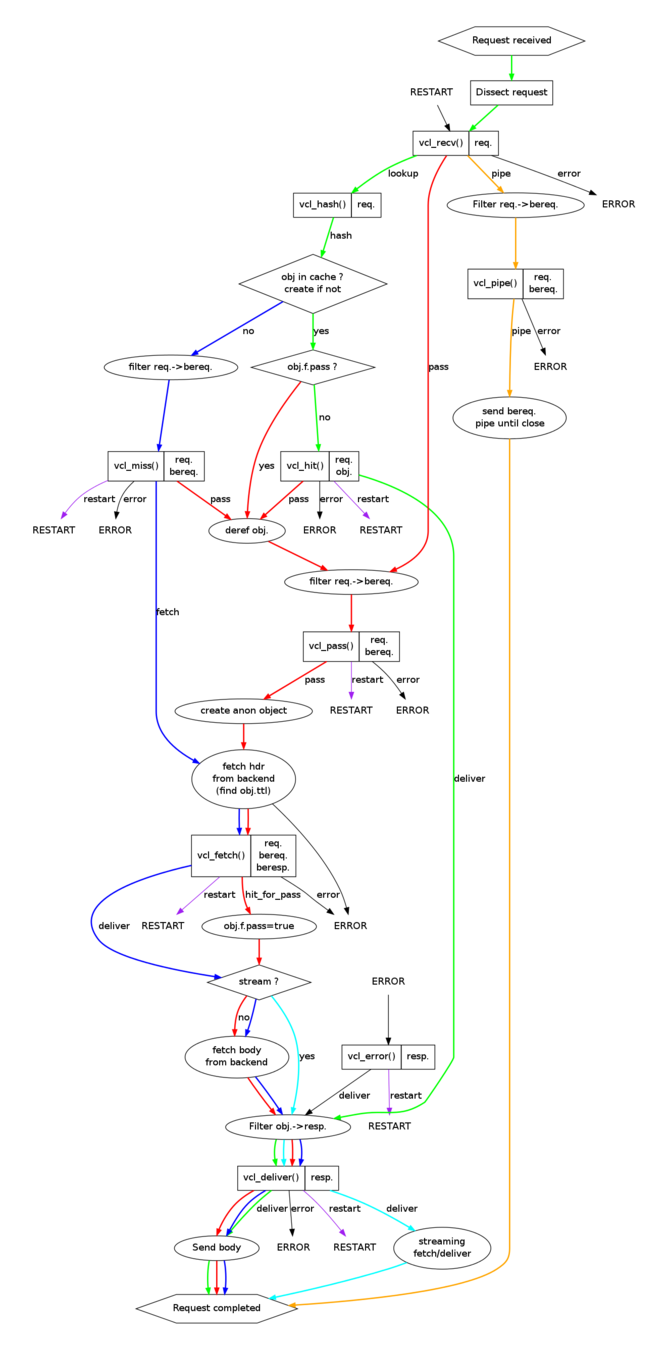
The chaos between the providers
HTTP/1.0
📉 low description
📉 low customization
😮💨 lot of own implementations
June 1999
RFC-2616
HTTP/1.1

The WWW beginnings
📚 Grammar
🕵️♂️ Resource identifier
🔗 URI
🔤 Content-Encoding
RFC-2616
13.x: Caching in HTTP
Caching would be useless if it did not significantly improve performance
RFC-2616
13.x: Caching in HTTP
If a stored response is not "fresh enough" [...] the cache MAY still return the response with the appropriate Warning header
RFC-2616
Cache-Control commons
🙅♂️ no-cache
✋ no-store
⏱️ max-age
🫡 no-transform
RFC-2616
Cache-Control HTTP request
⏱️ max-stale
🤷♂️ min-fresh
💁♂️ only-if-cached
RFC-2616
🔓 public
🔐 private
🤙 must-revalidate
🤙 proxy-revalidate
⏱️ s-maxage
Cache-Control HTTP response
RFC-2616
community="UCI"
only-if-my-case-match="that-should"
Cache-Control cache-extension
Let me introduce


Mark Nottingham
@mnot
Multiple RFC creator (38)
Fastly, Cloudflare, Akamai
Performances
Won't answer to your questions
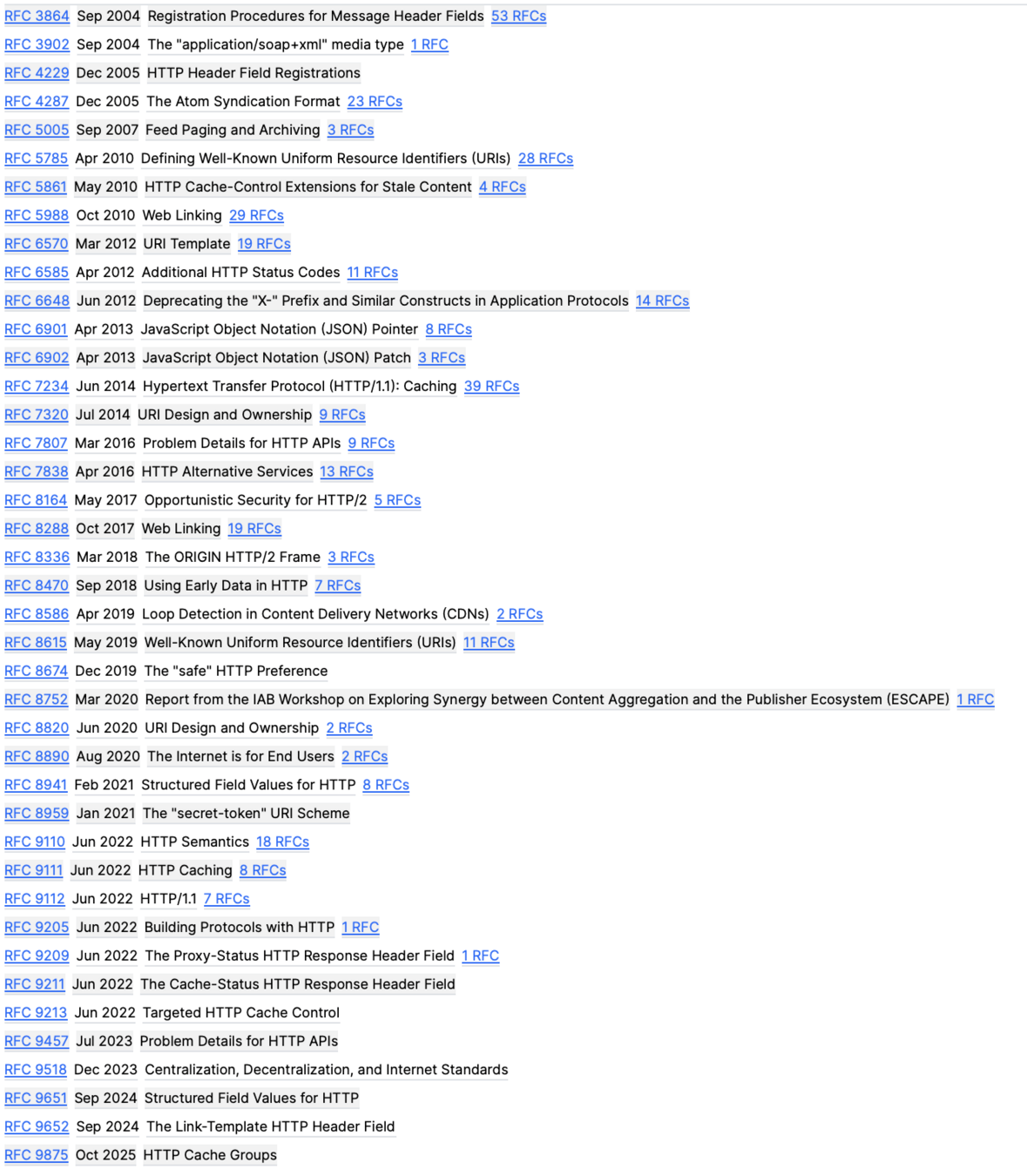
When you think it's simple, RFC tells you it is not
1. Introduction

HTTP is typically used for distributed information systems, where performance can be improved by the use of response caches. This document defines aspects of HTTP/1.1 related to caching and reusing response messages. An HTTP cache is a local store of response messages and the subsystem that controls storage, retrieval, and deletion of messages in it. A cache stores cacheable responses in order to reduce the response time and network bandwidth consumption on future, equivalent requests. Any client or server MAY employ a cache, though a cache cannot be used by a server that is acting as a tunnel. A shared cache is a cache that stores responses to be reused by more than one user; shared caches are usually (but not always) deployed as a part of an intermediary. A private cache, in contrast, is dedicated to a single user; often, they are deployed as a component of a user agent. The goal of caching in HTTP/1.1 is to significantly improve performance by reusing a prior response message to satisfy a current request. A stored response is considered "fresh", as defined in Section 4.2, if the response can be reused without "validation" (checking with the origin server to see if the cached response remains valid for this request). A fresh response can therefore reduce both latency and network overhead each time it is reused. When a cached response is not fresh, it might still be reusable if it can be freshened by validation (Section 4.3) or if the origin is unavailable (Section 4.2.4).

1.1. Conformance and Error Handling

The key words "MUST", "MUST NOT", "REQUIRED", "SHALL", "SHALL NOT", "SHOULD", "SHOULD NOT", "RECOMMENDED", "MAY", and "OPTIONAL" in this document are to be interpreted as described in [RFC2119]. Conformance criteria and considerations regarding error handling are defined in Section 2.5 of [RFC7230].

1.2. Syntax Notation

This specification uses the Augmented Backus-Naur Form (ABNF) notation of [RFC5234] with a list extension, defined in Section 7 of [RFC7230], that allows for compact definition of comma-separated lists using a '#' operator (similar to how the '*' operator indicates Fielding, et al. Standards Track [Page 4]
RFC-7234
Request for comments
August 2001
ESI Language

ESI tags
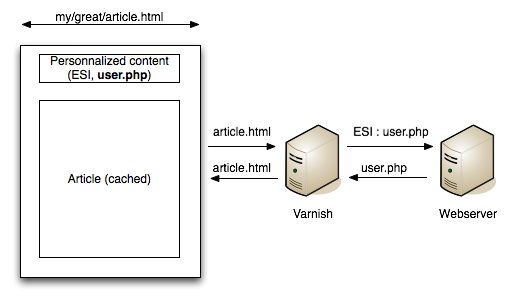
ESI tags
<esi:include
  src="http://example.com/1.html"
  alt="http://bak.example.com/2.html"
  onerror="continue"
/>
ESI tags
<esi:try>
  <esi:attempt>
    <esi:comment text="Include an ad"/>
    <esi:include src="http://www.example.com/ad1.html"/>
  </esi:attempt>
  <esi:except>
    <esi:comment text="Just write some HTML instead"/>
    <a href=www.akamai.com>www.example.com</a>
  </esi:except>
</esi:try>
ESI tags
<esi:vars>
  <img
    src="http://www.example.com/$(HTTP_COOKIE{type})/hello.gif"
    alt="$(HTTP_COOKIE{logo_name})"
  />
</esi:vars>
ESI tags
<img
  src="http://www.example.com/human/hello.gif"
  alt="My human GIF"
/>
ESI tags
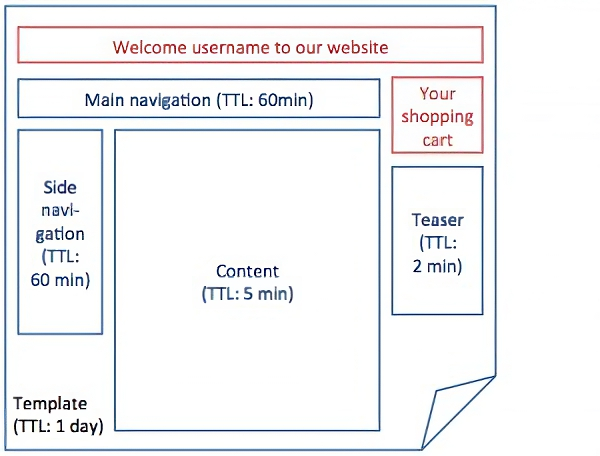
June 2014
RFC-7234
HTTP/1.1 Caching
RFC-7234
HTTP response header Age
Age: 10Age: -5RFC-7234
Invalidation




2000 - REST
RFC-7234
Cache-Control HTTP response
🤘 stale-while-revalidate
RFC-7234
👋 Pragma

2015
HTTP/2
🏎💨
HTTP/2
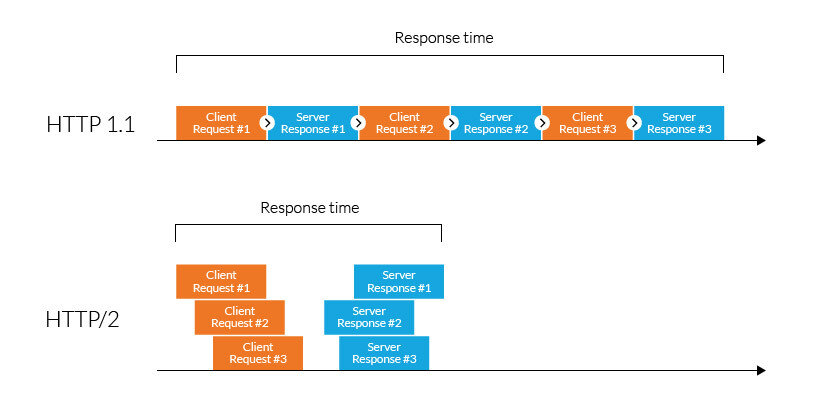
HTTP/2
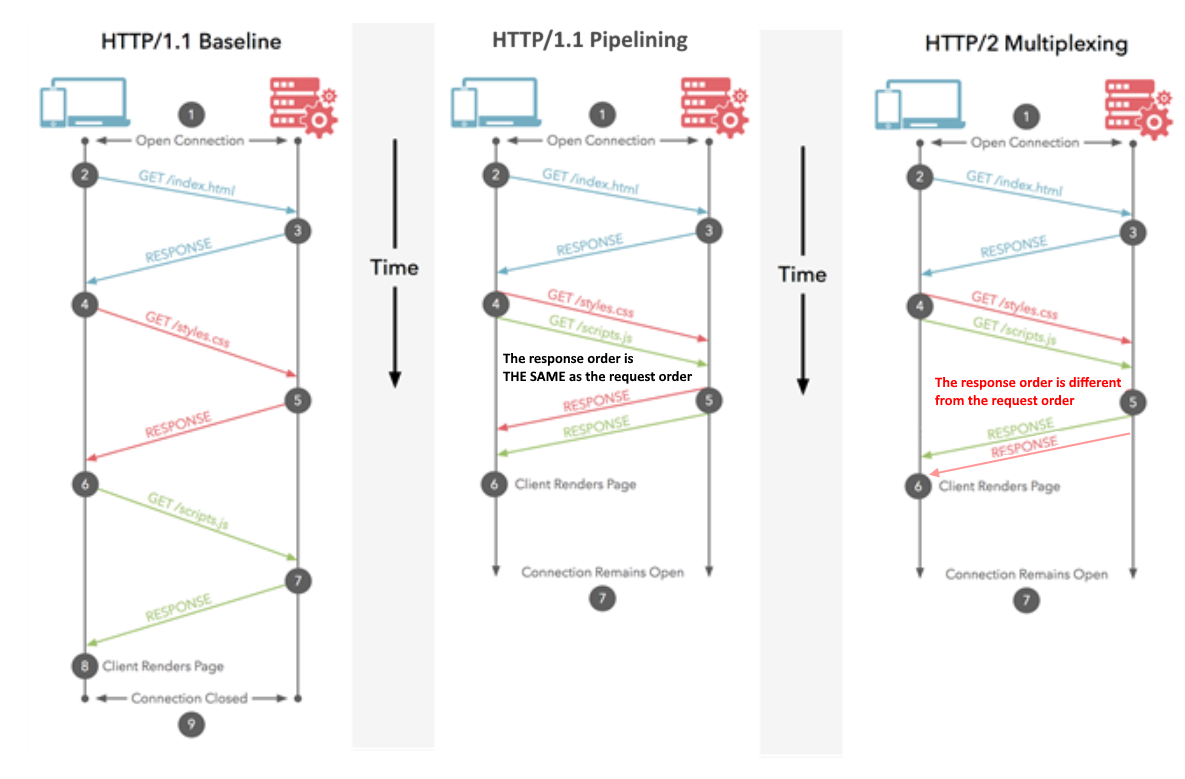
HTTP/2
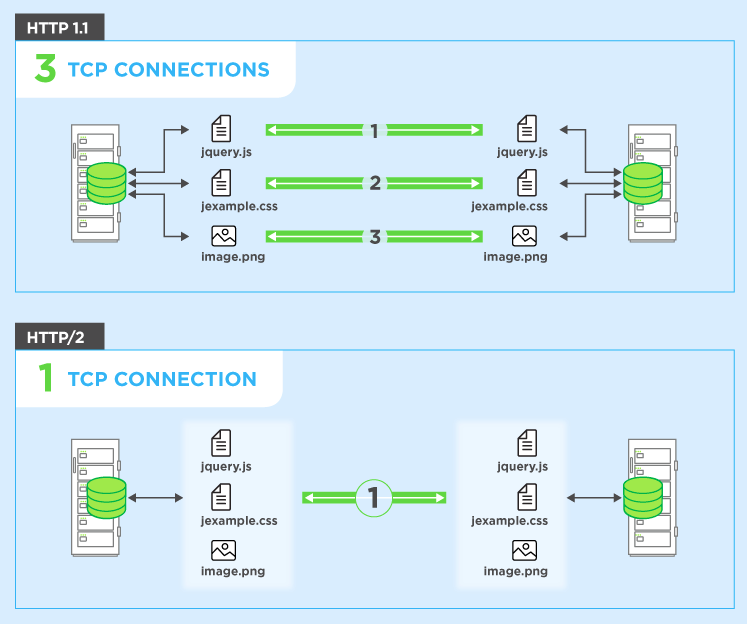
June 2022
RFC-9211 & RFC-9213
The Cache-Status & Target-Cache-Control
HTTP response Header fields
RFC-9211
Cache-Status directives
💥 hit
📩 fwd
ℹ️ fwd-status
⏱️ ttl
👌 stored
🙏 collapsed
🔑 key
🤓 detail
RFC-9211
Cache-Status directives
Cache-Status: Your-Cache-Server; hit; ttl=3; key=your-patternCache-Status: Your-Cache-Server; fwd=uri-miss; fwd-status=304Cache-Status: Your-Cache-Server; fwd=uri-miss; detail=STORAGE-UNREACHABLERFC-9213
Target-Cache-Control
CDN
Varnish
Caddy
Upstream
RFC-9213
Target-Cache-Control
CDN
Varnish
Caddy
Upstream
RFC-9213
Target-Cache-Control
CDN
Varnish
Caddy
Upstream
Cache-Control: no-store
CDN-Cache-Control: public, max-age=120, s-maxage=120
Varnish-Cache-Control: public, max-age=360, s-maxage=360
Caddy-Cache-Control: public, max-age=3600, s-maxage=3600
RFC-9213
Target-Cache-Control
CDN
Varnish
Caddy
Upstream
Cache-Control: no-store
CDN-Cache-Control: public, max-age=120, s-maxage=120
Varnish-Cache-Control: public, max-age=360, s-maxage=360
Caddy-Cache-Control: public, max-age=3600, s-maxage=3600
3600s
RFC-9213
Target-Cache-Control
CDN
Varnish
Caddy
Upstream
Cache-Control: no-store
CDN-Cache-Control: public, max-age=120, s-maxage=120
Varnish-Cache-Control: public, max-age=360, s-maxage=360
Caddy-Cache-Control: public, max-age=3600, s-maxage=3600
360s
RFC-9213
Target-Cache-Control
CDN
Varnish
Caddy
Upstream
Cache-Control: no-store
CDN-Cache-Control: public, max-age=120, s-maxage=120
Varnish-Cache-Control: public, max-age=360, s-maxage=360
Caddy-Cache-Control: public, max-age=3600, s-maxage=3600
120s
RFC-9213
Target-Cache-Control
Cache-Control: no-store
CDN-Cache-Control: public, max-age=120, s-maxage=120
Varnish-Cache-Control: public, max-age=360, s-maxage=360
Caddy-Cache-Control: public, max-age=3600, s-maxage=3600
Client
no-cache
October 2025
RFC-9875
The HTTP Cache Groups
RFC-9875
New HTTP response headers
Cache-Groups
Cache-Group-Invalidation
RFC-9875
HTTP/1.1 200 OK
Content-Type: application/javascript
Cache-Control: max-age=3600
Cache-Groups: "scripts", "another"
RFC-9875
HTTP/1.1 200 OK
Content-Type: application/javascript
Cache-Control: max-age=3600
Cache-Groups: "/books"
RFC-9875
HTTP/1.1 200 OK
Content-Type: application/javascript
Cache-Control: max-age=3600
Cache-Groups-Invalidation: "one", "two"
RFC-9875
HTTP/1.1 200 OK
Content-Type: application/javascript
Cache-Control: max-age=3600
Cache-Groups-Invalidation: "/books"
RFC-9875
/books
one
two
/books?page=1
/books/1
/books?page=2
/books?name=L
/books/1
/users/1
/template/1
/other-resource
/books/2
/users/2
/template/2
/other-resource
RFC-9875
/books
one
two
/books?page=1
/books/1
/books?page=2
/books?name=L
/books/1
/users/1
/template/1
/other-resource
/books/2
/users/2
/template/2
/other-resource
Cache-Groups-Invalidation: "/books"
What about the future...

draft-nottingham-http-invalidation
The HTTP Cache Groups Invalidation API



So much implementation
HTTP invalidation API
{
    "type": "uri",
    "selectors": [
      "https://example.com/foo/bar",
      "https://example.com/foo/bar/baz"
    ]
    "purge": false
}
{
"type": "group",
"selectors": [
"https://example.com:443",
"https://www.example.com:443"
],
"groups": [
"scripts"
]
}POST /to/your/invalidation-api
Probably never go live

HTTP invalidation API
Resources
Resources
https://github.com/http-tests/cache-tests
https://cache-tests.fyi
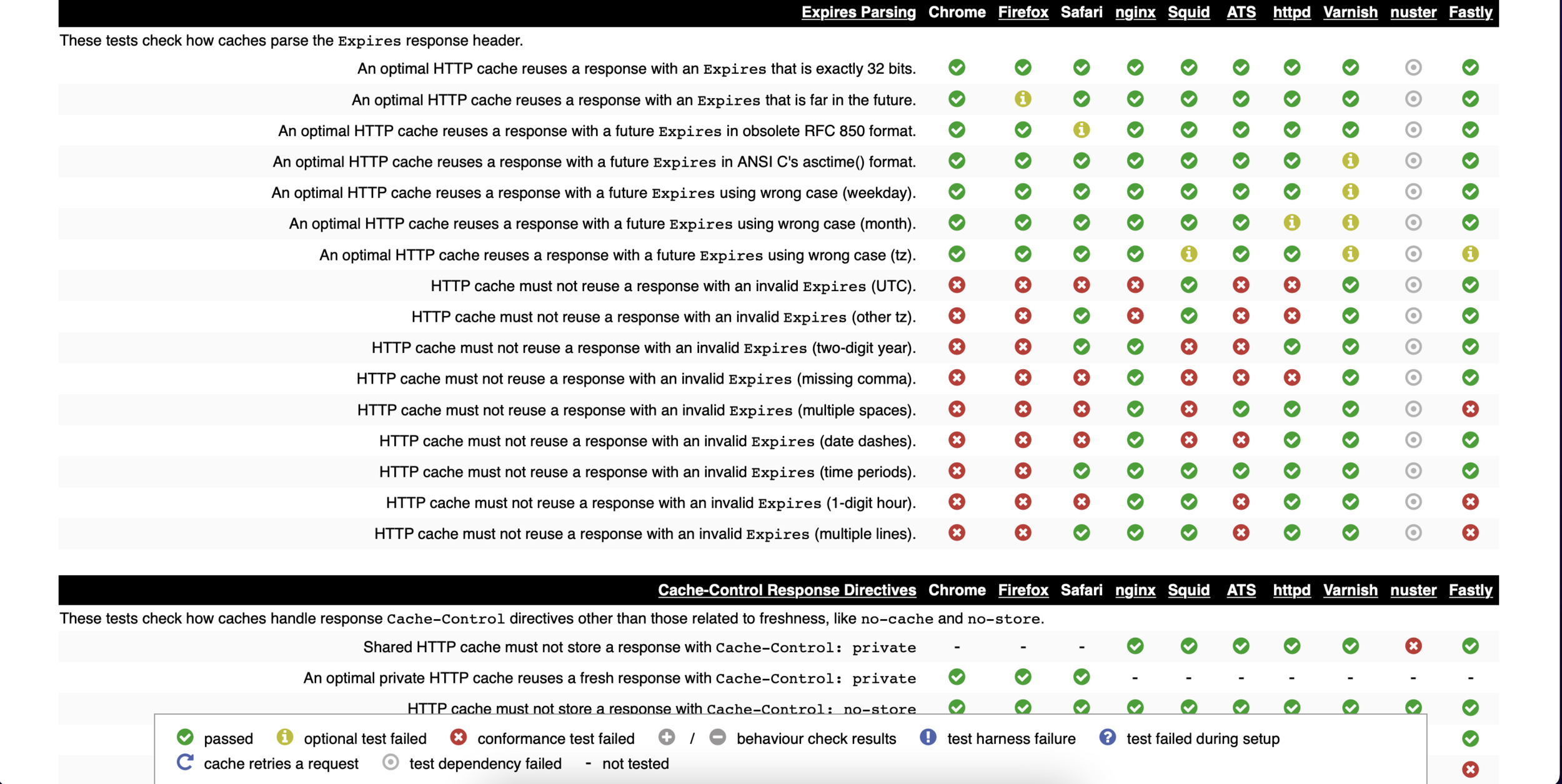
Resources
https://www.rfc-editor.org
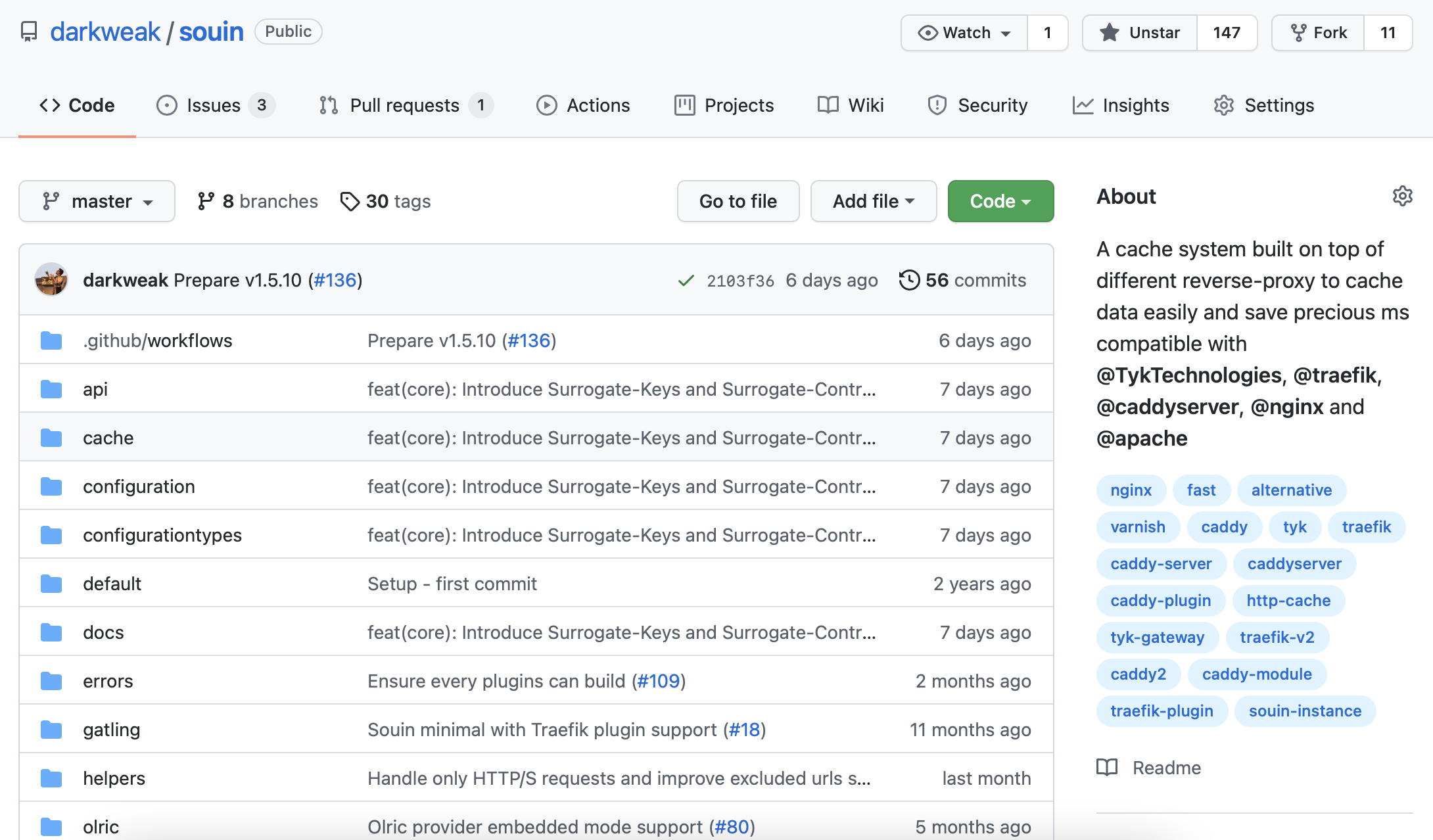

github.com/darkweak/souin
Leave a ⭐️ on Github
Thank you for your attention

Quoi de neuf dans le monde du cache HTTP
By darkweak