Feminist xianchang of embodiment
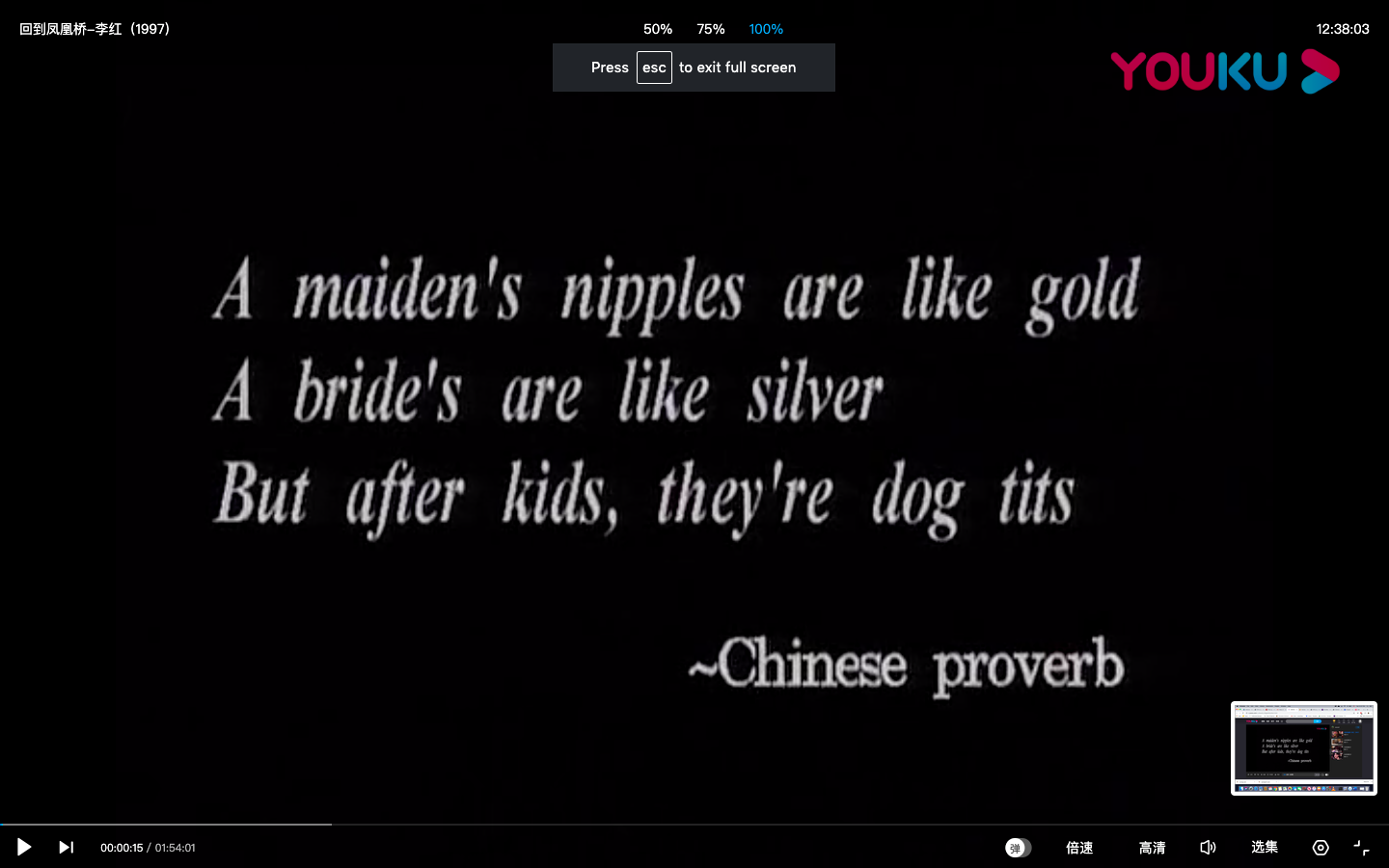
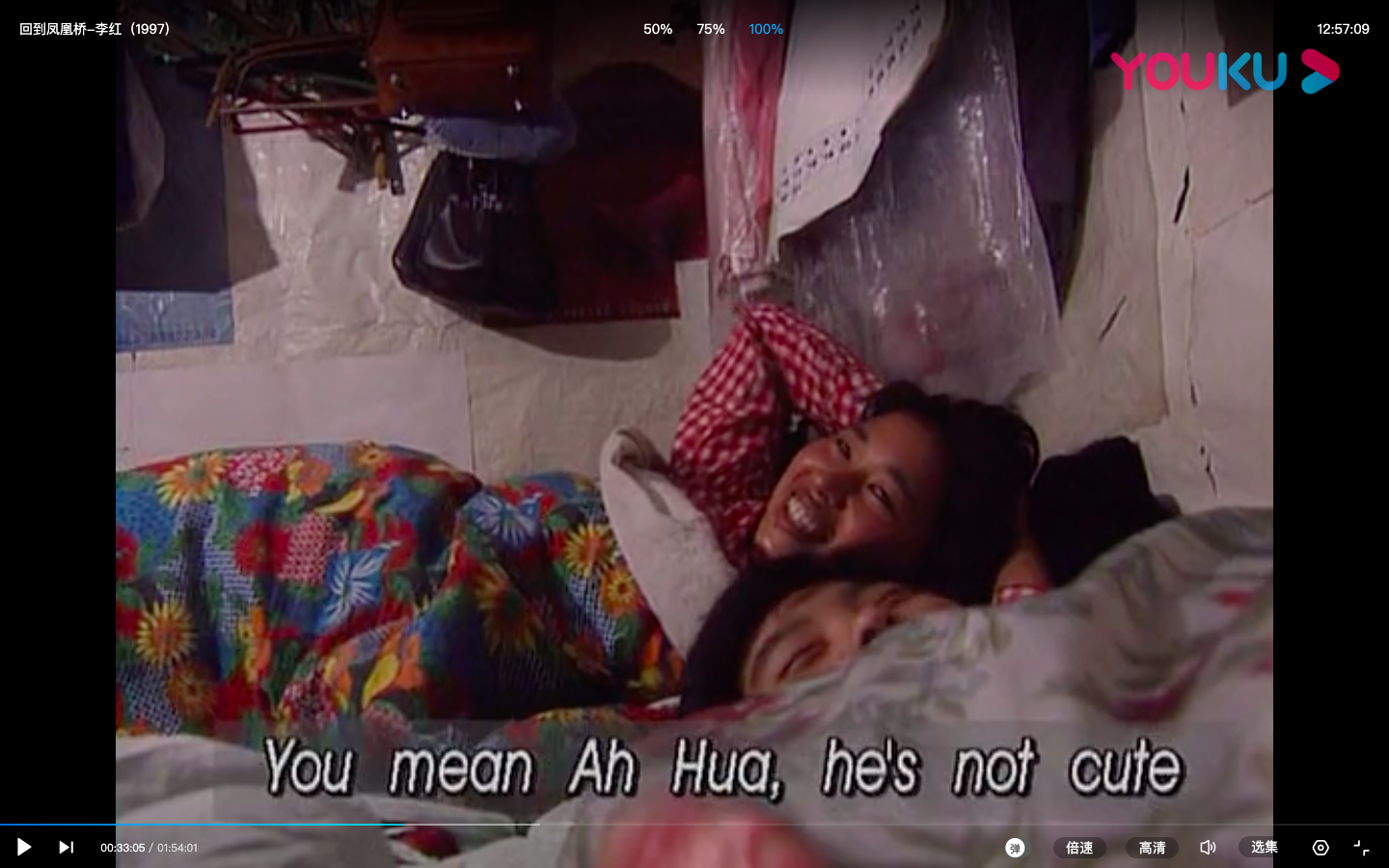
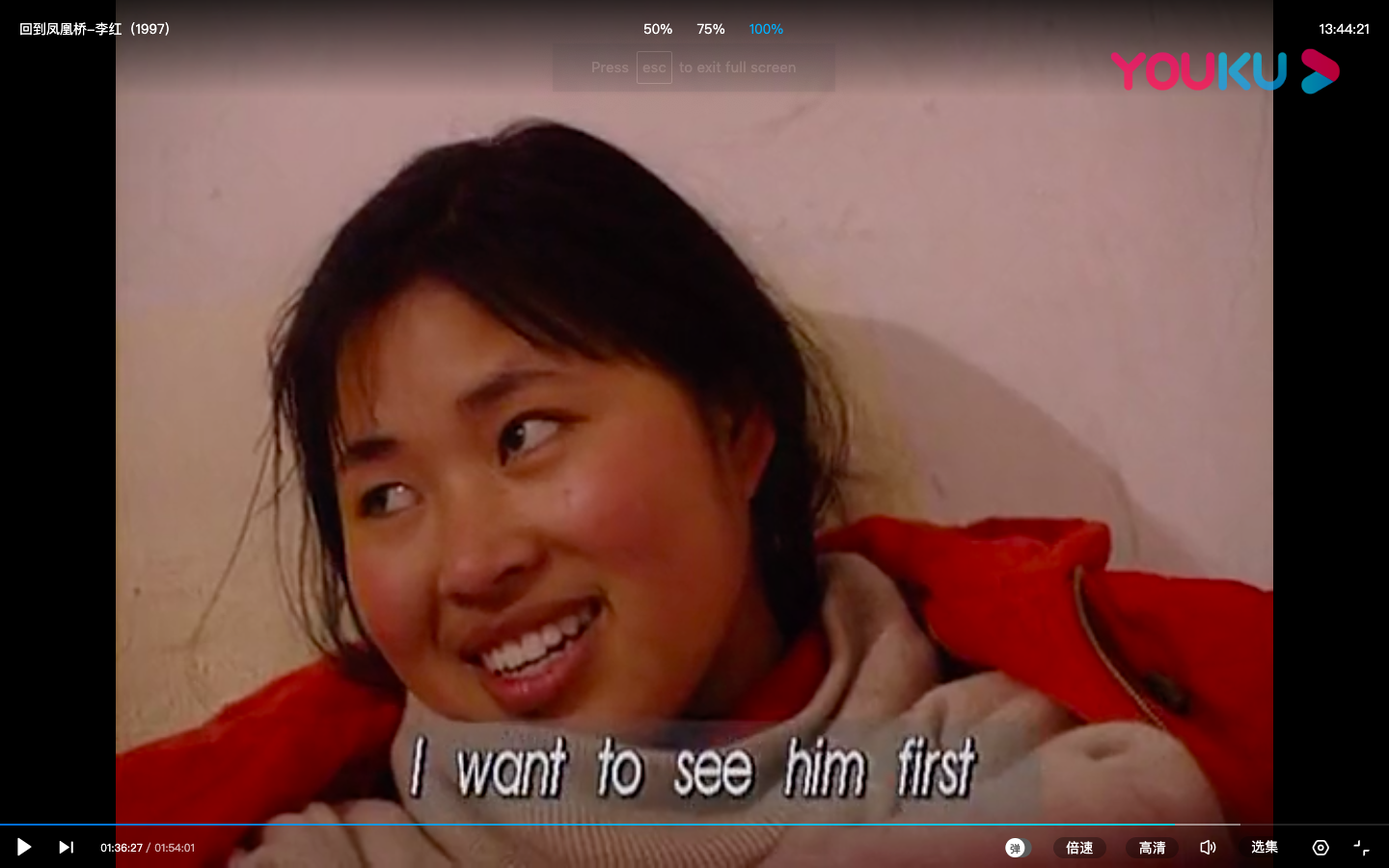
Li Hong’s Out of Phoenix Bridge 回到凤凰桥
Darja Filippova 艺莎/ NYU Fall 2019
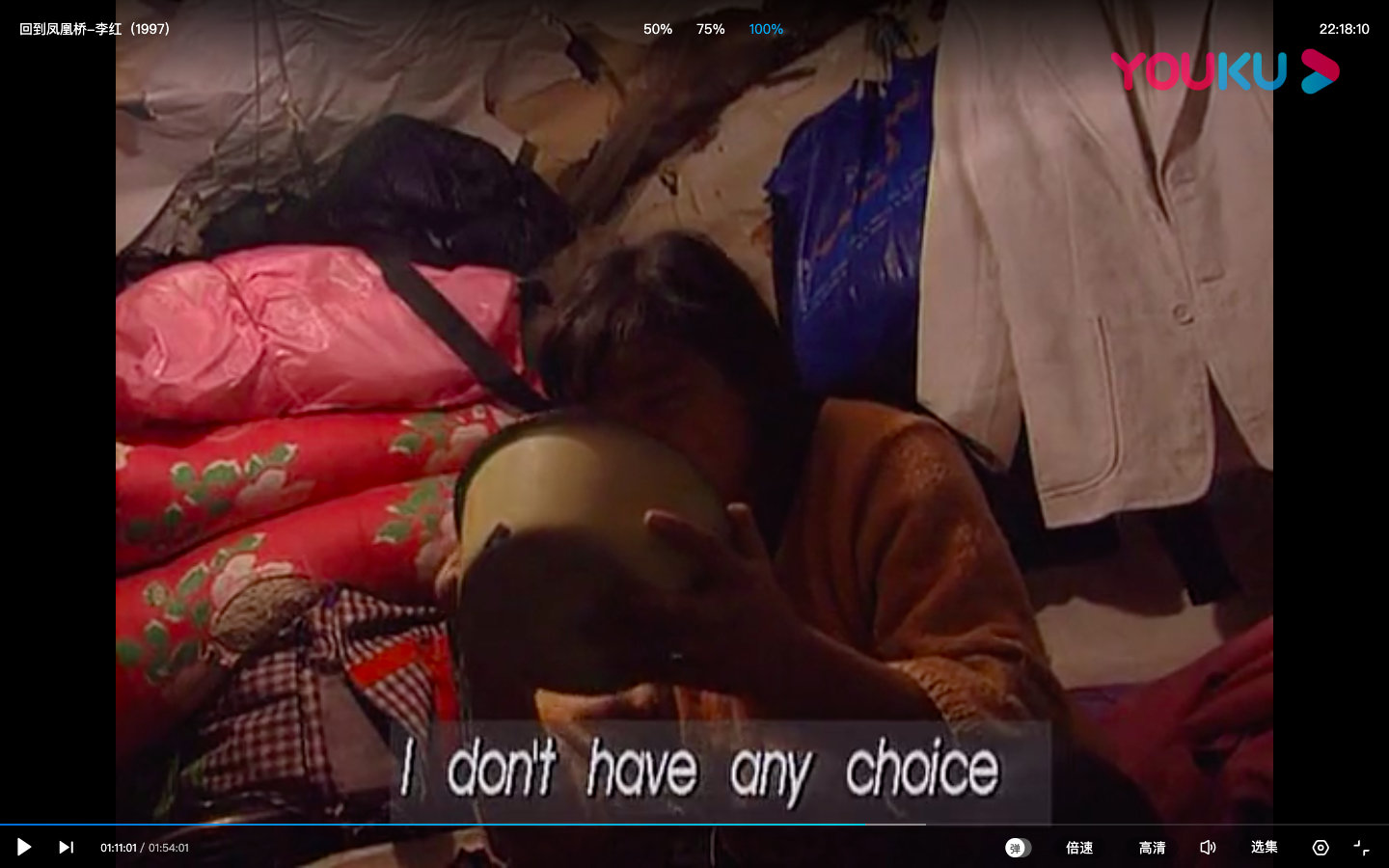
Text
thesis:
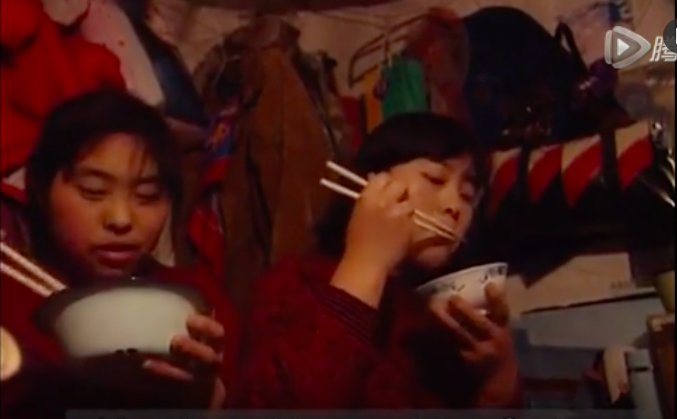
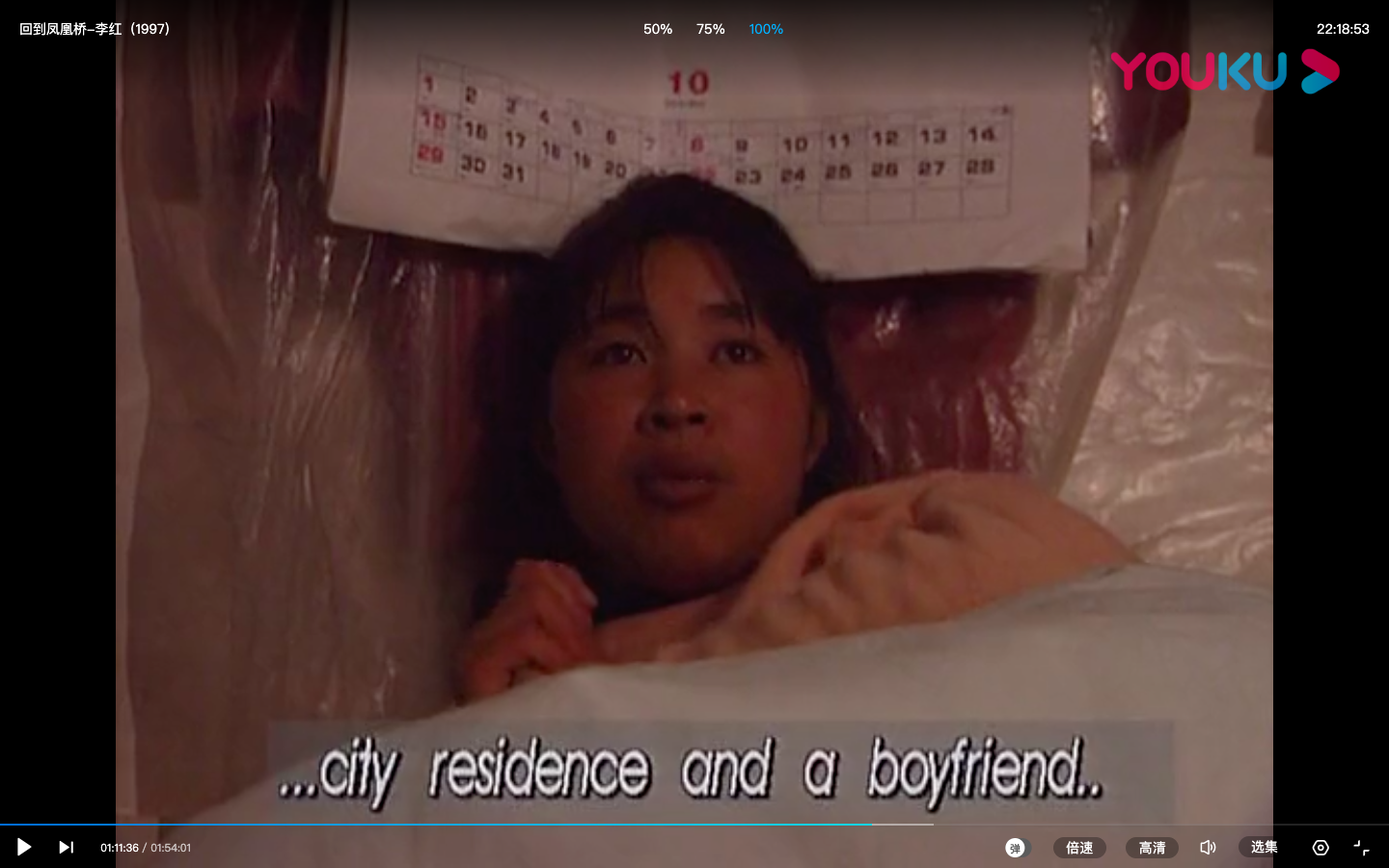
In a world where many encounters result in violence to their identity,
Li Hong’s evocation of a uterus-like space for the women to present themselves as subjects capable of choice and fantasy redefines the temporality of xianchang from “being there” to “embodiment.” Through embodying the women with her camera, Li Hong positions their liminality – a state of violence and eventual expiration - as a bracketed space for becoming.
The Birth of Chinese Feminism: Essential Texts in Transnational Theory, ed. Lydia Liu, Rebecca Karl, and Dorothy Ko (New York: Columbia University Press, 2013
...a women’s revolution must go hand-in-hand with an economic revolution. If an economic revolution cannot be accomplished, then the common phrase heard today calling for a ‘‘revolu- tion between men and women’’ cannot be said to have touched the essence of the problem.
– He-Yin Zhen (also known as He Zhen) (1907)
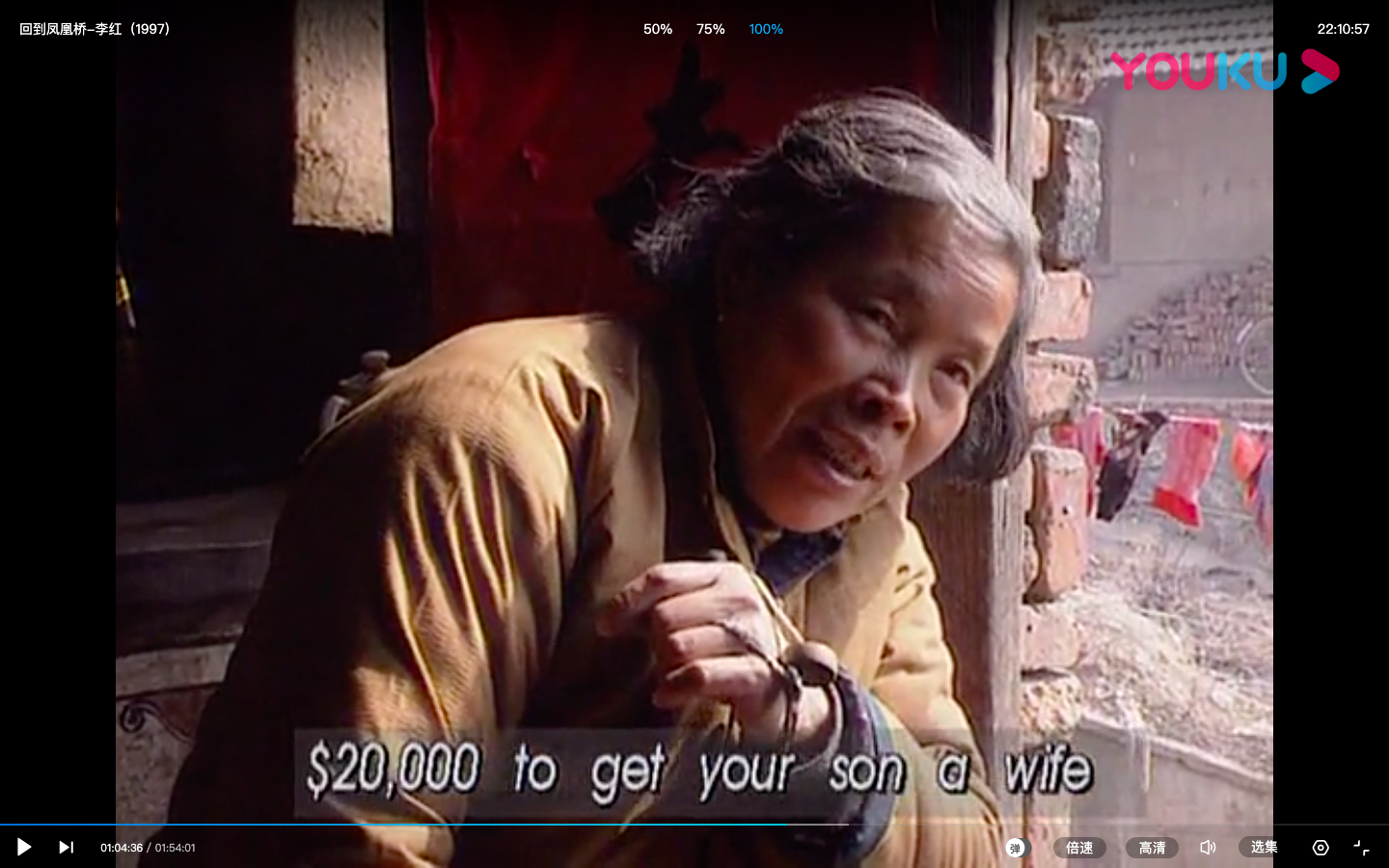
“Whereas socialist femininity is defined as labor and post-socialist femininity as money, the gap between shifting definitions of “femininity” and women’s biological bodies is a central issue in post-socialist feminist discourses" (Tani Barlow 2004)
"[He-Yin Zhen's] anarchist vision, however, is encoded in the possibility of a historical potential to reground labor in a human ontology rather than in human capital.[...]" (Karl 2012: 249)
"He-Yin Zhen is hinging her understanding of labor in history on the figure of the subjected and abjected female body – the very body that makes starkly visible the enslaved form of all commodified labor – He-Yin Zhen proceeds to analyze the ways in which, through time, women’s bodies have been subordinated to and appropriated by wealthy men for private gain for almost the entirety of the past.” (Karl 2012:250)
Barlow, Tani E. The Question of Women in Chinese Feminism. Durham, NC: Duke University Press, 1993.
Berry, Chris and Lisa Rofel. “ Alternative Archive: China's Independent Documentary Culture.” In Berry et al., pp. 135-154.
Lin, Xudong. “Documentary in Mainland China.” Tr. Cindy Carter. Documentary Box 26 (2005)
Jacka, Tamara and Josko Petkovic. “Ethnography and Video: Researching Women in China’s Floating Population.” Intersections (Sept. 1998
Rebecca KARL (2012) Feminism in modern China, Journal of Modern Chinese History, 6:2, 235-255
Rebecca E. Karl, ‘The State of Chinese Women’s History’Gender & History, Vol.23 No.2 August 2011, pp. 430–441
The Birth of Chinese Feminism: Essential Texts in Transnational Theory, ed. Lydia Liu, Rebecca Karl, and Dorothy Ko (New York: Columbia University Press, 2013
Qi Wang. “Embodied Visions: Chinese Queer Experimental Documentaries by Shi Tou and Cui Zi’en.” positions: asia critique 21, 3 (Summer 2013): 659-81.
Zhang, Zhen. “Transfiguring the Postsocialist City: Experimental Image-making in Contemporary China.” In Yomi Braester and James Tweedie eds., Cinema at the City’s Edge: Film and Urban Networks in East Asia. HKUP, 2010: 95-118.
Jiang, Meng. "Soft Archives: Motherhood and Daughterhood in Post-socialist China." Journal of Contemporary Chinese Art. V. 6, No. 1 (2019): 35-54.
Tianqi YU. Towards a Communicative Practice (2014)
Lu Xinyu. “Rethinking China’s New Documentary Movement: Engagement with the Social.” In Berry et al.; pp. 15-54.
FEMINIST XIANCHANG
By Dasha Filippova