


Patterns and practices to scale UI architectures

Thinking in react

  1. Start with a mock
  2. Break the UI into a component hierarchy
  3. Build a static version
  4. Identify the minimal (but complete) representation of the UI state
  5. Identify where your state should live
  6. Add inverse data flow

React is just the V* in MVC

There are two types of "model" data in React: props and state.

React is was just the V* in MVC

React is the VC* in MVC

React is a view library.

State is a representation of the UI.

Myself. After all the bullshit.

So we're building SPAs, right? Then where do we...

  • Do the routing
  • Authenticate
  • Fetch from remote APIs
  • Validate
  • Transform data structures
  • ...

Demo time!

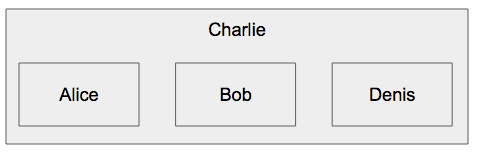
  • Alice: increments or decrements a counter
  • Bob: Given a counter value, draws as many input-buttons as the value says
  • Denis: Shows a confirmation message
  • Charlie: Wraps all the components

Rules

  • Business logic shouldn't be inside a view component
  • Neither Alice, Bob or Denis know about each other
  • Every component is in a different codebase and developed by a different team

Conclusions

  • Your state is not your business logic
  • Build contracts between your boundaries to avoid tight coupling
  • Don't forget the old practices you've learnt from the Back End world. They're still valid in Front End SPAs
  • Your business logic shouldn't map UI specific behaviours
  • Defend yourself for possible future changes

Next session

  • How to implement a reusable domain library

Questions?

Repository

Patterns and practices to scale UI architectures

By Daniel de la Cruz Calvo

Patterns and practices to scale UI architectures

This talk shows the common problems we face when developing UI architectures for React.JS based single page applications and some practices and patterns to overcome them.

  • 865