dmesser
This is account is for school purposes only.
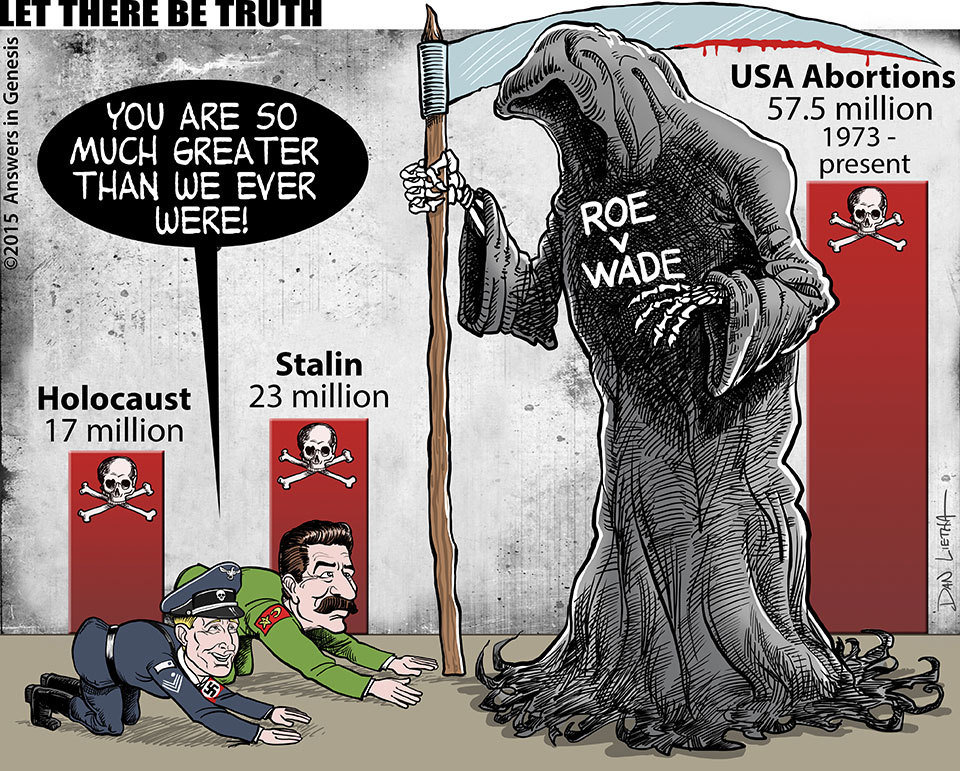
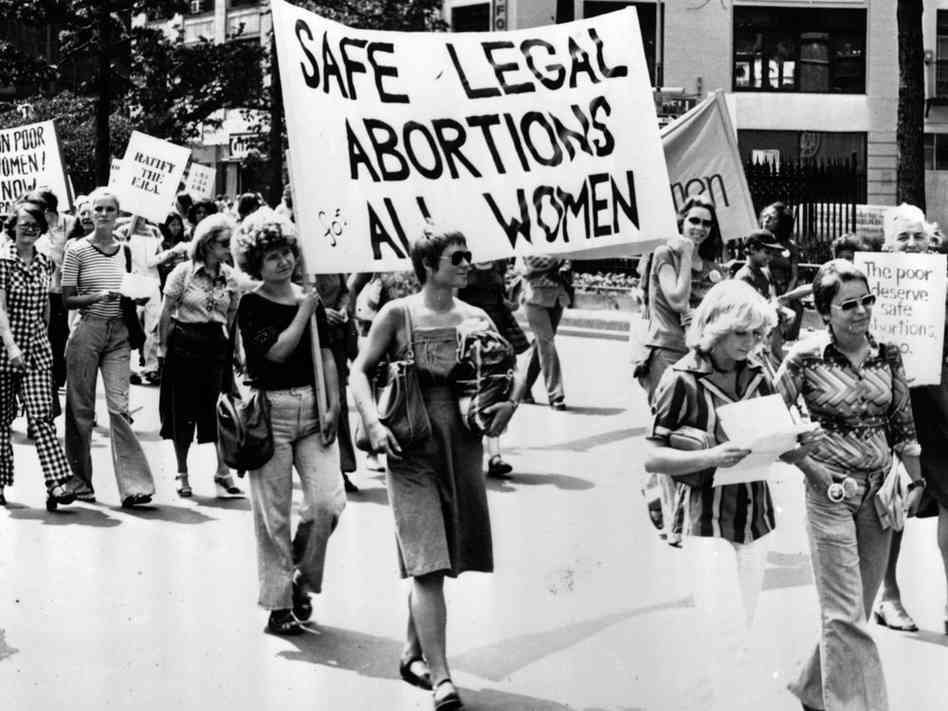
Abortion; back in 1973 was illegal in most states including Texas. Texas is the place where Roe v Wade took place. A lady by the recorded name "Jane Roe" requested help from the women's rights advocates in order to help her with her abortion. The advocates stepped in and challenged the Texas law. The case was taken up to the supreme court and was ruled in favor of Jane Roe. The 9th Amendment states " the enumeration in the constitution, of certain rights, shall not be constructed to deny or disparage others retained by the people" this includes a woman's right to abortion.
As the court ruled in her favor, other citizens thought that it was unconstitutional to take away a life that did not have a voice. Later in life, Jane Roe became a pro life activist. This is an expansion of civil rights because it struck down antiabortion laws that prohibited abortion in most states. Expanding civil rights by applying the Amendment's already present and riding state laws of withholding certain rights from citizens.
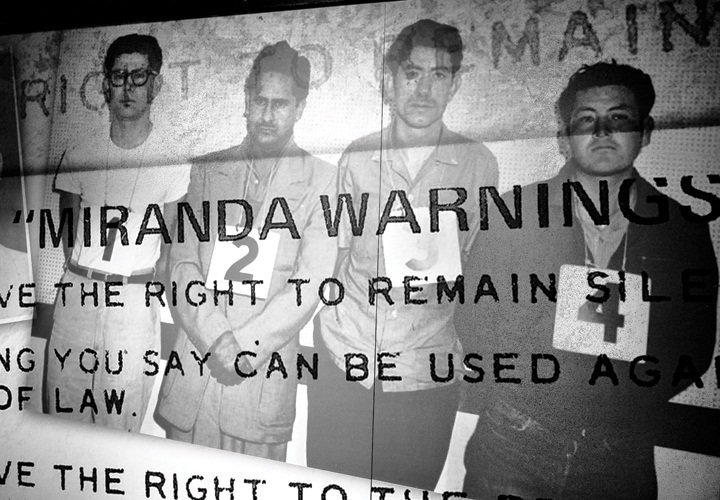
Ernesto Miranda was arrested for kidnapping and sexually assaulting a young woman in Arizona. The Jury found him guilty however the evidence was circumstantial because there was just not enough evidence against him. Miranda signed a confession after hours of interrogation, However Miranda's lawyer claimed it should have been admissible because he was not read
his rights and took his case up to the supreme court. The supreme court affirmed the original decision. This expanded civil rights because now there is a "Miranda warning" in which those arrested by law enforcement must read the suspects their rights and prove they understand them. If however they choose to speak, what they say can be used in the court of law against them. This expanded civil rights because it allowed citizens the right to remain silent.
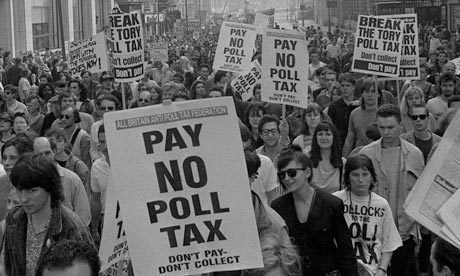
January 23, 1964 the united states proposed an amendment that would apply to all citizens when in regards to voting for whomever they want without being abridged or denied by failure to pay poll tax.
Although only five states were charging poll taxes by the time the united states passed the right, it was still a big deal to a lot of citizens who could not afford to pay for were abridged rights to vote. This expanded civil rights because it allowed those that were unable to pay poll taxes, blacks and white, to vote. It expanded the voting capacity, allowing all citizens to feel involved.
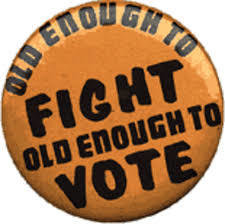
Back during WWII, President Franklin D. Roosevelt lowered the military drafting age to 18 years old. The minimum voting age at the time was 21 years old. People felt if these "children" were old enough to fight in the military, they ought to be old enough to have their opinon matter during important
voting matters. Dwight D. Eisenhower because the voice of the people by encouraging that the voting age be lowered. After all, citizens are not to be denied the right to vote upon age, race, religion, and testing scores. In the late 1960's men and women protested that young people were drafted without even the right to vote. During the 1970s when a case Oregon v. Mitchell was brought to the supreme court where it was officially introduced as the 26th amendment. This expanded civil rights because it increase voting, decreased violence and protest, and instituted an amendment.
By dmesser


