
















federica bianco PRO
astro | data science | data for good
University of Delaware
Department of Physics and Astronomy
Biden School of Public Policy and Administration
Data Science Institute
Rubin Legacy Survey of Space and Time
Deputy Project Scientist,Construction
LSST Survey Scientist, Operations
federica b. bianco
she/her
A new, transformational observatory is about to start building a legacy for humanity vith a movie of the night sky
just as human-made satellites are about to forever change it
A new, transformational observatory is about to start building a legacy for humanity vith a movie of the night sky
Cosa c'è in un nome?
Cosa c'è in un nome?
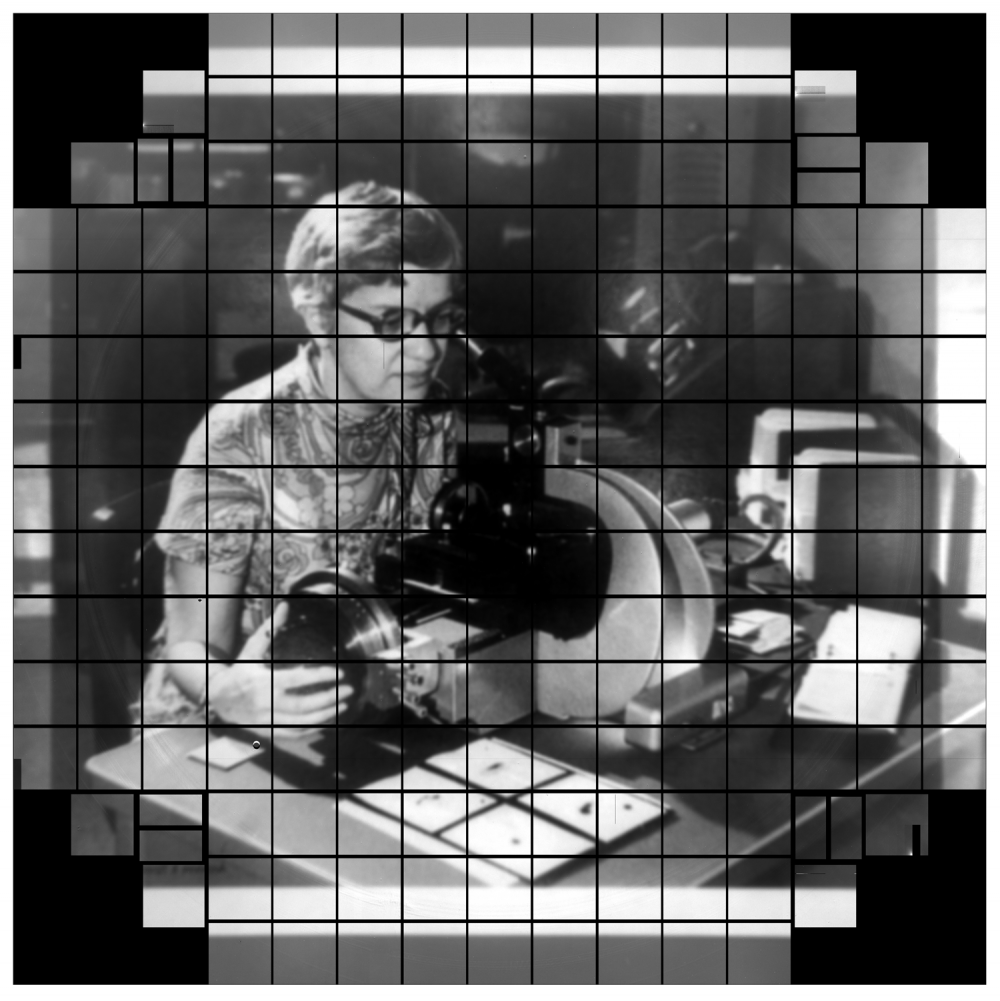
Il primo osservatorio terrestre in USA ad essere dedicato a una astronoma:
Dott.ssa Veral C. Rubin
Cosa c'è in un nome?
Il primo osservatorio terrestre in USA ad essere dedicato a una astronoma:
Dott.ssa Veral C. Rubin
LSST:The Vera C. Rubin Observatory Legacy Survey of Space and Time
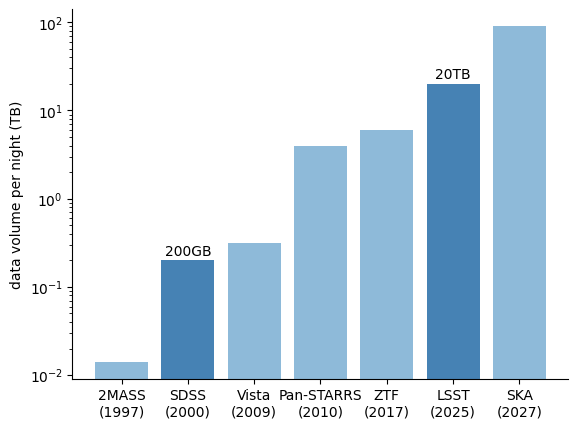
20Tb di dati ogni notte. Ovvero: |
8,000 film ad alta definizione
4,000 ore su tiktok
ogni notte per 10 anni
LSST:The Vera C. Rubin Observatory Legacy Survey of Space and Time
20Tb di dati ogni notte. Ovvero: |
8,000 film ad alta definizione
4,000 ore su tiktok
ogni notte per 10 anni
|
Un patrimonio dell'umanita - dati accessibili senza restrizioni a tutti gli scienziati in USA & Chile - dati accessibili anche a migliaia di scienziati in tutto il mondo, inclusi 100+ in Italia - dati accessibili a tutti tramite il Education and Public Outreach Program
|
LSST:The Vera C. Rubin Observatory Legacy Survey of Space and Time
|
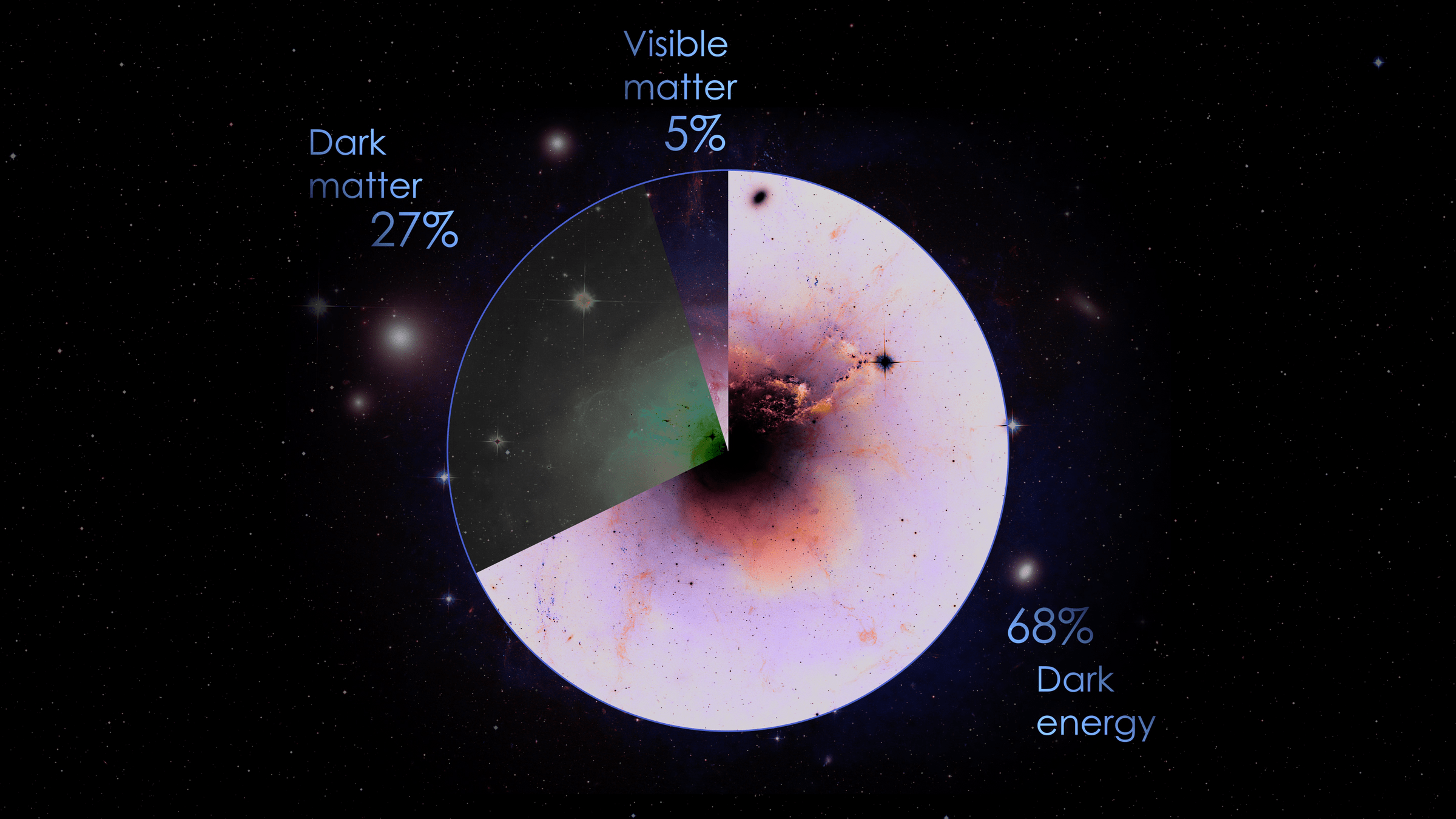
Investigare la materia oscura e l'energia oscura
image credit ESO-Gaia
Una mappa della Via Lattica e del Volume Locale fino ad Andromeda
17Miliardi di stelle : colore, positione, velocita, e variabilità
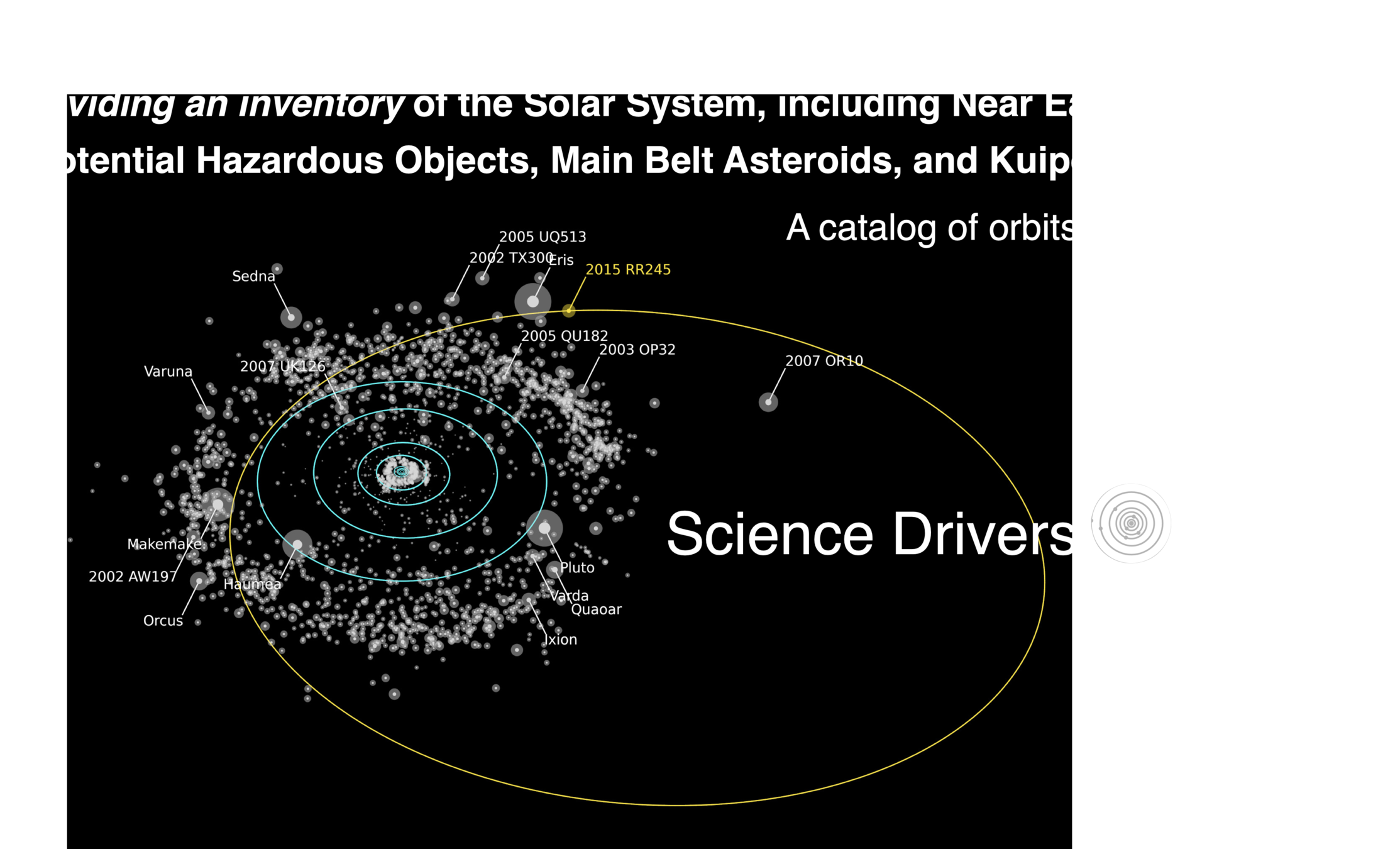
Un inventorio del Sistema Solare senza precedenti
dai asteroidi in rotta di collisione con la terra fino alla Oort Cloud
Credit: The Dark Universe, AMNHExploring the Transients and Variable Universe
10M alerts every night shared with the world
60 seconds after observation
Per farlo bisogna:
Obbiettivo: transformare l'astronomia in quattro aree chiave
Per farlo bisogna avere:
Dark skies - Cerro Pachon Chile
Obbiettivo: transformare l'astronomia in quattro aree chiave
Obbiettivo: transformare l'astronomia in quattro aree chiave
Per farlo bisogna avere:
Dark skies - Cerro Pachon Chile
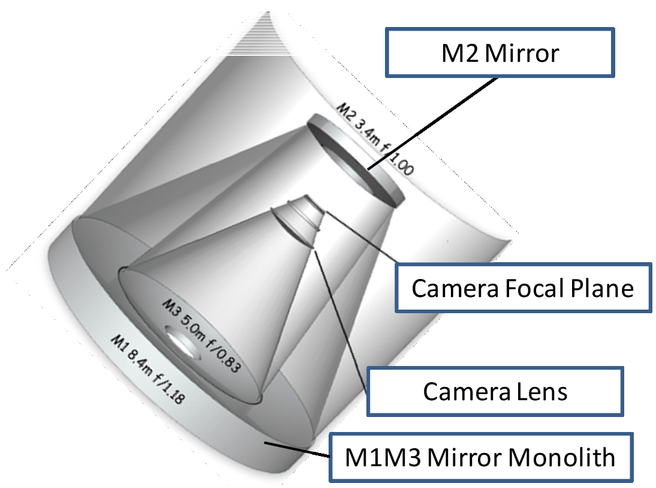
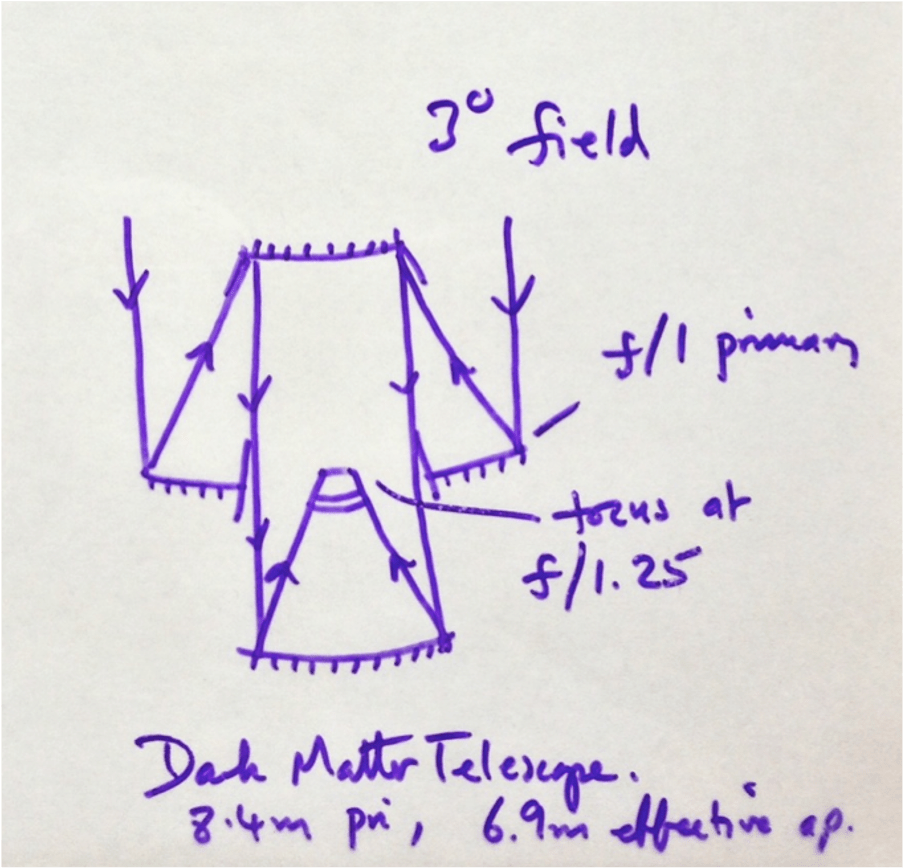
Telescopio - 8m
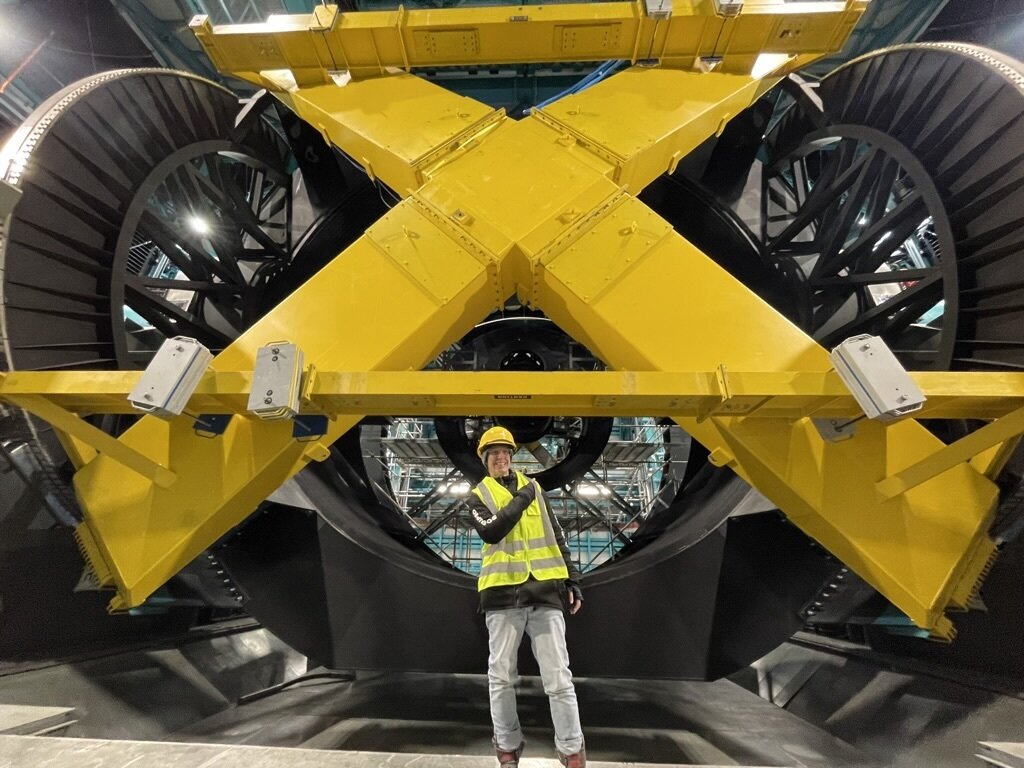
May 2022 - Telescope Mount Assembly
F/D = 1.23
F/D = 1.23
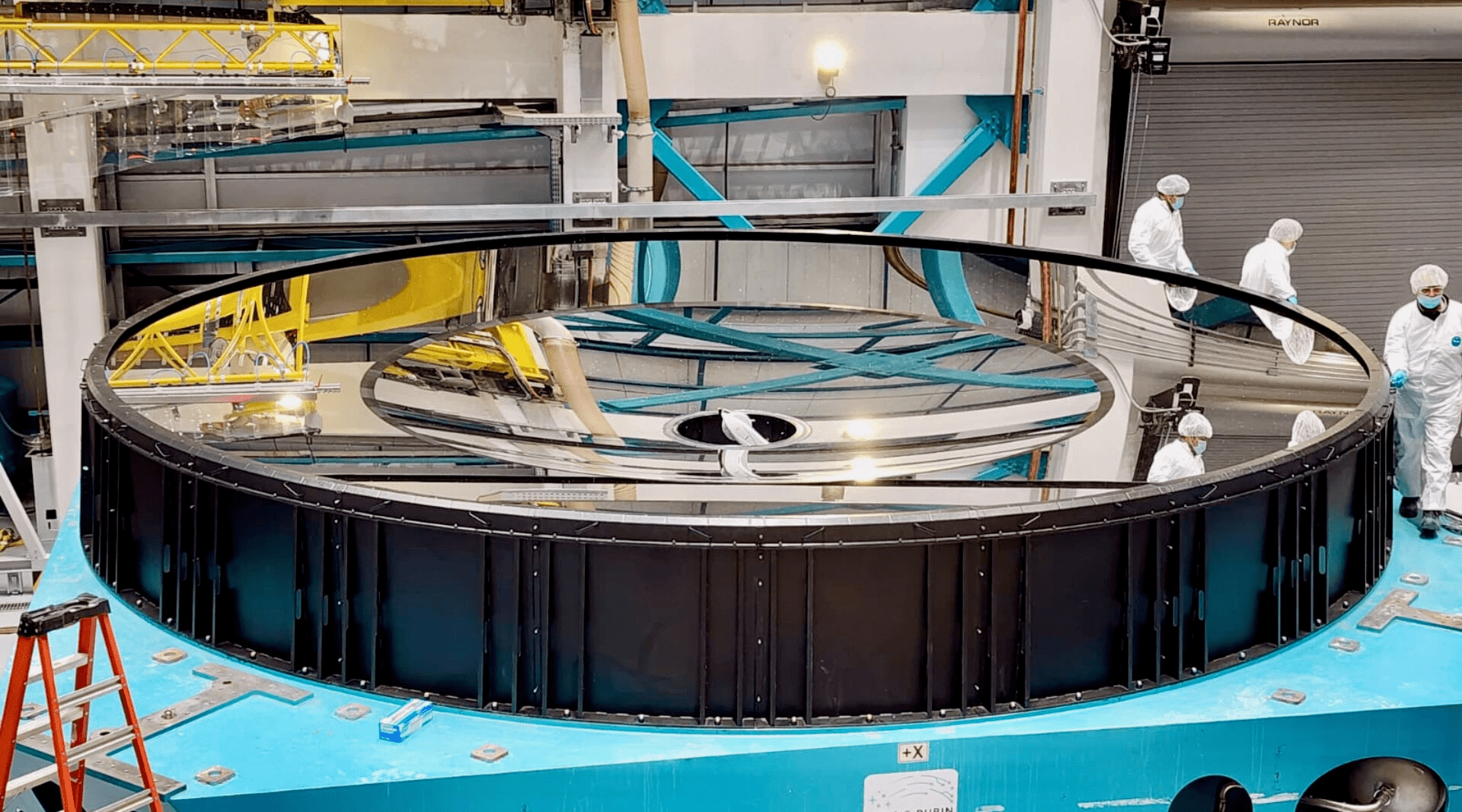
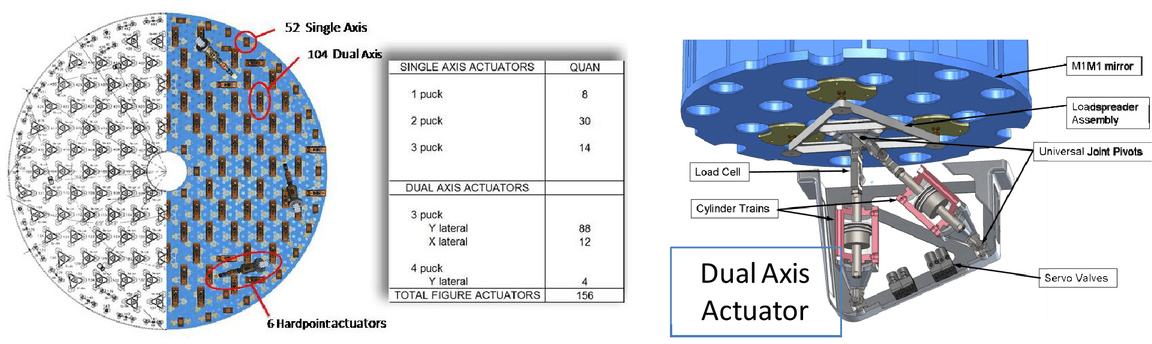
The M1M3 mirror is actively supported by 156 pneumatic figure control actuators that resist loads (gravitational, wind, dynamic, etc.) and provide the active optics figure control.
3.2 Gigapixels:
La fotocamera CCD piu large del mondo - nel Guinnes dei primati!
Obbiettivo: transformare l'astronomia in quattro aree chiave
Per farlo bisogna avere:
Dark skies - Cerro Pachon Chile
Telescopio - 8m
Fotocamera - 3.2Gpixels
1996-1998 Tony Tyson, Roger Angel
2008
in compagnia di
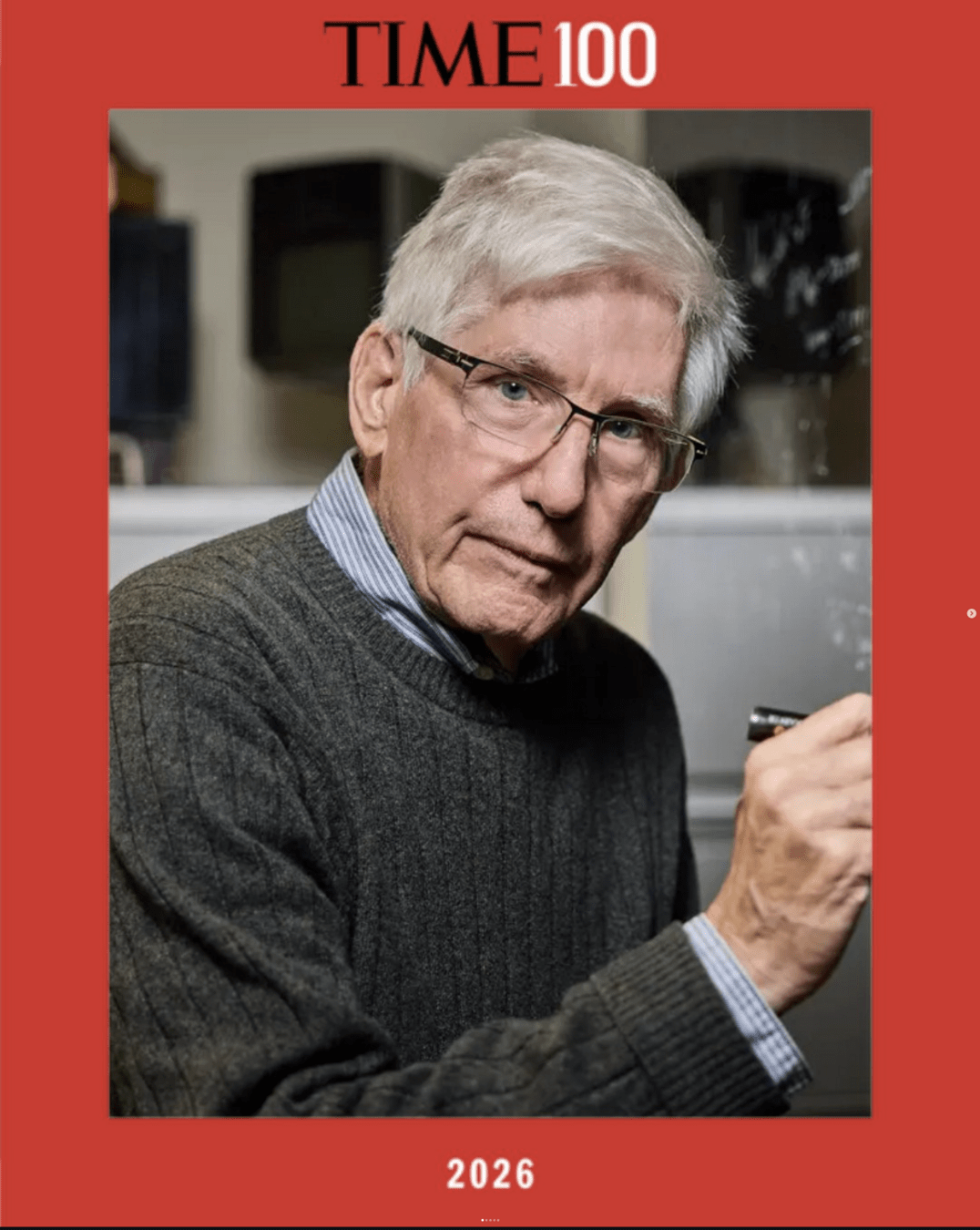
Astronaut Reid Wiseman (Arthemis),
Zhoran Mandami,
Papa Leo XIV,
Olympionica Alysa Liu,
Benicio Del Toro.......
2017
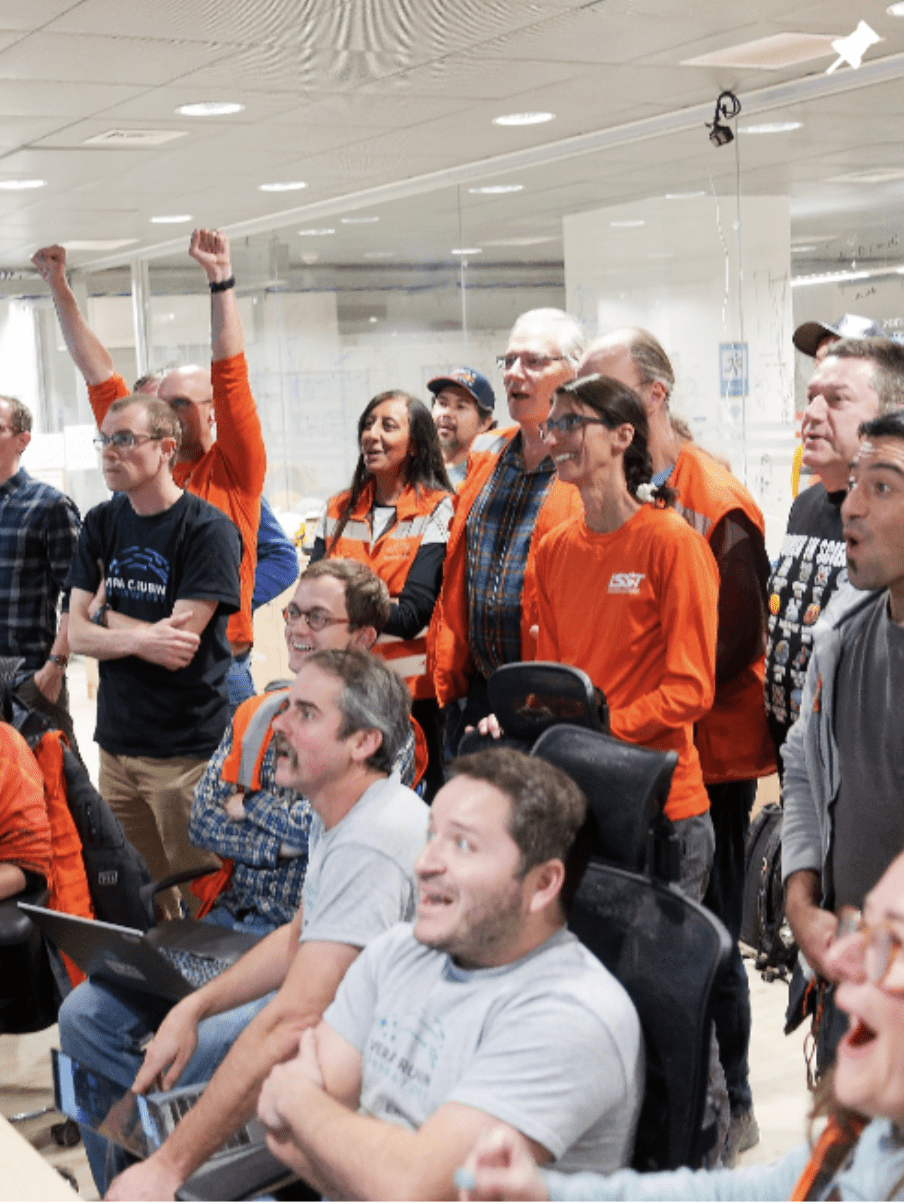
Are We There YET????!!!!
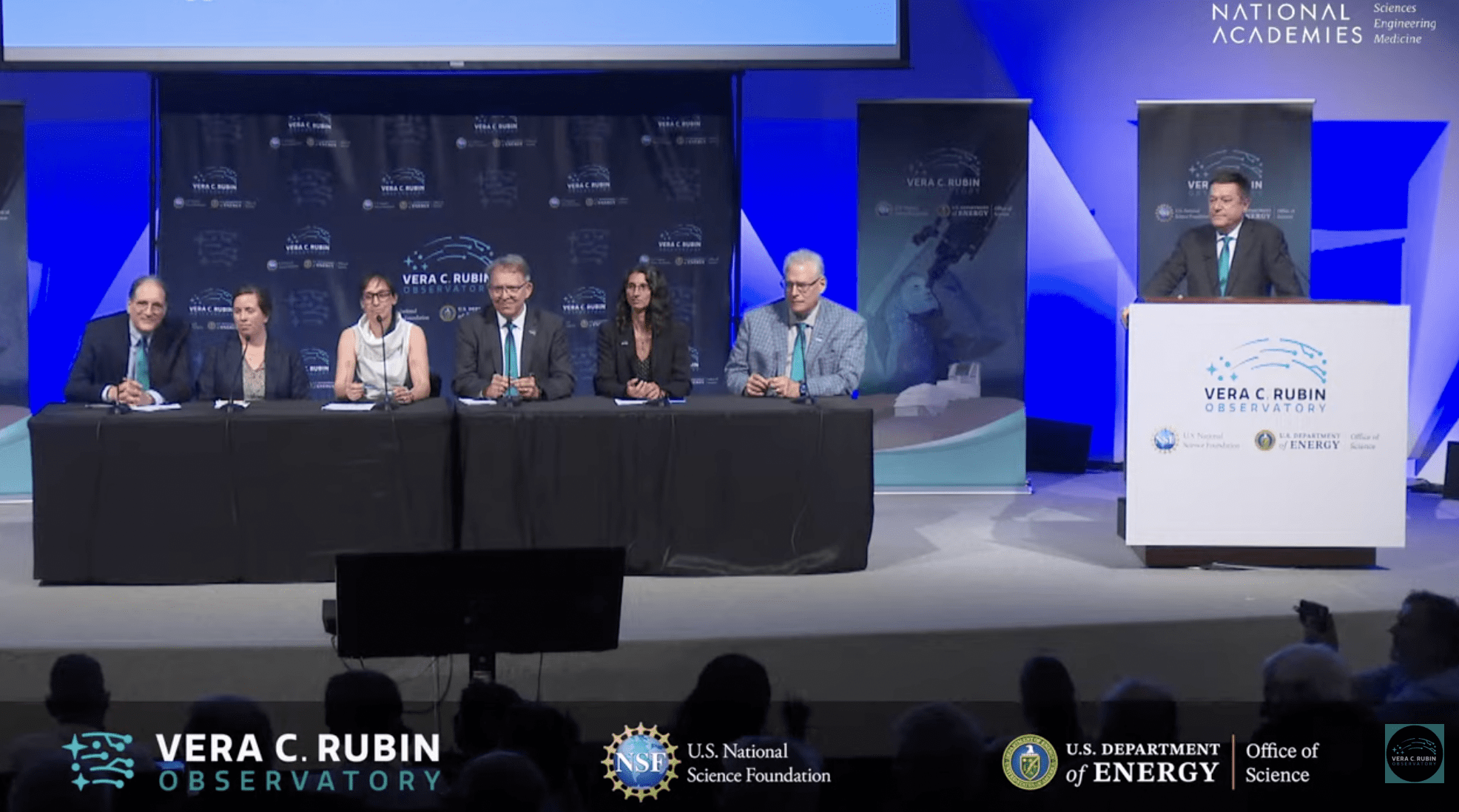
Eye to the sky…on-sky engineering tests have begun at
Rubin Observatory using the world’s largest digital camera!
June 23 2025
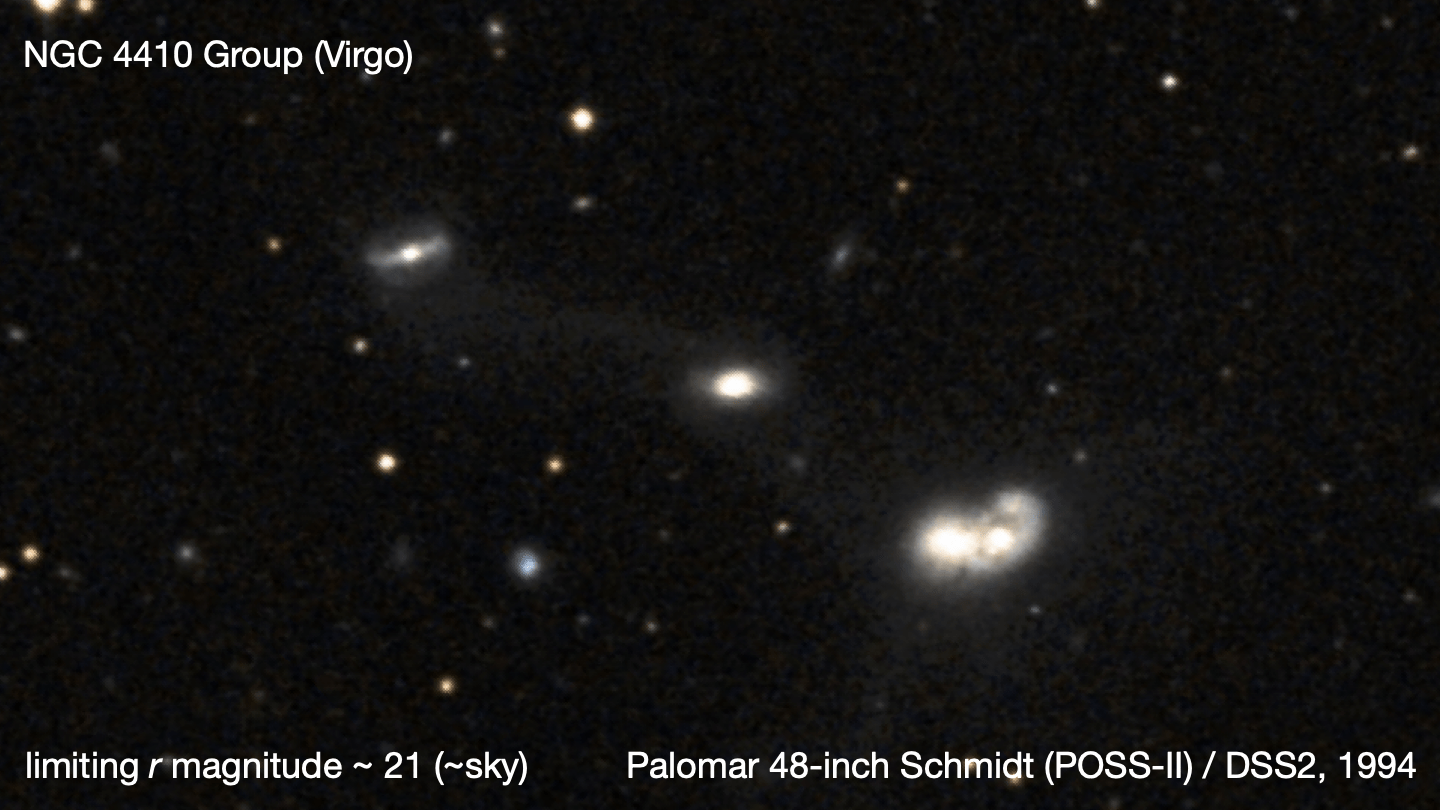
678 immagini raccolte in sette ore.
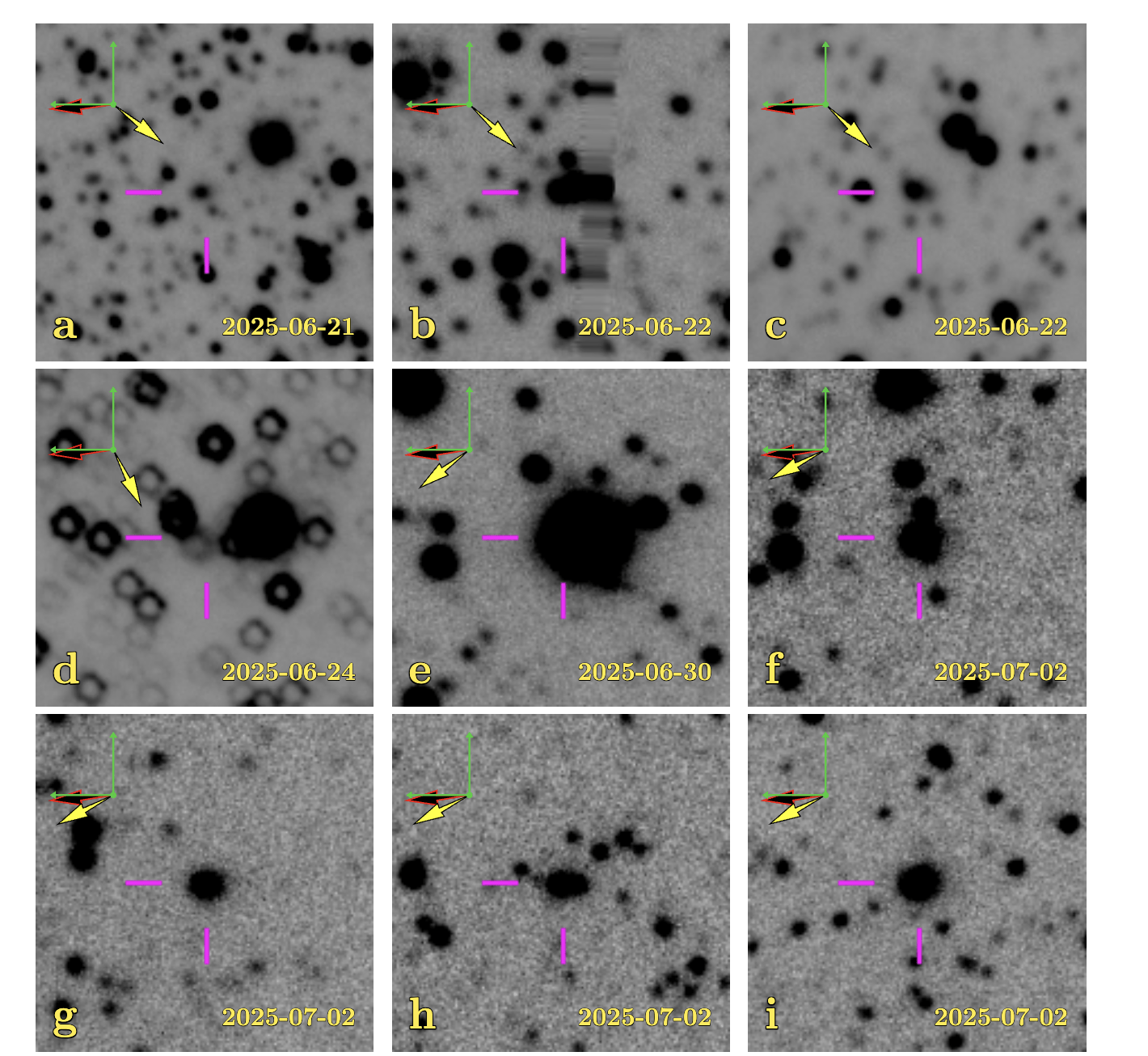
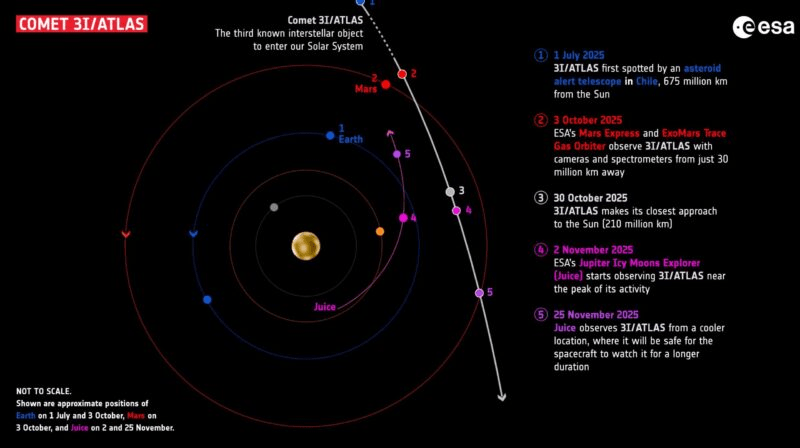
Abbiamo stimato 10-15 oggetti interstellari nei 10 anni di LSST...
ma ne abbiamo già visto uno!
e 230 autori - 9 aprile 2026
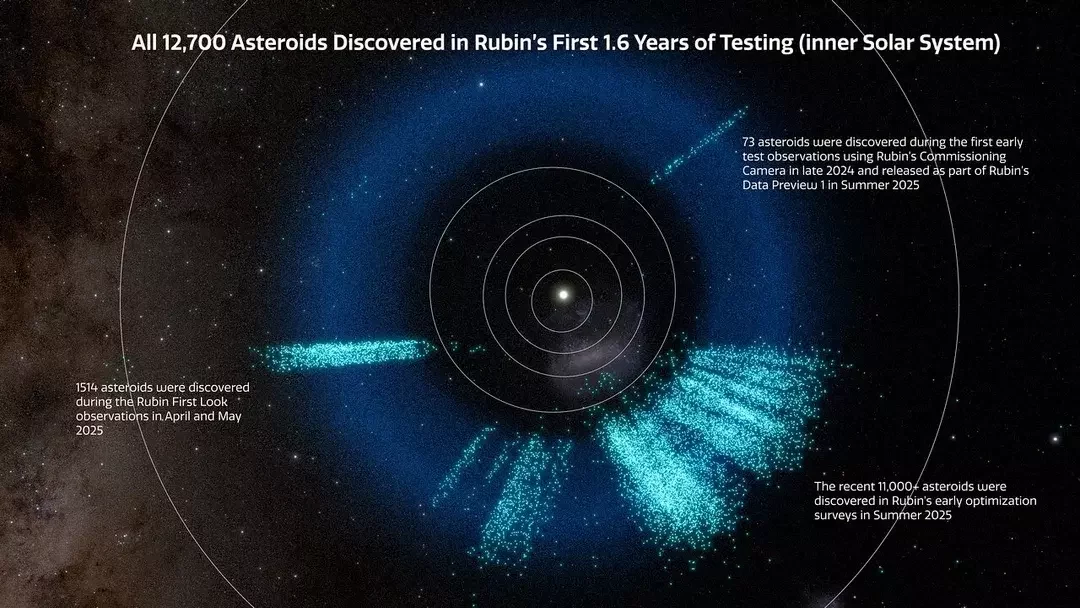
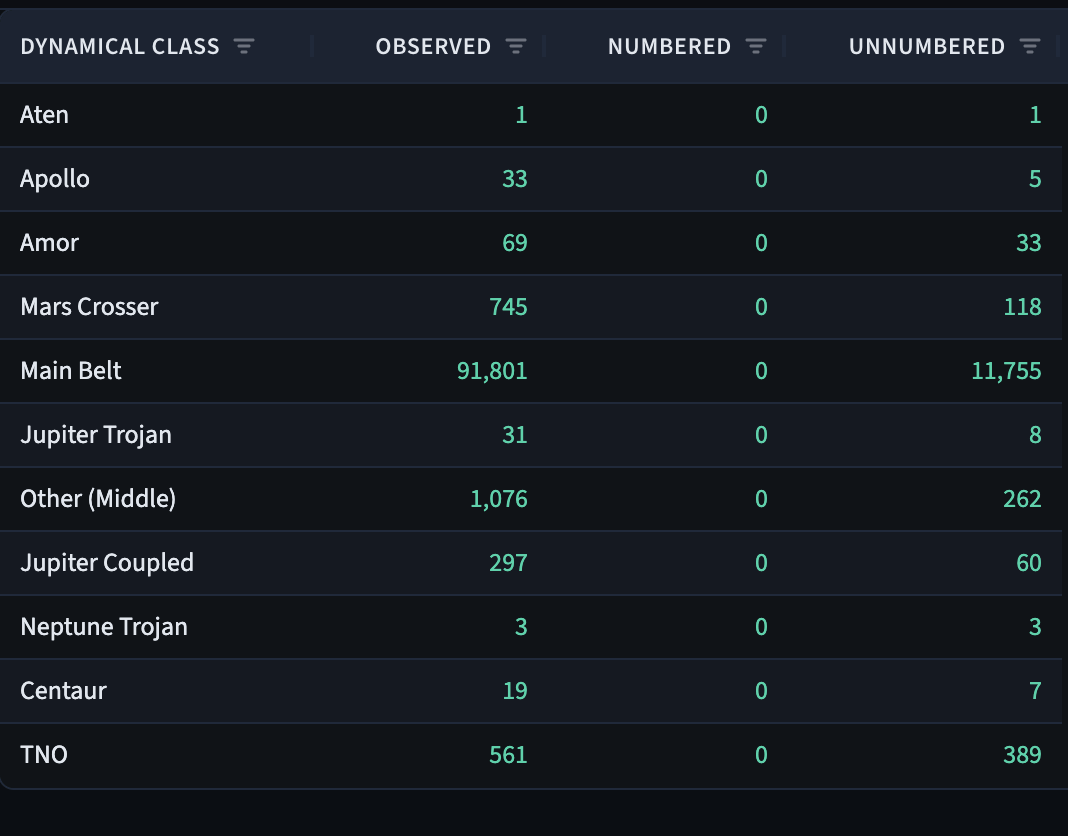
11,000+ nuovi asteroid scoperti da Rubin
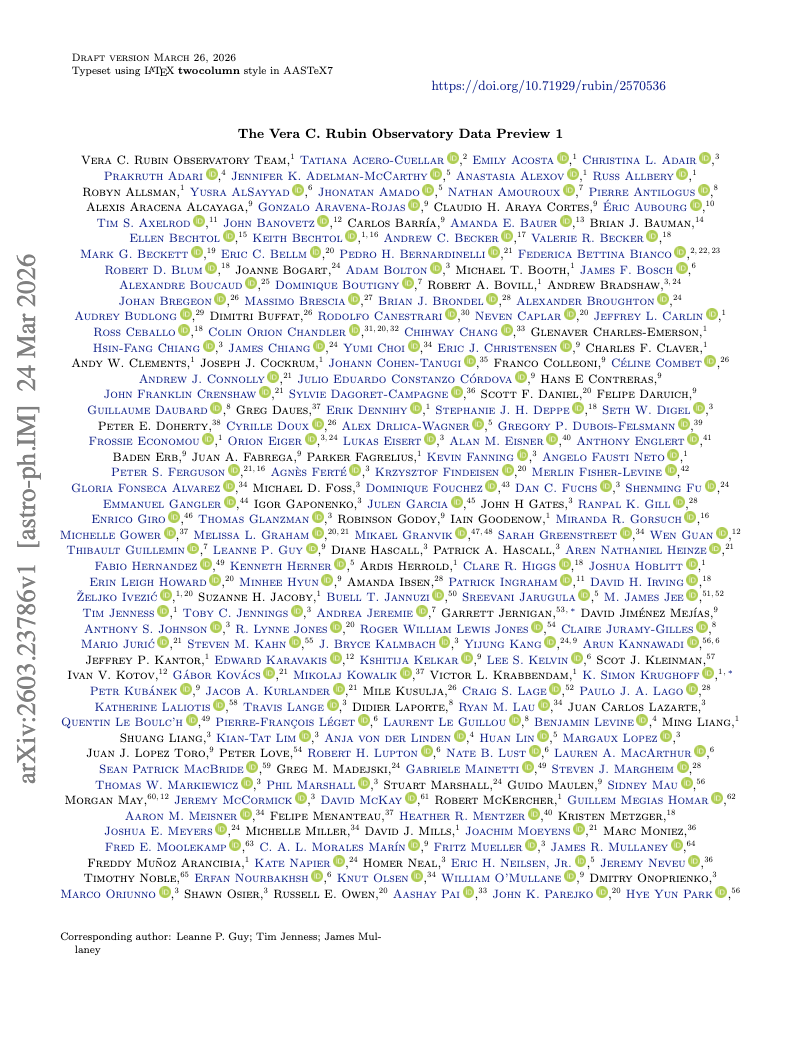
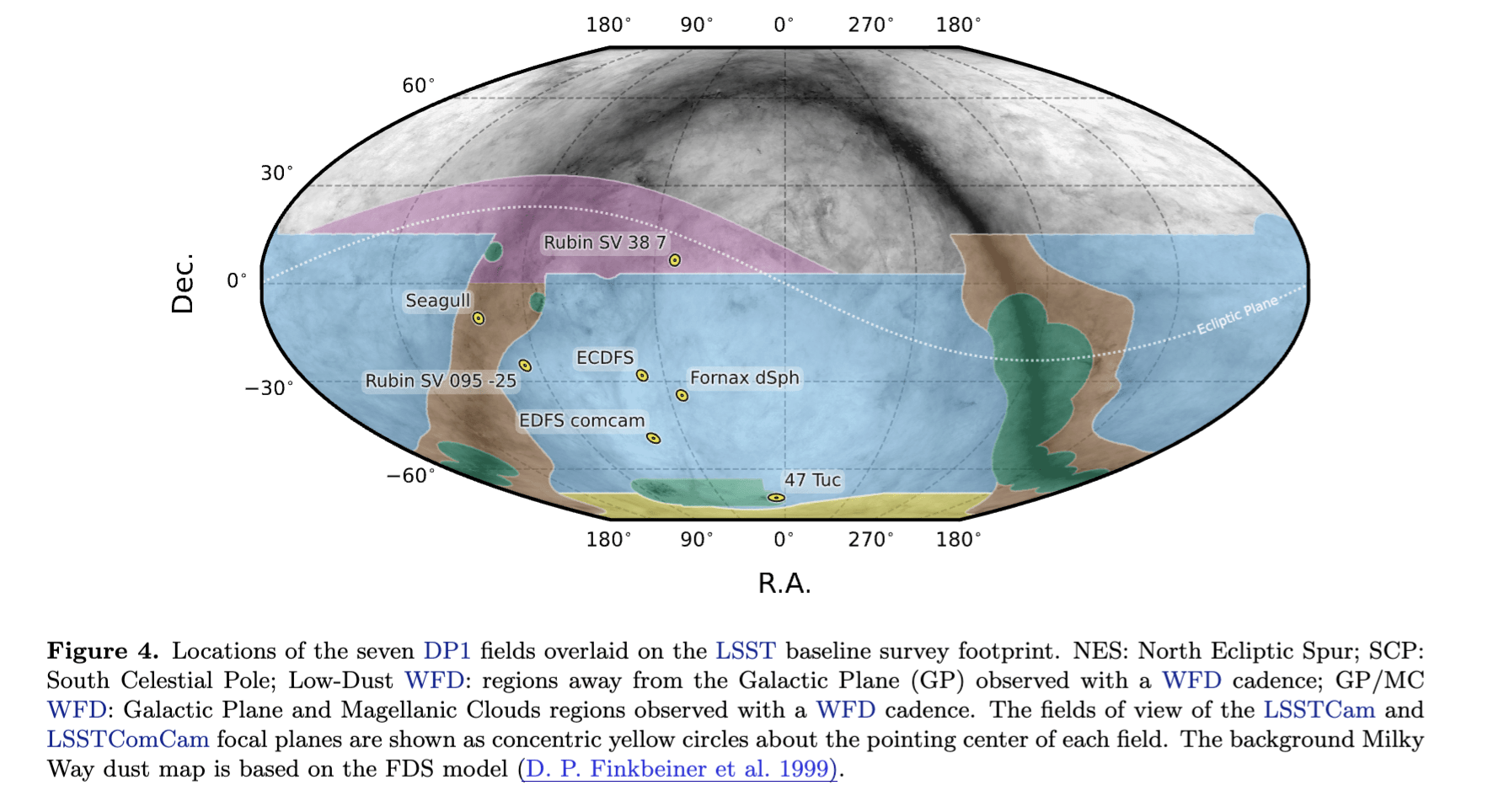
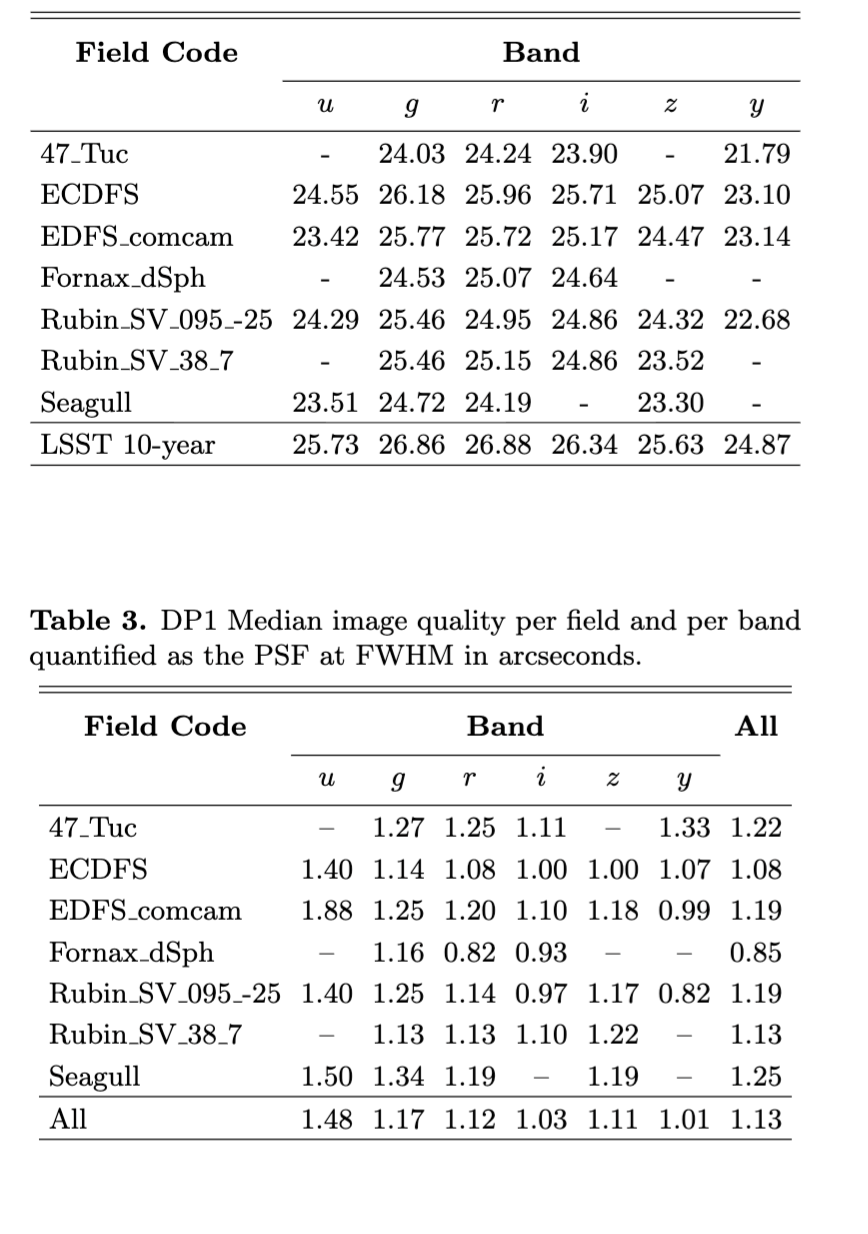
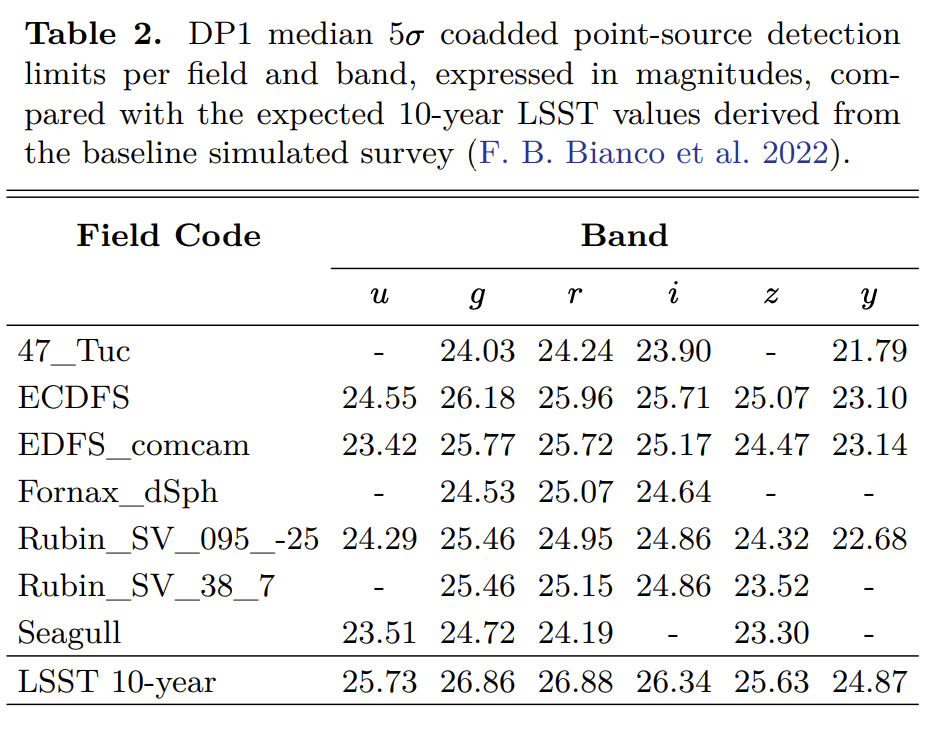
The Vera C. Rubin Observatory Data Preview 1
30 Giugno 2025
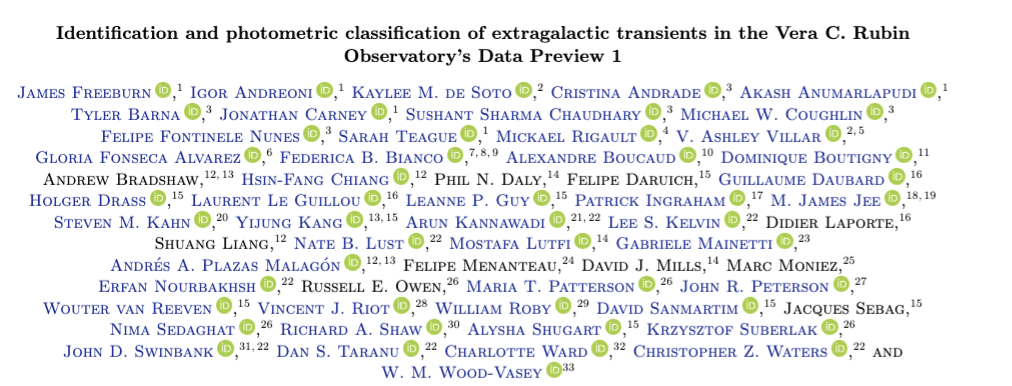
DP1 publication
54 pagine, 121 autori
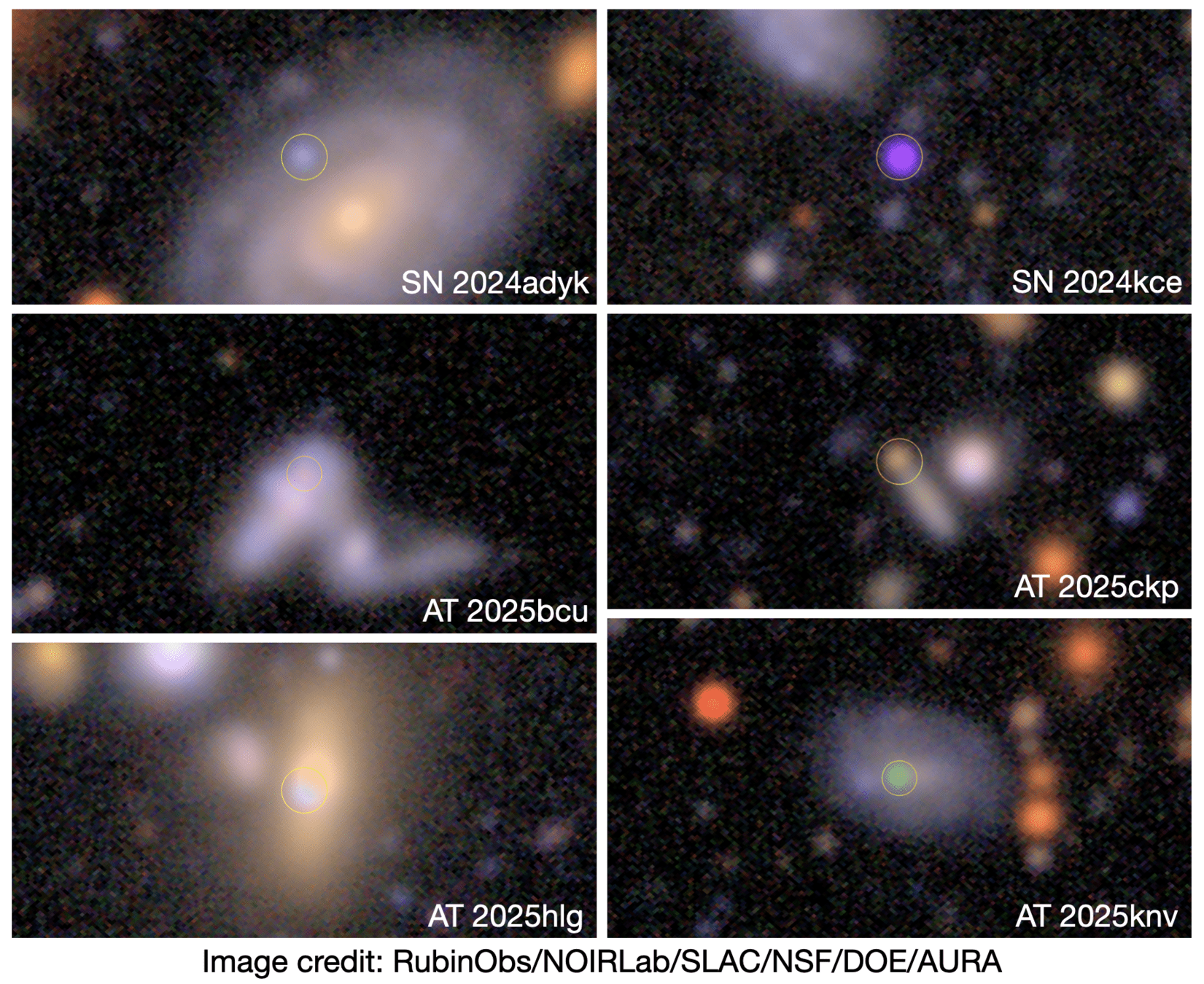
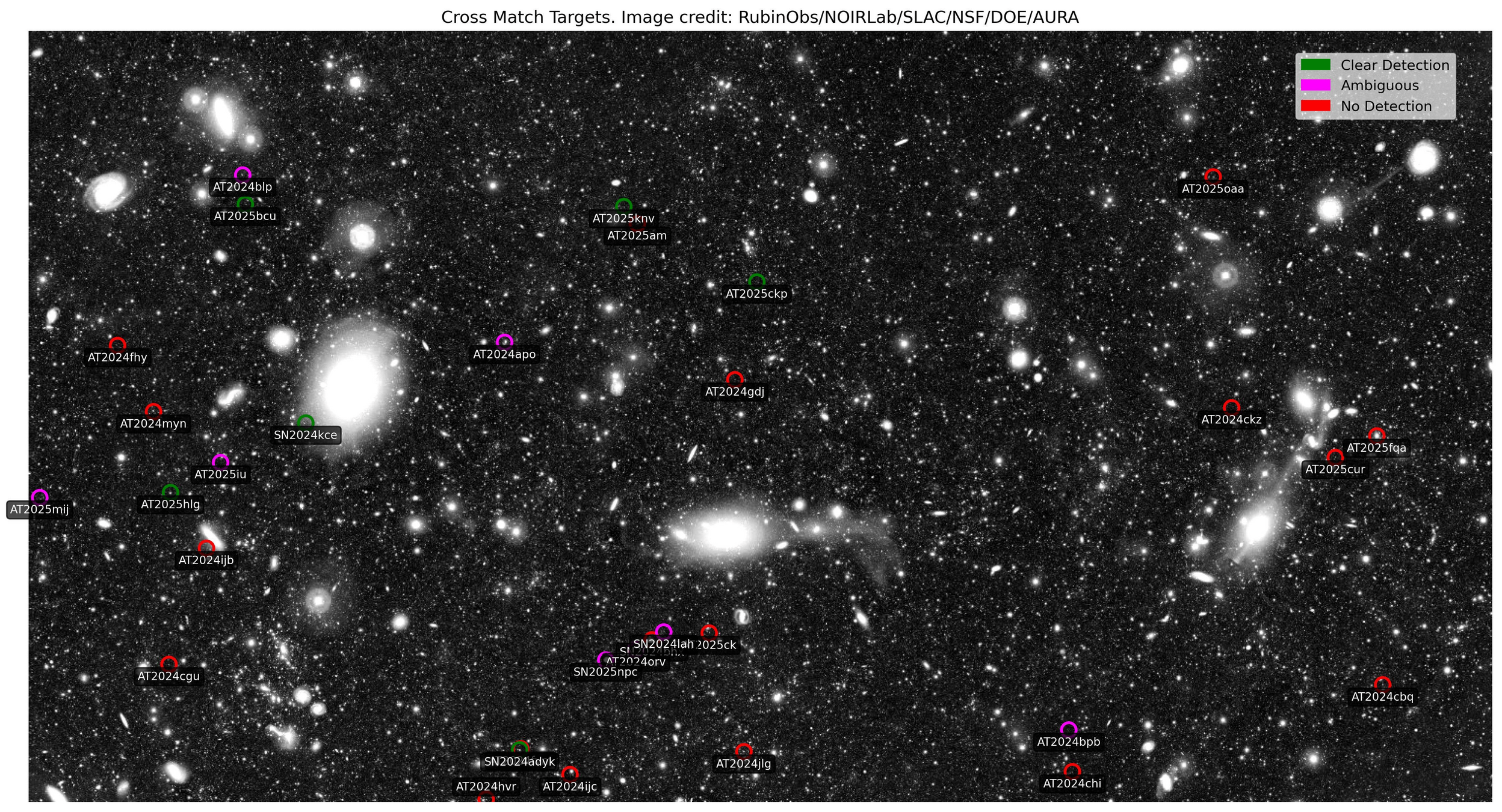
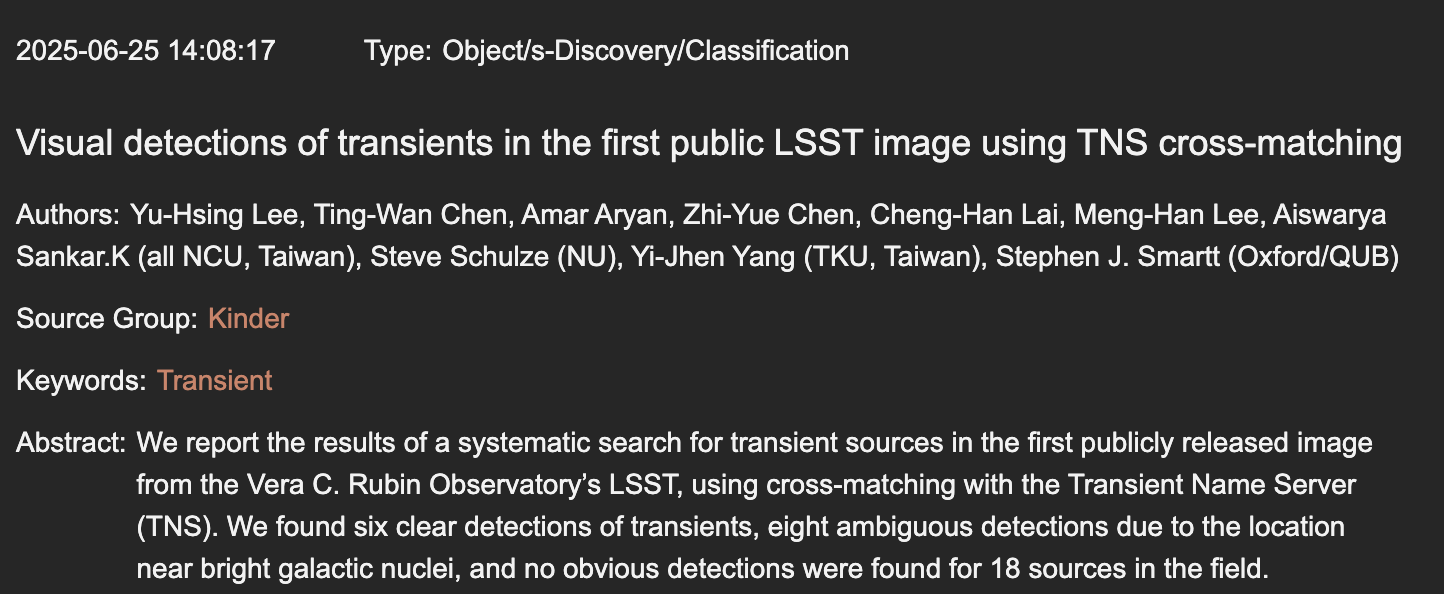
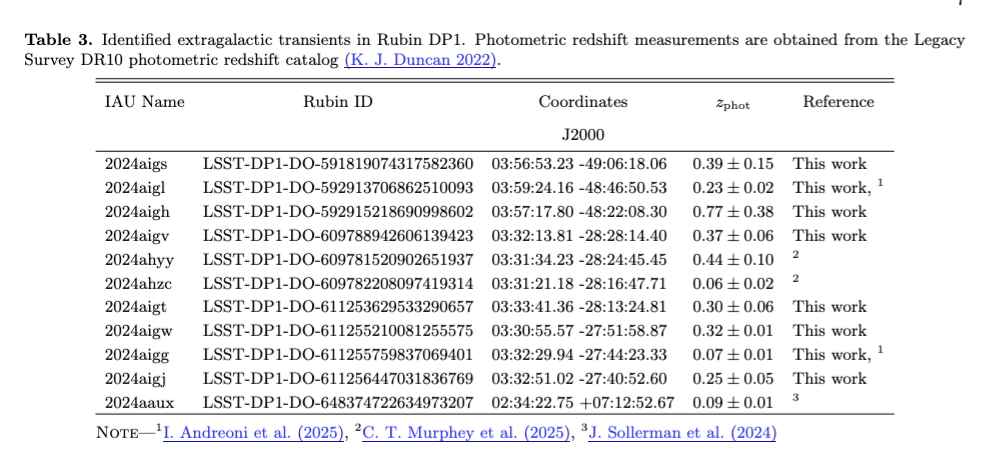
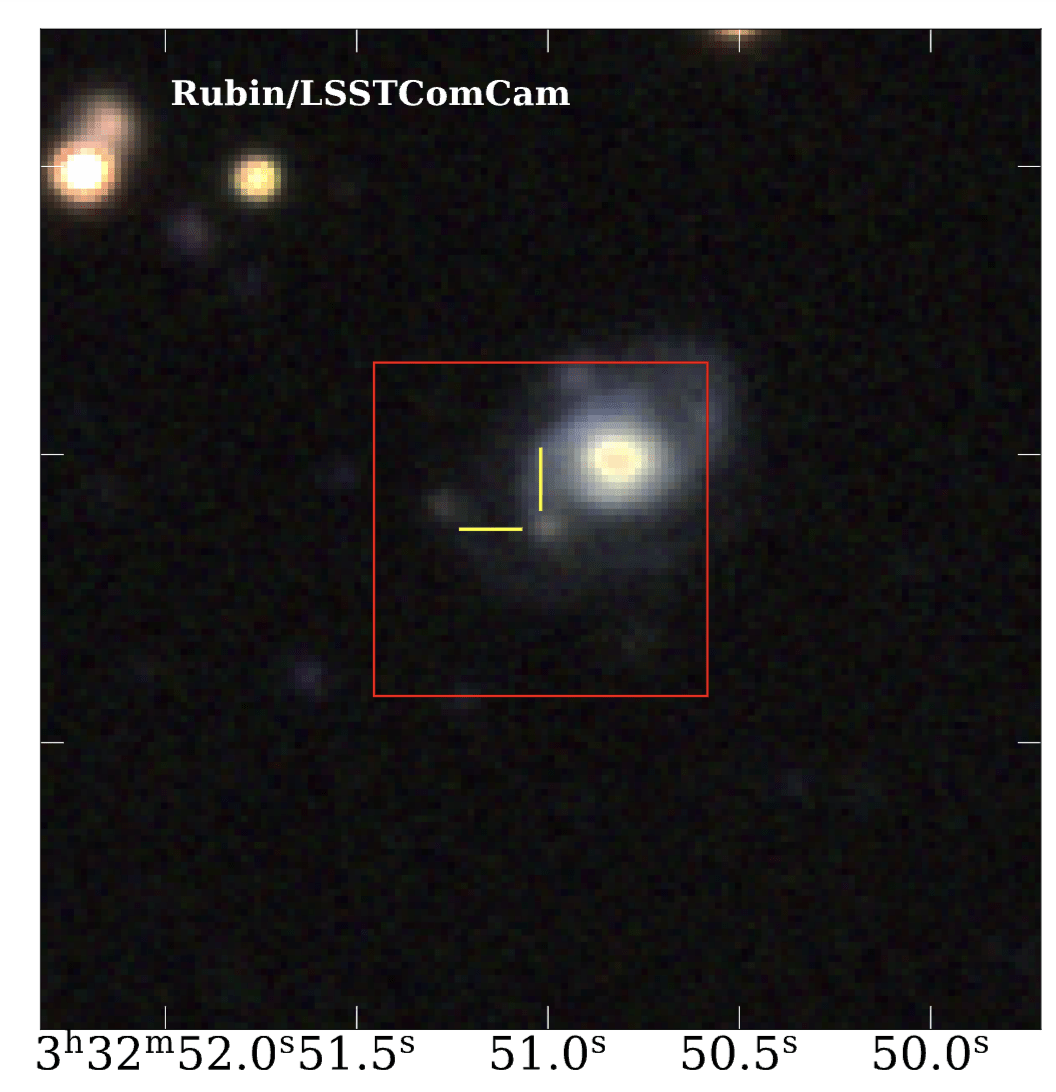
8 nuove supernovae e 3 già note
0.2'' / pixel, 6 filtri (ugrizy),
r~24 (1 immagine) r~27 (10 anni di immagini)
Data Preview 1 è la preview del film galattico del secolo...
with this much data we need Artificial Intelligence
with this much data we need Artificial Intelligence
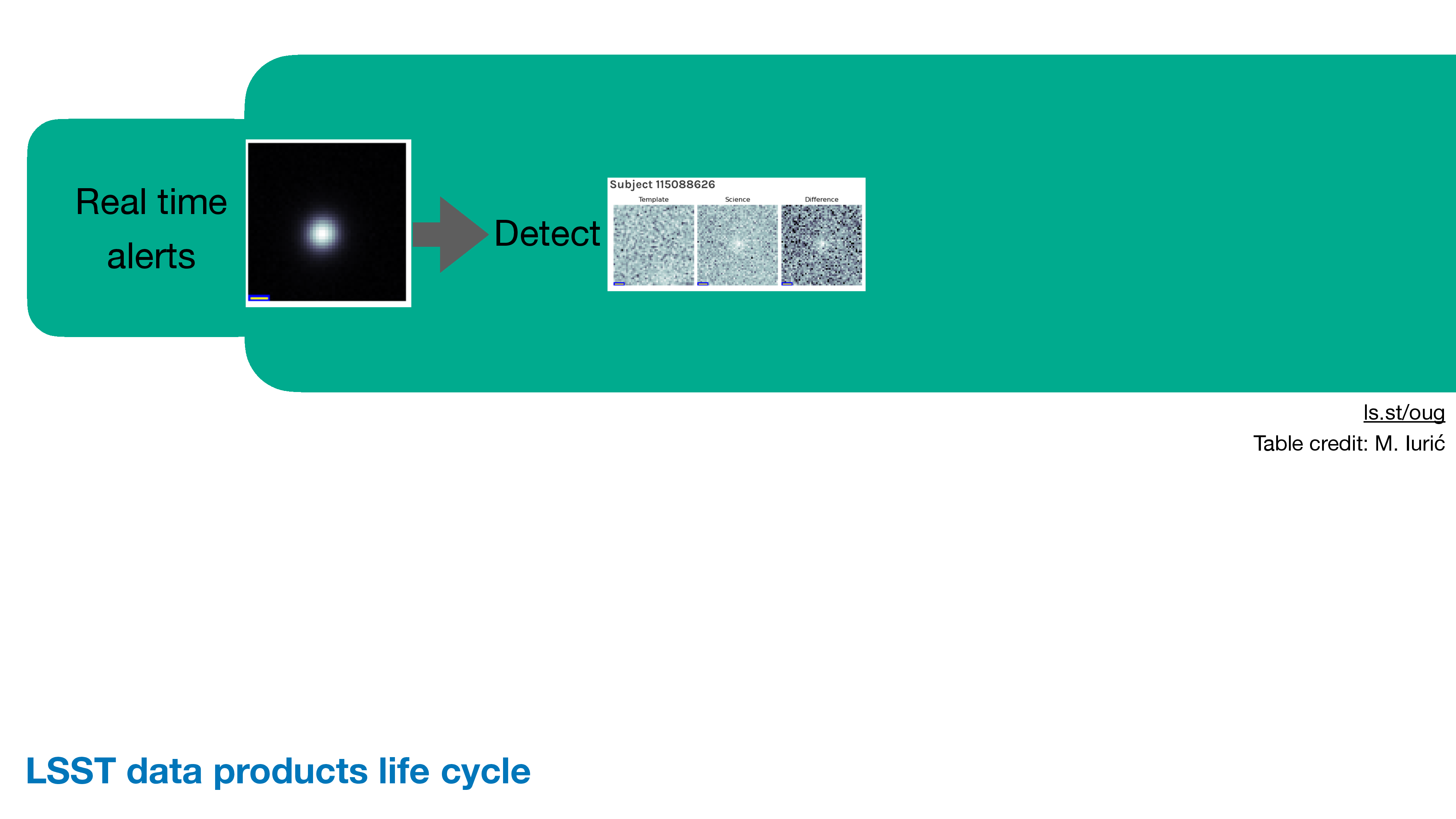
in 60 seconds:
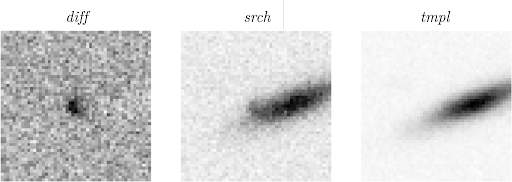
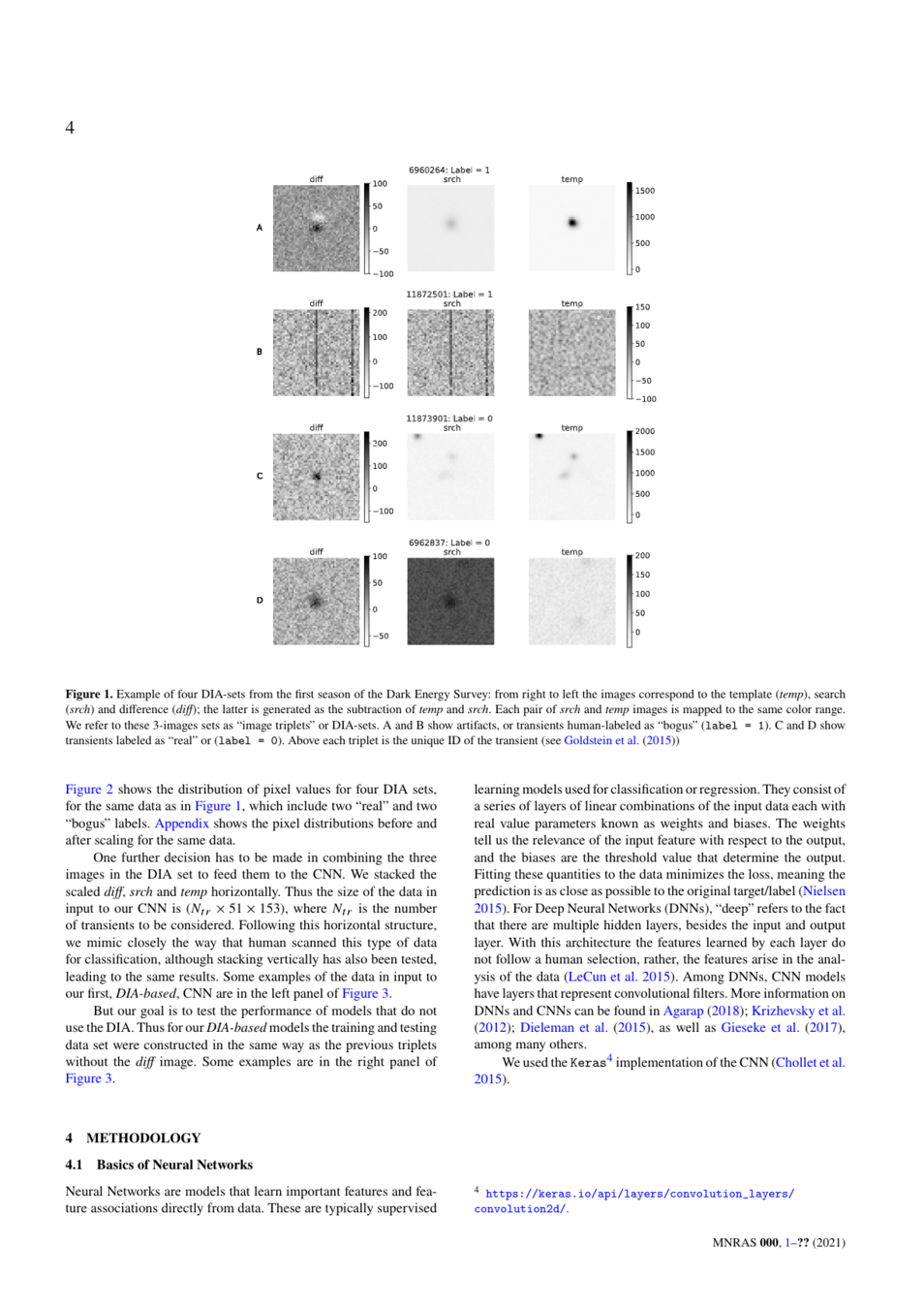
Difference Image Analysis
template
in 60 seconds:
Difference Image Analysis
template
difference image
in 60 seconds:
Difference Image Analysis
template
difference image
Saliency maps: what pixels matter?
search
template
difference
Acero-Cuellar et al. DESC submitted
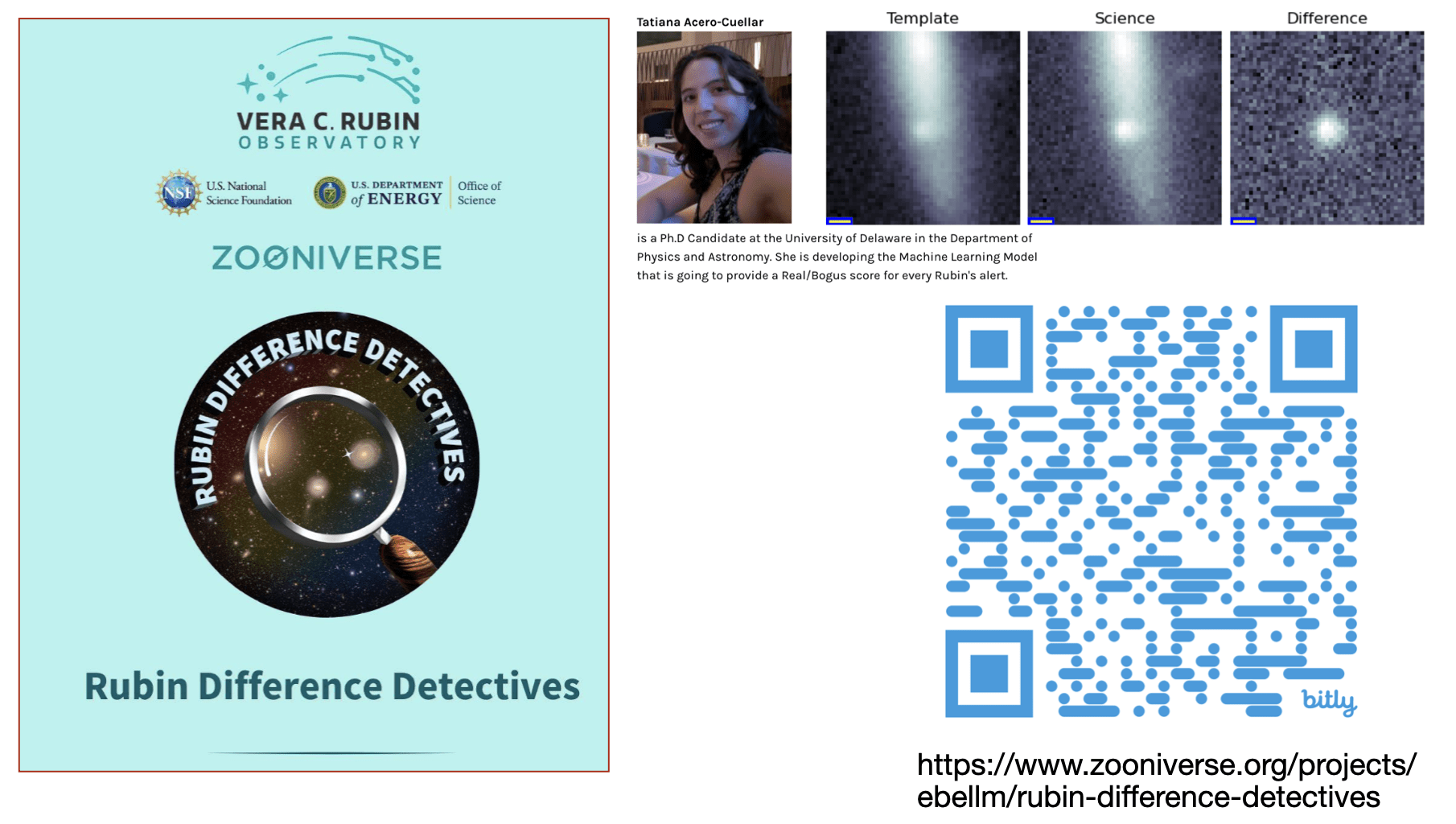
Tatiana Acero-Cuellar
UNIDEL fellow
LSST Data Science Fellow
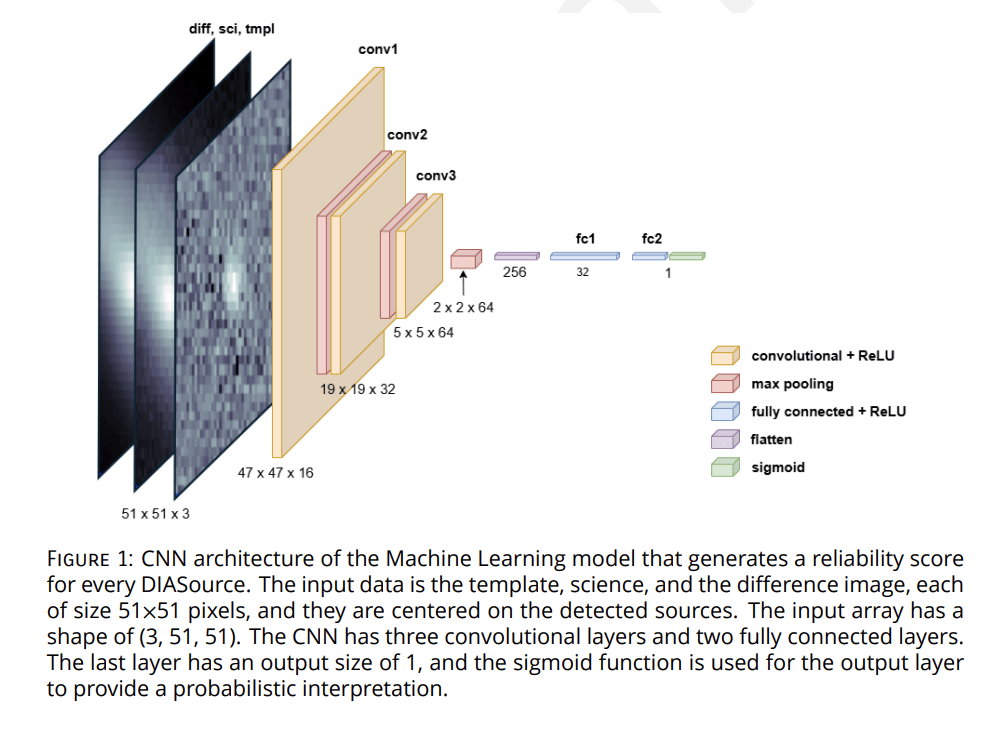
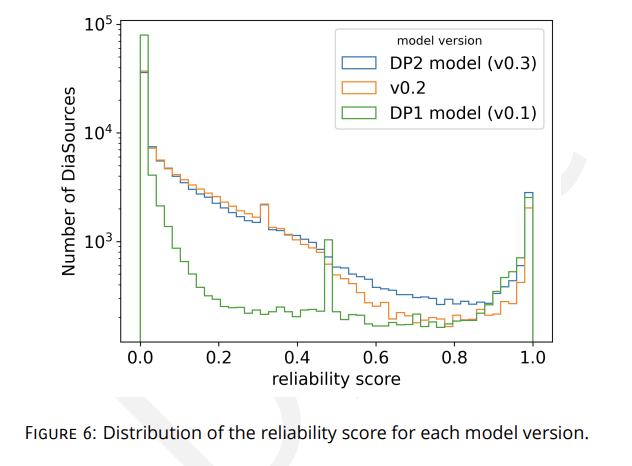
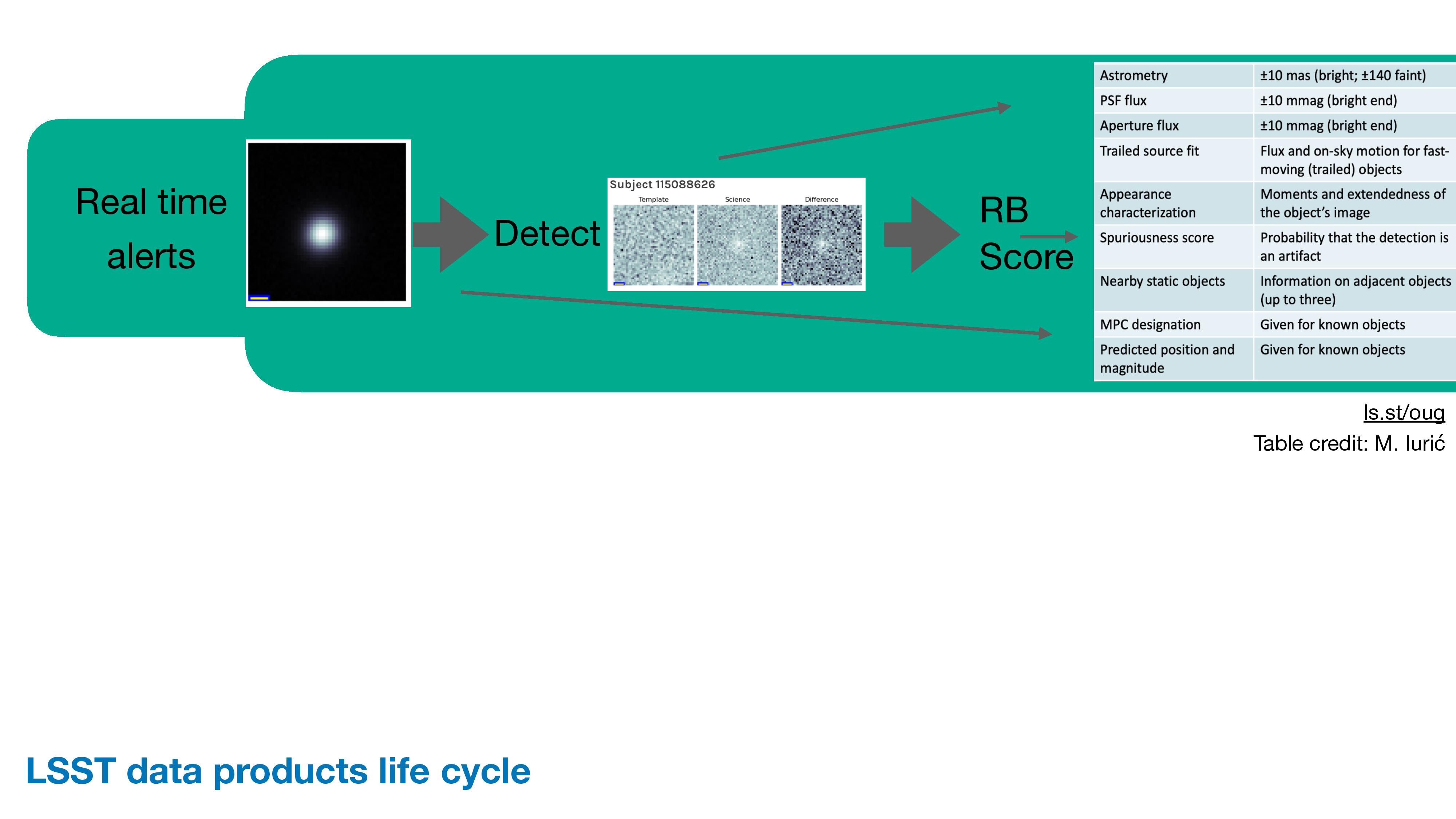
The Rubin LSST ML-Reliability Score (aka real-bogus)
accuracy 98.06%, purity 97.87%, completeness of 98.27%... on simulated data
- requires instantaneous inference
- limited computational resources (CPU)
- evolving data quality
- limited ground truth data (e.g. no variable stars in training)
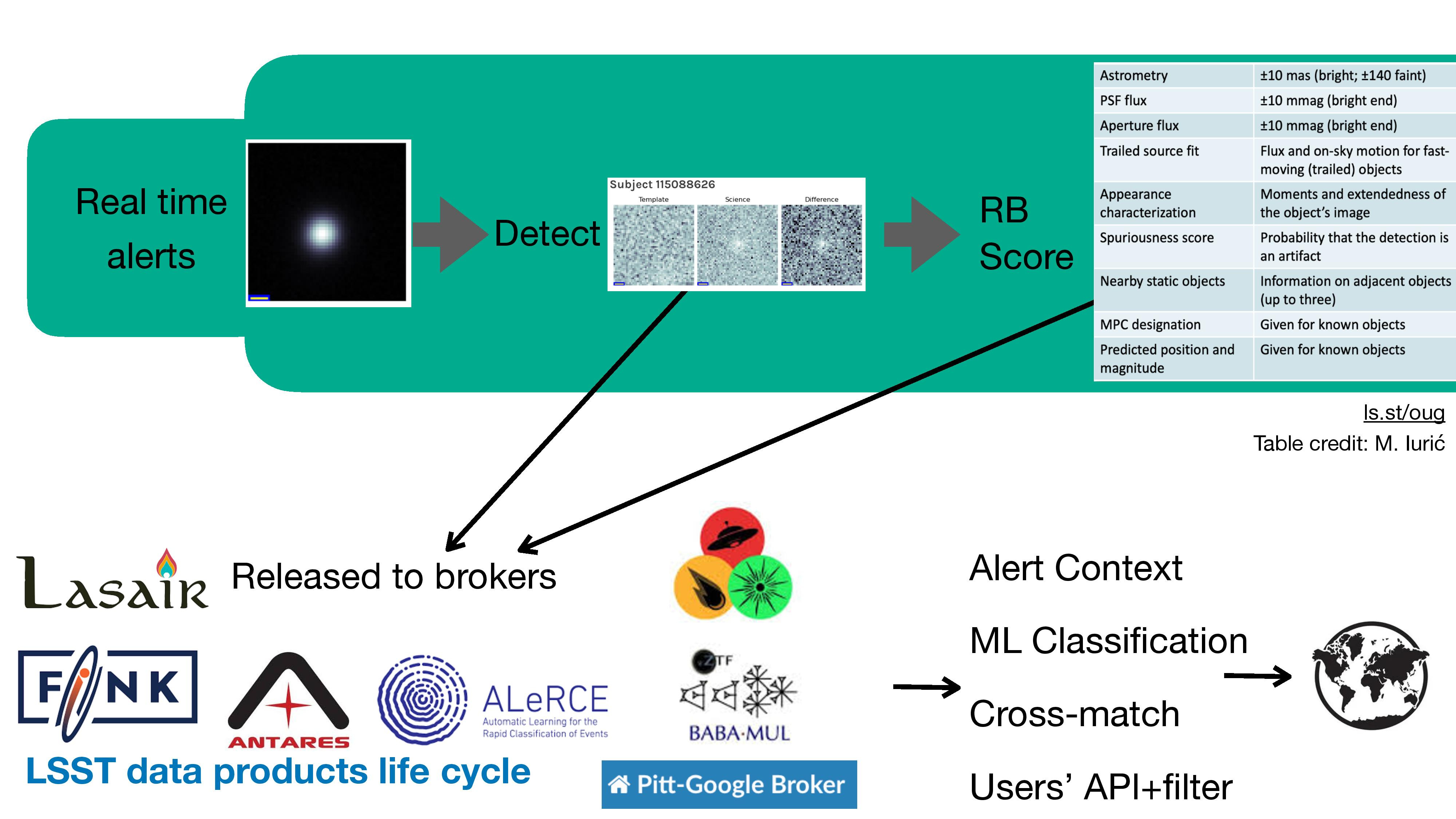
Alerce
Ampel
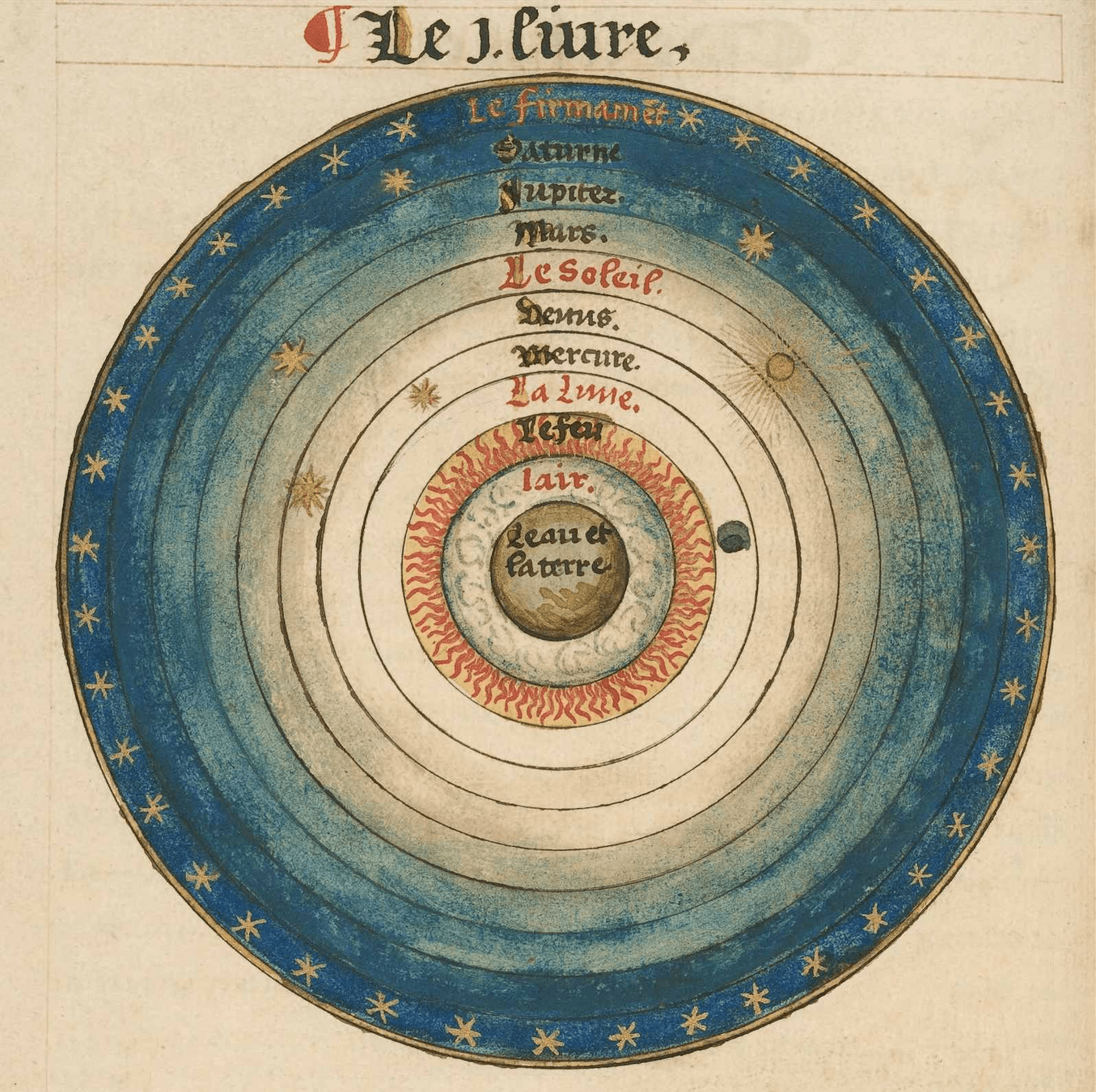
The immutable skies
Bartolomeu Velho, 1568 (Bibliothèque Nationale, Paris)
1549 Oronce Fine, France
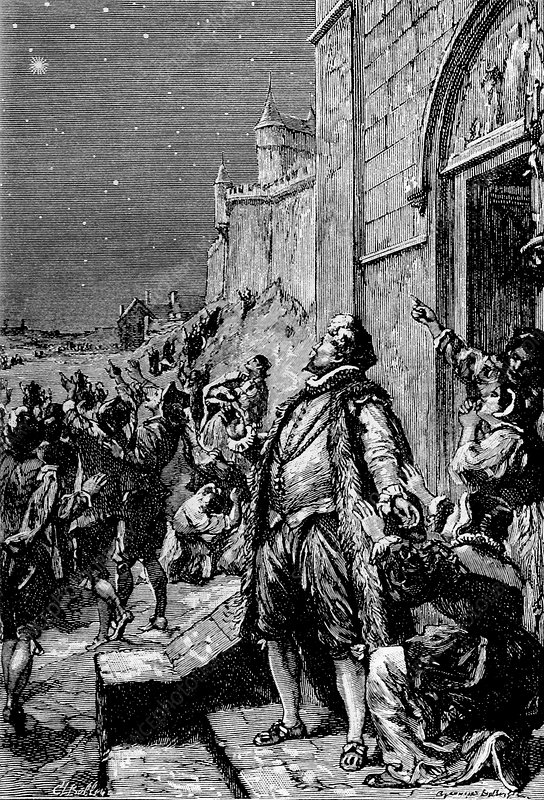
From Flammarion's Astronomie Populaire (1880): in Scania, Denmark
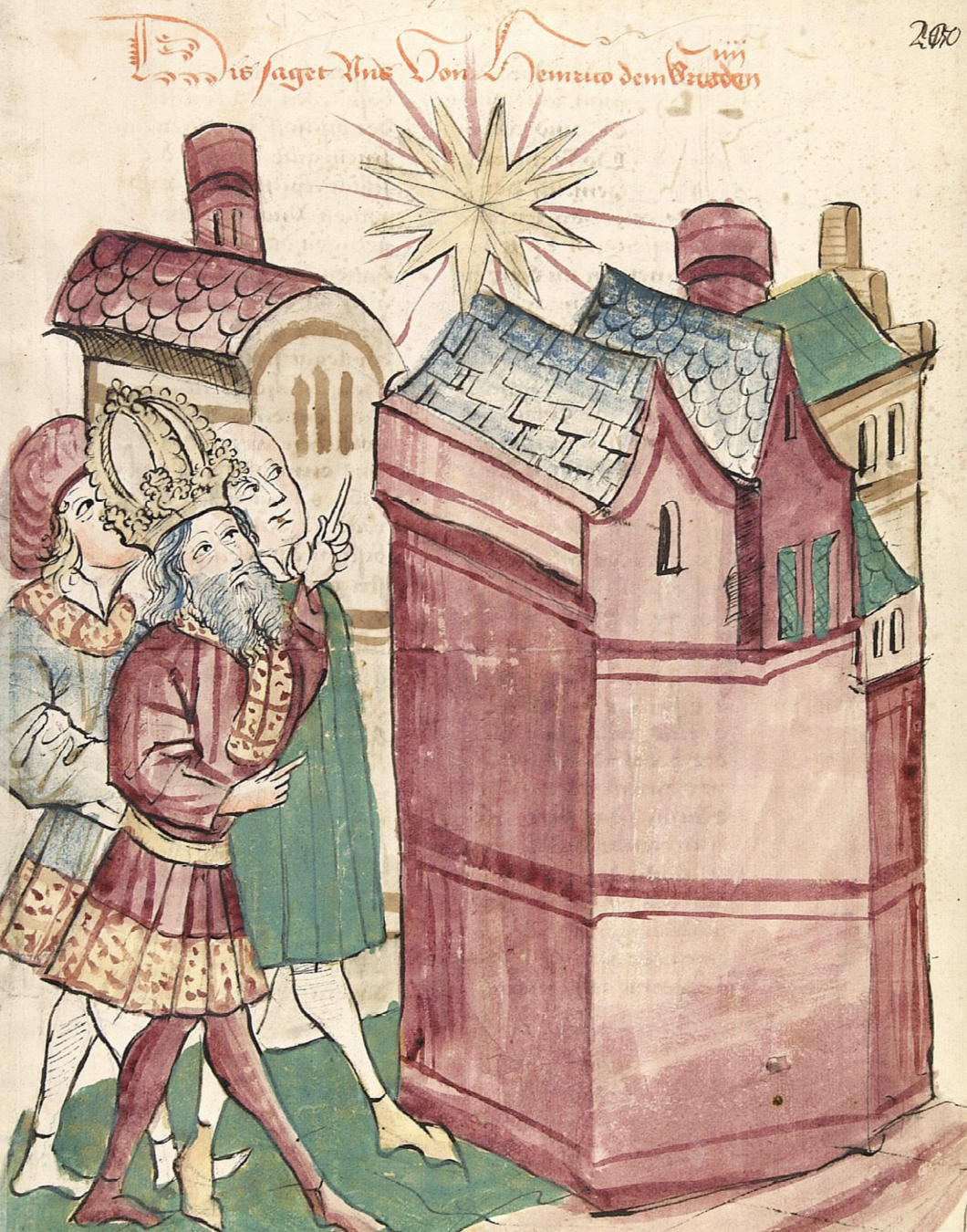
Henry III, Tivoli, SN 1054, unknown artist, ca.1450
10 stars explode in the universe every second
Until the 1900s we would see 1 in a century
Until the 1980s we would see 1 in a decade
Until the 2010s we would see 1 in a month
With the Vera C. Rubin Observatory we will see 1000 every night !
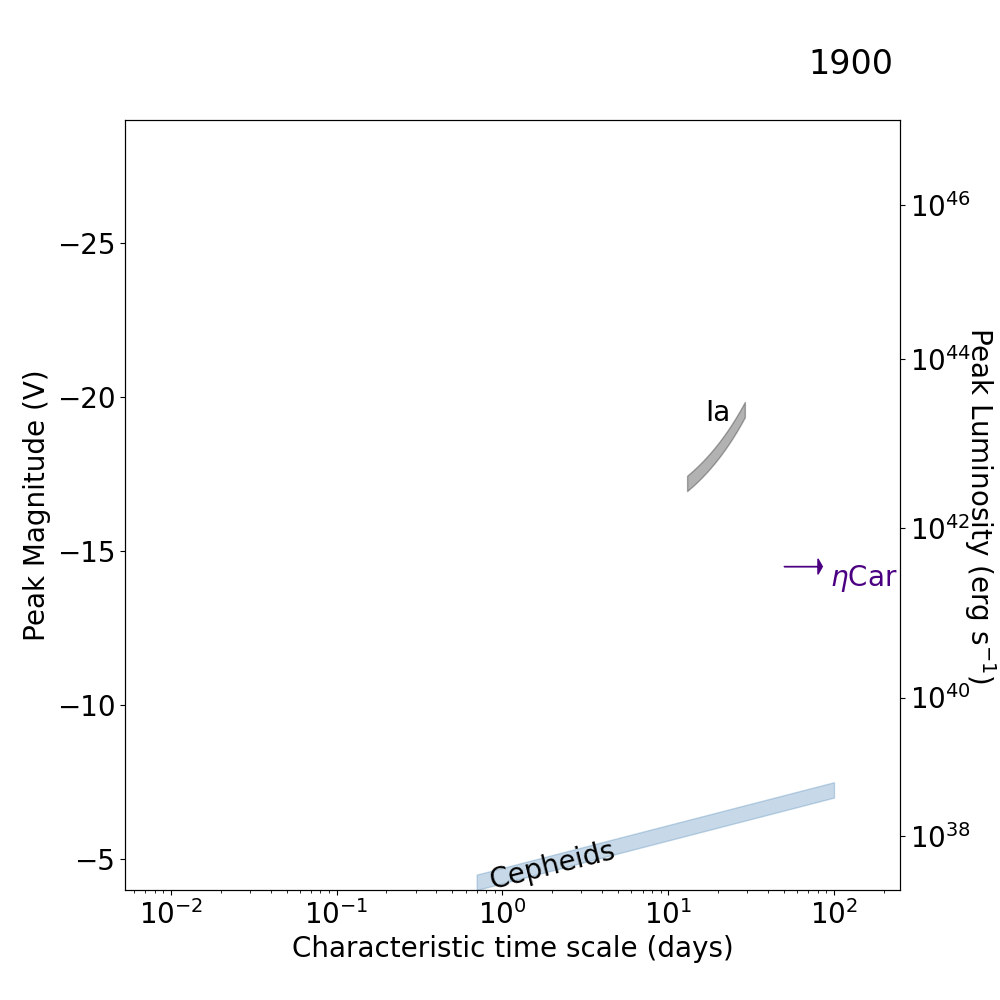
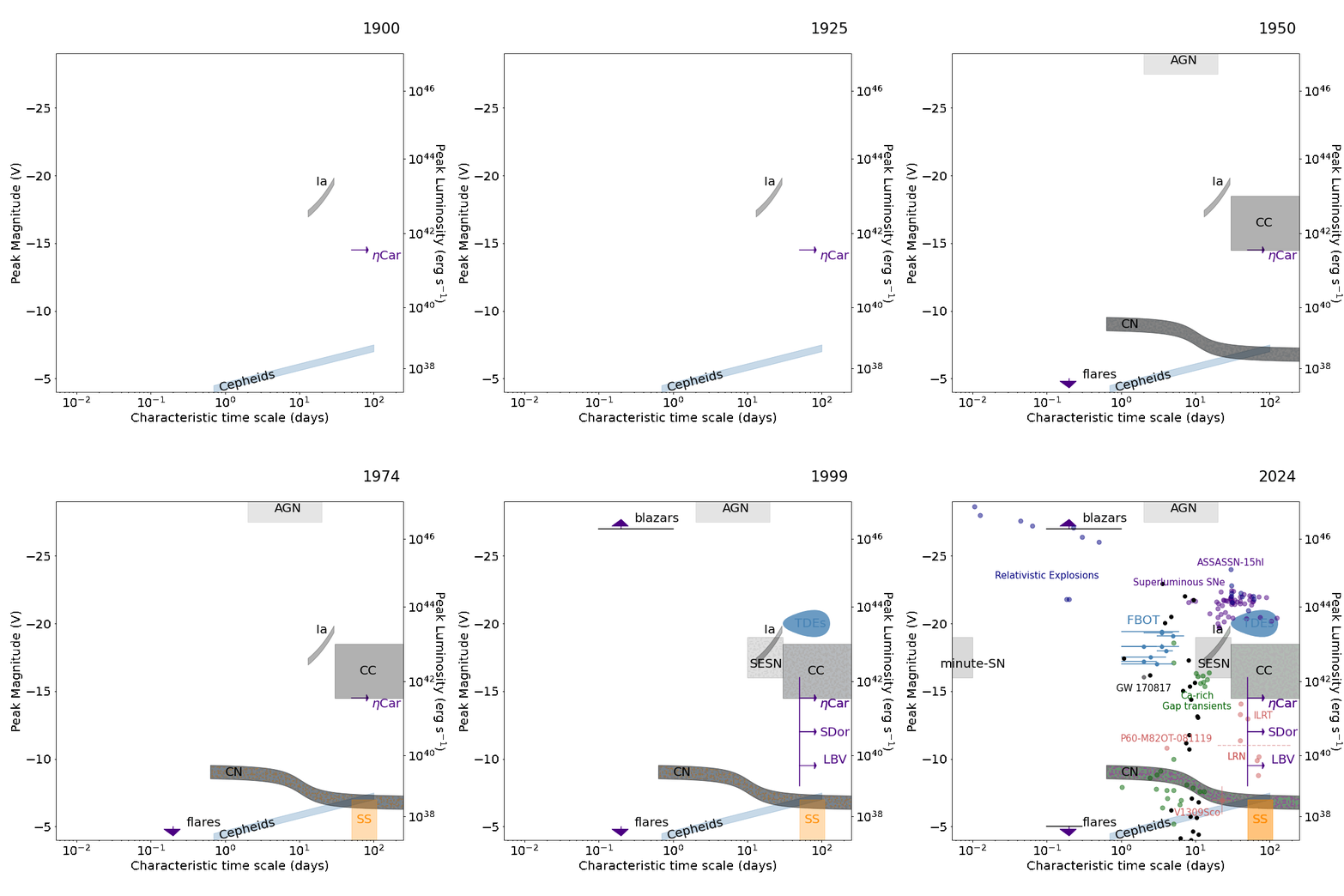
←Dimmer Brighter →
←Dimmer Brighter →
0.01 0.1 1 10 100
stellar sexplosions
stellar eruptions
stellar variability
←Dimmer Brighter →
0.01 0.1 1 10 100
Why do we study stellar explosions?
Why do we study stellar explosions?
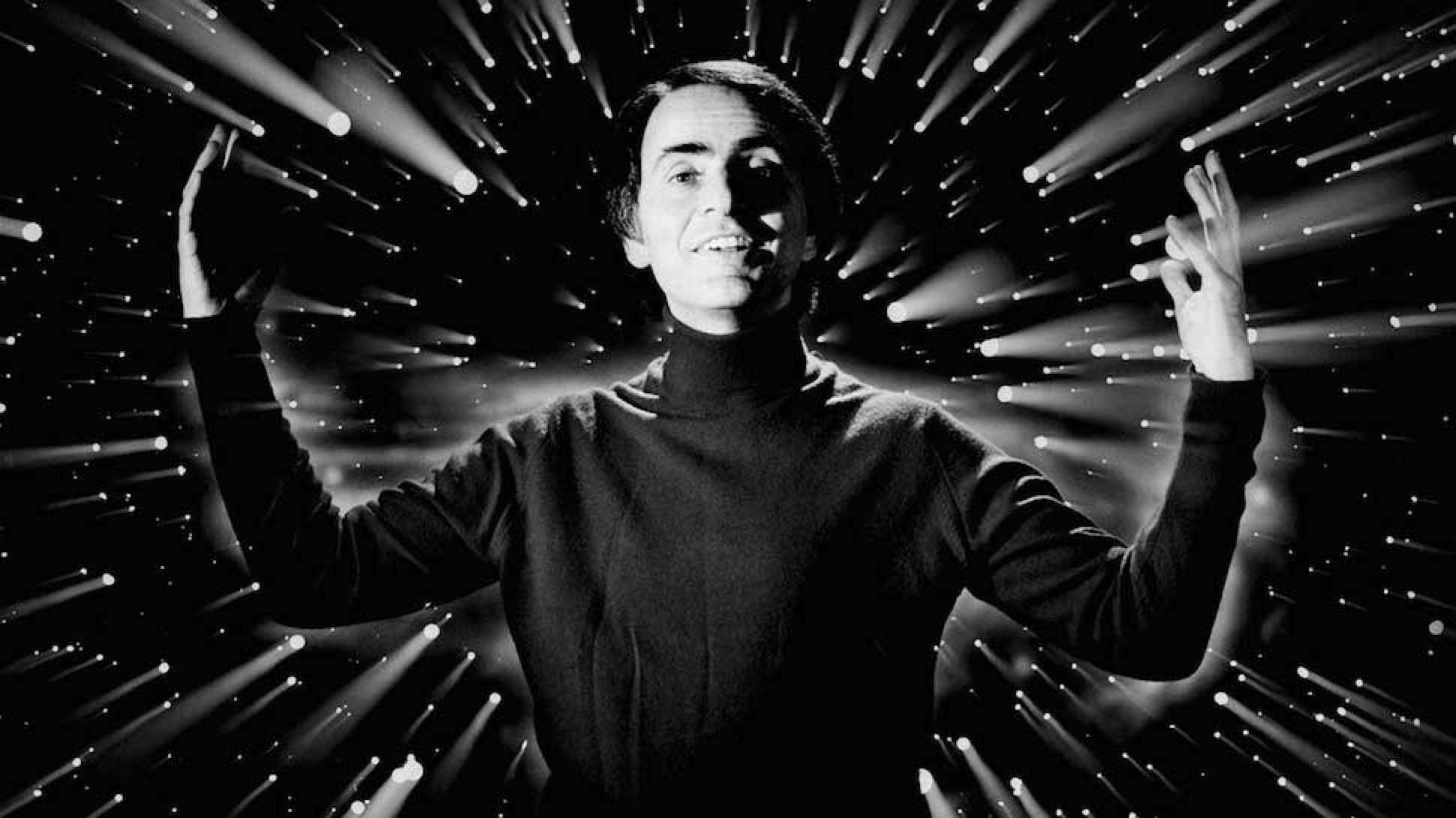
we are made of stars
The nitrogen in our DNA, the calcium in our teeth, the iron in our blood, the carbon in our apple pies were made in the interiors of collapsing stars.
We are made of starstuff.
― Carl Sagan, Cosmos
Farthest: 10.5 billion years ago
3 billion years after the Big Bang
redshift 4
Why do we study stellar explosions?
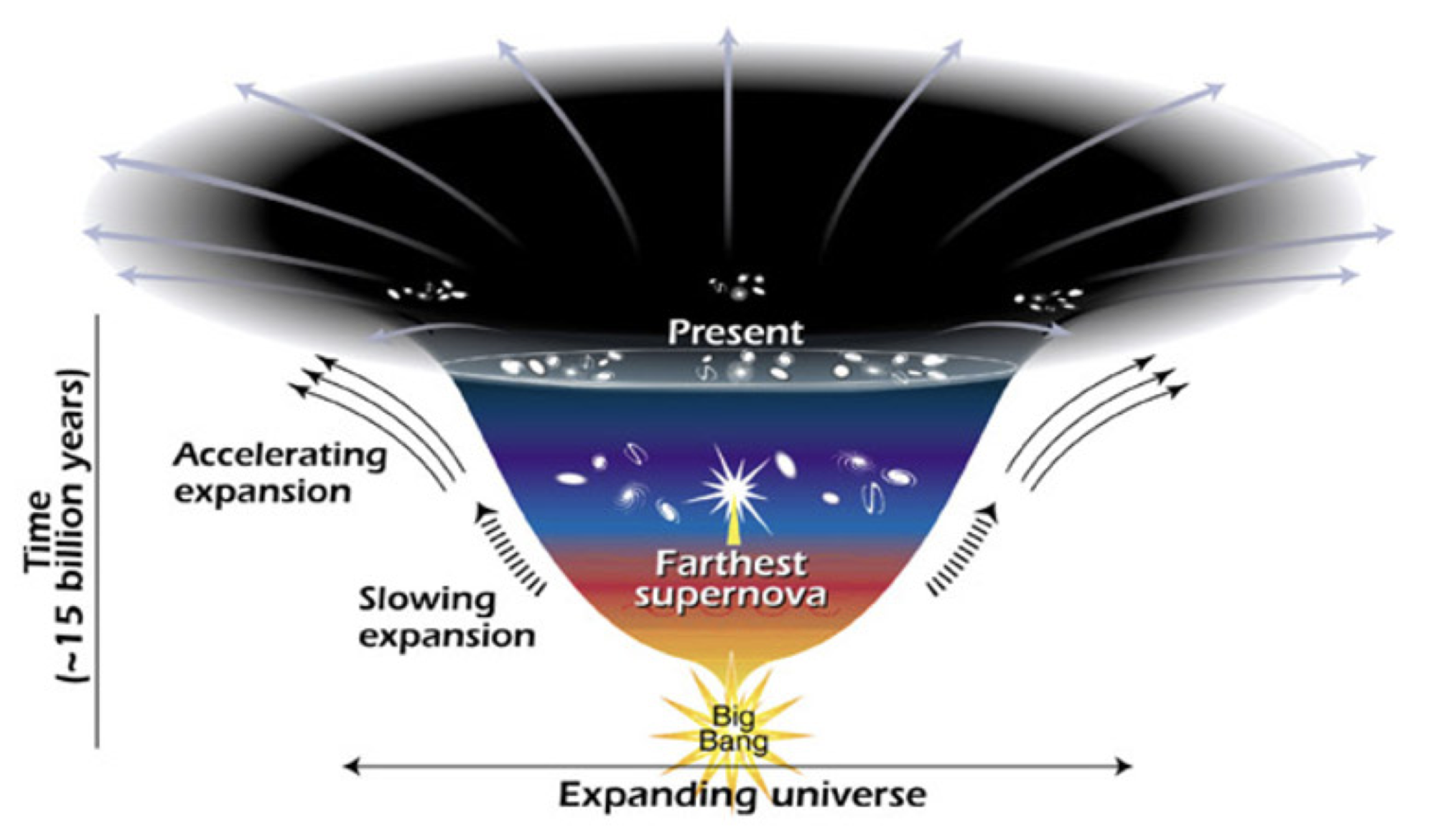
they are the best tool to "measure" the Universe
largest explosion on earth 10,000,000 erg
typical supernova....
Why do we study stellar explosions?
a unique opportunity to study extreme energy events
who'sploded?
7% of LSST data
Boone 2017
7% of LSST data
The rest
visualizatoin and concept credit: Alex Razim
Siddharth Chaini
NASA FINESST Fellow
Siddharth Chaini
NASA FINESST Fellow
Can we study unusual SNe with Rubin data alone?
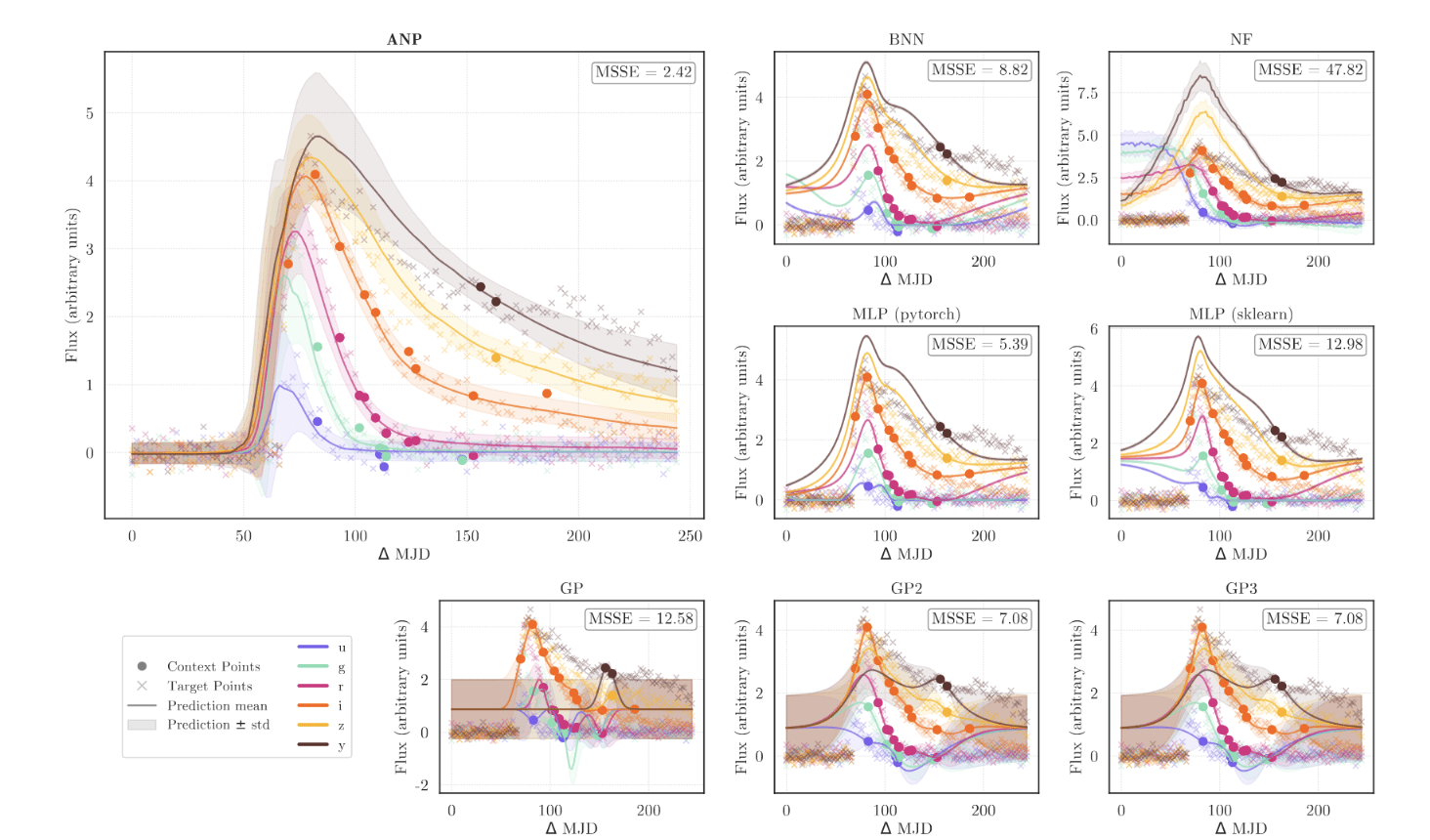
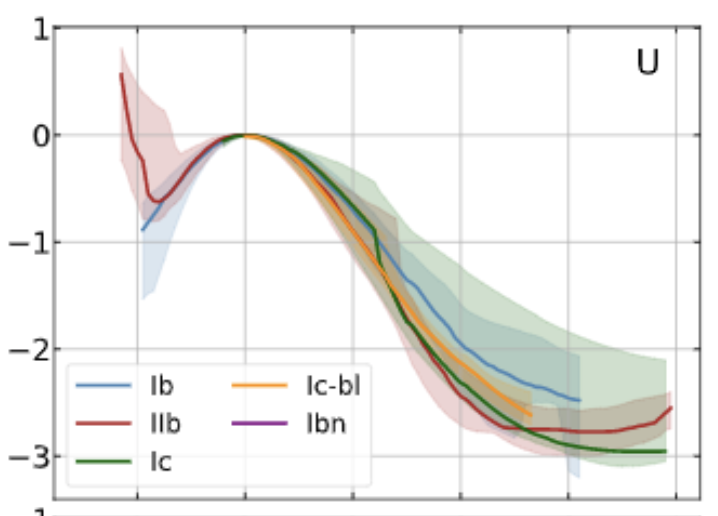
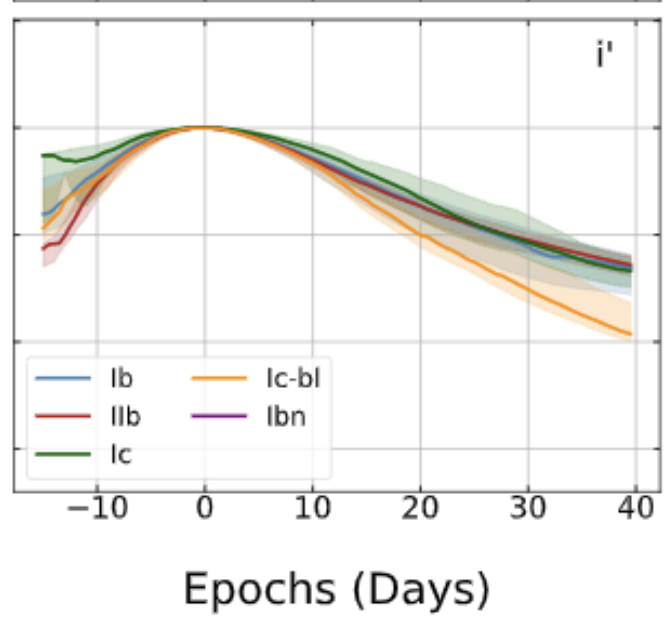
Data Driven Templates for rare classes of supernovae arising from massive stars: can we tell them apart from sparse LSST data lightcurves?
Creating templates from over 1000 photometry of "Stripped Envelope" Supernovae
Dr. Somayeh Khakpash
Khakpash+ 2024
anomaly detection
Challenge
2025
edge computing
Big data?? Ma Certo!
SKA
(2025)
edge computing
17B stars (x10) Ivezic+19
~10 million QSO (x10) Mary Loli+21
~50k Tidal Disruption Events (from ~150) Brickman+ 2020
~10k SuperLuminous Supernovae (from ~200)Villar+ 2018
~400 strongly lensed SN Ia (from 10) Ardense+24
~50 kilonovae (from 2) Setzer+19, Andreoni+19 (+ ToO)
> 10 Interstellar Objects fom 2.... ?)
edge computing
17B stars (x10) Ivezic+19
~10 million QSO (x10) Mary Loli+21
~50k Tidal Disruption Events (from ~150) Brickman+ 2020
~10k SuperLuminous Supernovae (from ~200)
~400 strongly lensed SN Ia (from 10) Ardense+24
~50 kilonovae (from 2) Setzer+19, Andreoni+19 (+ ToO)
> 10 Interstellar Objects fom 2.... ?)
edge computing
17B stars (x10) Ivezic+19
~10 million QSO (x10) Mary Loli+21
~50k Tidal Disruption Events (from ~150) Brickman+ 2020
~10k SuperLuminous Supernovae (from ~200)
~400 strongly lensed SN Ia (from 10) Ardense+24
~50 kilonovae (from 2) Setzer+19, Andreoni+19 (+ ToO)
> 10 Interstellar Objects fom 2.... ?)
17B stars (x10) Ivezic+19
~10 million QSO (x10) Mary Loli+21
~50k Tidal Disruption Events (from ~150) Brickman+ 2020
~10k SuperLuminous Supernovae (from ~200) Villar+ 2018
~400 strongly lensed SN Ia (from 10) Ardense+24
~50 kilonovae (from 2) Setzer+19, Andreoni+19 (+ ToO)
> 10 Interstellar Objects fom 2.... ?)
17B stars (x10) Ivezic+19
~10 million QSO (x10) Mary Loli+21
~50k Tidal Disruption Events (from ~150) Brickman+ 2020
~10k SuperLuminous Supernovae (from ~200) Villar+ 2018
~400 strongly lensed SN Ia (from 10) Ardense+24
~50 kilonovae (from 2) Setzer+19, Andreoni+19 (+ ToO)
> 10 Interstellar Objects fom 2.... ?)
17B stars (x10) Ivezic+19
~10 million QSO (x10) Mary Loli+21
~50k Tidal Disruption Events (from ~150) Brickman+ 2020
~10k SuperLuminous Supernovae (from ~200) Villar+ 2018
~400 strongly lensed SN Ia (from 10) Ardense+24
~50 kilonovae (from 2) Setzer+19, Andreoni+19 (+ ToO)
> 10 Interstellar Objects fom 2.... ?)
SKA
(2025)
17B stars (x10) Ivezic+19
~10 million QSO (x10) Mary Loli+21
~50k Tidal Disruption Events (from ~150) Brickman+ 2020
~10k SuperLuminous Supernovae (from ~200) Villar+ 2018
~400 strongly lensed SN Ia (from 10) Ardense+24
~50 kilonovae (from 2) Setzer+19, Andreoni+19 (+ ToO)
> 10 Interstellar Objects fom 2.... ?)
True Novelties!
"BUT BIG DATA DOES NOT MEAN BIG SCIENCE"
Yang Huang,
University of Chinese Academy of Sciences
SpecCLIP talk @UNIVERSAI
IAU workshop Greece June 2025
Scopriremo fisica nuova?
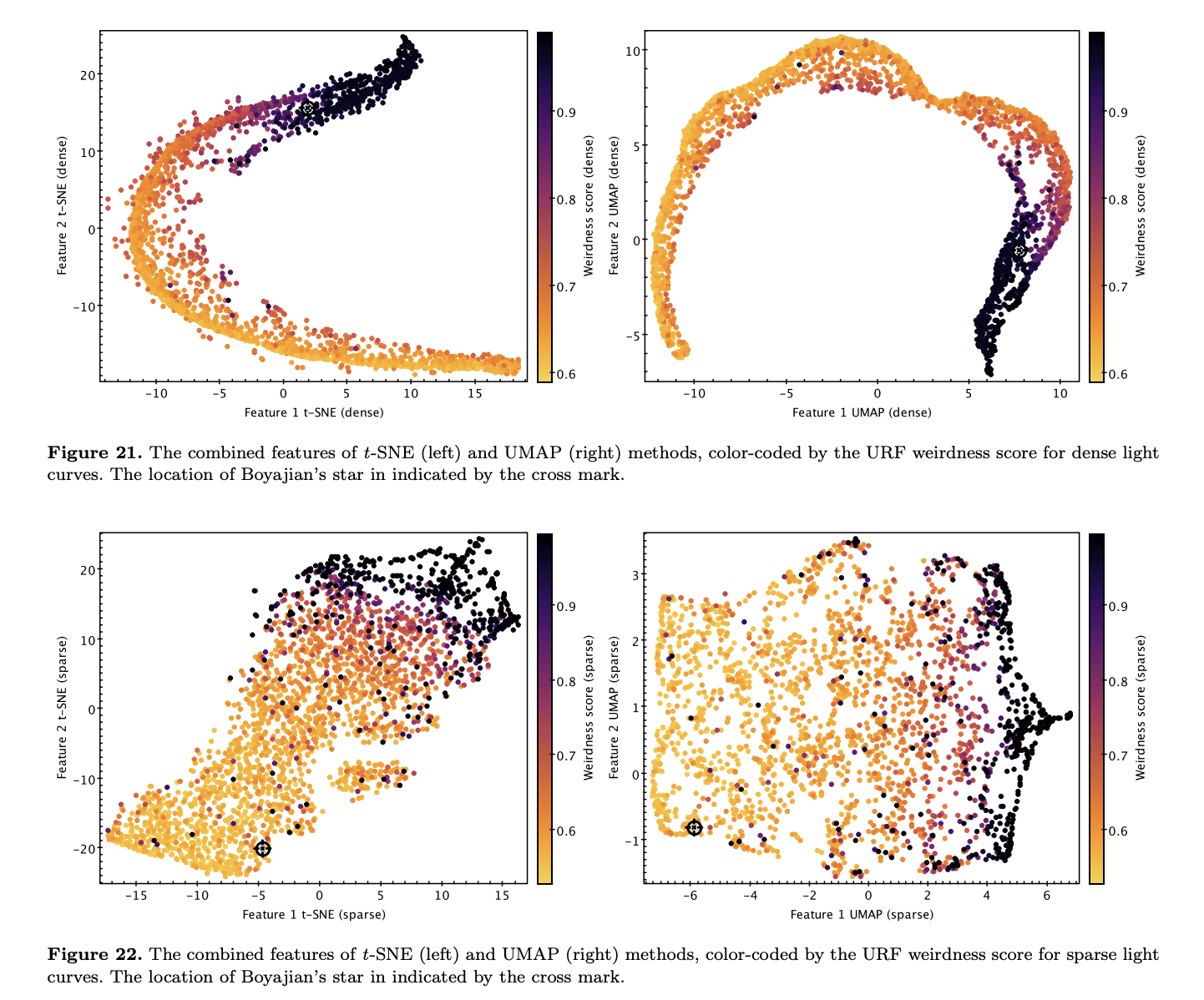
Come possiamo rappresentare e visualizzare i nostri dati per isolare phenomeni nuovi?
Evenly sampled Kepler time series
Sparse, unevenly sampled Kepler time series
2D T-SNE projection of feature space
Weirdness score
Boyajian’s star
NASA - Hubble Legacy Field Zoom-Out
https://baptistnews.com/article/we-do-not-know-all-the-names/
Trainare in modello AI come ResNet-50 su una generica GPU (e.g., NVIDIA V100) su una collezione di dati come ImageNet (1.2M immagini) ha un'emissione di ~100-150 kg CO₂ equivalente a un breve volo passeggeri.
Ma quanti ne treiniamo prima della versione finale?
Creiamo communita scientifiche fondate sui principi di empatia, compassione, e giustizia
Le LSST Science Collaborations sono fondate su questi principi
https://lsstdiscoveryalliance.org/lsst-science-collaborations/
Il futuro siamo noi
Mentre le utopie vivono nei sogni e le distopie vivono negli incubi, le us-topie sono quello che creiamo noi, da svegli
US-TOPIA
thank you!
University of Delaware
Department of Physics and Astronomy
Biden School of Public Policy and Administration
Data Science Institute
federica bianco
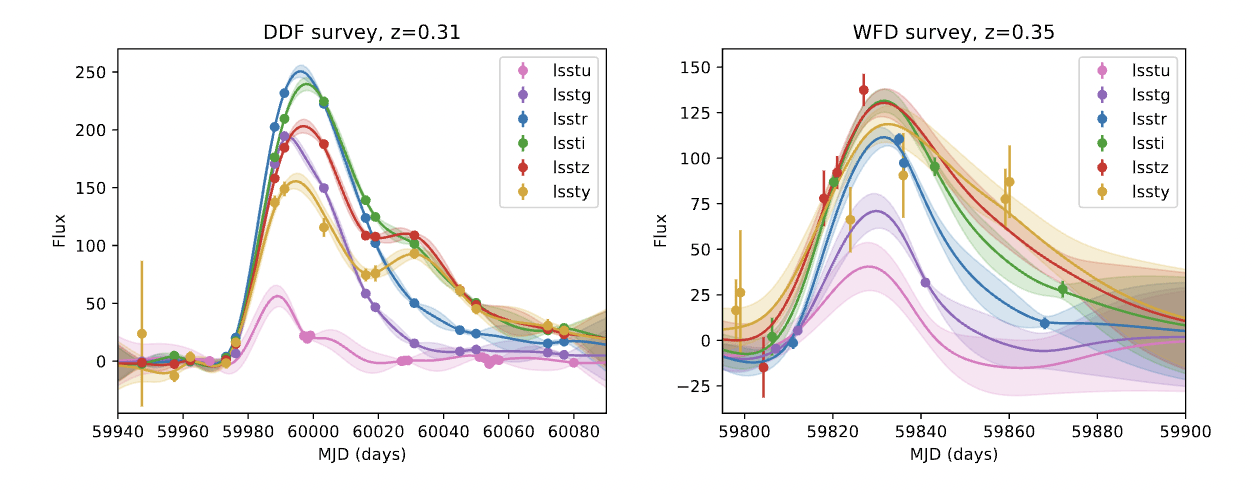
7 bands
sparse data
Award #2308016
Award #2123264
Rubin Rhapsodies:
a project to give access to LSST data through sound
7 bands
sparse data
Award #2308016
Award #2123264
Rubin Rhapsodies:
a project to give access to LSST data through sound
7 bands
sparse data
Award #2308016
Award #2123264
Rubin Rhapsodies:
a project to give access to LSST data through sound
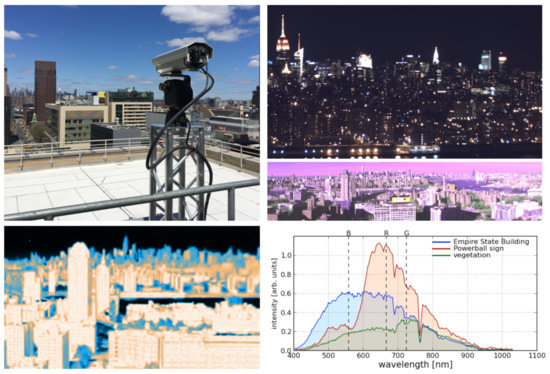
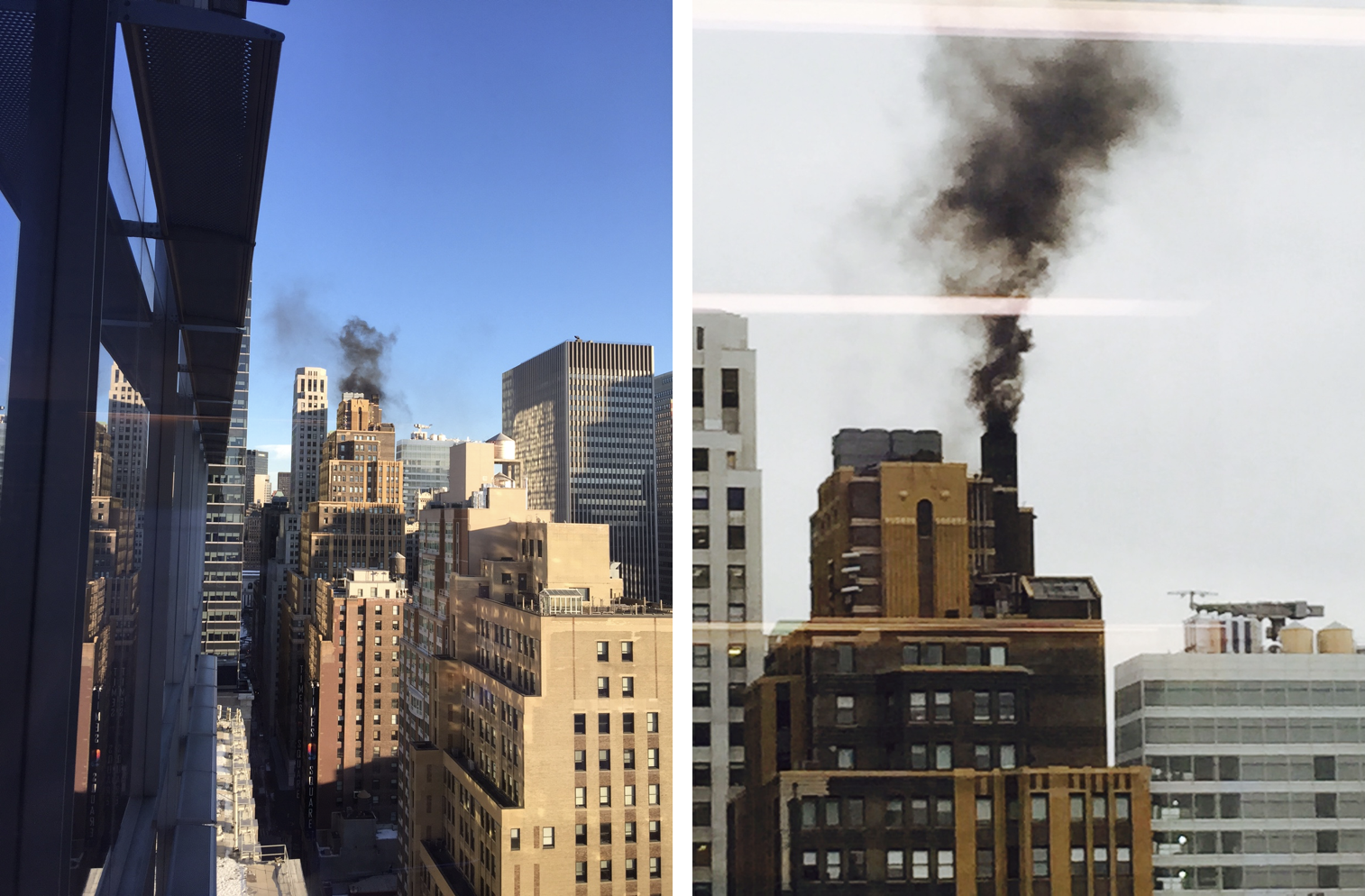
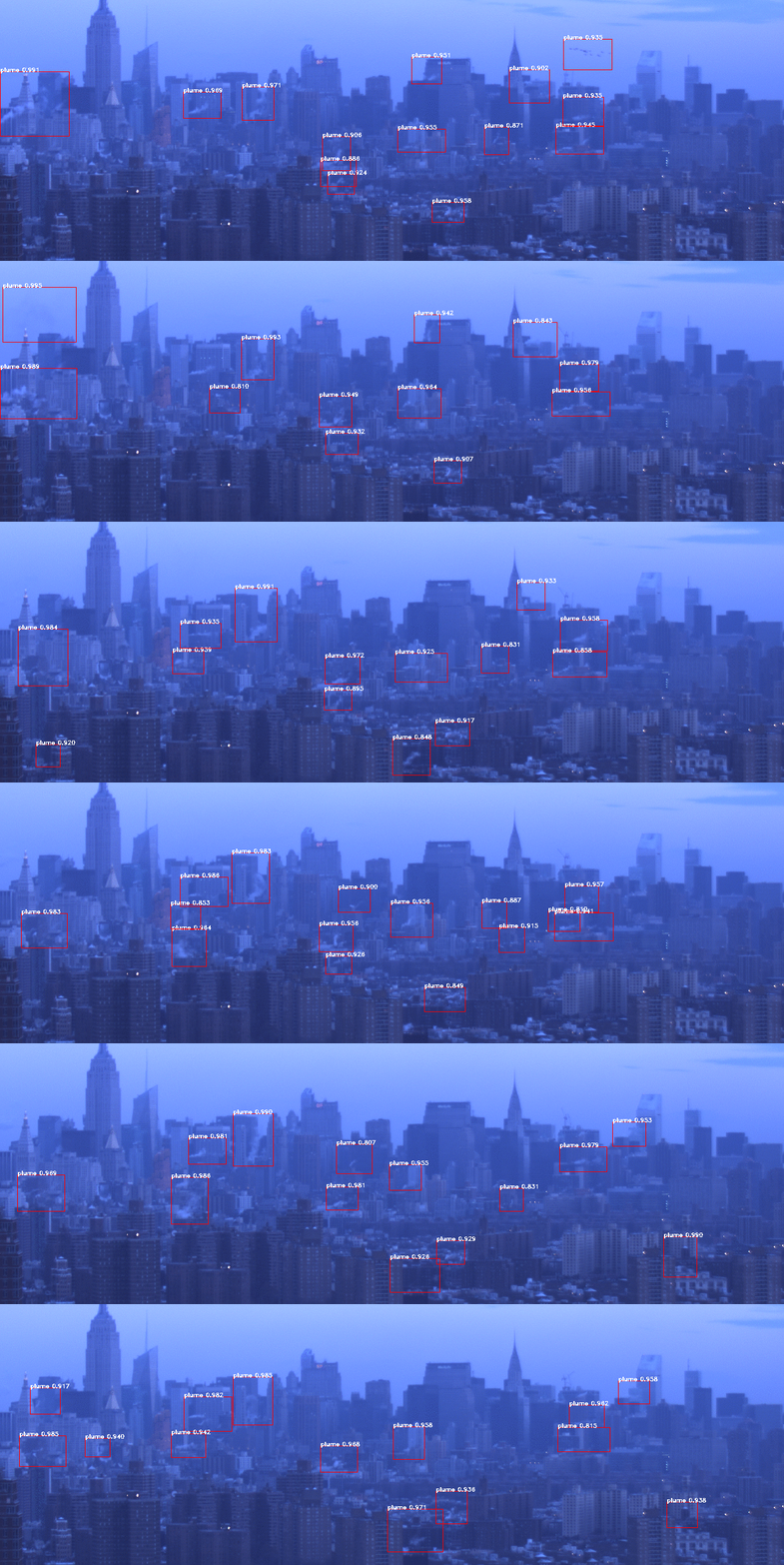
Multi-city Urban Observatory Network
Studying cities as complex systems through imaging data
Multi-city Urban Observatory Network
Studying cities as complex systems through imaging data
Multi-city Urban Observatory Network
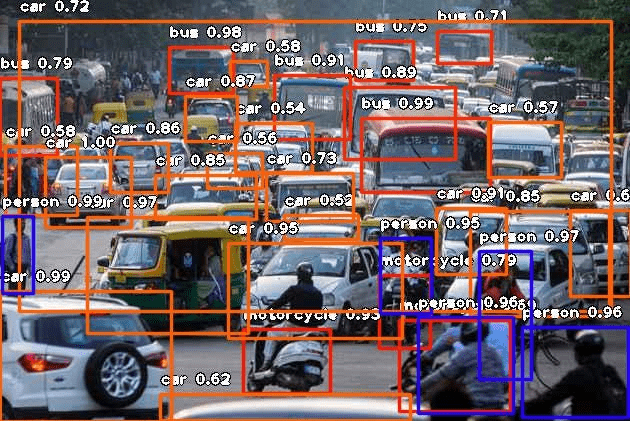
Testing the performance of MetaAI SAM on astronomical objects
Instead of building our own specialized AI, can we adapt the models that the industry produces?
That would save a lot of computational resources and computational resources have an environmental footprint!
Award #2123264
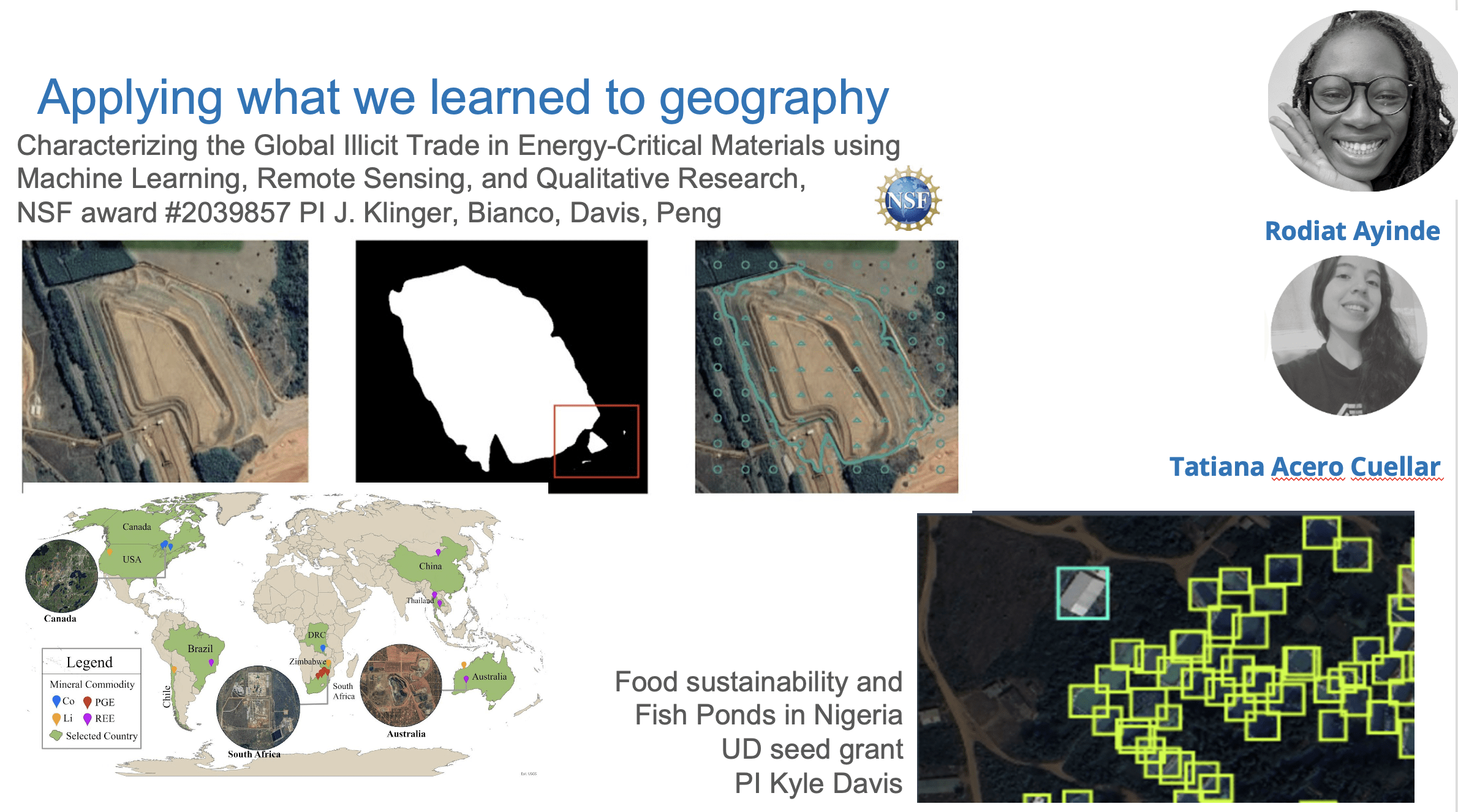
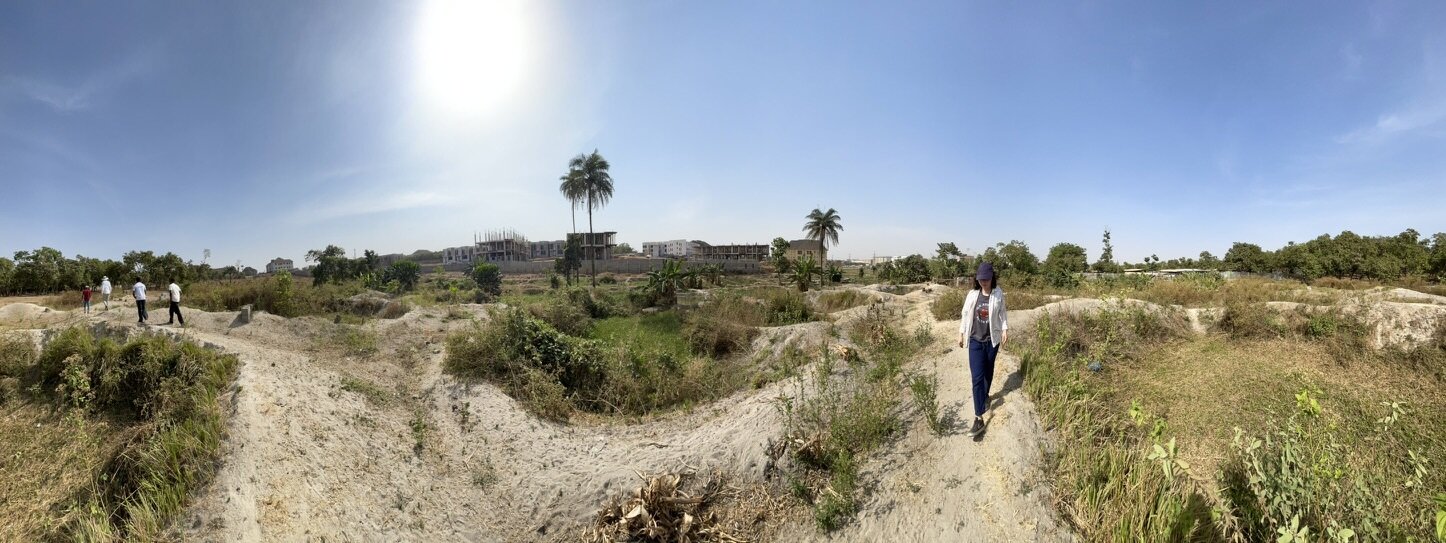
Rodiat Ayinde and Tatiana Acero Cuellar are applying the computer vision models they developed for astronomy to geography
Tatiana Acero Cuellar
What's even harder to study than stellar explosions?
Shar Daniels is a NSF Graduate Research Fellow.
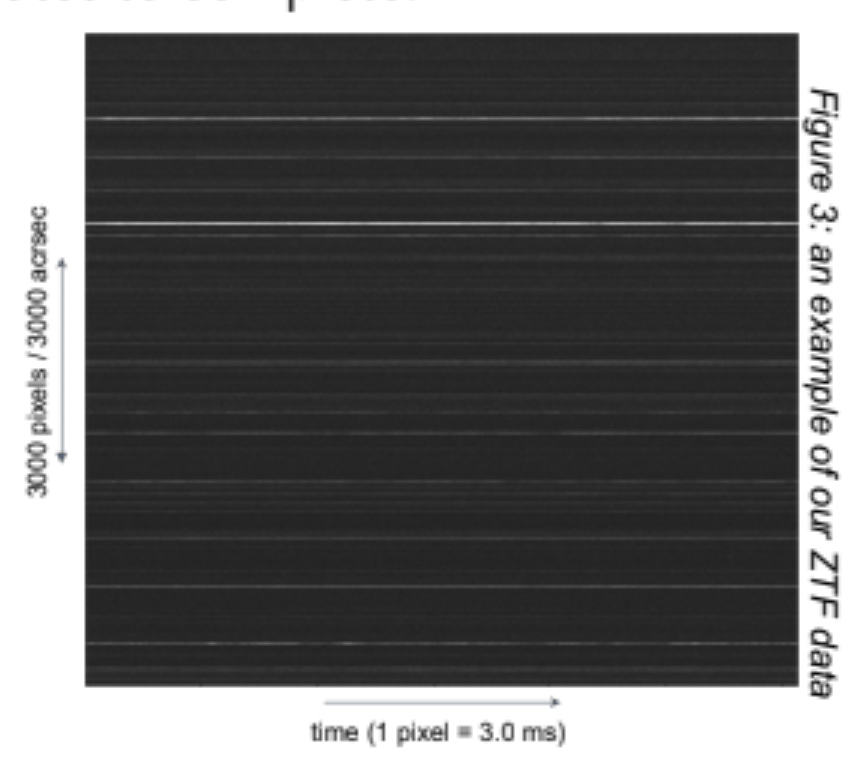
They use telescopes and cameras in innovative ways to show the stars in their time evolution at milliseconds rate
and uses cutting edge AI (transformers) to discover new physical phenomena
NSF Graduate Research
Fellowship Program
time: 1 pixel = 3.0 milliseconds
space: 1 pixel = 1 arcsecond
What's even harder to study than stellar explosions?
Any phenomenon that changes rapidly, in less than hours, is a technological challenge in astronomy
What's even harder to study than stellar explosions?
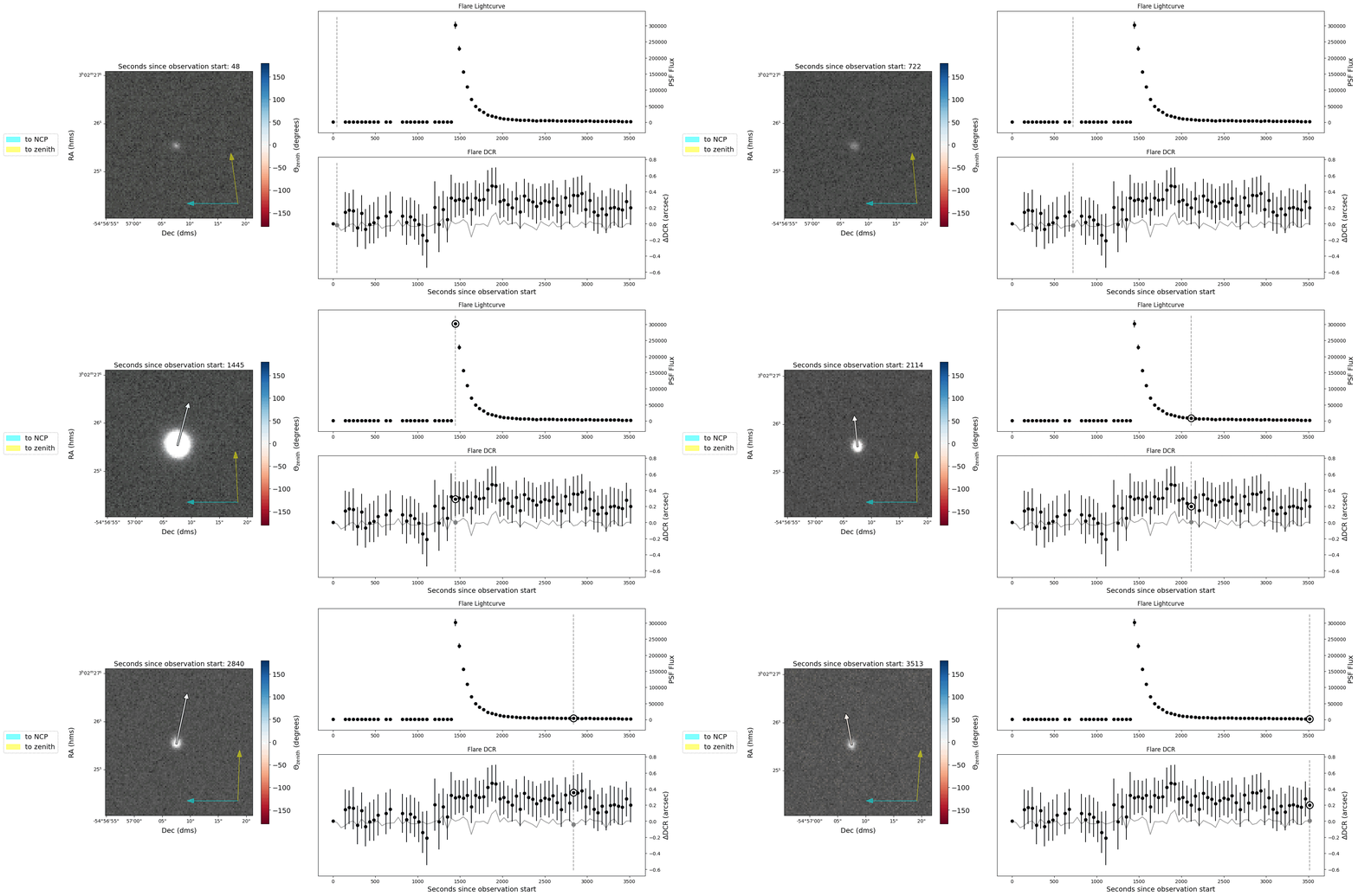
Stellar flares are short lived (~minutes) brightening events caused by magnetic reconnections in stars' atmospheres. Stellar flare impact planetary habitability. Fast and unpredictable, they are hard to study and their physical properties, like temperature, are poorly constrained.
Award #2308016
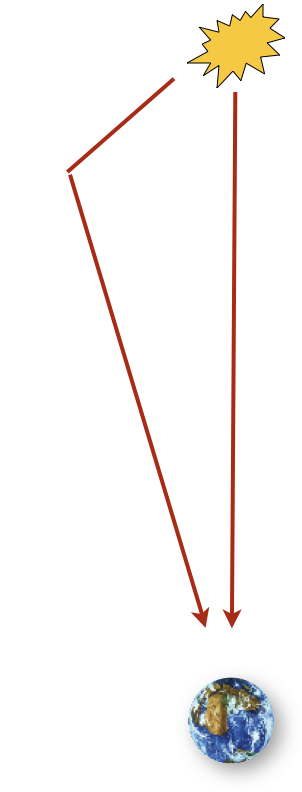
Light Echoes
Light Echoes
supernova, star eruption, stellar merger
interstellar dust
←this is where you are
Light Echoes
Light Echoes
supernova, star eruption, stellar merger, stellar variability
interstellar dust
←this is where you are
Light Echoes
interstellar dust
←this is where you are
supernova, star eruption, stellar merger, stellar variability
Light Echoes
Light Echoes
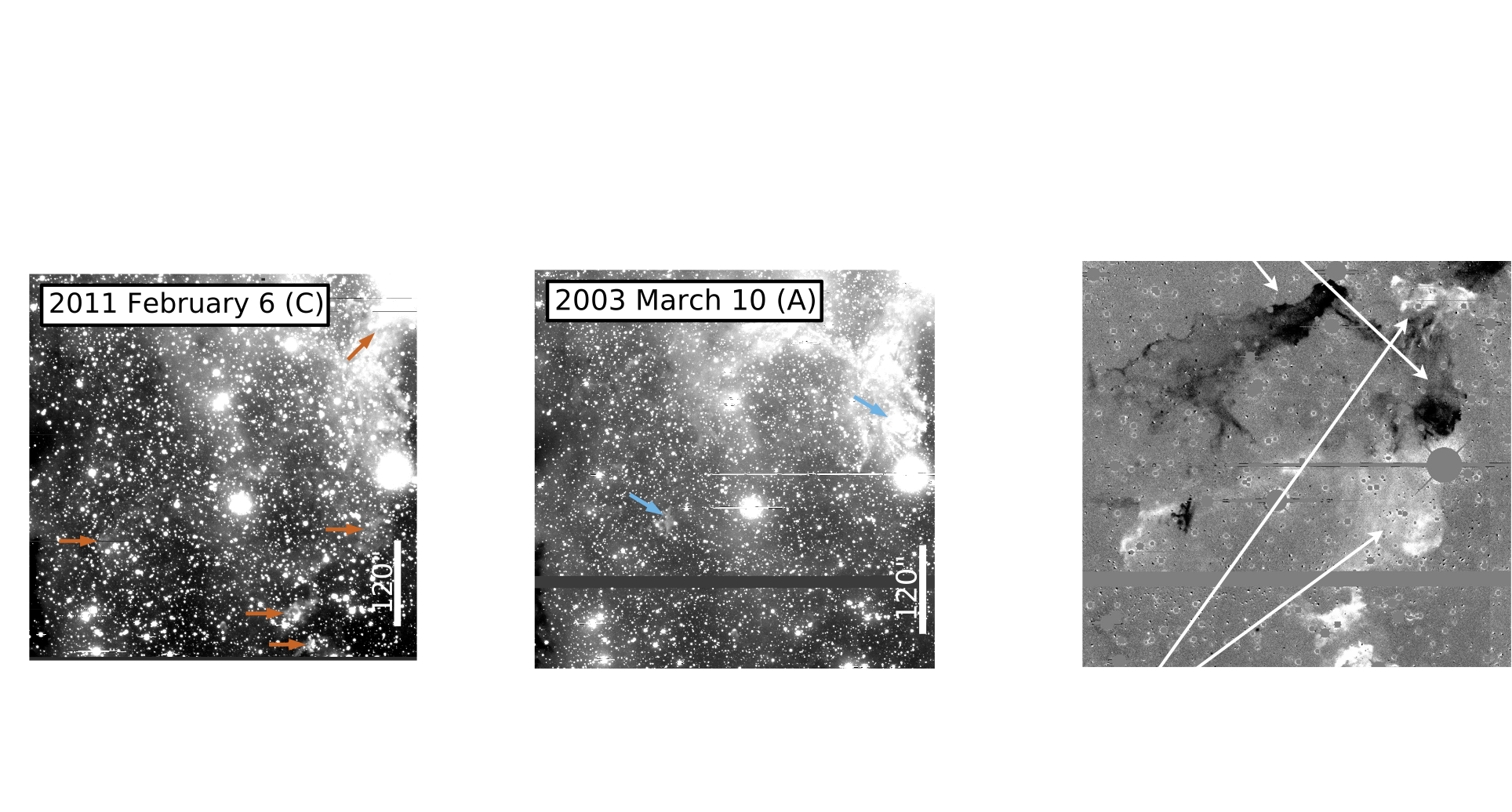
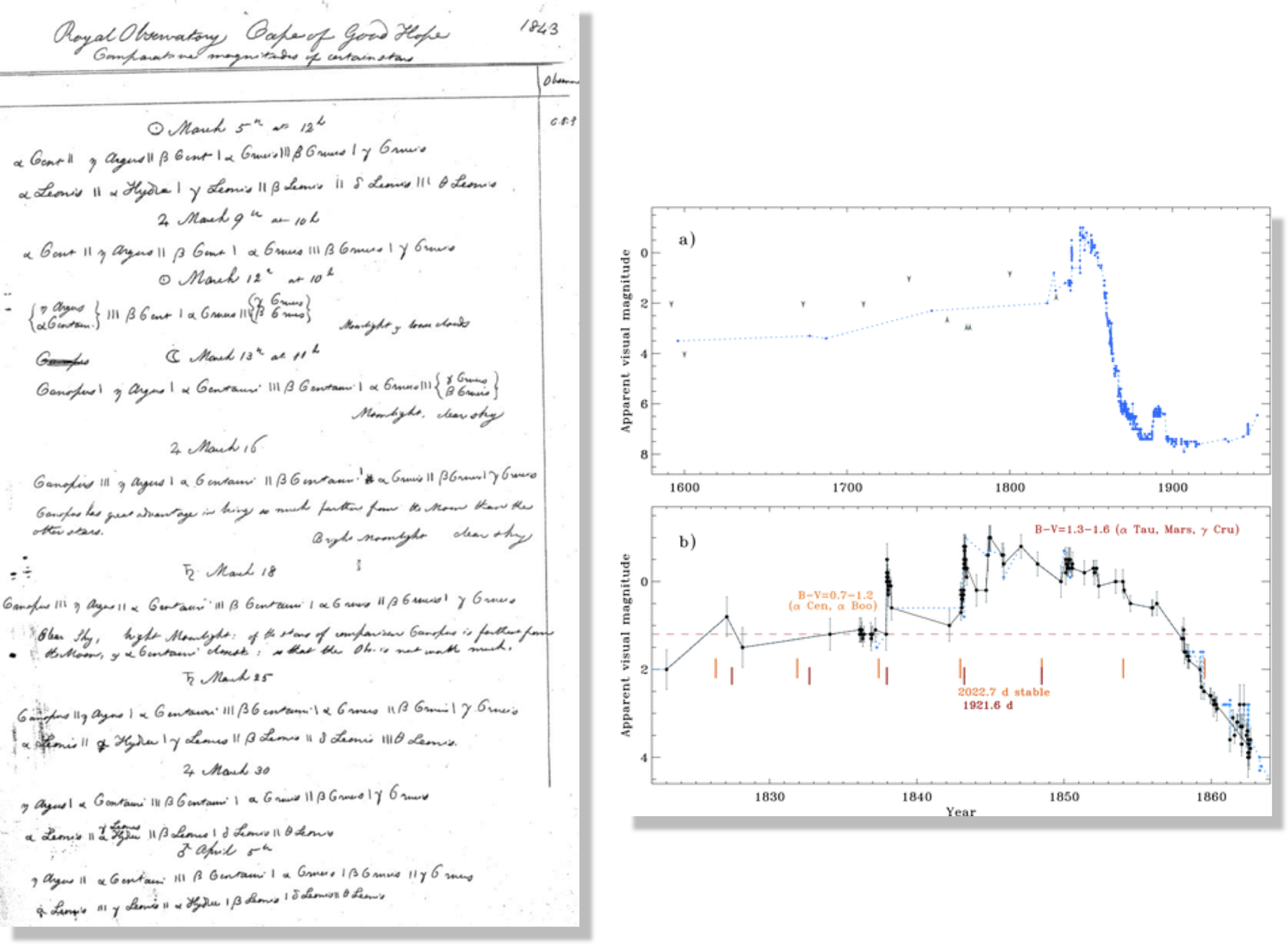
η-Carinae light echoes
Rest et al. (w Bianco) 2012Natur.482..375R
Light Echoes
η-Carinae light echoes
Frew 2004, Smith & Frew 2011
Light Echoes
η-Carinae light echoes
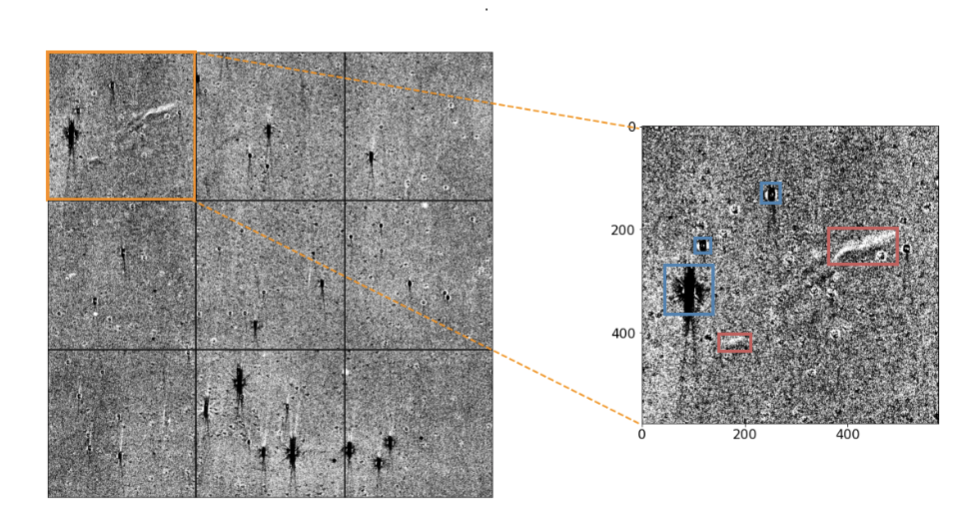
Light echoes are like a time machine:
but they are so hard to find!
Xiaolong Li LSST Catalyst Fellow.
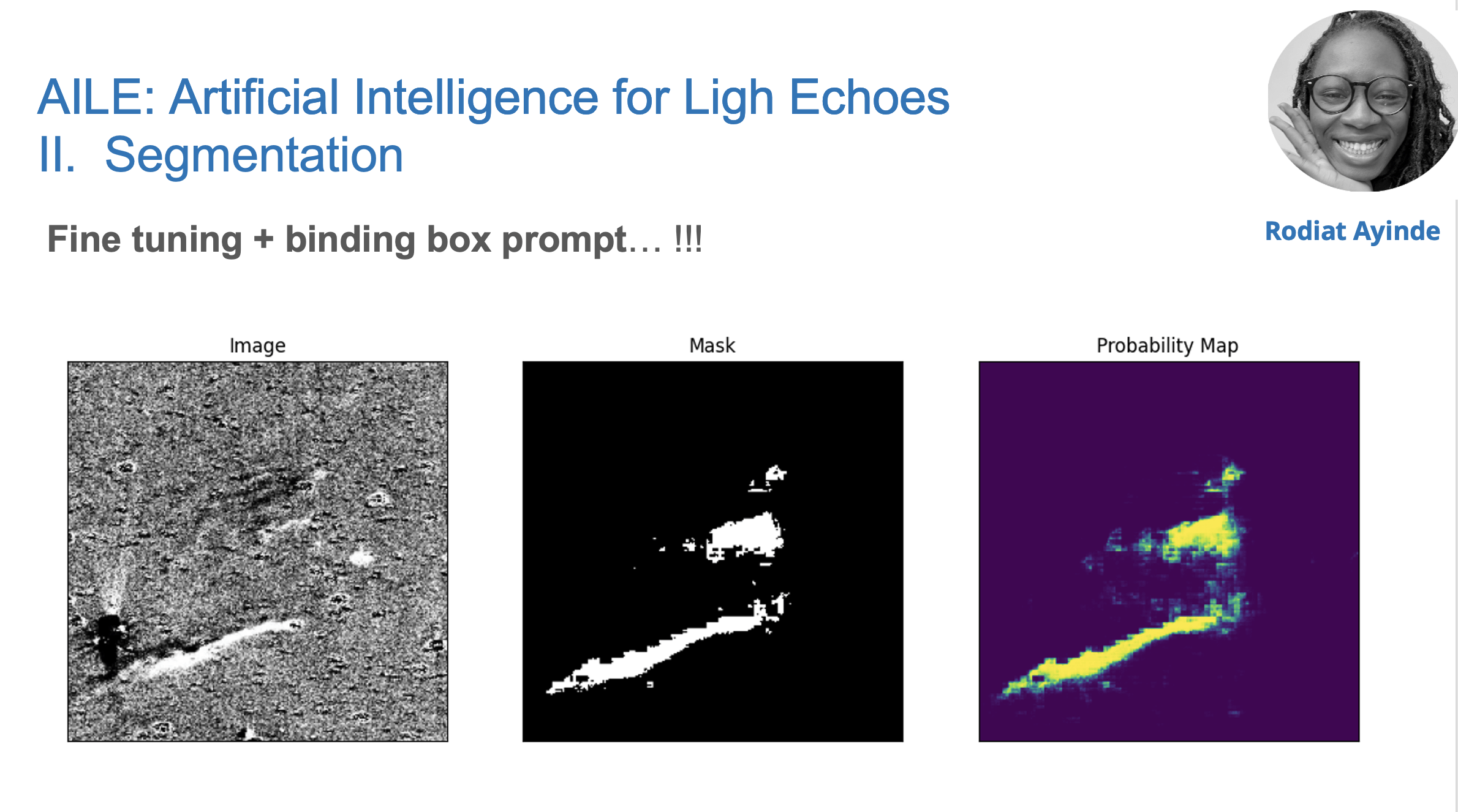
AILE: the first AI-based platform for the detection and study of Light Echoes
Award #2108841
Li et al. 2019
AILE: the first AI-based platform for the detection and study of Light Echoes
Tatiana Acero Cuellar is a UNIDEL fellow:
she is Building simulated light echo images to help train AI models
If light echoes are too rare to build large training set to train AI, can we generate realistic light echo images with simulations?
Award #2108841
By federica bianco
Il cielon in 4D - la Legacy Survey of Space and Time sta per cominciare all'Osservatorio Vera C. Rubin