Deep Convolutional Autoencoders for Image Reconstruction from Incomplete Fourier Amplitude Measurements
Giovanni Pellegrini and Jacopo Bertolotti


https://slides.com/giovannipellegrini/icton2024
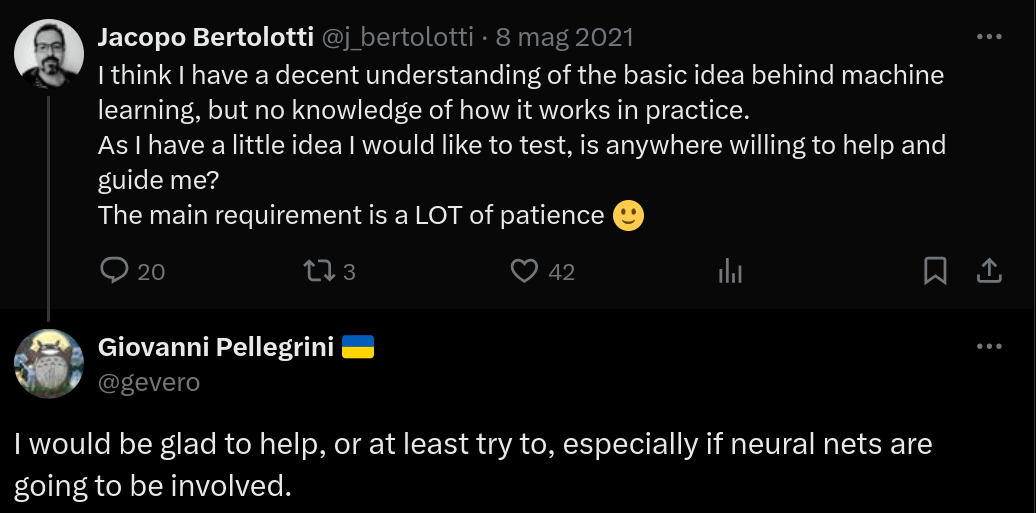
HOW THIS COLLABORATION WAS BORN
THE PROBLEM
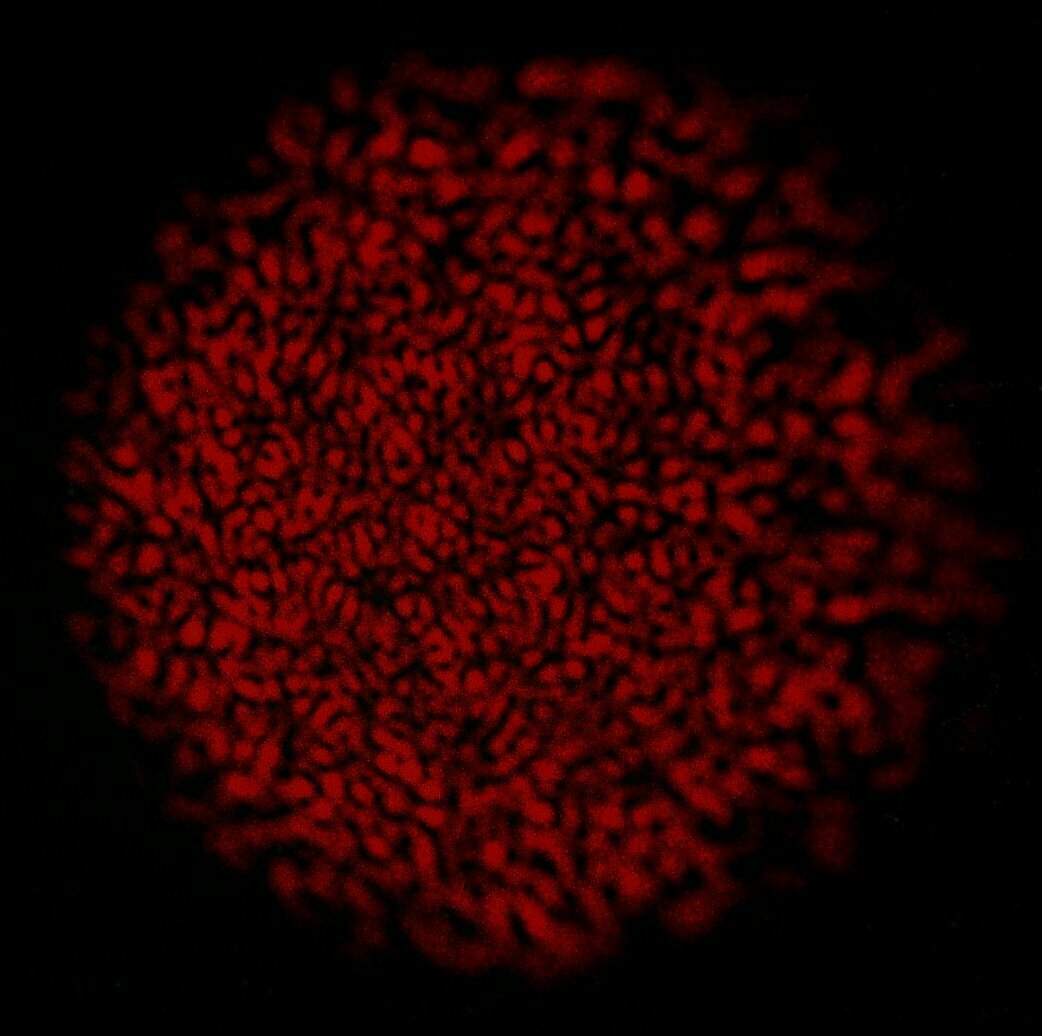
Scattering
Autocorr
Autocorr
Inversion
Inversion
THE IDEA: NEURAL NETWORK VS ITERATIVE METHODS
ALSO: We want to erode the correlation information!!!
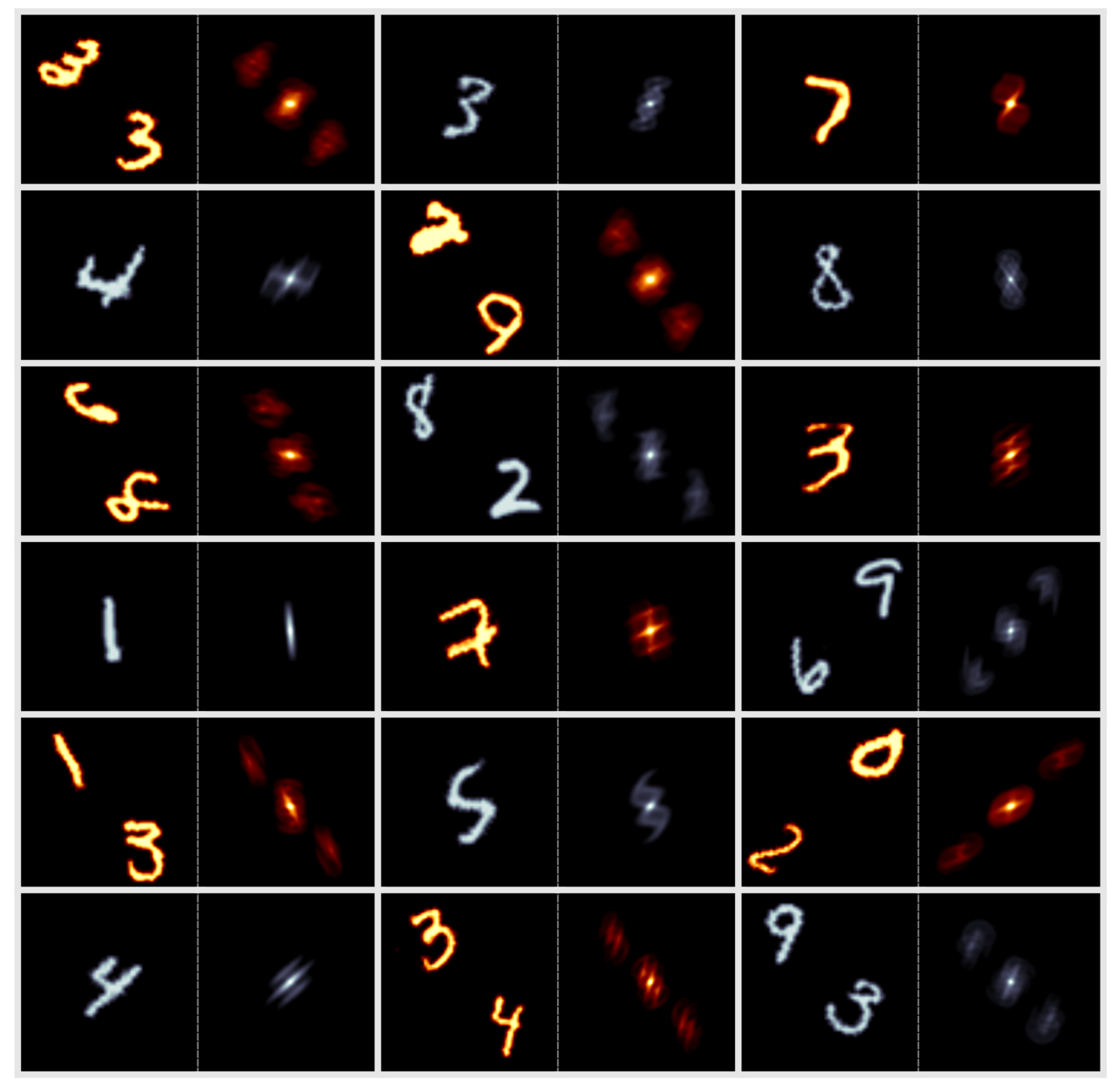
THE FUNDAMENTALS: DEFINING THE DATASET
-
We devise a synthetic dataset based on the MNIST handwritten digits as a benchmark for the reconstruction performance
A PRELIMINARY CHECK: DO ITERATIONS WORK?
-
Current phase retrieval techniques adopt iterative approaches to recover phase information from the modulus of the Fourier transform
-
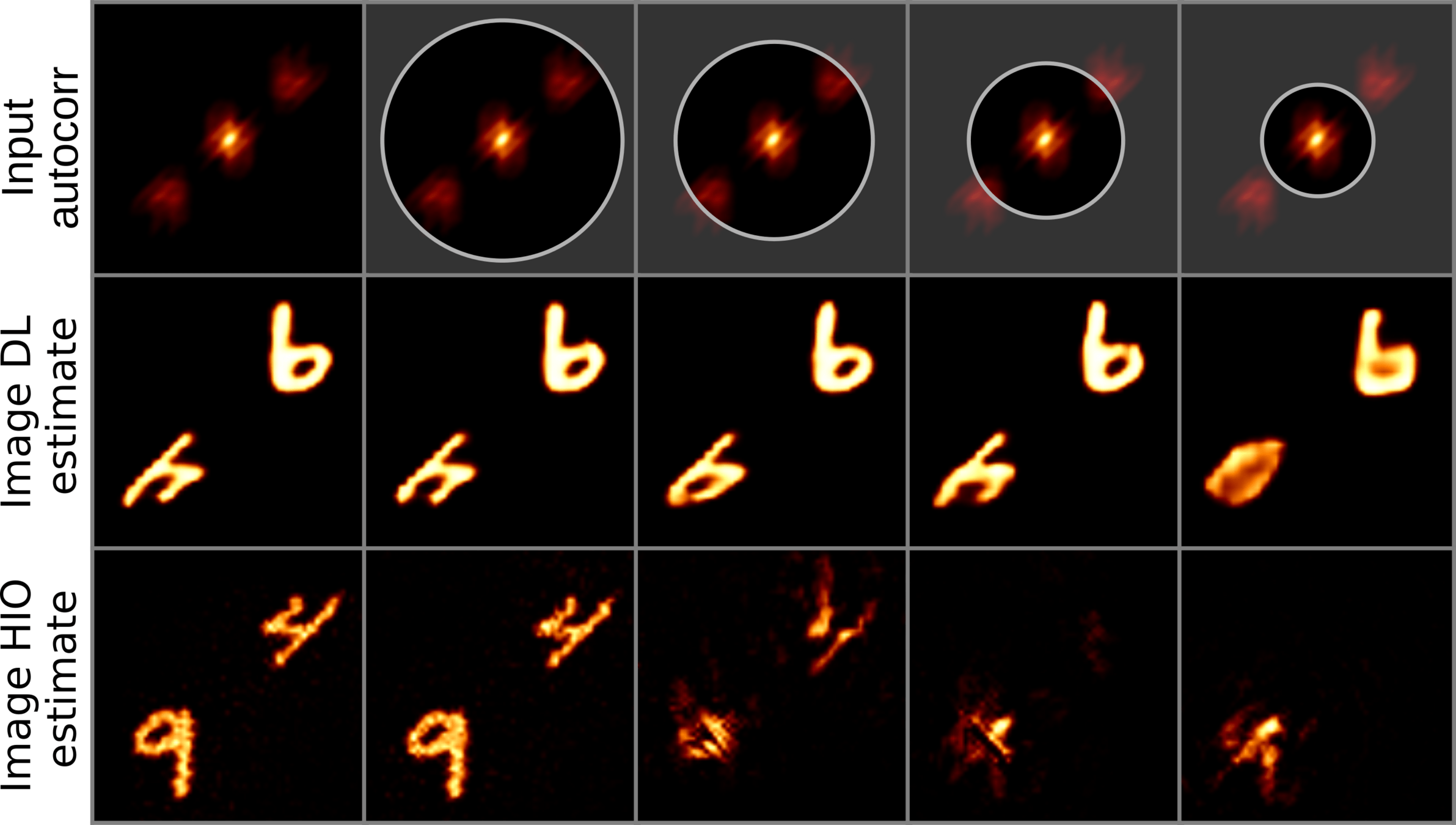
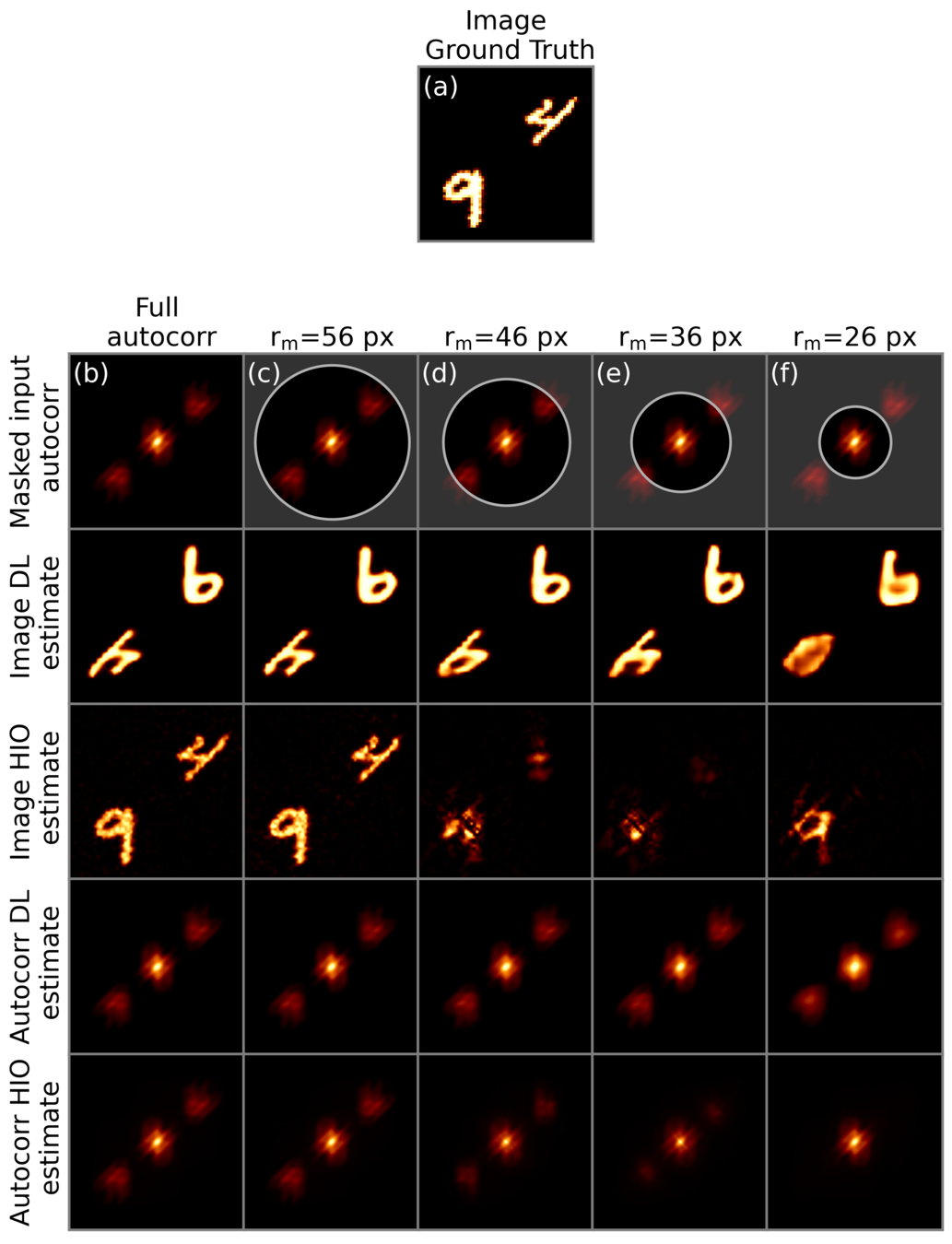
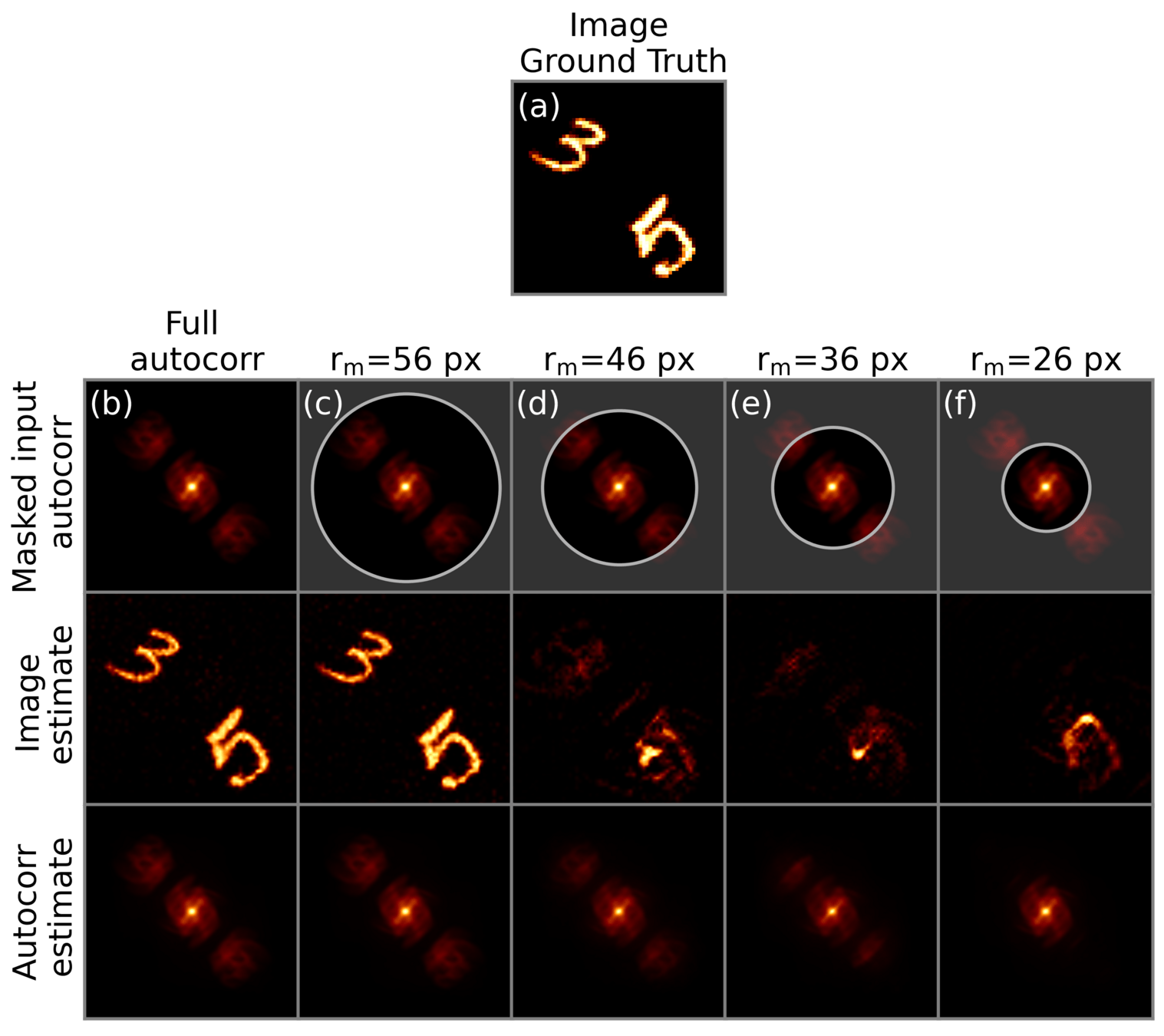
We apply a circular erosion mask to the Fourier autocorrelation, in order to assess the performance of traditional methods in presence of partial information
-
We observe that traditional approaches struggle in the presence of incomplete information. We employ a deep neural network to overcome these limitations, and show that such and approach vastly over-performs traditional methods in a large variety of scenarios
DEFINING THE NEURAL NETWORK ARCHITECTURE
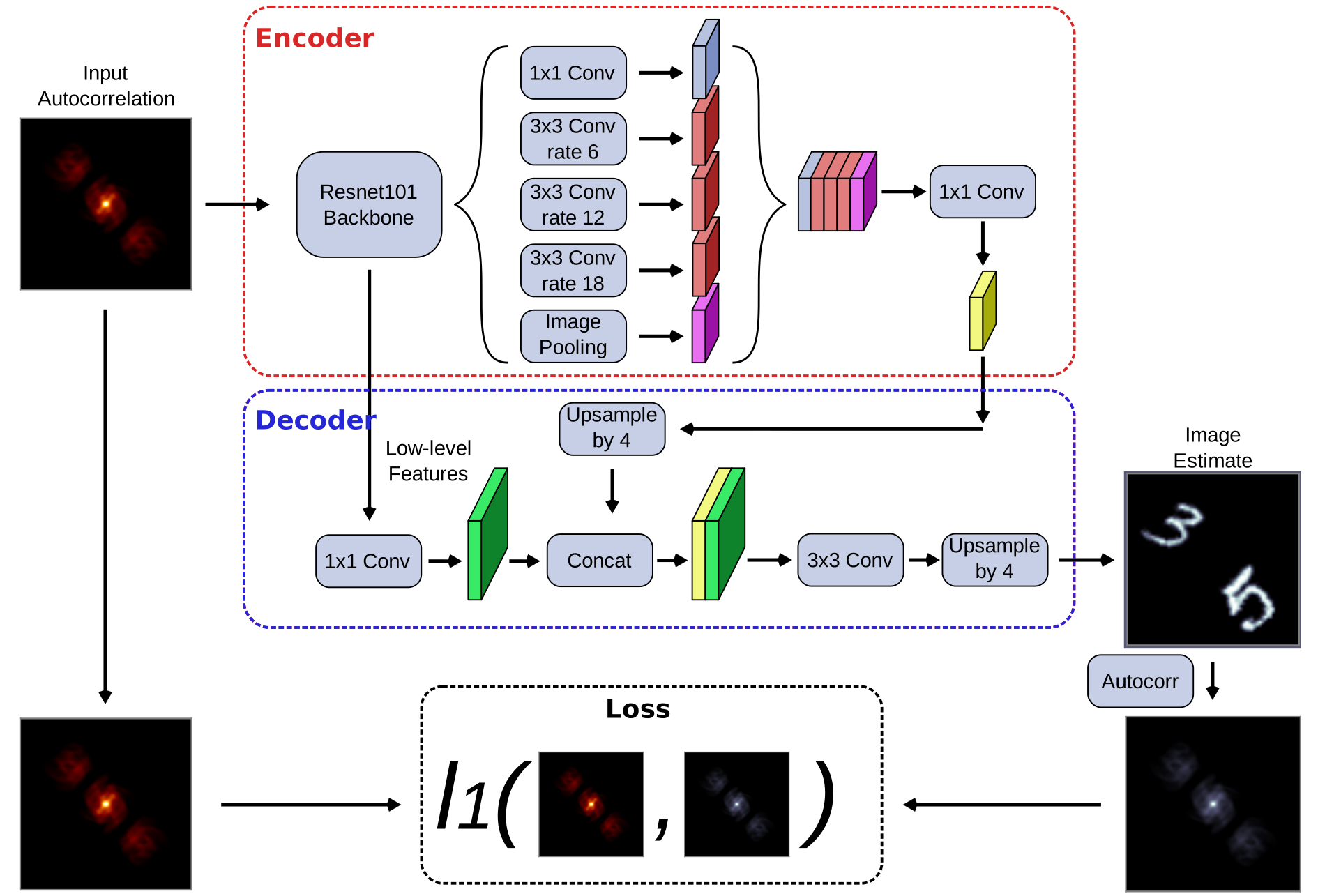
-
We adopt a deep convolutional autoencoder based on the DeepLabV3+ architecture with a L1 loss computed on the input and reconstructed autocorrelations
TAILORING THE TRAINING PROCESS
-
Phase 1: We train the network on full autocorrelation
-
Phase 2: We progressively erode the input autocorrelation, and train the network to reconstruct the missing information
-
Phase 3: We perform a final stabilization training
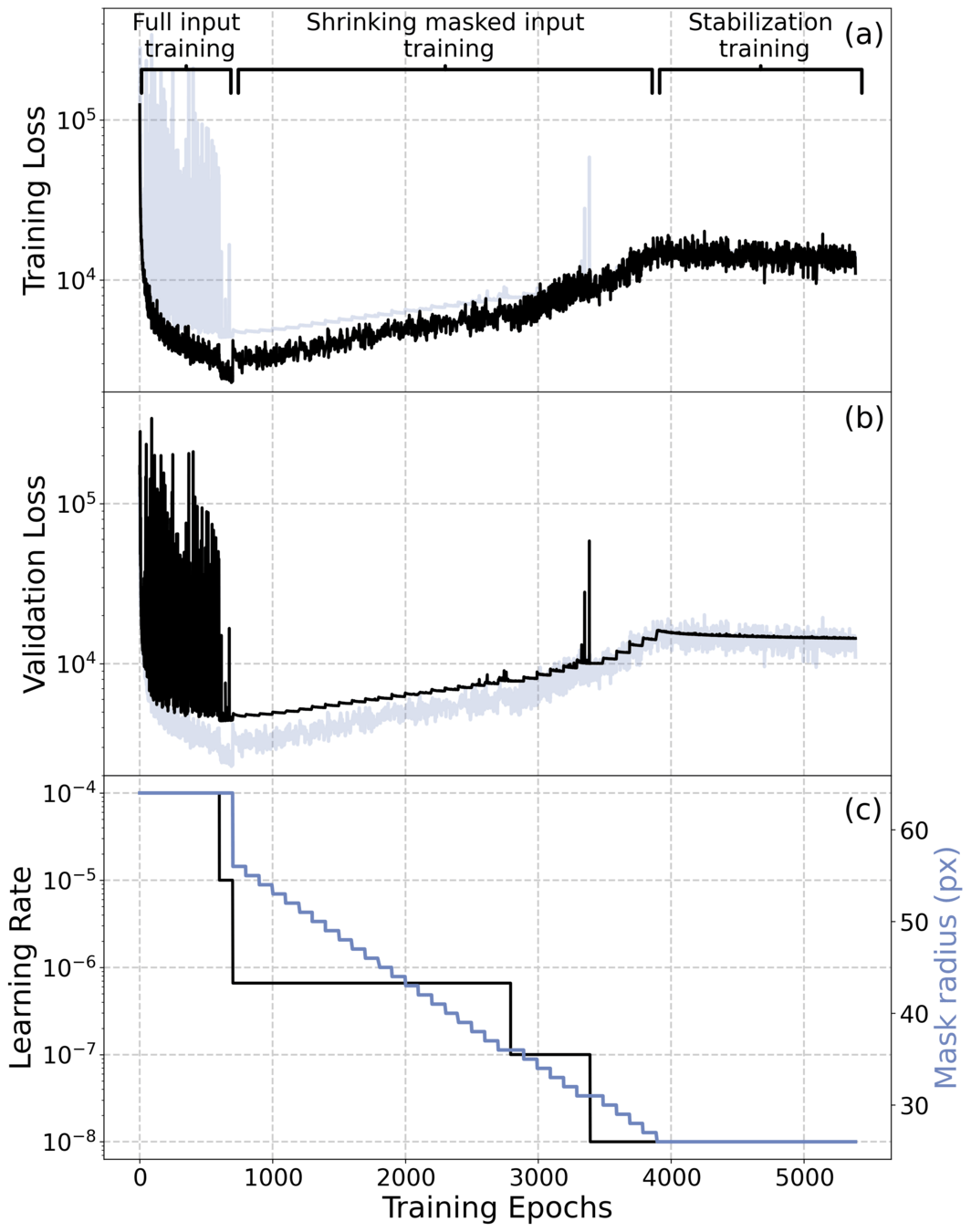
DEEP LEARNING: RESULTS
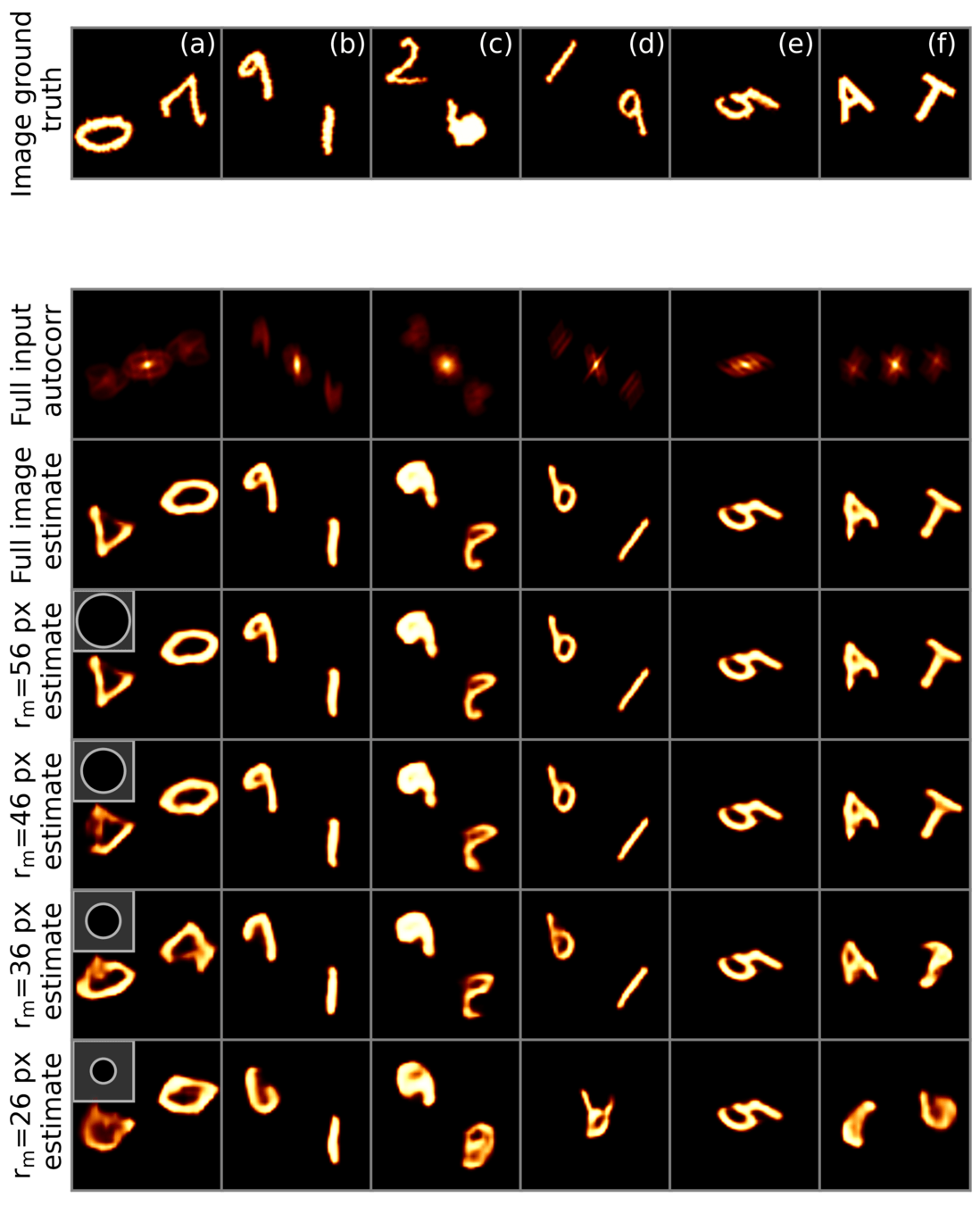
Deep Learning Vs Iterative
Deep Learning: exploration
CONCLUSIONS
-
Neural network reconstructions routinely outperform traditional ones, especially in scenarios where large chunks of the autocorrelation information are missing
-
The neural network can perform phase retrieval on out of distribution samples.
-
The neural network performance degrades once the information is not just incomplete, but completely missing from the input
1. Pellegrini, G. & Bertolotti, J. Phase-Retrieval with Incomplete Autocorrelations Using Deep Convolutional Autoencoders. Preprint at https://doi.org/10.48550/arXiv.2304.09303 (2023).
Icton2024
By Giovanni Pellegrini