

hvale vale
#feministinternet writer, words' weaver @ the queer intersection of transformative fantasy, tech, consent, privacy, ethics, revolution, pleasure and people.
hvale vale
There is no good reason for anyone to share their email/social networks password.
Sometimes it is necessary for us as women and gender diverse individuals to avoid sharing certain opinions online.
Women, gender diverse individuals and men face the same type of violence and threats online.
My work becomes impossible without safe access to online spaces.
To protect children and minors from OGBV parents need to have access and monitor their accounts and devices
Symbolic violence is inflicted through impositions of gendered cultural norms and behaviors. Women and gender diverse individuals are taught that “something” might happen to them if they decide to walk alone at night, dress a certain way, or act carelessly: fear becomes a normalized and accepted mental state.
Symbolic violence creates prohibited spaces and situations for women and gender diverse individuals denying fundamental right to security and free movement. As result impunity is often granted to aggressors which are not questioned but rather pathologized as “crazy” or inherently unable to take control of or responsibility for their actions.
Appropriation of the Female Body: the female body is still seen as an object for male enjoyment, bring about a lack of security or confidence in the body’s own resources and capacities.
Guilt and Shame: these are both seen as permanent, unshakeable elements that facilitate the perception of perpetrated gender-based violence as deserved or somehow acceptable.
“Learned Helplessness”: this is a psychological state that occurs frequently when events are seen to be uncontrollable – when the perception is that there is nothing that can be done to change the outcome of an action, the mental state adjusts accordingly by sacrificing its agency to assert any control over that outcome (instead, accepting and normalizing it).
Actionable violence is gauged by intent to harm, content, imminence of harm (credibility), extent of the harm and context:
Type of response
Time of response
Knowledge is contextual, located comes from the most affected the one who are | have experienced hurt, harm, violence. Knowledge is trans-generational, embodied, rooted and continuous
3. Role of Research and researchers as movement building, as acknowledgement of own involvement, possible biases, who and how research questions are identified, how researchers interpret data, how is data is analyzed, who have access to data set ... Data interpretation is equal to the depth of quantum
4. Type and modes of OGBV: their systemic and intertwined nature with platforms' vision, design and purpose; how they evolve, change and connect in the continuum of digital and real
5. The left our project: transgender people and non-binary experience, understanding and knowledge of OGBV matter!
6. Responses: from prevention to redress, policy and legislation. Silence as well as by-standers is complicity. We need to address the root of OGBV to change and transform the current matrix of domination
7. Access to support has to be unfettered, easy, immediate. We talk of economic and financial structural support to survivors and victims
Power and Matrix of domination Cross-cut
Racism, Colonialism, Imperialism and Settler ideologies and practices; White dominance, Patriarchy, Misoginy, Homophobia, Transphobia, 1% Capitalism
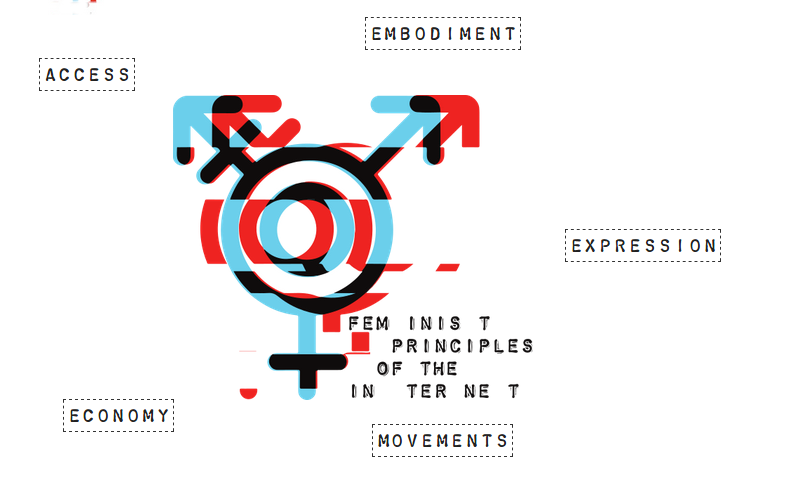
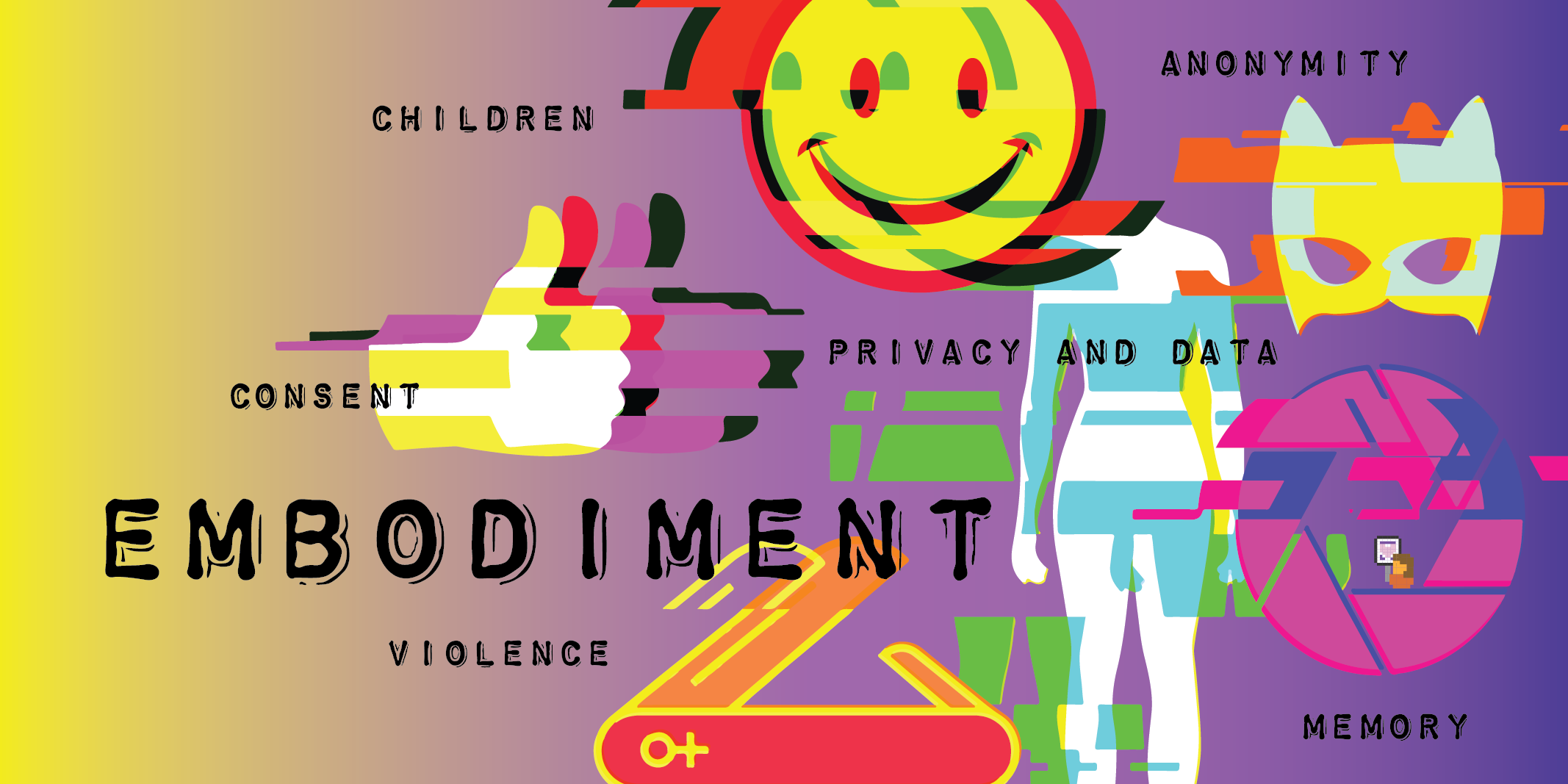
We call on all internet stakeholders, including internet users, policy makers and the private sector, to address the issue of online harassment and technology-related violence. The attacks, threats, intimidation and policing experienced by women and queers are real, harmful and alarming, and are part of the broader issue of gender-based violence. It is our collective responsibility to address and end this.
We call on the need to build an ethics and politics of consent into the culture, design, policies and terms of service of internet platforms. Women’s agency lies in their ability to make informed decisions on what aspects of their public or private lives to share online.
We support the right to privacy and to full control over personal data and information online at all levels. We reject practices by states and private companies to use data for profit and to manipulate behaviour online. Surveillance is the historical tool of patriarchy, used to control and restrict women’s bodies, speech and activism. We pay equal attention to surveillance practices by individuals, the private sector, the state and non-state actors.
We call for the inclusion of the voices and experiences of young people in the decisions made about safety and security online and promote their safety, privacy, and access to information. We recognise children’s right to healthy emotional and sexual development, which includes the right to privacy and access to positive information about sex, gender and sexuality at critical times in their lives.
vale [@]hvale[.]me
hvale [@]apc[.]org
By hvale vale