Cloud Computing
Re-imagining an Airport IT Infrastructure
Motivation
Airlines increasingly rely on computer and network connected systems for their day to day operations.
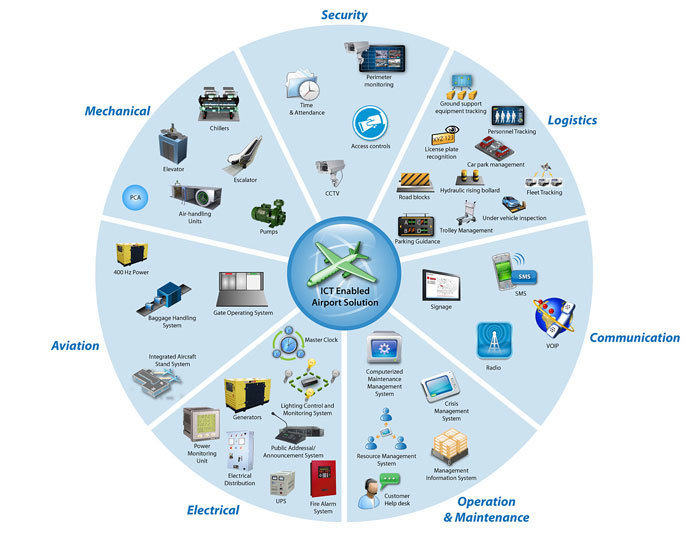
When these systems fail or networks become unreachable, the effects can cascade quickly.
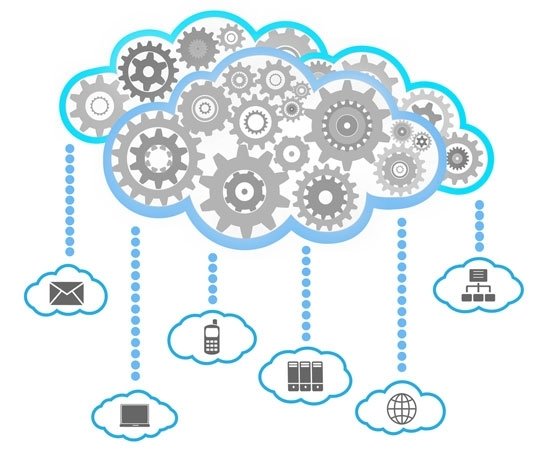
Cloud technologies are seen as a solution to availability problems in much of the IT world.
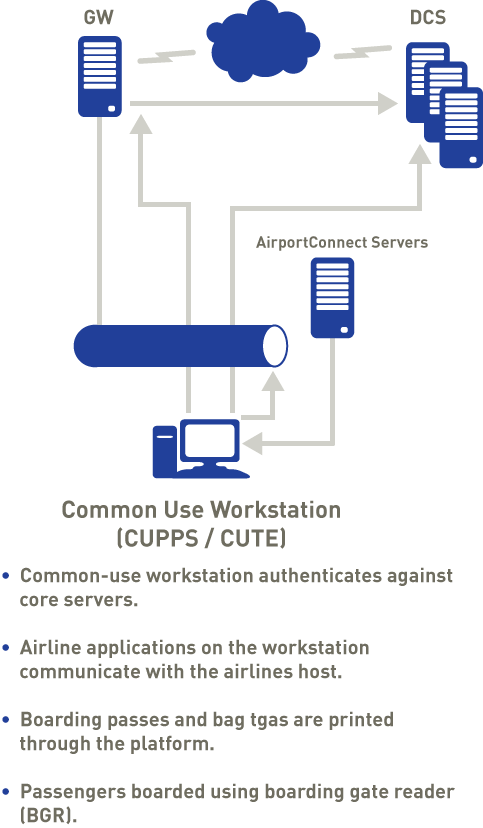
Common Use refers to an airport platform on which all passenger processing can take place.
Going back a while
Back in 1984, IATA created the Common Use Terminal Equipment (CUTE) standard for passenger check-in and boarding.
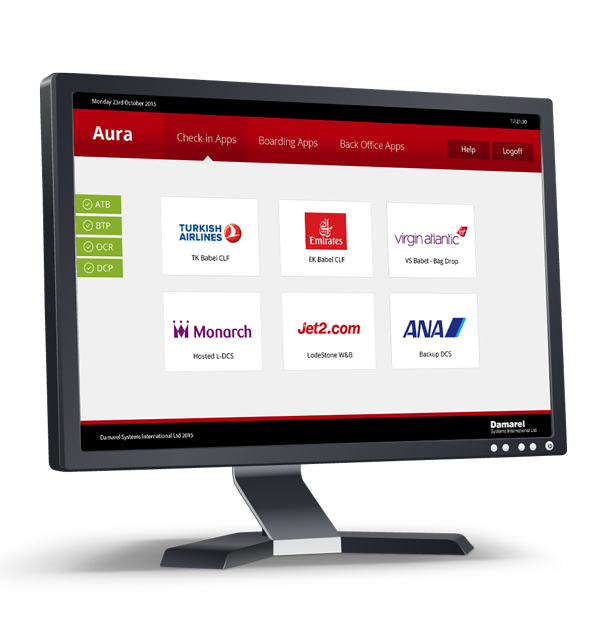
Supported high demand from the Olympic Games in Los Angeles.
If the CUTE platforms are updated, but airlines have not updated their applications, the update cannot fully take effect throughout the system.
Implementation challenges
CUPPS - Common Use Passenger Processing Systems
It is simpler to install and provide support for passenger processing operations, which means lower costs for airlines and airports.
Neither CUTE nor CUPPS allow for true location-independent passenger processing – they are not fully cloud based
The need for the cloud arises, allowing airlines and airports the flexibility to adjust their systems according to their needs.
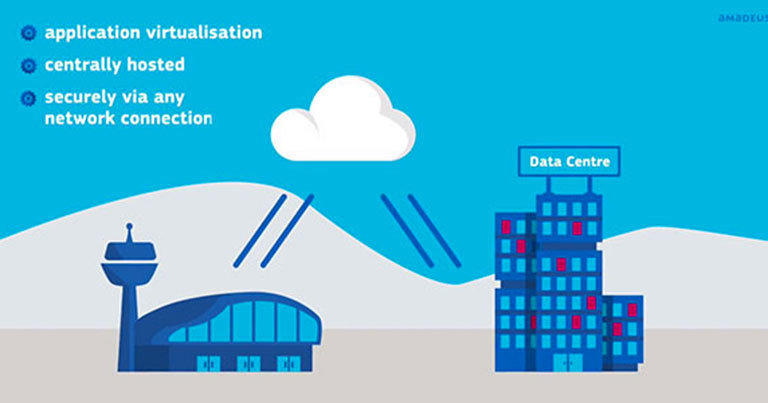
Technology Trends

Application Virtualisation
The cloud provider update or install applications at all supported sites simultaneously.
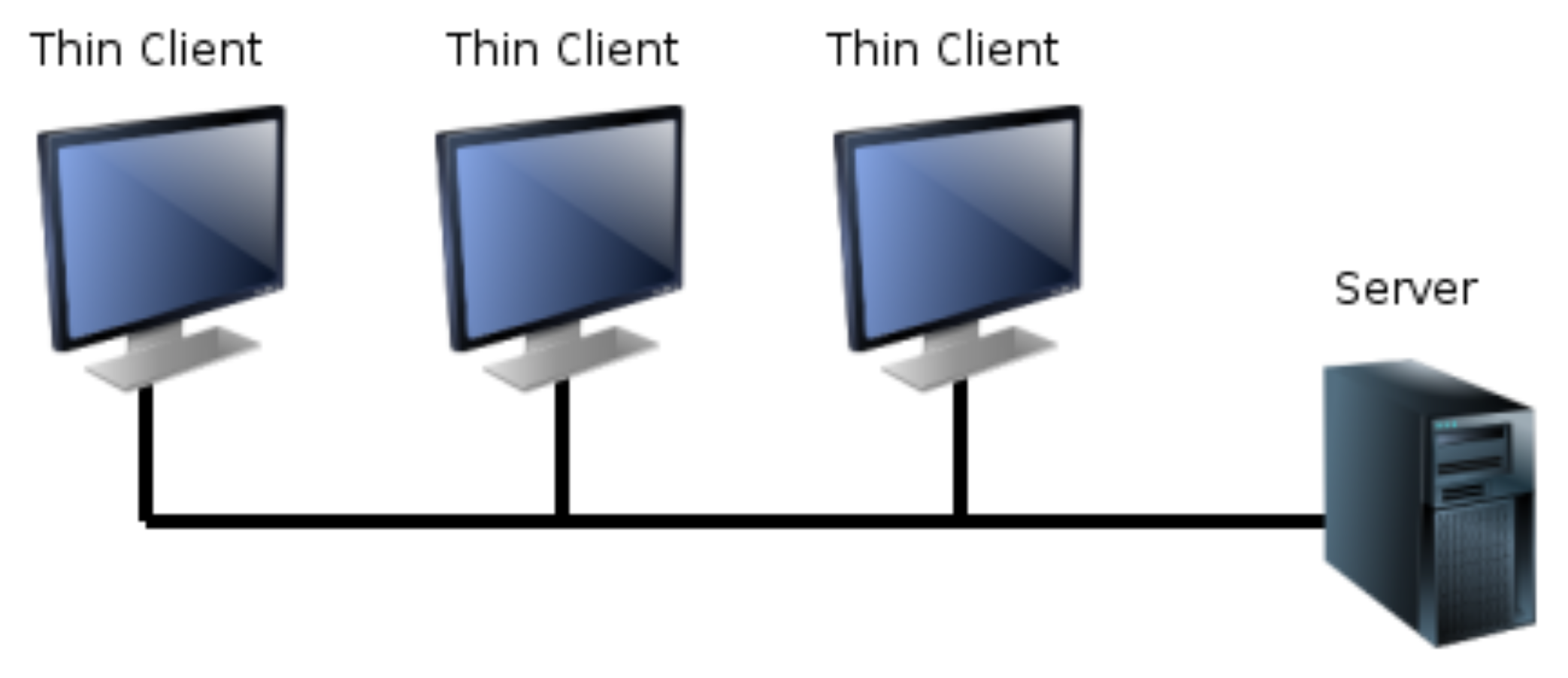
Decoupling applications also puts less demand on the workstations and means they can be run as thin clients.
Improved Networks
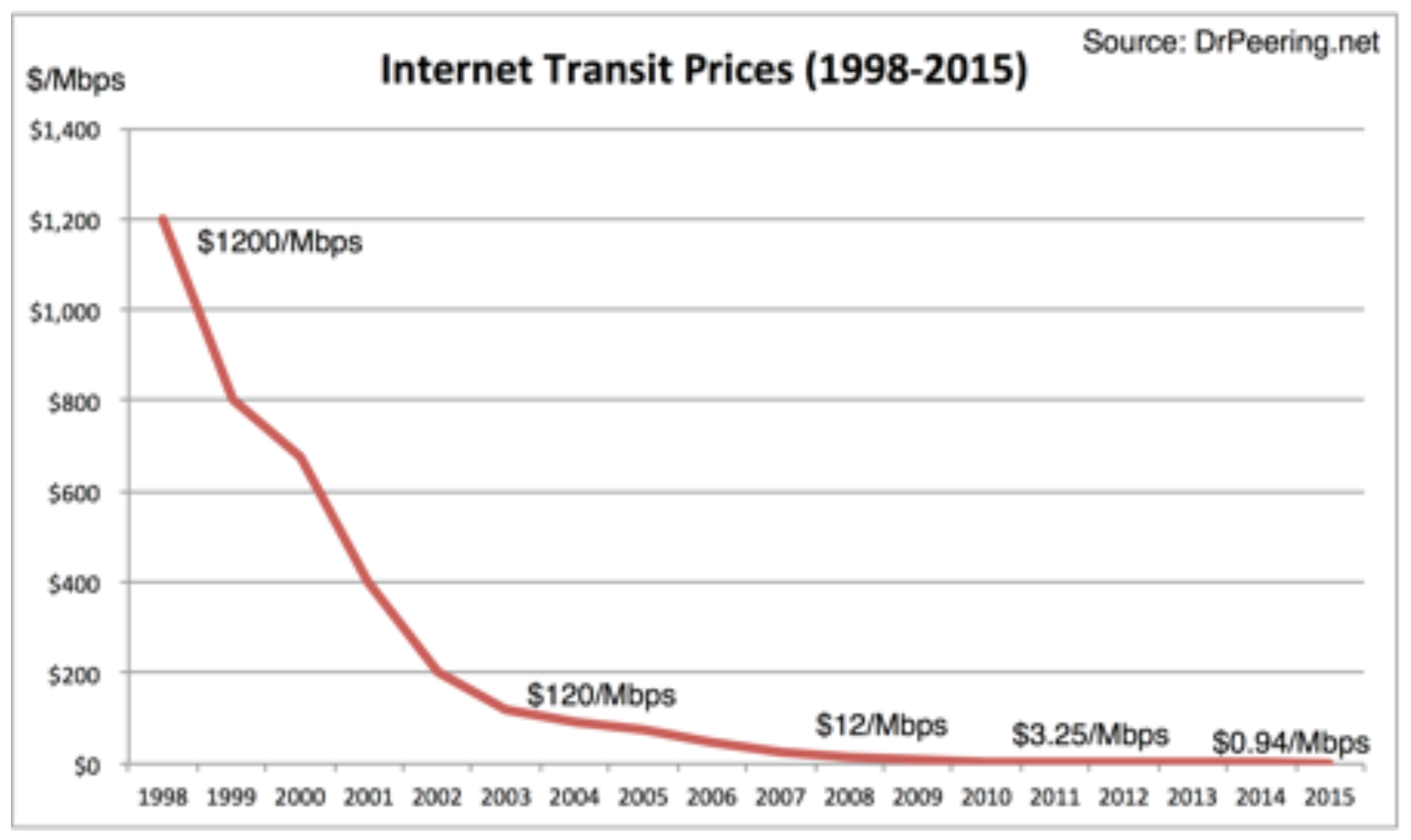
Networks have improved both in terms of capacity, or bandwidth, and speed.
It is now possible to cost-effectively move large amounts of data over networks.
New Devices
The ability to use tablets and other portable screens anywhere means staff can be more flexible with location as long as they can connect to a network.

Advantages
Reduced Hardware costs
Reduced maintenance costs
Maximizing the efficiency of local IT staff
Reduced Network Costs
Cheaper to use the Internet vs WANs
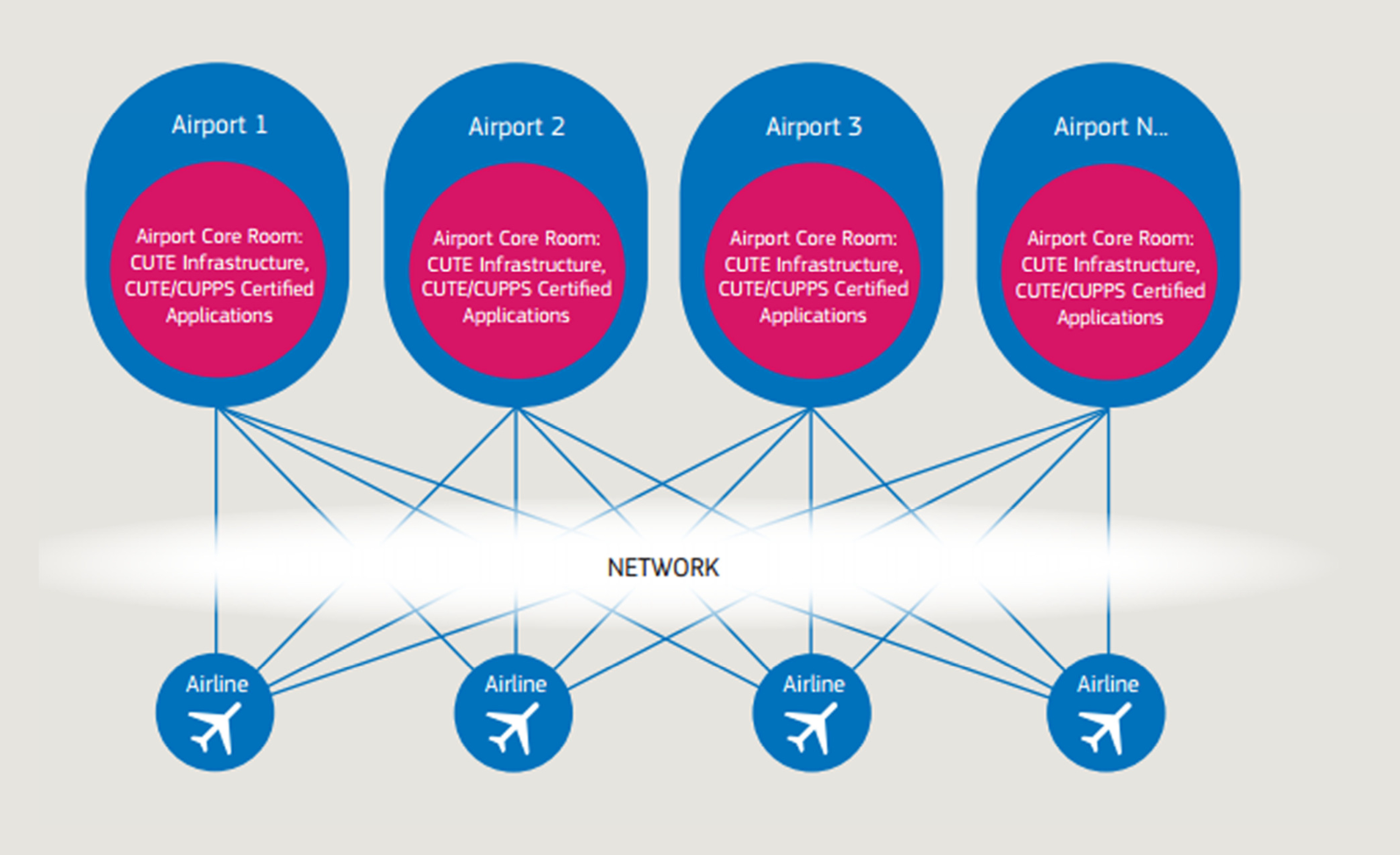
Traditional Common Use Infrastructure
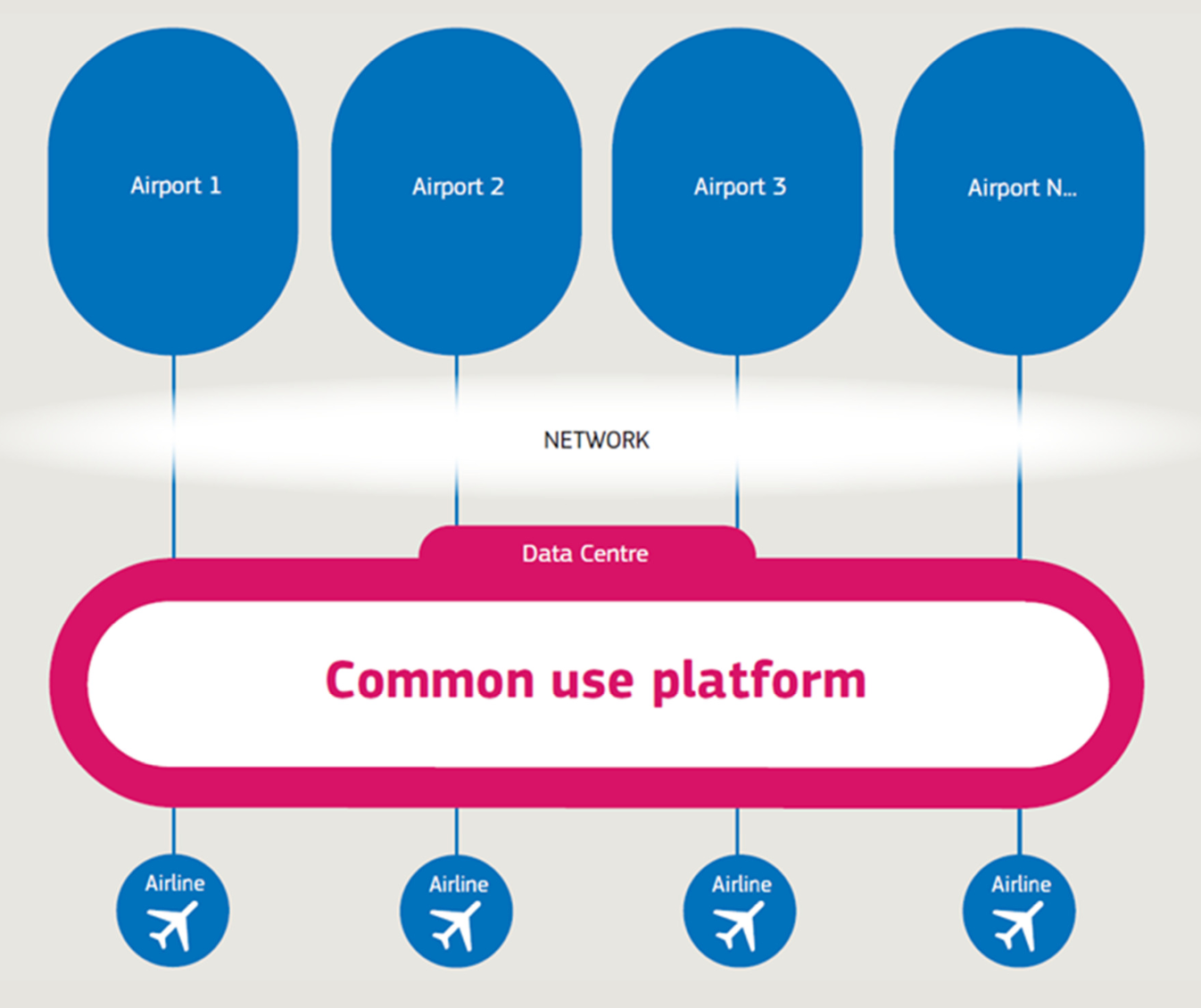
New cloud-based Infrastructure
Energy Efficiency
Thin clients. Laptops, Tablets, Smartphones
300 workstations
75% migration
148 Tonnes CO2
5 years
Ease of Certification
One size fits all.
Physical Space
Move it away. Repurpose the space.
Location Flexibility
Myths
All Clouds are public
“The research shows a continuing trend toward both private and public clouds being delivered as a managed service by cloud service providers.” - VMware
The Cloud is not secure
Using techniques such as:
-
distinct pools of resources with access restricted to connections made from behind one organisation’s firewall
-
dedicated leased lines
-
on-site internal hosting
can ensure that operations are kept out of the reach of prying eyes.
Control is lost when moving to the cloud
-
Private cloud is only accessible by a single organisation
- Ability to configure and manage the private cloud inline with organizational need
Result: Tailored Network Solution

Systems must stop when connection goes down
This can be mitigated by using mechanisms such as:
- Cached data
- Version Control
- Asynchronous software
Is it risky to migrate to the cloud?
State of the cloud in 2030
19%
Traditional IT
29%
Private
Cloud
52%
Public
Cloud
source: VMWare
Cloud ComputingCloud Computing
By João Santos