Workshop Testing
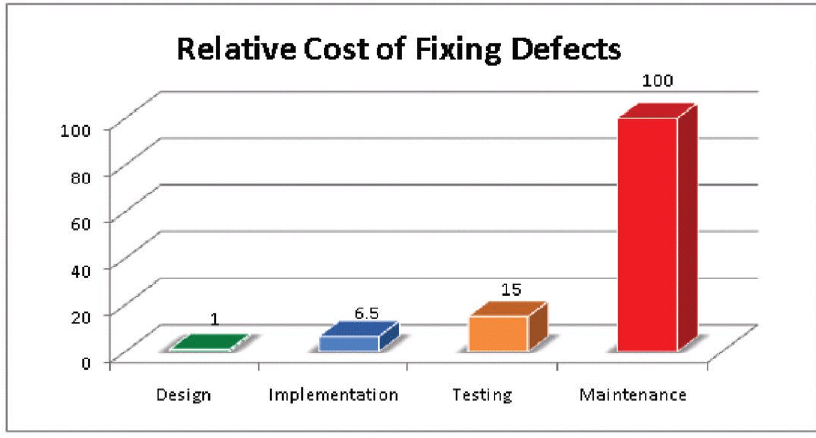
Why testing?
- Find bugs
- Prevent bugs
- Requirements
- Safes $$
- Documentation (Contract)
- Predictability, risk reduction, maintainability
- Only well designed code can be tested
- The list goes on and on
Test Driven Development
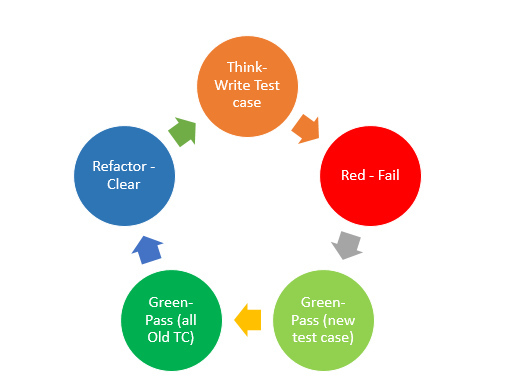
- TDD = Test Driven Development
Test Driven Development
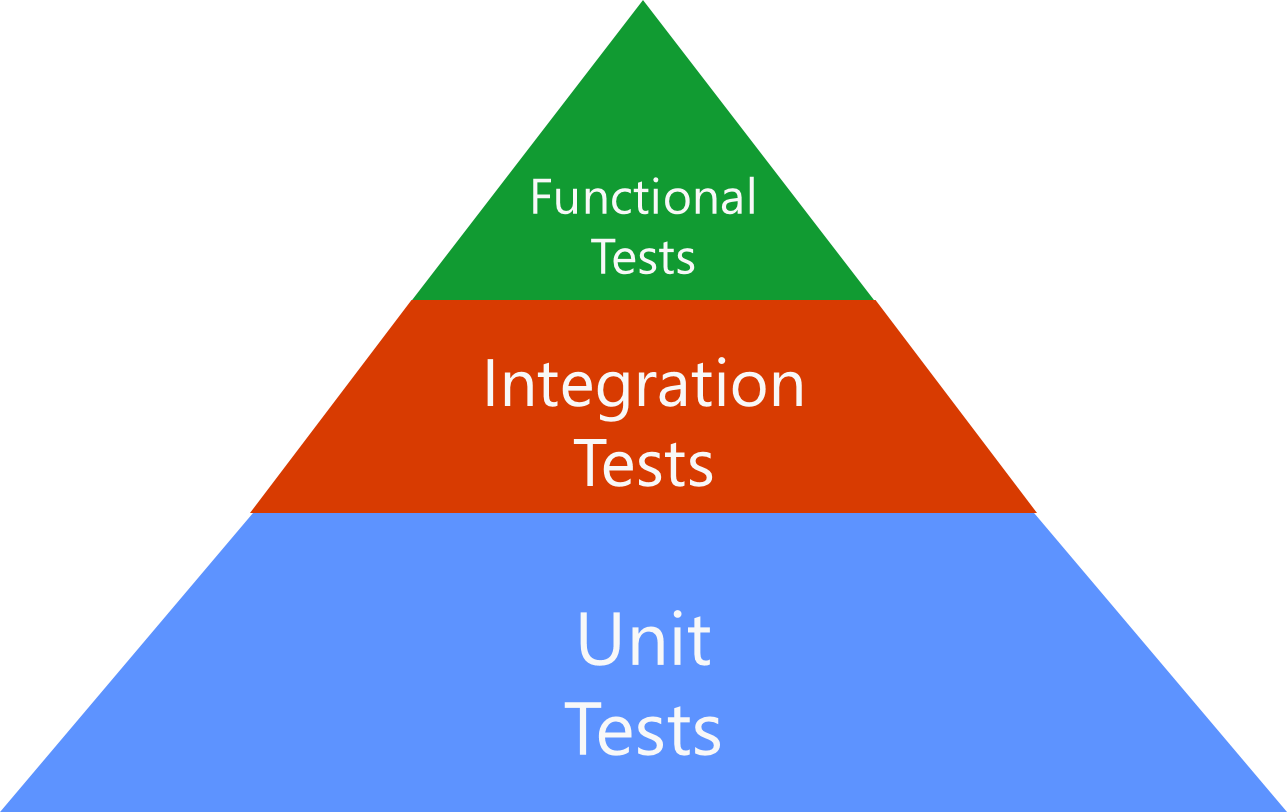
- Testing Pyramide
-
large base of unit tests,
-
supported by a smaller layer of integration tests,
-
with an even smaller layer of functional tests
-
-
Different approaches:
-
Top to bottom or vice versa
-
It's a choice
-
-
We will start here
Tools for Unit Testing
- Tools:
- XUnit.net
- NUnit (good documentation)
- MSTest (never used it, maybe it's good)
- Unit Test:
- only the public interface
- many tests, multiple tests for each public method (property)
- white box testing (we have the code, we should write it after the test, accordingly to TDD)
Let's start with a demo, TDD Unit Test
- Tool: NUnit
- Feature Request:
- Fibonacci sequence
- Next: add a stopwatch to measure performance
Demo take aways
- Project structure
- Multiple test cases
- Naming Convention
- There are many
Arrange Act Assert
- SUT = System Under Test (the method/class to test)
- Arrange = setup/prepare the SUT for testing
- Act = execute the test (method)
- Assert = check if the result (return value) is what we expect
- 1 or multiple assertions
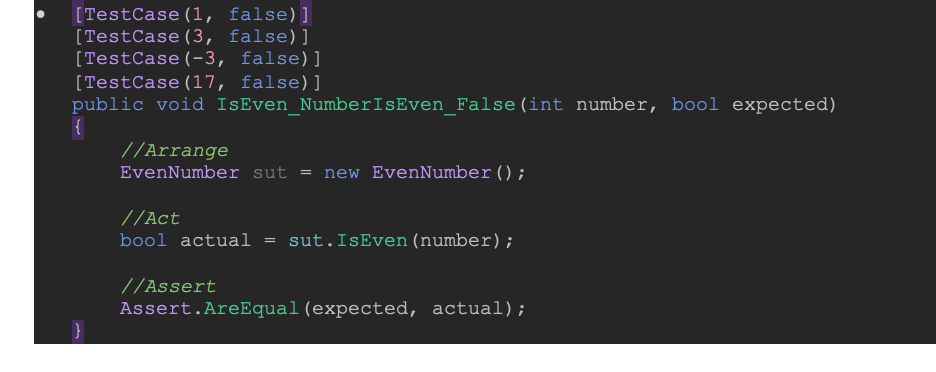
Naming Conventions Unit Tests
public void IsEven_NumberIsEven_False(int number, bool expected)
{
Lot's of possibilities:
- https://medium.com/@stefanovskyi/unit-test-naming-conventions-dd9208eadbea
- https://dzone.com/articles/7-popular-unit-test-naming
It's a personal choice or/and project/company choice
Dependencies
- If we use new or other hard code dependencies (from infrastructure for example), we can't test the unit in the Isolation
- Solution: refactor the code, so it's testable
- Strange: we developed the code (TDD), so this could have never happened :-)
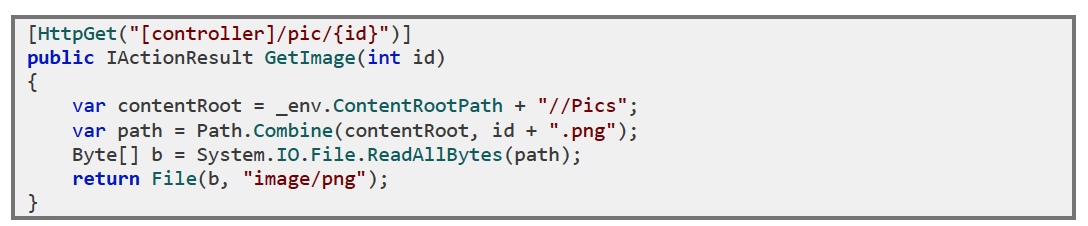
Dependencies
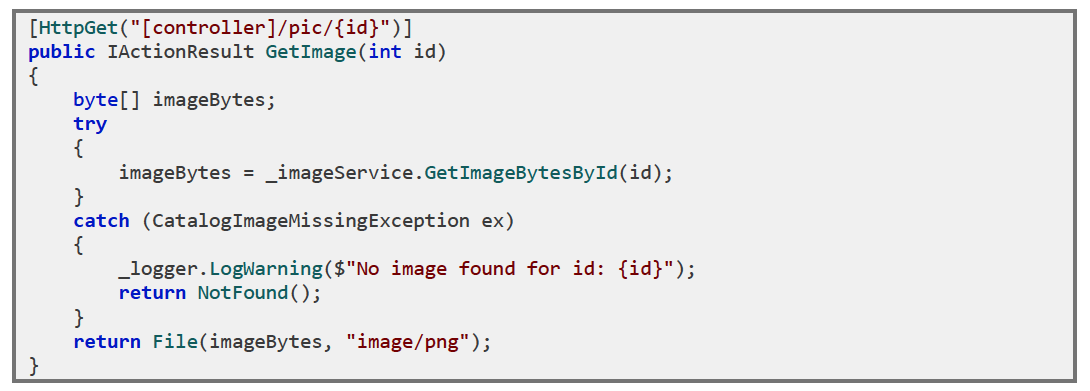
Refactor
Dependencies we can Mock
- We test one unit (method), so we need to fake (mock) the rest
- A --> IB, To test A we need to mock IB
- Interfaces only
- Not really true, but this is the way to go!
- Multiple libraries
- Moq, fakeiteasy, NSubstitute
- It's easier to understand (syntax), my opinion
- Moq, fakeiteasy, NSubstitute
Mock (NSubstitute)
Exercise
- Feature Request:
- Make a IsLeapYear(int year) method
- Write unit test (TDD Cycle)
- Refactor code
-
Next: add Logger dependency with Log(string message) method.
- Mock/fake the Logger
- Make a IsLeapYear(int year) method
Homework
- Make a dart scoreboard
- I had a "hard time" understanding the requirements (there are some details, terminology, etc)
- YouTube
- Let's review/discuss together
- Use multiple objects to build the system
- Use TDD
- Use mock framework (NSubstitute, Moq)
class Node {

}
public class Recursion
{
// sum of n natural numbers
// 1 + 2 + 3 + ... + n
// for n = 5, the sum is 15, because 1 + 2 + 3 + 4 + 5 = 15
public static int Sum(int n)
{
}
}public class Recursion
{
// sum of n natural numbers
// 1 + 2 + 3 + ... + n
// for n = 5, the sum is 15, because 1 + 2 + 3 + 4 + 5 = 15
public static int Sum(int n)
{
if (n == 0) //base case
{
return 0;
}
}
}public class Recursion
{
// sum of n natural numbers
// 1 + 2 + 3 + ... + n
// for n = 5, the sum is 15, because 1 + 2 + 3 + 4 + 5 = 15
public static int Sum(int n)
{
if (n == 0) //base case
{
return 0;
}
else
{
return n + Sum(n - 1); //recursive case
}
}
}public static void Main(String[] args) {
Console.WriteLine(Recursion.Sum(3));
}Sum(3)
= 3 + Sum(2)
= 3 + (2 + Sum(1))
= 3 + (2 + (1 + Sum(0)))
= 3 + (2 + (1 + (0)))
public class Recursion
{
    public static int Sum(int n)
    {
        if (n == 0) //base case
        {
            return 0;
        }
        else
        {
            return n + Sum(n - 1); //recursive case
        }
    }
}
Sum(3)
= 3 + Sum(2)
= 3 + (2 + Sum(1))
= 3 + (2 + (1 + Sum(0)))
= 3 + (2 + (1 + (0)))
Sum(3)
Sum(3)
public class Recursion
{
    public static int Sum(int n)
    {
        if (n == 0) //base case
        {
            return 0;
        }
        else
        {
            return n + Sum(n - 1); //recursive case
        }
    }
}
Sum(3)
= 3 + Sum(2)
= 3 + (2 + Sum(1))
= 3 + (2 + (1 + Sum(0)))
= 3 + (2 + (1 + (0)))
Sum(3)
Sum(3)
Sum(3)
3 + Sum(2)
public class Recursion
{
    public static int Sum(int n)
    {
        if (n == 0) //base case
        {
            return 0;
        }
        else
        {
            return n + Sum(n - 1); //recursive case
        }
    }
}
Sum(3)
= 3 + Sum(2)
= 3 + (2 + Sum(1))
= 3 + (2 + (1 + Sum(0)))
= 3 + (2 + (1 + (0)))
Sum(3)
Sum(3)
Sum(3)
3 + Sum(2)
Sum(2)
2 + Sum(1)
public class Recursion
{
    public static int Sum(int n)
    {
        if (n == 0) //base case
        {
            return 0;
        }
        else
        {
            return n + Sum(n - 1); //recursive case
        }
    }
}
Sum(3)
= 3 + Sum(2)
= 3 + (2 + Sum(1))
= 3 + (2 + (1 + Sum(0)))
= 3 + (2 + (1 + (0)))
Sum(3)
Sum(3)
Sum(3)
3 + Sum(2)
Sum(2)
2 + Sum(1)
Sum(2)
2 + Sum(1)
Sum(2)
2 + Sum(1)
Sum(1)
1 + Sum(0)
Sum(3)
= 3 + Sum(2)
= 3 + (2 + Sum(1))
= 3 + (2 + (1 + Sum(0)))
= 3 + (2 + (1 + (0)))
2 + Sum(1)
2 + Sum(1)
Sum(2)
2 + Sum(1)
Sum(1)
1 + Sum(0)
public class Recursion
{
    public static int Sum(int n)
    {
        if (n == 0) //base case
        {
            return 0;
        }
        else
        {
            return n + Sum(n - 1); //recursive case
        }
    }
}
Sum(3)
= 3 + Sum(2)
= 3 + (2 + Sum(1))
= 3 + (2 + (1 + Sum(0)))
= 3 + (2 + (1 + (0)))
Sum(3)
Sum(3)
Sum(3)
3 + Sum(2)
Sum(2)
2 + Sum(1)
Sum(2)
2 + Sum(1)
Sum(2)
2 + Sum(1)
Sum(1)
1 + Sum(0)
Sum(3)
= 3 + Sum(2)
= 3 + (2 + Sum(1))
= 3 + (2 + (1 + Sum(0)))
= 3 + (2 + (1 + (0)))
2 + Sum(1)
2 + Sum(1)
Sum(2)
2 + Sum(1)
Sum(1)
1 + Sum(0)
Sum(0)
0
Sum(1)
1 + Sum(0)
public class Recursion
{
    public static int Sum(int n)
    {
        if (n == 0) //base case
        {
            return 0;
        }
        else
        {
            return n + Sum(n - 1); //recursive case
        }
    }
}
Sum(3)
= 3 + Sum(2)
= 3 + (2 + Sum(1))
= 3 + (2 + (1 + Sum(0)))
= 3 + (2 + (1 + (0)))
Sum(3)
Sum(3)
Sum(3)
3 + Sum(2)
Sum(2)
2 + Sum(1)
Sum(2)
2 + Sum(1)
Sum(2)
2 + Sum(1)
Sum(1) = 1
1 + 0
Sum(3)
= 3 + Sum(2)
= 3 + (2 + Sum(1))
= 3 + (2 + (1 + Sum(0)))
= 3 + (2 + (1 + (0)))
2 + Sum(1)
2 + Sum(1)
Sum(2)
2 + Sum(1)
public class Recursion
{
    public static int Sum(int n)
    {
        if (n == 0) //base case
        {
            return 0;
        }
        else
        {
            return n + Sum(n - 1); //recursive case
        }
    }
}
Sum(3)
= 3 + Sum(2)
= 3 + (2 + Sum(1))
= 3 + (2 + (1 + Sum(0)))
= 3 + (2 + (1 + (0)))
Sum(3)
Sum(3)
Sum(3)
3 + Sum(2)
Sum(2)
2 + Sum(1)
Sum(2)
2 + Sum(1)
Sum(2)
2 + Sum(1)
Sum(1) = 1
1 + 0
Sum(3)
= 3 + Sum(2)
= 3 + (2 + Sum(1))
= 3 + (2 + (1 + Sum(0)))
= 3 + (2 + (1 + (0)))
2 + Sum(1)
2 + Sum(1)
Sum(2)
2 + Sum(1)
Copy of Testing
By Joris Lops