The Art of


Kasun Vithanage

What is Elixir
- It's a functional language
- Concurrent
- Fault-tolerance
- Distributed
- Extensible

Who uses Elixir







Let's Get Started
- You can use Livebook
- Its like Jupyter for Python
- You can use IEX for REPL
(with Elixir installation)

Basic Types

Key takes
- Elixir uses `snake_case` for variables
- There are lot of data types you need to explore
- Remember that some operators had `/` followed by a number? well keep that in mind...its called arity
Lists and Tuples
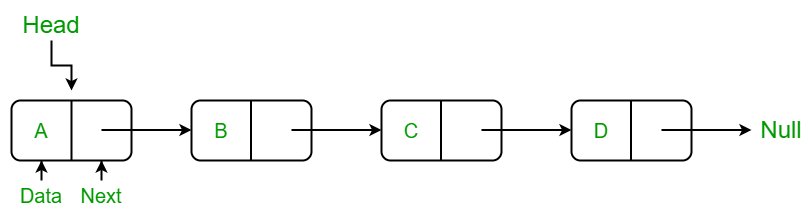
(Linked) Lists
- Implemented as Linked Lists
- Stored as non contiguous
- Appending is Slow, Prepending is fast
- Can store any type of data
- Calculating length is slow
Tuples
- Stored as a contiguous structure
- Accessing any index is really fast
- Updating a tuple is expensive
- Can store any values
- If you want to return multiple values
from a function, tuple is the way to go
What the heck is Immutability?

// JavaScript - Mutable array example
function addNumbers(numbers) {
    numbers.push(4);         // adds to end
    numbers[0] = 99;        // changes first element
    numbers.sort();         // sorts in place
    return numbers;
}

const numbers = [1, 2, 3];

console.log('Before:', numbers);
// Before: [1, 2, 3]

addNumbers(numbers);
console.log('After:', numbers);
// After: [2, 3, 4, 99]

// Original array was mutated!
console.log('Original array changed:', numbers);
As you can see original data is changed
If we refer this again it may lead to errors
This is common for objects as well
Problem of immutability exists in OOP based languages like Java, C# etc
We had a bug in AB due to mutability
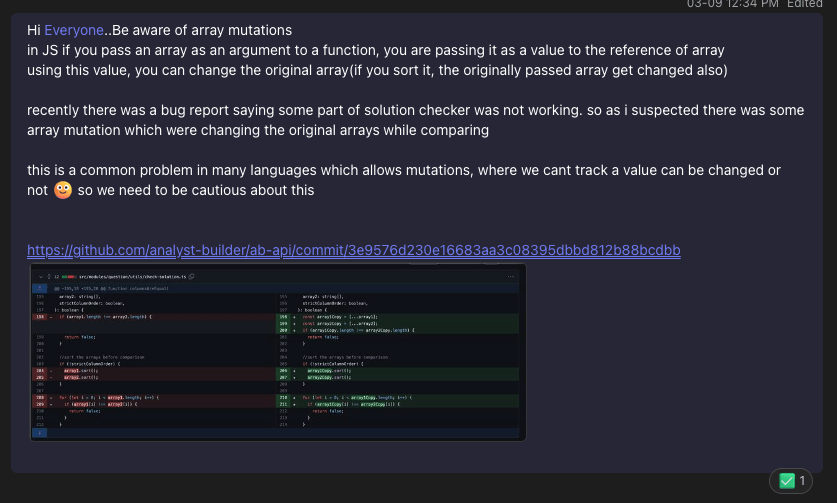
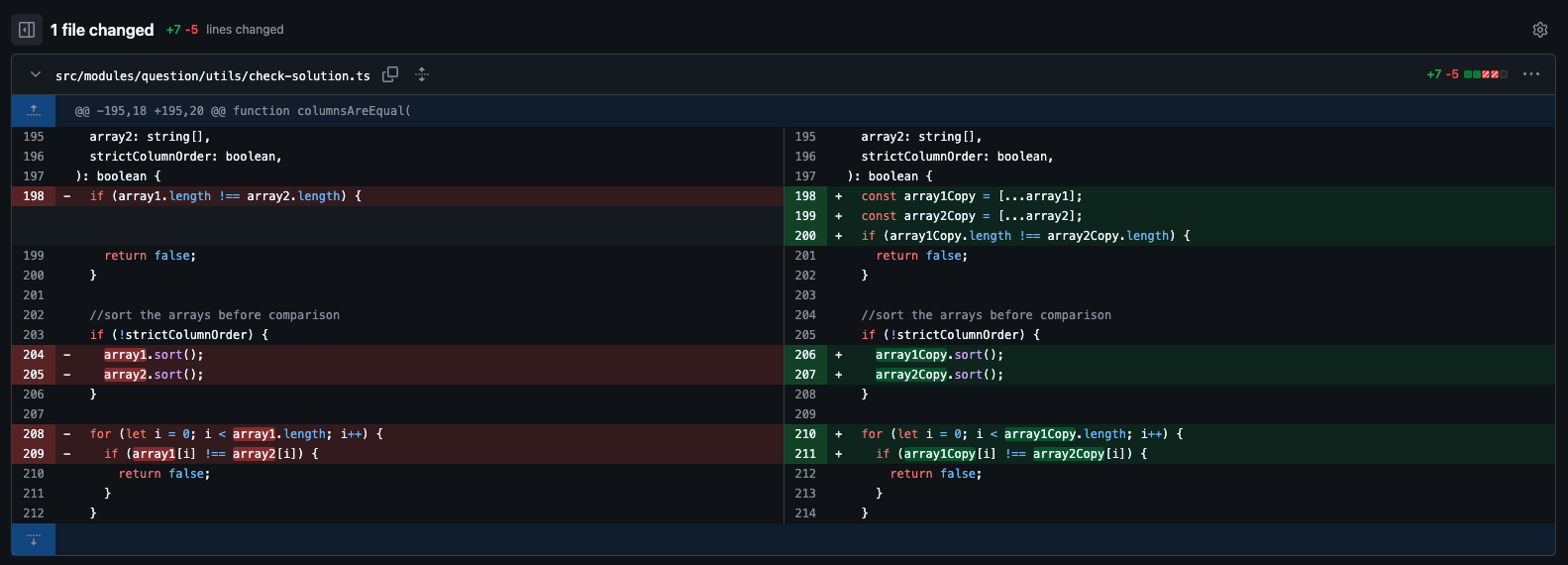
Solution was to just not mutate original arrays
They are super hard to track 😒

Functional programming removes mutability
Which eliminates a whole class of bugs by design

Maps
and
Keyword Lists
Maps
- Maps are simply HashMaps
- In JS you call this an object
- In python this is called a dictionary
- Its mostly the "go to" data structure in FP
- Maps keys are unordered
- Keys and Values can be just anything you want
Keyword Lists
- They are just lists with few special properties
- Keys must be atoms
- Keys are ordered, as specified by developer
- Keys can appear more than once
- Often used for passing optional arguments to functions
Pattern Matching

💡New Concept
- = is match operator
- use pin (^) to match with existing values
- Heart of Functional Programming
is Pattern Matching - It allows you to write code without thinking about the underlying data in an imperative way
- Your code will be much more readable

Functions
and
Modules
Modules
- You can group functions nicely
- We previously encountered several modules
- Map
- Keyword
- List
- File
- They are not classes !!!
- Module names are in PascalCase
- MyApp.Billing
- MyApp.WebHooks.Stripe
- These names are not bound to any file, so you
can even create Foo.Bar.A.B.C as a module name
Control Flow

- In elixir every statement returns a value
- So we dont have early returns(no return keyword)
- Instead focus on breaking logic into smaller
functions - use pattern matching on function heads with guards
- use if/unless, case, cond, with to control the flow
often paring with other concepts - In elixir its common to pattern match on function heads, this is also a control flow
- Pattern matching is the key for everything
Pipes |>
- Pipes allows you to write less codes
- Often you can see the flow of data when
using pipes making code much more clear - Its common to use pipe for operations
involving enums or streams
Structs
- They are super powered maps
- Allows us to do compile time checks
- Data validation
- Structure code well
Looping

We dont have loops
Because we cant mutate
- Loops often have a variable for condition
- Some loops involves mutating a counter
- We cant do that in elixir
- So how we do it in FP then?
for (let i = 0; i < 5; i++) { // we cant do i++ in Elixir
    console.log(i);
}
Recursion with Meeseeks
- Recursion
- Its a powerful tool
- With Pattern matching it becomes natural
- Tail recursion acts like a for loop
- Enum.each like functions
- List comprehensions
- Looks like for loops, but they arent
- Really handy to generate stuff
Error Handling
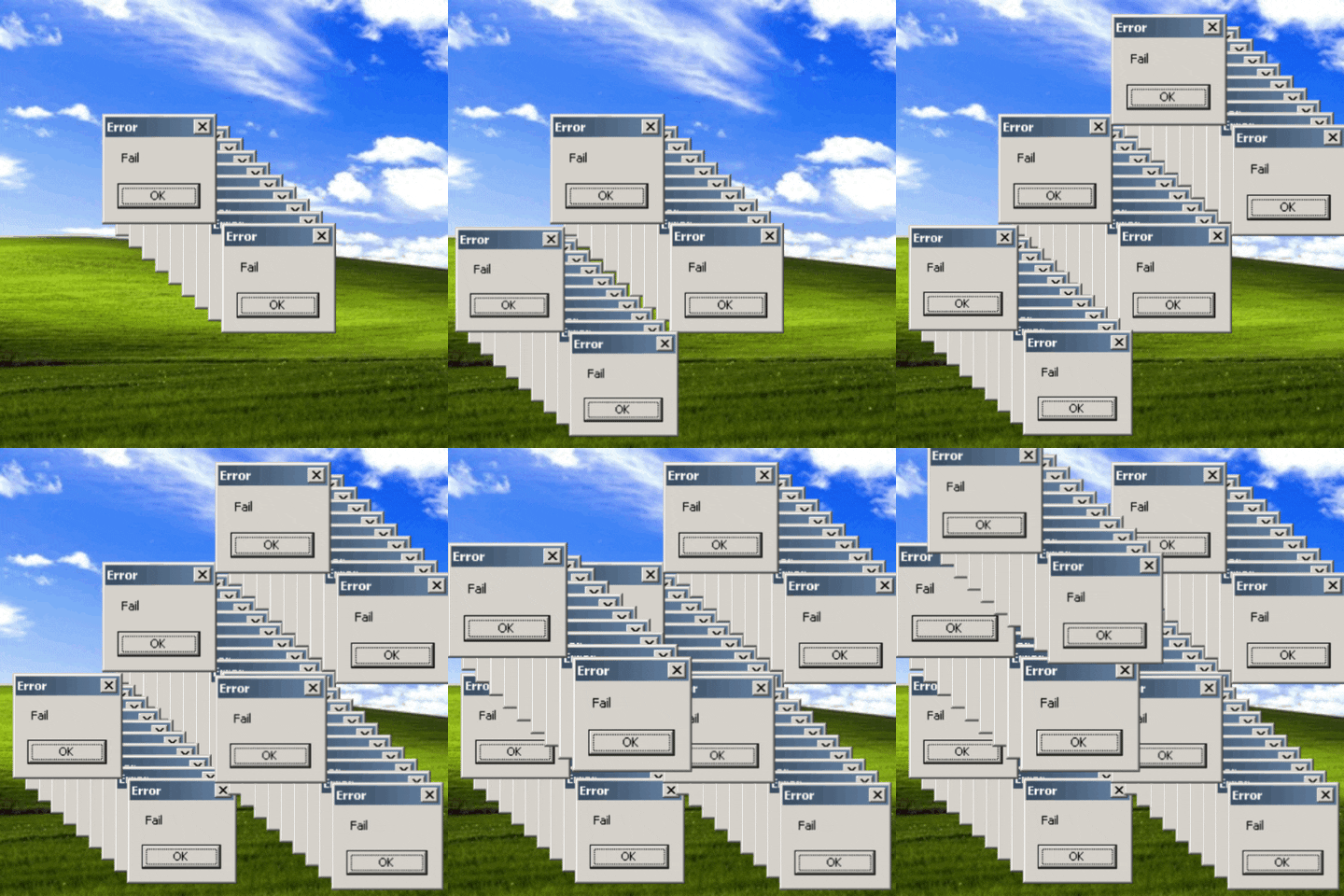
- In Elixir often we use tuples to represent
results, and use pattern match on them - In rare cases we can opt into try/catch/rescue
- Its very uncommon 🤯
- If a function raise an exception, we use !
- Like File.read!/1
Important
Notes

- Data Structures are immutable, if you want to update
replace entire thing at once - Pattern Matching is the Key
- Think in terms of functions and composing
functions(like composing react components) - Break your logic
- Some conventions
-
odd? - the ? denotes that function returns
a boolean -
read! - ! denotes the function may raise an
exception
-
odd? - the ? denotes that function returns
QnA

:stop 🕰️
I think we covered enough for today
Let it sink in 🛳️

Welcome Back

What about State?
If its immutable how we can hold state?

Processes
- Elixir is built on top of BEAM VM
- BEAM VM was developed to run Erlang
- Erlang has a concept called `Process`
- Not to confuse with processes in OS
- All the code you saw running inside processes
- Its the only base in Elixir/Erlang for concurrency
- They are cheap in terms or Memory and CPU 💸
- You can have thousands or more processes running
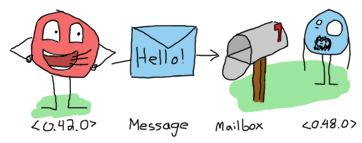
at same time 🤩 - You can pass messages between processes

Rise of

- Telecom Systems need to be reliable and highly available(non-stop)
- At that time(in the 80s) telephone switches were written using C
- Upgrading the software of these switches was hard
- Specially when people still calling someone all the time
- People at Ericcson wanted to solve this problem
- They created Erlang as the solution

Joe Armstrong
Creator of Erlang
📖 Thesis of Erlang
The Lost OOP

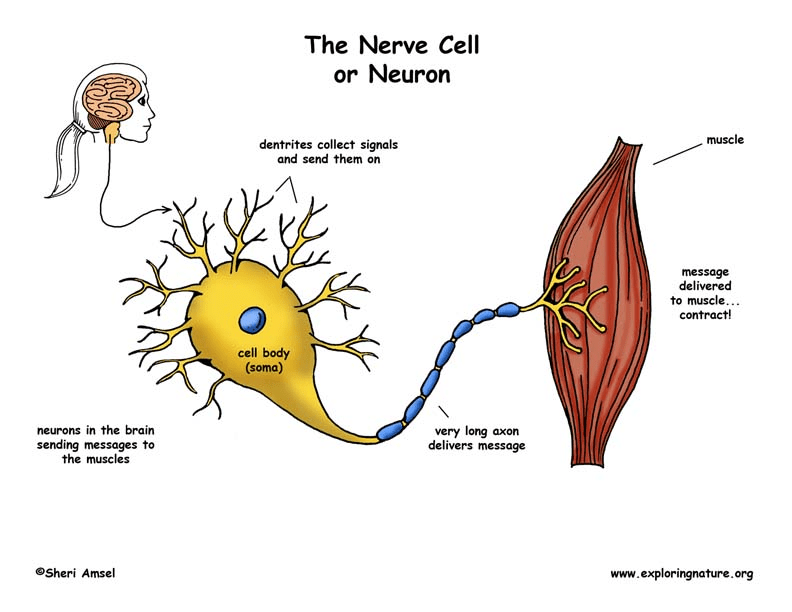
- It was developed considering cells in a biological
systems - Cells can communicate with other cells through
various ways, like in human body with electrical signals - Even though cells are self contained, these coordinated messages can make them do complex tasks
- Ever imagined how you can lift a weight? its
your nervous system sending messages to muscle
fibers - Ever imagined how your immune system works?
- Ever imagined how you can lift a weight? its
Father of OOP

Dr Alan Kay
In orignal OOP Concept
- There were no classes
- So no Blueprint nonsense 😃
- No mutability, you need to pass a message
to an entity, the entity can decide how to process
the message - Messages are processed sequentially
- Erlang is the closest thing to this original concept
as for today
Erlang is similar to
Actor model
But they developed it separately
Concurrency

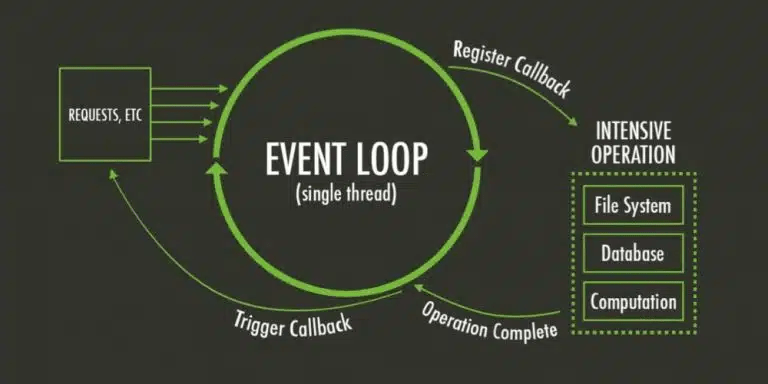
- NodeJS is single threaded
- Node has an event loop which handles
workload - No multicore support
- Node has an event loop which handles
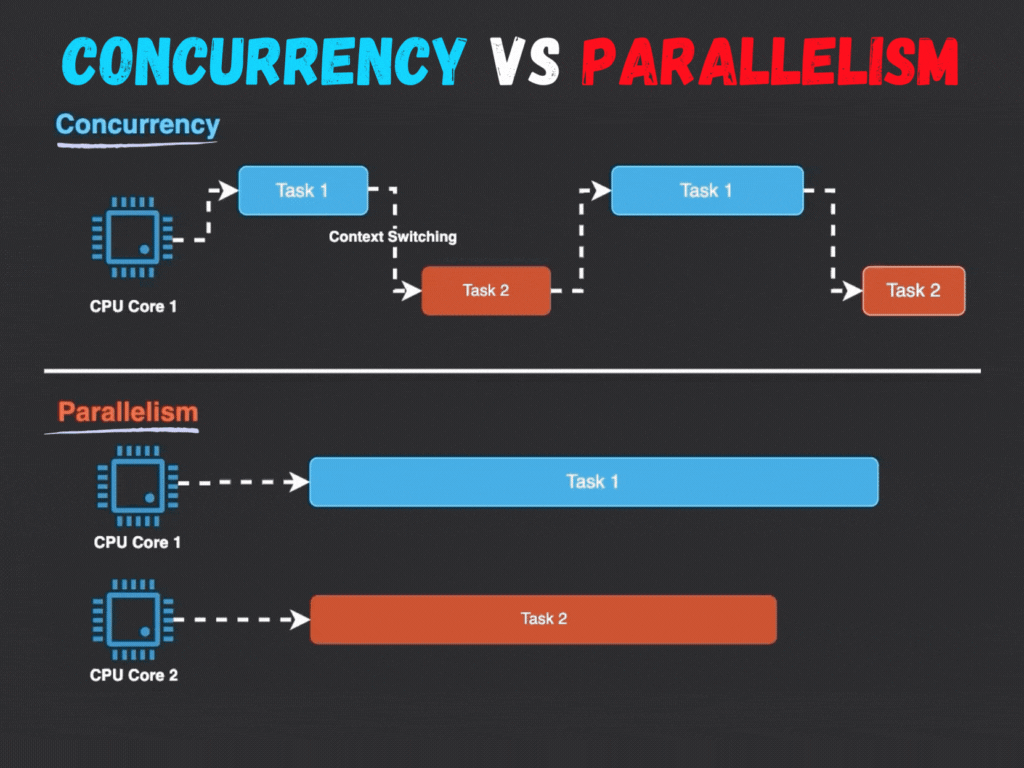
- Java, C#, C++ are multi threaded
- Has multi core support
- Go, Erlang/Elixir are concurrent
- Can be used with multicores and even single
cores
- Can be used with multicores and even single
NodeJS Event Loop
Multi Threading is superb
but...
Complexity with Threading/Concurrency
- Shared resources
- One of more thread can modify/access
data without coordination leads to
unpredictable behaviours
- One of more thread can modify/access
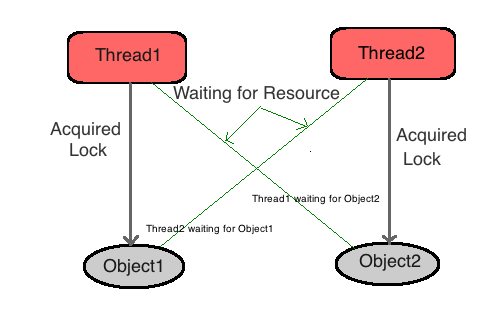
- Race Conditions
- Deadlocks and Starvation
- Coordination becomes complicated
- Error handling is complex
Deadlock
Race Condition
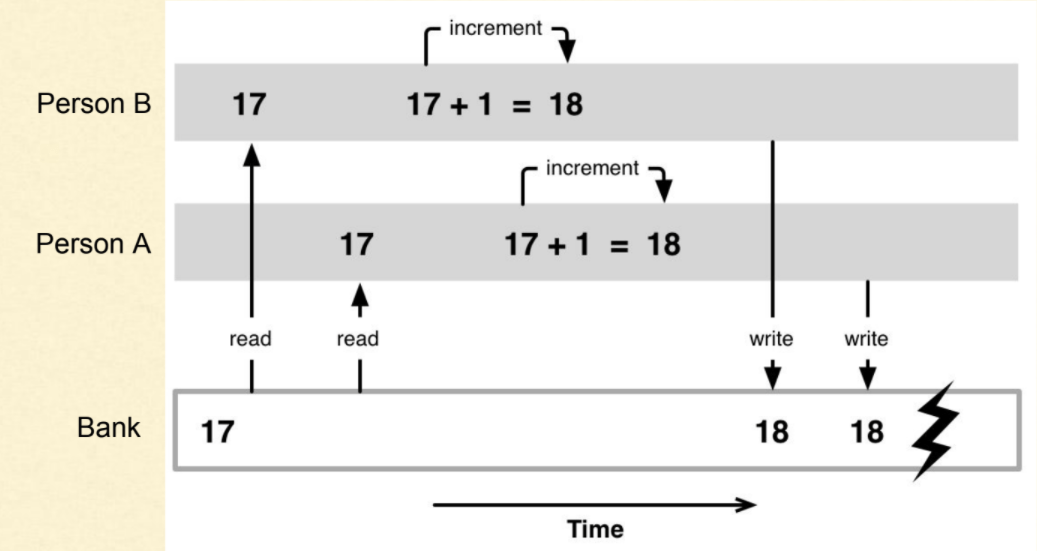
Whats the cause?
- Mutable data structures
- No data isolation
- Coordination is complicated

Solutions
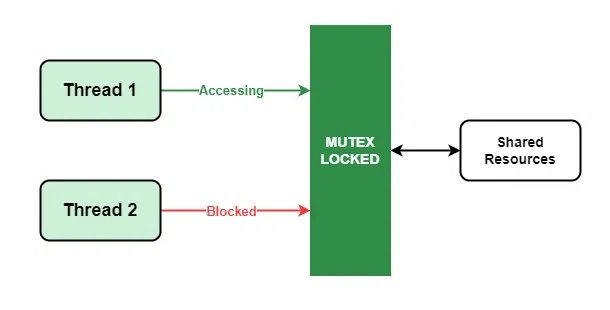
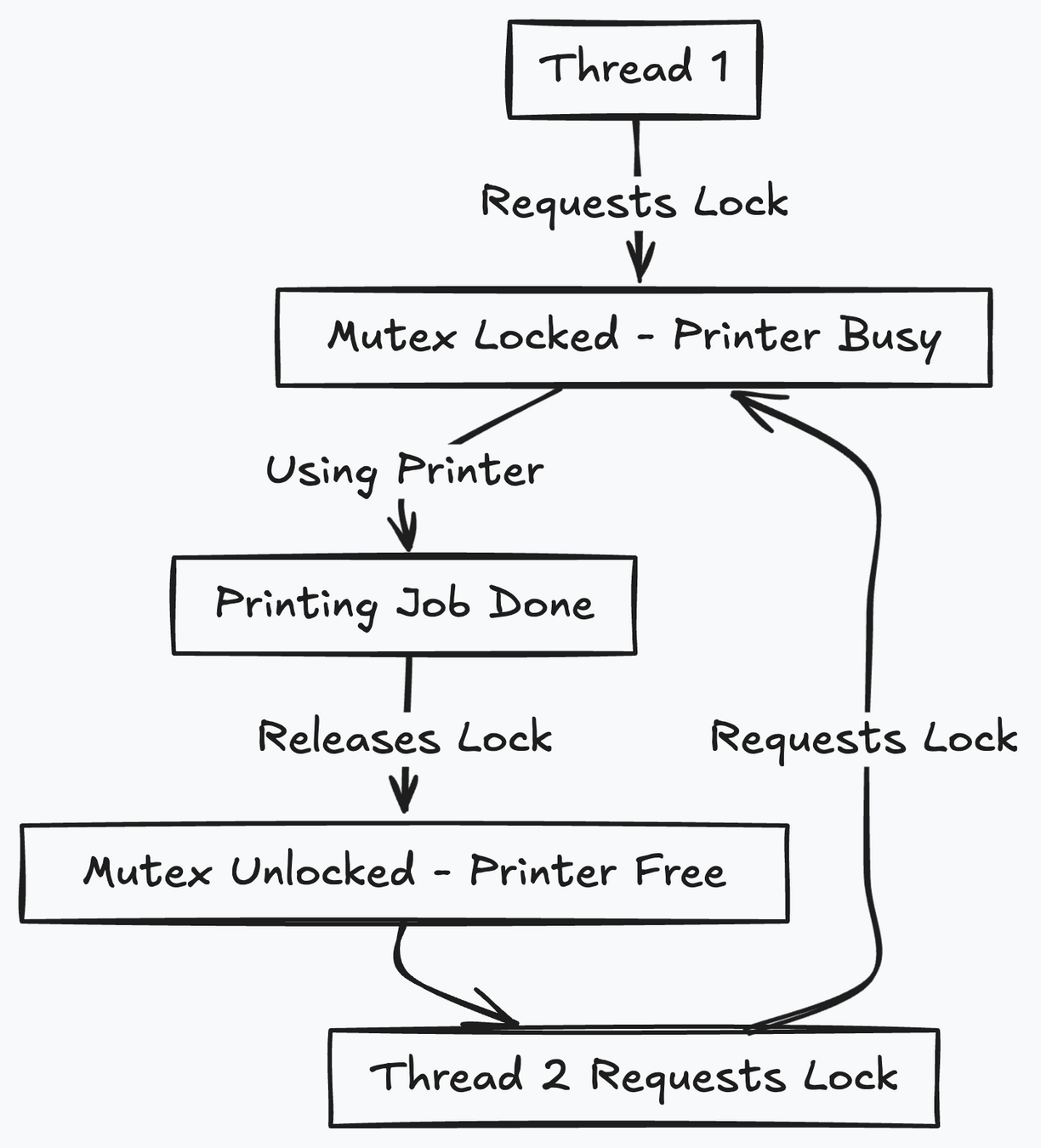
- Mutexes
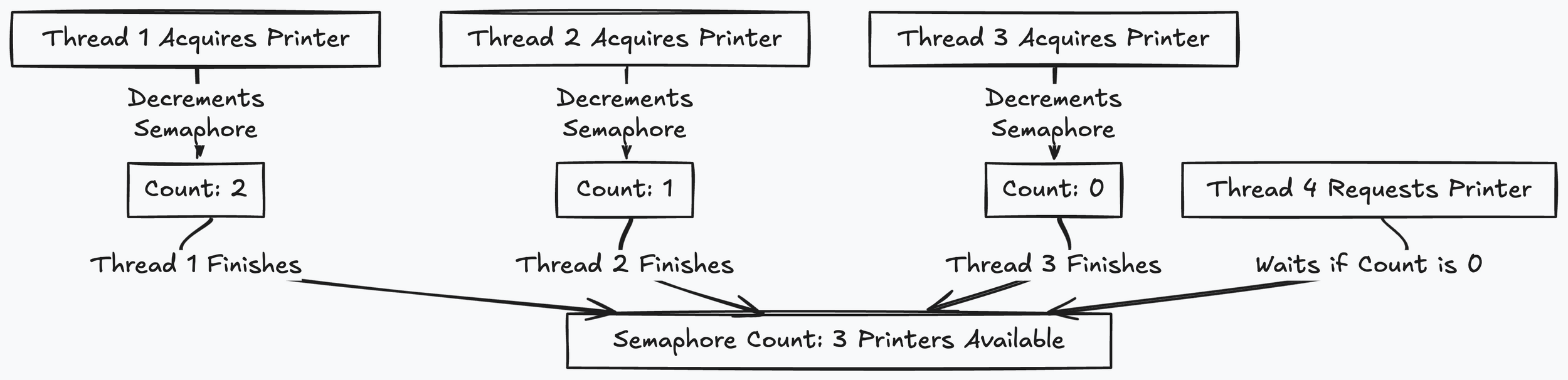
- Semaphores
- synchronized - Java
- and others tools based on lang
Mutexes
Semphore
Erlang got you 🙌
- Processes are isolated
- No shared memory or state
- No one can modify state
- Immutable data structures
- Functions are thread safe by default 🤩
- So no mutexes or semaphores
- Message Passing
- Mailbox process messages in arrived order
- So no sync issues
- Fault Tolerence
- Crashing doesnt bring everything down
- Efficient Scheduling
- Lightweight processes
- Preemptive Scheduling in BEAM
In Node, if unhandled exception was thrown, it can bring down entire system
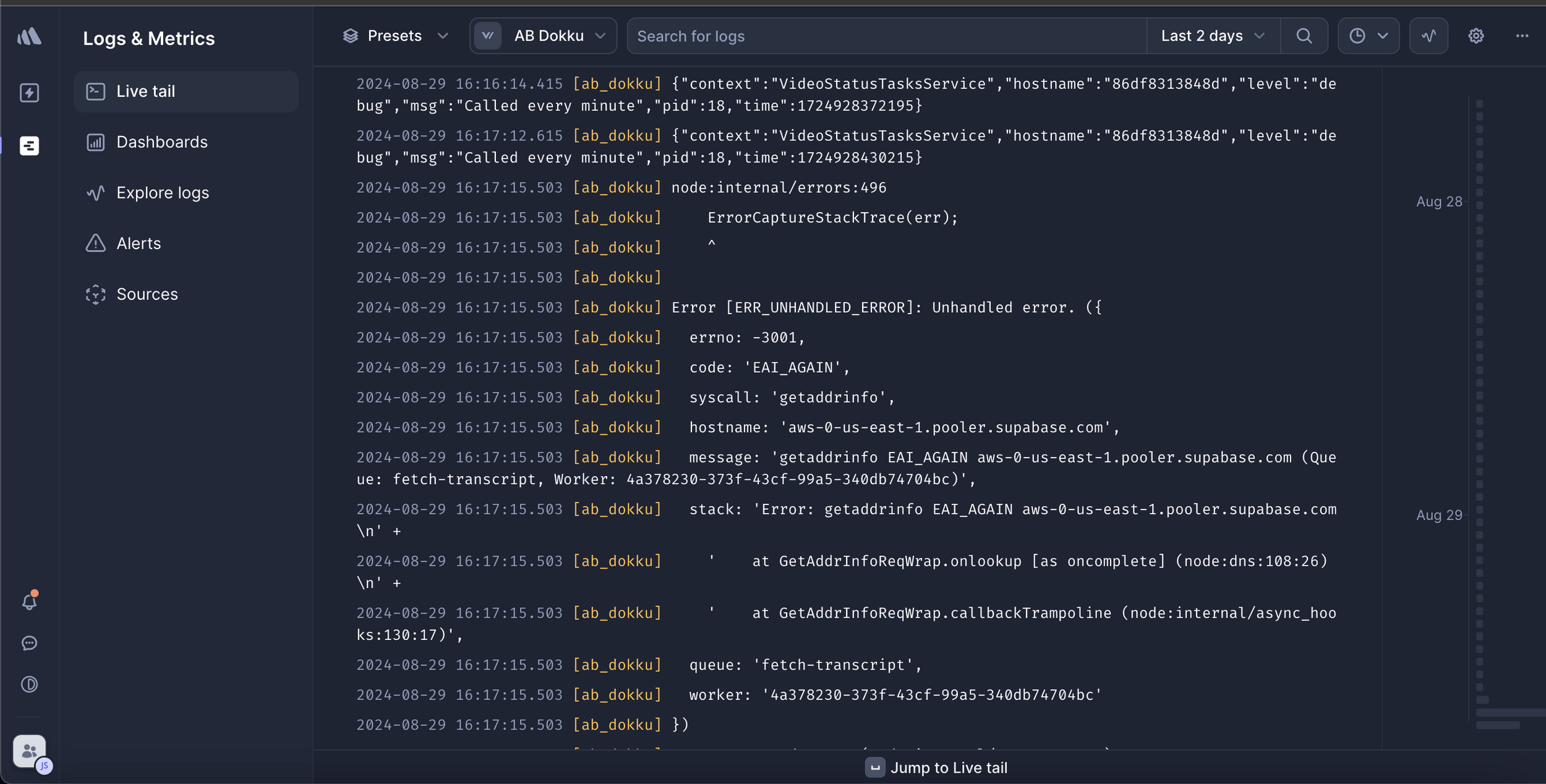
So don't even worry

GenServer
"Generic Server"
- GenServers allows you to hold complex State
- Its coming from OTP(Open Telecom Platform)
- handle_call is replying to the caller (who is waiting).
- handle_cast is fire and forget, caller doesn't wait
- handle_info handles any other message
Supervisors
- Fault Tolerance is built in
- Use Supervisors to handle issues with
processes and take actions - There are other supervisors like
DynamicSupervisor - Recover from errors without bringing
everything down
"Let it Crash"

This is for unexpected errors only
Open Telecom Platform
Its not about Telecom

- GenServer/Supervisor are a part of
OTP platform created on top of Erlang - Back then Erricson developed a platform
abstracting useful concurrency patterns under
OTP - Later they made it publicly available
- OTP is the center of any modern Elixir app
Tooling
Ecosystem
We will explore them practiaclly
-
Phoenix Framework - Your web framework
- Its similar to Express/Nest/FastAPI
- Supports real time connections out of the
box. So no need of Socket.io/WebSockets - Highly scalable
-
Ecto - Database ORM and Query builder
- Similar to Objection/Knex/Kysely
- Closer to SQL
-
Oban - Schedule jobs
- Similar to PgBoss
-
Broadway - Build data pipelines
- Supports RabbitMQ, SQS, Google PubSub
-
Cachex - A distributed cache
- Similar to Redis
-
Req - a HTTP client
- Similar to Axios
-
Jason - a JSON library
- Next elixir release will have built in JSON
- ExAws - AWS for elixir
- stripity_stripe - Stripe for Elixir
-
LiveView - A realtime way to build UIs
- Similar to React/Vue + WS
Erlang/Elixir has a rich standard library
Thinking
in
Elixir

- Think of the Happy path
- Think of creating small reusable functions
- Worry less about data mutations
- Clear concise codes showcasing
underlying business requirements - Be better programmers
- Working with Elixir made me a better
programmer with other langs
- Working with Elixir made me a better

After you took some Elixir
It's not a silver bullet

- Its not easy to onboard devs
- We wont possibly hire elixir devs
- We can hire node devs, but not elixir
- Instead we have to train them
- Limited number of libraries
- You may find that most libraries arent
there for elixir
- You may find that most libraries arent
- Types - Its not typesafe like Typescript
- There is an ongoing effort to bring types
- DX is not great
- Ongoing effort to make ElixirLS better
- Learning curve
- Functional programming re-wire your
brain
- Functional programming re-wire your
Where to get help?




Don't be afraid to ask questions
When i started, i was always asking questions from experts
QnA

The End


Leap of Faith
The Art of Elixir
By Kasun Vithanage
The Art of Elixir
To the battle