Keith Pinson
I am a software developer who is getting into speaking.
function input = outputvar trimmed = "";
if (toTrim != null)
{
trimmed = toTrim.Trim();
}
return trimmed;var x = 2;return x;if toTrim = null
then ""
else toTrim.Trim()class Cell {
public bool IsAlive { get; set; }
public Cell NextState(int livingNeighbors)
{
if ((IsAlive && livingNeighbors == 2) ||
livingNeighbors == 3)
{
return new Cell { IsAlive = true };
}
return new Cell { IsAlive = false };
}
}
type Cell = DeadCell | LivingCell

let nextStateOf cell livingNeighbors =
    match cell, livingNeighbors with
    | LivingCell, 2 -> LivingCell
    | _, 3 -> LivingCell
    | _ -> DeadCell
public Cell NextState(int livingNeighbors)
{
    return new Cell
    {
        IsAlive = (IsAlive && livingNeighbors == 2) ||
                  livingNeighbors == 3
    };
}
public bool ShouldOfferToGiftWrap()
{
    foreach (var item in Items)
    {
        if (item.IsFromWishlist)
        {
            return true;
        }
    }

    return false;
}
let shouldOfferToWrapGift order =
    List.exists (fun i -> i.IsFromWishlist) order.Items
public bool ShouldOfferToGiftWrapV2()
{
    // Yeah LINQ!
    return Items.Any(item => item.IsFromWishlist);
}
var shouldOfferToGiftWrap = function(items) {
    return _(items).some(function(x) {
        return x.isFromWishlist;
    });
};
(But please, do not just click "Convert to LINQ"!)
By Keith Pinson
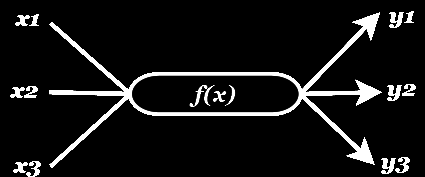
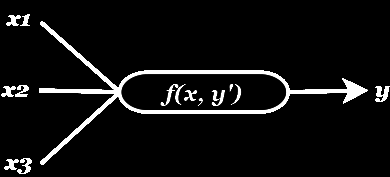
Thinking with functions defined by expressions applied as transformations to a set of data