

Kristoffer Brabrand
Senior developer @ Behalf
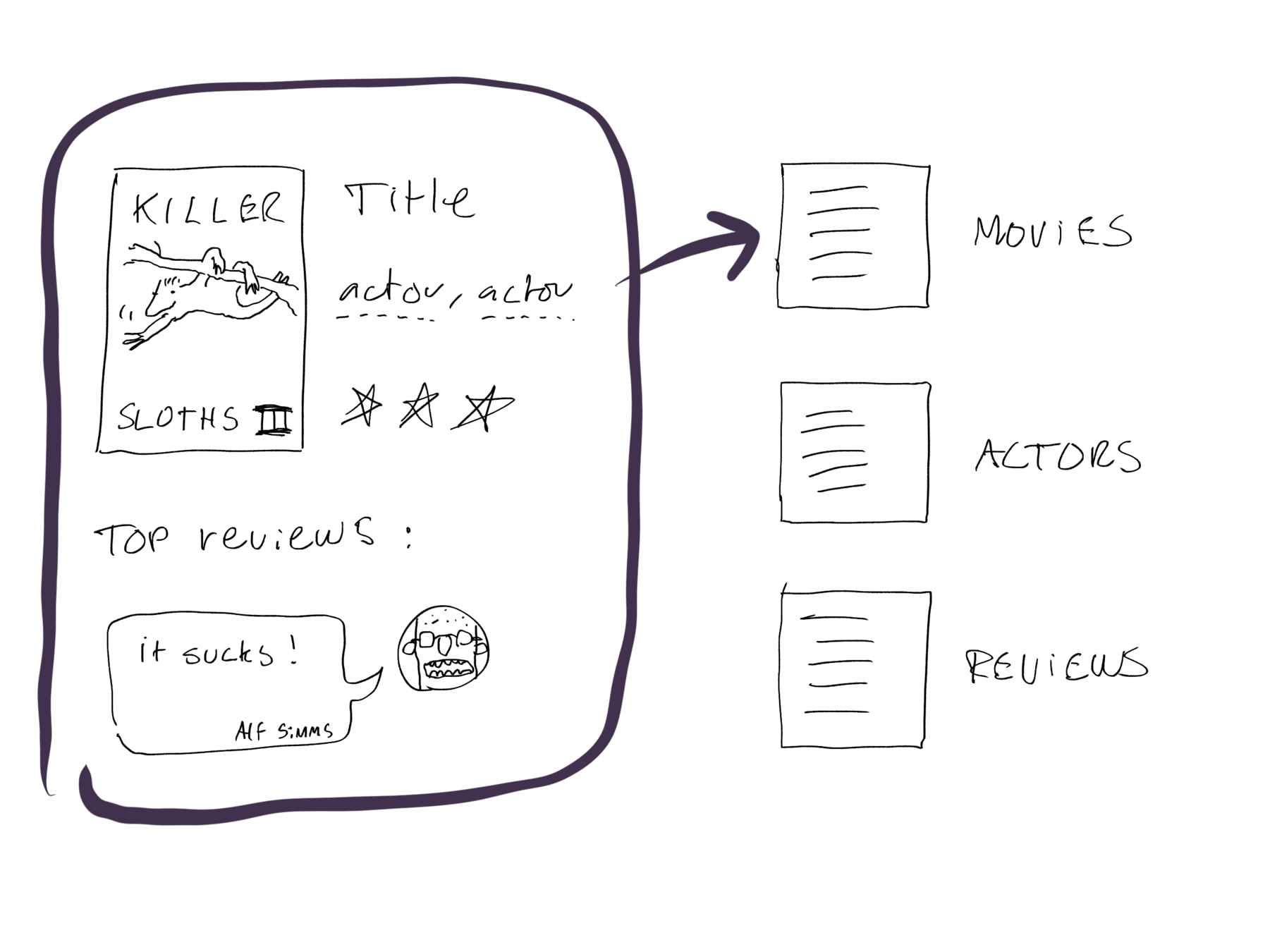
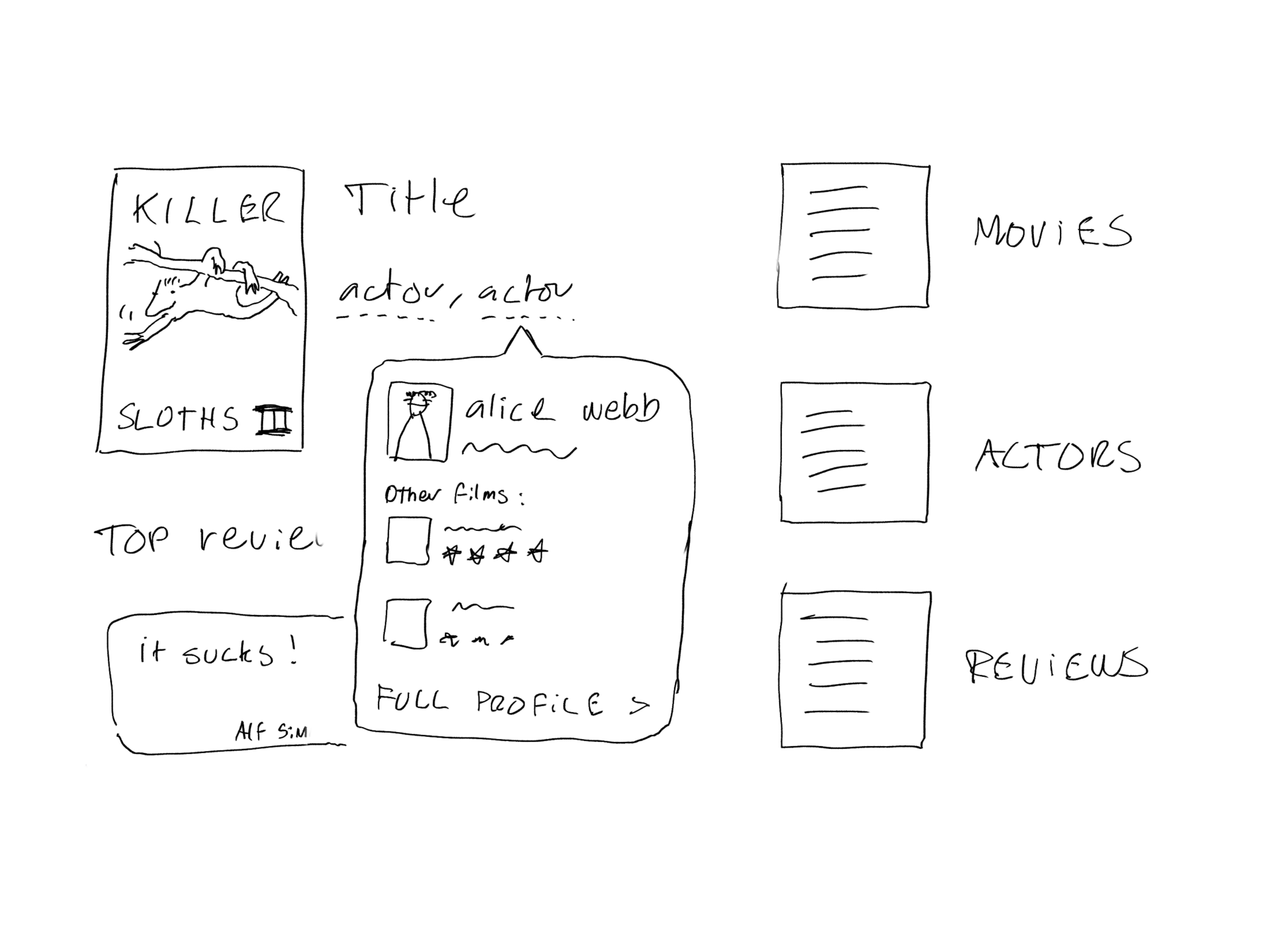
GraphQL: A graph oriented way to think about and explore data
[without the data actually having to be in
a graph database any particular structure,
database or format at all]
1. frontend view specific endpoints in your API
2. huge payloads with loads of data your view doesn't need
3. many API requests per view
query Query {
  article(id:196000) {
    id
    title
    authors {
      name
    }
  }
}
{
"data": {
"article": {
"id": 196000,
"title": "Slik kan nettbankene bli sikrere",
"authors": [
{
"name": "Pål Unanue-Zahl"
},
{
"name": "Madeleine Bråthen Bjaaland"
}
]
}
}
}query Query {
article(id:196000) {
id
title
preamble
story
authors { name }
tags { id name }
categories { id name }
}
}{
"data": {
"article": {
"id": 196000,
"title": "Slik kan nettbankene bli sikrere",
"preamble": "...",
"story": "<p>De kan virke...",
"authors": [
{
"name": "Pål Unanue-Zahl"
},
{
"name": "Madeleine Bråthen Bjaaland"
}
],
"tags": [
{
"id": 1434,
"name": "Datasikkerhet"
},
{
"id": 1433,
"name": "Datakriminalitet"
},
{
"id": 1430,
"name": "Data og nett"
}
],
"categories": [
{
"id": 1107,
"name": "Teknologi"
},
{
"id": 1102,
"name": "Forbruker"
}
]
}
}
}query Query {
tag(id:1) {
id
name
articles {
id
title
}
}
}{
"data": {
"tag": {
"id": 1,
"name": "Statoil",
"articles": [
{
"id": 8042902,
"title": "800 millioner kroner til Statoil-meklere"
},
{
"id": 6738410,
"title": "Applaus for Statoil-aksjen"
},
{
"id": 8159735,
"title": "69 kroner for Statoil-aksjen"
},
...
]
}
}
}https://github.com/kbrabrand/graphql-intro
By Kristoffer Brabrand