So you want to take some photos, huh?
Basic Composition & Framing
Why a photo looks the way it does
Composition
The placement or arrangement of visual elements or ingredients in a work of art.
Rule of Thirds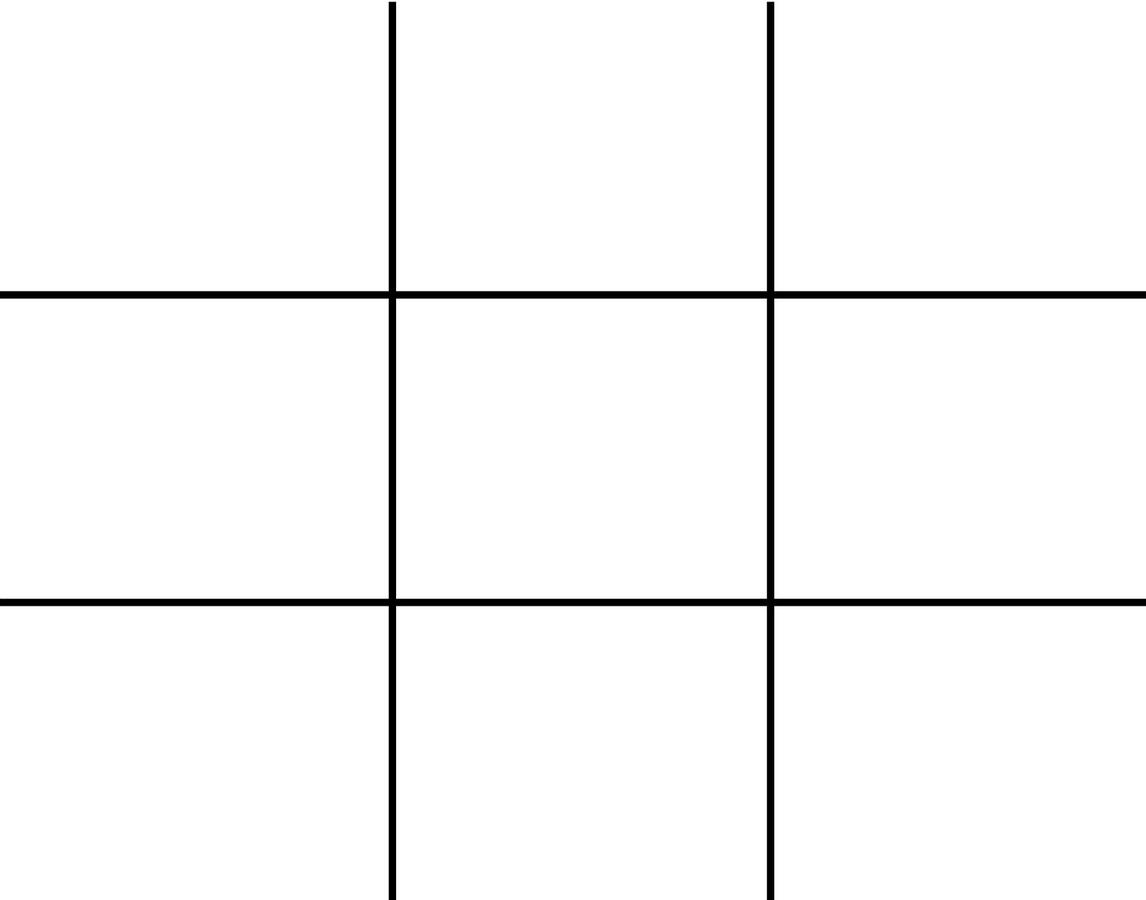
DON'T
Just center stuff.
DO
Put stuff on those thirds.
Background
& Foreground
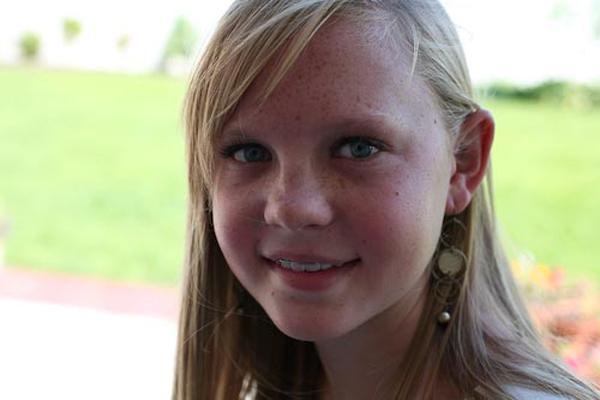
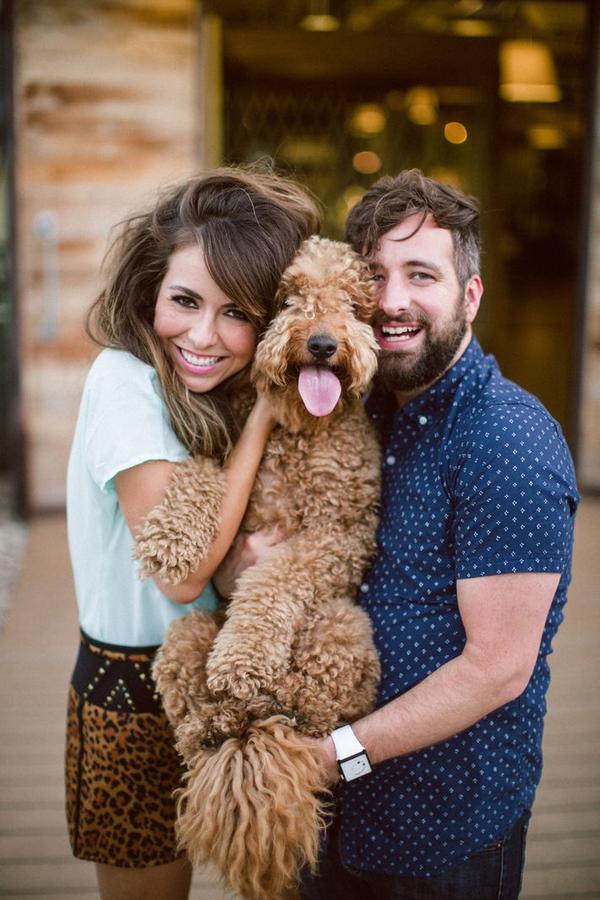
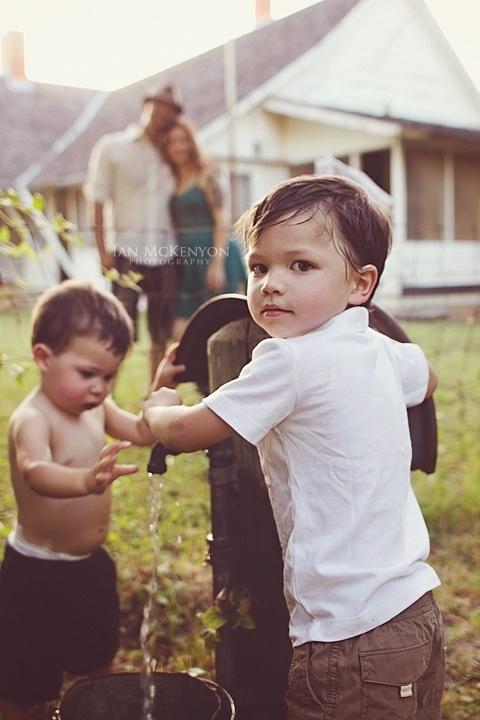
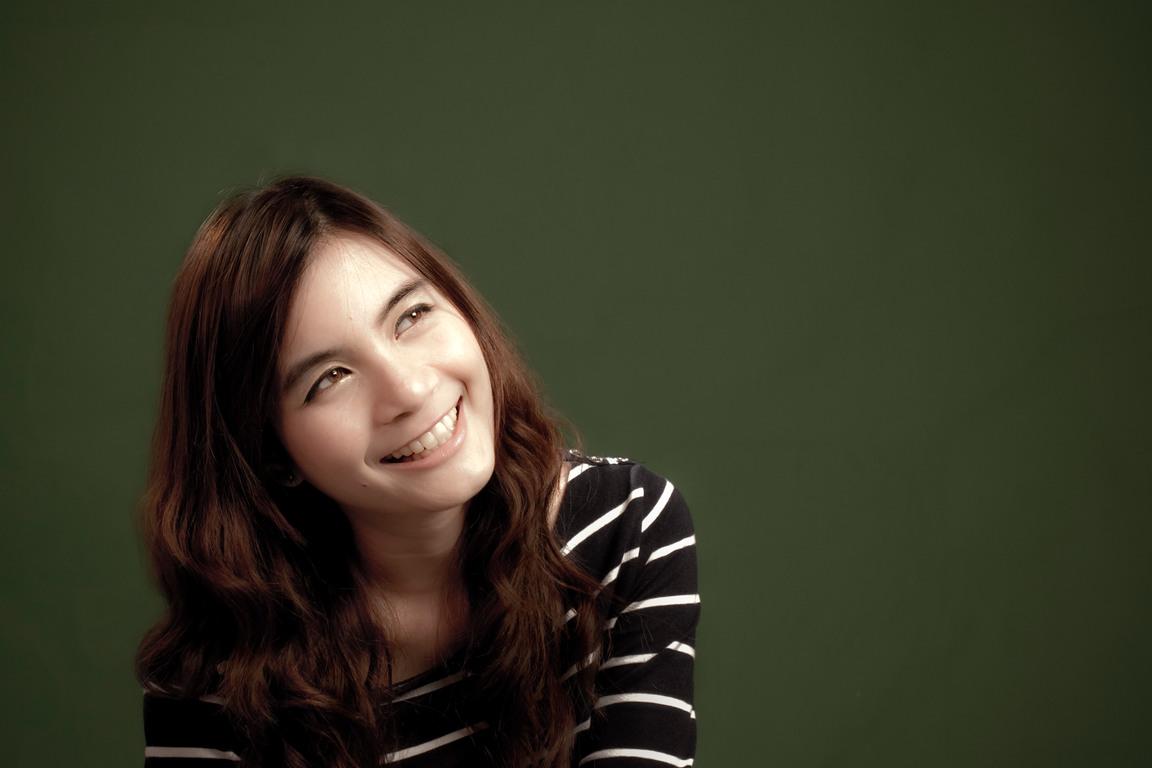
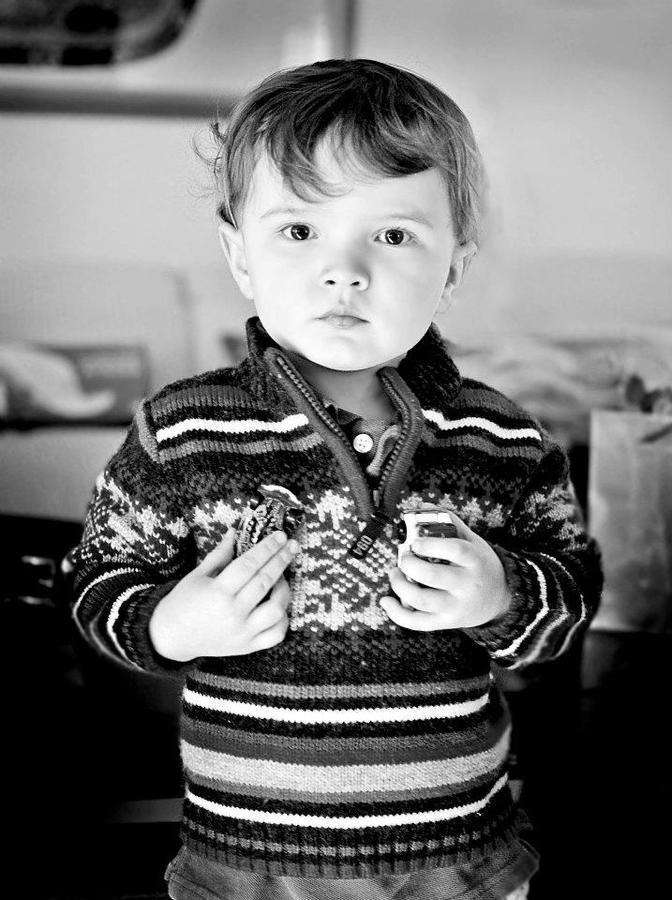
Headroom
Focal Lengths
& Zoom
Digital Zoom = Bad
35mm = old standard
50mm = "natural" standard
300mm = pretty far zoomed in.
1x = 35mm
Focal Length Examples
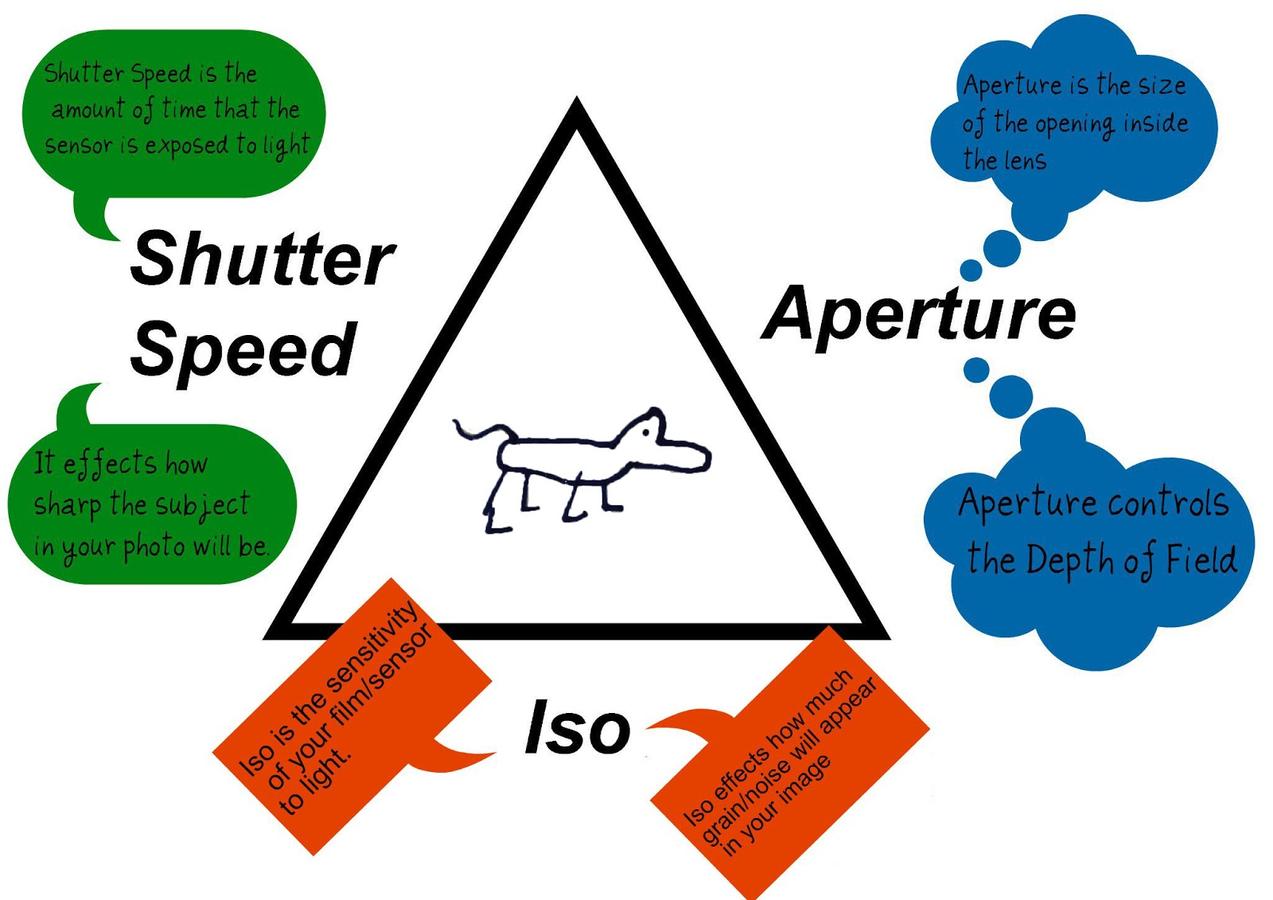
The Exposure Triangle
ISO
Controls Sensor Sensitivity
Measured in increments of
100, 200, 400, 800, 1600
Side Effect: Grain
Higher = more sensitive = brighter = grainier
Higher = more sensitive = brighter = grainier
Shutter Speed
Controls how long shutter is open
Measured in seconds.
1/4000 to 1/200 to 2"
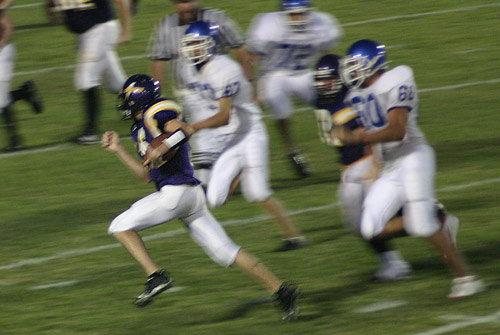
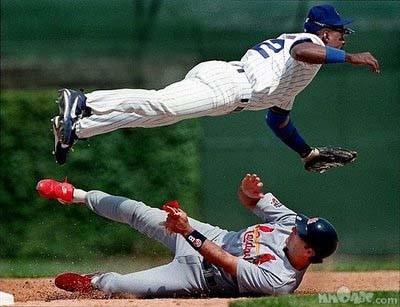
Side Effect: Motion Blur
Slower = smaller denominator = brighter = blurrier
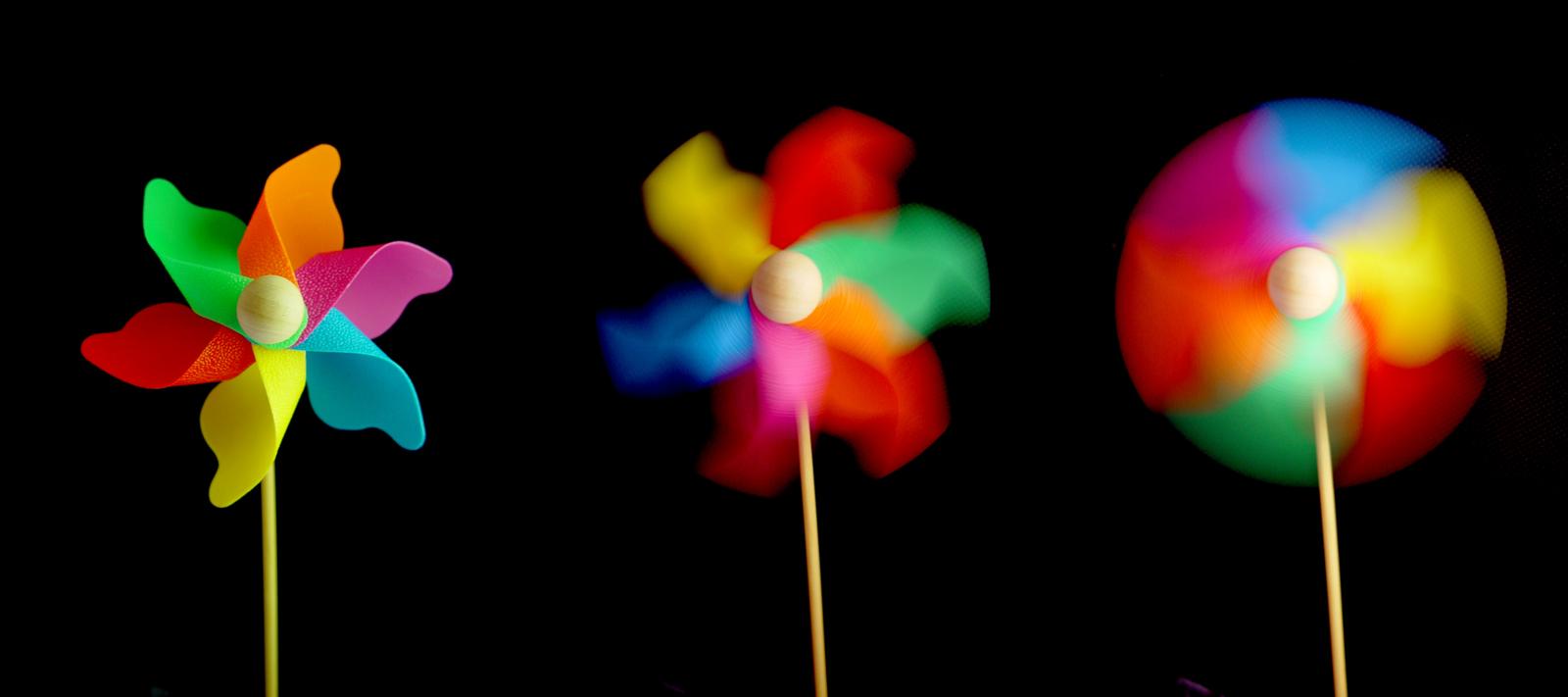
Fast = Great for Freezing Action
Slow = Great for Natural Movement
Aperture
Controls how wide hole in the lens is
Measured in f-stops.
f/1.4 - f/5.6
Side Effect: Depth of Field
Smaller f-stop denominator = larger ratio = larger hole = "more wide open" = "faster" = shallower DOF = brighter
Shallow DOF
(f/1.4)
Great for portraits of people and focusing in on a subject
Deep DOF
(f/10)
Great for landscapes
White Balance
Start with Auto
Get this piece right and color should fall into place
Prioritize skin tones
Next Steps
Practice your Composition first
When you're ready
- P -
Set WB and ISO if you want
- Av -
You set the Aperture
- Tv -
You set the Shutter Speed
- M -
All in
Hudl University: Photography
By levinels