Matt Hale
Director, School of Interdisciplinary Informatics
Director, NebraskaCYBER
Associate Professor of Cybersecurity
Scaling and UP-skilling the Nebraska cyber workforce
Nebraska University Center For Cybersecurity (NebraskaCYBER)
Nebraska CYBER
Excellence Today ->
Elevation Tomorrow
- Who are we and what have we accomplished
- The opportunity for growth
- What we are doing about it (MATRIX)
- Community involvement
- Feedback and next steps

Who are we and what we've accomplished
NSA Center of Academic Excellence in Cyber Operations / Defense (CAE-CO/CD)
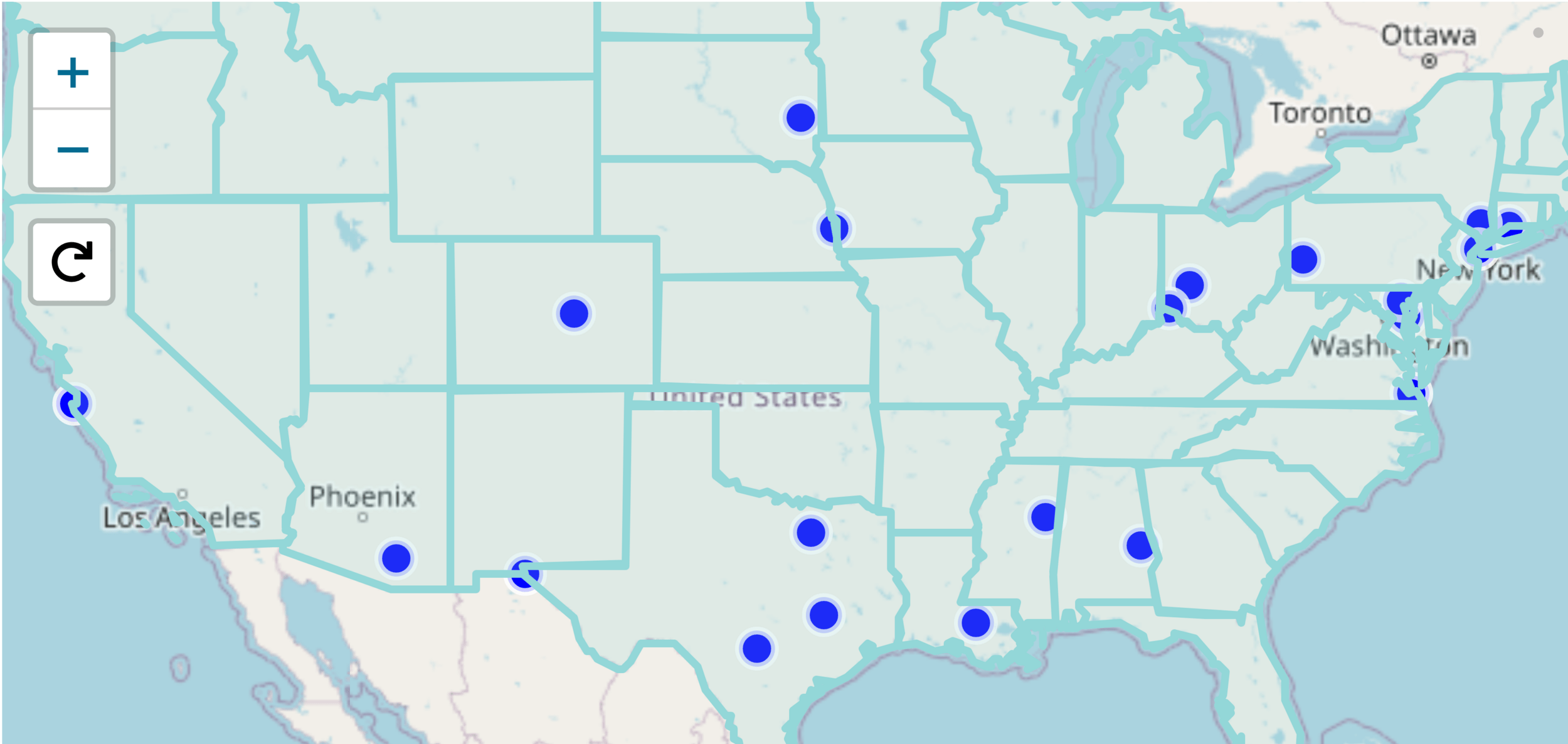
- NebraskaCYBER is one of just 21 institutions with this designation
- Other schools include generally much more prestigious universities (e.g. CMU, ASU, US Air force academy, Naval postgraduate school, Auburn)
- Only CAE-CO in the region (up to Dakota State)

NSA Center of Academic Excellence in Cyber Operations / Defense (CAE-CO/CD)
- NebraskaCYBER is one of just 21 institutions with this designation
- Other schools include generally much more prestigious universities (e.g. CMU, ASU, US Air force academy, Naval postgraduate school, Auburn)
- Only CAE-CO in the region (up to Dakota State)
HISTORY Of NebraskaCYBER
(2001) Founded as NUCIA (Nebraska University Center for Information Assurance) by NSA veteran turned UNO Faculty Dr. Blaine Burnham
(2004) Drafted degree proposal in Information Assurance (IA)
(2004) First NSF SFS grant received to support students
(2007) B.S. in IA launches
(2012) M.S. in IA launches
(2014) Degrees renamed to
Cybersecurity (CYBR)
(2004) UNO designated as CAE-CD
(2016) UNO designated as CAE-CO
(2022) NUCIA Renamed
to NebraskaCYBER
(Today) NebraskaCYBER
elevation
(2015 - Today) NebraskaCYBER Excellence
NebraskaCYBER brings in over $15m in grant funding
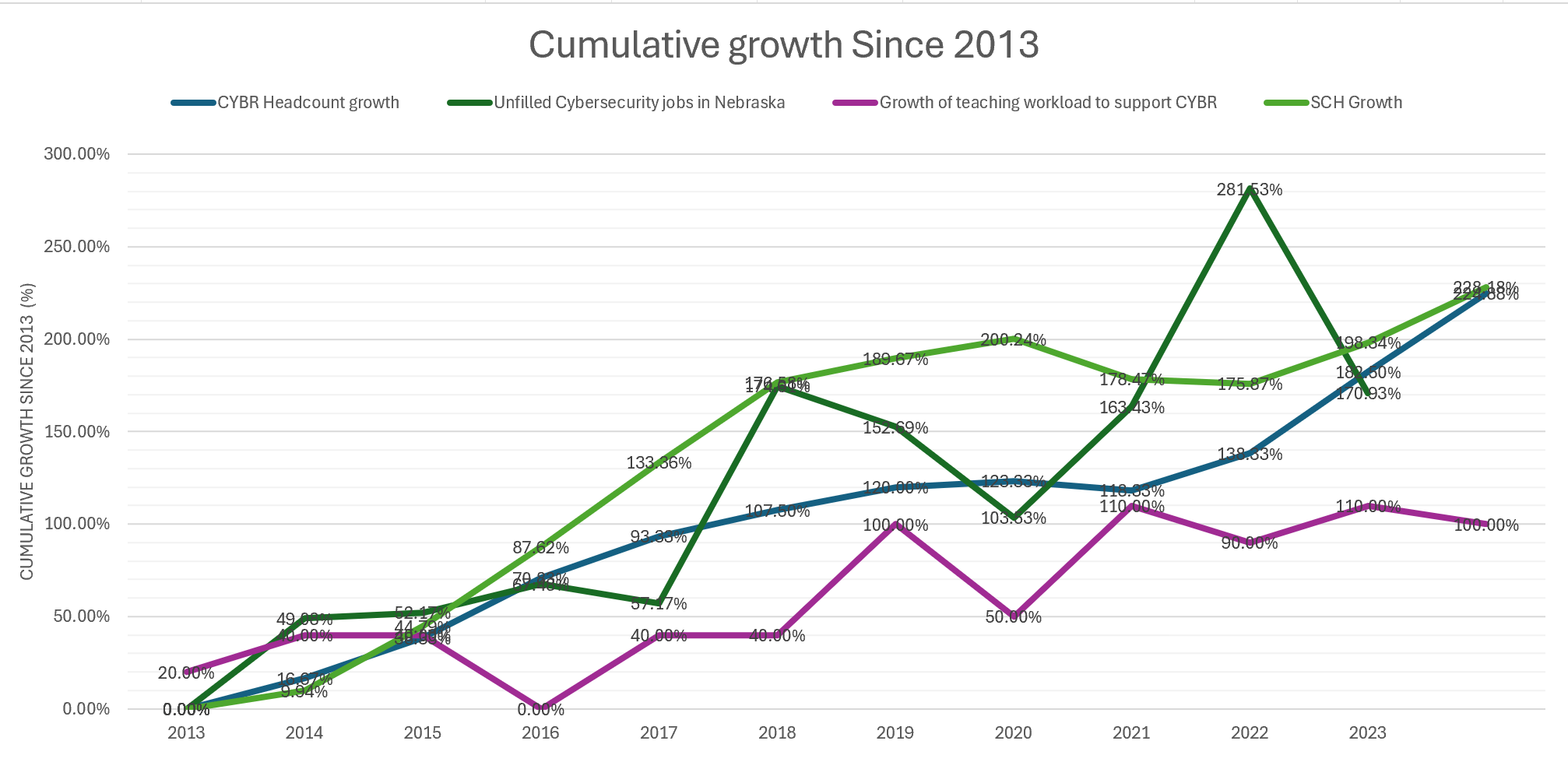
CYBR program triples in headcount and SCH
CYBR Degree Program Growth since 2013
- 11.22% average annual growth rate
- Over tripled in size in last decade
$15,044,278 in
grant Funding Since 2015
Who funds us?
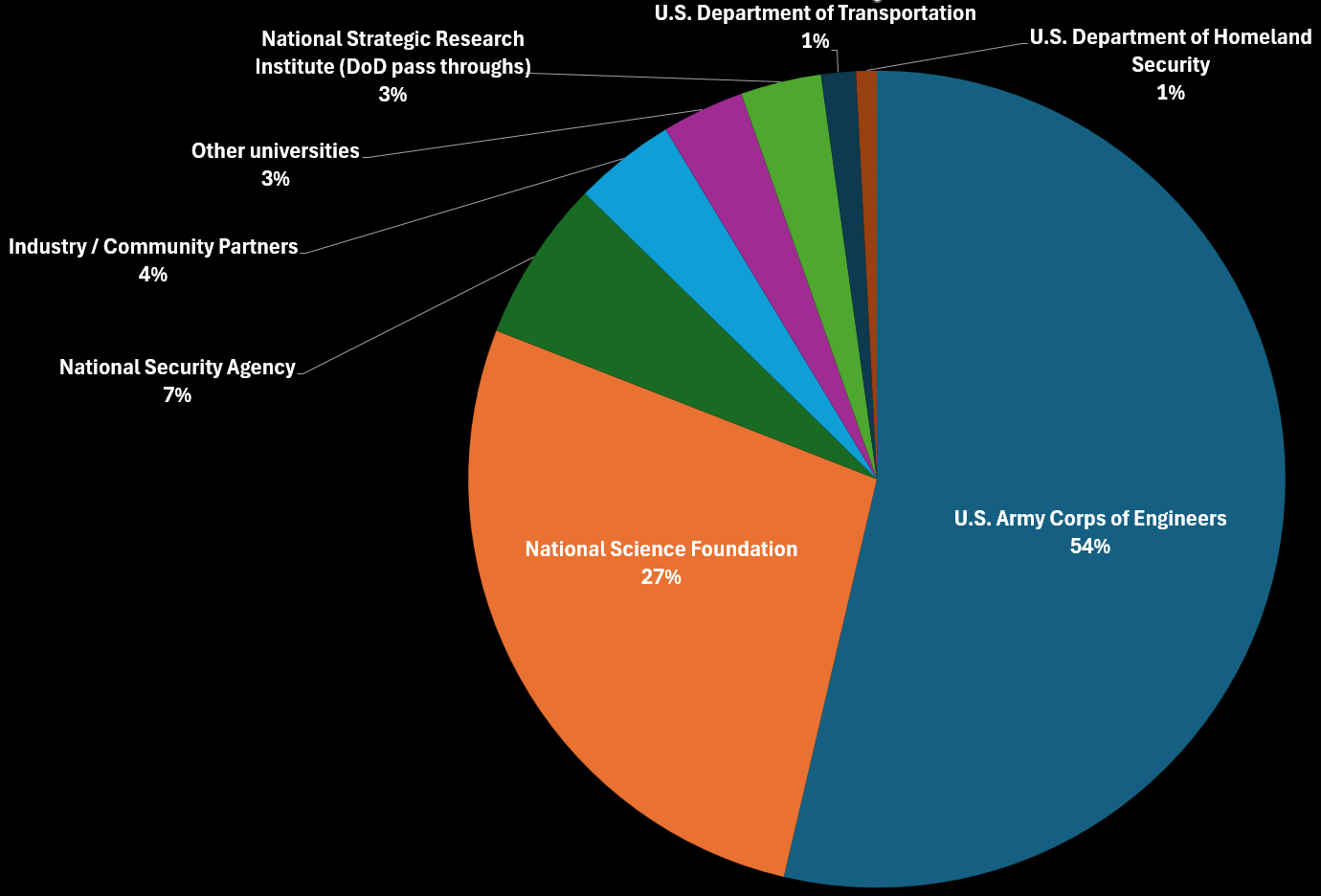
| U.S. Army Corps of Engineers | $8,199,993.00 |
| National Science Foundation | $4,166,684.00 |
| National Security Agency | $978,322.00 |
| Industry / Community Partners | $615,471.00 |
| Other universities | $498,382.00 |
| National Strategic Research Institute (DoD pass throughs) |
$488,590.00 |
| U.S. Department of Transportation | $209,336.00 |
| U.S. Department of Homeland Security | $125,000.00 |
What Kind of Projects?
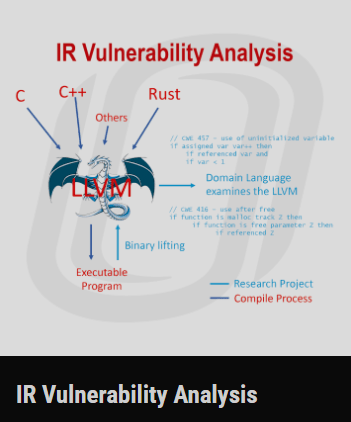

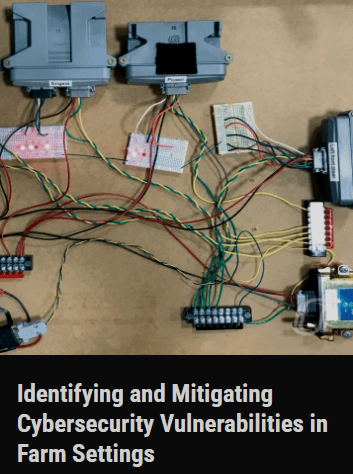
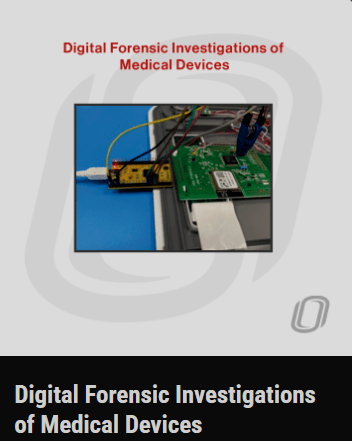
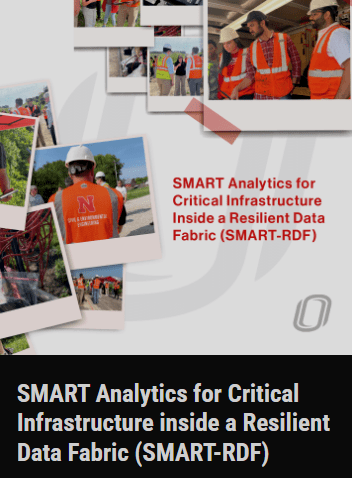
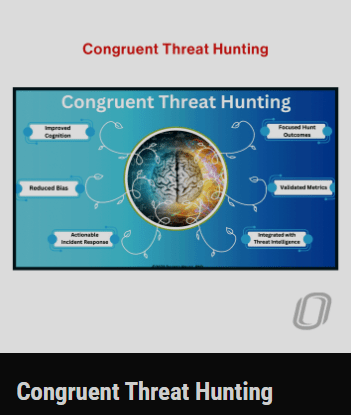
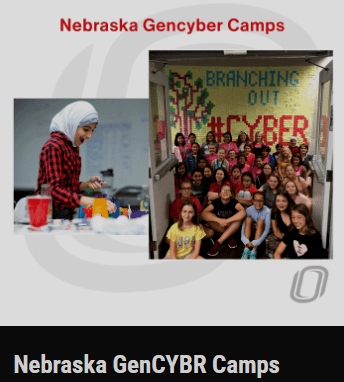
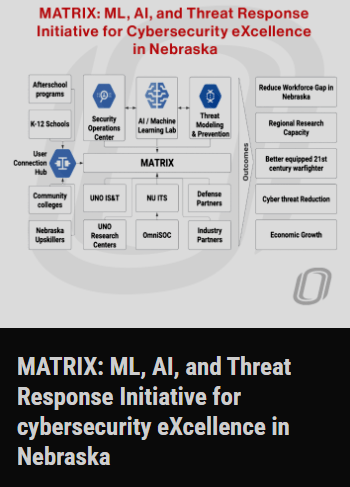
What Kind of Projects?
Community Impact -
Nebraska GenCyber

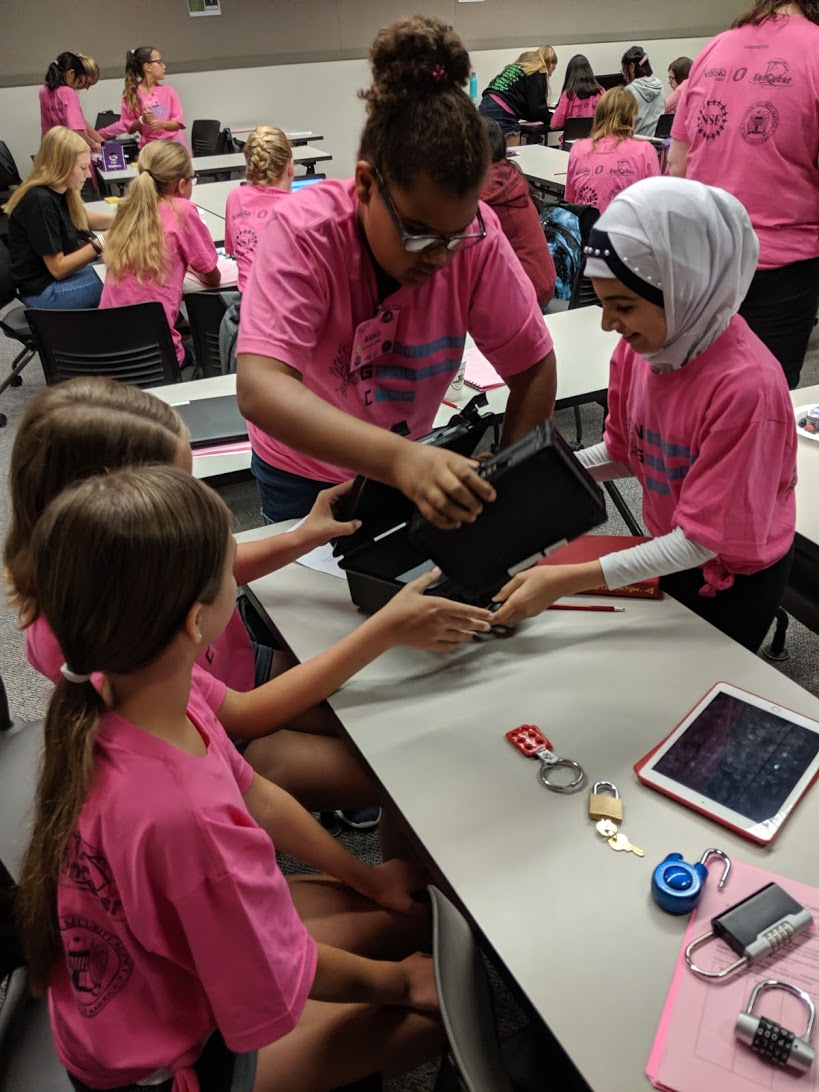
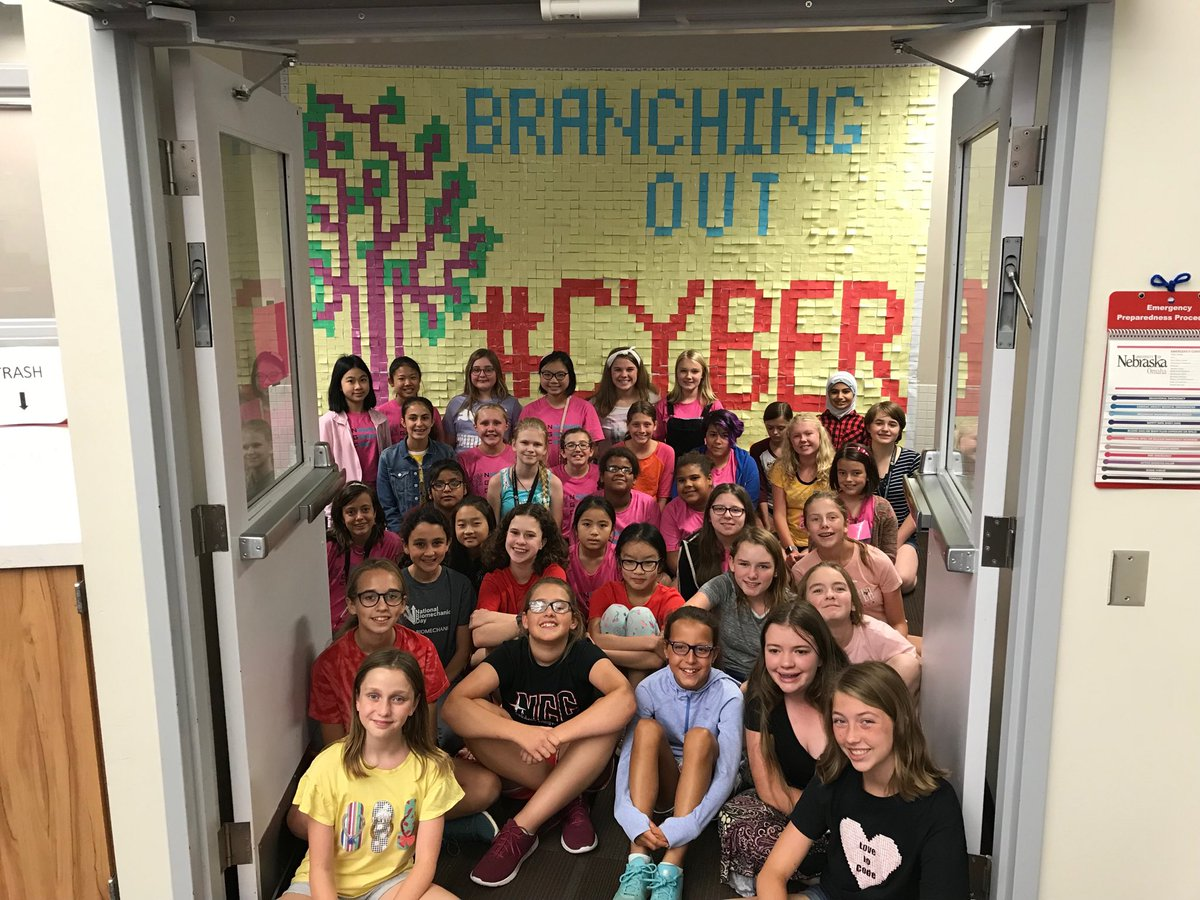
~ 440 local students, 45 teachers regionally
> 80,000 views, 2500 students, and 75 teachers nationally
The Opportunity
(AKA why should you care)
-> Workforce Development
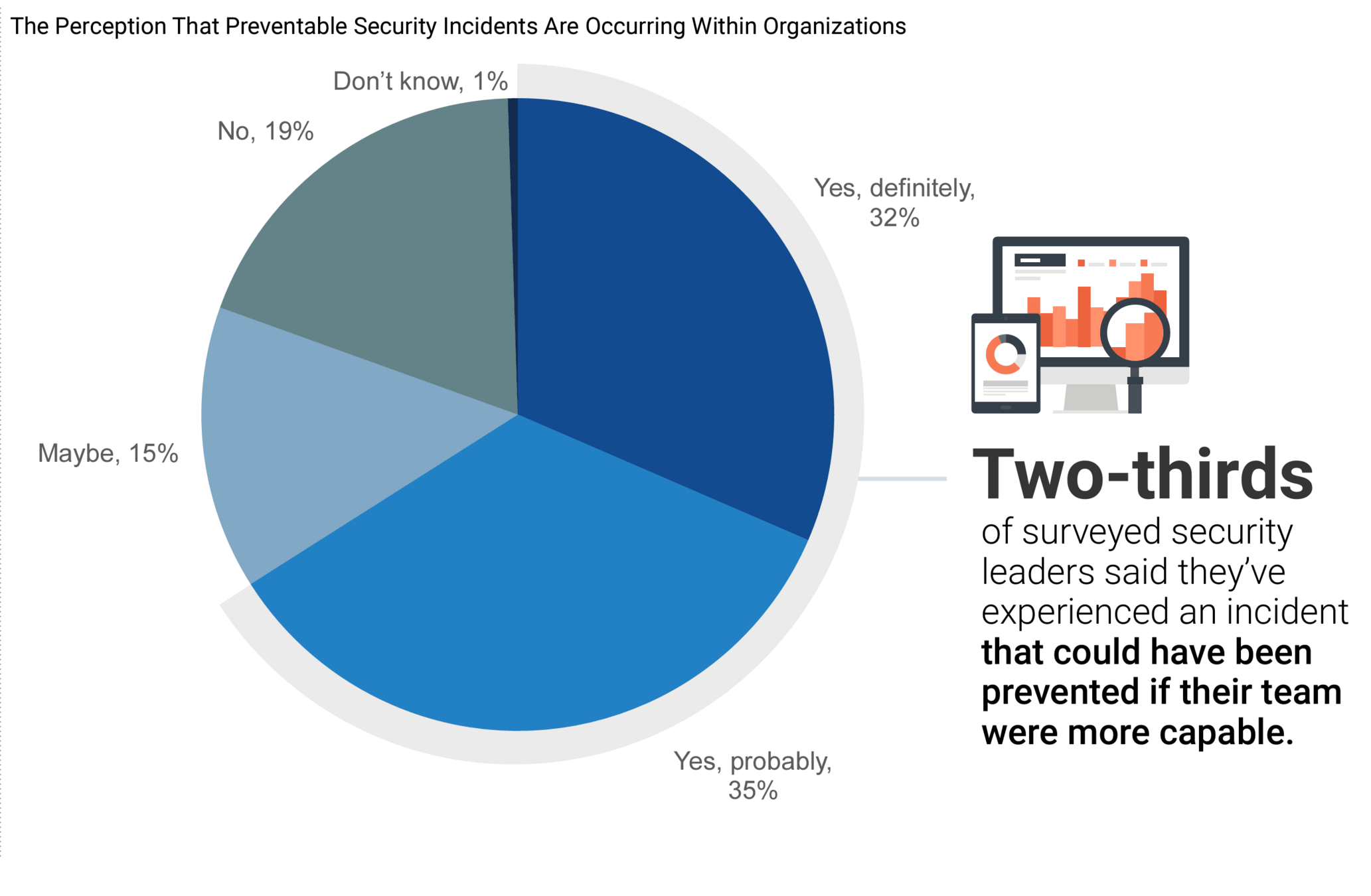
The Opportunity

Figure (c) 2023 Tech Target, Inc commissioned by Splunk
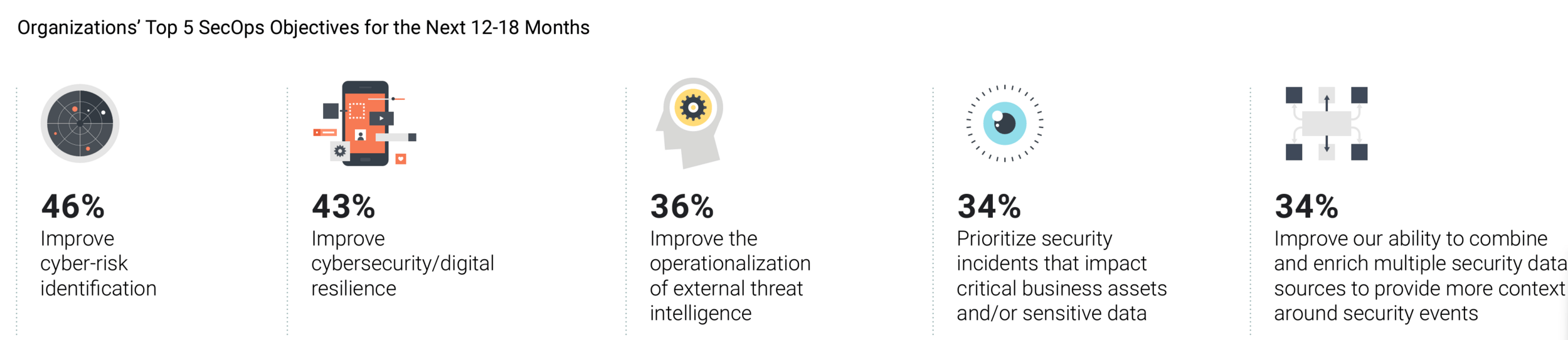
The Opportunity
Figure (c) 2023 Tech Target, Inc commissioned by Splunk
-> Why Cant Companies close
the skill gap?
Unfortunately
-> Training IN CYBER Is HARD

- highly technical skills
- numerous tools
Training in Cyber is Hard
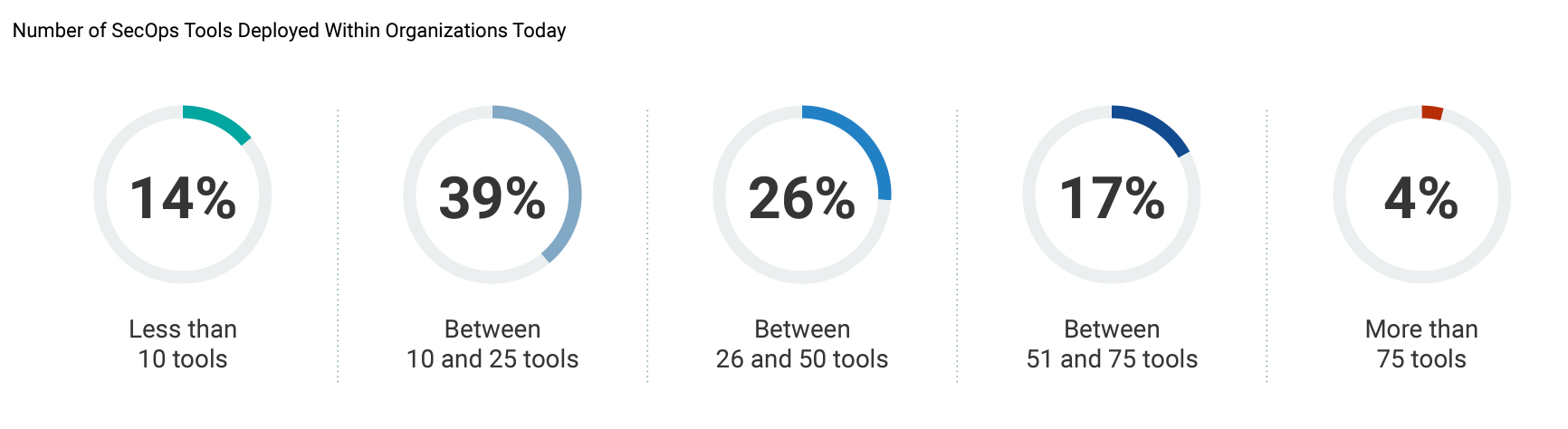
Figure (c) 2023 Tech Target, Inc commissioned by Splunk
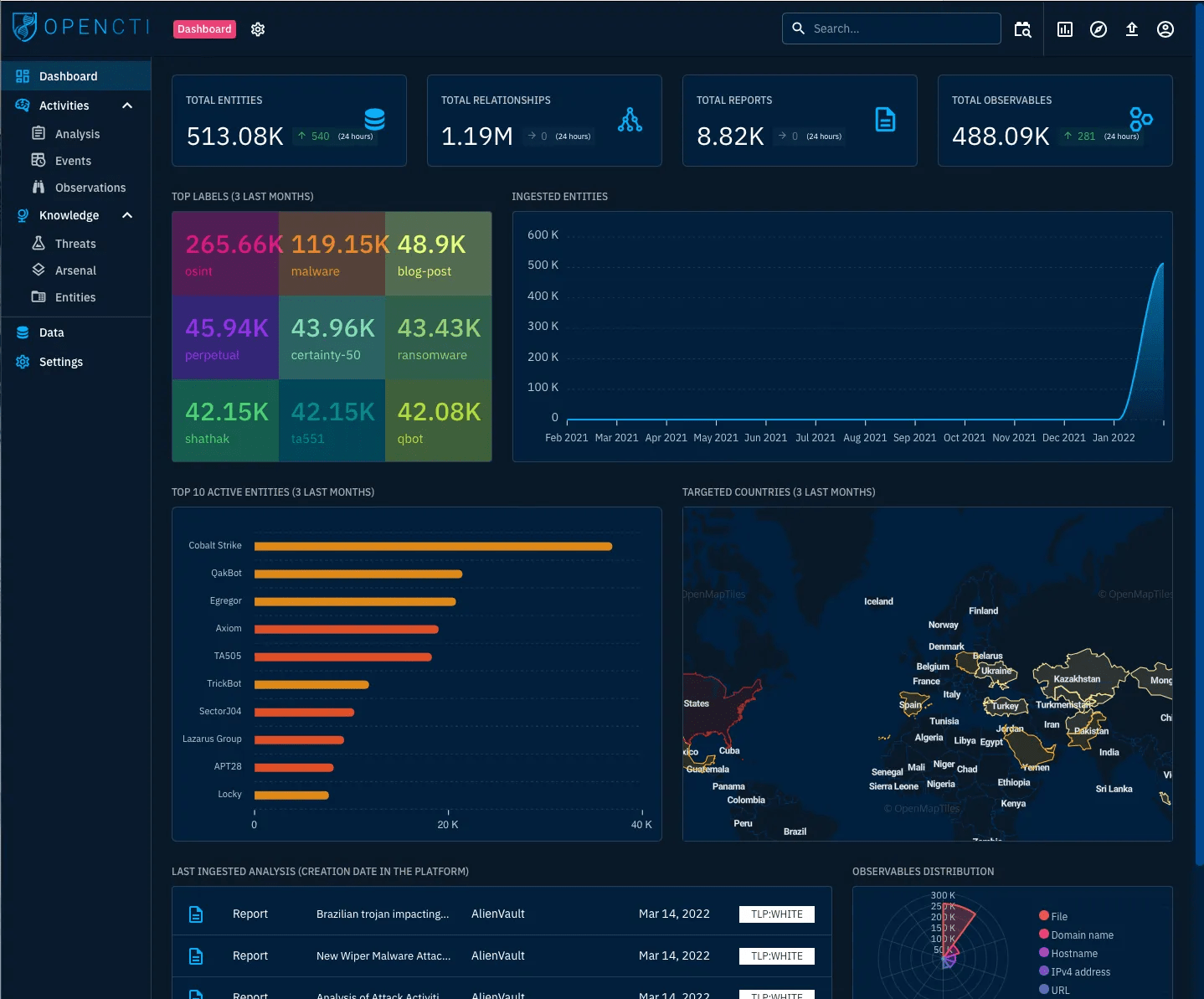
- highly technical skills
- numerous tools
Training in Cyber is Hard
- highly technical skills
- numerous tools
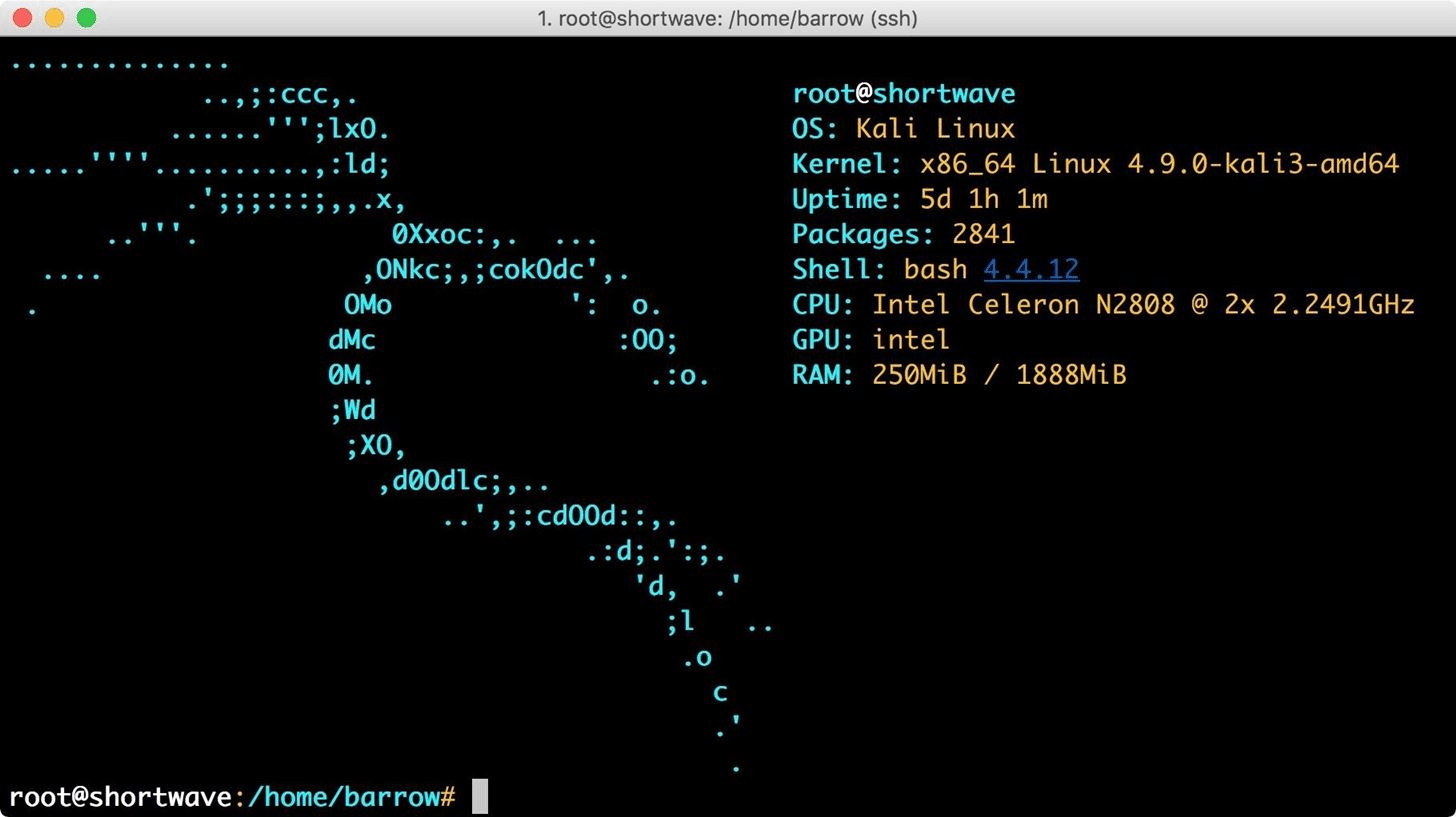
Training in Cyber is Hard
- highly technical skills
- numerous tools
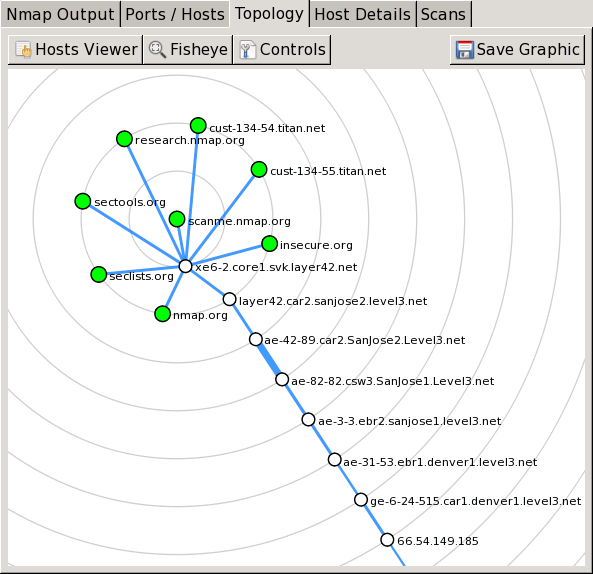
Training in Cyber is Hard
- highly technical skills
- numerous tools
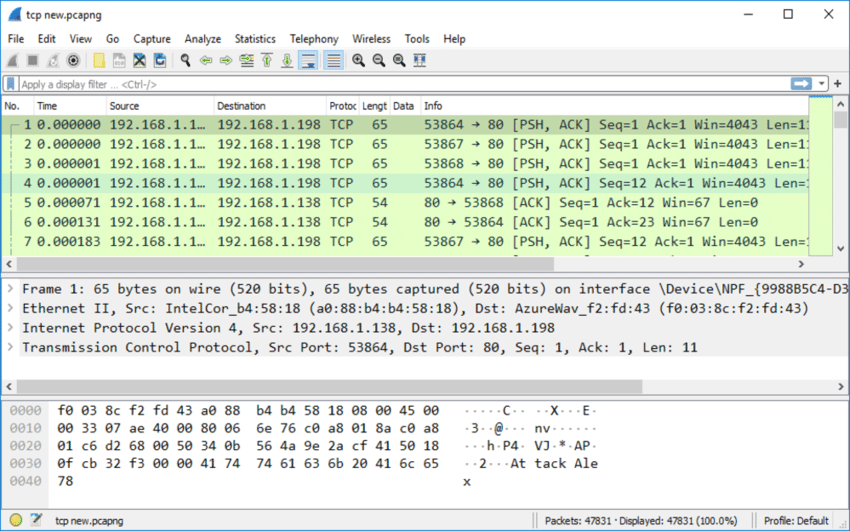
Training in Cyber is Hard
- highly technical skills
- numerous tools
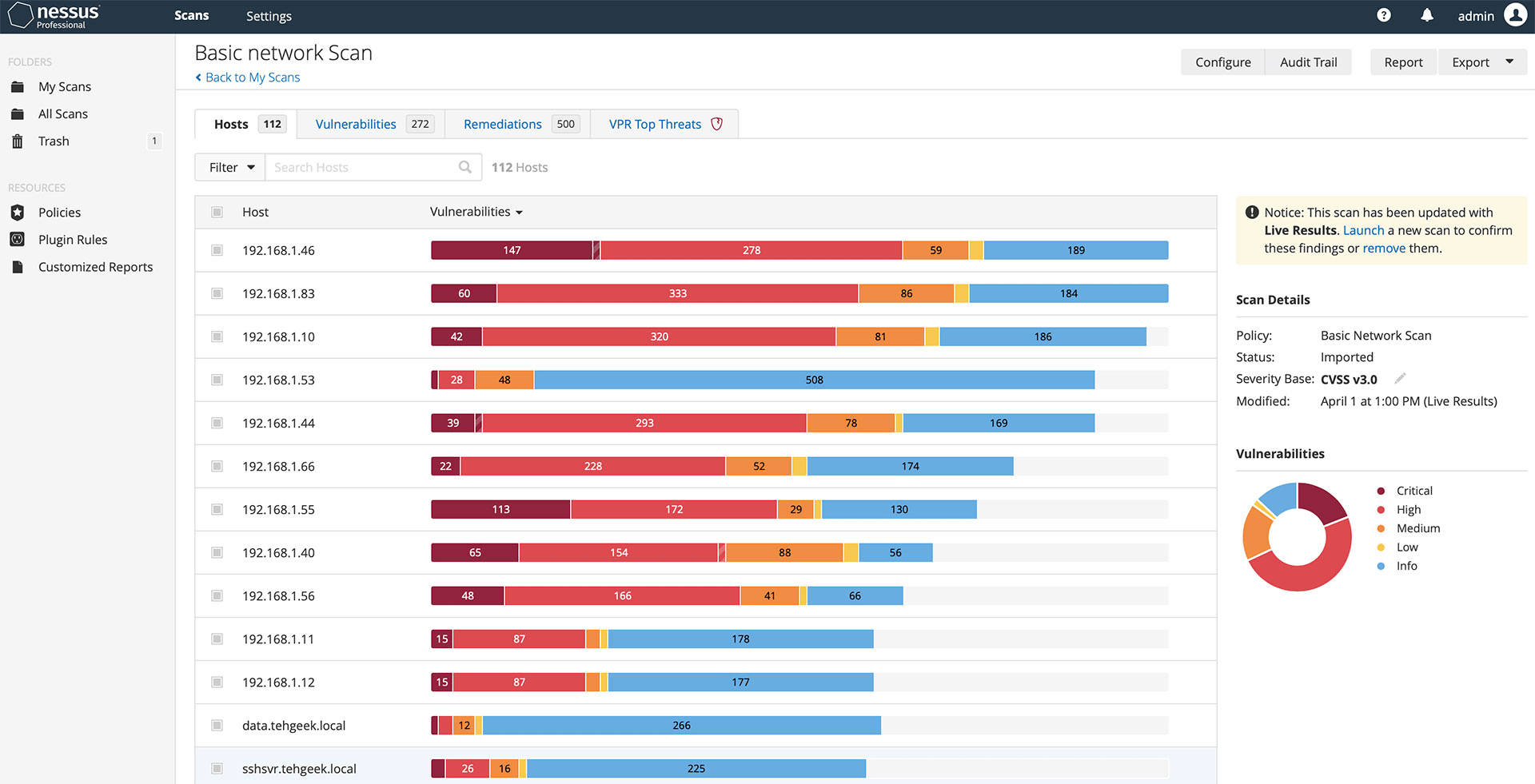
Training in Cyber is Hard
- training environments need to be able to mimic real-world scenarios
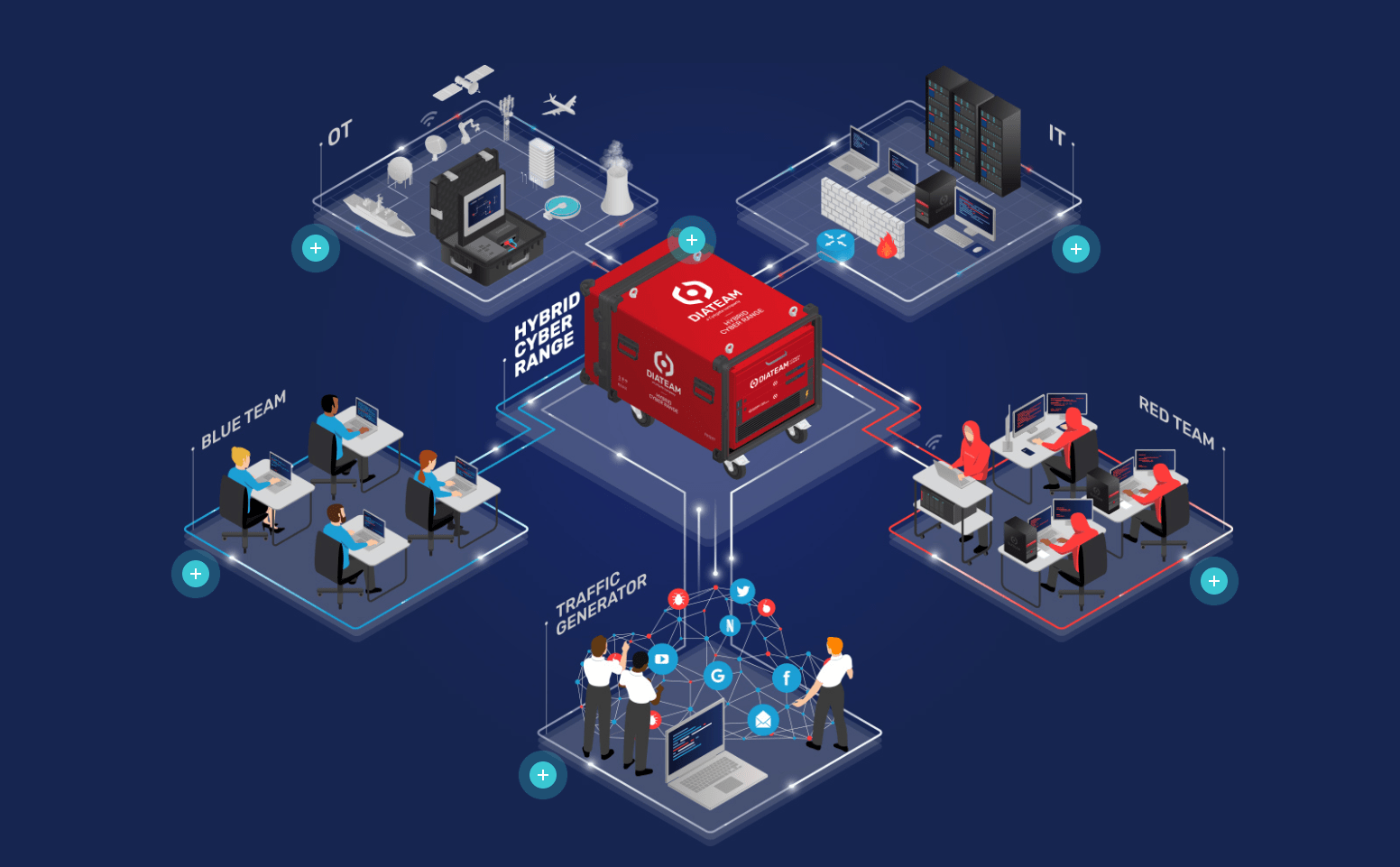
img credit: https://www.diateam.net/what-is-a-cyber-range/
Training in Cyber is Hard
- datasets are often limited by org. boundaries
Training in Cyber is Hard

What we are doing about it
(AKA why I'm here to talk to you)
Novice
Expert
Companies want folks to be here
Folks start here
Skills in cybersecurity
Moving up the skill gradient requires knowledge and practice
Current CYBER workforce development Model
Novice
Current CYBER workforce development Model
Expert
Lanes of skill advancement
Higher education (academic degrees)
On the job training / Internships
Certificates and micro-credentials
Skills in cybersecurity
Lanes of skill advancement
Class1
Class2
Class3
ClassN
undergrad degree
Class1
ClassM
graduate degree
Higher education (academic degrees)
On the job training / Internships
Certificates and micro-credentials
Current CYBER workforce development Model
Novice
Expert
Skills in cybersecurity
Lanes of skill advancement
Class1
Class2
Class3
ClassN
undergrad degree
Class1
ClassM
graduate degree
Higher education (academic degrees)
On the job training / Internships
Certificates and micro-credentials
Workshops / exercises
paired mentorship
experience
Current CYBER workforce development Model
Novice
Expert
Skills in cybersecurity
Lanes of skill advancement
Class1
Class2
Class3
ClassN
undergrad degree
Class1
ClassM
graduate degree
Higher education (academic degrees)
On the job training / Internships
Certificates and micro-credentials
Workshops / exercises
paired mentorship
experience
stackable modules
credential (e.g. CISSP)
Current CYBER workforce development Model
Novice
Expert
Skills in cybersecurity
CYBER workforce development Model (observations)
Lanes of skill advancement
Class1
Class2
Class3
ClassN
undergrad degree
Class1
ClassM
graduate degree
Higher education (academic degrees)
On the job training / Internships
Certificates and micro-credentials
Workshops / exercises
paired mentorship
experience
stackable modules
credential (e.g. CISSP)
siloed, not mutually exclusive
requires hands on experiences for attack/defend skills
Novice
Expert
Skills in cybersecurity
workforce development Model (observations)
Lanes of skill advancement
Class1
Class2
Class3
ClassN
undergrad degree
Class1
ClassM
graduate degree
Higher education (academic degrees)
On the job training / Internships
Certificates and micro-credentials
Workshops / exercises
paired mentorship
experience
stackable modules
credential (e.g. CISSP)
+ works with real data
+ highest skill ceiling
- can take a long time
- prone to groupthink
- hard to generalize
+ recognized credential
+ general knowledge
+ less groupthink
+ pedagogy expertise
+ expert mentorship
- opportunity cost barrier
- 4-6 years of time
- less modular
- "book" vs "real world"
learning
+ flexible and modular
+ deliverable online
+ short time commitment
+ industry credentials
- hard to generalize
- lowest skill ceiling
- lacks depth
Novice
Expert
Skills in cybersecurity
But what if...
...We want all of this
Lanes of skill advancement
Class1
Class2
Class3
ClassN
undergrad degree
Class1
ClassM
graduate degree
Higher education (academic degrees)
On the job training / Internships
Certificates and micro-credentials
Workshops / exercises
paired mentorship
experience
stackable modules
credential (e.g. CISSP)
+ works with real data
+ highest skill ceiling
- can take a long time
- prone to groupthink
- hard to generalize
+ recognized credential
+ general knowledge
+ less groupthink
+ pedagogy expertise
+ expert mentorship
- opportunity cost barrier
- 4-6 years of time
- less modular
- "book" vs "real world"
learning
+ flexible and modular
+ deliverable online
+ short time commitment
+ industry credentials
- hard to generalize
- lowest skill ceiling
- lacks depth
Novice
Expert
Skills in cybersecurity
This brings us to the
#NebraskaCYBER
MATRIX Project
ML, AI, and Threat Response Initiative
for Cyber eXcellence in Nebraska
Lanes of skill advancement
Class1
Class2
Class3
ClassN
undergrad degree
Class1
ClassM
graduate degree
Higher education (academic degrees)
On the job training / Internships
Certificates and micro-credentials
Workshops / exercises
paired mentorship
experience
stackable modules
credential (e.g. CISSP)
Novice
Expert
Skills in cybersecurity
Reimagining workforce development in CYBER
Lanes of skill advancement
Class1
Class2
Class3
ClassN
undergrad degree
Class1
ClassM
graduate degree
Higher education (academic degrees)
On the job training / Internships
Certificates and micro-credentials
Workshops / exercises
paired mentorship
experience
stackable modules
credential (e.g. CISSP)
Novice
Expert
Skills in cybersecurity
Reimagining workforce development in CYBER
Lanes of skill advancement
Higher education (academic degrees)
On the job training / Internships
Certificates and micro-credentials
Novice
Expert
Skills in cybersecurity
Reimagining workforce development in CYBER
Higher education (academic degrees)
On the job training / Internships
Certificates and micro-credentials
Reimagining workforce development in CYBER
Higher education (academic degrees)
On the job training / Internships
Certificates and micro-credentials
Novice
Expert
Skills in cybersecurity
Lanes of skill advancement
Higher education (academic degrees)
On the job training / Internships
Certificates and micro-credentials
Higher education (academic degrees)
On the job training / Internships
Certificates and micro-credentials
Reimagining workforce development in CYBER
Higher education (academic degrees)
On the job training / Internships
Certificates and micro-credentials
a new skill advancement enabler
#NebraskaCYBER MATRIX
Novice
Expert
Skills in cybersecurity
Reimagining workforce development in CYBER
Higher education (academic degrees)
On the job training / Internships
Certificates and micro-credentials
a new skill advancement enabler
#NebraskaCYBER MATRIX
Breaking silos and serving all cyber training audiences
Novice
Expert
Skills in cybersecurity
Reimagining workforce development in CYBER
Higher education (academic degrees)
On the job training / Internships
Certificates and micro-credentials
a new skill advancement enabler
Novice
Expert
Skills in cybersecurity

How can we serve everyone, regardless of their incoming ability levels?
Reimagining workforce development in CYBER
Higher education (academic degrees)
On the job training / Internships
Certificates and micro-credentials
a new skill advancement enabler
Novice
Expert
Skills in cybersecurity
Baseline cyber competency threshold
#NebraskaCYBER MATRIX
Security Competency Bootcamp
a new skill advancement enabler
Novice
Expert
Skills in cybersecurity
Baseline cyber competency threshold
Reimagining workforce development in CYBER
#NebraskaCYBER MATRIX
Security Competency Bootcamp
Nano
module
Nano
module
Nano
module
Nano
module
Nano
module
Nano
module
Nano
module
Nano
module
a new skill advancement enabler
Novice
Expert
Skills in cybersecurity
Baseline cyber competency threshold
Reimagining workforce development in CYBER
#NebraskaCYBER MATRIX
Security Competency Bootcamp
#NebraskaCYBER MATRIX
Security Operations Center (SOC)
Nano
module
Nano
module
Nano
module
Nano
module
Nano
module
Nano
module
Nano
module
Nano
module
a new skill advancement enabler
Novice
Expert
Skills in cybersecurity
Baseline cyber competency threshold
Reimagining workforce development in CYBER
#NebraskaCYBER MATRIX
Security Competency Bootcamp
#NebraskaCYBER MATRIX
Security Operations Center (SOC)
Live-fire exercises
Data access portal
cyber threat intelligence
threat modeling
skills-based mentorship
expertise curation
use-centered solutioning
SOC as a Service
Nano
module
Nano
module
Nano
module
Nano
module
Nano
module
Nano
module
Nano
module
Nano
module
a new skill advancement enabler
Novice
Expert
Baseline cyber competency threshold
Reimagining workforce development in CYBER
#NebraskaCYBER MATRIX
Security Competency Bootcamp
#NebraskaCYBER MATRIX
Security Operations Center (SOC)
Live-fire exercises
Data access portal
cyber threat intelligence
threat modeling
skills-based mentorship
expertise curation
use-centered solutioning
SOC as a Service
AI-assisted skilling platform and content matchmaker
Nano
module
Nano
module
Nano
module
Nano
module
Nano
module
Nano
module
Nano
module
Nano
module
Community Involvement
(AKA who else is involved)
NebraskaCYBER
NCITE
CTAL
MATRIX
CYBER Expertise
Terrorism Expertise
Nebraska ESUs
Public Utilities
State / Local Government
Small businesses
Other universities
...you...
NU ITS SOC
UNMC
CYBER
Expertise
NU SystEM Partners
Potential
External Partners
CYBER Workforce development
data sharing
Threat Intelligence
Freemium to Platinum partners
threat data
skill gaps
financial support
internships
OmniSOC
BIG10 data sharing
ILCI
Feedback and Next STeps
(AKA where we would like to include you)
Feedback and Next STeps
Oct. '24 MATRIX Proposal Funded
(2023-2024) NU Internal team building
Aug./Sep. '24 MATRIX Proposal submitted to Weitz Foundation
Jan. 1 - Dec. 31 2025 - Work begins first year of funding focused on infrastructure setup & external partnership building
2026 - 2029 4 year plan to scale up and serve the region
Feedback and iteration from our partners
Questions?
©2024 Matthew L. Hale


Matt Hale, PHD
University of Nebraska at Omaha
Associate Professor, Cybersecurity
Director, School of Interdisciplinary Informatics
Director, NebraskaCYBER
mlhale@unomaha.edu
twitter: X: @mlhale
NebraskaCYBER MATRIX (short)
By Matt Hale
NebraskaCYBER MATRIX (short)
NebraskaCYBER Center vision